Recommendations
Masterpiece Selection Resonating with the Themes of Let Not Man Put Asunder: Cult Guide

“Discover the best cult films and cinematic recommendations similar to Let Not Man Put Asunder (1924).”
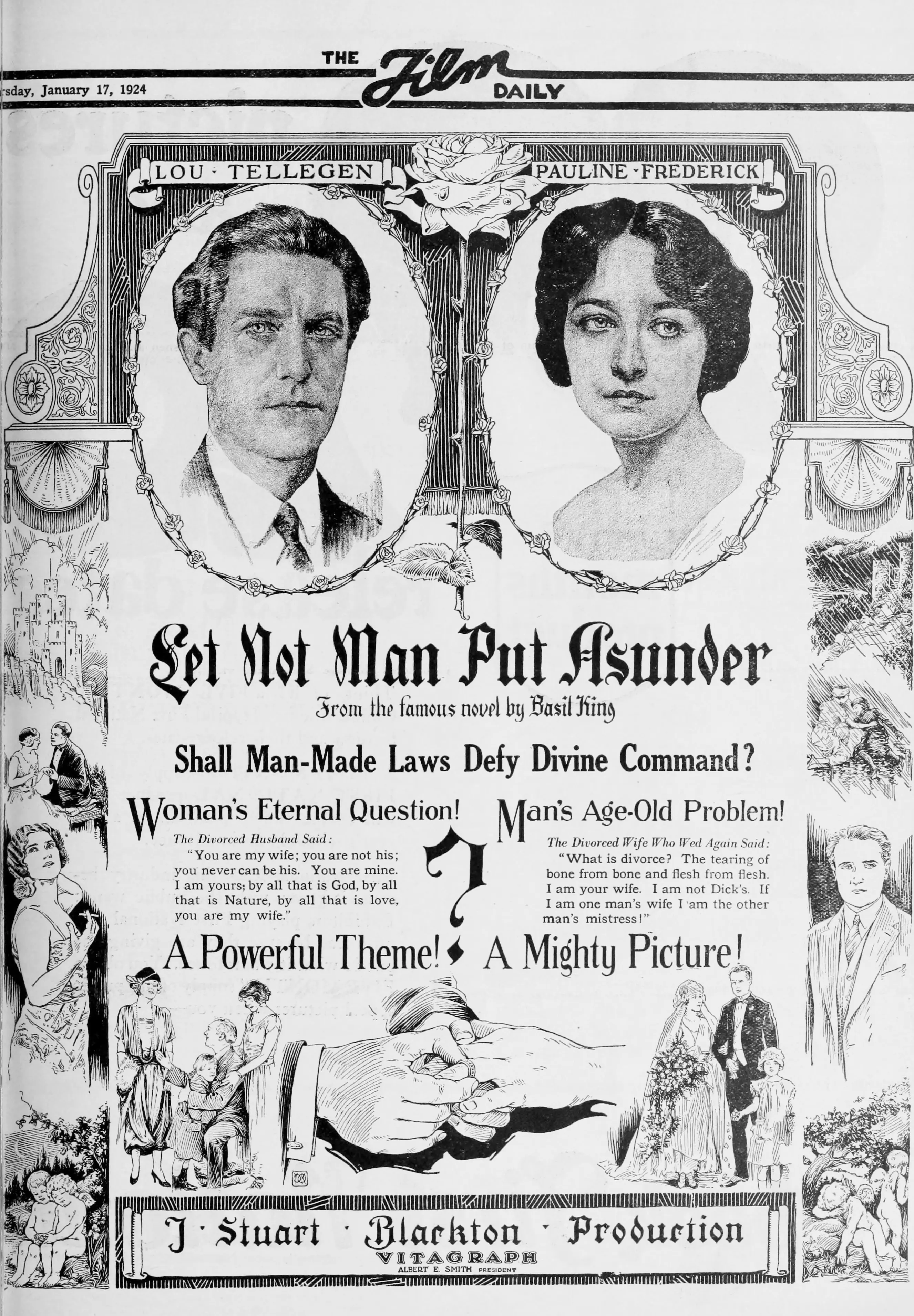
Exploring the character-driven intensity in Let Not Man Put Asunder is a journey into United States cinema, the thematic layers of this 1924 classic invite a wider exploration of the genre. If Maurice Costello, Helena D'Algy, Lou Tellegen impressed you, these next recommendations will too.
The Let Not Man Put Asunder Phenomenon
With J. Stuart Blackton at the helm, Let Not Man Put Asunder became to reinvent the tropes of Drama cinema for a global audience.
Petrina Faneuil (Pauline Frederick), a wealthy but lonely girl, marries a man of equal social status, Harry Vassall (Leslie Austen). Their friends Dick Lechmere (Lou Tellegen) and Felicia De Proney (Helena D'Algy) also marry, and thus begin a series of trials within the marriages and external social pressures that eventually cause both couples to divorce. After more misfortune and misery, Petrina and Harry are reunited; but Felicia dies, and Lechmere kills himself out of grief.
Masterpiece Selection Resonating with the Themes of Let Not Man Put Asunder
Based on the unique character-driven intensity of Let Not Man Put Asunder, our vault has identified these titles as the most compelling follow-up experiences for fans of Drama cinema:
Dir: [object Object]
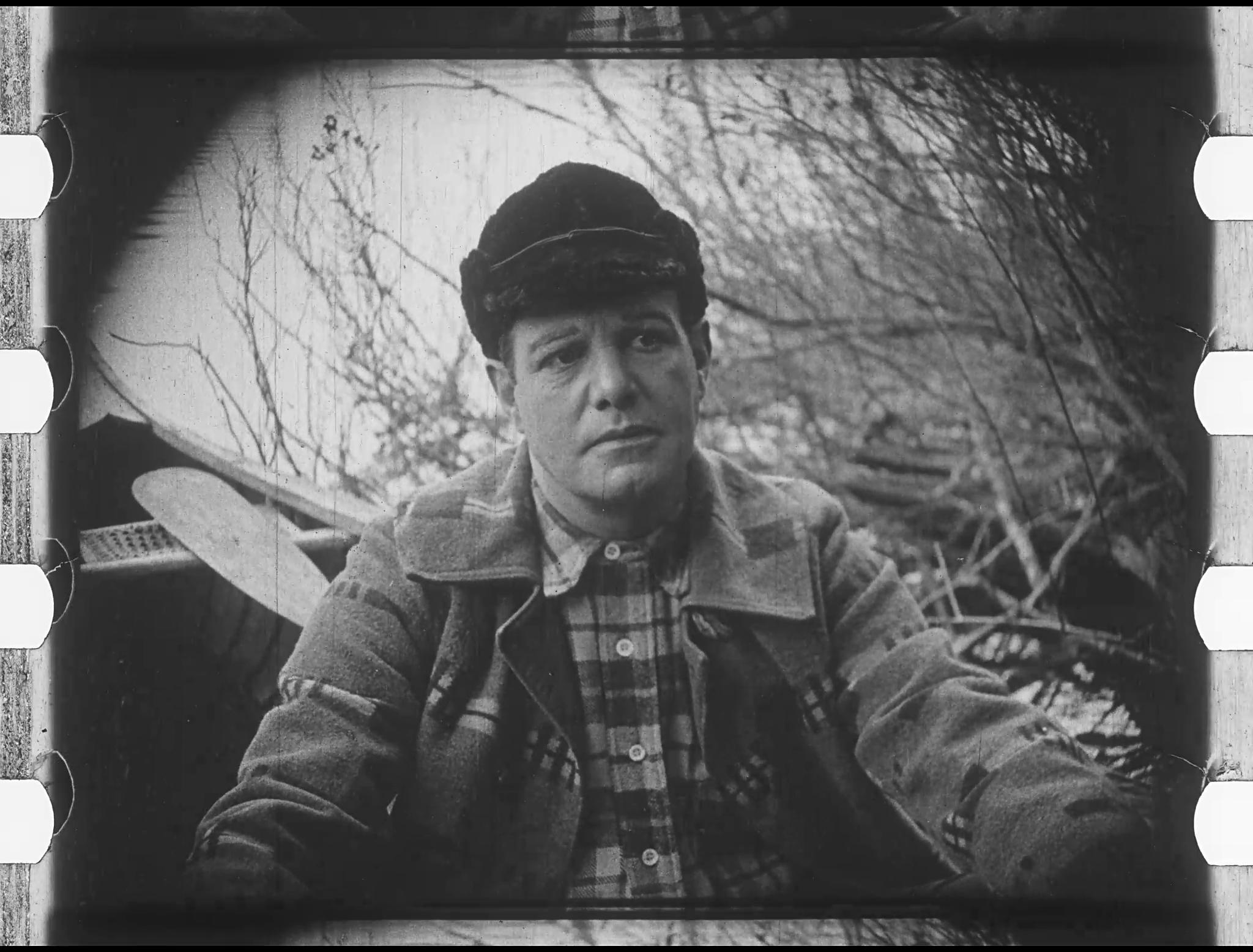
A mail-order bride arrives at a Maine lumber camp but doesn't like her prospective husband.
Dir: [object Object]
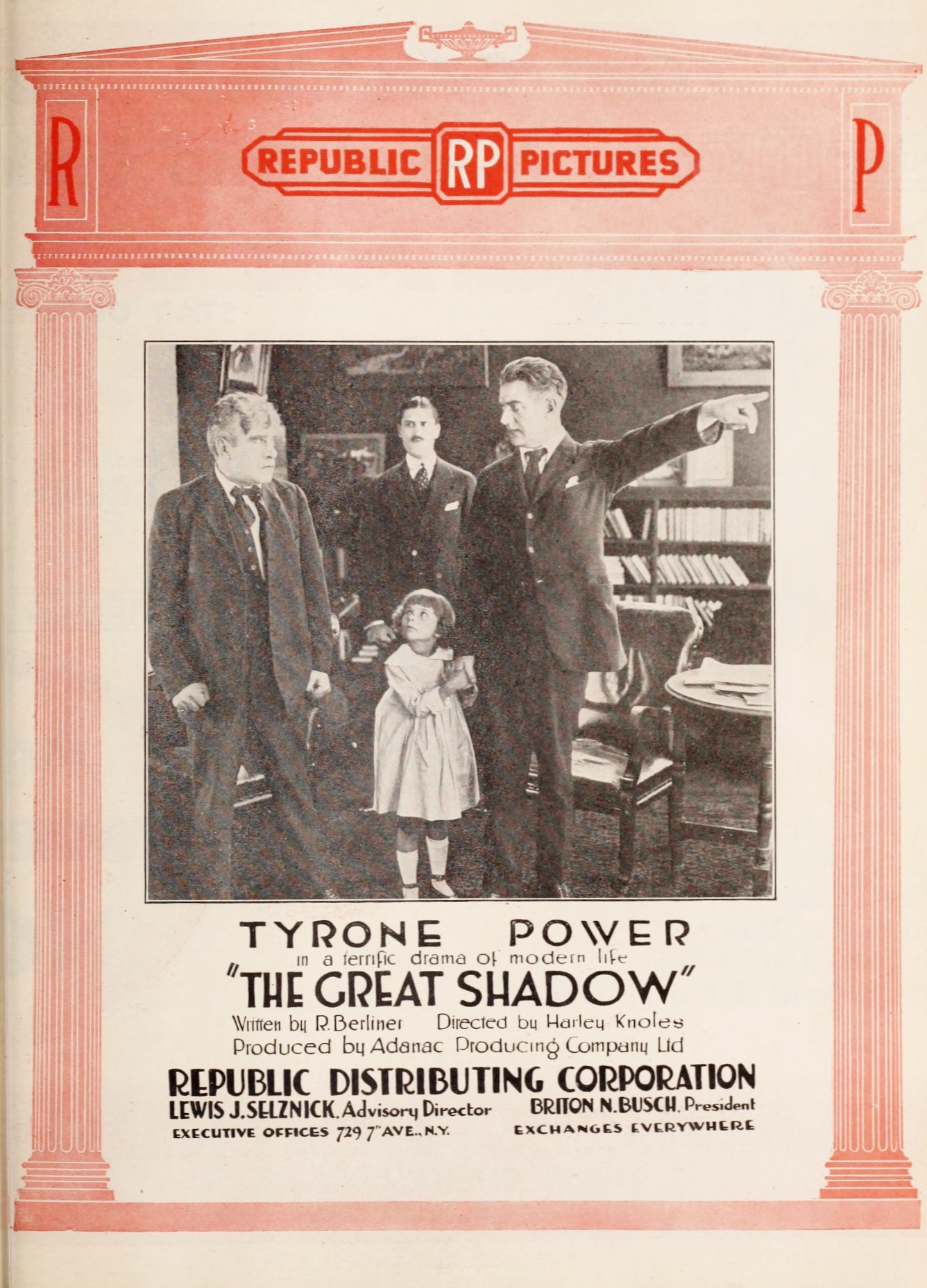
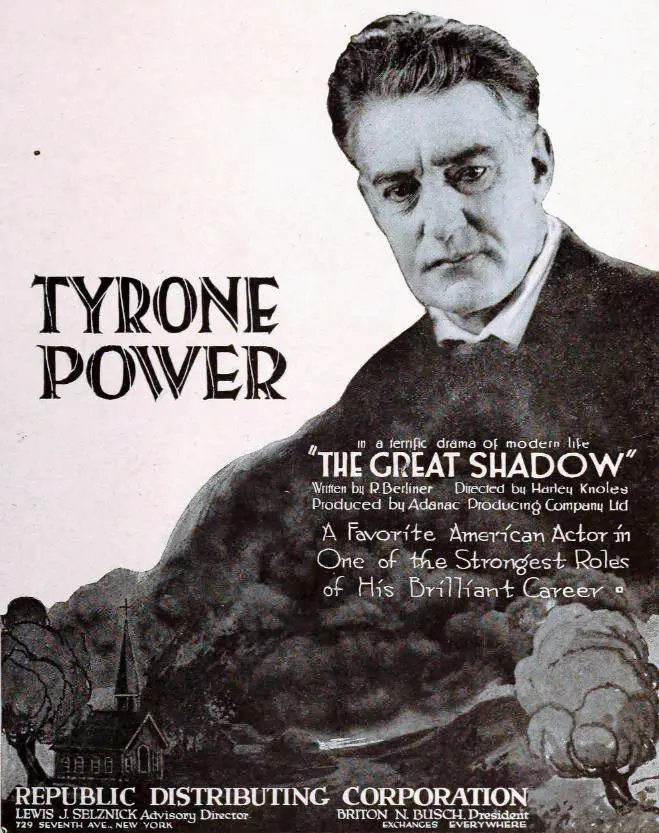
Jim McDonald, the foreman of a shipbuilding plant and head of the labor union, strives to combat the anarchistic propaganda being put forth by Klimoff, the leader of a Bolshevik gang whose goal is to disrupt the country with strikes and anarchy. Despite McDonald's efforts, a strike is called, resulting in chaos. McDonald's child is knocked down by runaway horses abandoned by their striking driver, and dies. Mob scenes take place in America, as well as in Russia. Eventually, the unrest is quelled with an armistice called between Capital and Labor for a year, during which time wages are to be increased to reflect the cost of living, and leaders are to work out a common plan for their mutual advantage. The strikers now realize that they have been pawns of the Bolsheviks and call off the strike, agreeing to the plan.
Dir: [object Object]
The persecution of the children of Israel by the Egyptians. Now there arose up a new king in Egypt. And he said unto his people. Behold, the people of the children of Israel are more and mightier than we. Let us set over them taskmasters to afflict them with their burdens. (Exodus, chapter I.) The first scenes show the Egyptian court and King Pharaoh commanding the slave drivers to beat the Hebrew toilers who show signs of rebellion. Pharaoh notices this and, calling his scribes, orders that a decree be published that every man-child born to the Hebrews be killed. The parchment is prepared and is read in Pharaohs court in the presence of Pharaohs daughter, who hears and pleads in vain for his clemency. Pharaohs Decree: Every male child that is born to the Hebrews shall be cast into the river. The Egyptians ruthlessly proceed to carry out the decree and seize the male children from the arms of the Hebrew mothers. Here we are shown the interior of a Hebrew dwelling. The child Moses is in a cradle and his mother is bending over him, utterly unconscious of the cruel edict of King Pharaoh. The sister of Moses is shown attending to household duties and she takes a pitcher and goes to the well to draw water. There she learns of the slaughter of the innocents and hastens back and tells the mother of the cruel scenes she has witnessed. They decide to hide the child Moses by the river, and the cradle or ark is covered and carried between them to a marsh, where they plaster the outside with soft mud to keep out the water, and placing the child therein, his sister remains nearby to watch what will become of him. And the daughter of Pharaoh came down to wash herself at the river; and her maidens walked along by the rivers edge; and when she saw the ark among the flags she sent her maid to fetch it. And when she had opened it she saw the child; and, behold, the babe wept, and she had compassion on him. Pharaohs daughter fondles and pets the crying child and decides that she will keep him for her own. The sister of Moses approaches and suggests that she call a nurse of the Hebrew women and she, of course, called the childs mother. And Pharaohs daughter said unto her, Take this child away and nurse it for me and I will give thee thy wages. And the woman took the child and nursed it. Pharaoh is informed of his daughters caprice and demands to see the child. He orders it away, but his daughter embraces him and pleads so hard for the life of the child that he consents and gives it his protection and blessing. A fitting ending is a picture of the mother and sister of Moses again fondling their own and giving thanks to God for their unexpected good fortune. The first reel of this series ended with the child Moses being adopted by Pharaohs daughter. The Hebrews are still under bondage, and we see them laboring in the brick fields, beaten by the taskmasters, as they build those gigantic specimens of Egyptian architecture, many of which stand to this day. Moses has been reared and educated in the Egyptian court, and is now in the prime of life, but he does not forget that he is of Hebrew blood, and, as he watches his brethren in their slavery, his blood boils at the outrages and he looks toward Heaven and cries, How long, oh Lord, how long? A number of Hebrews are digging clay, which is filled into baskets. The load is too heavy for one of the laborers, and the taskmaster beats him unmercifully. Moses sees this and kills the taskmaster. T The other Hebrew slaves, horrified at the enormity of the act, run away, and Moses, afraid of the consequences, hastily buries the body in the clay pit. Two days after this, Moses seeks to separate two of his brethren who are quarreling, and one of them says: Wilt thou kill me as thou didst the Egyptian? Moses is terrified when he knows that his crime is known, and decides to flee from the country. He seeks refuge in the home of a Hebrew laborer and bargains for a suit of the laborers garments, with which he disguises himself; he also purchases provisions and a water bottle, and departs. Moses is seen crossing the desert. Tired and dusty, he rests and drinks from his water flask. Still toiling on through the arid desert, he reaches an eminence and looks hack to see if he is being followed, and, seeing no one, he gives thanks for his deliverance. Moses has at last reached the land of Midian. He discovers a well and refreshes and rests himself. While he is resting seven daughters of Jethro, a Midianite, come to the well to draw water for their sheep and cattle. Other herdsmen also come to the well and ungallantly drive away the maidens, but Moses comes to their aid, and draws the water for them. The home of Jethro, the priest of Midian, father of the seven maidens. They enter and tell of the encounter at the well, and how they were aided by a Hebrew traveler. He says the man must be his guest, and hastens to the well and greets Moses and invites him to the shelter of his house, which offer is accepted. Moses enters the home of the priest of Midian, where he is effusively greeted by the whole household, and we see him seated and enjoying a meal with the family. (And Moses was content to dwell with the manand he gave Moses his daughter, Zipporah, to wife.) (Forty years later). Moses is now a shepherd, and, while tending his flocks in the land of Midian. The voice of God speaks to him out of a burning bush and commands him to return to Egypt and deliver his brethren out of the bondage of the Egyptians. Moses bids farewell to Jethro, his father-in-law, and, with his family, journeys to Egypt. On the way he meets Aaron, who had been, commanded by the Lord to meet Moses, and together they arrive at the Egyptian court. The court of Pharaoh, a young man, the elder Pharaoh having died while Moses was in Midian. The officials announce the new arrivals, and Moses and Aaron are ushered in and demand, in the name of the Lord, that the Children of Israel be set free. The Egyptian king refuses, and Moses tells him that if he does not consent the wrath of God will come on all the Egyptians. Moses prays to the Lord for advice, and is commanded to work a miracle before the Egyptian monarch to convince him that it is the Lord, the God of the Israelites, who demands the deliverance of His people. Moses and Aaron appear before Pharaoh again. Aaron casts his rod upon the ground and it becomes a serpent. Pharaoh is amazed, but he still refuses to free the Children of Israel. Pharaohs continued refusal brings upon Egypt the ten plagues. Moses finds Pharaoh near the rivers edge and again asks that his people be allowed to go free. When Pharaoh denies again. Aaron smites the water of the river with his rod and the waters are turned into blood. Again Moses appears before Pharaoh and again Pharaoh refuses his request. As God had commanded, Moses stretches his hand toward heaven and immediately a great storm of hail and lightning, such as they had never seen, descends on Egypt, killing man and beast and striking terror to the heart of Pharaoh. Pharaohs heart was again hardened and he still refuses to free the Hebrew children. Again Moses stretches his hand toward heaven, and a thick darkness, a darkness that might be felt, covered the land for three days, so that no one was able to rise from his place. The last and most terrible plague visited on Egypt for Pharaohs continued refusal is the death of all the Egyptian first born. The Feast of the Passover is instituted at this time. Moses directing all the Hebrew people to observe the Feast by killing and preparing a lamb. Moses commands the Children of Israel to sprinkle the door posts on both sides and on top with the blood of the lamb and on every house where they are to eat the Feast of the Passover, and to prepare the Feast. The Feast of the Passover is observed, according to the instructions of Moses, by every Jewish family in Egypt, the Feast consisting of roast lamb with unleavened bread and herbs. The same night that the Feast of the Passover is being observed by the Israelites, the Angel of Death passes over the land of Egypt in the last plague, the death of the first born. The Angel of Death enters every Egyptian home where there is no blood on the doorposts, and the first born of every Egyptian family is slain, from the first born in Pharaohs household to the first born of the captive in the dungeons. The Angel of Death, however, passes by every Jewish home, as God had promised to Moses that where He saw the blood on the doorposts He would pass them over and the plague should not be upon them. In Pharaohs palace Pharaoh and his court are feasting, when the Angel of Death enters and Pharaohs own first born is slain. Pharaoh is overcome with grief at this terrible visitation and sends for Moses and Aaron immediately. The death of his first born softens the heart of Pharaoh and when Moses and Aaron now appear before him he commands them to take the Children of Israel and to depart out of the land of Egypt. Moses and Aaron give the command to the Hebrew people, who immediately gather together their possessions and prepare to leave the land of their bondage with reverent and thankful hearts. With Moses and Aaron as leaders, the Israelites begin their exodus from Egypt, the land of the Pharaohs, where they had been slaves for so many years.
Dir: [object Object]
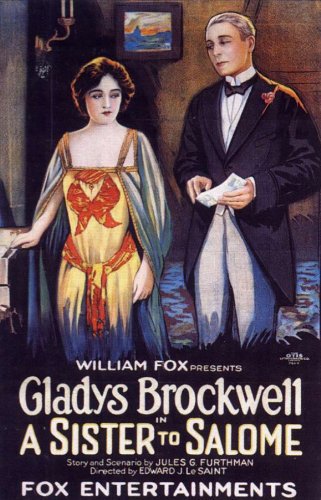
When famous opera singer Elinore Duane undergoes an operation on her throat, she has a series of ether-induced visions. In one, she is transported to ancient Rome where she appears as a much-admired woman in love with Paul, a young heretic, and at odds with Lutor, the high priest. To save her love, she poisons Lutor with her ring. After several other visions which involve variations on this love triangle, Elinore awakens to discover that Lutor is actually her doctor, Sascha Jaccard, and that Paul is the son of a friend who has come to visit the recovering prima donna.
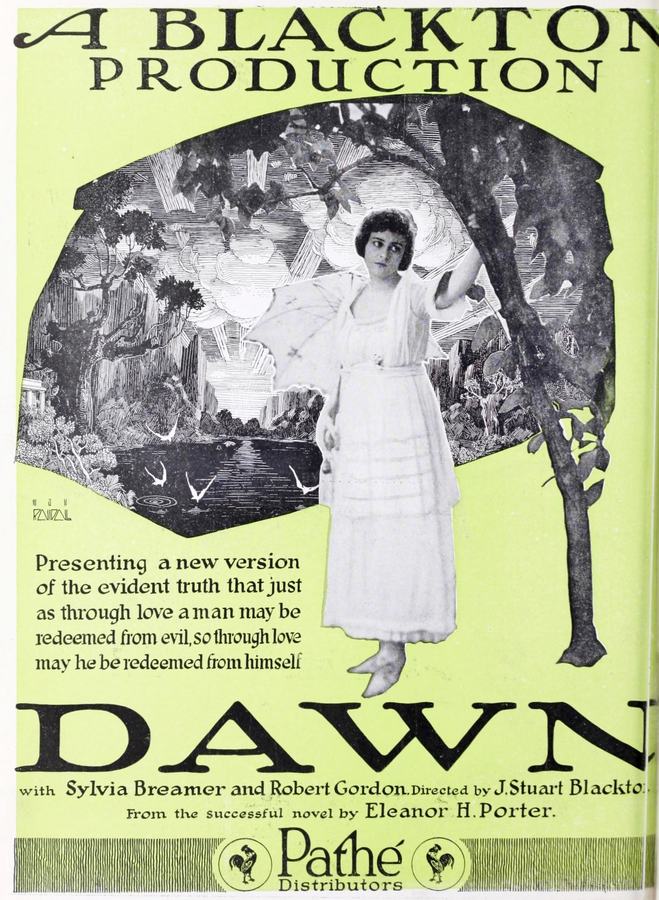
Dir: [object Object]
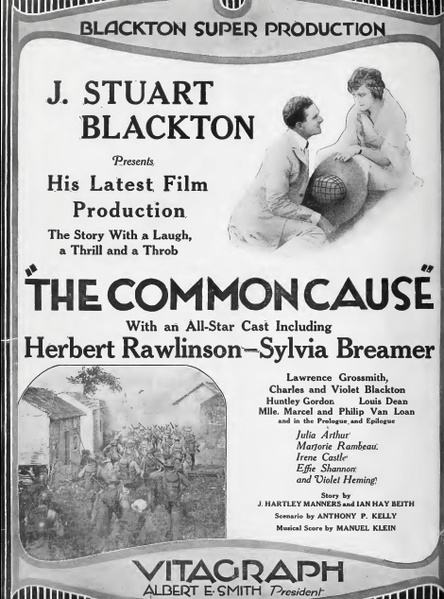
Helene Palmer and her husband Orrin have grown apart, and she becomes infatuated with bachelor Edward Wadsworth. With the outbreak of World War I, Orrin and Edward enlist, while Helene works as a Red Cross nurse in a small French town. Edward is wounded on a dangerous scouting mission near the town and Orrin carries him to safety. The enemy invades during the night, and Orrin rescues Helene as she is about to be overpowered by a German officer. The dying Edward, morally strengthened by his experience as a soldier, encourages the couple to reunite. Soon after, peace is declared.
Dir: [object Object]
Loved by two men, frivolous Jasmine Grenfel is unable to decide between the bold Rudyard Byng and the more reserved Ian Stafford. Swept away by Byng's forcefulness, Jasmine agrees to marry him and the rejected Stafford goes to South Africa. Three years elapse, and Jasmine's unhappiness increases as her husband slips into dissipation and she is pursued by his private secretary, Adrian Fellow, who is also having an affair with Al'Mah, an exotic dancer. When Byng finds a love note written by Fellow addressed to Jasmine, he threatens to kill both his wife and secretary, but Stafford returns in time to prevent the tragedy. Later, Fellow is murdered and Byng finds a poisoned needle near the body, but before the murderer can be found, the Boer War breaks out and Byng goes to fight for his country. In battle, Stafford is killed and Byng distinguishes himself in the field, recovering from his former dissipation. Al'Mah, now a nurse, is fatally wounded and confesses that she killed Fellow. Jasmine, touched by the crucible of war, finally realizes that she has been responsible for her own unhappiness and makes a true commitment to her husband.
Dir: [object Object]
Keith, an artist, begins to go blind as a result of having fallen out of a tree as a child. His fiancé Dorothy, a wealthy heiress, had previously said that she thought blind people were "disgusting", and he refuses to see her. Dorothy plans to have her father, an eye surgeon, perform an operation on Keith that may help him regain his sight, but things don't go as planned.
Dir: [object Object]
Orphan Mary Lord, the ward of Sir Arthur Stanhope of Parliament, is attracted to Philip Carmichael, a young politician, who ignores her and goes through a supposedly mock marriage at a wild party with actress Sheelah Delayne. Years later, Philip falls in love with Mary, now married to Sir Arthur, who dies from a stroke when he sees Philip and Mary together. Remorseful, they try to keep apart but eventually marry in France. Later, Sheelah confronts Philip with their son and proof that they are married. When Philip is arrested for bigamy, Mary testifies, to her humiliation, that she and Philip are not married, and then disappears. After her son dies, Sheelah goes to France as a canteen worker and finds Mary wandering in a daze. Feeling pity, Sheelah has her marriage annulled and sends for Philip. When Mary hears soldiers sing a song she used to sing to Philip, she recognizes Philip and they resume their marriage.
Dir: [object Object]
After the overthrowing of Duke Senior by his tyrannical brother, Senior's daughter Rosalind disguises herself as a man and sets out to find her banished father while also counseling her clumsy suitor Orlando in the art of wooing.

View Details
Dir: [object Object]
A young Englishman falls in love with the children's governess in his stepsister's home. His stepsister, however, cannot abide the class differential in the romance and sabotages it. The young man, in a state of boredom and depression, begins to invite into the house anyone who happens to pass by in the street.
View DetailsCinematic Comparison Matrix
Analysis relative to Let Not Man Put Asunder
| Film Title | Atmosphere | Complexity | Similarity |
|---|---|---|---|
| In the River | Gritty | High | 92% Match |
| The Great Shadow | Gothic | High | 94% Match |
| The Life of Moses | Tense | Linear | 92% Match |
| A Sister to Salome | Gothic | High | 88% Match |
| The Common Cause | Gritty | Dense | 85% Match |
This guide was algorithmically generated using the cinematic metadata of J. Stuart Blackton's archive. Last updated: 5/1/2026.
Back to Let Not Man Put Asunder Details →Community
Comments
Log in to comment.
Loading comments…