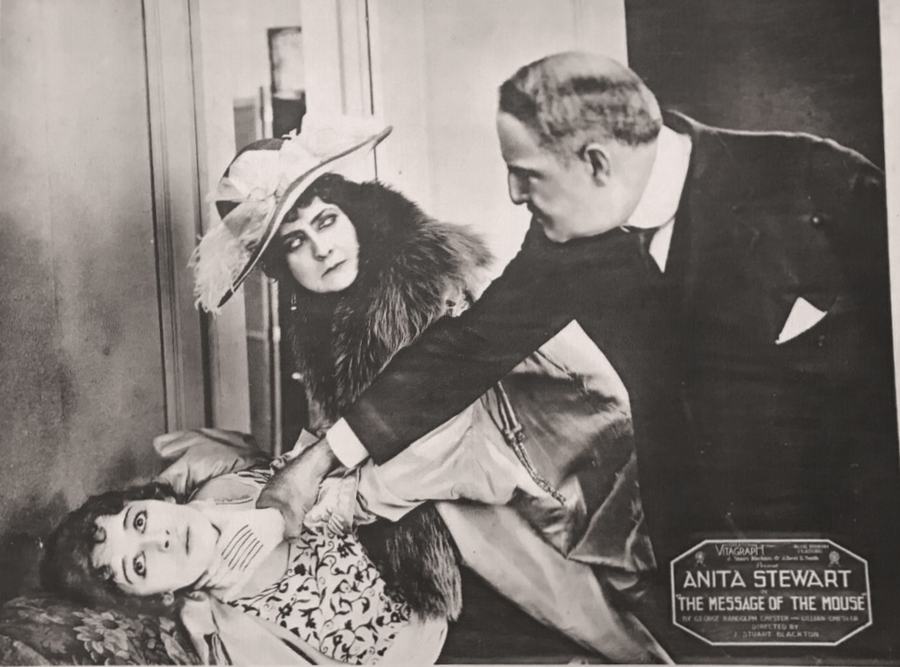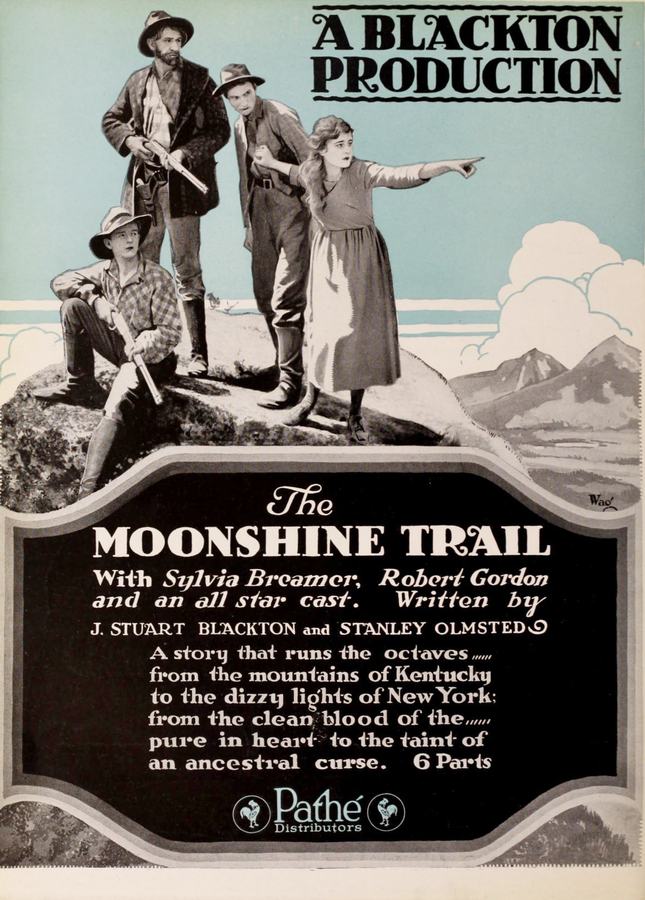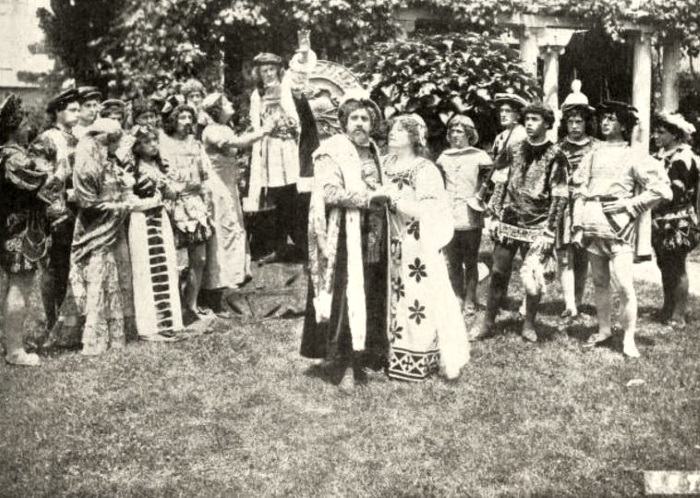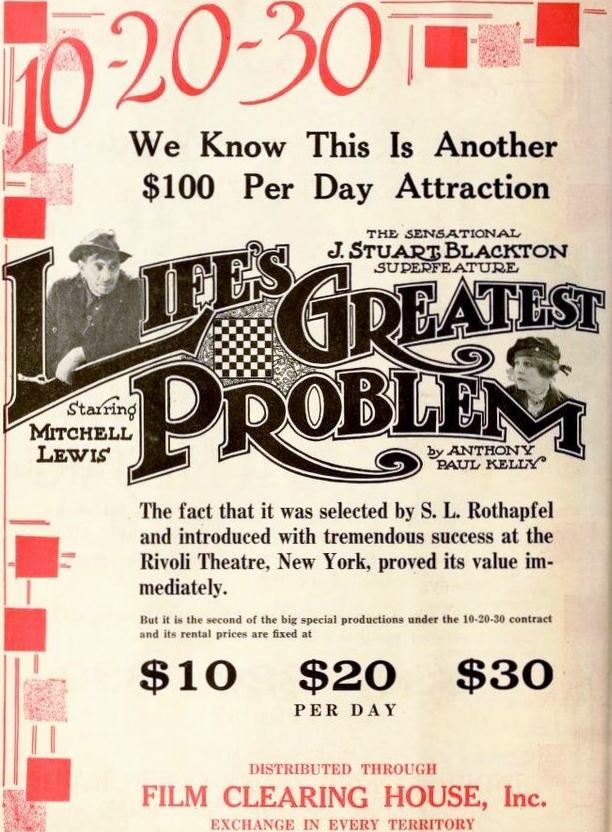
Big Steve and Little Lefty, a pair of hobos, are happily drifting through life until the First World War comes. They enter it and find their lives forever changed.
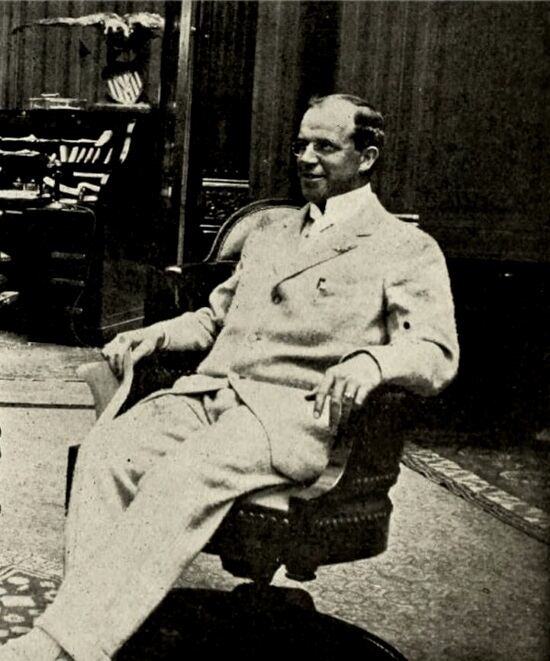
Anthony Paul Kelly
United States
body{color:#fff;background:#000;font-family:'Georgia',serif;margin:0;padding:2rem 4rem;}h2{color:#C2410C;font-size:1.8rem;margin-top:2.5rem;}h3{color:#EAB308;font-size:1.4rem;margin-top:2rem;}p{line-height:1.7;margin-bottom:1.2rem;text-align:justify;}a{color:#0E7490;text-decoration:none;border-bottom:1px dashed #0E7490...
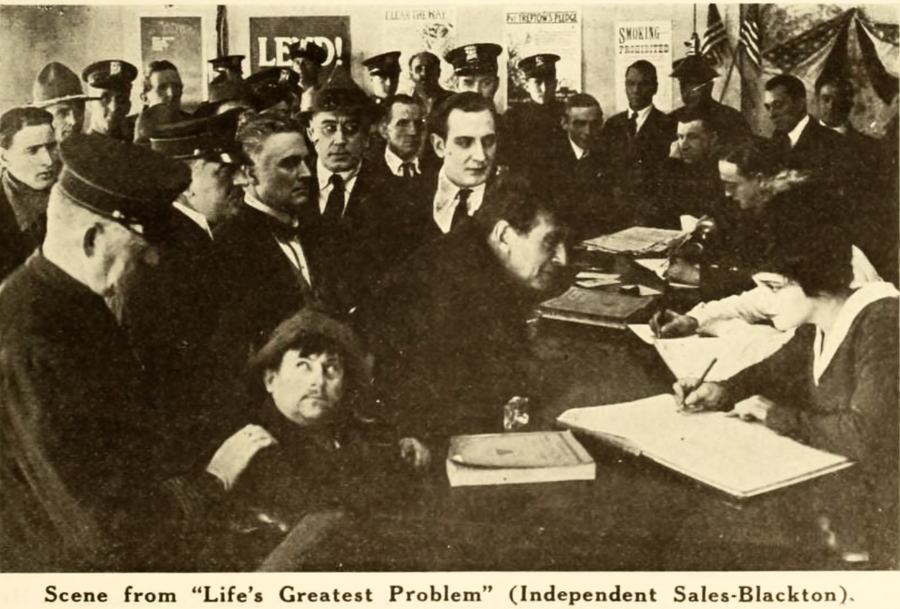
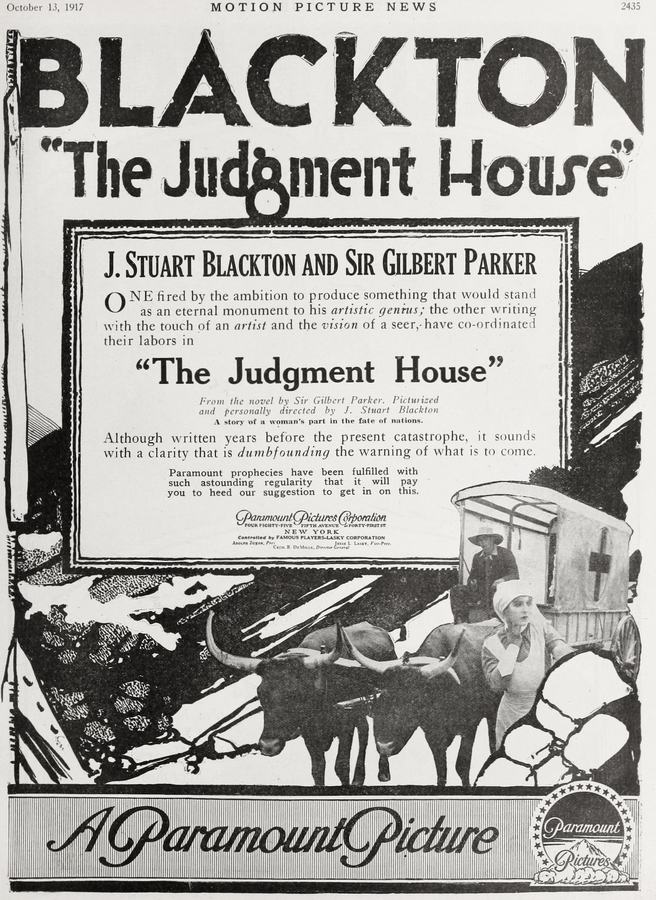
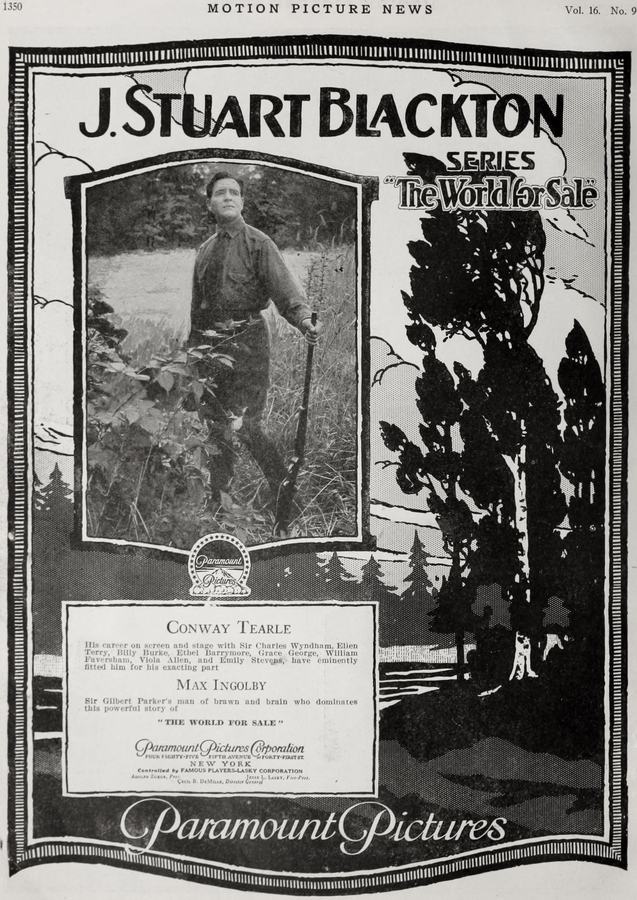
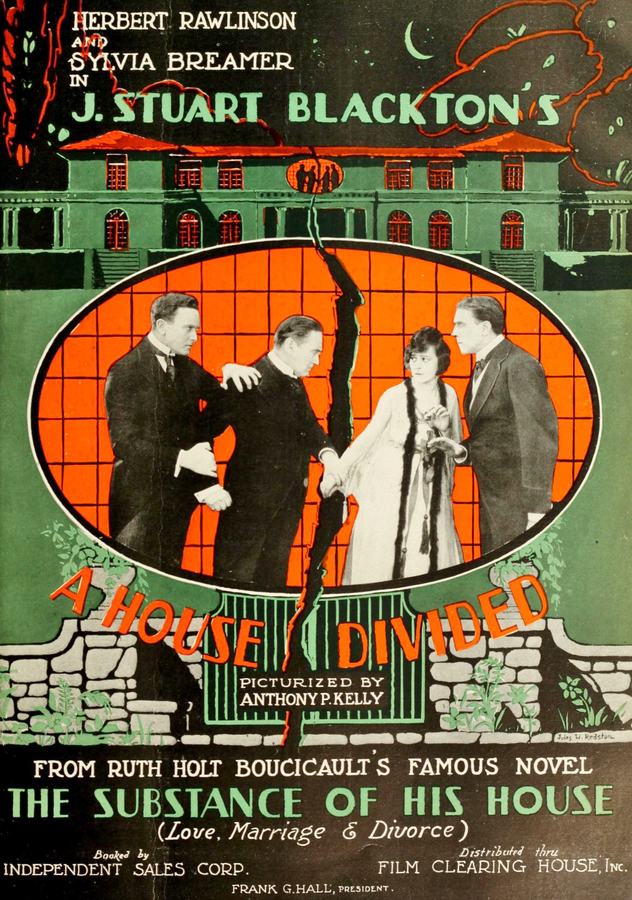
publicity
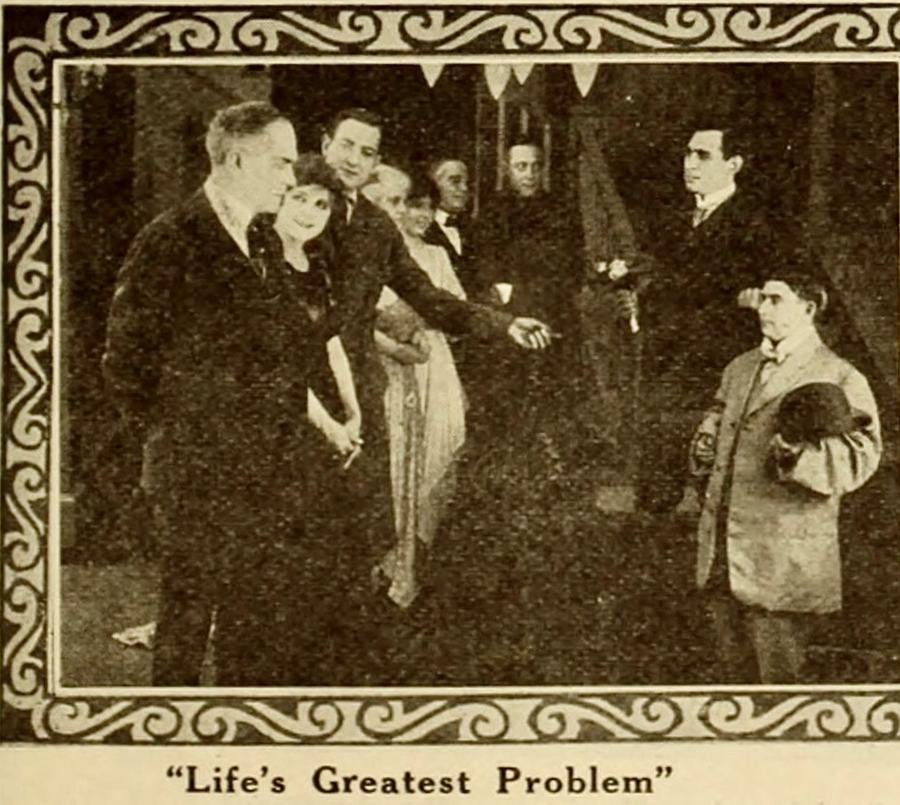
still_frame
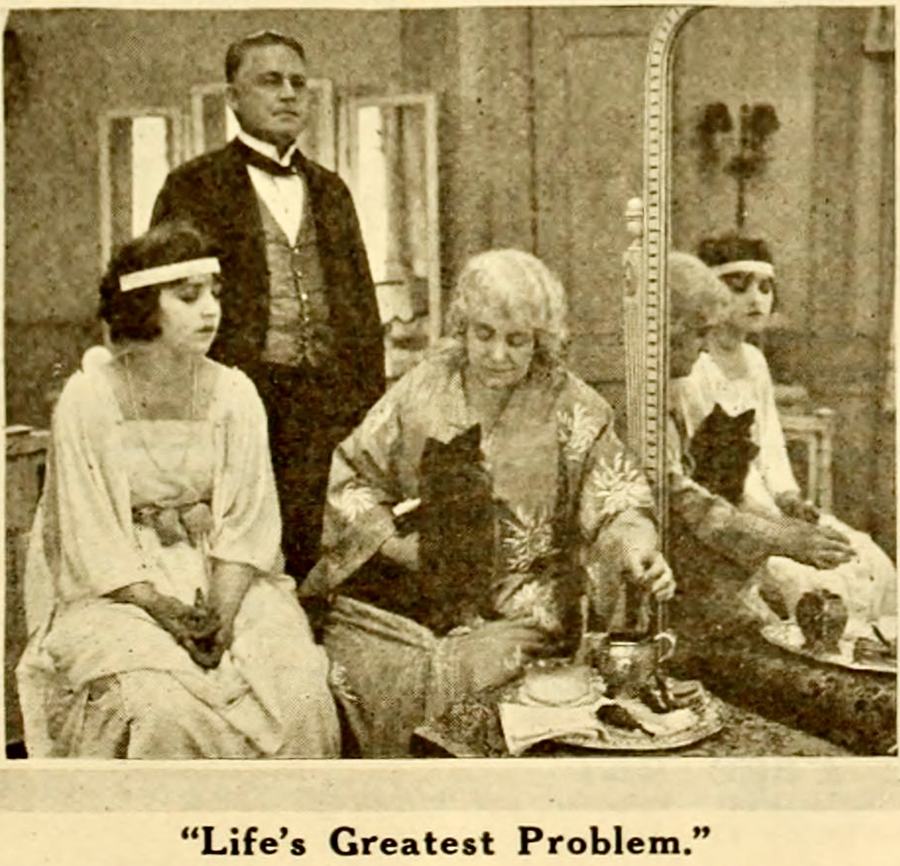
still_frame
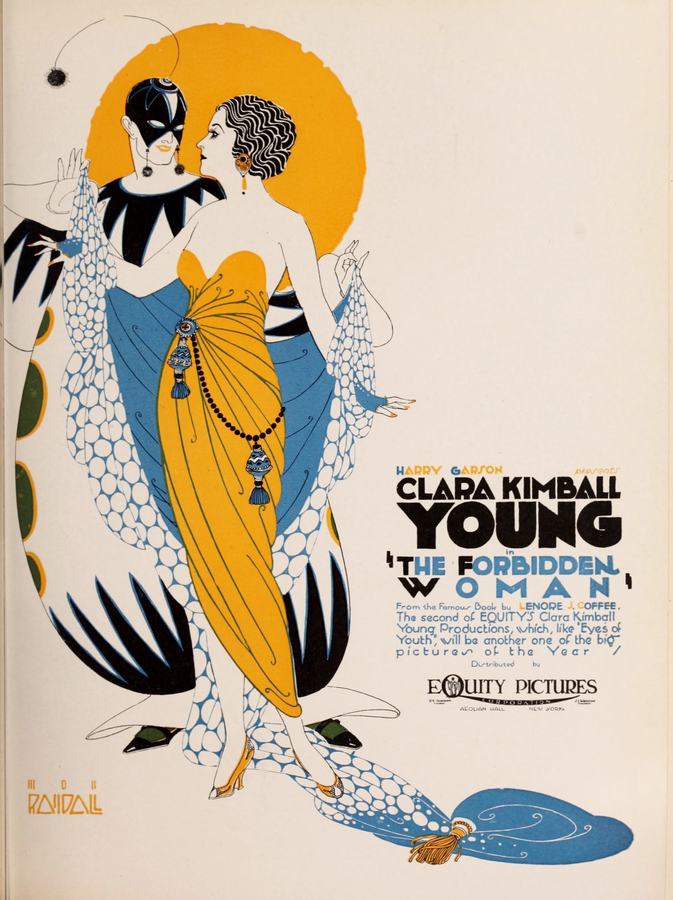
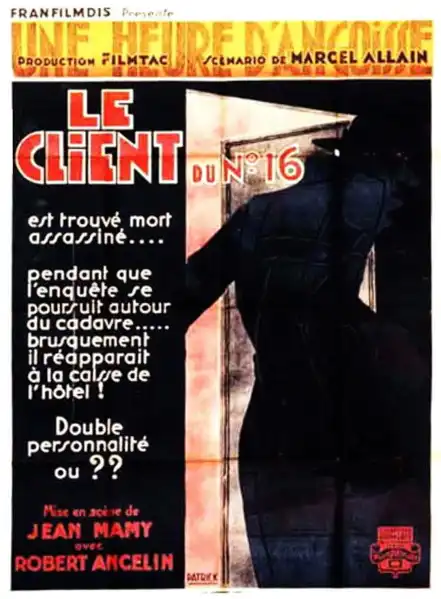
Comparing the cinematic DNA and archive impact of two defining moments in cult history.
J. Stuart Blackton
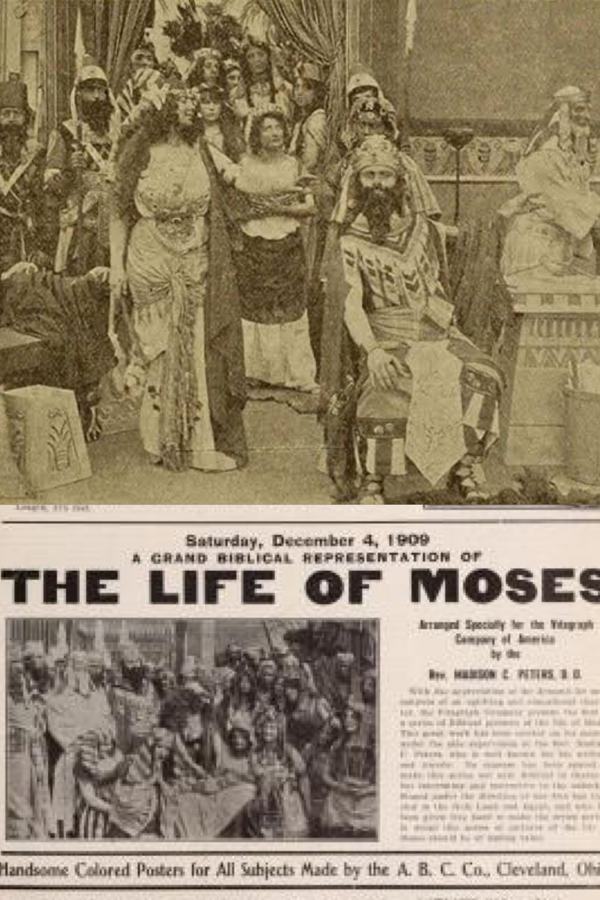
J. Stuart Blackton
Community
Log in to comment.
"body{color:#fff;background:#000;font-family:'Georgia',serif;margin:0;padding:2rem 4rem;}h2{color:#C2410C;font-size:1.8rem;margin-top:2.5rem;}h3{color:#EAB308;font-size:1.4rem;margin-top:2rem;}p{line-height:1.7;margin-bottom:1.2rem;text-align:justify;}a{color:#0E7490;text-decoration:none;border-bottom:1px dashed #0E7490;}a:hover{color:#EAB308;border-color:#EAB308;}blockquote{border-left:4px solid #C2410C;padding-left:1.2rem;margin:1.5rem 0;font-style:italic;color:#EAB308;}ul{list-style:square ins..."
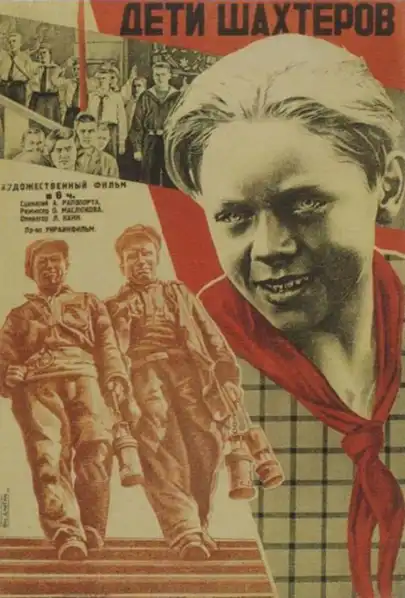
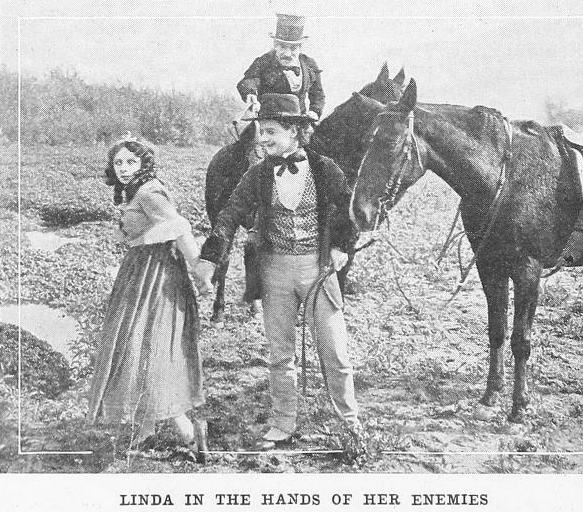
Deep dive into the cult classic
Discover similar cinematic experiences
A Directorial Spotlight on J. Stuart Blackton