
DbcultAccessing Vault...
Recommendations
Senior Film Conservator
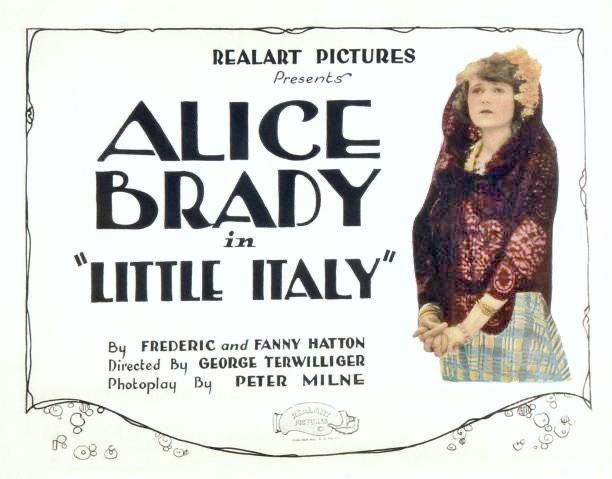
Since its 1921 debut, Little Italy has maintained a stylistic flair status, you are likely searching for more films that share its specific artistic vision. We have meticulously scanned our vault to find hidden gems that resonate with this work.
The 1921 landscape was forever altered by the arrival of to push the boundaries of conventional storytelling.
Rosa (Alice Brady)is told by her father that she must marry a man from her own clan. She refuses, and vows to marry the first man she meets. That man is Antonio (Norman Kerry), who is from a hated clan. Antonio is in love with Rosa, although she hates him. Despite this, she keeps her vow and marries him.
The influence of George Terwilliger in Little Italy can be felt in the way modern Romance films handle stylistic flair. From the specific lighting choices to the pacing, this 1921 release set a high bar for atmospheric immersion.
Based on the unique stylistic flair of Little Italy, our vault has identified these titles as the most compelling follow-up experiences for fans of Romance cinema:
Dir: George Terwilliger
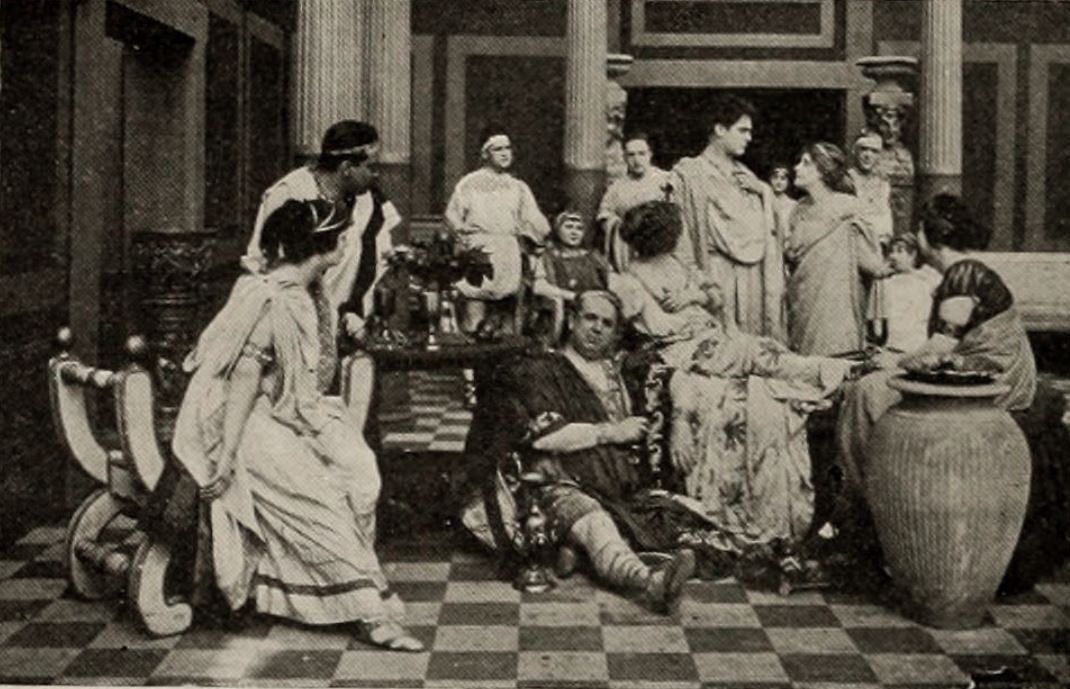
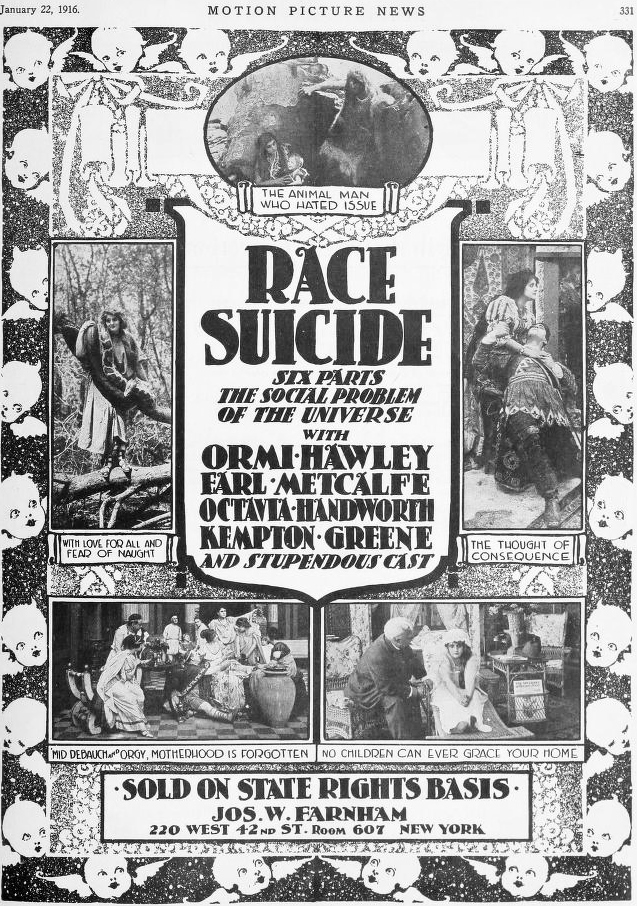
Following a prologue which shows that animals frequently desert their young, a jilted prehistoric suitor murders the child of the woman he loves. During the age of the Roman Empire, a soldier has a brief affair with a shepherdess, and long after he has left, she has their child. The shepherdess looks for the father, but returns brokenhearted after finding him with another woman, and then dies while saving her child from a poisonous snake. During the Elizabethan era, a wayward son seeks spiritual redemption through war, and is killed in battle. In modern times, a young, impoverished husband refuses to start a family, despite the pleadings of his wife. Then, when he finally starts earning enough money to consider children, his wife has an accident that makes it impossible for her to become pregnant.
View Details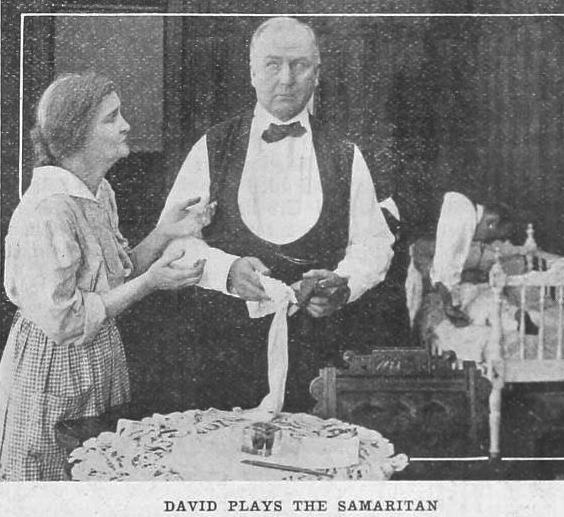
Dir: George Terwilliger
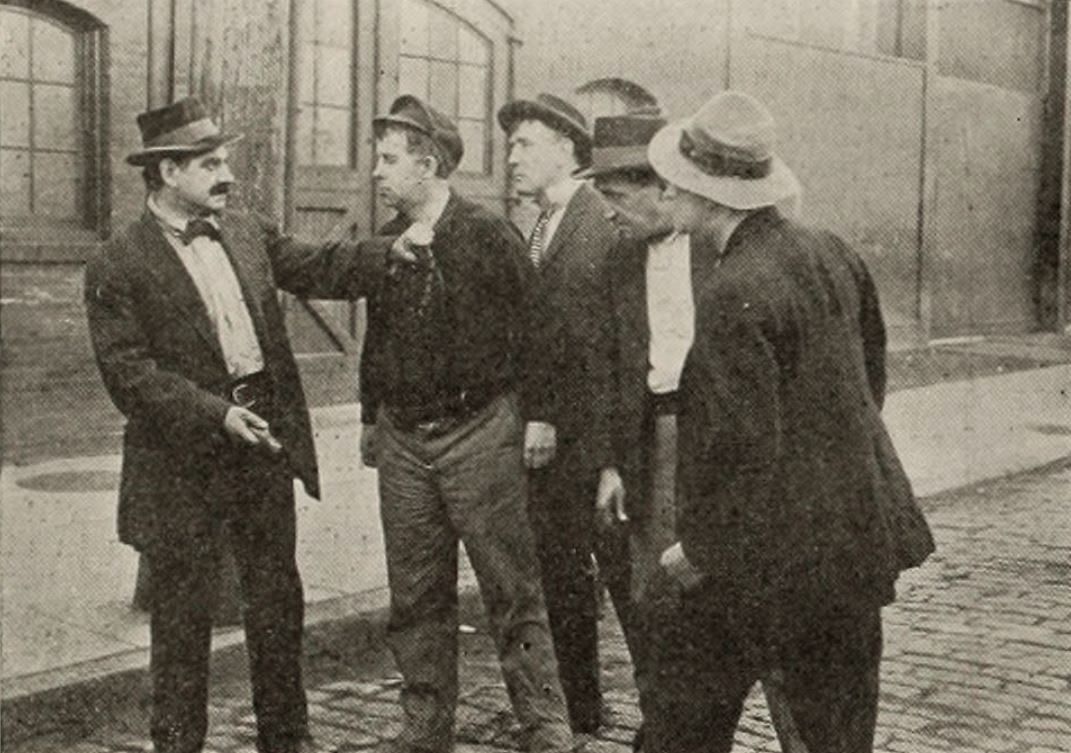
Factory owner John Gray takes ill during a strike at his factory. His doctor suggests that John's brother David, who looks just like him, take his place at home and at the factory. Although the two are look exactly like each other, in temperament and personality they are exact opposites--John is cruel and brutish to both his family and his employees, while David is considerate, thoughtful and kind to everyone. When John sees the effect that David has on his employees--and his wife--by treating them humanely, he begins to re-evaluate the way his own life has turned out, and why.
View Details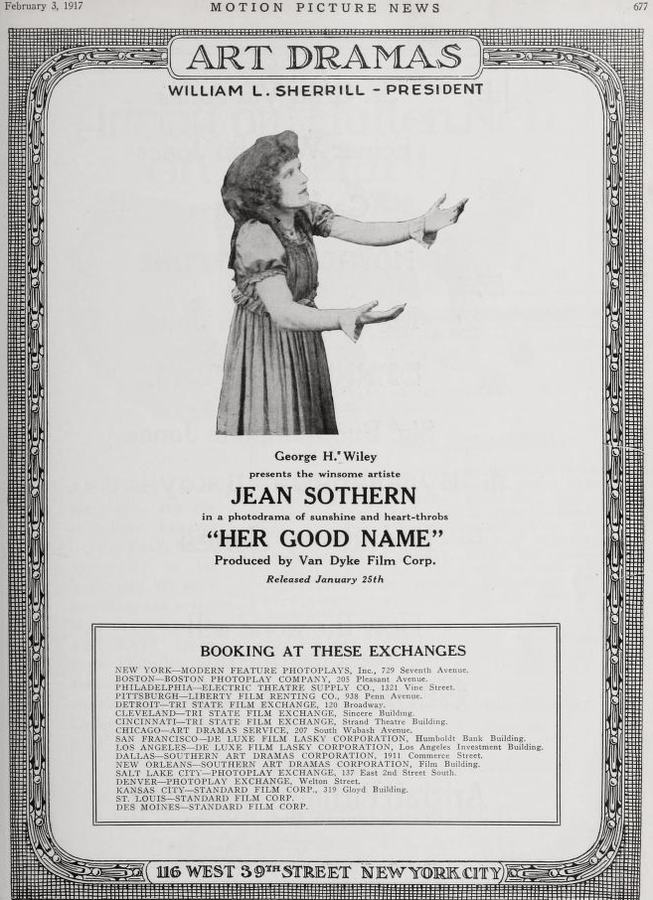
Dir: George Terwilliger
A fascinating piece of cinema that shares thematic elements.
View Details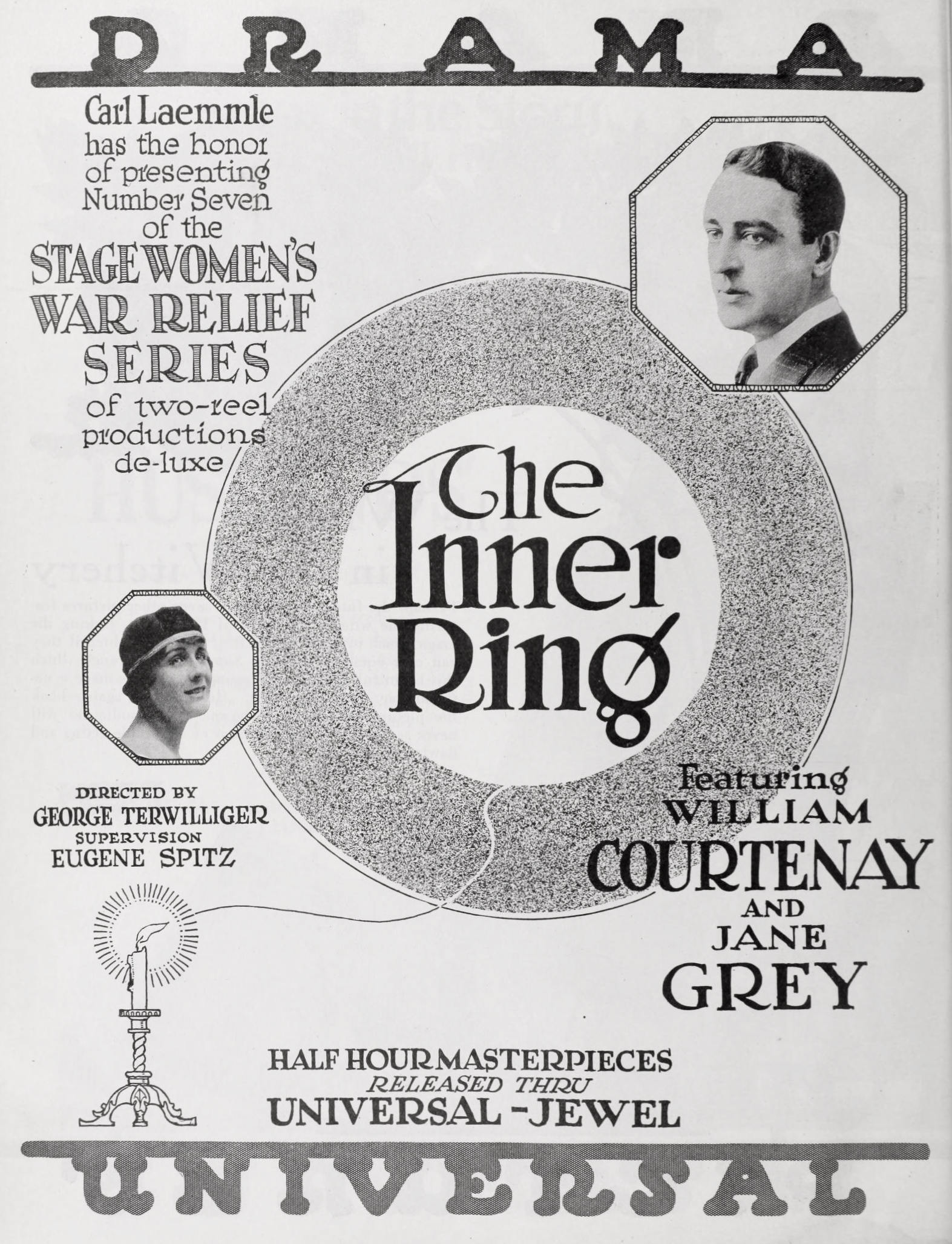
Dir: George Terwilliger
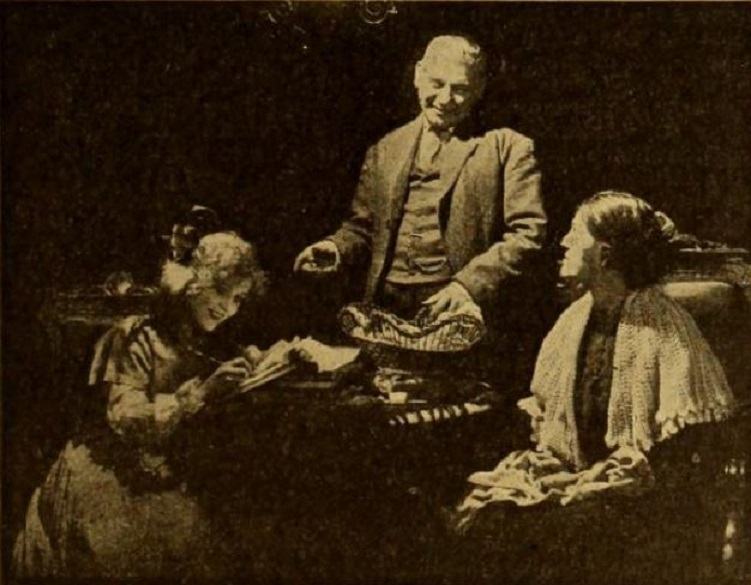
A fascinating piece of cinema that shares thematic elements.
View Details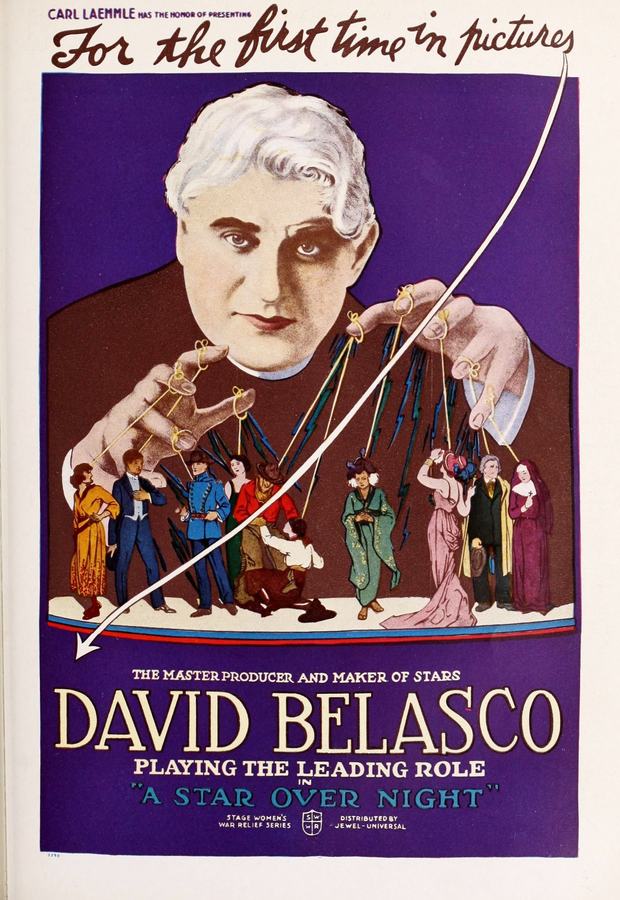
Dir: George Terwilliger
A jealous leading lady does herself out of money and honor, while the object of her jealousy steps in, carries the show and wins the love of the play's author.
View Details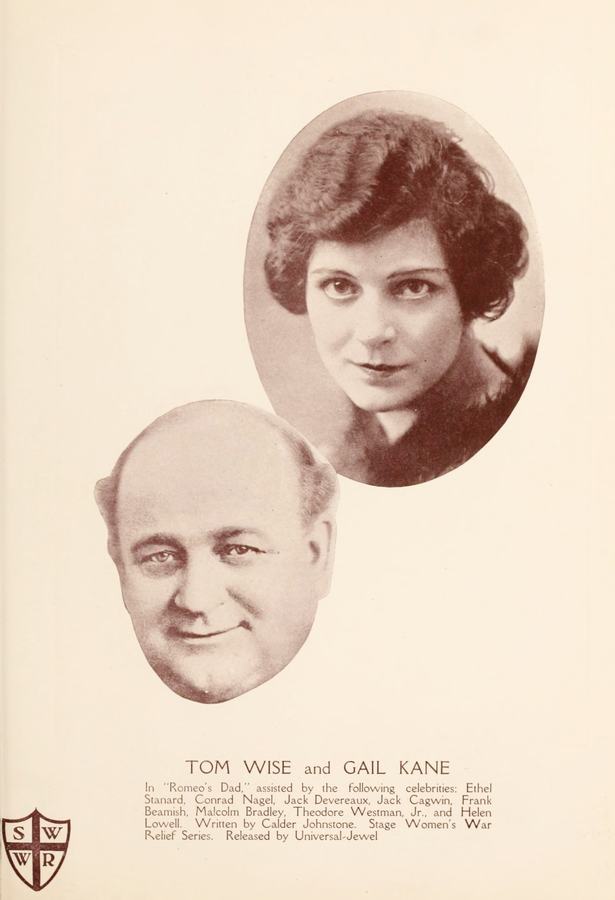
Dir: George Terwilliger
A father flirts with an actress in order to teach his son a lesson and himself falls in love with her.
View Details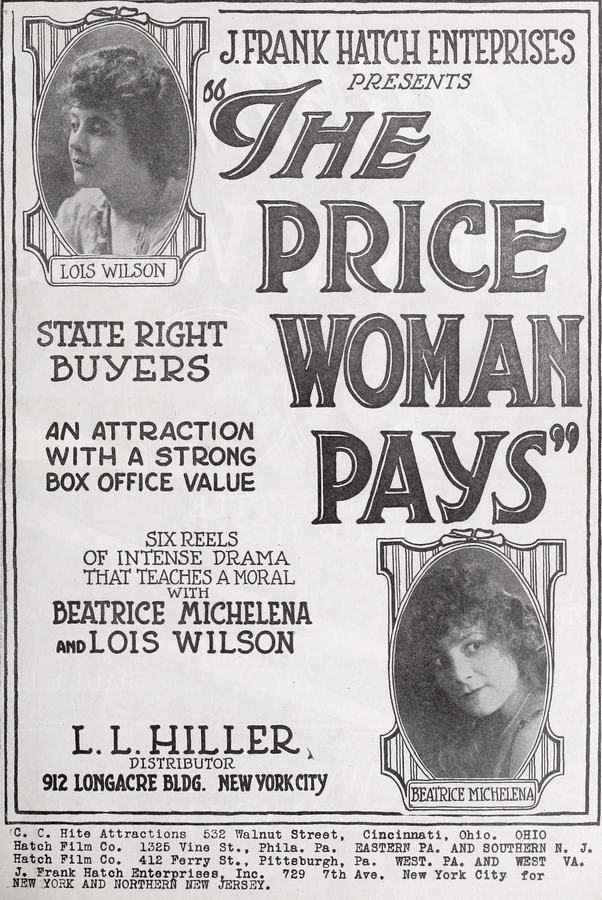
Dir: George Terwilliger
After school one day, Violet, who associates with wicked boys bent on deceiving young girls, persuades her friend Louise to go riding with a couple of boys. Louise, suspicious of the boys' intentions, demands to be taken home. After Louise confesses that she lied to her mother about the escapade, her mother gives her Faust to read. Faust, an old man, sells his soul to the devil for one year of youth to win Marguerite. Marguerite succumbs and soon becomes enshrouded in darkness. The story causes Louise to refuse to meet the boys again. After Violet goes to a distant city with a boy who promises to marry her, Louise receives a letter asking her to help. She follows, and after learning from Violet of the boy's deception, Louise is lured into an apartment by the boy's friend. She attempts to jump from a ten-story window, but the boy catches her. Louise awakens to discover that she has been dreaming since reading Faust and then relates her lesson to Violet.
View Details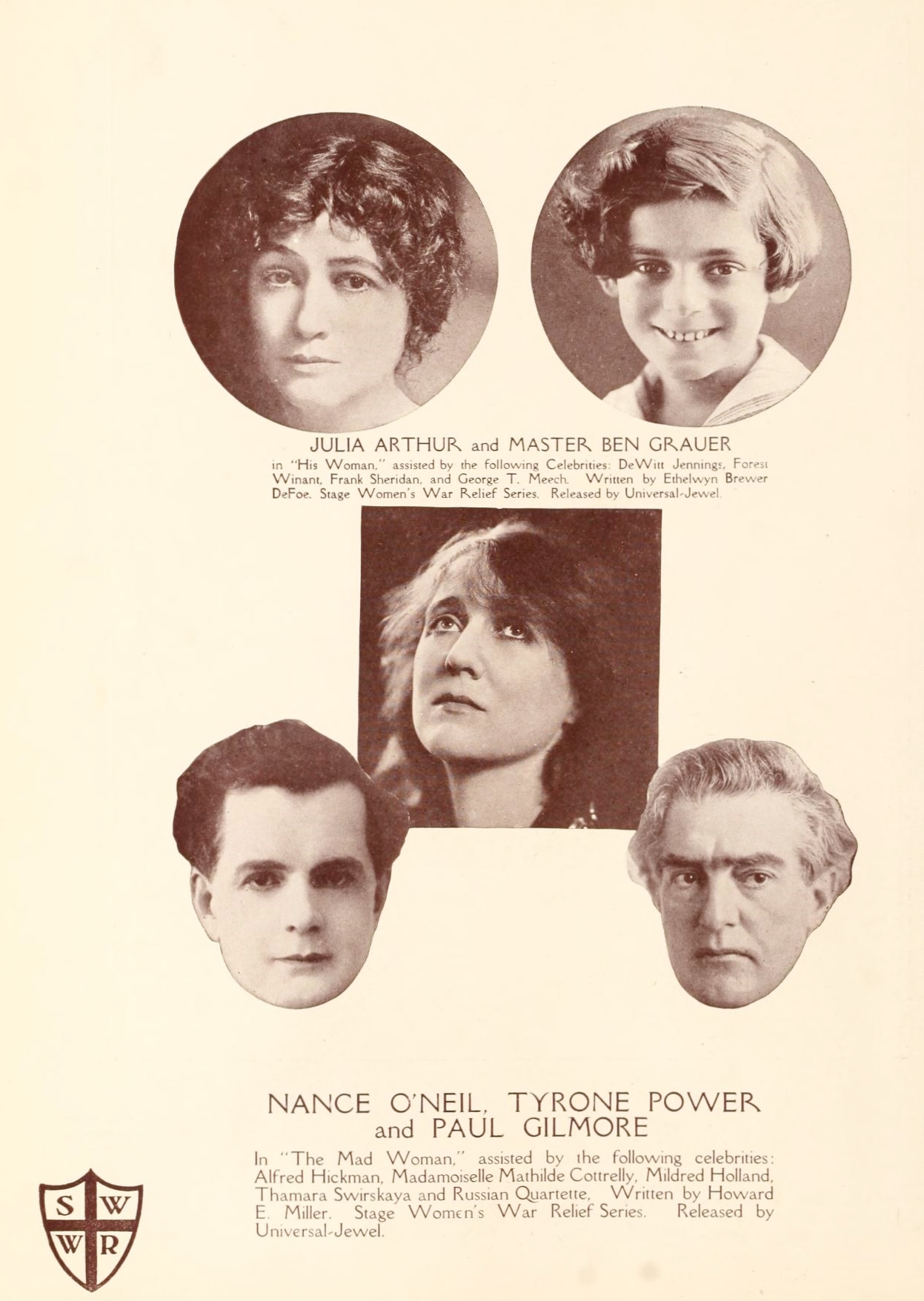
Dir: George Terwilliger
A peasant girl marries a Russian nobleman against the wishes of her parents. A son is born to them and the husband takes him away from her so he can be reared in luxury. The wife spends two years searching for her husband, intending to kill him. She is known as the "mad woman," her mind being partially clouded by grief. But when she finds the husband, a reconciliation follows his promise to restore their son to her.
View Details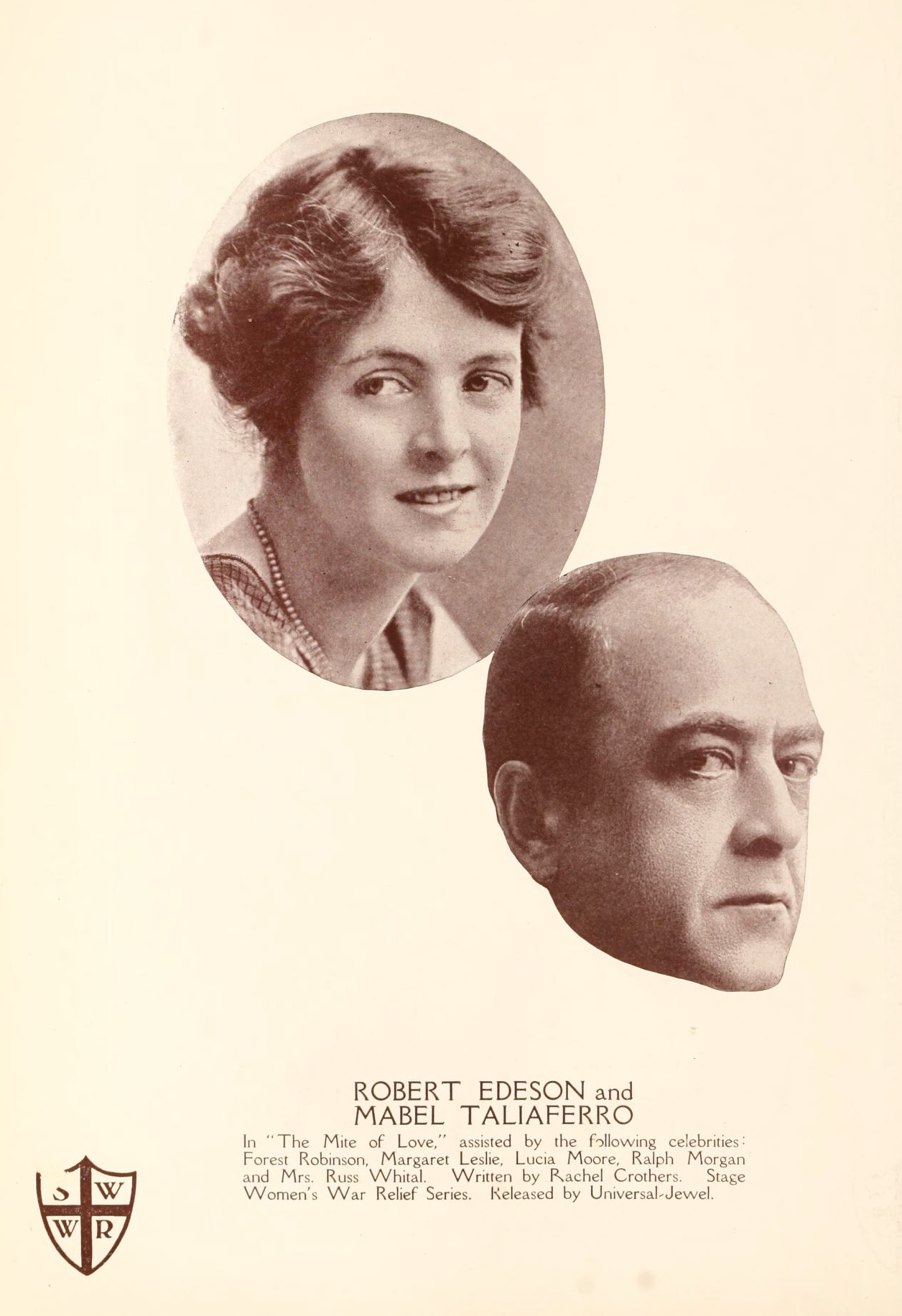
Dir: George Terwilliger
A fascinating piece of cinema that shares thematic elements.
View Details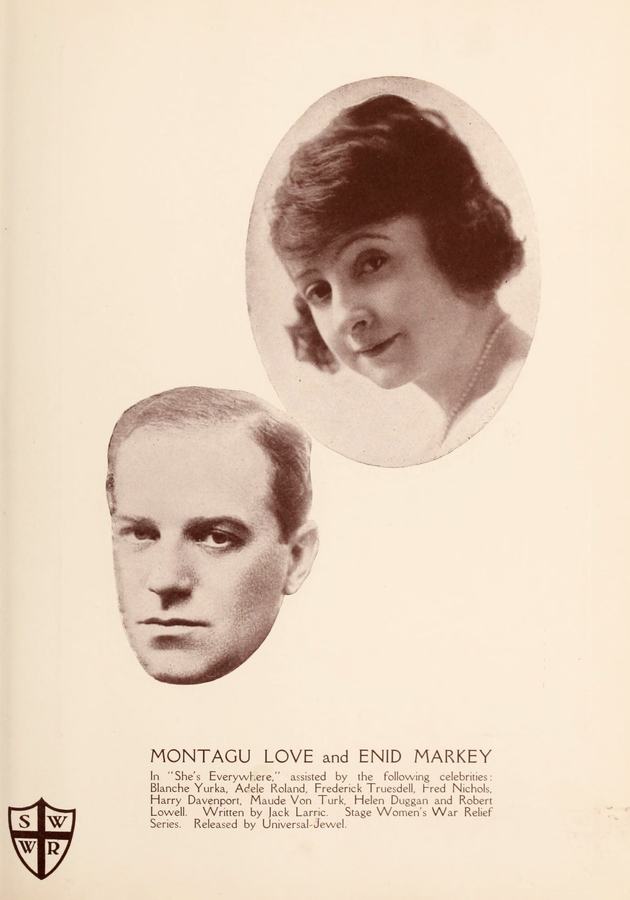
Dir: George Terwilliger
A nervous business man is pursued by what he thinks are visions of the same girl in many places. The latter turns out to be an authoress who changes jobs frequently in order to get literary material.
View DetailsAnalysis relative to Little Italy
| Film Title | Atmosphere | Complexity | Similarity |
|---|---|---|---|
| Race Suicide | Ethereal | Linear | 88% Match |
| The City of Failing Light | Gritty | Linear | 91% Match |
| Her Good Name | Gothic | Layered | 85% Match |
| The Inner Ring | Surreal | Abstract | 93% Match |
| A Star Over Night | Gritty | Dense | 86% Match |
This guide was algorithmically generated using the cinematic metadata of George Terwilliger's archive. Last updated: 8/16/2026.
Back to Little Italy Details →