
DbcultAccessing Vault...
Recommendations
Senior Film Conservator
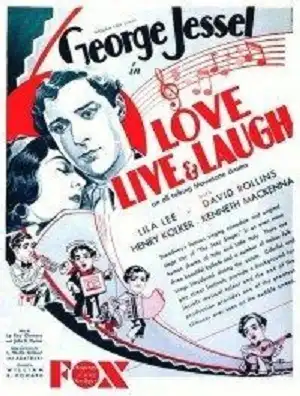
If the character-driven intensity of William K. Howard's work in Love, Live and Laugh left an impression, the cinematic shorthand used by William K. Howard is both ancient and revolutionary. We've prioritized films that capture the 1929 aesthetic with similar precision.
By merging character-driven intensity with Drama tropes, it to articulate the unspoken anxieties of United States's 1929 era.
Love, Live and Laugh was a significant production in United States, showcasing the immense talent of Marcia Manon, John Reinhardt, Lila Lee. It continues to be a top recommendation for anyone studying Drama history.
Based on the unique character-driven intensity of Love, Live and Laugh, our vault has identified these titles as the most compelling follow-up experiences for fans of Drama cinema:
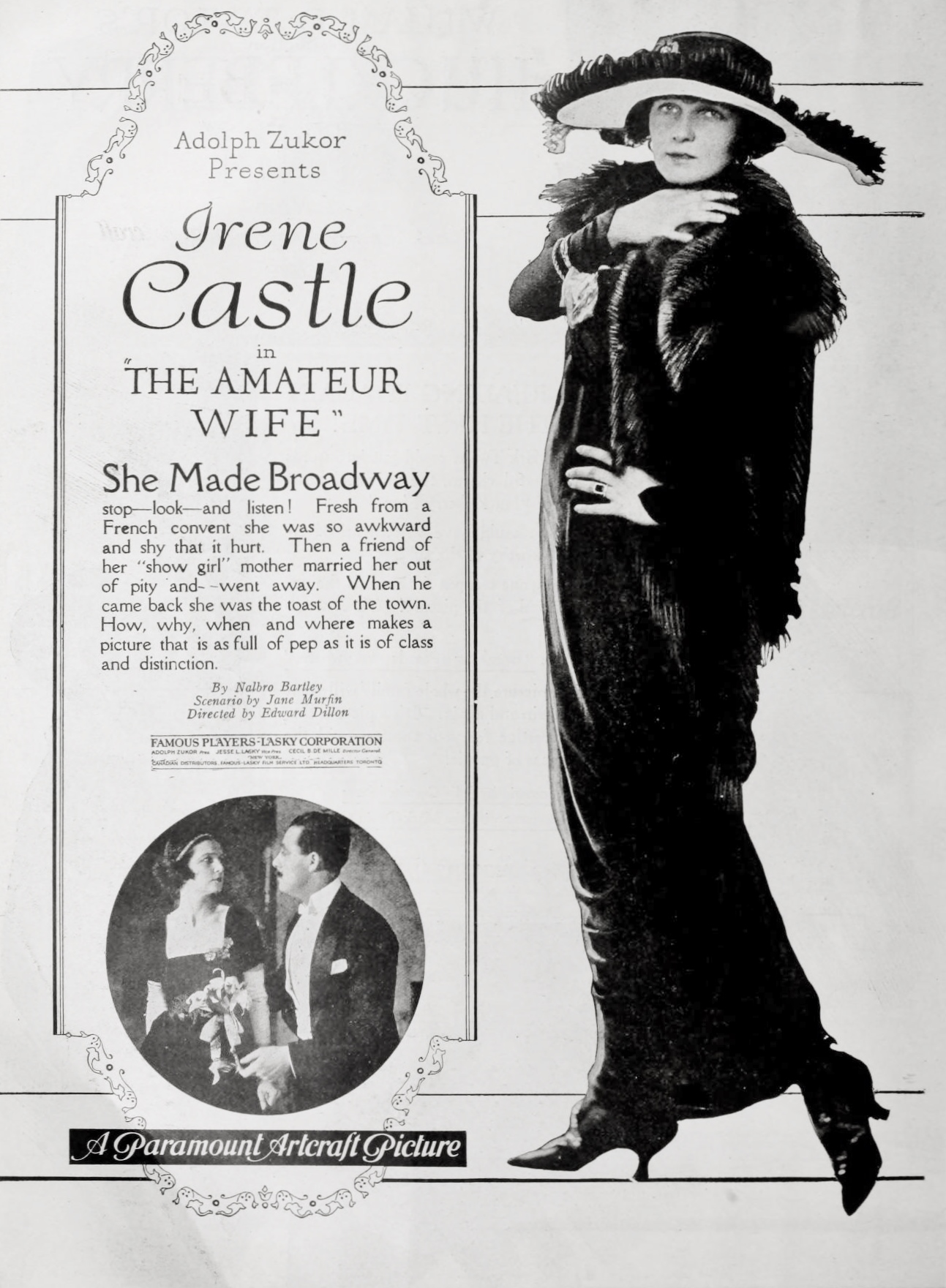
Dir: Edward Dillon
Her education in a French convent school completed, plain Justine Spencer returns to New York. There she is shocked to discover that her mother Dodo is a flamboyant musical comedy actress with many male admirers. Dodo, on the other hand, is dismayed to find Justine priggish and dowdy. One of Dodo's suitors is Billy Ferris, who, in a fit of jealousy, murders her and slays himself. Out of pity, Cosmo Spotiswood, another admirer of Dodo, marries Justine, but soon tires of his platonic marriage and leaves for Europe. Upon his return, Cosmo finds Justine transformed. Under the tutelage of Dodo's maid Loti, she has bobbed her hair and donned fashionable apparel. Thus changed, Justine is surrounded by suitors. Stung by jealousy, Cosmo falls in love with his sophisticated wife.
View Details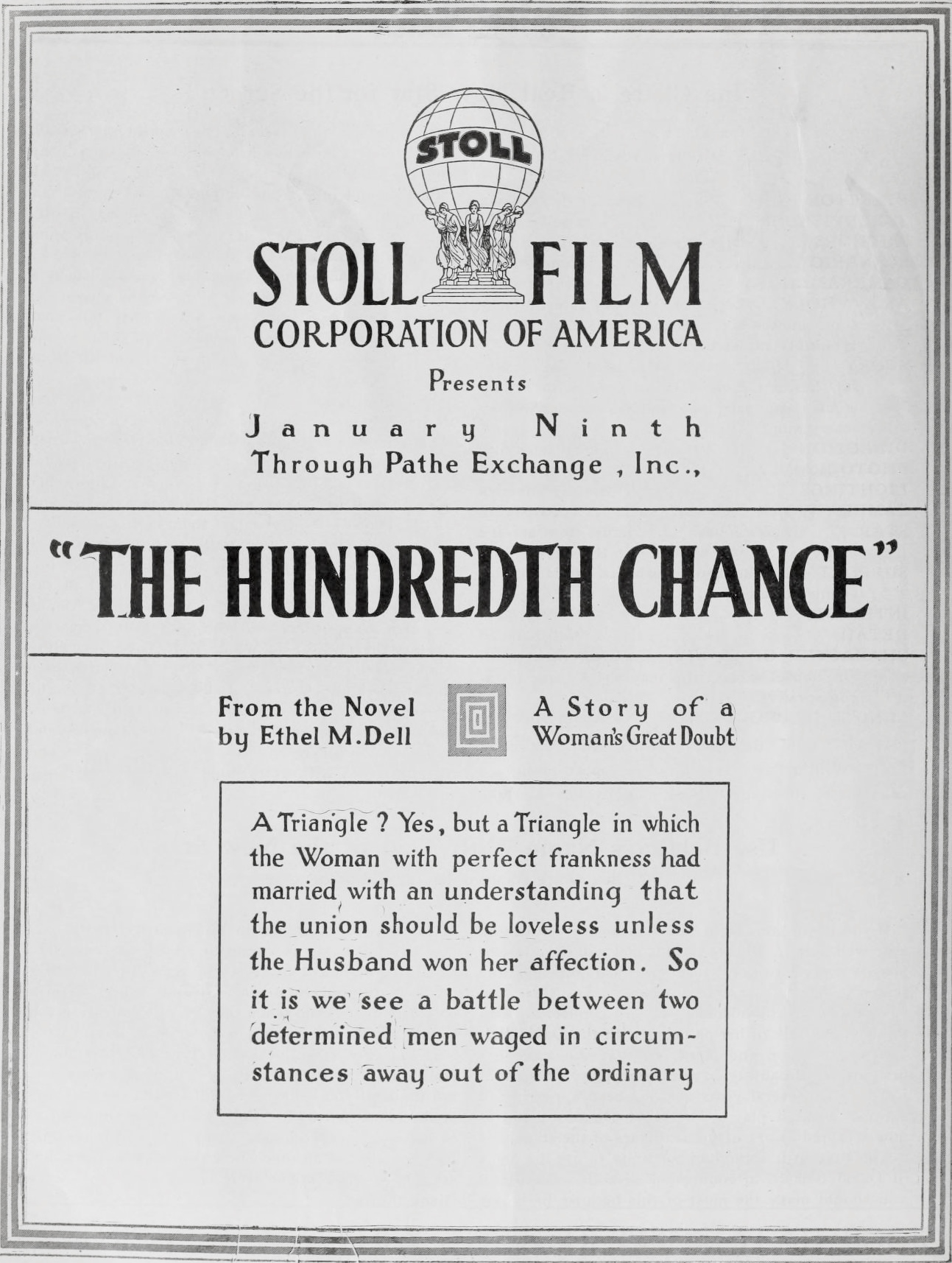
Dir: Maurice Elvey
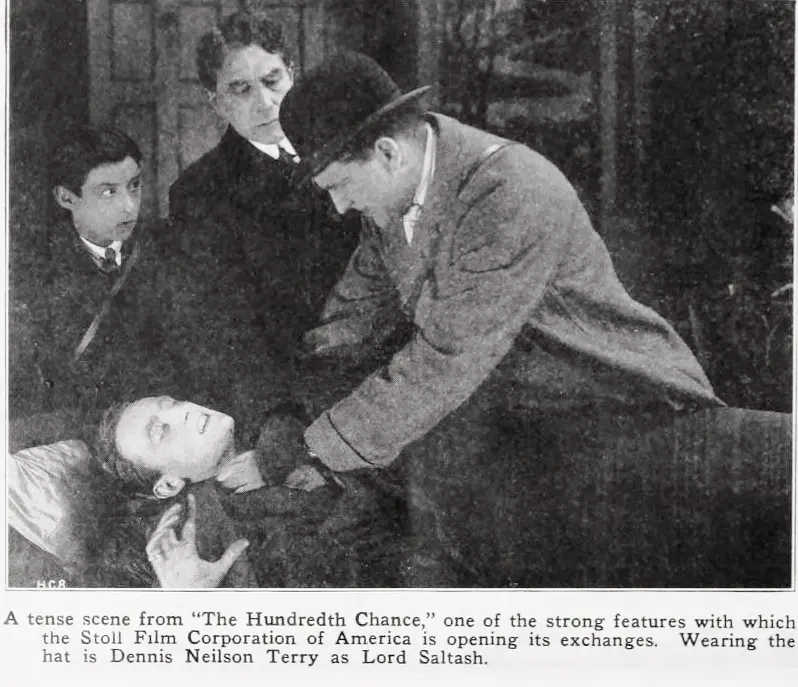
A lady marries a horse trainer but withholds herself until her crippled brother is cured.
View Details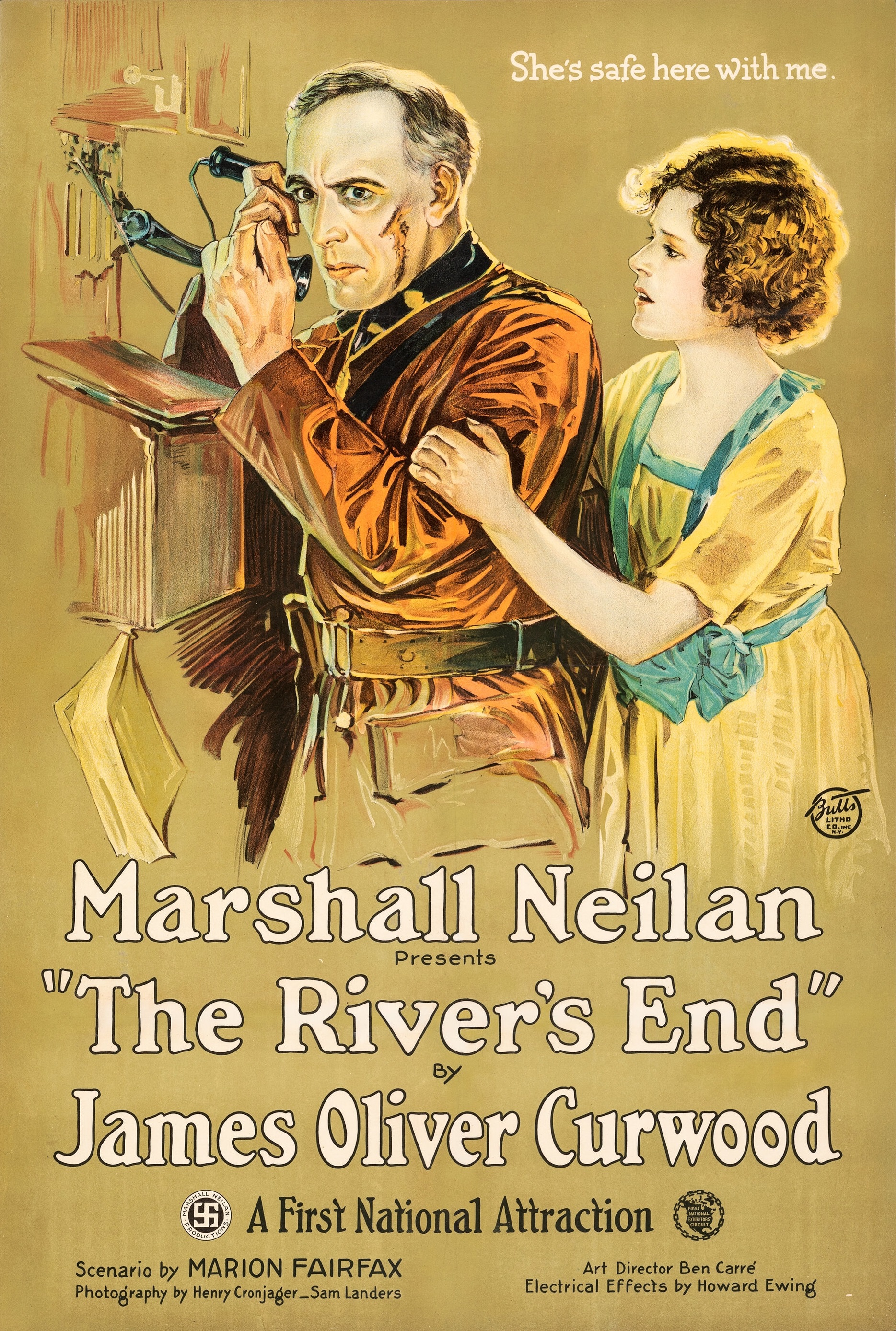
Dir: Victor Heerman
In the gold fields of the Canadian Northwest, a man is falsely accused of a crime and determines that a lookalike is responsible.
View Details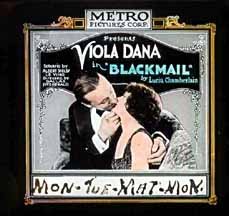
Dir: Dallas M. Fitzgerald
Confidence artist Flossie Golden attempts to fleece foolish but wealthy James Venable with a breach-of-promise suit. Venable's shrewd attorney, Richard Harding, outwits Flossie by proposing that she marry Venable and live on an allowance of $3,000 per year. Flossie is determined to get even with Harding for ruining her plans. In an attempt to con him, she poses as Innocence Page, but falls in love and marries him instead. Larry, Flossie's former accomplice, endeavors to blackmail her with her errant past, but Harding is already cognizant of the facts and Larry fails.
View Details
Dir: Eduardo Notari
A crime drama in the Gennariello-series. The police detective in Naples that is confronted with modern gangsters and crime events.
View Details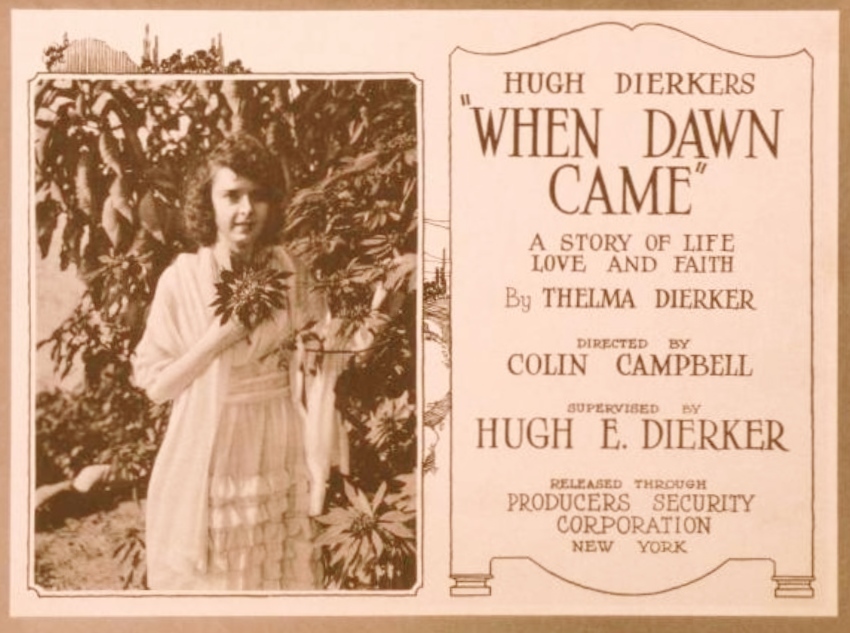
Dir: Colin Campbell
Dr. John Brandon, who cares for charity patients in the slums, is thrown together with writer Norma Ashley when her car strikes a boy whom Brandon treats. Under Norma's influence, and against the wishes of his friend Father Farrell, Brandon leaves the slums and becomes the partner of Dr. Thurston, who, unknown to Brandon, is Norma's fiance. Now prosperous, Brandon flies into a rage when he hears Thurston and Norma ridiculing him, and proceeds to beat Thurston and choke Norma to within an inch of her life. Taking to alcohol and drugs in his grief, Brandon becomes a derelict and goes out West to a mission town, where his loud proclamations of atheism provoke the wrath of a saloon crowd, from which his old friend Farrell rescues him. Farrell, now working in the Western parish, gradually restores the faith of Brandon, who falls in love with Mary Harrison, a blind girl who prays continually for her sight. Brandon performs an operation on Mary's eyes and her sight returns. Norma, who has found Brandon in the parish town, cannot persuade him to return to the city or to leave Mary, who accepts Brandon's love.
View Details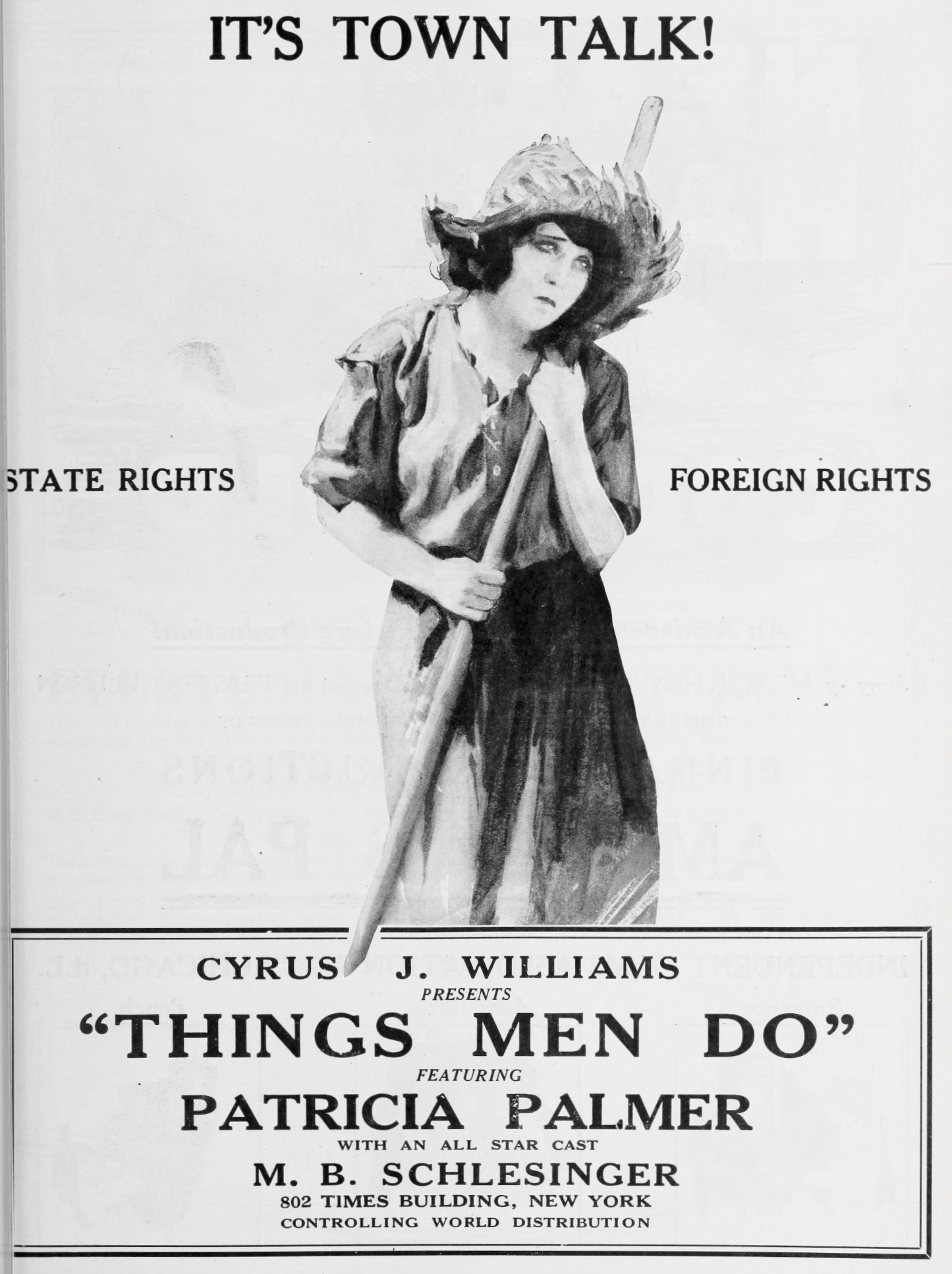
Dir: Robert N. Bradbury
A simple country girl, brutally mistreated by her stepfather, awakens first the sympathy, then the love, of The Boy. The Spider, who lusts after The Girl, makes a bargain with the stepfather and takes her to the city where, kept prisoner, she is soon broken in health and spirit. Cast out and near death, she is taken in by The Boy. Following the demise of The Spider, The Boy takes her to church, where he prays, and after many hours she is restored to health.
View Details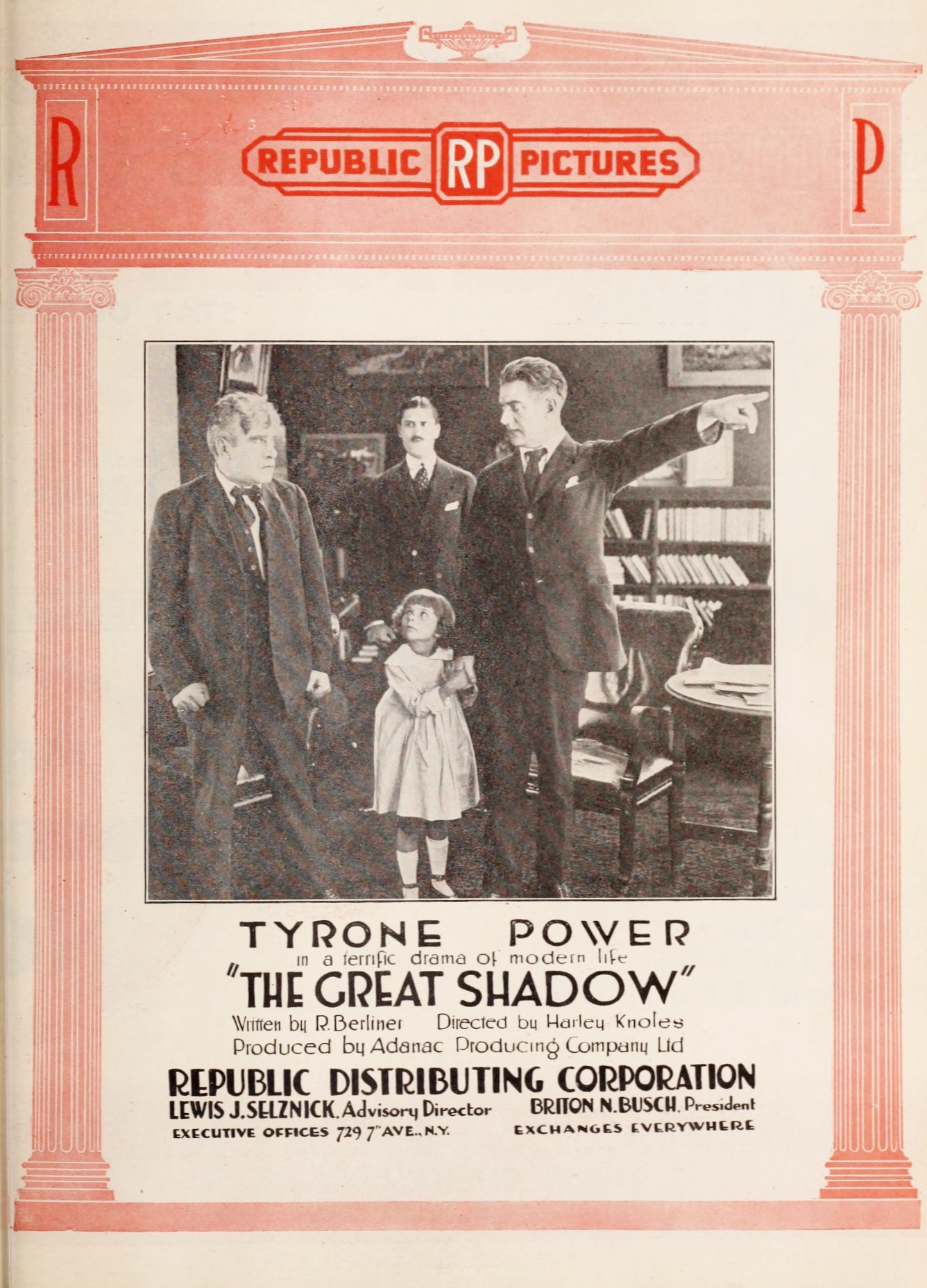
Dir: Harley Knoles
Jim McDonald, the foreman of a shipbuilding plant and head of the labor union, strives to combat the anarchistic propaganda being put forth by Klimoff, the leader of a Bolshevik gang whose goal is to disrupt the country with strikes and anarchy. Despite McDonald's efforts, a strike is called, resulting in chaos. McDonald's child is knocked down by runaway horses abandoned by their striking driver, and dies. Mob scenes take place in America, as well as in Russia. Eventually, the unrest is quelled with an armistice called between Capital and Labor for a year, during which time wages are to be increased to reflect the cost of living, and leaders are to work out a common plan for their mutual advantage. The strikers now realize that they have been pawns of the Bolsheviks and call off the strike, agreeing to the plan.
View Details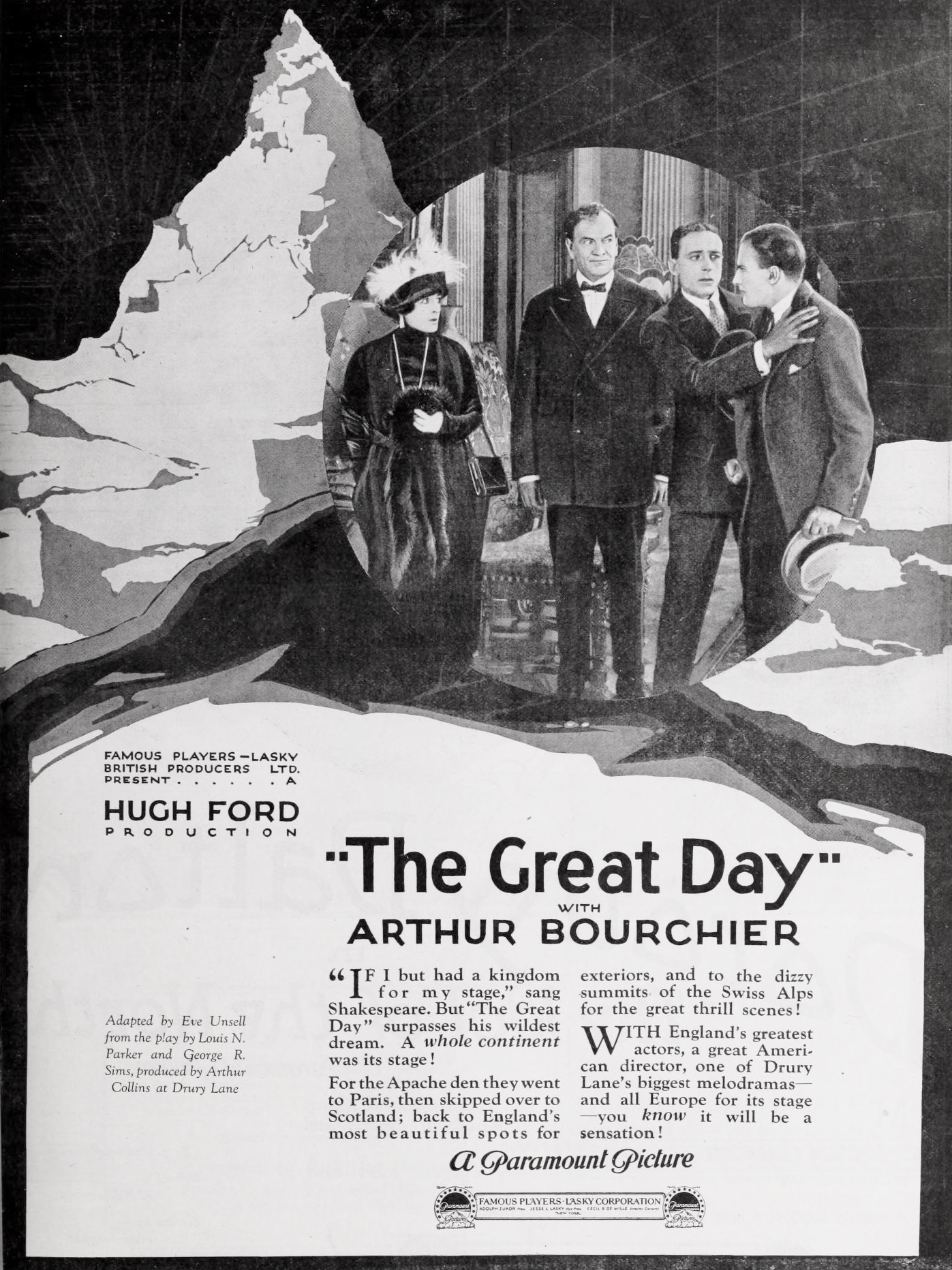
Dir: Hugh Ford
The 'dead' wife of a steel process inventor returns, as does her 'dead' husband, a war amnesiac.
View Details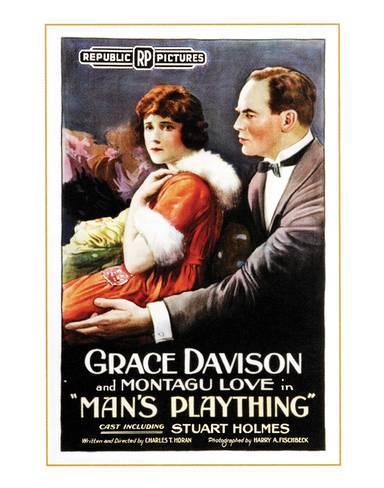
Dir: Charles Horan
While working as a flower girl in Devlin Maddox's nightclub, Nellie Vaughan meets wealthy young Pelton Van Teel and falls in love. Maddox, desirous of using Nellie to blackmail Van Teel, spreads a rumor that she is his mistress. This makes Nellie uncomfortable, and she demands that Van Teel marry her immediately, to which he agrees. Meanwhile, Van Teel has been losing money gambling to Maddox, who threatens to break up the marriage by producing a worthless check that the young husband has written. Venturing to Maddox's apartment for a showdown, Nellie pulls a gun and demands the check, accidentally shooting Maddox when he throws a lamp at her. Maddox plans to charge Nellie with assault, but when the police arrive, his butler, actually a detective employed by the elder Van Teel, exposes Maddox, who is then arrested, clearing the path for the couple's happiness.
View DetailsAnalysis relative to Love, Live and Laugh
| Film Title | Atmosphere | Complexity | Similarity |
|---|---|---|---|
| The Amateur Wife | Surreal | Linear | 97% Match |
| The Hundredth Chance | Gritty | Dense | 87% Match |
| The River's End | Gothic | Linear | 91% Match |
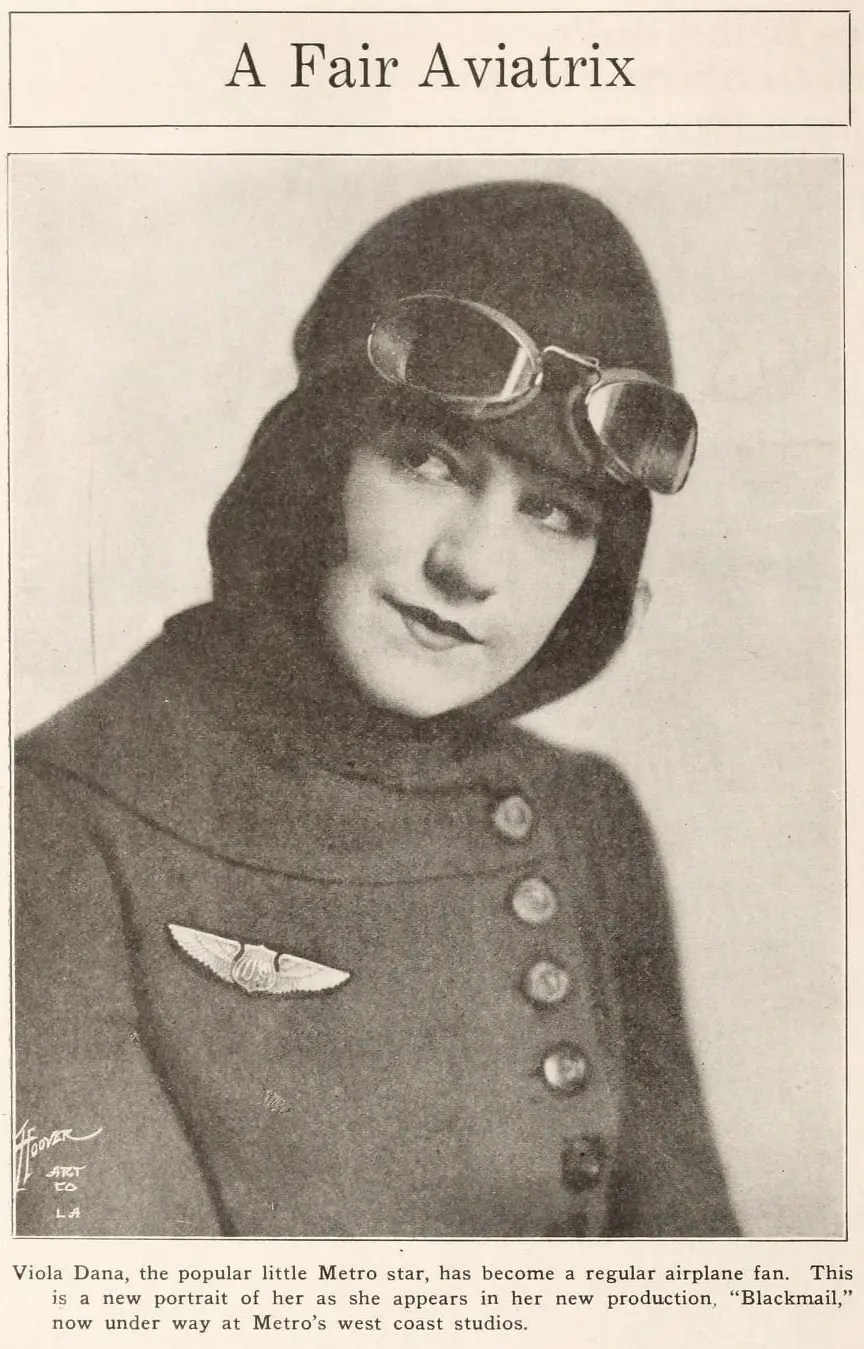
| Blackmail | Surreal | High | 88% Match |
| 'A mala nova | Surreal | Layered | 92% Match |
This guide was algorithmically generated using the cinematic metadata of William K. Howard's archive. Last updated: 6/21/2026.
Back to Love, Live and Laugh Details →