
DbcultAccessing Vault...
Recommendations
Senior Film Conservator
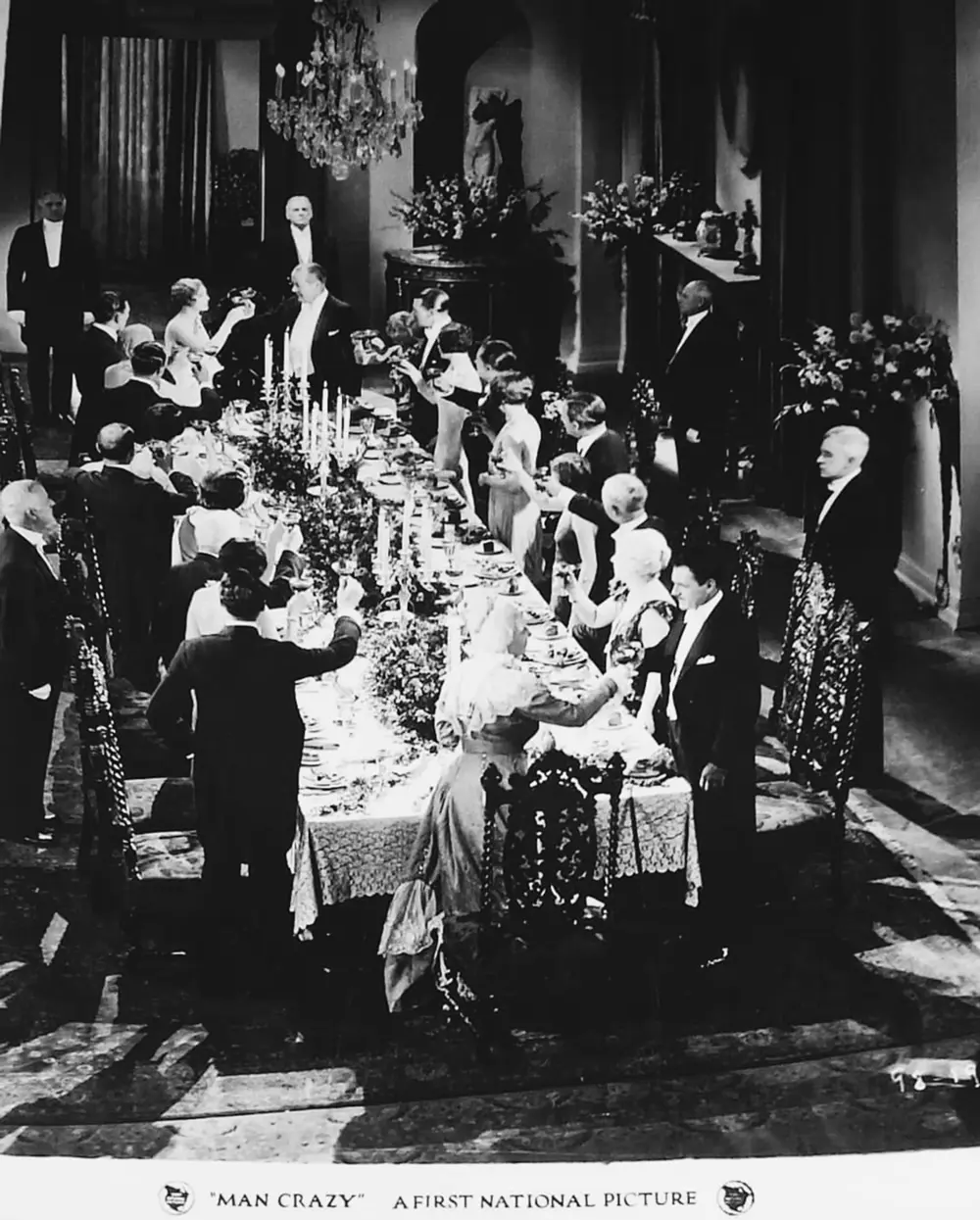
The evocative power of Man Crazy (1927) continues to haunt audiences with its cinematic excellence, the artistic provocations of Man Crazy demand a follow-up of equal intensity. Explore the following titles to broaden your appreciation for Comedy excellence.
The visceral impact of Man Crazy (1927) stems from to transcend the limitations of its 1927 budget and technology.
A spoiled heiress is bored by her high-society crowd, and falls for a young truck driver. Her family plans to marry her off to a wealthy young man, but she wants no part of that and she and her lover decide to elope. However, a gang of truck hijackers puts a crimp in their plans.
The influence of John Francis Dillon in Man Crazy can be felt in the way modern Comedy films handle cinematic excellence. From the specific lighting choices to the pacing, this 1927 release set a high bar for atmospheric immersion.
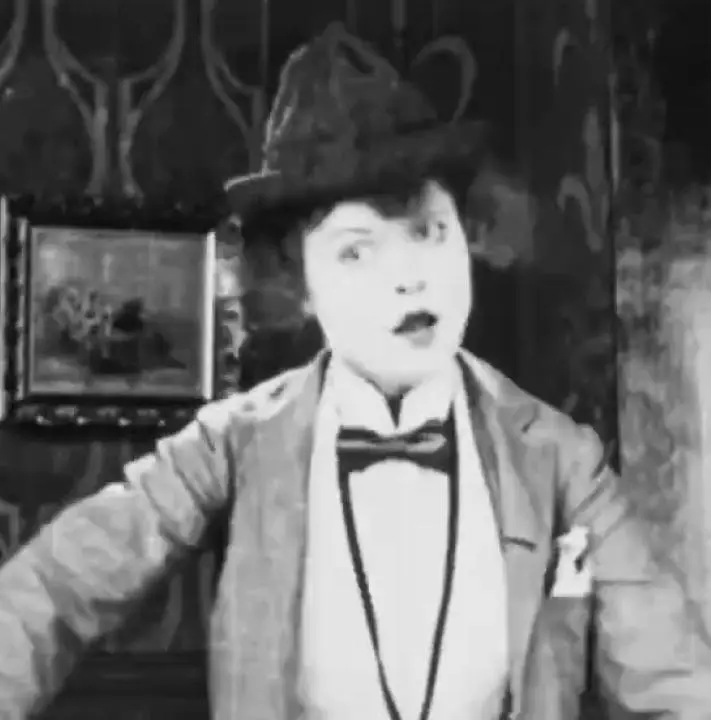
Based on the unique cinematic excellence of Man Crazy, our vault has identified these titles as the most compelling follow-up experiences for fans of Comedy cinema:
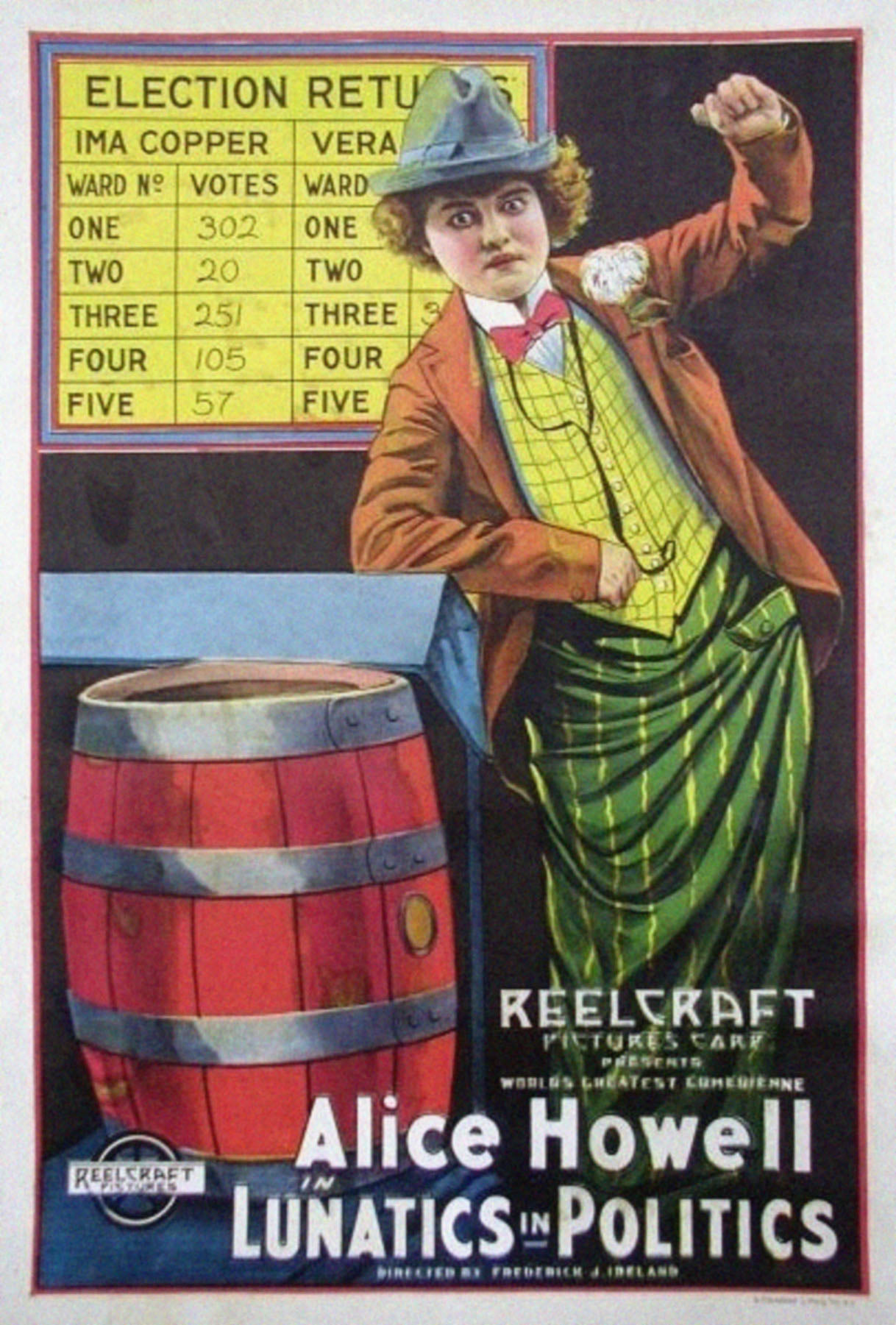
Dir: Richard Smith
Two female candidates for Chief of Police live across the hall from each other, and their political rivalry follows them home, leading to plenty of hi-jinks.
View Details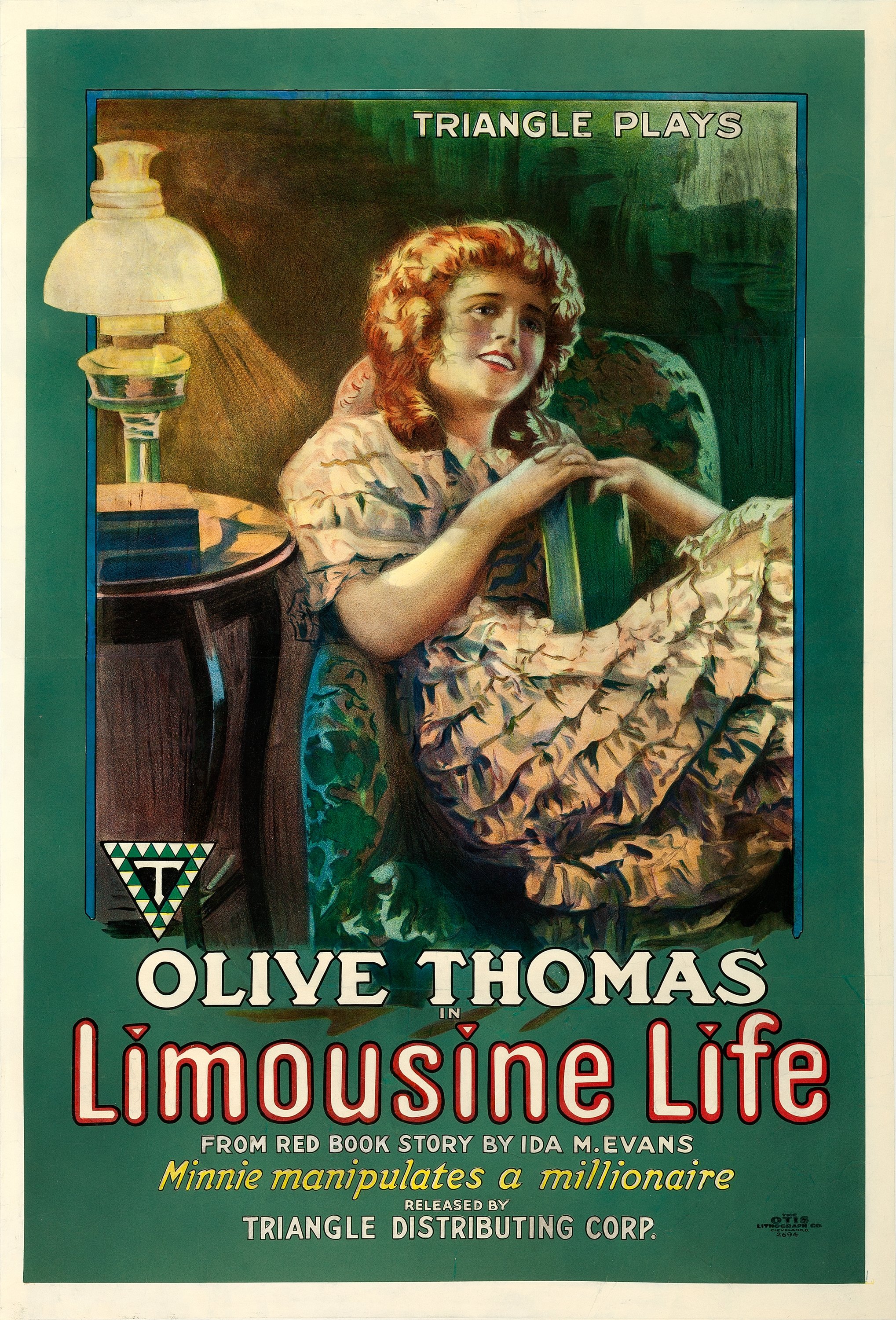
Dir: John Francis Dillon
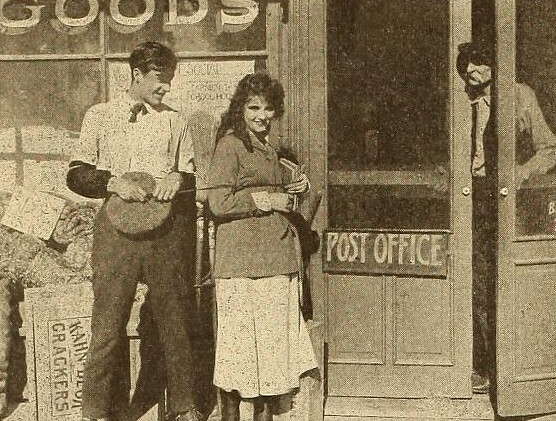
An amusing satire on the simple village maiden who comes to the great city and falls a victim to its alluring temptations.
View Details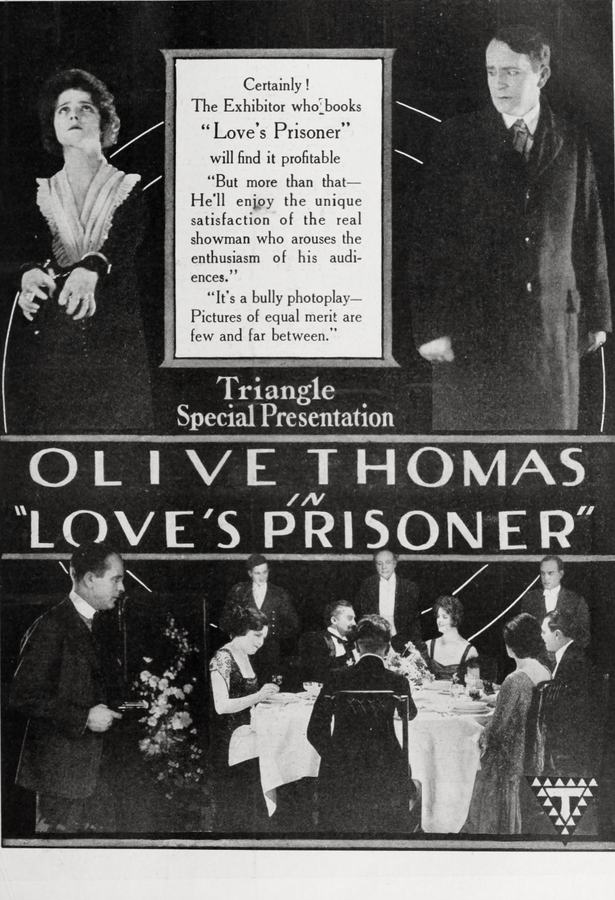
Dir: John Francis Dillon
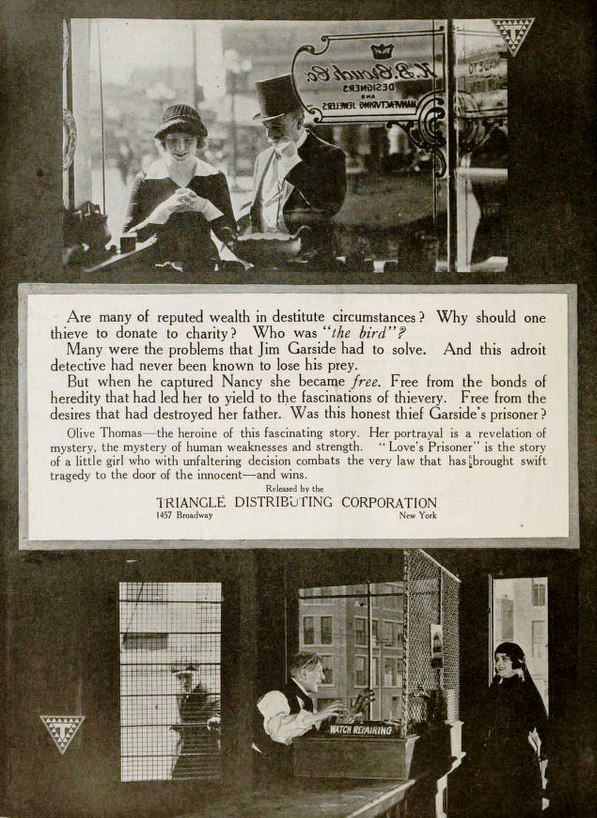
A young lady, who "hates the law" rises from the tenements to society. Financial reverses lead her to commit a series of burglaries as "The Bird". She becomes involved with the detective investigating the burglaries. After she confesses and pays for her crimes, they marry.
View Details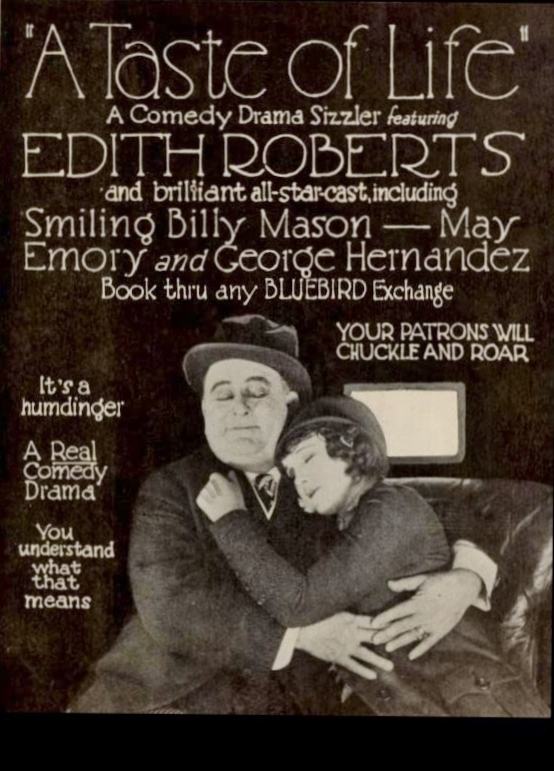
Dir: John Francis Dillon
When her husband, struggling lawyer Horace Dillingham, is unable to provide adequate money for her insatiable desire for expensive cherries, Kitty Dillingham goes to work as a stenographer for him. One day while Horace is out of the office, Kitty mistakes Jonas Collamore, a defendant in a divorce suit for whom Horace is acting, for an important client. Kitty agrees to lunch, and, swallowing many maraschino cherries along with their cocktails, becomes drunk. Jonas takes her to a nearby inn where they are followed by Mrs. Collamore's detectives, who then summon Mrs. Collamore and her lawyer Horace. Kitty realizes Jonas is trying to create a compromising situation, and she leaves through the window. When the detectives break in, the only trace of Kitty is her hairpin. Kitty and Jonas then conspire to entrap their spouses. Both couples manage to straighten out their domestic problems at the last minute.
View Details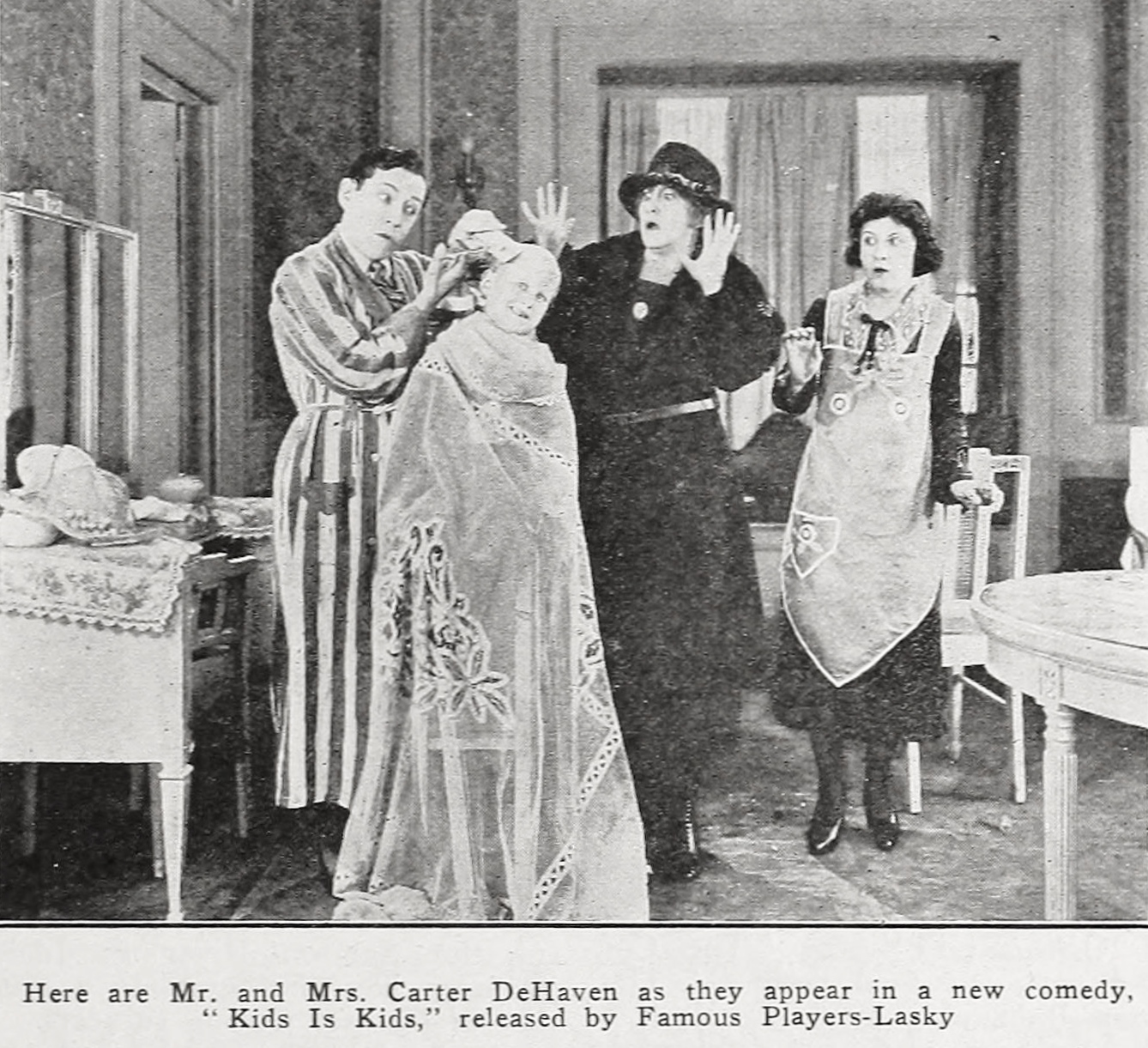
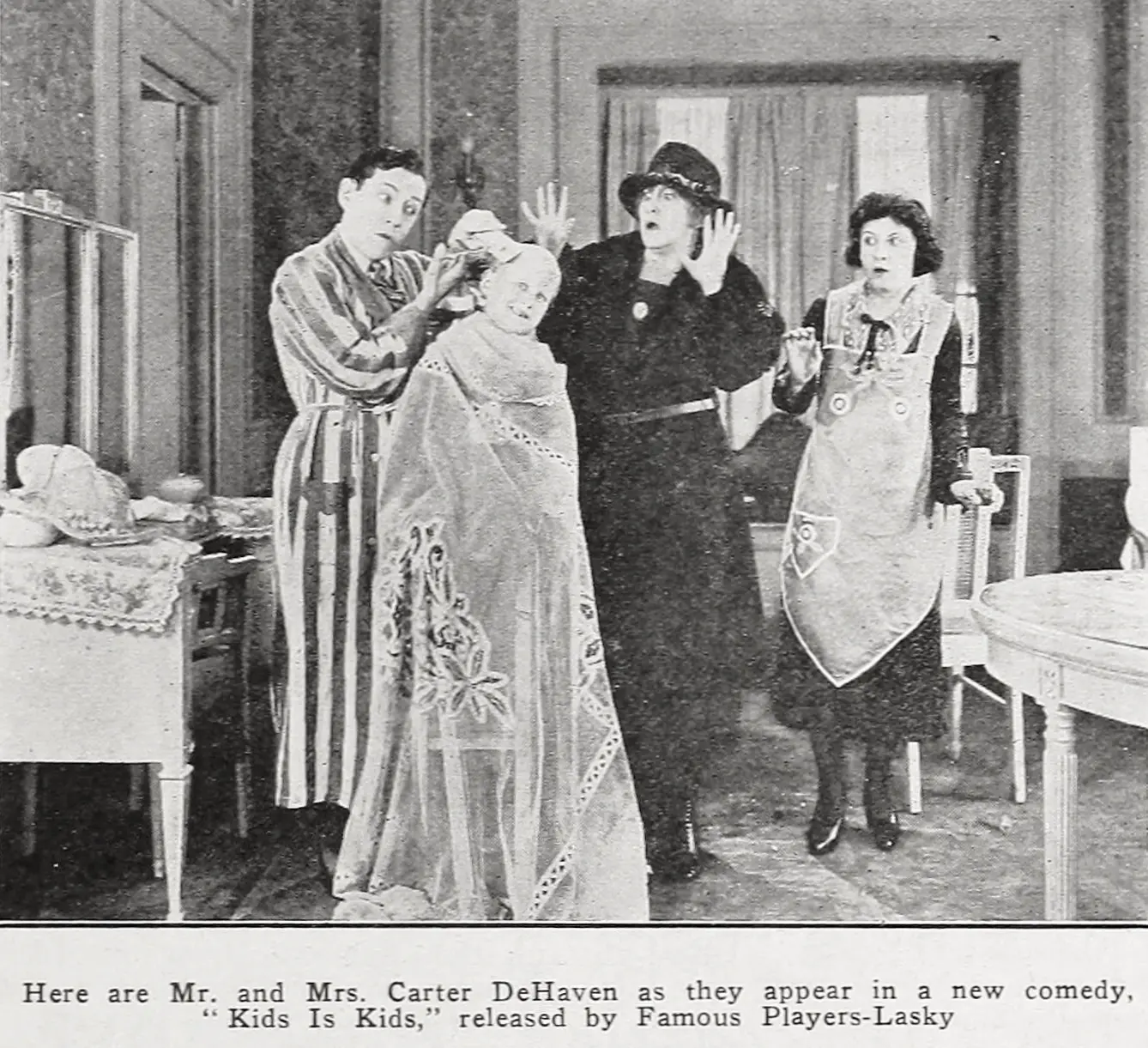
Dir: Charley Chase
A young married couple volunteer to take charge of several orphans after the asylum has burned down. Of course they find their hands full with their troublesome charges.
View Details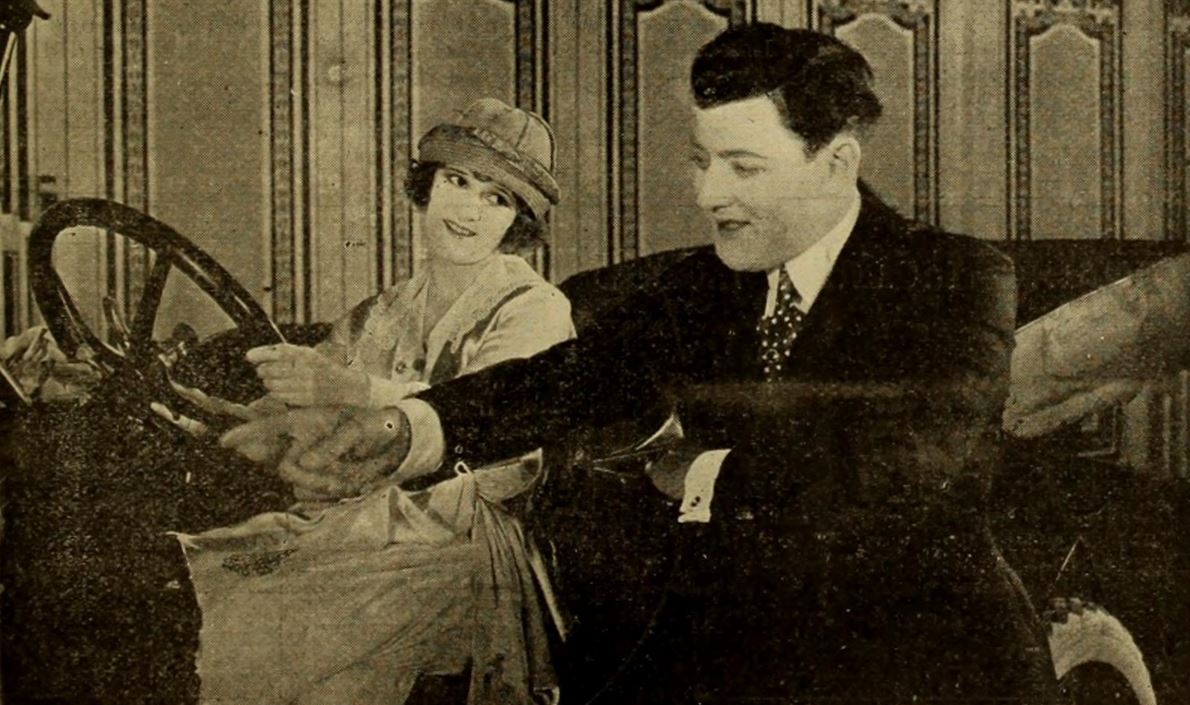
Dir: John Francis Dillon
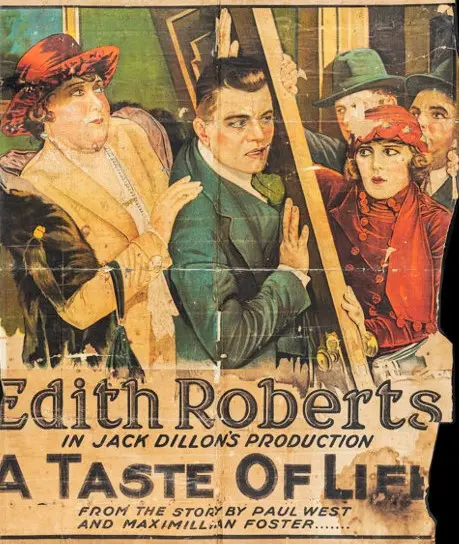
Diana Rosson, a wealthy and beautiful woman, drives to her country home to escape the unwelcome attentions of her many suitors, particularly Trotwell, her guardian's favorite. Arriving in the middle of a raging storm, Diana rushes into the house only to be attacked by robbers. Passing by the house, Dick Webster hears her cries and rescues her, and the two quickly become friends. Diana falls in love with Dick, but his hatred of the rich prevents him from returning her affections. Anxious to win him, Diana tells Dick that she has a twin sister who insists on earning her own living. Dick agrees to deliver a message to the sister and promptly falls in love with the demure young woman, unaware that she actually is Diana. They marry, but when Horace Sciven falsely accuses Diana of stealing a violin, she is taken to the police station, where her husband discovers her true identity. Realizing that her deception was prompted by love, Dick forgives his young wife.
View Details
Dir: John Francis Dillon
Eddie appears as a squatter named "Black Jack," who makes a strong fight for his rights against armed aggression. In the course of the story he kidnaps his own boy.
View Details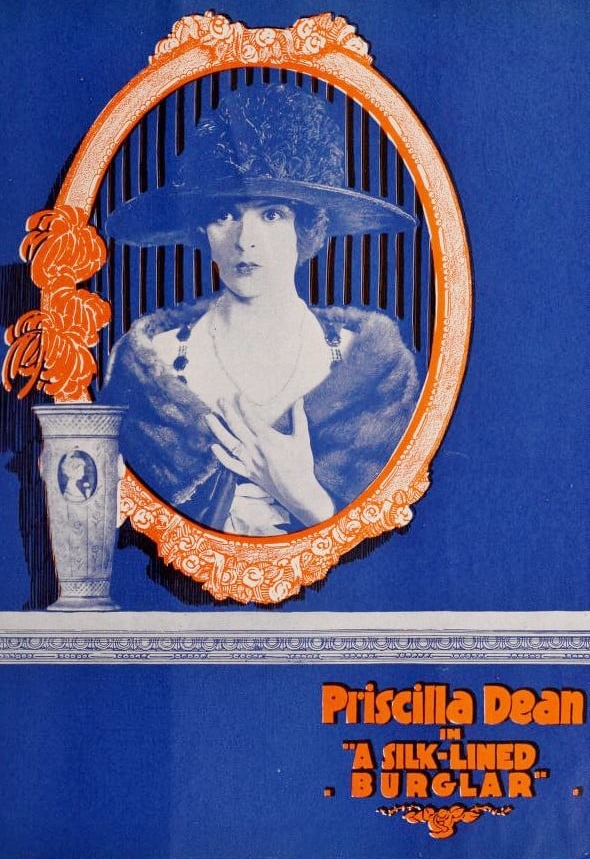
Dir: John Francis Dillon
Gentleman crook Boston Blackie answers a want ad for an expert safe cracker placed by Doris Macon, who claims a moral right to the safe's contents. She hires Blackie, and they break into the house where the safe is kept. Blackie blows up the safe just as owner Captain von Hoffmeier returns home. Doris disappears with papers from inside the safe, while Blackie takes phonograph records, which, when played with a special needle, reveal secrets that implicate von Hoffmeier as a German political spy. Doris is actually the girl friend of a secret service man who has followed them to the house. Blackie's talents are praised, and he goes to work for the government.
View Details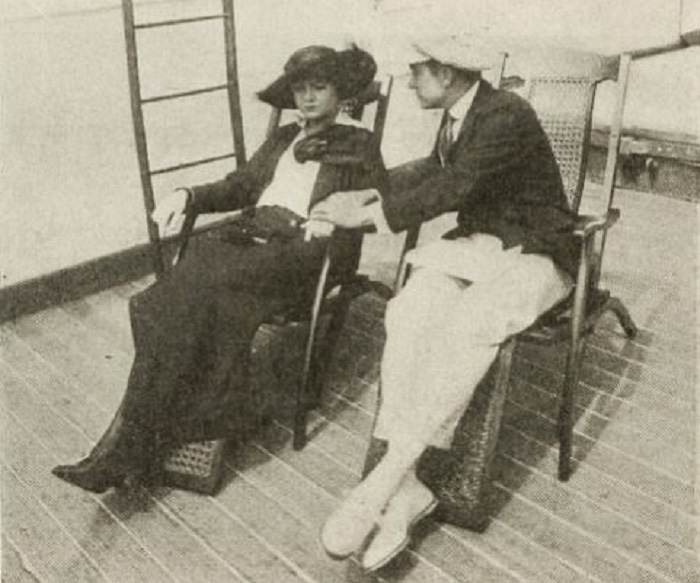
Dir: John Francis Dillon
George Carter, a revolutionist in South America, is the exact double of Frederick Marston, a famous artist in Paris. Carter is betrayed by a comrade and is sentenced to be shot. He takes a desperate chance and escapes on board a vessel bound for London. In Paris Marston is stabbed by a model because he does not return her love. The wound incapacitates him from painting, and leaves an ugly scar, and he goes to America on a vacation. Highwaymen attack him, inflicting injuries which cause a total loss of memory. The robbers leave nothing in his pockets but the key to his Paris studio, and Marston adopts the name of Robert Anglo-Saxon. Five years later he falls in love with Duska Filson, a noted beauty, and at a dinner given by her he meets Gen. Robero, a South American ambassador, the man who condemned Carter to death. Robero believes Saxon is Carter and writes Saxon a letter warning him that if he marries Duska he will have Saxon extradited to South America and shot. Robero convinces him that he is Carter and Saxon goes to South America to pay the penalty of the crimes he believes himself guilty of. On the boat he meets Rodman, Carter's betrayer. Duska follows Saxon to South America and learns that Saxon has proven his innocence and departed two days before. She sends him a wireless and he has the ship stopped and lands at Puerto Frio, and learns that the revolution has broken out. In fighting his way through the lines he is shot and is placed on board a vessel bound for France by Rodman. Rodman tells Duska what has occurred and she follows Saxon to France. Saxon's mind clears and through the medium of the key which fits the lock of his house his identity is clearly established. Duska learns that Saxon is the world-renowned artist and his a wife who is very ill. When Saxon reaches his home he finds Duska at the bedside of his wife, who has just died. Duska respects Saxon's grief and departs, with her dream of happiness shattered.
View Details
Dir: Reggie Morris
A fascinating piece of cinema that shares thematic elements.
View DetailsAnalysis relative to Man Crazy
| Film Title | Atmosphere | Complexity | Similarity |
|---|---|---|---|
| Lunatics in Politics | Ethereal | Dense | 97% Match |
| Limousine Life | Surreal | High | 86% Match |
| Love's Prisoner | Gritty | Abstract | 98% Match |
| A Taste of Life | Tense | High | 86% Match |
| Kids Is Kids | Tense | Layered | 94% Match |
This guide was algorithmically generated using the cinematic metadata of John Francis Dillon's archive. Last updated: 8/16/2026.
Back to Man Crazy Details →