
DbcultAccessing Vault...
Recommendations
Senior Film Conservator
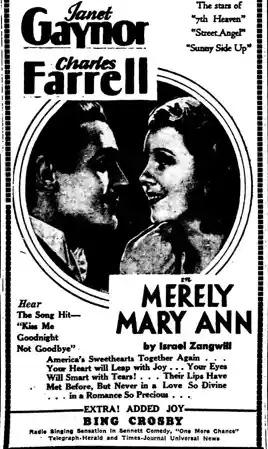
Exploring the thematic gravity in Merely Mary Ann is a journey into United States cinema, the thematic layers of this 1931 classic invite a wider exploration of the genre. If Tom Whiteley, G.P. Huntley, Lorna Balfour impressed you, these next recommendations will too.
With Henry King at the helm, Merely Mary Ann became to reinvent the tropes of Romance cinema for a global audience.
Orphan drudge Mary Ann finds love and hope in the arms of a promising but poor composer, John Lonsdale.
Merely Mary Ann was a significant production in United States, showcasing the immense talent of Tom Whiteley, G.P. Huntley, Lorna Balfour. It continues to be a top recommendation for anyone studying Romance history.
Based on the unique thematic gravity of Merely Mary Ann, our vault has identified these titles as the most compelling follow-up experiences for fans of Romance cinema:
Dir: Henry King
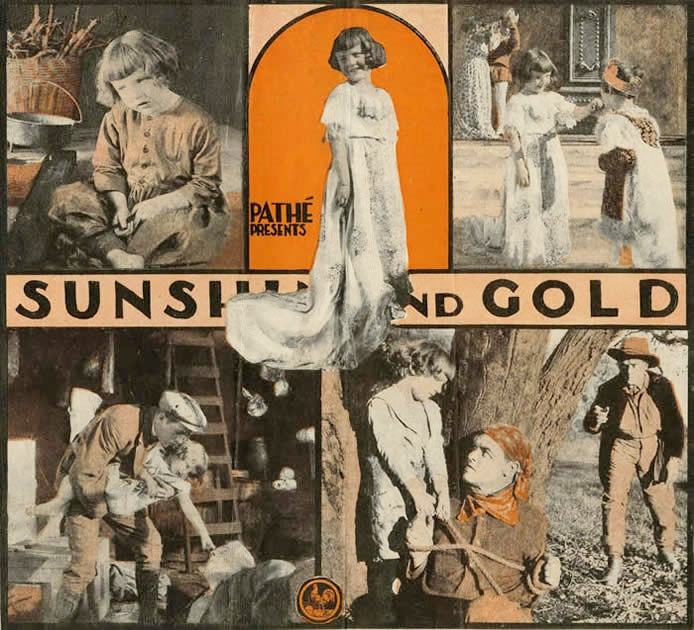
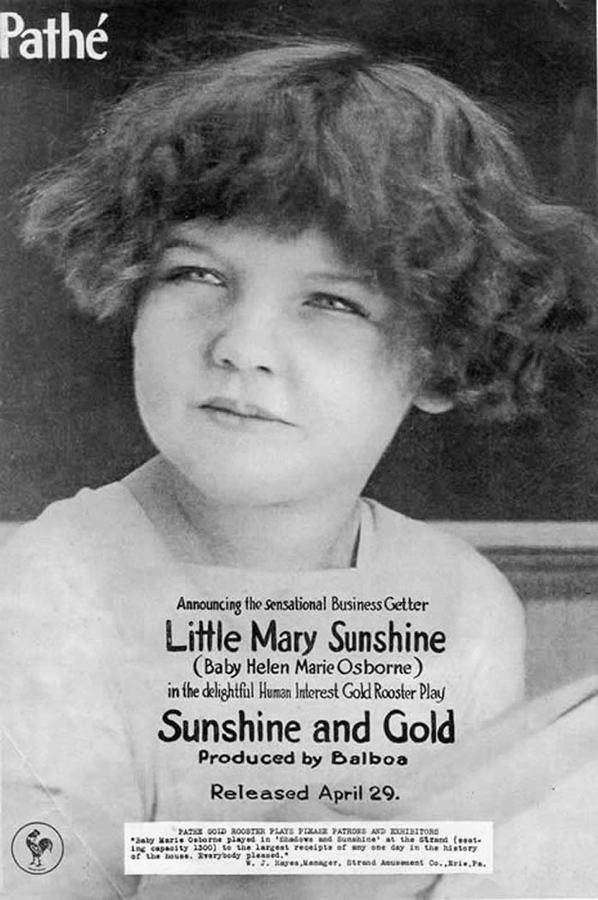
Shouts of joy and the clapping of many tiny hands welcomed the arrival of the big birthday cake. For this was Little Mary's birthday. To celebrate all Mary's little friends had been invited and the big event which preceded the supper and the cutting of the cake was a performance of Cinderella and the affair of the glass slipper. Little Mary forgot to leave at the hour of 12, and when she was called away by the fairy she dropped her glass slipper on the stair. Of course, to every one's amazement, when the Prince went looking for the owner of the slipper, the only one whom it fitted was Little Mary. The party and the excitement was all over, and, as an added help to recuperate from the strain of starring. Little Mary the next day went auto riding with the chauffeur. But fate then took a hand in the story of Mary's life. Captured by Gypsies and later escaping in the midst of a battle royal amongst the tribe she finally made her way to the hut of a crabbed old man, but she finally overcame his crabbedness by her cute and winning smile. Unknown to Little Mary, her benefactor was in reality her grandfather, James Andrews, who had taken his money to this backwoods place because of his son, Dr. Andrews, who had married against his wishes. The chauffeur, wild with anxiety, finally located Little Mary in the cellar, where she had gone to help the old man, who had fallen while miserly counting his money. Would they be able to reach the city in time? They faced a hard task, but Little Mary had known harder work when she had starred in Cinderella.
View Details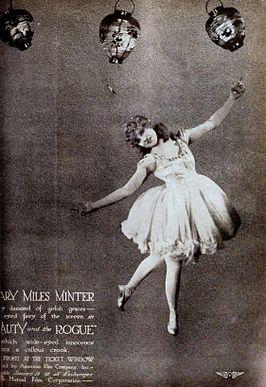
Dir: Henry King
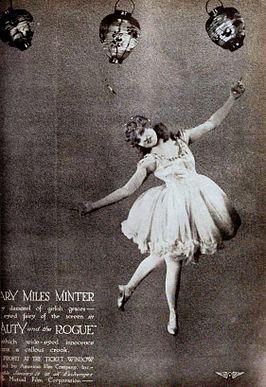
Roberta Lee, who is concerned with reforming ex-convicts, convinces her wealthy father to hire ex-robber "Slippery" Bill Dorgan as a gardener in their home. Bill tries at first to reform himself, but soon yields to temptation and steals Roberta's jewels. To avoid publicity, Roberta takes a trip to the country, where she meets Richard Van Stone who, under an assumed identity, is conducting business for her father. Taken with Roberta, Richard unwittingly buys Roberta's own brooch from Slippery Bill, presents it to her, and is arrested for the robbery. When Roberta is kidnapped, Bill rescues her and returns the jewels, after which she drops the robbery charges and marries Richard.
View Details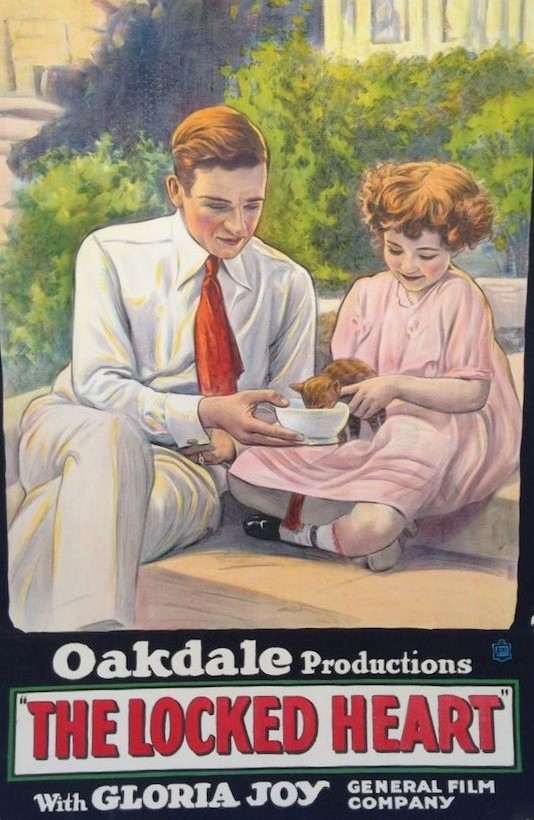
Dir: Henry King
Harry Mason is called home by wire, but when he arrives, he finds that his wife Ruth has just died in childbirth. Thoroughly shaken, Harry refuses to look at the baby, and after locking the door to the room that Ruth had prepared as the nursery, he departs for Europe, leaving little Martha in the care of her grandfather, Colonel Mason. In an attempt to escape his grief, Harry travels throughout the world, but the spirit of his wife continually distracts him, and he finally decides to return home. Unaware of her father's identity, Martha, now a charming and spirited little girl, befriends Harry and soon convinces him to unlock the nursery door. On the bureau, he finds the letter his wife had left him years earlier, requesting that he care for their child in the event of her death. Realizing his blindness, Harry takes Martha to his heart.
View Details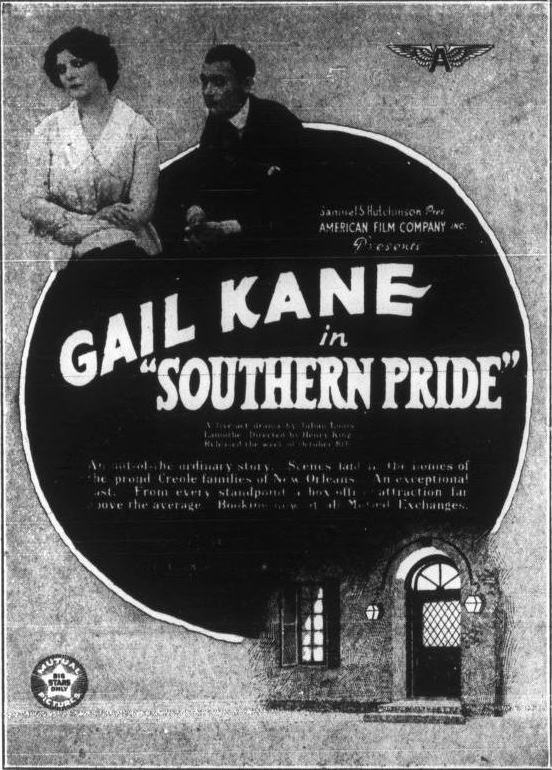
Dir: Henry King
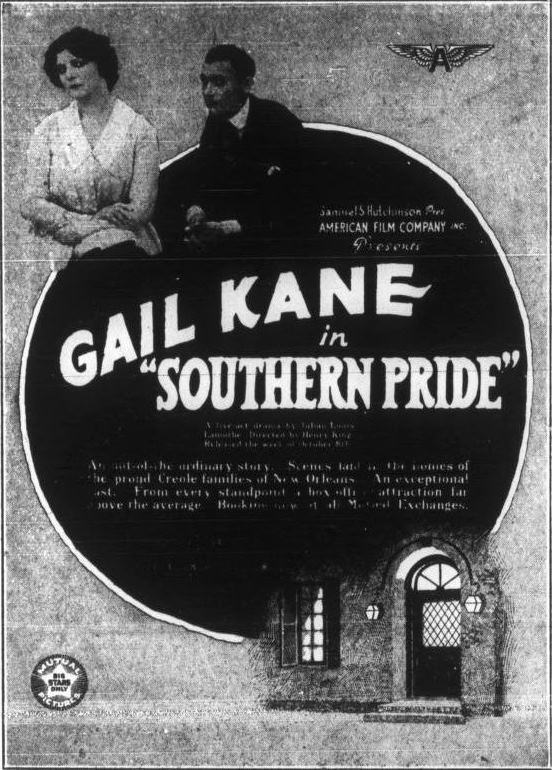
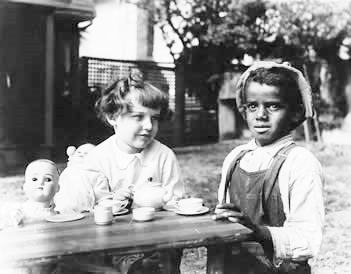
The only remaining members of New Orleans' proud but poor Creole family are Lucie De Montrand, her brother François and their aunt, Tante Jeanne. Two men are in love with Lucie: James Morgan, a wealthy plantation owner whom her aunt wishes her to marry, and the impoverished Robert Orme, whose love Lucie returns. Desperate to win the favor of the town vampire, François gives her the jewels that Gaspar La Roche, an old antique dealer, had earlier given to Lucie. Then, when Lucie fails to wear them as the queen of the Knights of Consus Ball, Gaspar refuses to believe that she is ignorant of their whereabouts. If she marries him, he suggests, she may keep the jewels, but otherwise, she must return them immediately. Lucie learns from Corinne, the cook, that François has taken the gems, whereupon she visits his sweetheart and demands their return. As she walks home, Gaspar insults her, but she is defended by François and Robert. In the confusion, the gun that Gaspar had pointed at François is discharged and the antique dealer is killed. Repentant, François abandons the vampire and assumes his position as the head of the family, while Lucie, through the mediation of Father Moret, finally is allowed to marry Robert.
View Details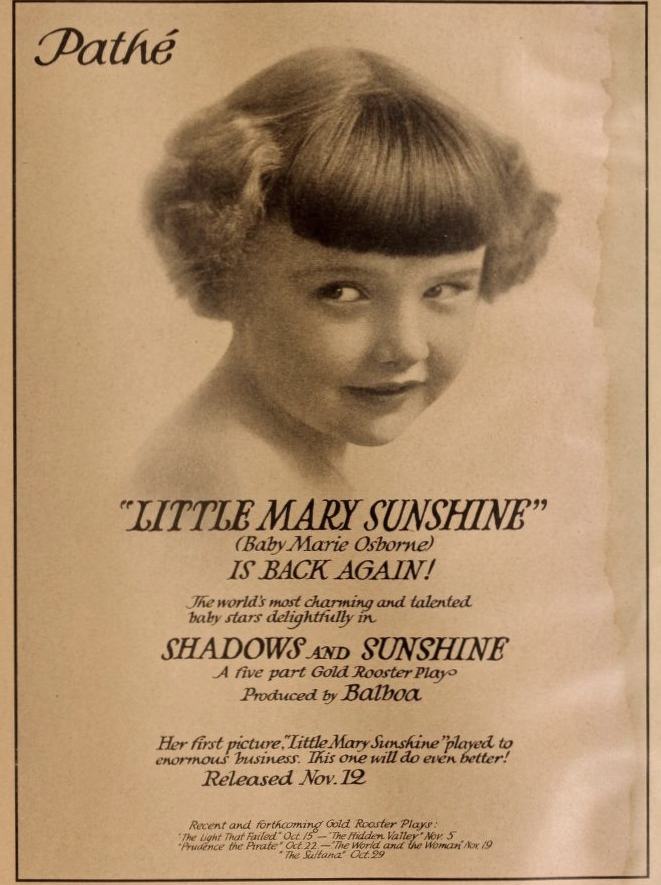
Dir: Henry King
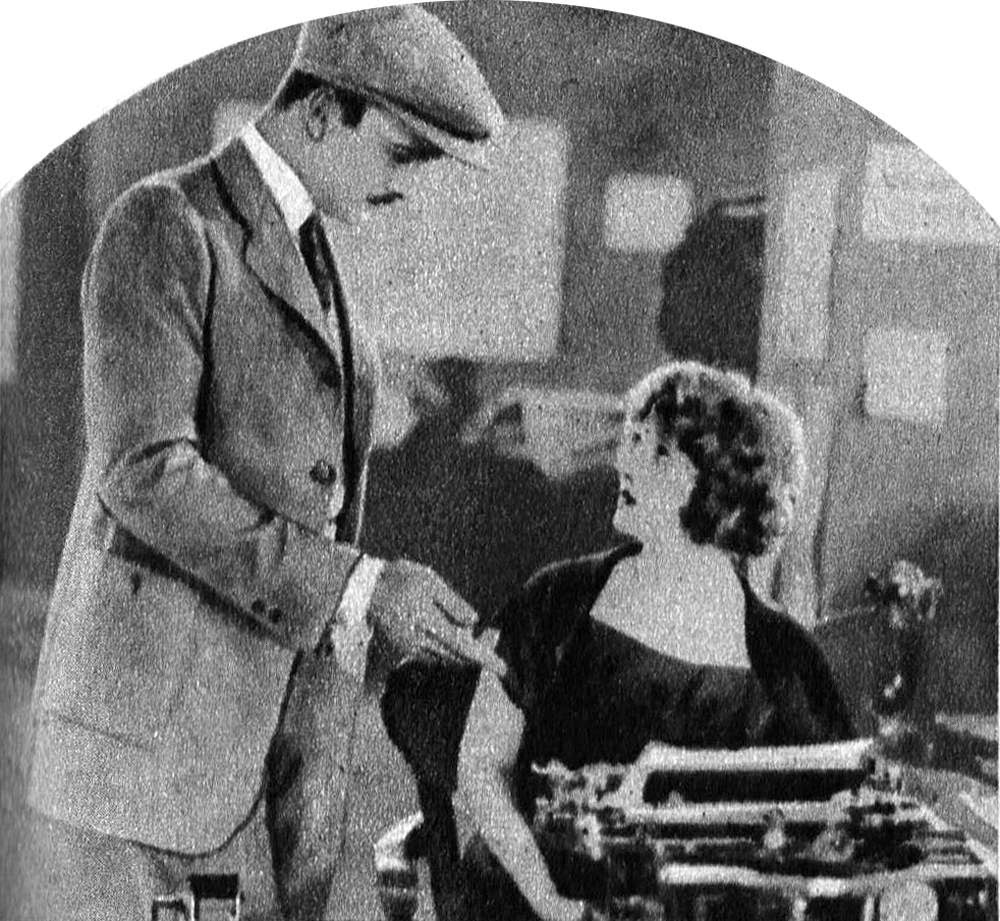
Run out of town when he exposes crooked politician Jarvis McVey in the pages of his newspaper, Burton Grant asks his daughter Sylvia to turn the Daily News over to his dynamic young city editor, Frank Summers. Having inherited her father's journalistic talents, however, Sylvia fires Frank and takes charge of the paper herself, decorating the city room with bows and printing several rather silly "scoops." In the meantime, Frank learns that McVey and the president of the railroad have become involved in a dishonest scheme concerning the city franchise, and when Sylvia hears this, she publishes an extra, stating that McVey should be tarred and feathered. Sylvia's father arrives just in time to prevent the angry townspeople from carrying out her suggestion and then compels McVey to leave town. Grant orders Sylvia to return to school, but she decides to become Mrs. Frank Summers instead.
View Details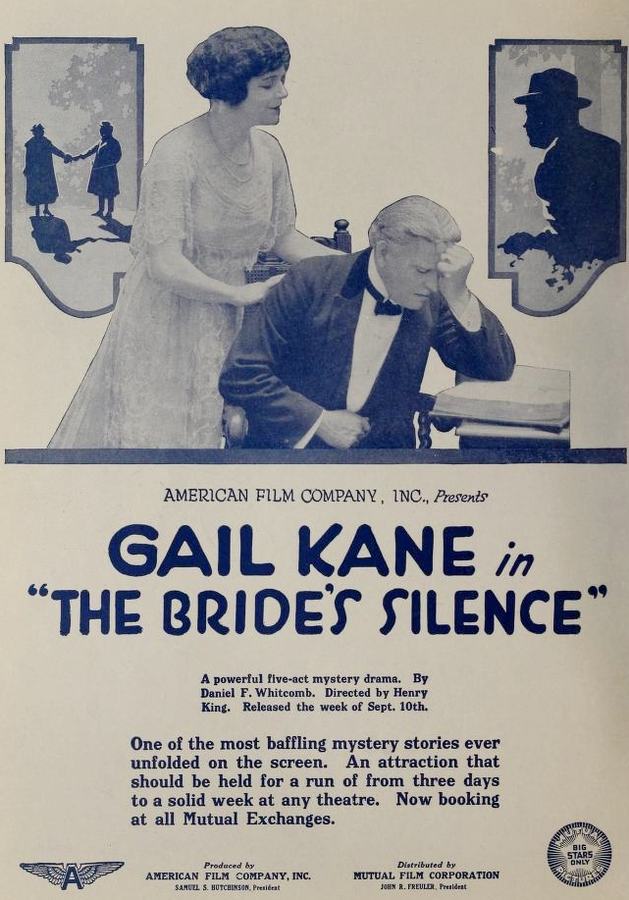
Dir: Henry King
Clutching a dagger, a woman enters a room through velvet portieres and murders Nathan Standish, the scion of a distinguished family. Nathan's sister Sylvia hides the knife, and when the butler Bobbins--whose hatred of Nathan was well-known--is arrested, Sylvia remains silent. To please her father, Sylvia marries the prosecuting attorney Paul Wagner. When she secretly tries to help free Bobbins, detective Bull Ziegler, who believes that Bobbins is innocent, suspects Sylvia. After Sylvia's hysterical speech during sleep leads Wagner to suspect her, she becomes insane. Wagner and her father take her to a mountain retreat where she recovers her sanity without regaining her memory. Just as Ziegler is about to have Sylvia arrested, a telegram arrives informing them that Sylvia's cousin committed suicide and left a note stating that she killed Nathan in revenge for being betrayed by him. Sylvia, who tried to protect the family name, recovers her memory when she learns of the suicide.
View Details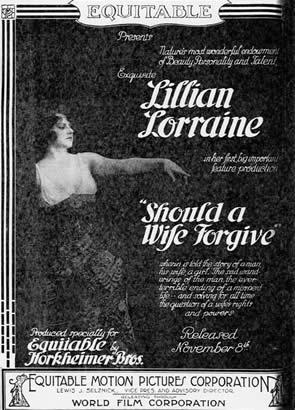
Dir: Henry King
Seductive vamp La Belle ( Lillian Lorraine ) sets out to steal Jack Holmes ( Henry King )away from his loving wife Mary ( Mabel Van Buren ). He foolishly spends every penny on the vamp , leaving his wife almost destitute. La Belle is killed by a jealous suitor and the evidence points to Jack. However, he is given an reprieve by the way of a letter written by La Belle claiming she had intended to commit suicide. Should his wife now forgive him ?.
View Details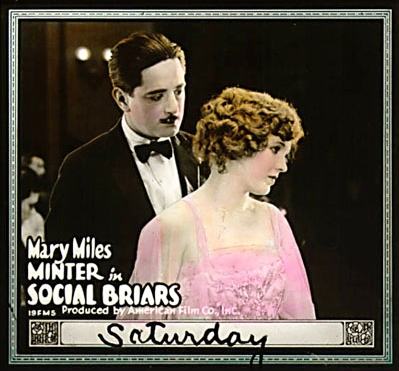
Dir: Henry King
Iris Lee is reared in the small town of Dalton by her deceased mother's friend, Martha Kane; when she reaches adulthood, Martha's son Jim falls in love with her. When she fails to return his affections, Mrs. Kane treats her so coldly that Iris decides to leave the stuffy little village for the metropolis. On her journey, she accepts a ride with Jack Andrews, but after he attempts to kiss her, she leaps from the car and walks the rest of the way. While singing in the choir of a large metropolitan church, she is discovered by Jack's wealthy father Peter, who recommends her as a soloist. Light-opera star Helen Manning, who has helped Iris to cultivate her voice, quarrels with her theatrical manager, and Iris is offered her position. On opening night, Jack bursts into her dressing room and drunkenly offers to take her home. Distressed, Iris returns to the village, but Jack, who remorsefully has given up drinking for a job in his father's firm, follows her to Dalton. Finally convinced of his love, Iris agrees to marry him.
View Details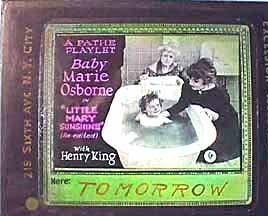
Dir: Henry King
Just after Bob's fiancée breaks off their engagement, he meets young Mary, whose mother has just died, and the two of them comfort each other.
View DetailsAnalysis relative to Merely Mary Ann
| Film Title | Atmosphere | Complexity | Similarity |
|---|---|---|---|
| Sunshine and Gold | Tense | Linear | 96% Match |
| Beauty and the Rogue | Gritty | Linear | 91% Match |
| The Locked Heart | Gritty | Dense | 87% Match |
| Southern Pride | Tense | High | 87% Match |
| Shadows and Sunshine | Gritty | Abstract | 95% Match |
This guide was algorithmically generated using the cinematic metadata of Henry King's archive. Last updated: 6/24/2026.
Back to Merely Mary Ann Details →