
DbcultAccessing Vault...
Recommendations
Senior Film Conservator
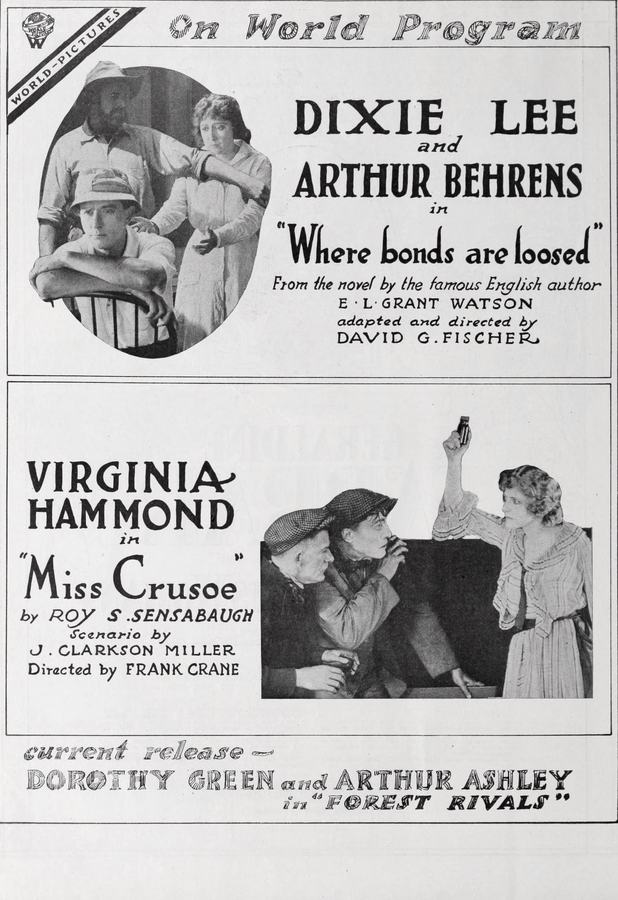
Delving into the atmospheric depths of Miss Crusoe reveals a master at work, the visual language established by Frank Hall Crane is something many try to emulate. From hidden underground hits to established classics, these are our top picks.
The enduring power of Miss Crusoe lies in to synthesize diverse influences into a singular artistic statement.
Dorothy Evans, a chemistry teacher at her aunt's girls school, hopes to satisfy her yearning for adventure when she vacations with her aunt, who desires to wear men's clothes, at a secluded island in the Chesapeake Bay. On the boat, they witness officers shooting an escaping prisoner diving overboard. On the island, a gang of crooks vacate the cottage belonging to Dorothy and her aunt, but leave behind a bottle of nitroglycerin. Dorothy recognizes it, and after dumping the contents into the bay, she fills it with her aunt's heart medicine. After the prisoner is taken in by the crooks and volunteers to get the "soup," Dorothy surprises him with a revolver and binds him to a chair. They fall in love, and when the gang tries to rescue him, he fights them. Dorothy's threat to drop the nitro bottle leads to the gang's capture. After the officers identify their "prisoner" as a famous detective Harold Vance, Dorothy and Harold plan to marry.
Critics widely regard Miss Crusoe as a cult-favorite piece of cult cinema. Its cinematic excellence is frequently cited as its strongest asset, solidifying its place in United States's film legacy.
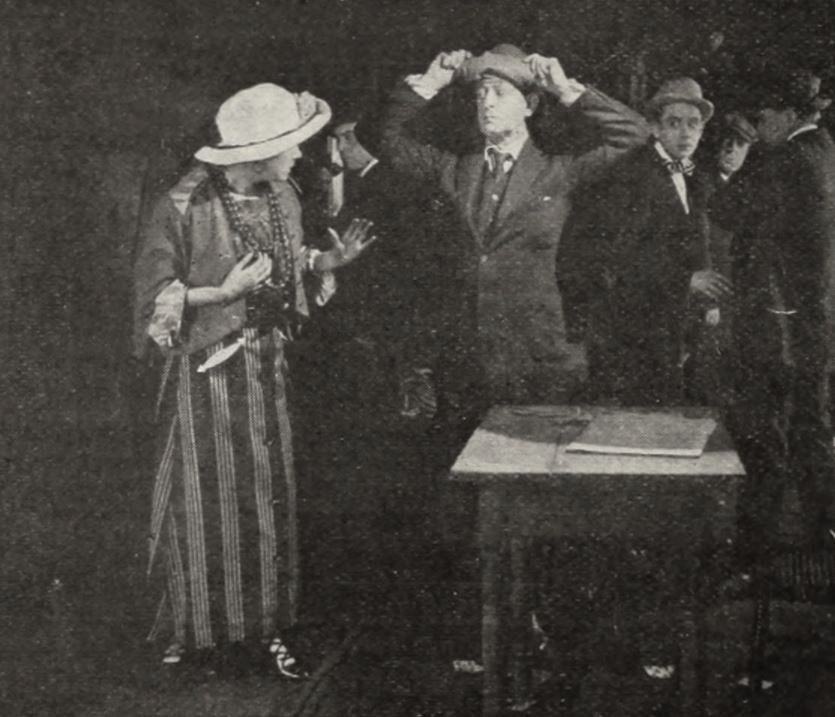
Based on the unique cinematic excellence of Miss Crusoe, our vault has identified these titles as the most compelling follow-up experiences for fans of cult cinema:
Dir: Frank Hall Crane
Police inspector Jim Garth, investigates the murder of Joe Kridel, another inspector, who had been tracking the Hennions, a gang of thieves plotting to steal the formula for a dangerous explosive from an old inventor. As Jim uncovers the Hennions' plans to procure the formula and sell it to an agent of an unfriendly foreign power, he encounters Nora, the former lover of Joe, who has sworn revenge for the killing and has ingratiated herself with the Hennions in order to discover the identity of the murderer. Although he assumes Nora is one of the thieves, Jim falls in love with her anyway, but she firmly rejects his advances. Disguised in a gray mask similar to the one worn by one of the gang members, Jim infiltrates the organization and foils the plot. With Joe's murderer in jail, a grateful Nora finally accepts Jim's affection.
View Details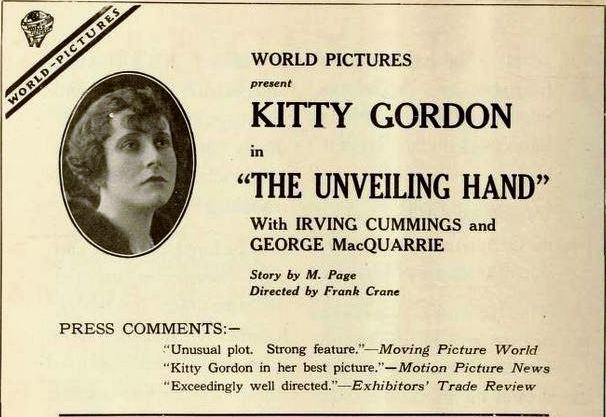
Dir: Frank Hall Crane
Margaret Ellis marries archaeologist Philip Bellamy to please her father, a trustee of Calder College where Philip teaches, and Philip's mother, who convinces Margaret that Philip will not succeed in finding ancient Greek ruins in North Africa, unless she is his wife. Bob Harding, who loves Margaret, joins them on their expedition as Philip's business manager. When Margaret contracts desert fever, Bob cares for her, but the alcoholic Philip takes the last bottle of brandy which Margaret needs. Hassan, a guide who hates Philip, sees the caving in of the ruins of a half-buried relic while Philip explores it, and announces Philip's death. Back home, after a tablet honoring Philip is unveiled, he returns drunk and smelling with hashish to overhear Margaret and Bob confess that they love each other. Philip accuses them of plotting his death, but when Hassan, who is now the servant of Margaret's doctor, sees Philip threaten Margaret, he stabs Philip to death. Margaret now accepts Bob's love.
View Details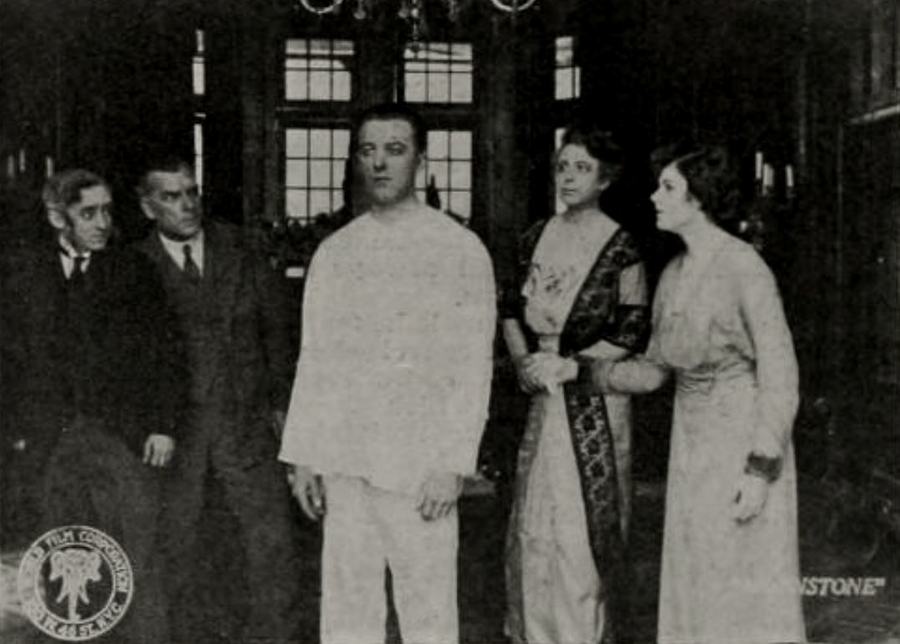
Dir: Frank Hall Crane
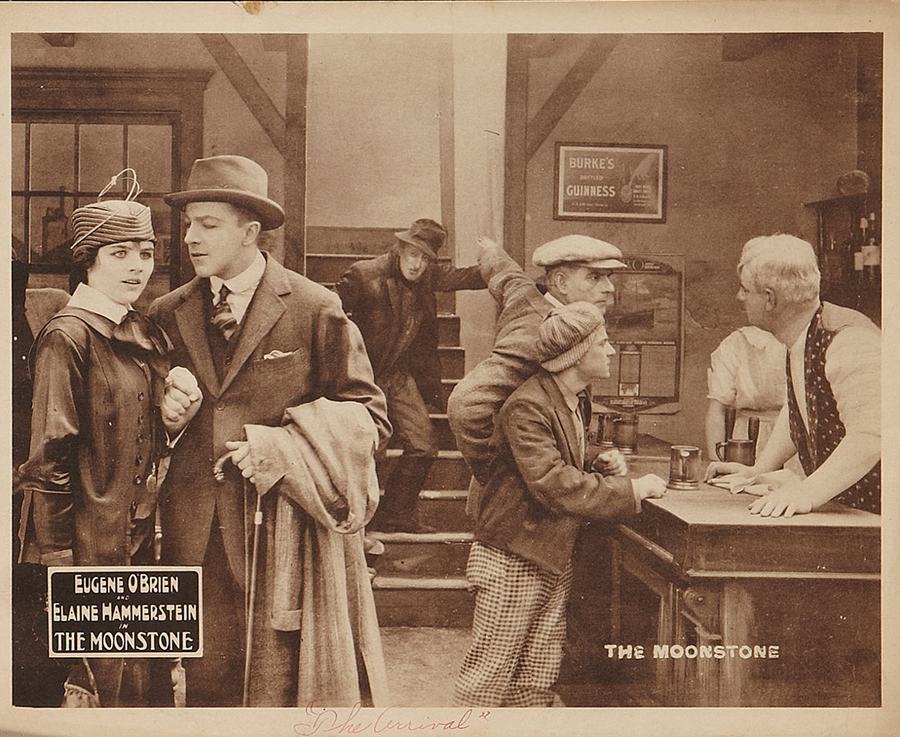
The story relates how a valuable diamond is stolen by an Englishman from the eye of an Indian idol. The Englishman, on his return to London, is pursued by three Indian priests in disguise whose object is to secure "The Moonstone" at all costs, as failing its recovery, the priests will lose caste. The Englishman, Hearncastle, is found drowned, presumably having been killed by the Indians. The diamond passes into possession of Franklin Blake, his friend. Blake is followed by a band of Indian magicians. He presents the diamond to his fiancée from whom it is stolen. A detective is called in. Another girl in love with Blake commits suicide and suspicion attaches to her, as she leaves a mysterious note for Blake. Subsequently, Blake finds the diamond in the possession of a money-lender. His fiancée, learning of the dead woman's attachment for Blake, quarrels with him. A doctor discovers that Blake walked in his sleep and took the diamond himself while in that state. The diamond was stolen from Blake while he was asleep and never recovered. The thief confessed and died, and Blake and his fiancée were reunited.
View Details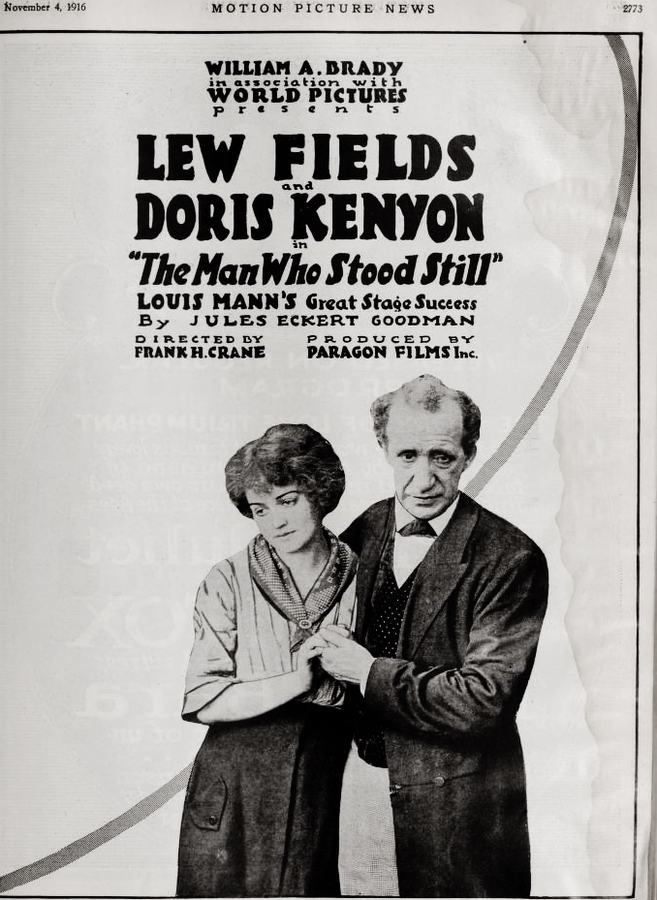
Dir: Frank Hall Crane
Kraus' little jewelry shop on the east side of New York is typical of that locality thirty years ago, and while his competitors advance with the times, he stands still in the simplicity of his kindly old soul, and devotes more time to his domestic affairs than to his business. In the rear of his small shop are the few immaculate rooms presided over by Katie, his motherly old housekeeper for many years, who also fills the vacancy of mother for Marie, the daughter of Kraus. Kraus' most intimate friend and neighbor is Spiegel, a kindred soul, and the father of Fred. Both parents have planned for years the ultimate union of their children. Marie, however, has other ideas on the subject, and has given her heart to Frank MacPherson, a worthless young "sport" and the son of her father's keenest competitor. From time to time a pinochle game at the home of one or the other is arranged by the two old Germans, as a pretext to throw Marie and Fred in each other's company. Fred's attentions to Marie on these occasions mislead the old folks, who do not see that Fred's sincerity is not returned. Marie's eighteenth birthday arrives, and in honor of the event, Kraus closes up shop, and with Marie, Katie and the Spiegels, journeys to the Jersey shore for a picnic in the woods. Frank follows them, and in the midst of their gaiety calls Marie to him. She slips away unseen, and tells him of the predicament that her blind love for him has placed her in. Unsympathetic, he speaks of her delicate condition as his "rotten luck." His craven mind plans further deception, and she becomes the victim of a mock marriage. Before leaving with Frank she sends a boy back to the picnic with a note to her father, telling of her intention. Old Kraus' grief upon its receipt is pitiful, and the holiday's joy is turned to sorrow. No word comes from Marie and Kraus broods over his loss until poverty and want confront him. He is at last compelled to accept a position in the store of his former salesman and a home with the Spiegels. Meanwhile, Marie and Frank have traveled down a parallel scale until he leaves her with her baby and goes away. Without support she is eventually dispossessed from her squalid room, and going she knows not where, encounters Fred, her father's choice. He persuades her to come home with him, where his sister Alice makes her comfortable. The Spiegels now plan a reconciliation, and by shrewd means bring father and daughter back to each other's arms. MacPherson has turned against his son Frank, and is the means of bringing him to an accounting. With his grandchild in his arms, Kraus' anger melts, and the glances he detects between Fred and Marie make him believe that his fondest hopes may yet be realized.
View Details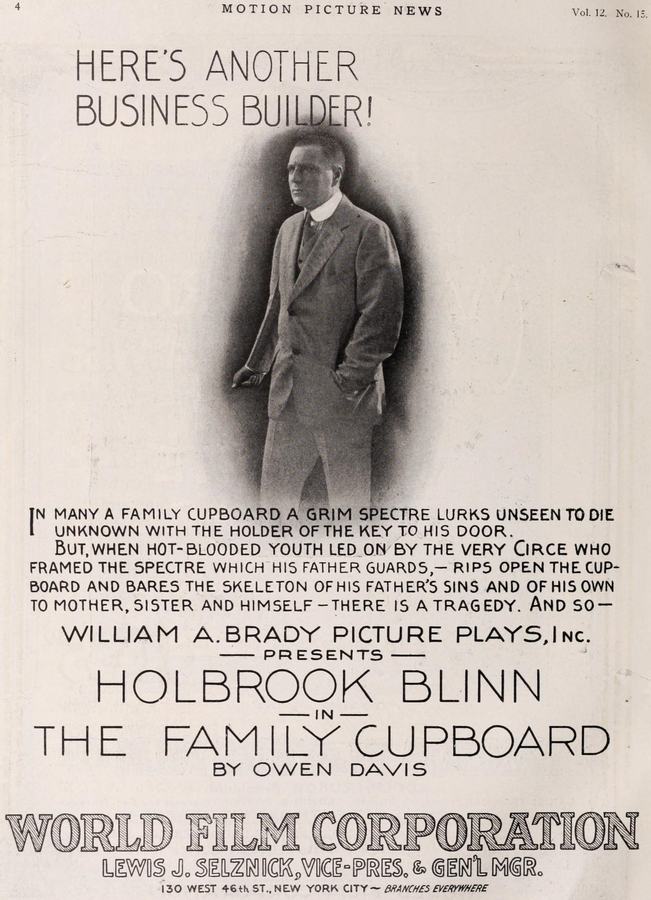
Dir: Frank Hall Crane
Charles Nelson is a self-made man and has amassed a fortune. His family consists of his wife, son Kenneth, and daughter Alice. His wife has become absorbed in society, requiring all the money her husband can made to support the large establishment and entertain. The wife, son, and daughter are out night after night, leaving Mr. Nelson much alone; while he pays the bills, he has little of the society of his family. He turns to vaudeville performer Kitty Claire for consolation and companionship. His son Kenneth gets into an argument with a friend at his club and hears that his father is keeping a woman in an establishment uptown. Kenneth returns home under the influence of liquor and insults his mother's companion, Mary Burke. Mr. Nelson enters, sees the situation and asks him what it all means. Kenneth turns on him and tells him that everyone knows he is keeping a woman in an apartment uptown. This conversation is overheard by Mrs. Nelson, who asks Mr. Nelson if it is true. He replies, "Yes." They agree to part. Kenneth clings to his mother. His sister Alice sympathizes with her father. She realizes that it is their own fault; they have given him nothing in return for all his labor in their behalf. Mr. Nelson is now living at the Alpine apartments, to which comes Kitty Claire. He tells her that the end has come. Meanwhile Kenneth, has come to see his father. Kitty, going out, hears him ask if his father is in, and seeks an acquaintance with Kenneth, who becomes infatuated with her, moves to the same hotel, and begins to live a Bohemian life with Kitty Claire and Dick LeRoy, another vaudeville performer. He finally asks Kitty to become his wife. She replies, "It is impossible, there is another man." The boy, crushed and brokenhearted, demands the man's name. Mr. Nelson enters at the point when Kenneth demands the name of the man. Kitty points to Mr. Nelson. Humiliated and ashamed Kenneth decides to end his life. He is about to write a letter when his mother arrives; she sees the pistol and tries to keep him from carrying out his plan. They are interrupted by a knock at the door; Kenneth is called down to the office by the clerk; while he is gone Mrs. Nelson seizes the opportunity to telephone Mr. Nelson, who arrives with Alice. Kenneth and his father are reconciled, also Mrs. Nelson, and her husband and the family are reunited.
View Details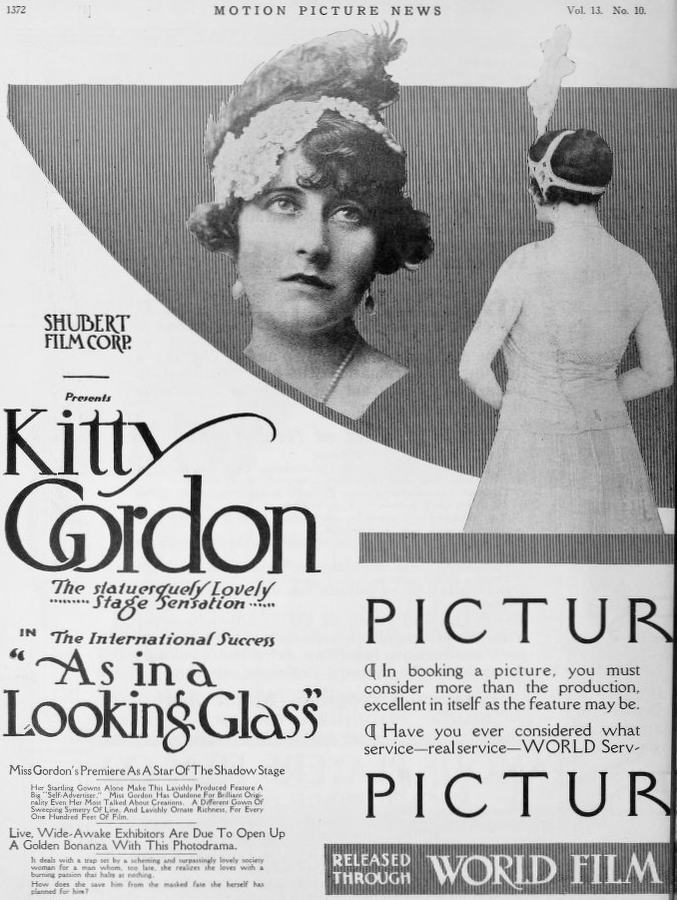
Dir: Frank Hall Crane
Scandalous European temptress Lila Despard, travels to America to escape her lover, criminal Jack Firthenbras. On the ship, she meets Andrew Livingston, a United States Navy planner, and Senator and Mrs. Gales. Her new friends host a party for Lila in Washington, D.C., where a spy named Dromiroff threatens to expose her past unless she steals Andrew's secret naval plans. In order to secure the papers, Lila makes love to Andrew, but the plan backfires when she falls in love with him. Eventually, Lila agrees to marry Andrew, but during their honeymoon, Dromiroff abducts her from the bridal suite. At headquarters, Lila is shot while destroying the documents, and before dying, she telephones Andrew to confess her misdeeds. The conspirators are killed when their car plunges from a cliff.
View Details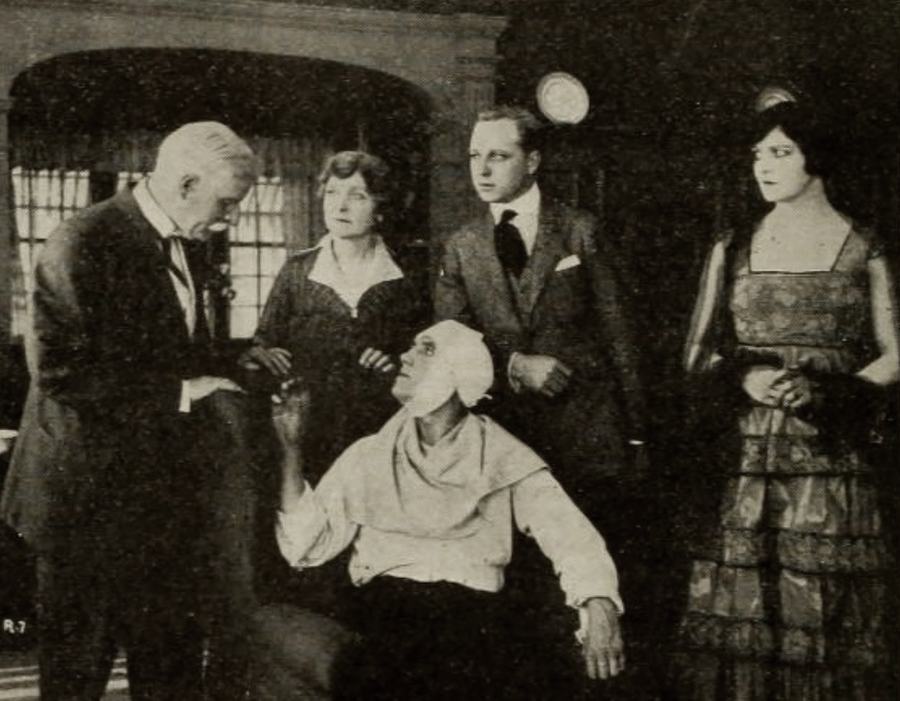
Dir: Frank Hall Crane
While developing a powerful explosive, naval officer Paul Towne introduces his friend Richard Tracy to Judith Corbin, his friend since childhood. For years, Paul had assumed that he would marry Judith, but when Richard proposes, Judith, tired of waiting for Paul, accepts. Soon after the marriage, Richard becomes more interested in the new explosive than in his new wife, and to pay off gambling debts, he agrees to steal the formula and sell it to a foreign government. While spying at close range on a test of the explosive, however, Richard is killed, after which Judith, who has long since realized her mistake in becoming Richard's wife, accepts Paul's marriage proposal.
View Details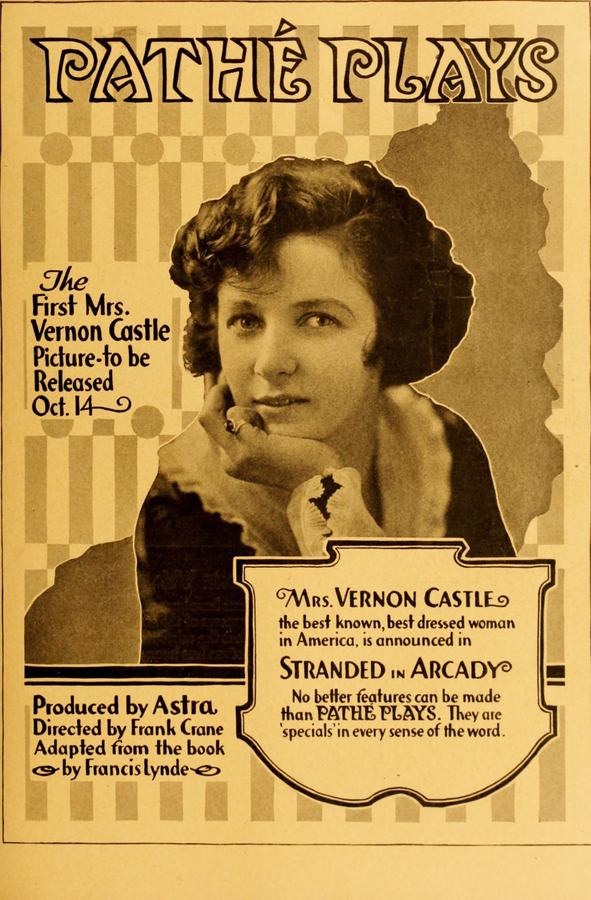
Dir: Frank Hall Crane
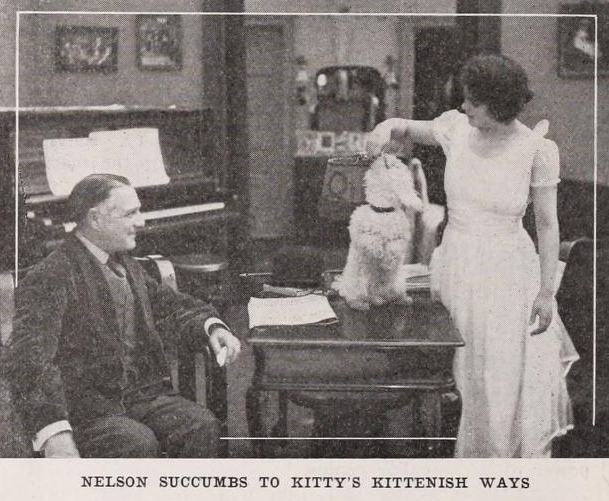
Lucy Millington is an independent woman who looks upon men with contempt. Novelist Donald Prime, who has written a book on women, considers himself an authority on the subject. Both are lured into the desolate backwoods of Arcady by adventurers who plan to keep them in captivity until a fortune bequeathed to them has been safely deposited in the hands of their rivals. While attempting to find their way back to civilization they face many dangers including a canoe trip in perilous waters and an encounter with a band of outlaws. Finally, through sheer pluck and daring, they reach their lawyer just in the nick of time to claim their inheritance. During their days stranded in Arcady, they discover their love for each other, and so after they leave the lawyer's office, their next stop is to the justice of the peace.
View Details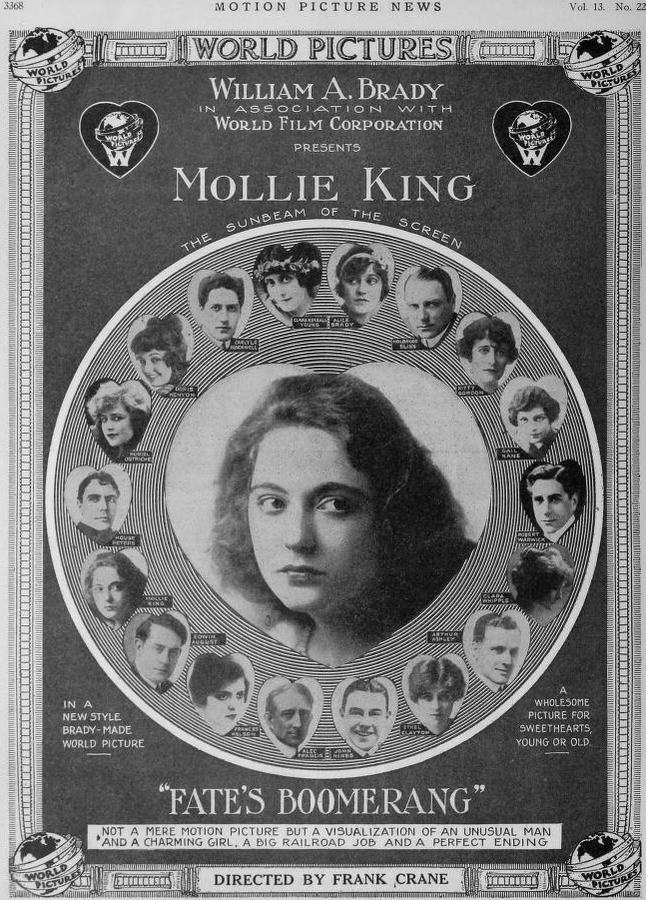
Dir: Frank Hall Crane
George Castleman, an engineer, succeeds in securing the supervision of a big railroad in the west. He hurries home to tell the good news to Mildred, his wife. As usual she is at the Bridge Club, or other place of amusement, but being so full of his good luck he phones her to come home at once. However, she continues to play her game of bridge for another hour. An hour later she enters with excuses to George, who allows her kisses to make it all right. He eagerly tells her the news and she is delighted, but when he talks of her going with him, she says: "Surely you do not expect me to go with you?" He laughingly explains that it is not tor a few months, but for years; that it is a big railroad. But she persists in her refusal to go with him. He makes arrangements for the trip, and goes off alone to face the wilderness, with Mildred's words ringing in his ears, "When you want to see me, you can easily come home." George reaches the west and the building of the road begins in earnest, but it is slow work in the mountainous country. One day Dan Holden, while sitting in front of his hut in the mountains, with his little grandchild Zell, sees in the distance the railroad crew breaking through the forest. As they draw nearer and nearer, day by day, both are fascinated by the work, never before having seen cars, tracks or steam shovels. Zell is attracted to George and he somewhat to her. However, he explains to her that he is married but she persists in seeing him, if only to cheer him up. One day, while returning from watching the men at work, old Mr. Holden falls and seriously injures himself. George carries him to his hut but the injury is too much for the aged man to survive and he dies two days later. Lonesome, Zell shares her lonesomeness with that of the engineer. Months later, strange are the happenings in the little mountain hut and also in the beautiful home in the city. Zell is a real little mother, being called the little mother of the hills, and George is bending over, looking at their new born babe with true love and happiness. On the other hand, Mildred has met a man named Morgan, a flirtatious society man, who has designs upon her and urges her to bring divorce proceedings against her husband. Leaving the city to get evidence against George, Morgan and Mildred arrive at the little village, leaving in a coach for George's hut. The driver, a half-witted chap, driving carelessly around a curve, drove his wagon and occupants over the edge of a cliff, losing his life as well as killing both passengers. The news was a terrible shock to George, but after directing his men to give the three unfortunates as decent burial as the little mountain place could afford, he was at liberty to consider Zell's love for him in a different light with the result that after marrying the little mother of the hills, he continues his work content at last that his wife and babe are worthy of his sacrifice.
View Details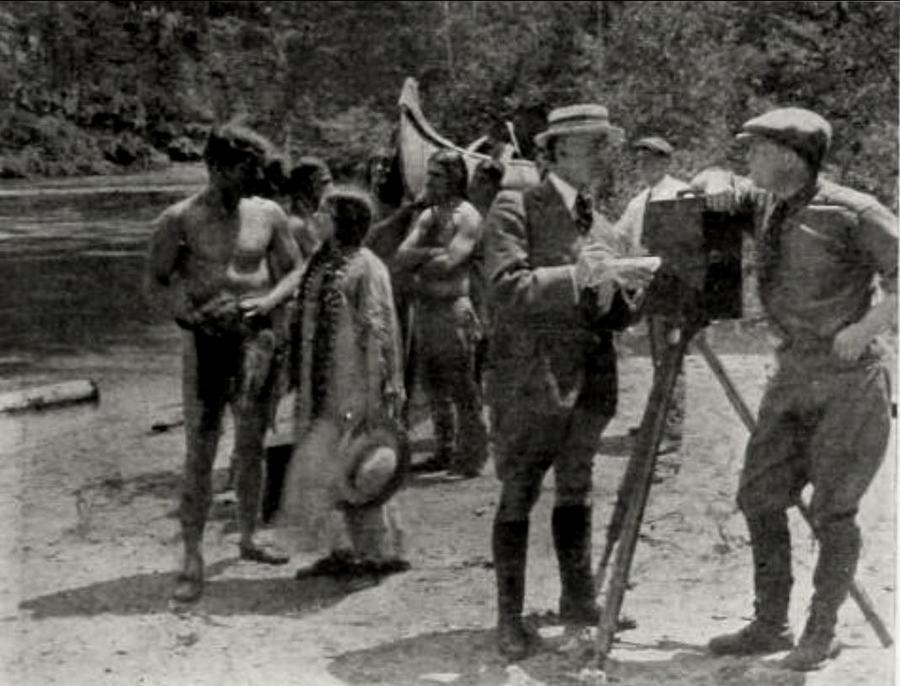
Dir: Frank Hall Crane
A wealthy society matron is enchanted by a world-renowned opera singer. Her jealous boyfriend, seeing his meal ticket slipping away, hypnotizes the singer and renders him mute. His ploy works, and the singer, now unemployable, soon runs out of money and is reduced to utter poverty. However, a figure from his past is in a position to help him regain his former fame and fortune
View DetailsAnalysis relative to Miss Crusoe
| Film Title | Atmosphere | Complexity | Similarity |
|---|---|---|---|
| The Gray Mask | Ethereal | Layered | 94% Match |
| The Unveiling Hand | Surreal | Abstract | 89% Match |
| The Moonstone | Tense | Linear | 88% Match |
| The Man Who Stood Still | Tense | Dense | 96% Match |
| The Family Cupboard | Surreal | Abstract | 97% Match |
This guide was algorithmically generated using the cinematic metadata of Frank Hall Crane's archive. Last updated: 5/15/2026.
Back to Miss Crusoe Details →