
DbcultAccessing Vault...
Recommendations
Senior Film Conservator
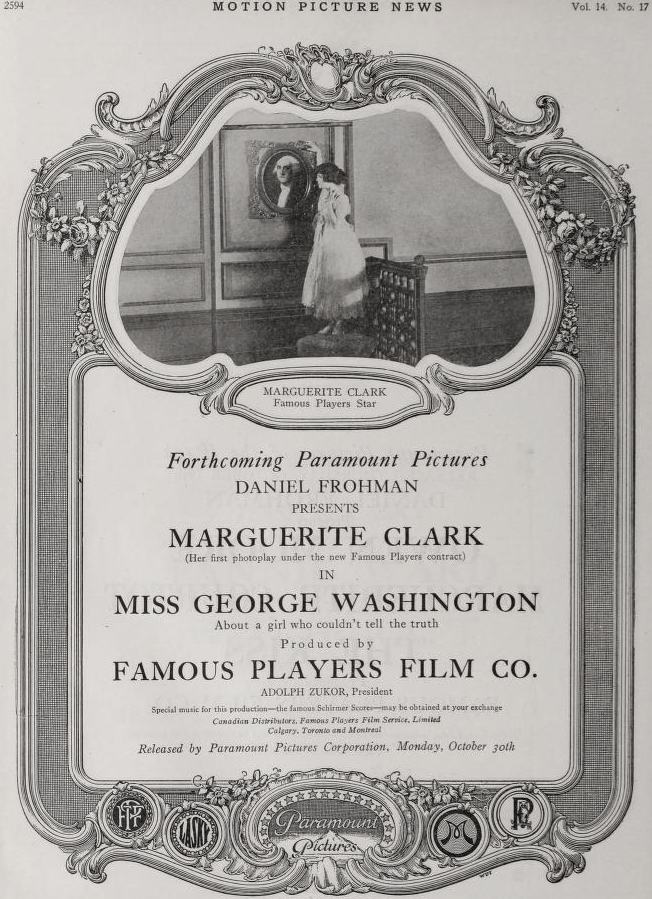
For those who were mesmerized by Miss George Washington, a true cult masterpiece from 1916, the quest for comparable cinema becomes a journey through the fringes of film history. Our curated selection of recommendations echoes the very essence of Miss George Washington.
The legacy of Miss George Washington is built upon its ability to create a hauntingly beautiful cinematic landscape.
Chronic liar Berenice Somers and her friend Alice, skip school to see a matinee, however, the two girls must think quickly when they see Alice's parents, Judge and Mrs. Altwold. Trying to escape, they run into the hotel room where young diplomat Cleverley Trafton is staying. Alice's parents find them, however, and are shocked that two young women would be in a man's room. Undaunted, Berenice says that she is Cleverley's wife, and that Alice simply had been visiting. Going from hostile to hospitable, the Altwolds then insist that Berenice and Cleverley stay with them. Cleverley is unable to argue his way out of the situation, and both he and Berenice are embarrassed at having to spend the night together. They soon realize, however, that they have come to like each other, and so, deciding to change Berenice's lie into the truth, they begin making plans for their marriage.
Miss George Washington was a significant production in United States, bringing a unique perspective to the global stage. It continues to be a top recommendation for anyone studying cult history.
Based on the unique unique vision of Miss George Washington, our vault has identified these titles as the most compelling follow-up experiences for fans of cult cinema:
Dir: J. Searle Dawley
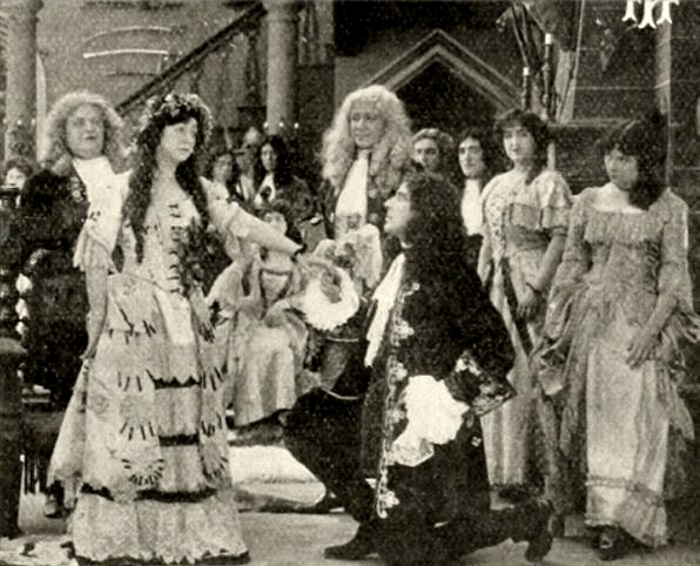
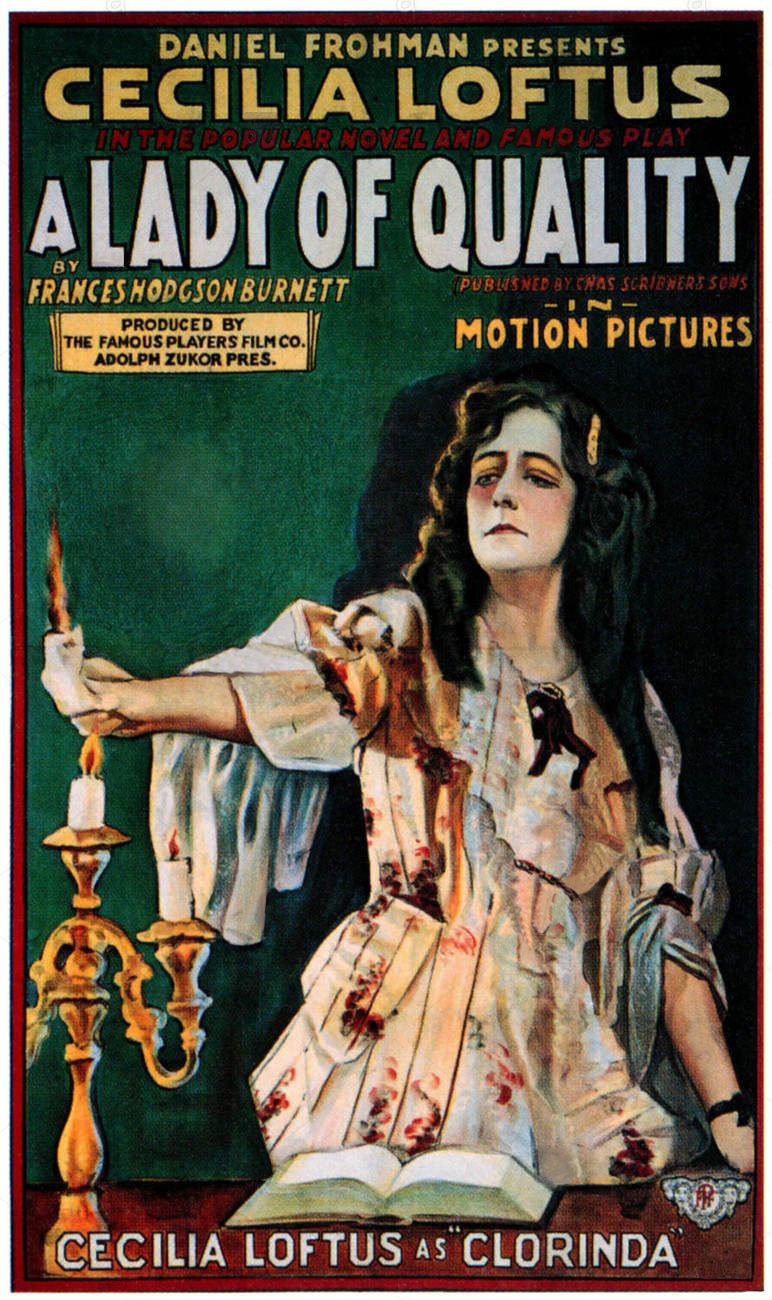
News is received by Sir Jeoffrey, a dissolute roué, whose contempt for the other sex extends even to his own daughters, of the arrival of another female child in the family. The mother dies shortly after, and the child, Clorinda, is brought up among the servants without a guiding hand. True to his vow to ignore his offspring, Sir Jeoffrey does not come in contact with Clo, until her sixth year, when he finds her playing with his powder horn in the great hall of his castle, Wildair, and sternly upbraids her. The child, who has inherited her father's courage and strength of will, shows no fear, and grasping a riding crop beats Sir Jeoffrey with all the fury of her tiny wrath. Her spirit and daring attract Sir Jeoffrey's attention, and he is delighted to find the child his own. From that moment, he keeps her in his own company, dressed in boy's clothing to obscure her sex, a member of his wanton circle. She grows up in this atmosphere of debauchery, and learns to swear, smoke and drink. Years later, at a hunting lodge, she meets the Duke of Osmonde and other great gentlemen, who are shocked at her male attire and masculine manners. In a spirit of pious benevolence, Lord Twenlow sends his chaplain to Wildair Hall to censure Sir Jeoffrey for permitting his daughter to grow up in this wild style. Clo overhears the Chaplain's remonstrances and realizes the true significance of her reckless habits. Meantime, her notoriety has reached London, and Sir John Oxon, the beau ideal of the town, lays a wager that he will win the heart of Clo, not as a hoyden, but as a woman. He arrives at Wildair Hall on Clo's birthday-night, and banters her on her claims to masculine prowess. Stung by his derision to prove she has all the attributes of a man, she challenges him to a duel, in which Sir John Oxon is badly worsted. However, his sarcasm has had definite effect and at the striking of the midnight hour, she gives the toast to the assembled noblemen: "Behold me for the last time clad in trousers." Later she appears in the Hall dressed in all the finery of a lady of quality, and from that moment bends every effort to attain that title legitimately. Sir John Oxon piles all his wiles to win her untutored heart, and she finally falls a victim to his flattery. Secretly she meets him in the rose garden, but publicly she slights him in the great halls. Nevertheless, Oxon wins her confidence, and she bestows her first kiss upon his lips, but not without a price, for at that moment he steals one of her raven curls, the proof of his wager. He hastens back to London to boast of his conquest, but in an intoxicated moment he hides the curl for safe-keeping, forgetting where. Clo waits for his return and is shocked when she receives news from London that he is to wed a wealthy lady of title. At this critical moment in her life the old Earl of Dunstanwolde asks her hand in marriage, and piqued at having thrown her affections so idly away, she accepts. A half hour later, she meets the Duke of Osmonde, and recognizes in him the man she loves. Faithful to her promise, she marries the Earl of Dunstanwolde, and becomes his devoted wife until he dies two years later. Sir John Oxon, having failed to make his match, and aware that Clo now possesses wealth, influence and position, tries to win back the heart he had so ruthlessly cast aside. But Osmonde has triumphed over her affections, causing jealousy and hatred to creep into the heart of Oxon. Chance places again in his hand the lost curl, which he holds over her head as a silken sword. Stunned by the fear that she will lose the love of Osmonde through the accusing evidence of the curl in an intensely dramatic scene in which Oxon attempts to force his embraces upon her, she strikes him across the temple with her riding crop. He falls to the floor. She lashes him, the pale still body lies there, dead. At that moment guests arrive, she conceals the body under the couch, and in the dead of night she drags it down into the deep cellar. For years afterwards, she atones for her sin by paying Oxon's debts, consoling the women had he wronged, and in other ways undoing the evil he had wrought.
View Details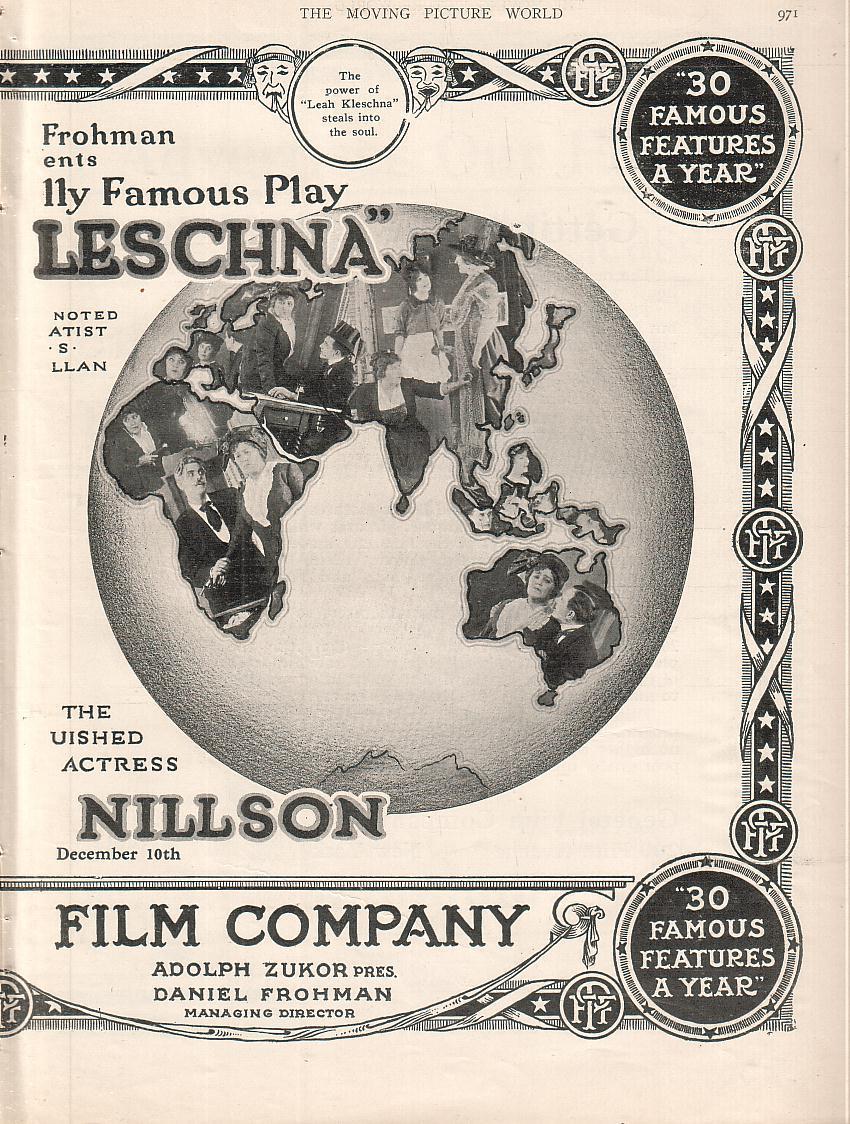
Dir: J. Searle Dawley
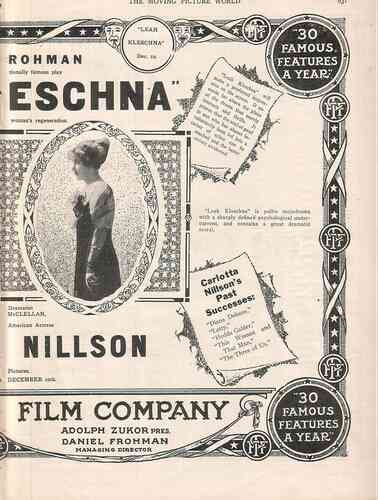
Leah's father taught her from early childhood to steal. Attempting to commit a robbery at the home of Paul Sylvaine, she's caught by Sylvaine; instead of treating her as a thief and turning her over to the police, he has an extraordinary interview with her. Sylvaine has faith in the innate goodness of human nature, and this faith is strengthened by Leah's confession that her father has taught her to steal and that she wants to go somewhere to forget the past and begin life anew. An adroit complication is here introduced that increases the suspense: The brother of the girl that Sylvaine is to marry, returning from a drunken spree, enters Sylvaine's apartments and steals the jewels that Leah was to have taken. Sylvaine believes that he was duped by Leah, who after all his kindness and forbearance, fulfilled her job before she left. But eventually Sylvaine learns that the theft was committed by his fiancée's brother. Leah is exonerated, and just to help sentimental matters along, the engagement between Sylvaine and his fiancée is suddenly terminated. Sylvaine seeks Leah and finds her living far from Paris, a redeemed and regenerated woman. Ha asks her to marry him; she consents, and the jewels that brought her into Sylvaine's home and into contact with his refining influence are bestowed upon her as a wedding gift.
View Details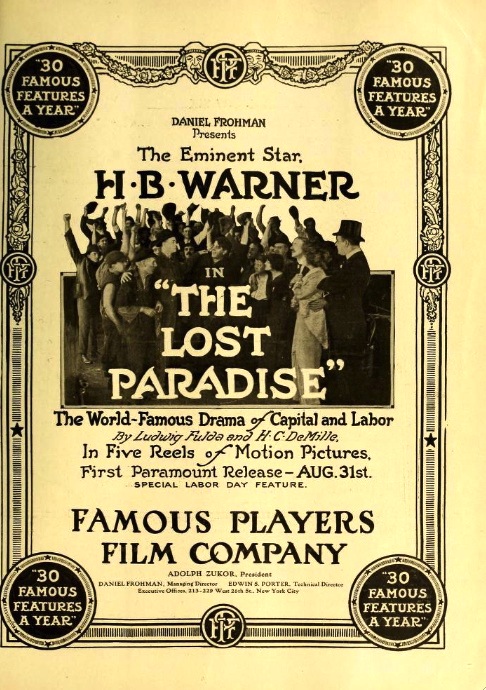
Dir: J. Searle Dawley
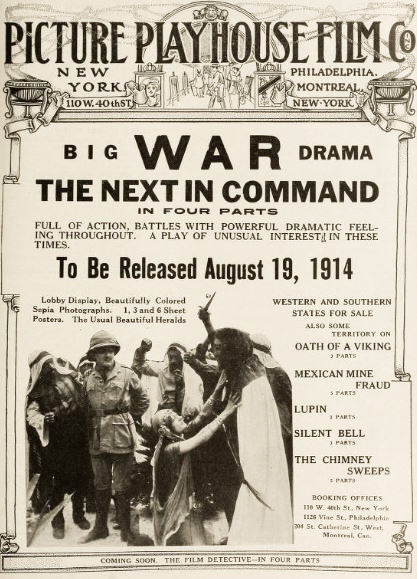
The superintendent of the Knowlton Iron Works is in love with his employer's daughter, who has been reared in luxury, and is the idol of her father. To save this woman from the knowledge that her father is a thief, the loyal superintendent takes upon his own shoulders the guilt of her father's crime. After all the stress which the story develops, his sacrifice is learned and rewarded by the woman he loves, who decides to stand with him on the side of the oppressed workmen, to whose cause the superintendent has devoted his life's labor.
View Details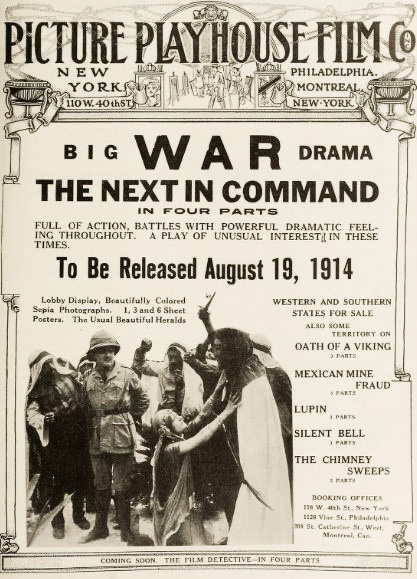
Dir: J. Searle Dawley
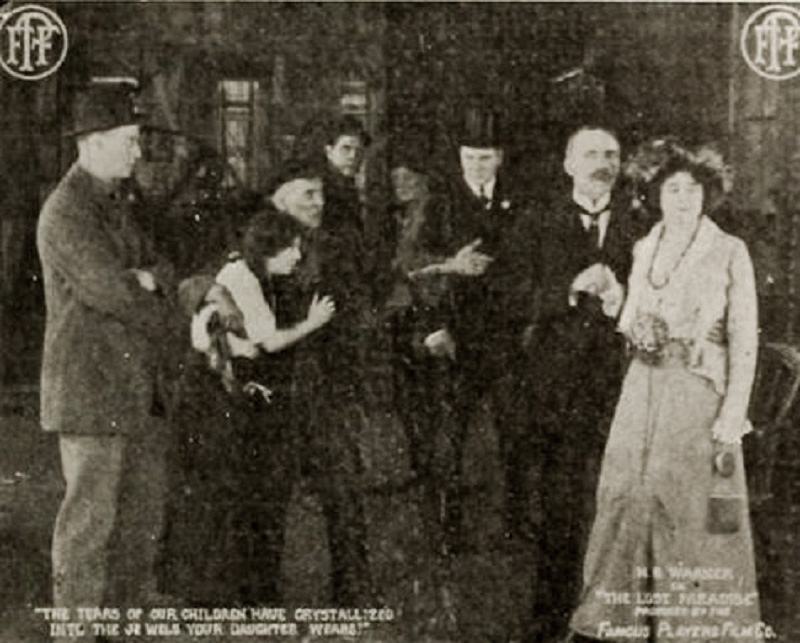
A fascinating piece of cinema that shares thematic elements.
View Details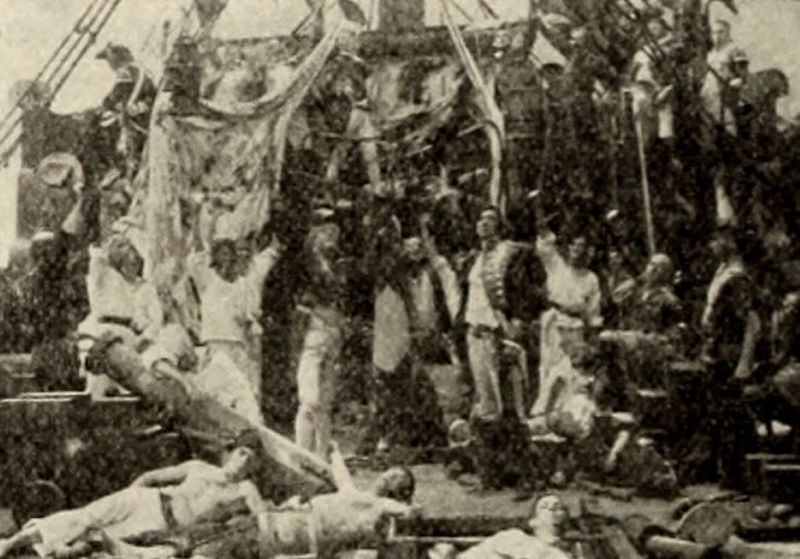
Dir: J. Searle Dawley
We show Lord Nelson leaving the admiralty room where he makes his famous speech and then introduce him with his captains giving the details of that wonderful plan of attack which was carried out to the letter at Trafalgar, the inspirations of the captains and their enthusiastic toast. We are then carried along to the day before the battle when the men are writing their last letters home. Here a beautiful scenic and photographic effect is introduced as the vision of the sweetheart of one of the lieutenants fades into view. This gives an opportunity to introduce that famous episode of the letter in which Lord Nelson called back the mail ship for a single message and which is endeared to the hearts of all those who sail the sea. We are then carried along to the morning of October twenty-first, Eighteen Hundred and Five, when the fleet of the enemy is sighted. The decks are cleared for action and the hoisting of the colors is portrayed with all the solemnity of the occasion before entering the battle. The correct incident of the hoisting of the famous signal "England expects every man to do his duty" is splendidly portrayed and carried out in every detail, and we note the pathetic touch in Nelson's life in bidding farewell to his captains having at the time a presentiment of his own death. We now get to the little human touch in his life and learn the true character of the man, for, in his last entry in his diary before the battle, he makes peace with his maker. And now we come to that wonderful spectacular picture of the real battle of Trafalgar. We see the ships in action, the firing of the guns, the ships caught on fire and then the camera switches to a close view of the deck of the Victory where human life is sacrificed by the hundreds, the fighting top of the Redoubtable, the fatal shot and Nelson's fall. We then see that wonderful character in his death, the solemnity, the beauty and the pathos of it all being carried out by the Edison players in all its grandeur; his farewell to Captain Hardy, the last kiss, the news of the victory and finally his death.
View Details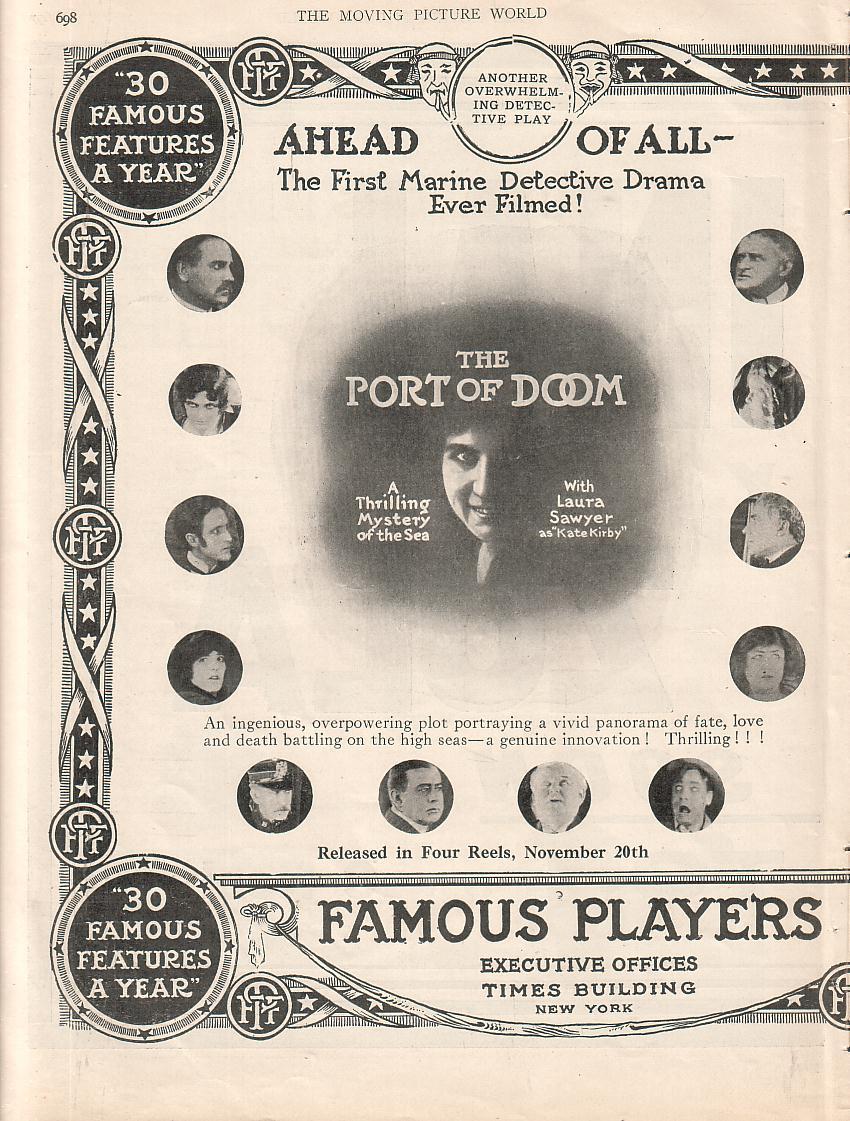
Dir: J. Searle Dawley
Detective Kate Kirby discovers that a ship captain has been sent on a doomed voyage by his rival for the affections of the shipowner's daughter.
View Details
Dir: J. Searle Dawley
A fascinating piece of cinema that shares thematic elements.
View Details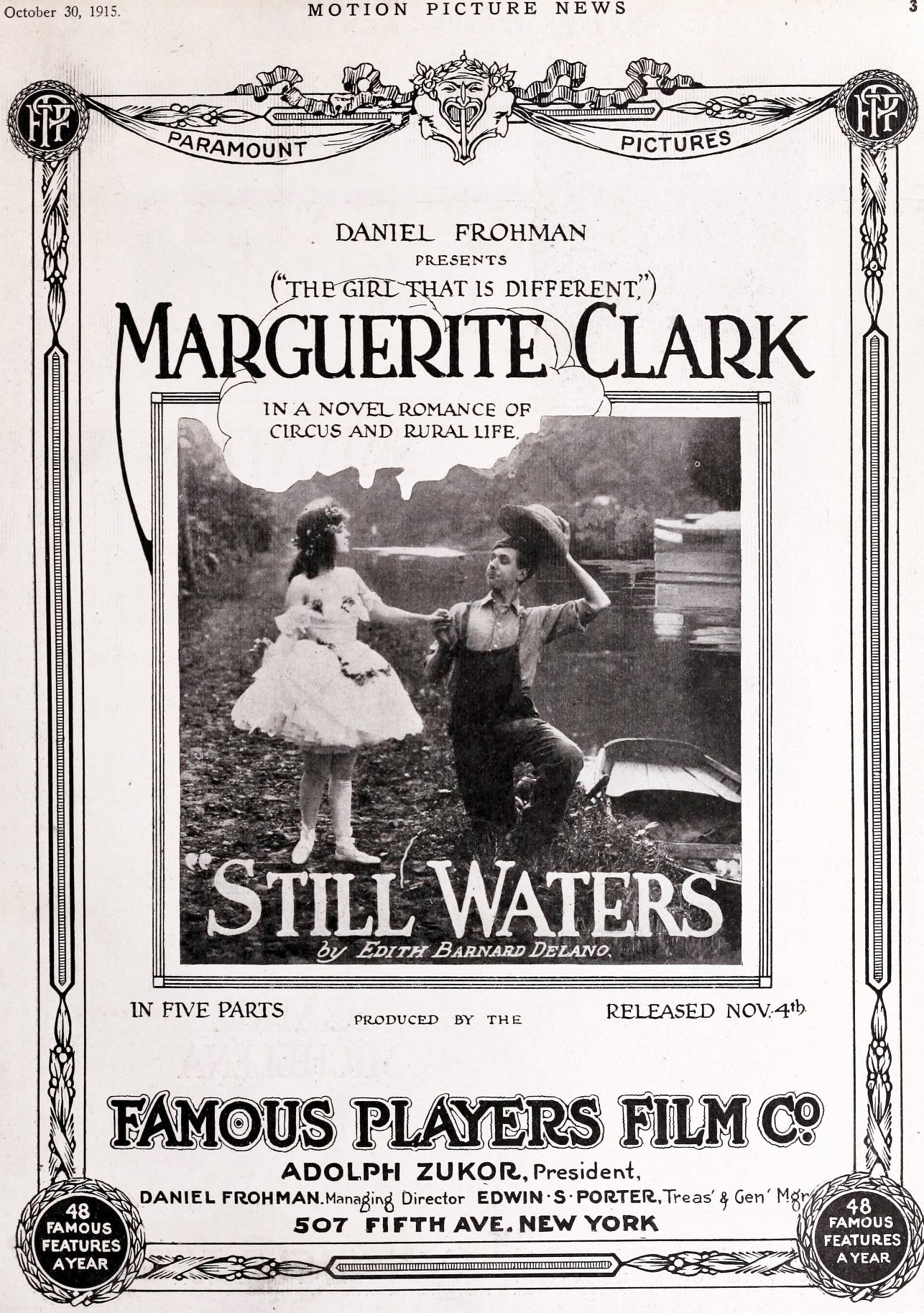
Dir: J. Searle Dawley
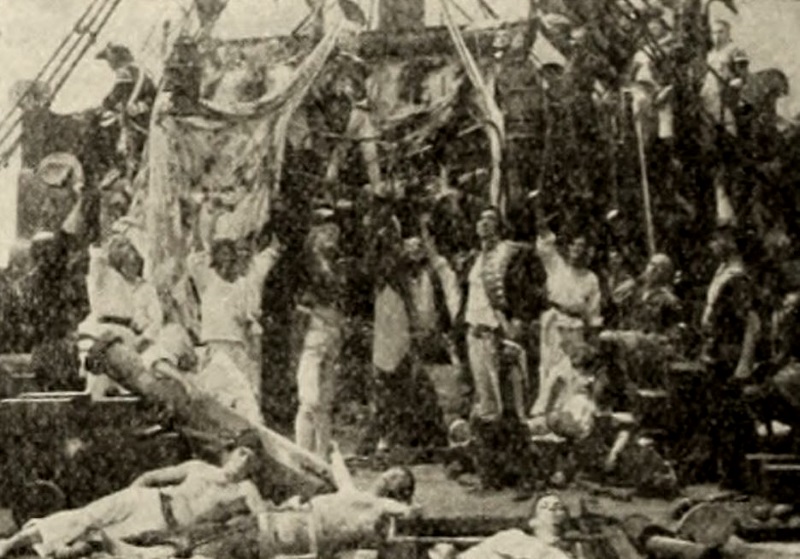
A canal boat captain disowns his daughter when she marries a circus performer. Years later he is reunited with the granddaughter he never knew.
View Details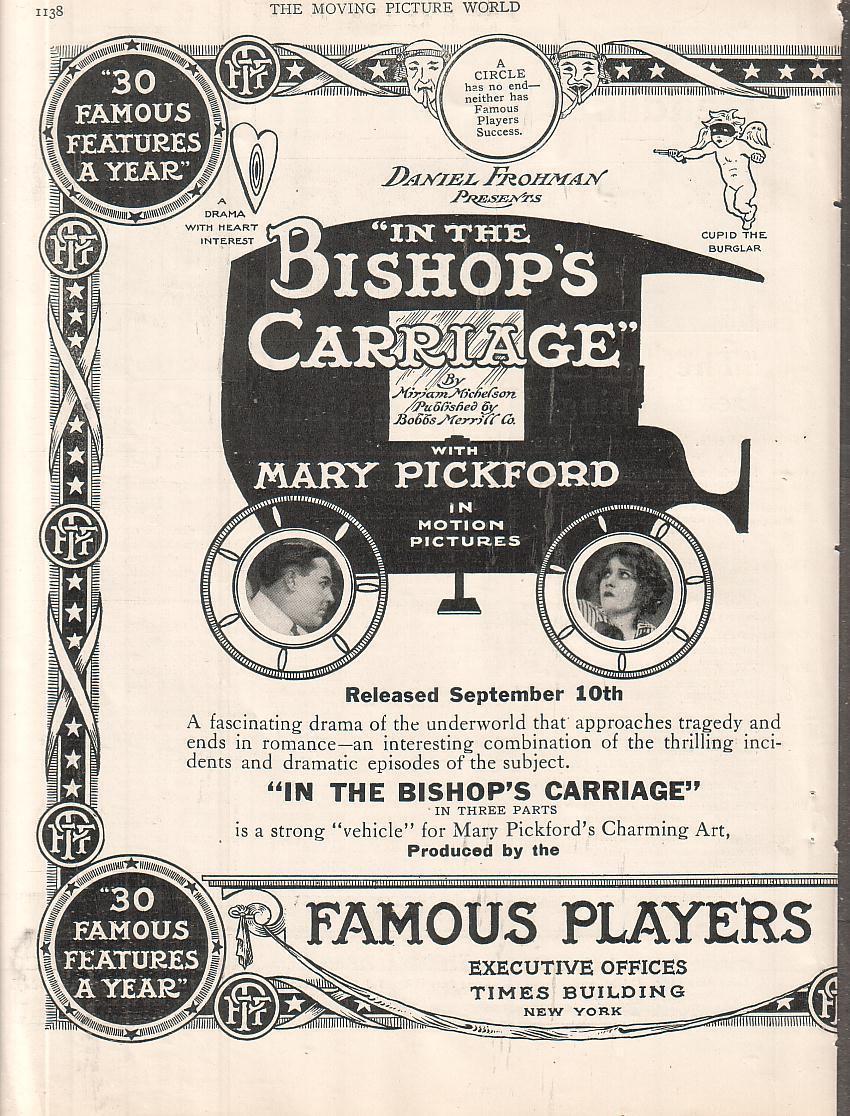
Dir: J. Searle Dawley
A successful stage actress with a hidden past as a criminal is kept on the path of righteousness by a benefactor.
View Details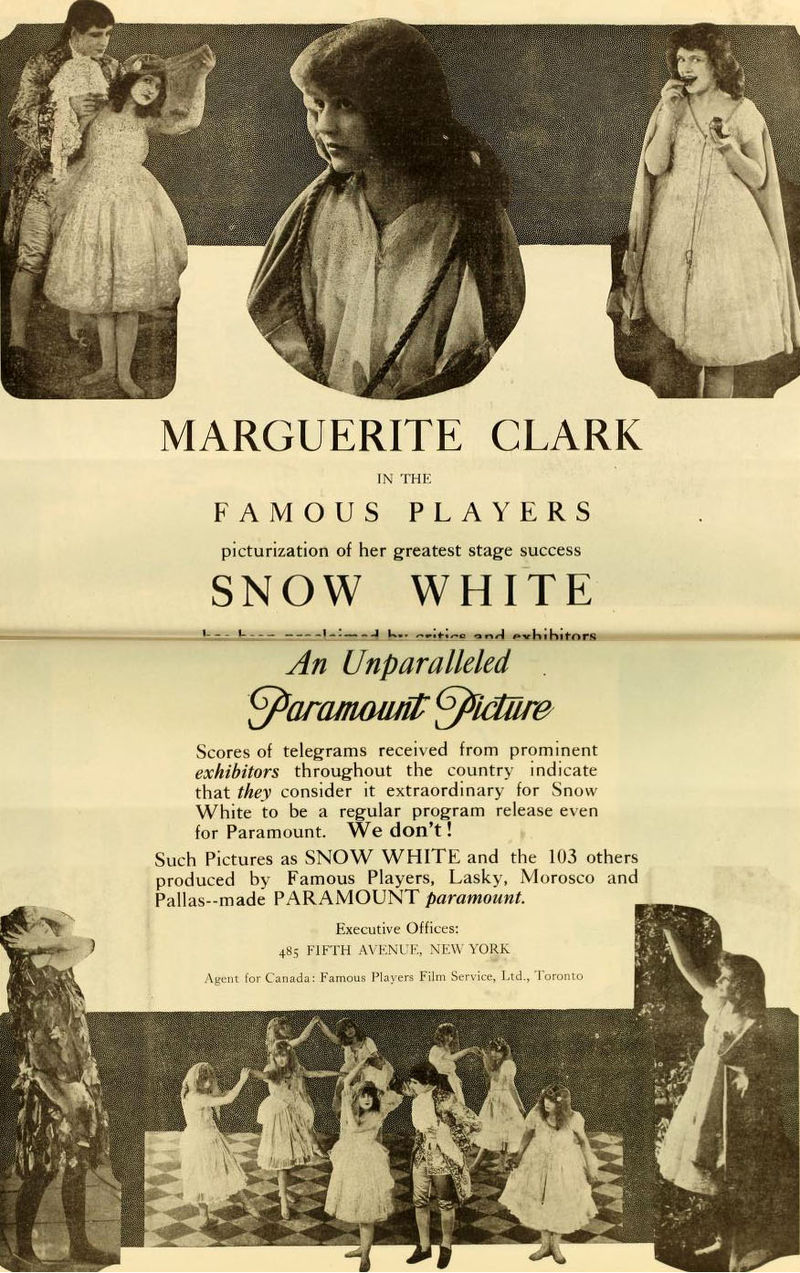
Dir: J. Searle Dawley
Snow White, a beautiful girl, is despised by a wicked queen who tries to destroy her. With the aid of dwarves in the woods, Snow White overcomes the queen.
View DetailsAnalysis relative to Miss George Washington
| Film Title | Atmosphere | Complexity | Similarity |
|---|---|---|---|
| A Lady of Quality | Tense | Linear | 94% Match |
| Leah Kleschna | Gothic | Dense | 98% Match |
| The Lost Paradise | Gothic | Abstract | 94% Match |
| The Next in Command | Tense | Linear | 97% Match |
| The Battle of Trafalgar | Gothic | Dense | 95% Match |
This guide was algorithmically generated using the cinematic metadata of J. Searle Dawley's archive. Last updated: 8/17/2026.
Back to Miss George Washington Details →