
DbcultAccessing Vault...
Recommendations
Senior Film Conservator
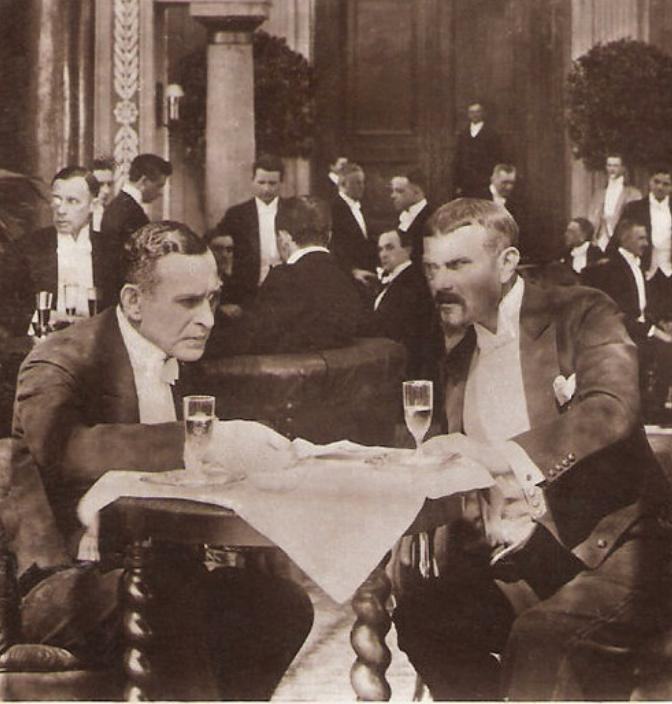
Looking back at the 1918 milestone that is Mitternacht, the cinematic shorthand used by Ewald André Dupont is both ancient and revolutionary. Dive into this collection and find the spiritual successors to Ewald André Dupont's vision.
As Ewald André Dupont's most celebrated work, it defines to articulate the unspoken anxieties of Germany's 1918 era.
Attorney General Trevor's second wife is found stabbed to death in his safe. Due to a ring with the initials DG, which is also found in the safe, the suspicion initially falls on Donald Gordon, the fiancé of Trevor's daughter.
Mitternacht was a significant production in Germany, bringing a unique perspective to the global stage. It continues to be a top recommendation for anyone studying cult history.
Based on the unique cult status of Mitternacht, our vault has identified these titles as the most compelling follow-up experiences for fans of cult cinema:

Dir: Ewald André Dupont
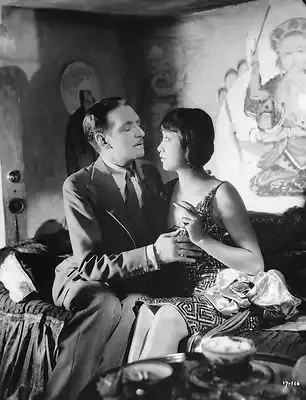
A young Chinese woman working in the kitchen at a London dance club is given the chance to become the club's main act, which leads to a plot of betrayal, forbidden love, and murder.
View Details
Dir: Ewald André Dupont
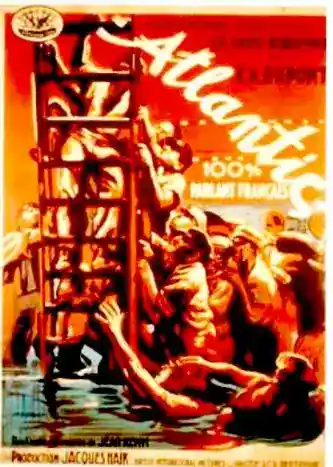
A heavily fictionalized version of the RMS Titanic story.
View Details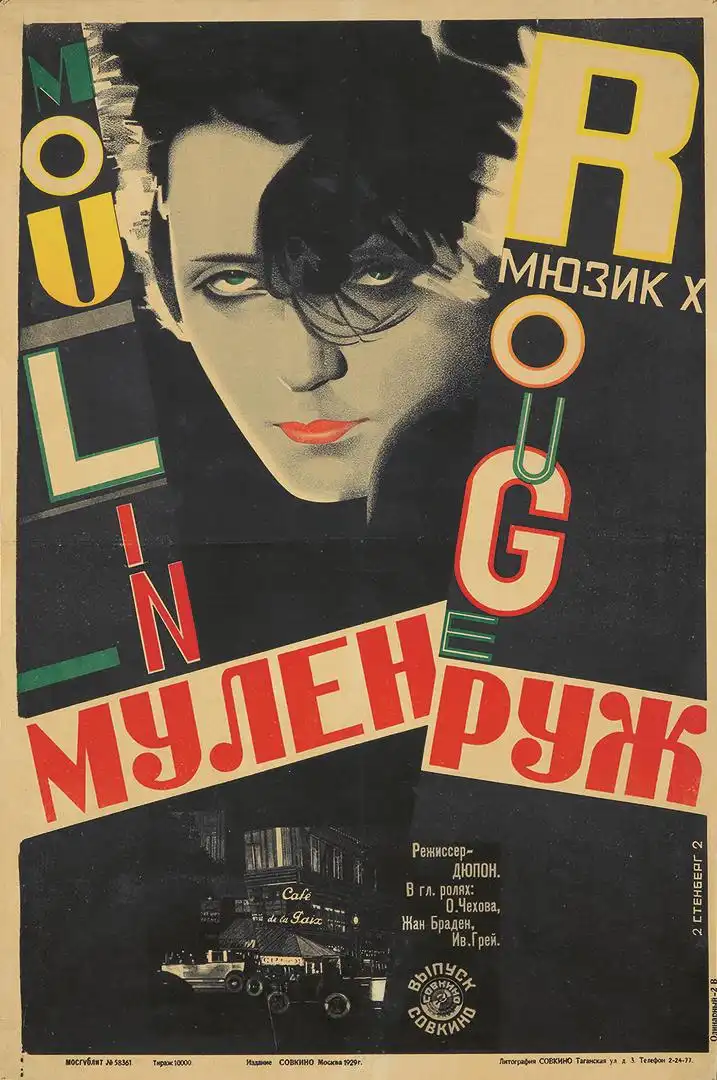
Dir: Ewald André Dupont
Dancer Parysia is the rage of Paris. Her daughter Margaret is secretly engaged to Andre, and the boy's aristocratic father objects to the alliance. But then Andre himself turns out to be an even greater challenge to the couple.
View Details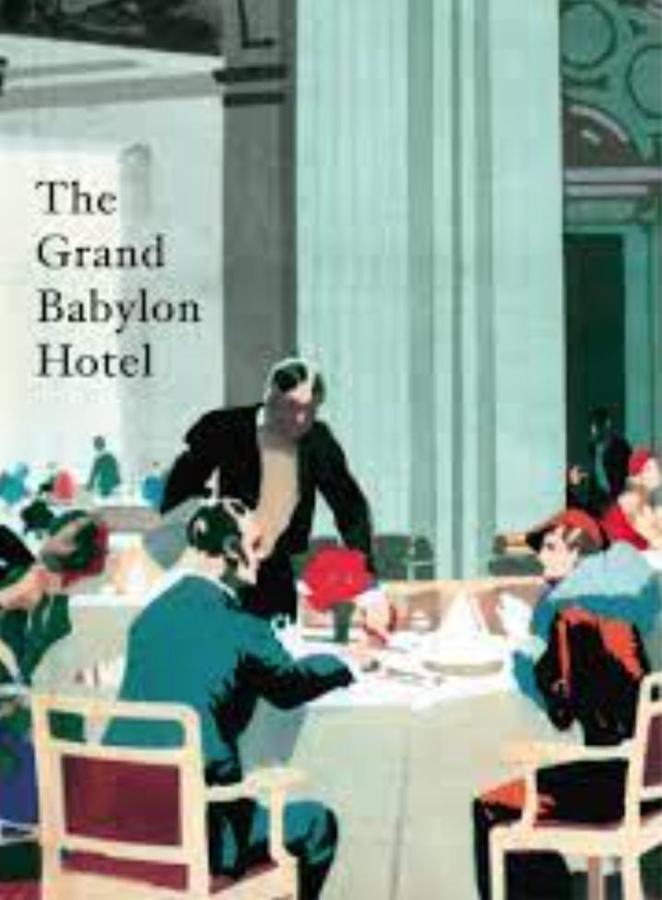
Dir: Ewald André Dupont
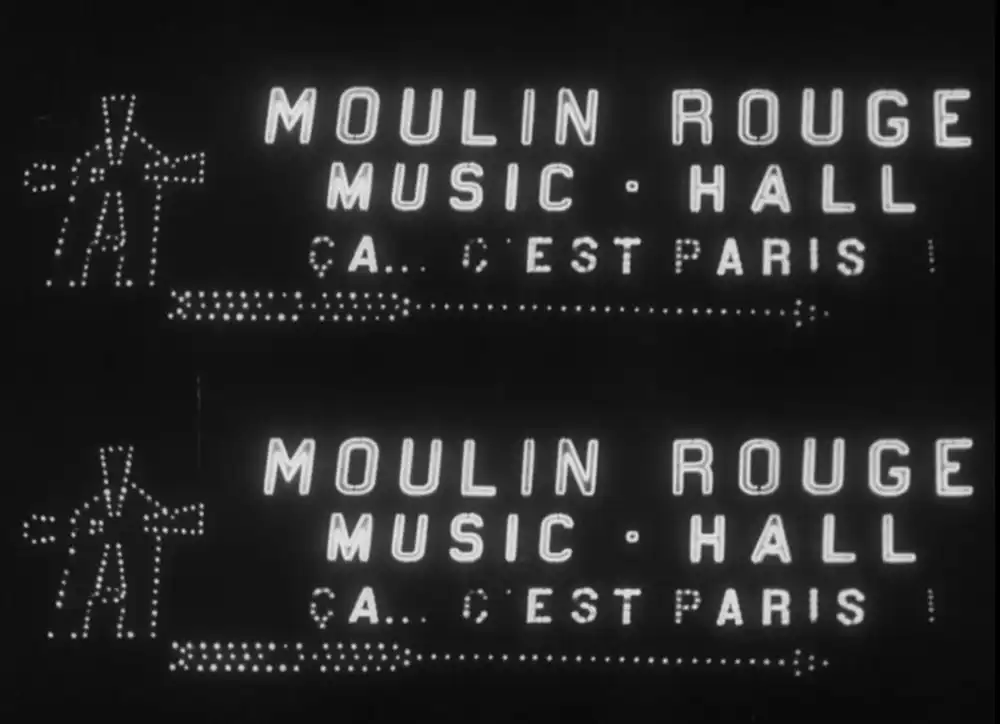
An American millionaire and his daughter Nella are staying at the supremely exclusive Grand Babylon Hotel. When Nella asks for a steak and Bass beer for dinner the order is refused. To get her what she wants her father buys the entire hotel, for £400,000 "and a guinea". Now strange things begin to occur at the hotel.
View Details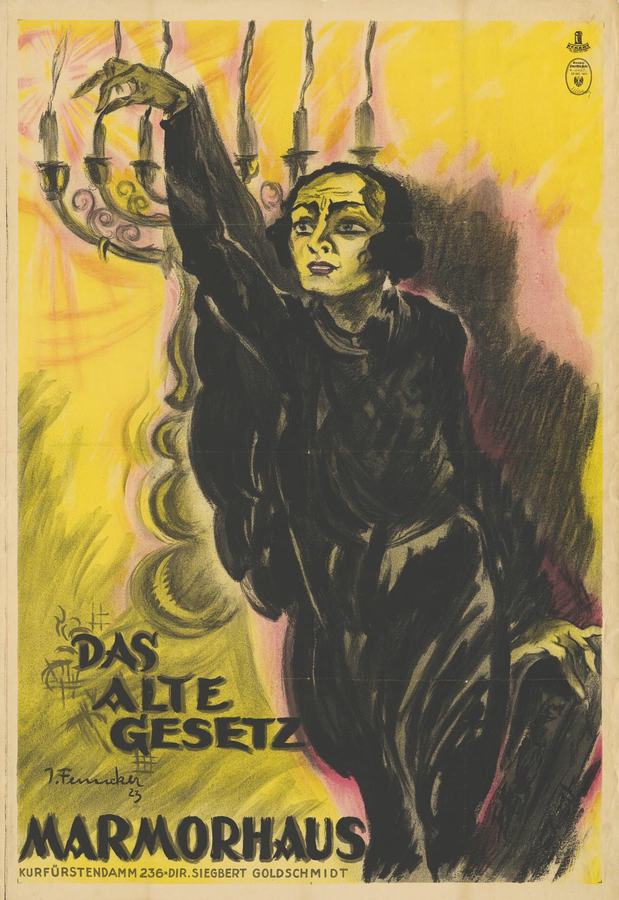
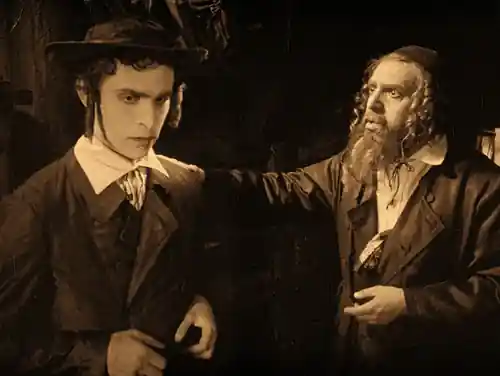
Dir: Ewald André Dupont
Baruch Mayr, son of an orthodox rabbi from a poor shtetl in Galizia, decides to break with the family tradition and leave the shtetl to become an actor. Due to this behaviour his father bans him from his family. Baruch, who joined a small burlesque troupe is discovered by an Austrian Erzherzogin (archdutchess) who introduces him to the director of the most important Theater in Vienna, the Burgtheater. Baruch receives a contract there and becomes more and more an assimilated jew. But his relation with the Erzherzogin isn't approved by the Austrian court, so they have to end it. When an old friend of his father, who is always traveling from one Jewish community to the next (and has told him first about the theatres in the world), Baruch becomes a little bit homesick and returns for a holiday to his old shtetl to see his folks and to pick up his childhood sweetheart. But his father wants him not to enter his house, so he returns to Vienna, with his bride. But his old friend does not stop trying to convince his father of his errors.
View Details
Dir: Ewald André Dupont
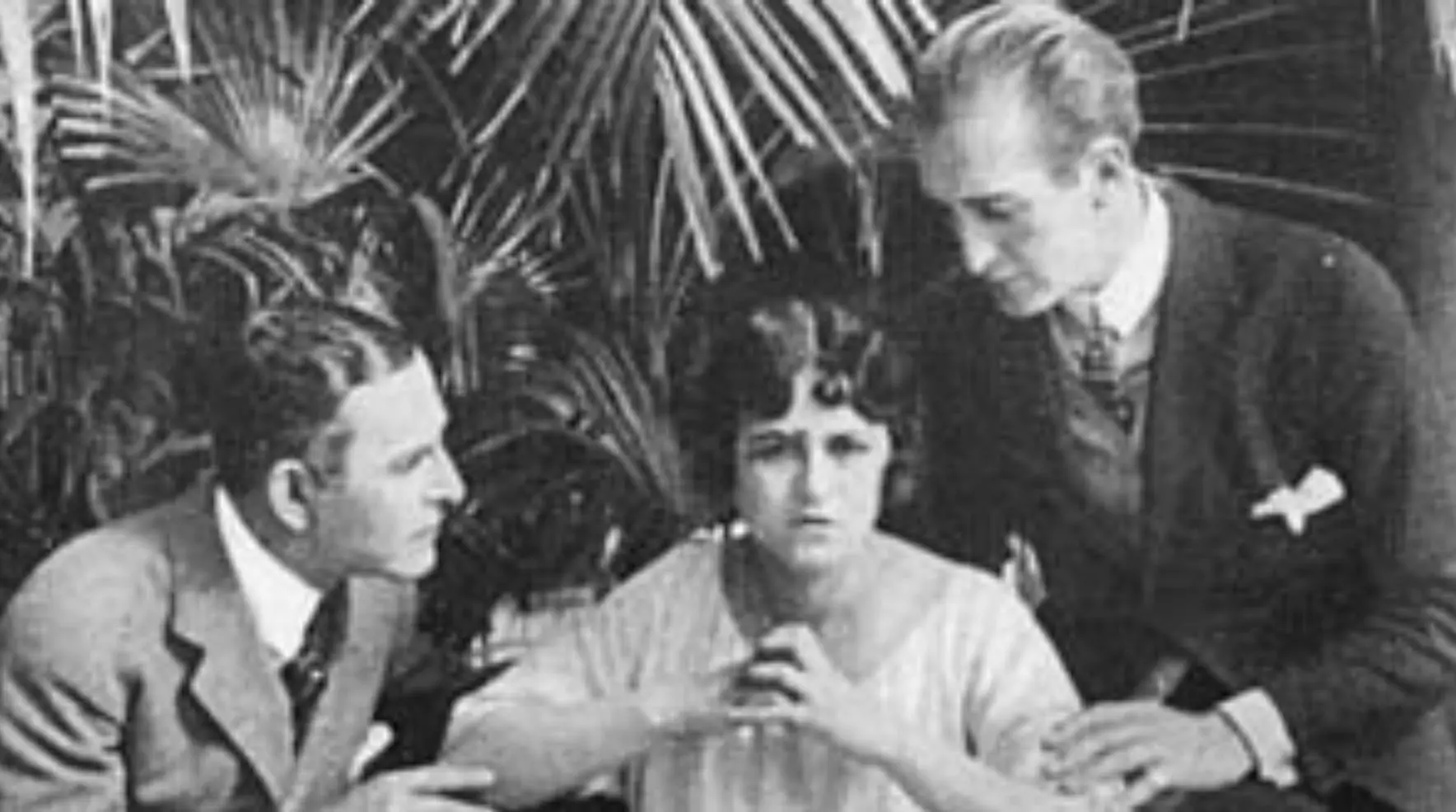
A fascinating piece of cinema that shares thematic elements.
View Details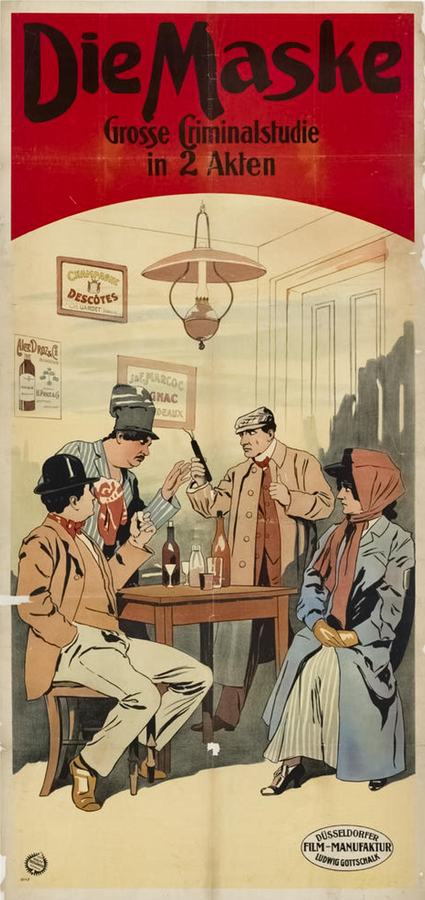
Dir: Ewald André Dupont
A fascinating piece of cinema that shares thematic elements.
View Details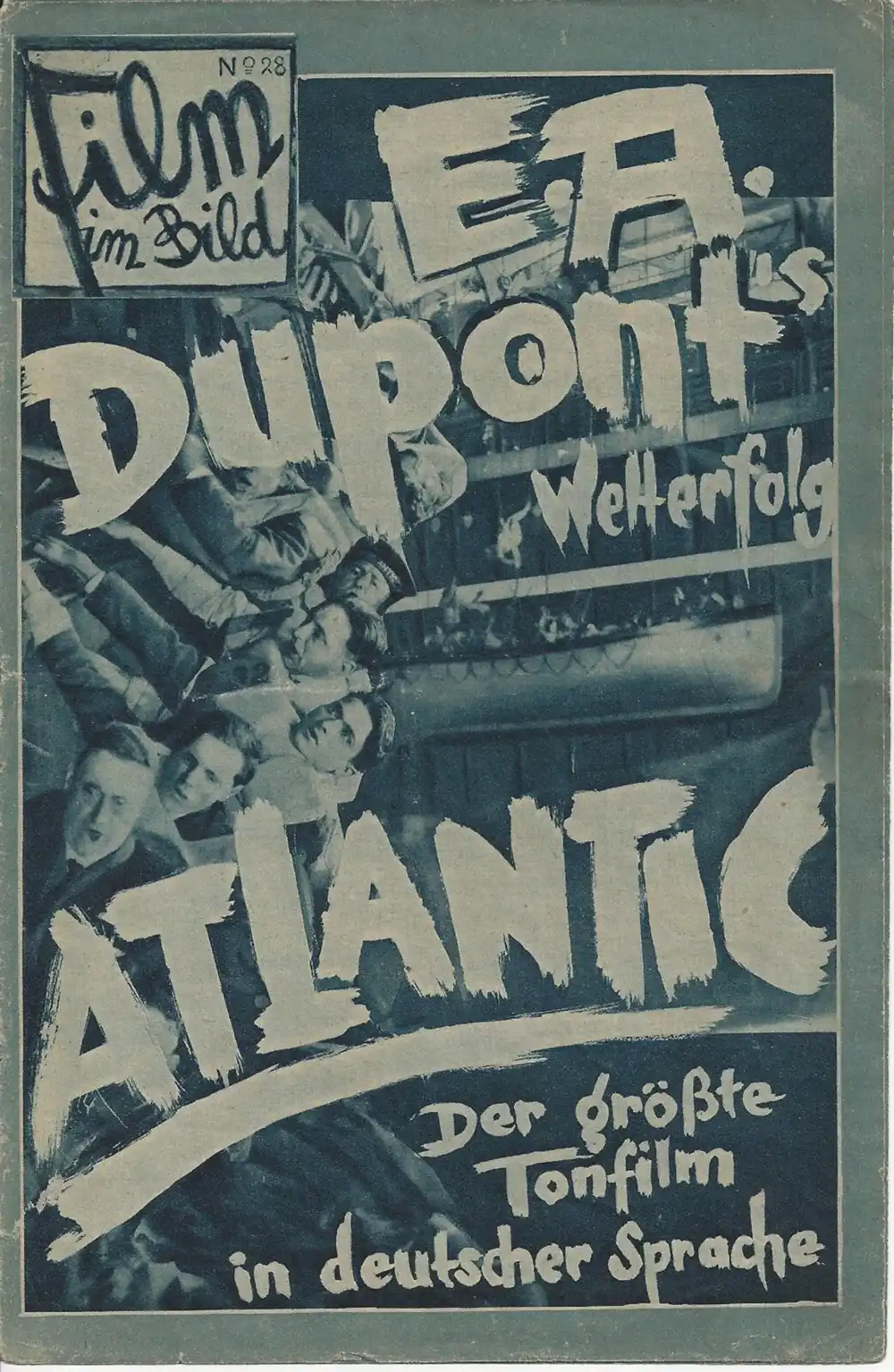
Dir: Ewald André Dupont
The transatlantic liner hits an iceberg and passengers realize that they are left only three hours to live.
View Details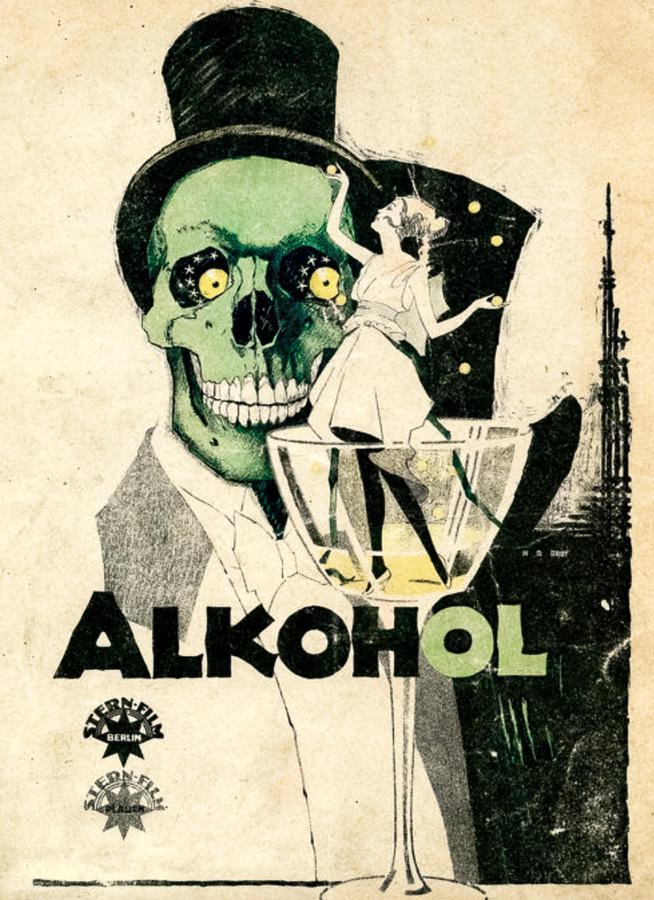
Dir: Ewald André Dupont
During a fancy masquerade, Hella Swendsen finds out that her fiancé is the son of a woman who died of alcohol problems and at the same time he breaks up his engagement. Later during the party, she meets the man who considers himself guilty of the woman's death. This man tells her the tragic story of her life.
View Details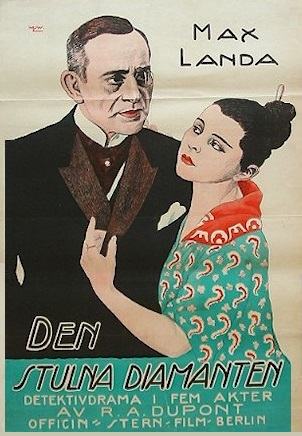
Dir: Ewald André Dupont
A fascinating piece of cinema that shares thematic elements.
View DetailsAnalysis relative to Mitternacht
| Film Title | Atmosphere | Complexity | Similarity |
|---|---|---|---|
| Piccadilly | Tense | Dense | 88% Match |
| Atlantis | Tense | Layered | 94% Match |
| Moulin Rouge | Gothic | Layered | 97% Match |
| Das Grand Hotel Babylon | Gritty | High | 96% Match |
| This Ancient Law | Surreal | Abstract | 98% Match |
This guide was algorithmically generated using the cinematic metadata of Ewald André Dupont's archive. Last updated: 6/19/2026.
Back to Mitternacht Details →