
DbcultAccessing Vault...
Recommendations
Senior Film Conservator
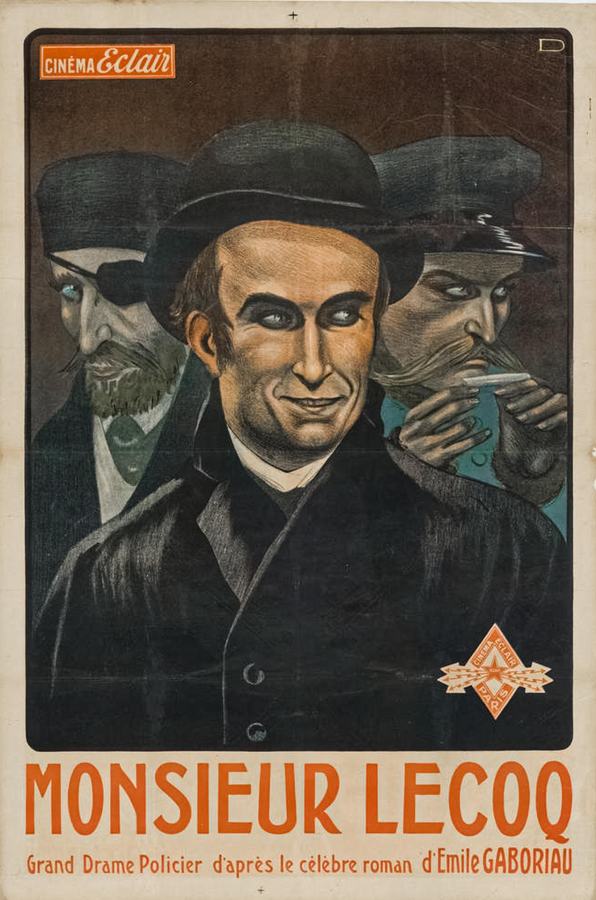
Exploring the cult status in Monsieur Lecoq is a journey into United States cinema, its influence on cult cinema remains a vital reference point for fans today. Below, we've gathered a list of films that every fan of Unknown Director's work should explore.
With Unknown Director at the helm, Monsieur Lecoq became to blend thematic complexity with stunning visual execution.
M. Lecoq, the famous detective, while wandering about Paris, heard shots coming from an ill-favored inn, run by Mother Chupin, who called her house the Pepperbox. With several gendarmes Lecoq captured a man while on the ground were lying the bodies of two notorious criminals. The slayer did not deny his guilt, but said that he had shot in self-defense, his story being borne out by Mother Chupin. Fresh elements of mystery were added by the finding of a diamond earring on the floor of the inn, and later, after the two prisoners had been removed, the detective found outside the footprints of a woman, traced them some distance, and found that the woman had been joined by a man. One of the man's footprints was much more pronounced than the other, which convinced the detective that he limped, some brown wool which had rubbed off against a tree where he had been leaning gave the texture of his overcoat, and from the place where it was found it was an easy matter to deduce his height. When these facts were narrated to the official charged with collecting facts and testimony, and in preparing cases for presentation to the court, it developed that a man answering that description had been found outside the police station, apparently hopelessly drunk, and had been locked in the same cell with the slayer. Lecoq hurried to the station, but was not surprised to find that the supposed drunkard had regained his senses, made a pitiful plea to the jailer and had been set free. Lecoq knew that the man was an accomplice of the prisoner, and had planned to be locked up so that he could map out a line of defense for the prisoner to follow. Later developments proved the correctness of this theory. Lecoq found himself blocked at every turn. The detective finally had the prisoner removed to a solitary cell, and watched the prisoner through a peephole. In this way he discovered that the prisoner was communicating with someone outside. Lecoq intercepted one of the notes. The communication from the prisoner explained that he believed that he could escape by the window of his cell if he had the tools. Lecoq arranged with the judge to allow the prisoner to get away, assuring him that he (Lecoq) would always be at his heels. The judge agreed, although he was not the judge who had originally taken up the case. The prisoner got away as per schedule, but was dismayed not to find his friend awaiting him as he had expected. Then the realization came to him that he had been deliberately set free, but was being watched. The prisoner finally landed in a dive and was soon deeply engaged in conversation with a man the detective believed to be the mysterious man in the brown overcoat. The two suspects went away together closely followed by Lecoq. They passed into a narrow lane, on one side of which was a high wall. There the second man suddenly lifted Lecoq's prey over the wall, and, before the detective could follow him. there was a desperate fight. When assistance arrived, Lecoq surrounded the place, which was the residence of the wealthy Duc De Sairmuse. Lecoq believed, as he later proved, that the Duke was really the man who, disguised as a laborer, had been arrested in the inn. Lecoq finally saw a clue in the conduct of Maurice d'Escorval, the first judge, who, in order to get out of prosecuting the prisoner whom he knew, feigned illness, and turned the case over to one of his colleagues. Then Lecoq played his last card. The following day the Duke was told that a servant was outside with an important message that he insisted upon delivering in person. The Duke saw him and was handed a letter signed Maurice d'Escorval, in which the writer mentioned having shielded the Duke and asked in return that the Duke would loan him a large sum of money. The Duke penned a reply warmly thanking the judge for not revealing his secret. Suddenly the letter was snatched away and Lecoq removed his disguise. The Duke pleaded with him. His silence, he said, had been due to the necessity of shielding his family name. It appeared that the Duchess was a woman of humble birth, but their married life had been happy, until the Duke happened to find a letter addressed to her, in which she was commanded to bring a large sum in gold to Mother Chupin's Inn, under penalty of having her husband "learn all." The Duke, pretending to be summoned away, disguised himself as a laborer and watched his own house, expecting and fearing to find that his wife had been untrue to him, he later finding that she was simply shielding her scapegrace brother, a convict. On the appointed night he trailed her to the inn, and, through the window, saw her seated at a table. Suddenly two men came forward, and one dragged one of her diamond earrings from her ear. The Duke ran into the building to aid her; the men attacked him and he shot them both down in self-defense. He then urged his wife to run and remained to cover her retreat, after whispering to Mother Chupin that he would pay liberally for her silence. The next moment the police entered and made him a prisoner. After he was locked up, a drunken man was thrown into his cell, and to his delight he recognized Otto, his faithful valet, who had taken desperate steps to communicate with his master. The two mapped out a course of action. Otto supplying the Duke with a story that the police could investigate and find apparently true and the valet also promised to keep an eye on Lecoq and as far as possible lead him astray. Regarding the Duchess the Duke's mind was at ease, for Otto told of having met her, fleeing from the inn, and of how he had started her home safely. The Duke's story had the ring of sincerity, and Lecoq was much affected. Then the detective told the nobleman that the charge of murder would be squashed, as it was clearly a case of self-defense. Lecoq burned the two incriminating notes and departed, leaving behind a grateful friend who in years to come did not forget the detective who had saved the honor of his name.
Monsieur Lecoq was a significant production in United States, bringing a unique perspective to the global stage. It continues to be a top recommendation for anyone studying cult history.
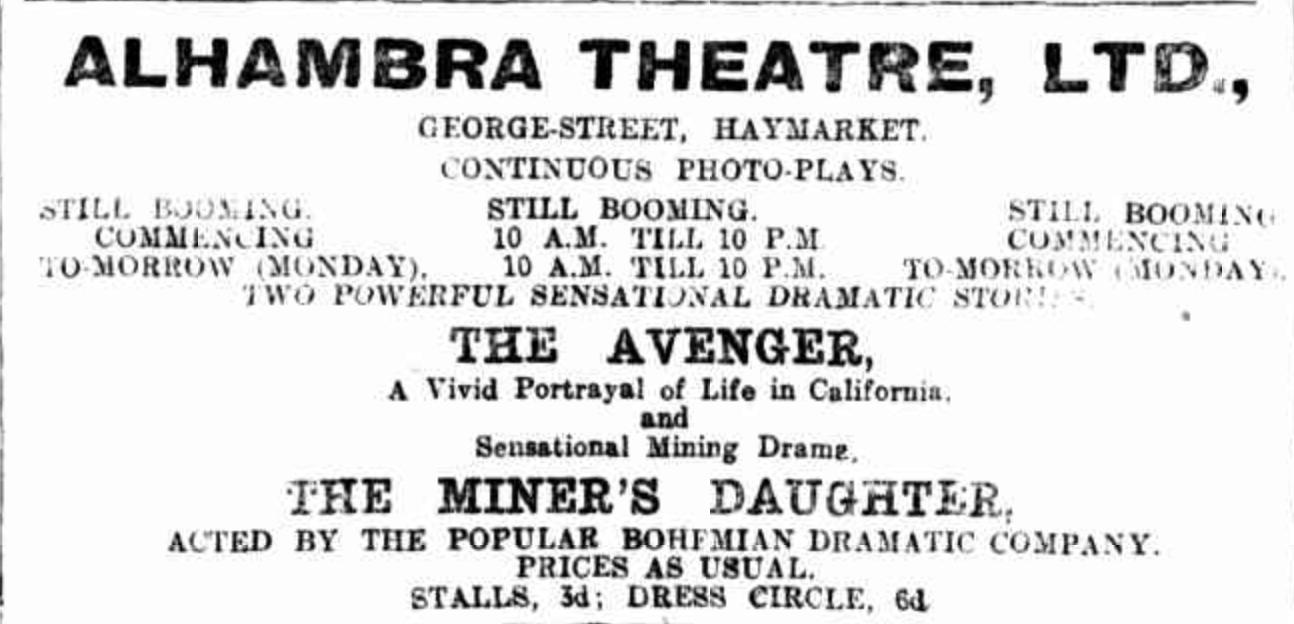
Based on the unique cult status of Monsieur Lecoq, our vault has identified these titles as the most compelling follow-up experiences for fans of cult cinema:
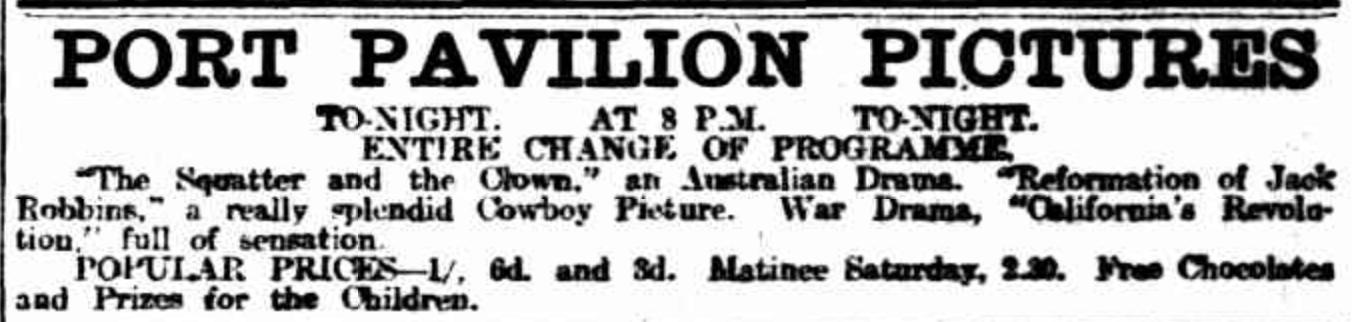
Dir: Unknown Director
A fascinating piece of cinema that shares thematic elements.
View Details
Dir: Unknown Director
A fascinating piece of cinema that shares thematic elements.
View Details
Dir: Unknown Director
This is an intensely interesting production. The tourist, the lover of the romantic, and the student will find the scenes of picturesque beauty, sublime, awe-inspiring, wild, weird and magnificent. No collection of scenic subjects is complete without this film. Photographic quality is unexcelled.
View Details
Dir: Unknown Director
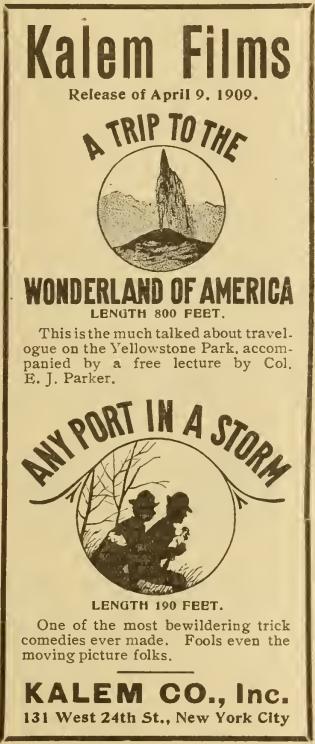
This fascinating region was set apart as a Government Reservation, to be known as Yellowstone Park, in 1S72. The park proper is about 62 miles long, from north to south, and 54 miles wide. While the tourist may reach the park entrance by rail, it has been decreed by Uncle Sam that beyond the Great Lava Arch Gateway the iron horse shall not trespass. So here leaving the pathway of steel we take our place on one of the six-horse coaches that run from Gardiner up to Mammoth Hot Springs. Coaching, Troops, Morris Basin, Great Fountain, Pack mules, Riverside Geyser, Old Faithful, Deer and Bear, Upper Falls, Canyon, Field Glasses. Standing on a balcony at Artist's Point we take up the field glass to have a tele-photo panorama of these weird walls with their clinging pine trees. We look down the Great Gorge. On either side walls of exquisite color rise with here and there pinnacle-like great church spires. Above our heads fly eagles who build their nests and raise their young on the top of these lofty peaks. The scene is a powerful one and beyond words, but the Great Falls add force and quality of action which tempers and dignities the whole scene. This enormous volume of water that looks like a curtain of lace, tumbles over a cliff of volcanic rock 310 feet. Here the traveler finds himself spellbound, held by the pure beauty of the scene. In turning away he pauses to marvel at the wonders of nature and the beauties of our great national playground.
View Details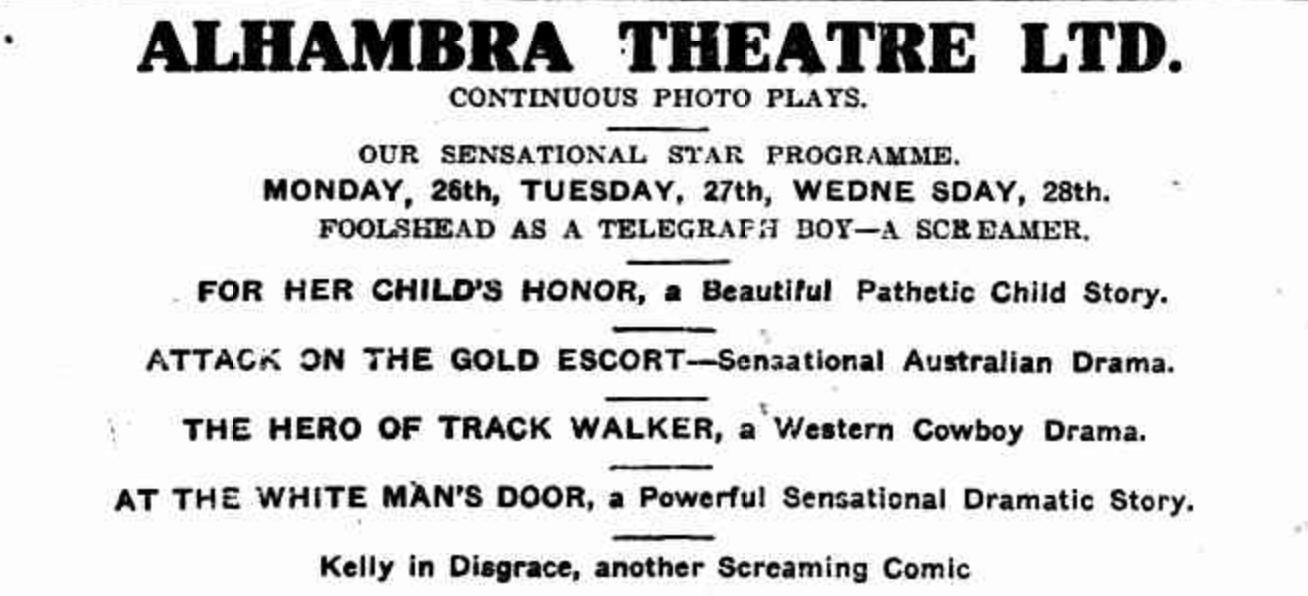
Dir: Unknown Director
Nothing got the Aussie adrenalin flowing in the early 1900's than some serious gold-fields drama.
View Details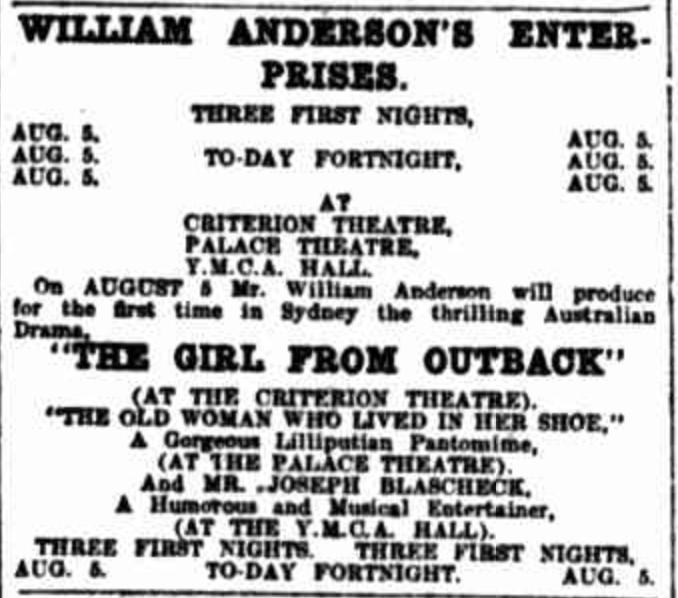
Dir: Unknown Director
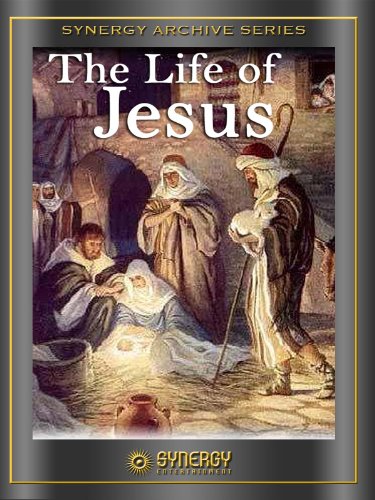
The life of Jesus Christ. The film is believed to possibly be a US re-release of Alice Guy's The Birth, the Life and the Death of Christ (1906).
View Details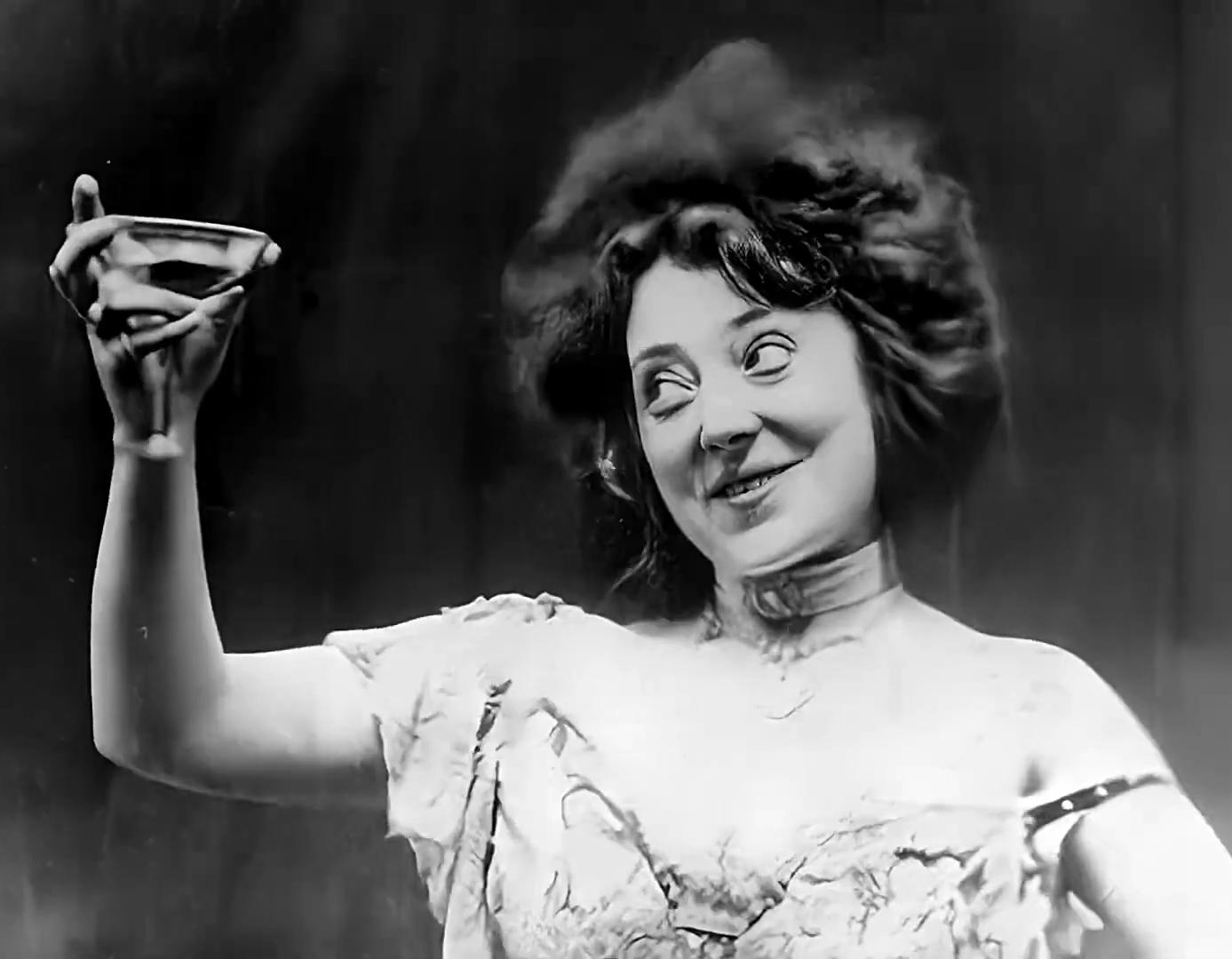
Dir: Unknown Director
This subject is the same as No. 1863 [ANNA HELD], but shown in full length figure. Both are admirable, and make hits either in the Biograph or Mutoscope.
View Details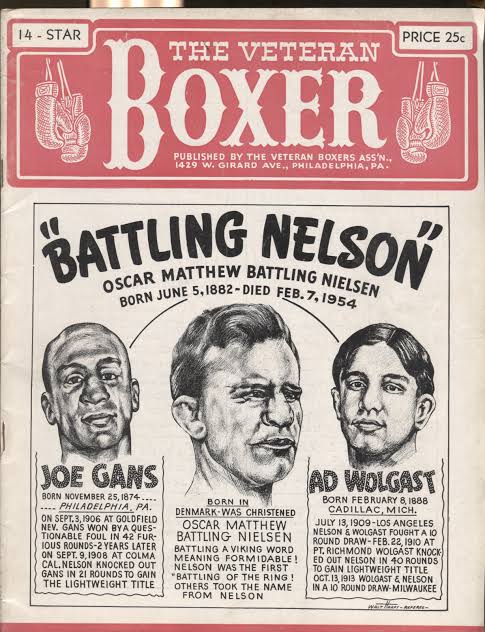
Dir: Unknown Director
A championship fight that took place in the Nevada goldfields between boxers Joe Gans and Battling Nelson.
View DetailsAnalysis relative to Monsieur Lecoq
| Film Title | Atmosphere | Complexity | Similarity |
|---|---|---|---|
| The Miner's Daughter | Surreal | High | 91% Match |
| The Squatter and the Clown | Ethereal | Abstract | 97% Match |
| Das Modell | Tense | High | 90% Match |
| Scotland | Gritty | Linear | 98% Match |
| A Trip to the Wonderland of America | Tense | Abstract | 97% Match |
This guide was algorithmically generated using the cinematic metadata of Unknown Director's archive. Last updated: 6/20/2026.
Back to Monsieur Lecoq Details →