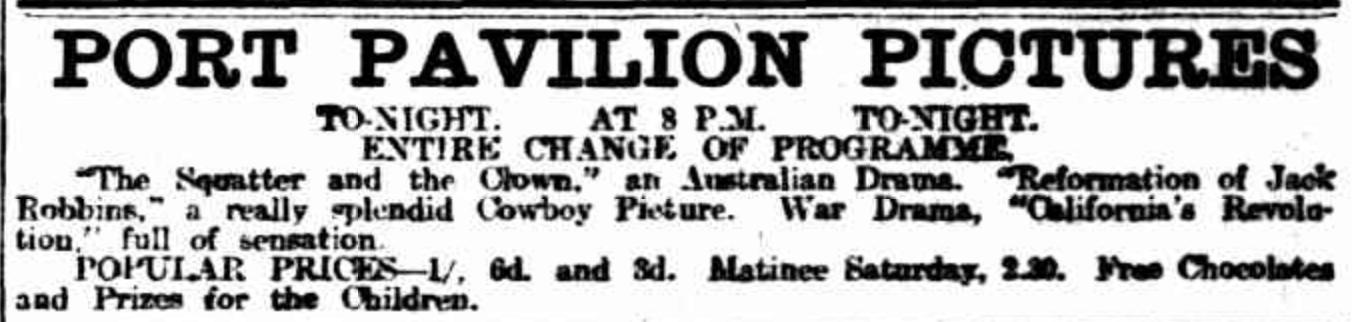
Australia
To peer into the flickering frames of The Squatter and the Clown (1911) is to witness the very gestation of the Australian cinematic identity. In an era where the medium was still shedding its theatrical skin, this film emerged as a vibrant, albeit primitive, synthesis of the 'squatter' subgenre that do...
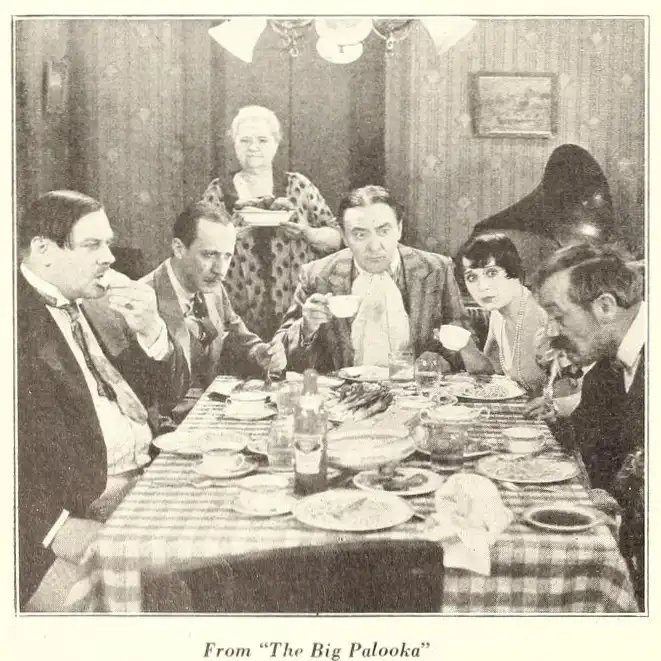
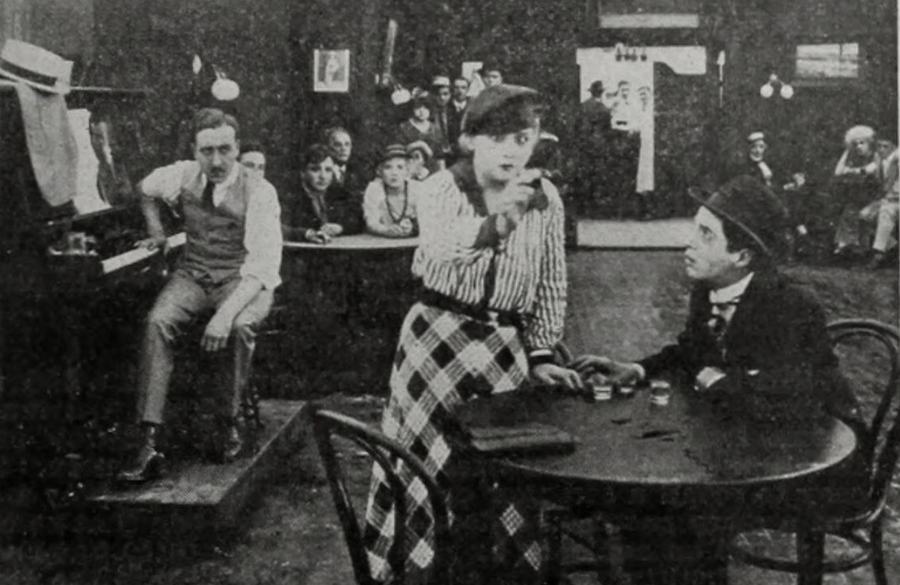
Comparing the cinematic DNA and archive impact of two defining moments in cult history.
Unknown Director

Unknown Director
Community
Log in to comment.
" To peer into the flickering frames of The Squatter and the Clown (1911) is to witness the very gestation of the Australian cinematic identity. In an era where the medium was still shedding its theatrical skin, this film emerged as a vibrant, albeit primitive, synthesis of the 'squatter' subgenre that dominated the early antipodean imagination. Unlike the gritty realism of The Story of the Kelly Gang, which leaned into the rugged defiance of the bushranger, this work pivots toward..."
Unknown Director