
DbcultAccessing Vault...
Recommendations
Senior Film Conservator
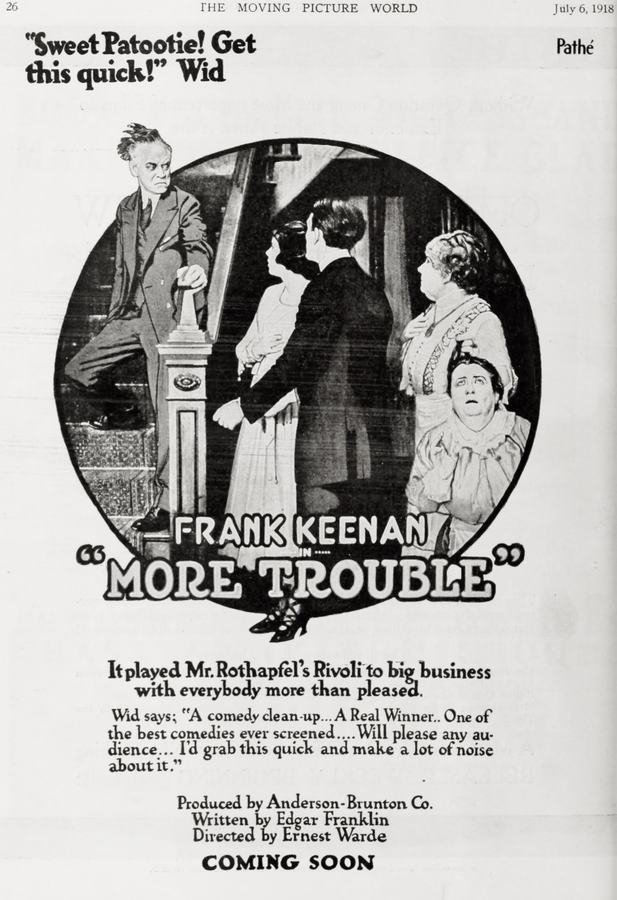
Exploring the cinematic excellence in More Trouble is a journey into United States cinema, its influence on cult cinema remains a vital reference point for fans today. Below, we've gathered a list of films that every fan of Ernest C. Warde's work should explore.
With Ernest C. Warde at the helm, More Trouble became to blend thematic complexity with stunning visual execution.
Lemuel Deering's son Harvey graduates from college at the top of his class, then returns home to become a partner in his father's steel business. Because Harvey appears to be an exemplary young man who neither drinks nor smokes, when bills from liquor dealers, tobacconists, and billiard emporia pour in, the proud father is mystified. Harvey stoutly denies having contracted the bills, including one for $25,000, and Lemuel, though puzzled, believes him until the workers threaten to strike and the bank places an attachment on the mill. Lemuel is about to disown his son when Harold Morrowton, Harvey's college roommate, confesses that he forged Harvey's name to the bills because his own father refused to give him spending money, and Harvey adds that because the two were fraternity brothers, he could not betray Harold's trust. Exasperated, Lemuel orders both young men to pay their debts through hard labor in the mill.
Based on the unique cinematic excellence of More Trouble, our vault has identified these titles as the most compelling follow-up experiences for fans of cult cinema:
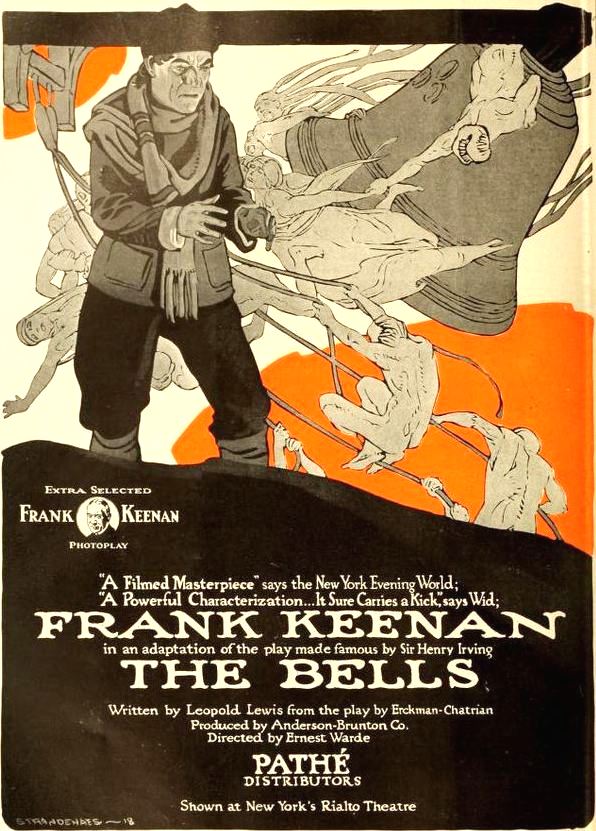
Dir: Ernest C. Warde
A murderer is driven slowly insane by a sequence of coincidences and suggestive events which will not allow him to escape his own sense of guilt for his crime.
View Details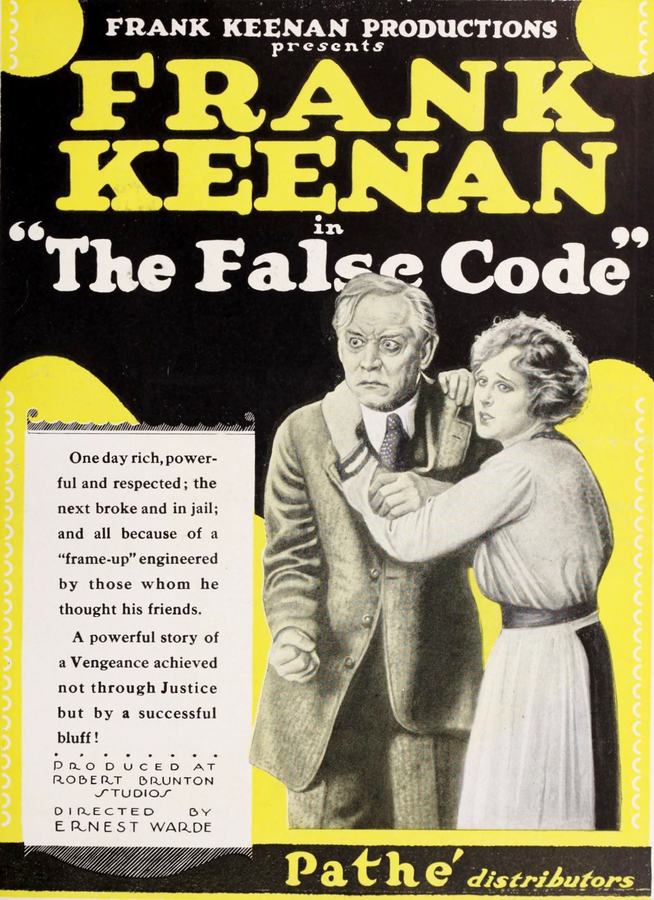
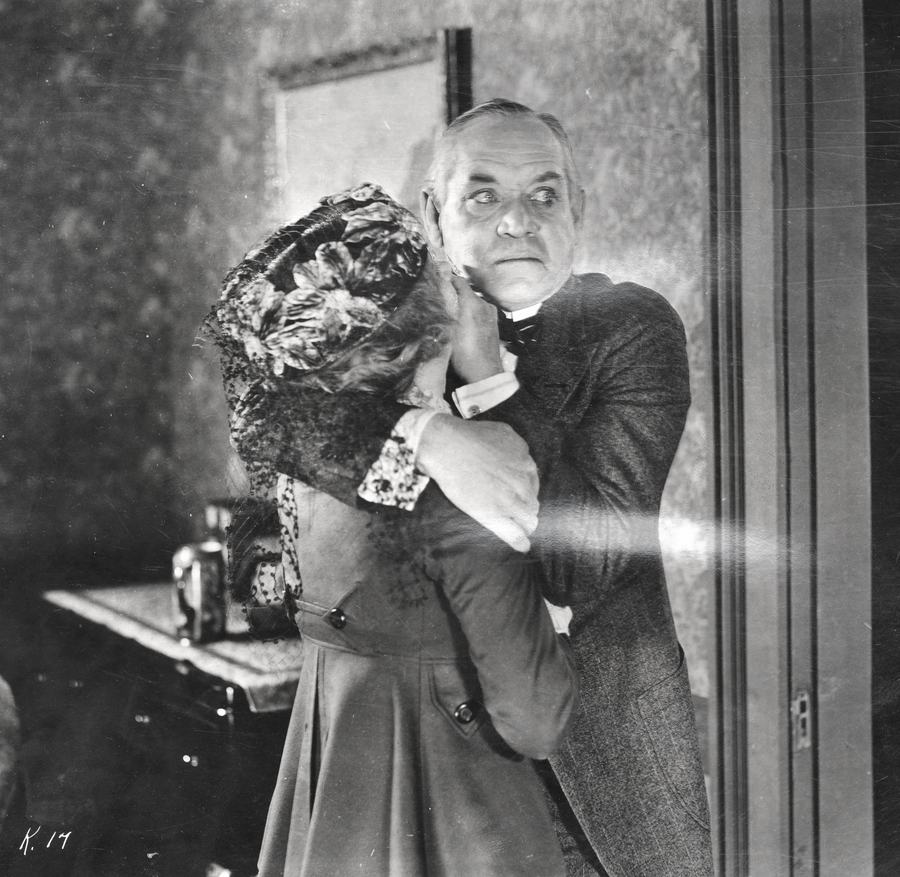
Dir: Ernest C. Warde
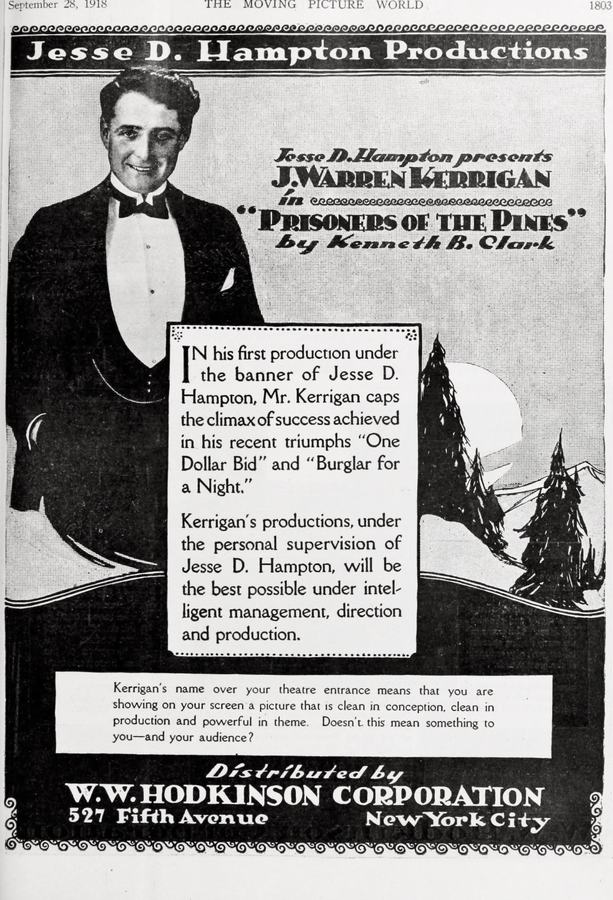
John Benton is the head of a company that makes parts for ships. He is a fair and honorable man, but his partner Henry Vance is not. Vance and employee Daniel Grey sign Benton's name to orders for boilers they know to be defective. Their partners in the scheme, which involve installing the boilers in the ship so it will sink at sea and they can collect the insurance, are the agent who carries the ship's insurance and a government inspector. After the ship sinks, the conspirators hire a safecracker to plant money in Benton's safe to make it look like it was he alone who profited from the scheme. Benton is sentenced to prison. He serves 12 years and is released, and when he gets out he finds out what really happened, but the men who were responsible for it are now wealthy and have become powers in city politics. Determined to clear his name, he comes up with a plan to expose the crooks by using their tactics against them.
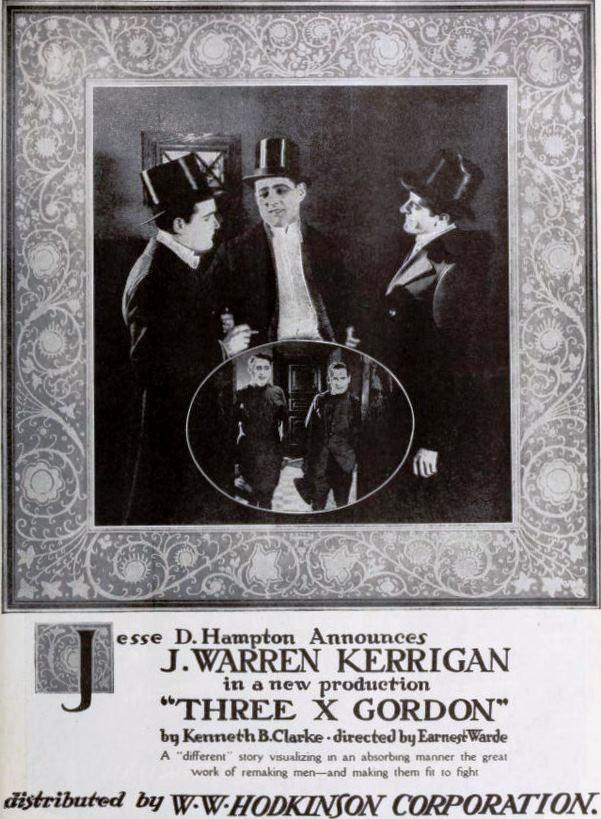
Dir: Ernest C. Warde
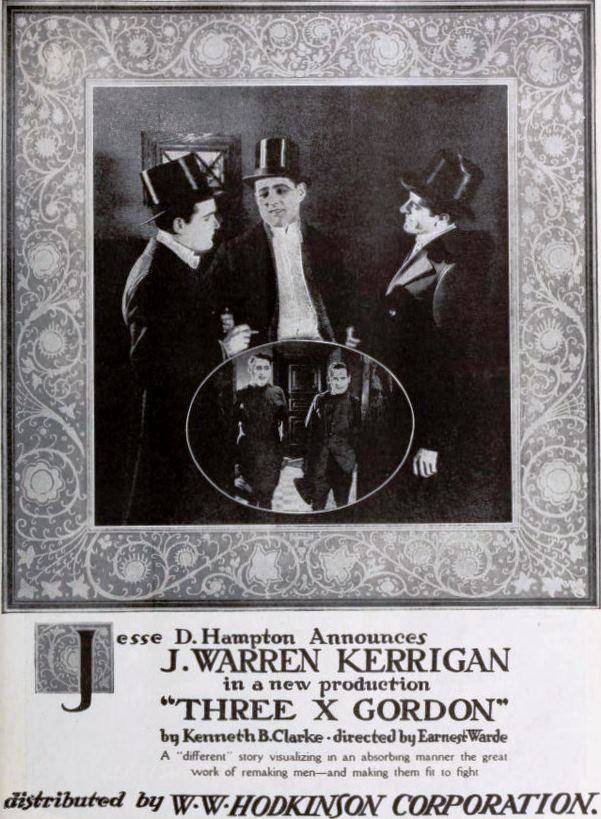
Spoiled, lazy Harold Chester Winthrop Gordon finds that he has been disinherited, barred from seeing his sweetheart, and expelled from his club. He decides to reform himself and begins by crossing out his first three names with an "x." Thereafter known as "Three X Gordon," he says goodbye to pretty Dorrie Webster and sets out with his friend Archie for the West. Because they are penniless, however, they get only as far as a New Jersey town, where they become farmhands. Shocked at first by the long hours and hard labor, Three X and Archie soon find the work so physically and morally beneficial that they decide to establish a farm for the regeneration of millionaires' sons. The plan is a success, and Three X even makes a man of Dorrie's lazy brother. With the declaration of World War I, Three X proudly leads his clients into his country's service, promising to return to Dorrie.
View Details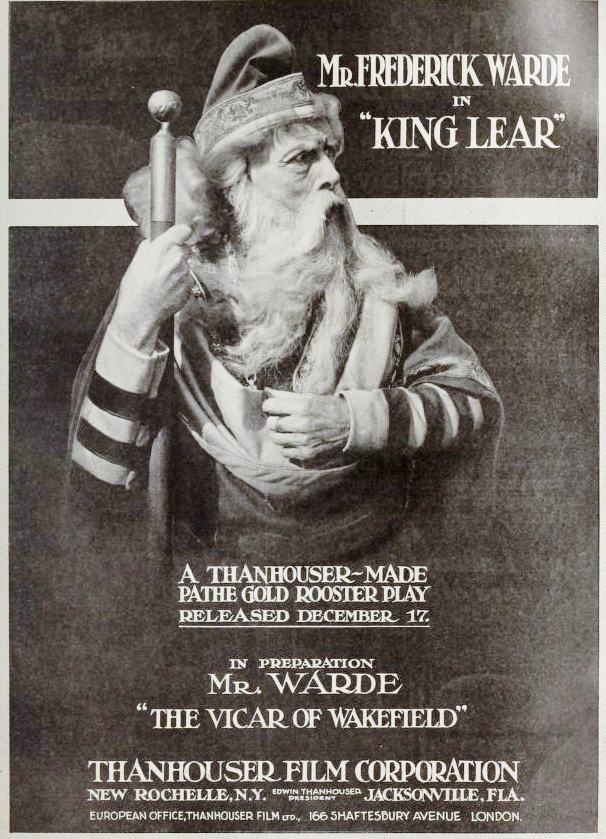
Dir: Ernest C. Warde
Lear is an old man blind to his weaknesses. He decides to divide his kingdom among his three daughters according to who recites the best declaration of love. Goneril and Regan pretend to love him but treat him cruelly. Cordelia is loyal but, confusing honesty with insolence, he disowns her.
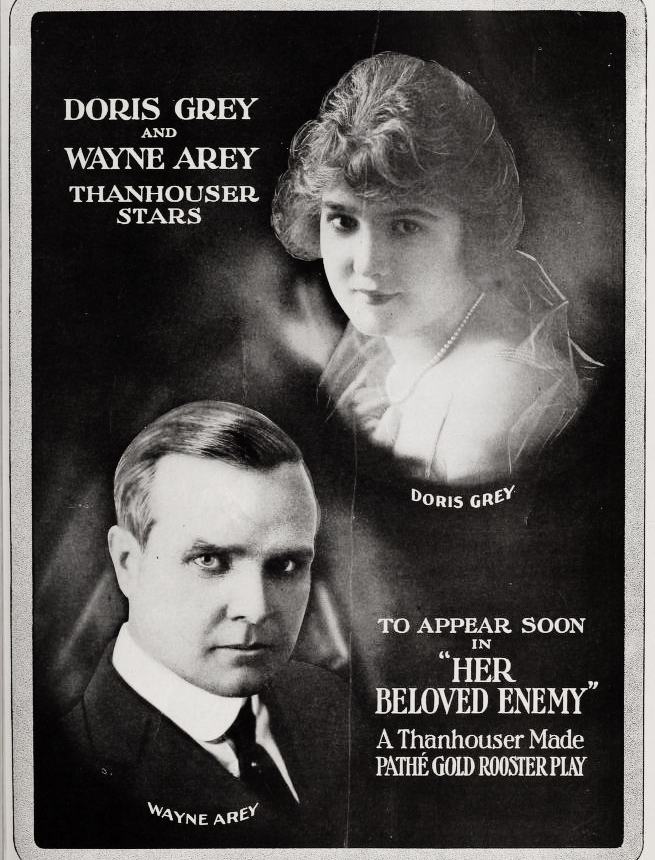
Dir: Ernest C. Warde
Sylvia Leigh's only recollection of her father was a dim memory of a distinguished-looking man who brought her to boarding school when she was a youngster. From that time he never came to see her, but letters came from him with foreign postmarks stating that "important business" kept him away. After her graduation an old family servant took her to the home she had never known. Within a few months her father appeared. Not the parent she had pictured, but a broken old man whose mind seemed ham ted by some shadow from the past. One day while they were motoring in the park he suddenly drew a revolver, and aiming it at a passing auto, exclaimed, "That man wrecked my life." But before he could pull the trigger he fell exhausted from the effort and the other car passed before Sylvia saw his face. Her father became seriously ill from the excitement. On his deathbed he made her promise to run to earth the man who ruined his life. With no clues or an inkling of what the secret was, she attempted to locate him by an ad in the papers, only to fall into a trap. A roughly-clad young man came to her rescue. Some weeks later she was surprised to find this same young man as a guest at a dance given by a girlfriend. But this time he was clad in evening dress and perfectly at home among society. Then came the blow. An incident revealed him to her as the man she had vowed to bring to atonement. She shadowed him, caught him in a compromising position, kept him captive and phoned the police. Then the fact that she still loved him rushed over her. She realized also that her father's secret was still a mystery. What will he do? Keep a deathbed promise and turn him over to the law or obey her heart? Love wins out. As a knock comes on the door she tells him she still loves him and to escape. But he only smiles, opens the door to the officers, who greet him familiarly, and then he make some remarkable disclosures to Sylvia, which brings happiness to her troubled heart.
View Details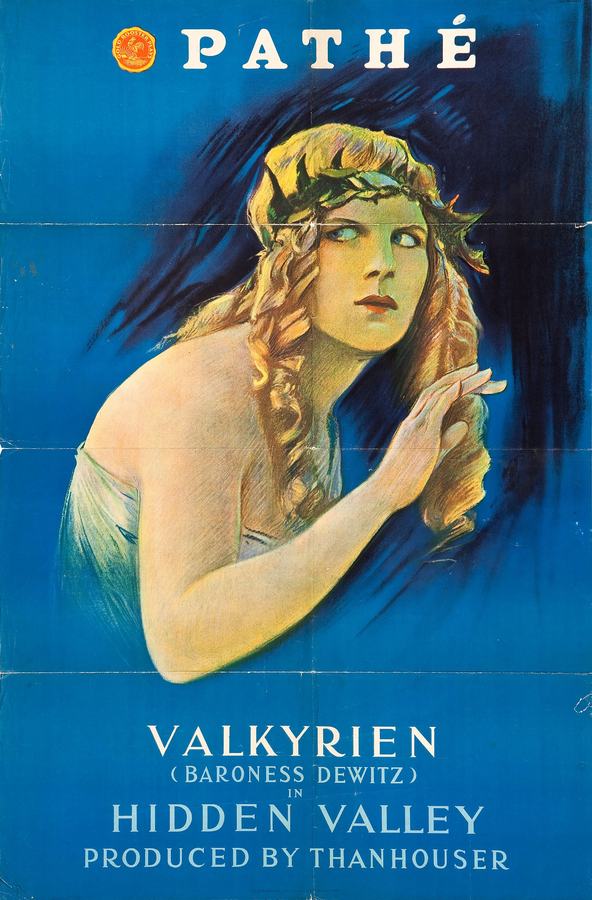
Dir: Ernest C. Warde
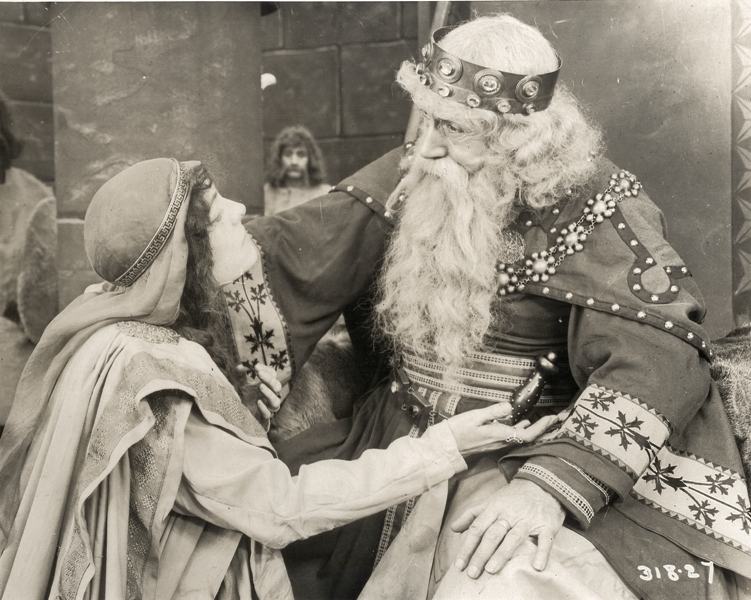
"In Hidden Valley," Valkyrien is a white goddess who has been captured by savage blacks in South Africa. She is found by a young missionary, played by Boyd Marshall, and rescued from a sacrificial altar. Valkyrien was selected as the most perfectly formed girl in Denmark in a competition conducted by the government. The dance of the white goddess before the natives is one of the most beautiful scenes in the production. The Moving Picture World, August 5, 1916.
Dir: Ernest C. Warde
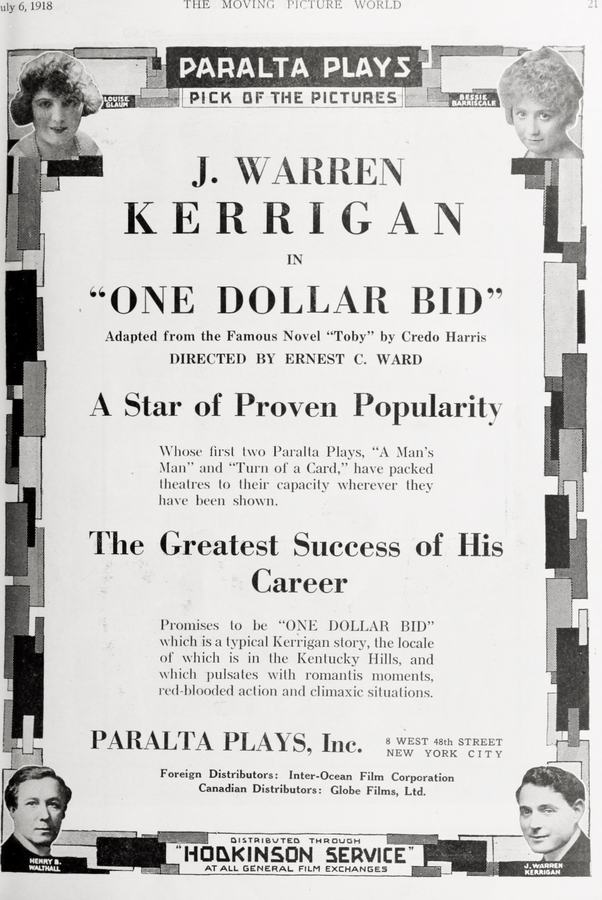
Toby, a peculiar young man, lives in a shack in the Kentucky hills, spending his days drinking moonshine and whittling toys for the local children. Fearful of his influence, the villagers revive an old Kentucky statute whereby Toby may be sold into servitude for a year. Virginia Dare, horrified by these proceedings, purchases Toby for one dollar and returns with him to her Uncle Poindexter's tobacco plantation. Invigorated by his love for Virginia, Toby forsakes his whiskey habit and labors diligently on the plantation until his old friend Dink Wallerby, a moonshiner, begs Toby to care for his sick daughter Nell. En route to obtain medicine, Dink stabs a revenue officer with Toby's knife but confesses just before Toby is sentenced. Toby, at one time a lawyer, successfully defends Dink, after which a visiting judge proclaims Toby his son. Having regained his good name, Toby proposes to Virginia.
View Details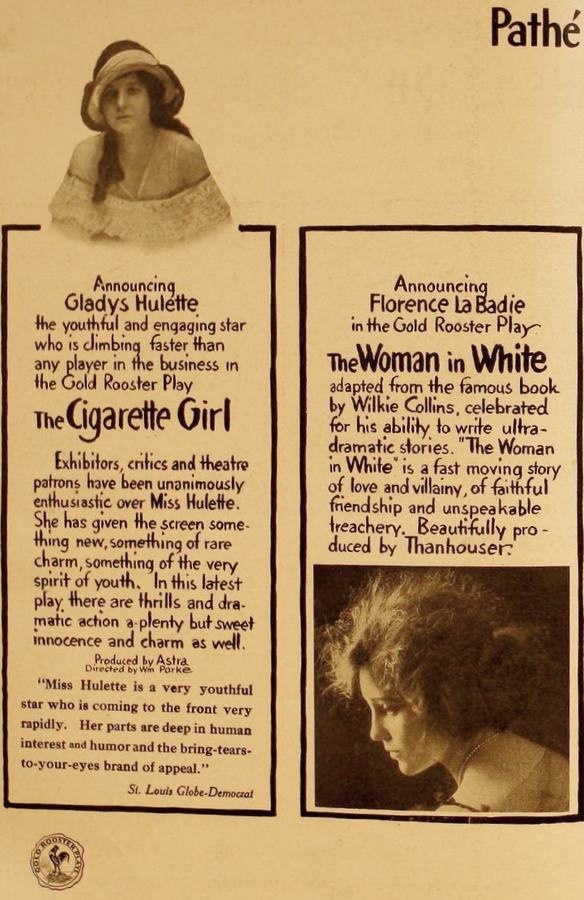
Dir: Ernest C. Warde
At the request of her dying father, heiress Laura Fairlie marries Sir Percival Glyde, despite her love for Walter Hartridge and the warnings of Ann Catherick, a half-witted girl who bears a striking resemblance to Laura. After the marriage, Glyde schemes to appropriate his wife's money. When he learns that Ann has escaped from an asylum and has perished, Glyde takes Laura to the asylum and commits her, claiming that she is Ann. He then informs everyone that his wife had died, and buries the body of the insane woman in her place. Walter and Laura's half sister, Marian Halcombe, become suspicious, however, and remembering Ann's previous warnings, discover what Glyde has done. After Glyde meets his death in a fire, Walter rescues Laura and the two lovers are reunited.
Dir: Ernest C. Warde
Hillaire Latour, a warmhearted Canadian trapper, marries Rosalie Dufresne and then travels into the woods to seek his fortune as a lumberman. At the camp, he befriends "Spud" Lafferty, who for six years has tried unsuccessfully to return home with his money, each time falling prey to a beautiful woman who works in the saloon "down the hill." When Hillaire learns through a letter that he is a father, he asks for his money and begins the journey home, but on his first night away from camp, he enters the saloon, where he is robbed by the beautiful Louise. Forced to return to the lumber camp, Hillaire saves his money, but the next year he is cheated again. Louise is on the verge of robbing him a third time when Hillaire, in a rage, wrecks the dance hall and forces her to return his money. At the police station, Hillaire is reunited with his family, who have finally come in search of him.
View Details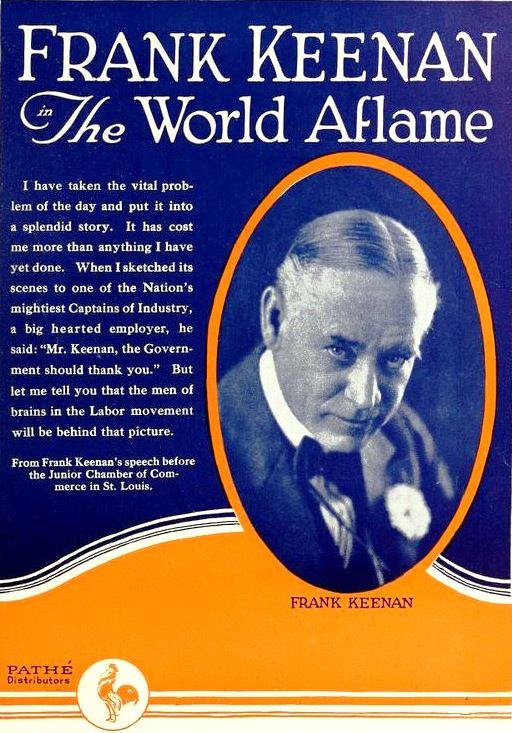
Dir: Ernest C. Warde
Wealthy businessman Carson Burr discovers first-hand the problem of social unrest when he loses his cook and his chauffeur and he is insulted by a waiter. Burr runs for mayor to improve the labor situation and is elected. The editor of The Red Messenger organizes the streetcar drivers to begin a general strike, but Burr manages to break up the strike by personally running a streetcar and backing it up with armed guards. The anarchists capture his son, but Burr will not back down. He calls together leading businessmen and proposes a cooperative plan that brings together capital and labor and puts a stop to future strikes. Capital and labor are also brought together when Burr's daughter becomes romantically involved with his valet turned personal secretary.
View DetailsAnalysis relative to More Trouble
| Film Title | Atmosphere | Complexity | Similarity |
|---|---|---|---|
| The Bells | Tense | Dense | 98% Match |
| The False Code | Gritty | Abstract | 97% Match |
| Three X Gordon | Surreal | Layered | 95% Match |
| King Lear | Tense | Abstract | 94% Match |
| Her Beloved Enemy | Gothic | Layered | 88% Match |
This guide was algorithmically generated using the cinematic metadata of Ernest C. Warde's archive. Last updated: 6/21/2026.
Back to More Trouble Details →