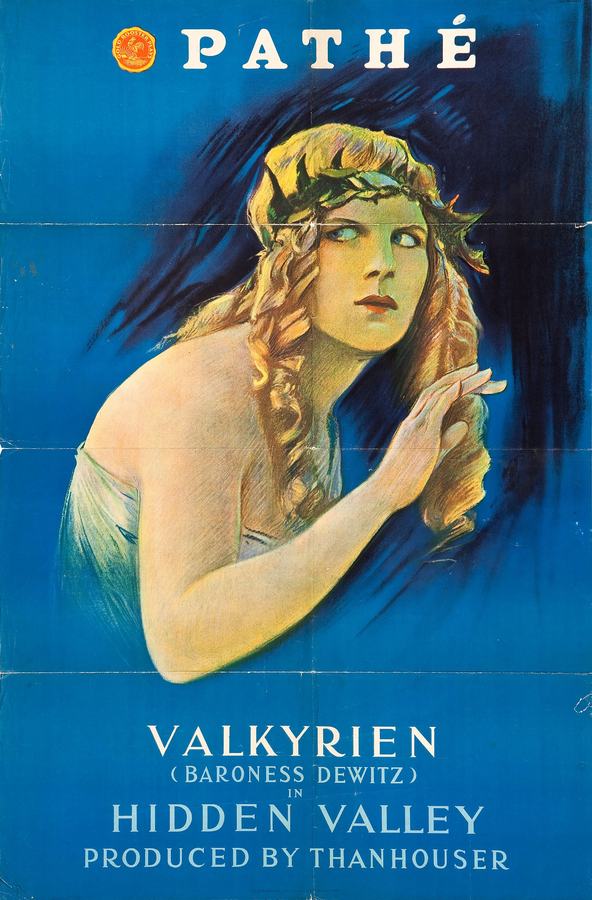
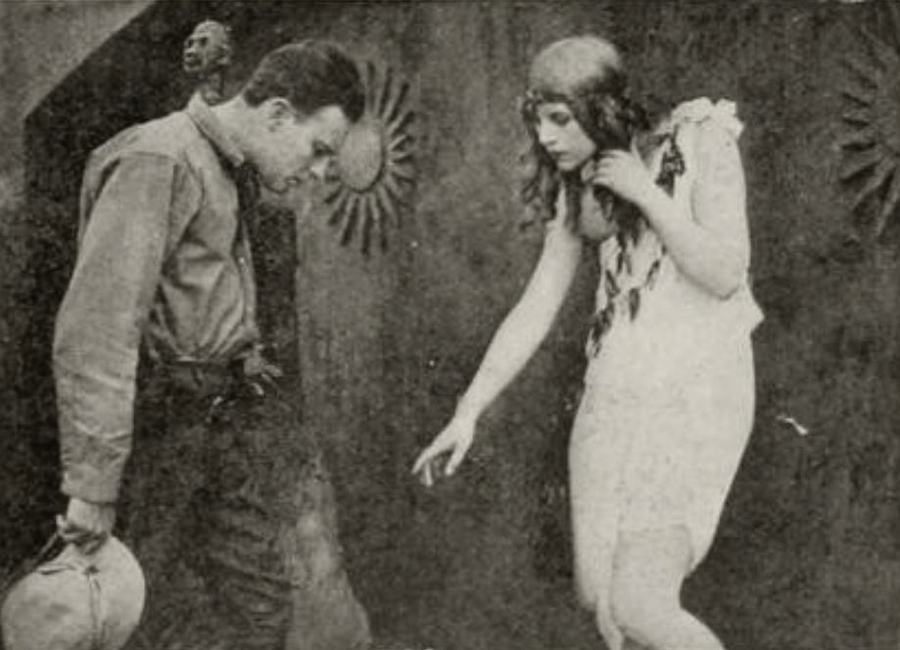
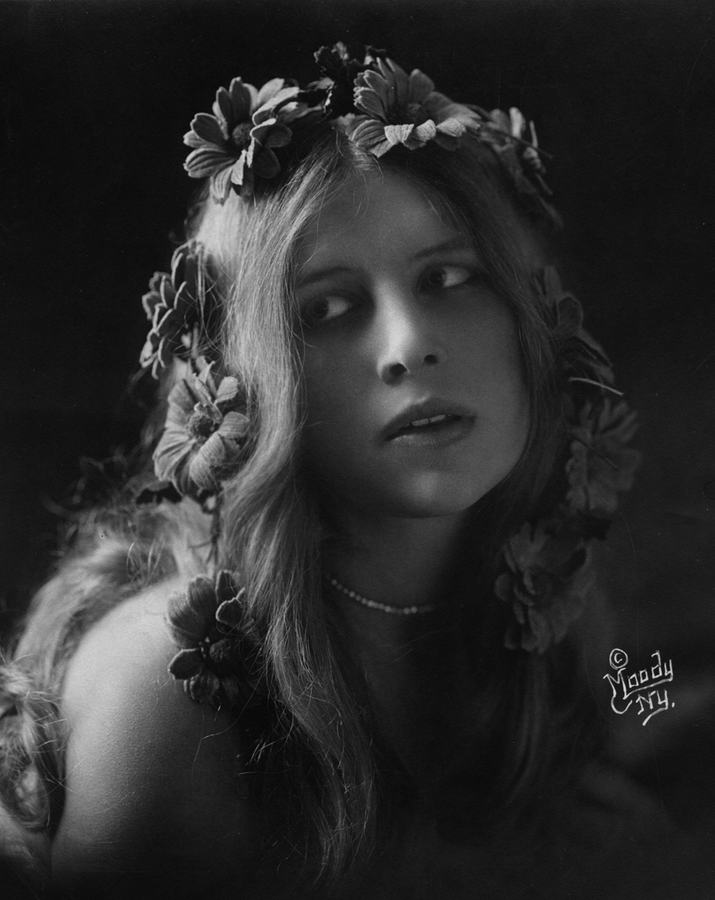
"In Hidden Valley," Valkyrien is a white goddess who has been captured by savage blacks in South Africa. She is found by a young missionary, played by Boyd Marshall, and rescued from a sacrificial altar.
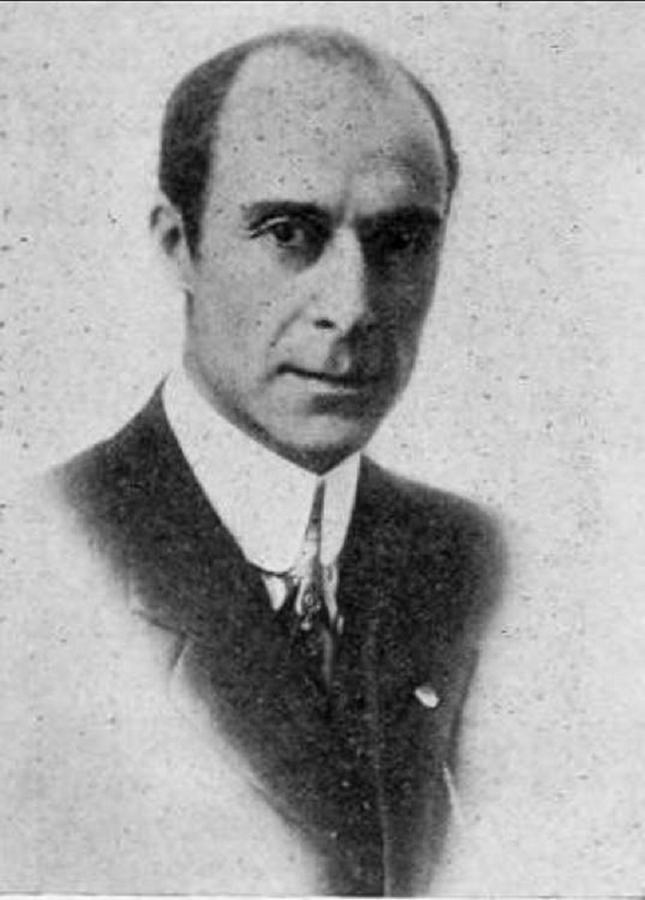
Emmett Mixx
United States
Stepping back into the cinematic archives of 1916, one encounters Hidden Valley, a silent film that, even through the veil of time, radiates a potent, albeit deeply unsettling, cultural resonance. Directed by Ernest C. Warde and penned by Emmett Mixx, this production is less a mere narrative and more a cultural artifac...
still_frame
still_frame

Comparing the cinematic DNA and archive impact of two defining moments in cult history.
Ernest C. Warde
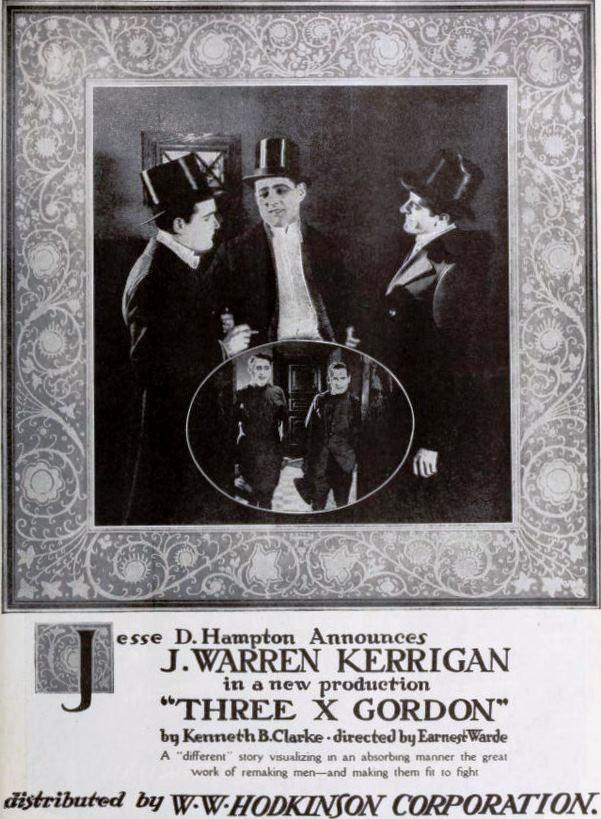
Ernest C. Warde
Community
Log in to comment.
"Stepping back into the cinematic archives of 1916, one encounters Hidden Valley, a silent film that, even through the veil of time, radiates a potent, albeit deeply unsettling, cultural resonance. Directed by Ernest C. Warde and penned by Emmett Mixx, this production is less a mere narrative and more a cultural artifact, a vivid snapshot of early 20th-century sensibilities, anxieties, and the nascent medium’s struggle with representation. It’s a film that demands a contemporary lens, not merely ..."
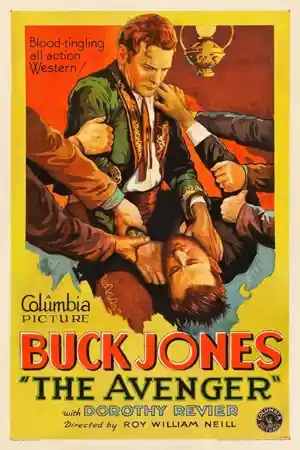
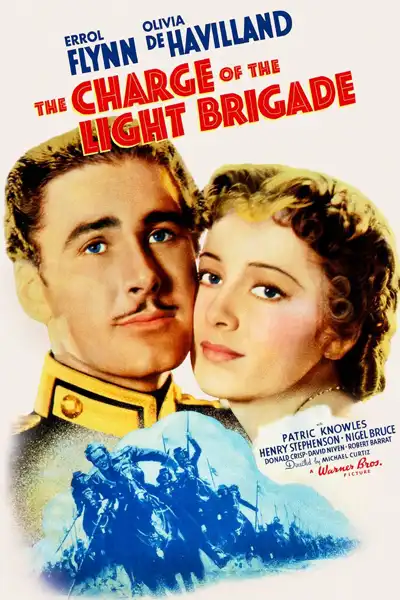
Deep dive into the cult classic
Discover similar cinematic experiences
A Directorial Spotlight on Ernest C. Warde