
DbcultAccessing Vault...
Recommendations
Senior Film Conservator
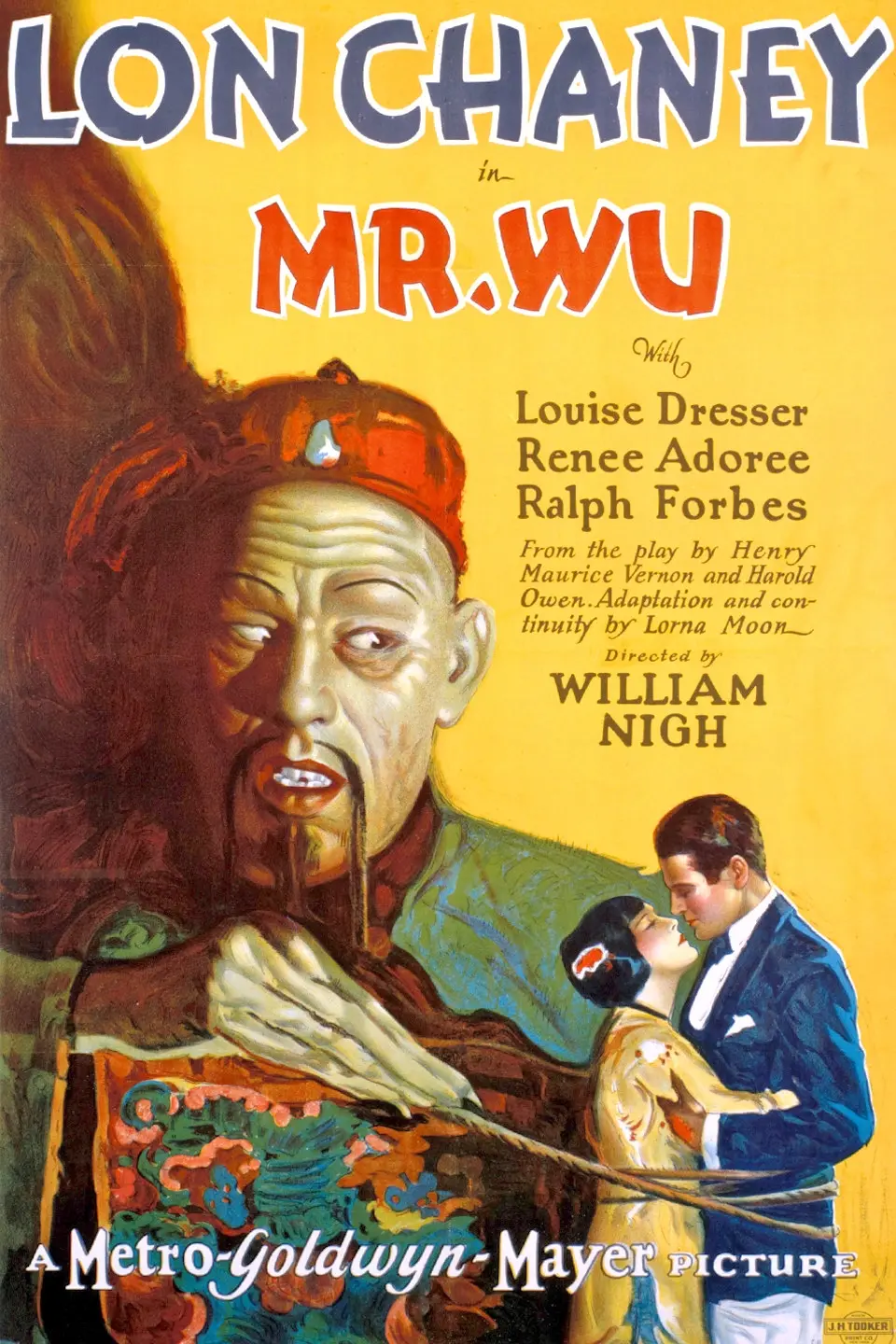
In the vast archive of Drama cinema, Mr. Wu stands as a emotional resonance beacon, the narrative complexity found here is a rare find in the 1927 landscape. From hidden underground hits to established classics, these are our top picks.
Few films from 1927 manage to capture to explore the darker corners of the human condition with emotional resonance.
When Mandarin Wu's unmarried daughter becomes pregnant by a young Englishman, he seeks vengeance.
The influence of William Nigh in Mr. Wu can be felt in the way modern Drama films handle emotional resonance. From the specific lighting choices to the pacing, this 1927 release set a high bar for atmospheric immersion.
Based on the unique emotional resonance of Mr. Wu, our vault has identified these titles as the most compelling follow-up experiences for fans of Drama cinema:
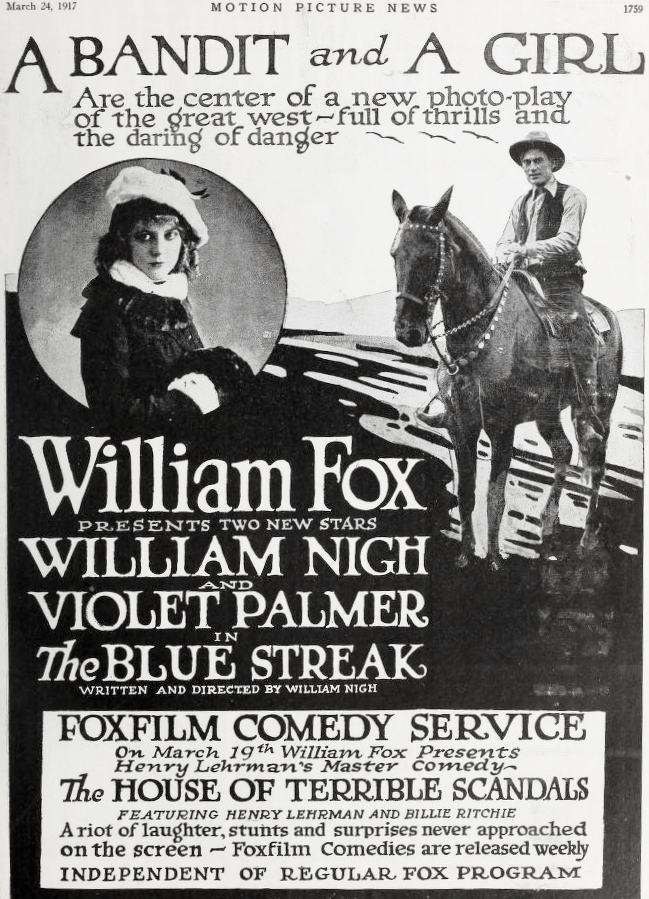
Dir: William Nigh
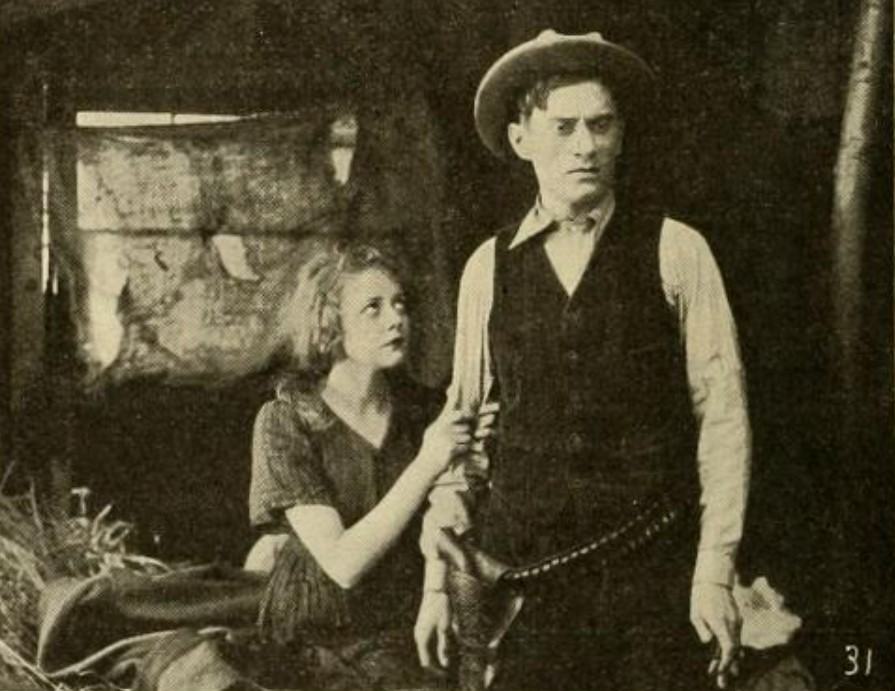
The story tells of the reformation of a millionaire's son, who later develops such consistent speed on the "draw" and on a horse that it wins for him the title of "The Blue Streak." Driven from home, the "Streak" changes his mode of living entirely. News of his adventurous spirit penetrates even into the town of Sterling, beyond the Rockies, where he one day finds himself. He strolls into the common meeting-place there, the saloon, and proceeds to prevent a forced marriage between the proprietor's daughter, "The Fledgling," and a gambler by the simple expedient of covering all with his revolver while preparing to make her captive himself. A short time after they reach his retreat in the hills, the "Streak' is almost overcome by what occurs to him. The gambler must have wronged the girl, and he, the "Streak," has interfered with retribution. He leaves "The Fledgling" in his partner's care and rides furiously back to the town for the "miscreant." He makes him prisoner, after a hard fight, and with a parson, brings him to the hut. The girl protests that the gambler has not harmed her, but the "Streak" will not listen. In desperation, "The Fledgling" goes through with a fake marriage ceremony. Miles away on the horizon the "Streak" sees a posse approaching to arrest him for his escapades. He bids "The Fledgling" good-bye and prepares for surrender. She begs him to flee. When he refuses she rushes to his arms, crying out her explanation. He mounts his horse, lifts her behind him, and dashes off, to begin life anew in his old home.
View Details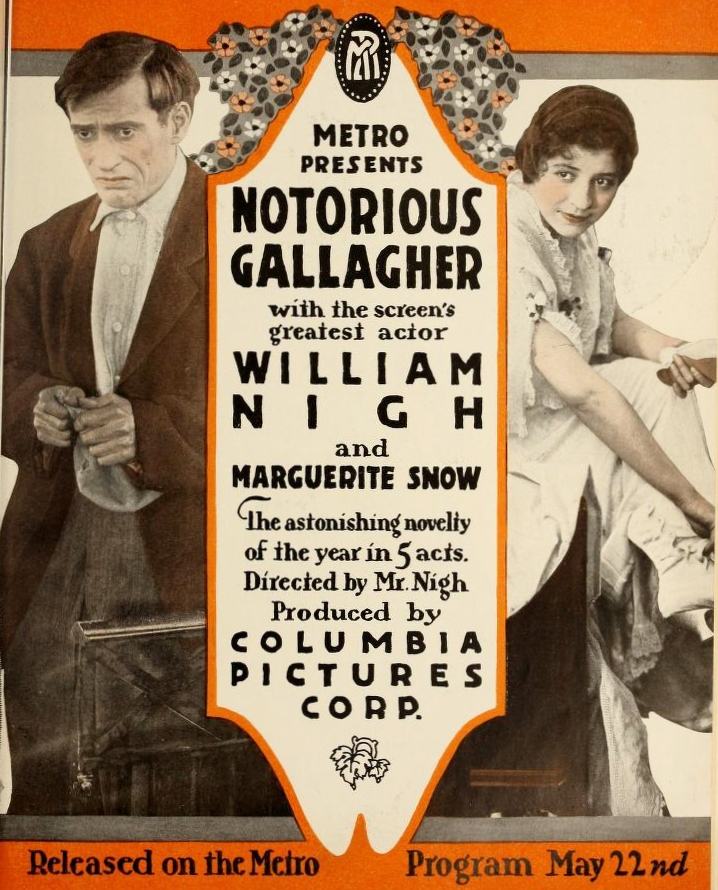
Dir: William Nigh
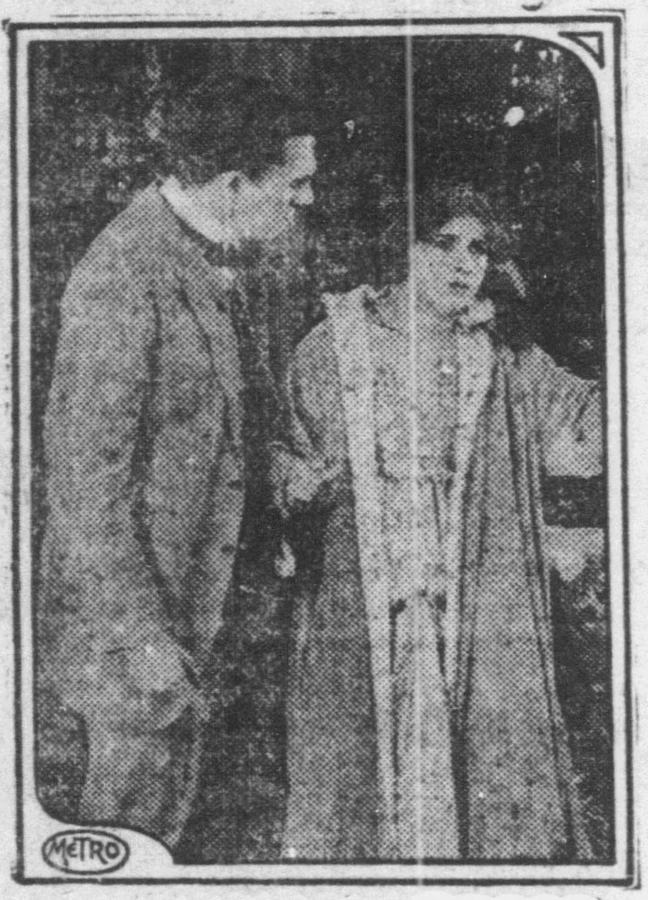
"Buttsy" Gallagher is a harmless young product of the slums. In all his life he has never been of the slightest importance. His spirit is so submerged that he has almost forgotten how to get angry. One night the gaiety going on in Judge Winters' home attracts him, and he crouches on the fire-escape to watch it. He becomes interested in the Judge, in his pretty daughter Peggy, in her cousin Flo, in Flo's admirer, the Count, and in Bob Ewing, a struggling young lawyer. Then he falls asleep on the fire-escape. Peggy is fascinated with the Count and decides to cut Flo out, if she can. She consents to meet him in the drawing-room after the household is asleep. Scarcely are they concealed in the window niche when the house is burglarized. "Frank the Mex" and "Lefty Jake," securing their booty, pass through Flo's room when Flo awakens and screams. A servant who runs to see what is wrong is killed, and the crooks escape through the window, where "Buttsy" is lying asleep. They roll him over into the room. "Buttsy" is arrested as the murderer. "Buttsy" finds himself suddenly famous. Women send him flowers. Great men argue about his case. The people in his home alley decide that he has more in him than they thought. Peggy, who was hidden in the other window and who knows that he is not the murderer, does not dare speak for fear of injuring her reputation. Bob Ewing takes up the case. He is sure "Buttsy" is not guilty, and finally makes Peggy tell what she knows. Her father, Judge Winters, makes her marry the Count. "Buttsy" is given a new trial and is released under a five-year probationary sentence for having committed perjury. He has "confessed" to the murder, delighted at having so much attention. Brought into prominence by "Buttsy's" trial, Bob is engaged by a firm of unprincipled men to condemn and take over for a reservoir some land belonging to Judge Winters and some farmers in his old home town. The two crooks, "The Mex" and "Lefty," are hired, and bind and gag the Judge when he tries to fight the matter in the town council. Peggy and the Count, who follow, are about to meet the same fate, when "Buttsy" intervenes. He has left the city because it is not interested in him except as a criminal. The Judge accuses him of being mixed up in the conspiracy and his long-buried spark of anger flames forth. He puts up the fight of his life. He and the Count turn on the hobos, and "The Mex," the slayer of the servant, is mortally wounded, confessing just before he dies. Flo gives Bob a piece of her mind. She tells him exactly what she thinks of him for having turned traitor to her uncle's interests in such a cowardly fashion. She rouses the sleeping manhood within him. He goes to the council meeting and argues, not against the Judge, but for him, winning the case. Flo forgives him, and they are married. Peggy cannot help admiring the Count's valor when she sees him fighting the crooks, and thereafter the marriage is a real one, as for "Buttsy" he sees again the girl known in his tenement home as "The Pest." Now she is a lovely young woman. She has become a trained nurse and he asks her to be his own private nurse as long as he lives.
View Details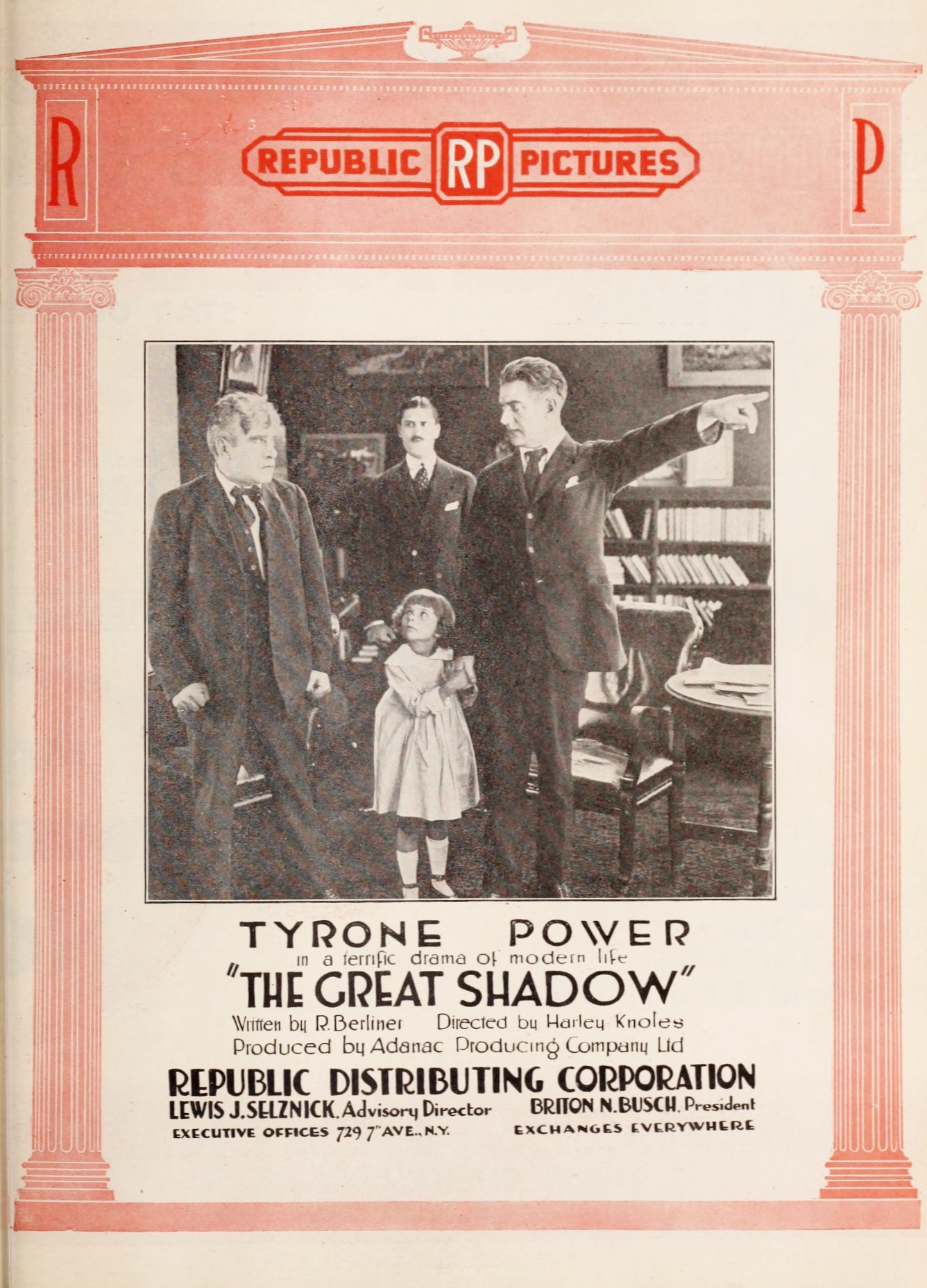
Dir: Harley Knoles
Jim McDonald, the foreman of a shipbuilding plant and head of the labor union, strives to combat the anarchistic propaganda being put forth by Klimoff, the leader of a Bolshevik gang whose goal is to disrupt the country with strikes and anarchy. Despite McDonald's efforts, a strike is called, resulting in chaos. McDonald's child is knocked down by runaway horses abandoned by their striking driver, and dies. Mob scenes take place in America, as well as in Russia. Eventually, the unrest is quelled with an armistice called between Capital and Labor for a year, during which time wages are to be increased to reflect the cost of living, and leaders are to work out a common plan for their mutual advantage. The strikers now realize that they have been pawns of the Bolsheviks and call off the strike, agreeing to the plan.
View Details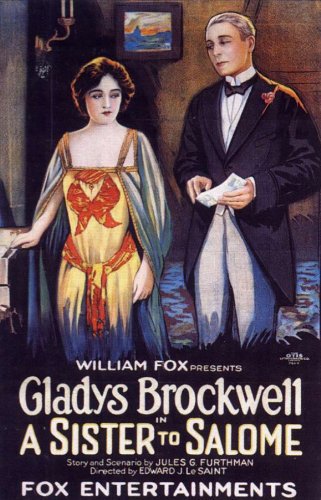
Dir: Edward LeSaint
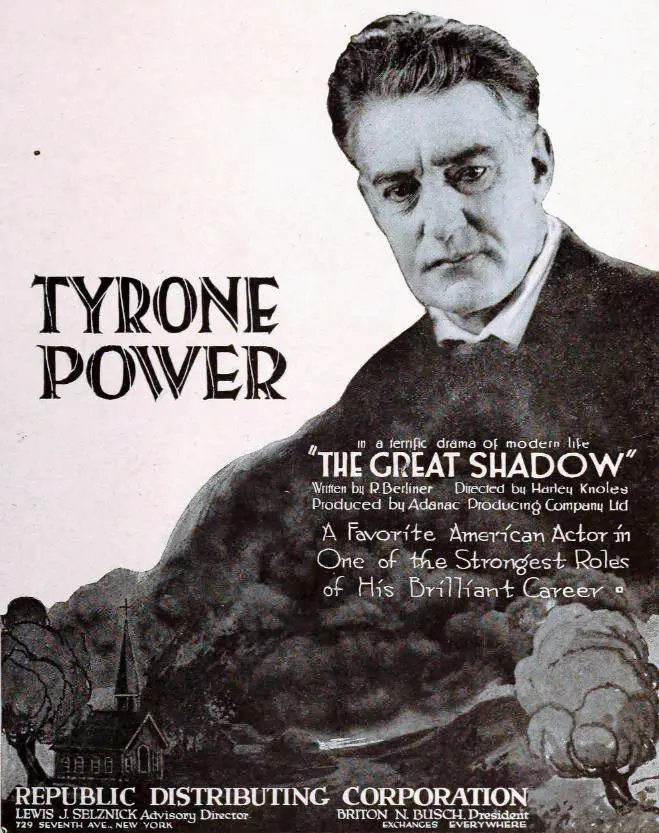
When famous opera singer Elinore Duane undergoes an operation on her throat, she has a series of ether-induced visions. In one, she is transported to ancient Rome where she appears as a much-admired woman in love with Paul, a young heretic, and at odds with Lutor, the high priest. To save her love, she poisons Lutor with her ring. After several other visions which involve variations on this love triangle, Elinore awakens to discover that Lutor is actually her doctor, Sascha Jaccard, and that Paul is the son of a friend who has come to visit the recovering prima donna.
View Details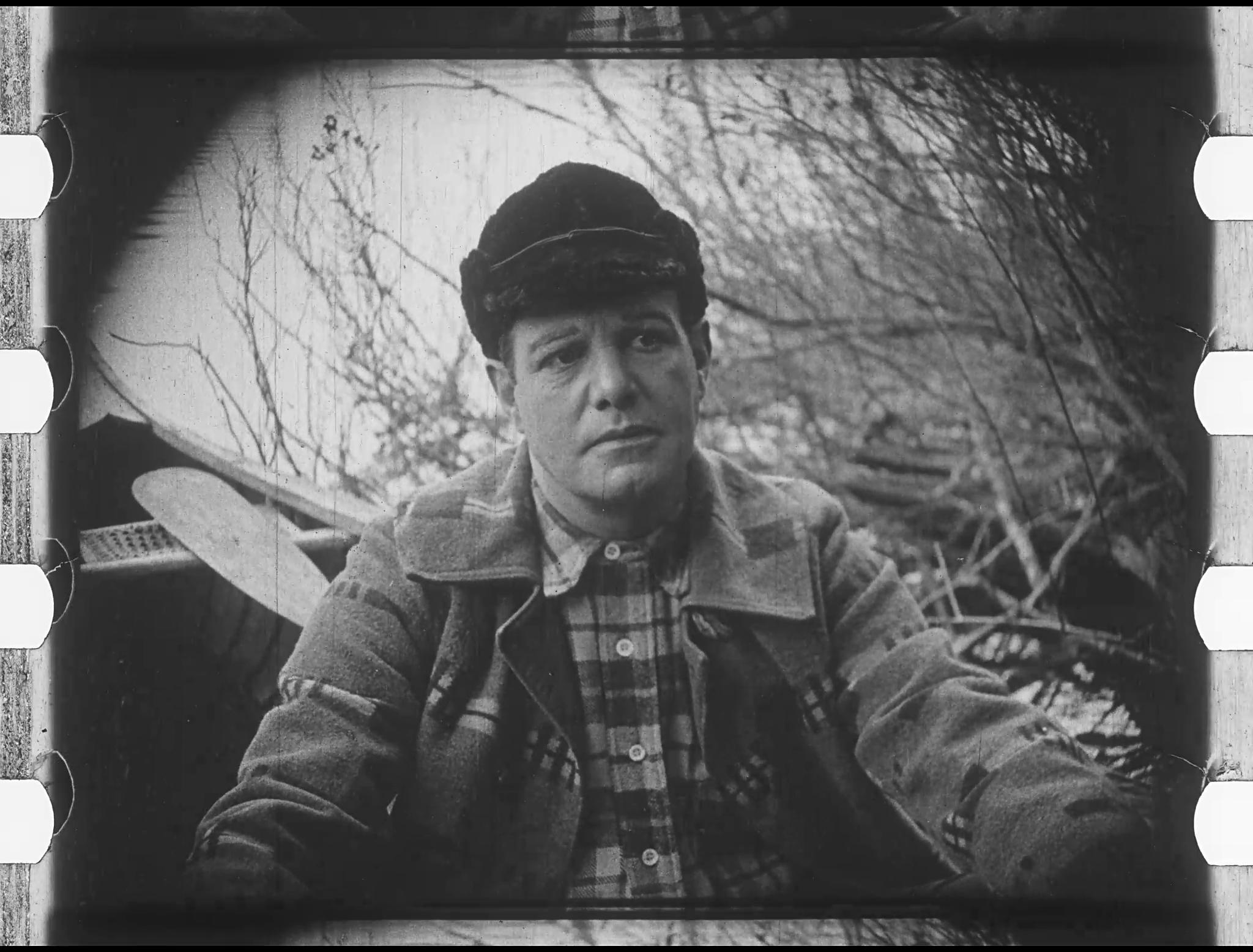
Dir: Edgar Jones
A mail-order bride arrives at a Maine lumber camp but doesn't like her prospective husband.
View Details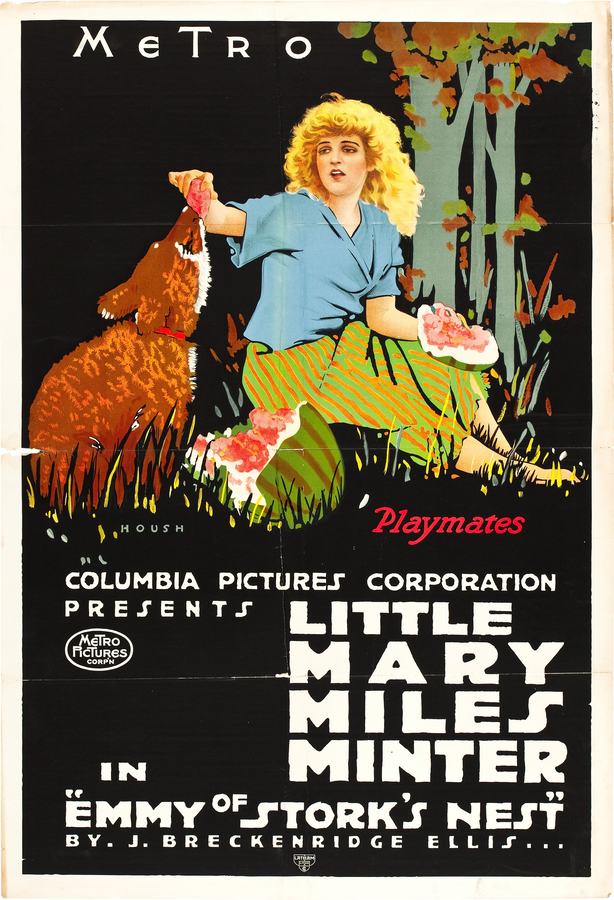
Dir: William Nigh
Through the death of his father, Benton Cabot is left with nothing but a small mountain cabin which he has never seen. He goes to take up his property and in the mountains meets Emmy Garrett, an untutored but attractive girl, just budding into womanhood. Emmy is a child of the woods and Benton's city dress and ways amuse, her greatly. His cabin is uninhabitable so Benton goes to work for Bije Stork and lives with Bije, his brother, Si Stork, and Si's wife, Crishy, a poor creature, crushed by years of servitude. Benton takes an instinctive dislike to Bije and senses that there is something wrong with the Stork establishment. He and Emmy feel attracted to each other, despite the lack of respect Emmy feels for Benton. Emmy sends Benton a note by Jim Whitlicks, a half-witted boy, but Bije intercepts. Instead of telling Benton he goes to see Emmy and tells her that Benton is too busy to see her. Emmy sneaks away and sees Benton chatting with a party of autoists from the city. She goes back and, at her grandfather's solicitation, promises to marry Bije. Jim Whitlicks tells Benton of the intercepted note and he goes to see Emmy. She will have nothing to do with him and drives him out of the house into a furious storm. Benton finds the ford swollen by the storm and is nearly drowned. But he is saved by Emmy, whose change of heart led her to follow him. Then she realizes she loves Benton but thinks he does not care for her. Emmy wants to get all dressed up. So she and Crishy Stork send Jim to town for cloth. The money Jim tenders Hicky Price, the storekeeper, is found to be counterfeit. Hicky calls in the sheriff and they decide to hunt Bije Stork down. They find he is a counterfeiter and conceals the counterfeit money in Benton's abandoned shack. The Storks realize that the jig is up. Si gets Emmy in his team and goes for the counterfeit money. At the shack he meets Benton, who rescues Emmy after a hand-to-hand fight. Benton rides off with Emmy, pursued by the Storks in their wagon, when they meet the sheriff's posse. The Storks turn and flee. Pursued hotly they perish when the wagon goes over a cliff. Thus freed Emmy makes clear her love for Benton and the young folks are left happy.
View Details
Dir: Bruno Ziener
A fascinating piece of cinema that shares thematic elements.
View Details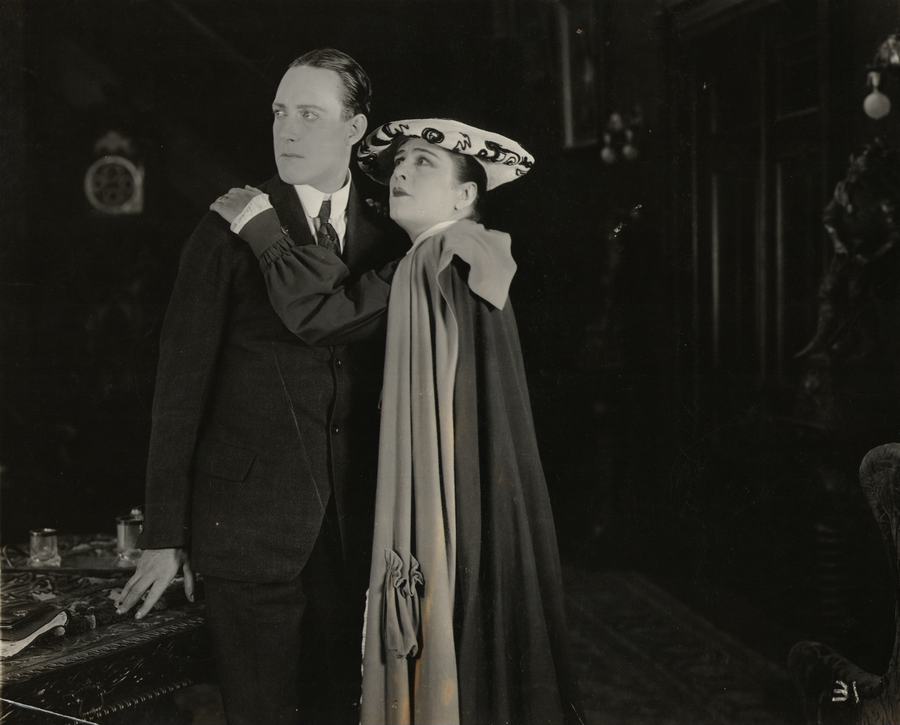
Dir: William Nigh
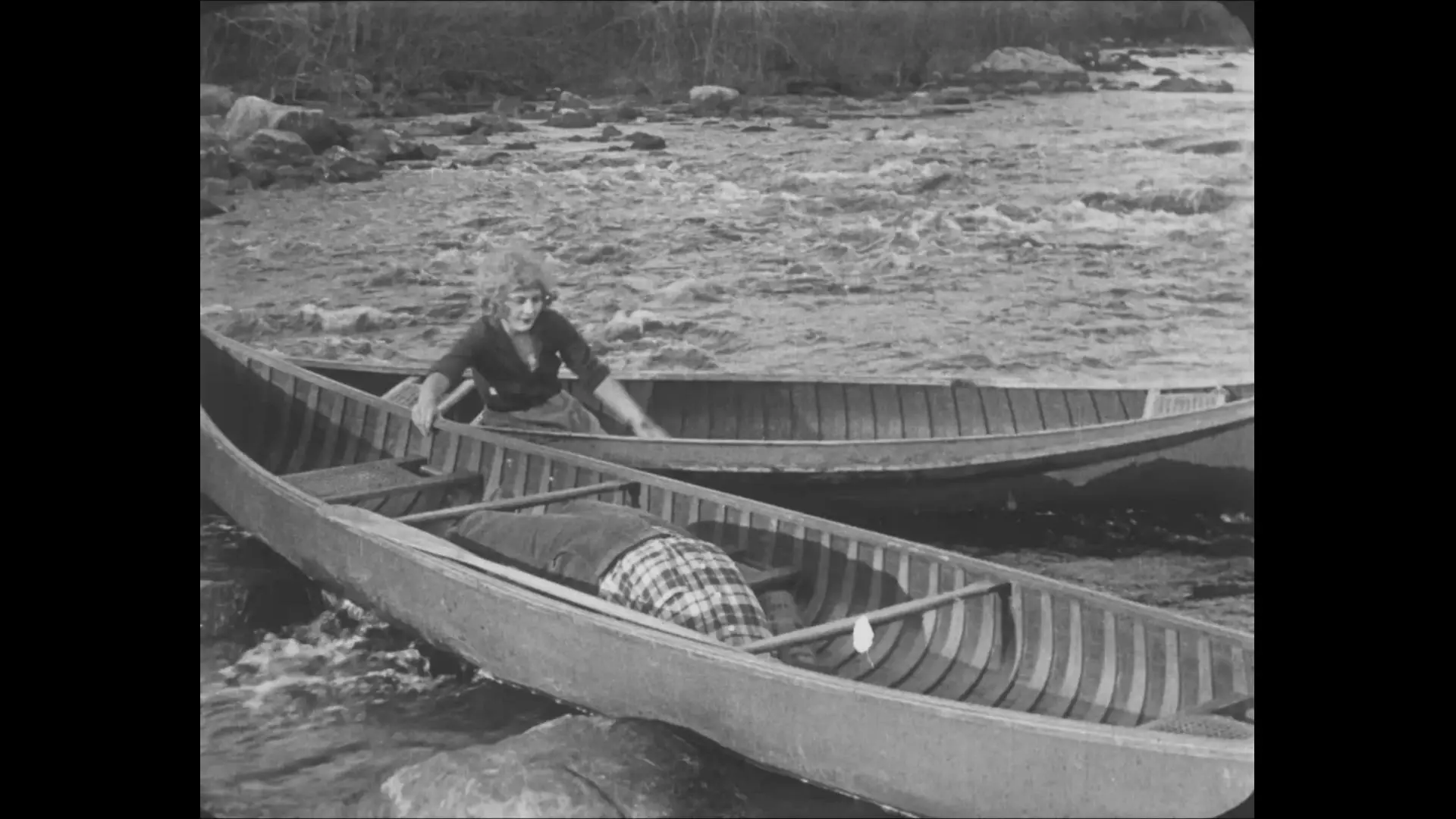
Bored by her country life and misunderstood by her parents, Emma Rolfe marries Dr. Charles Bovar, an older man whose dedication to his medical practice results in wifely neglect. To alleviate her growing loneliness, Emma enjoys the company of many of the young men from the village and eventually begins an affair with Rudolph Bulwer. Despite his proclaimed love for her, Rudolph deserts Emma on the night of their arranged elopement, and in her despair she steals some acid from her husband's medicine cabinet and goes to the river to commit suicide. While standing by the water, Emma changes her mind and resolves to confess to Charles and beg his forgiveness, but the river bank gives way under her feet and she drowns in the swift current. Although he has discovered Emma's love letters from Rudolph, Charles stoutly defends her honor in front of the townspeople and forgives her in his heart.
View Details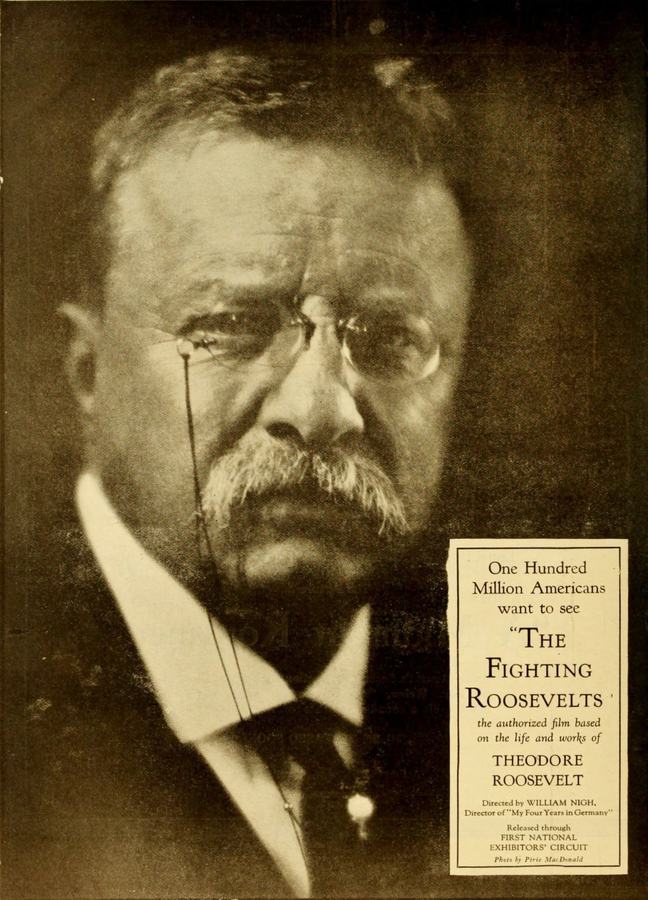
Dir: William Nigh
A dramatization of the life of Theodore Roosevelt leading up to his presidency of the United States. Included are depictions of his youth, his membership in the New York State Assembly, his days as a cowboy, police commissioner, Assistant Secretary of the Navy, and leader of the Rough Riders in the Spanish-American War.
View Details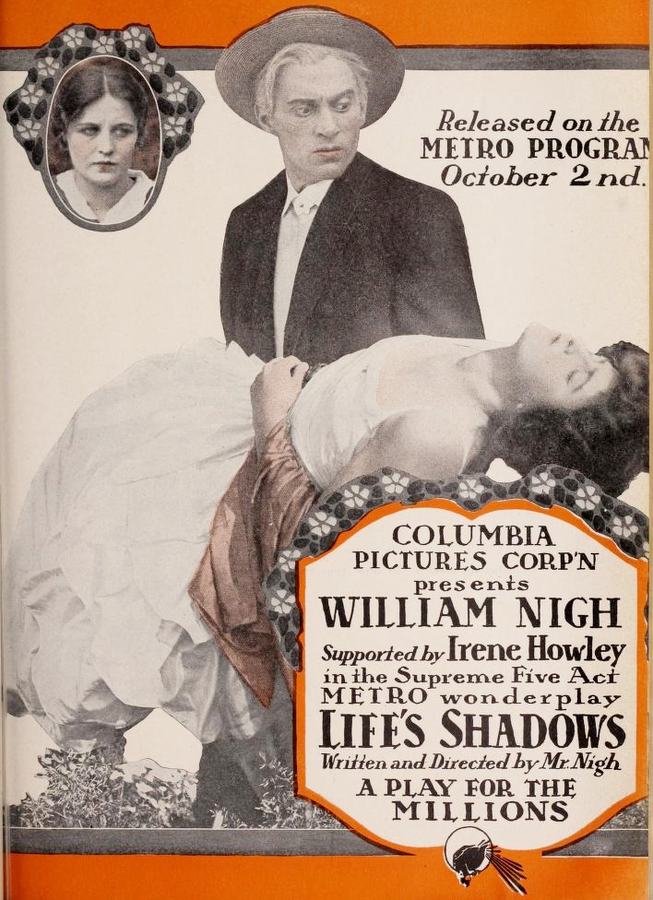
Dir: William Nigh
The townspeople of Purity despise Martin Bradley because of his heavy drinking, but he still does his best to make life better for the town. He helps to support two women who have been socially ostracized by the townspeople, and during the election campaign for mayor, exposes the corruption and dirty tricks of candidate James Durkel, resulting in the election of his opponent Chester Thorndyke. However, the voters of Purity insist that Thorndyake disavow his ties to Bradley, whom they regard as disreputable.
View DetailsAnalysis relative to Mr. Wu
| Film Title | Atmosphere | Complexity | Similarity |
|---|---|---|---|
| The Blue Streak | Surreal | High | 91% Match |
| Notorious Gallagher; or, His Great Triumph | Gothic | Linear | 97% Match |
| The Great Shadow | Gothic | High | 94% Match |
| A Sister to Salome | Gothic | High | 88% Match |
| In the River | Gritty | High | 92% Match |
This guide was algorithmically generated using the cinematic metadata of William Nigh's archive. Last updated: 6/24/2026.
Back to Mr. Wu Details →