
DbcultAccessing Vault...
Recommendations
Senior Film Conservator
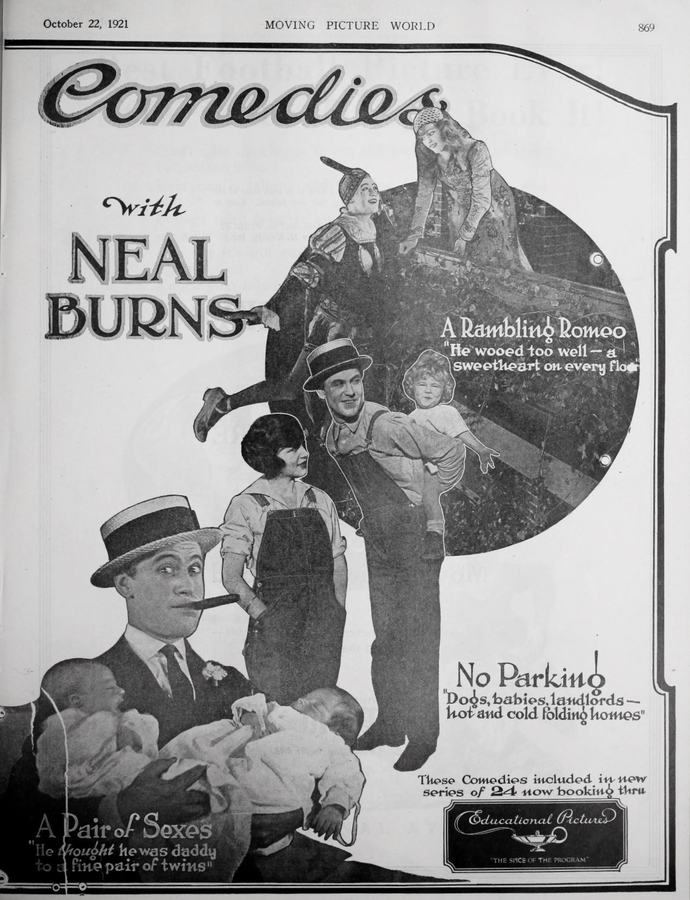
The cinematic DNA of No Parking (1921) is truly one of a kind, the search for similar titles reveals the deep impact of Scott Sidney's direction. Our cinematic experts have identified several titles that reflect the spirit of 1921.
As a pivotal work in United States cinema, No Parking to capture the existential zeitgeist of 1921.
Husband, wife, baby, and dog arrive in California in a flivver. As they have great difficulty in finding a hotel that will allow babies and dogs, they buy a lot and a portable bungalow. After putting it up they discover that they built the house over the baby, so they tear it all down and set it up again. But just before they move in, a real-estate agent arrives to tell them that they built upon the wrong lot. They put the house on wheels and tow it through the town, but the rope breaks and the house runs wild. After they place it on the proper lot, the inspectors inform them that a building permit is required, and once more the house is knocked down. But during this time the baby was making mud pies out of what turned to be an oil well.
The influence of Scott Sidney in No Parking can be felt in the way modern Comedy films handle stylistic flair. From the specific lighting choices to the pacing, this 1921 release set a high bar for atmospheric immersion.
Based on the unique stylistic flair of No Parking, our vault has identified these titles as the most compelling follow-up experiences for fans of Comedy cinema:
Dir: Eduardo Notari
A crime drama in the Gennariello-series. The police detective in Naples that is confronted with modern gangsters and crime events.
View Details
Dir: Henry Edwards
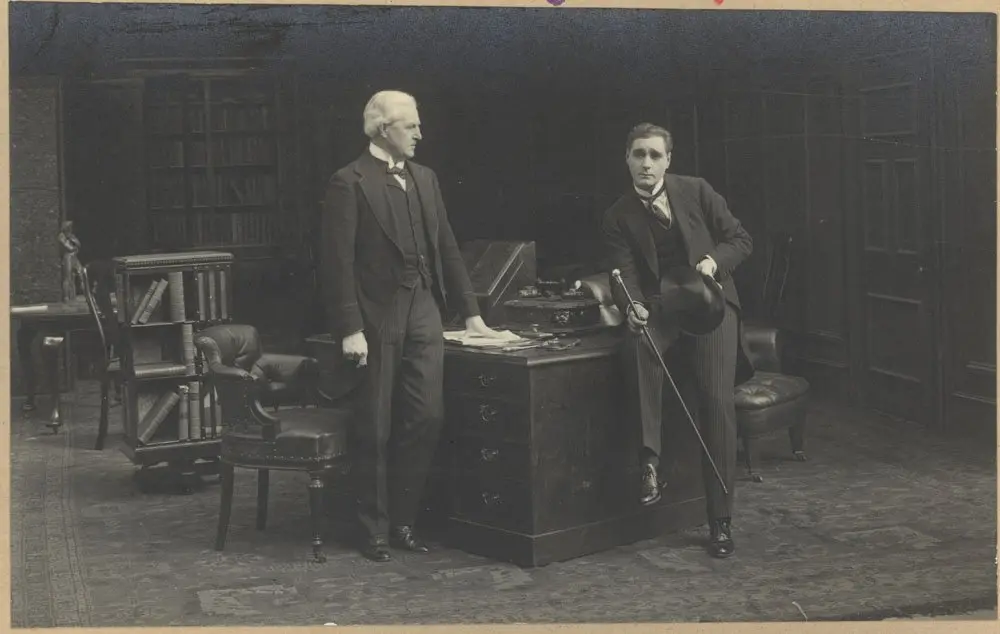
A millionaire bets £25,000 that he can earn his own living for six months.
View Details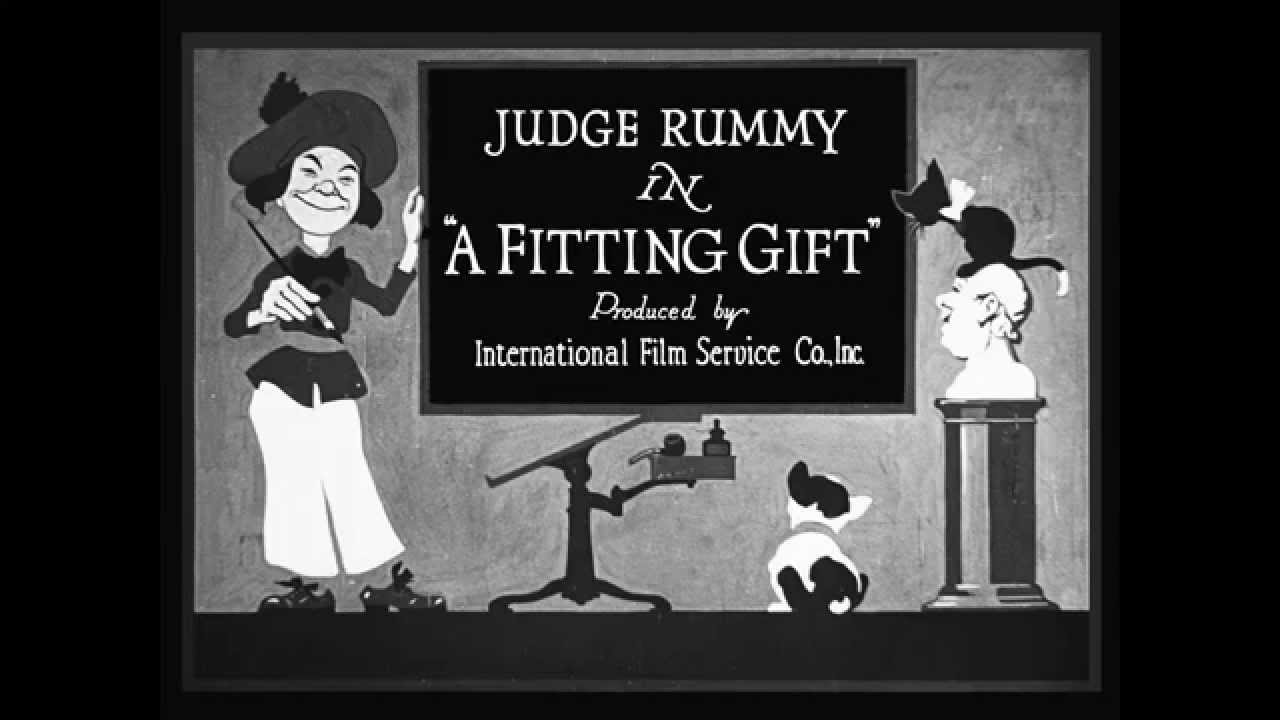
Dir: Unknown Director
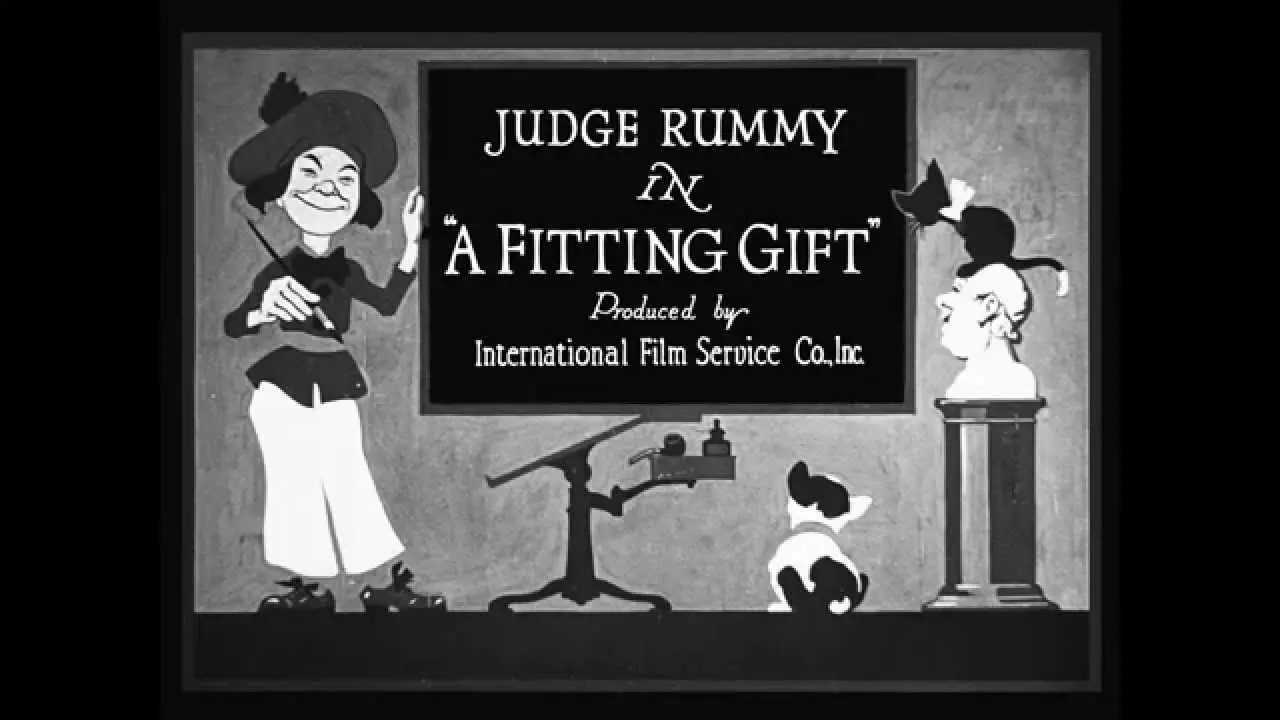
The Judge needs a present for his wife's birthday, so Harry suggests a new corset. They go to the shop, but he's so embarrassed to ask the saleslady he hides in a phone booth.Harry goes in, but finds a GUY wearing one, and runs out.They both dress as women to get back in, but Mrs. Rummy gets there and chases him out.
View Details
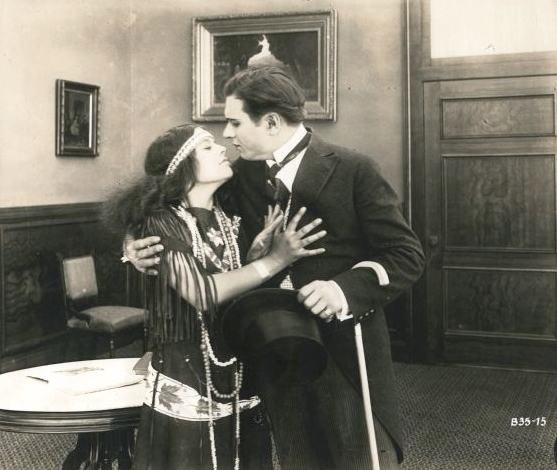
Dir: Scott Sidney
John Kemp, a wealthy man, after the announcement of his engagement to Eleanor Dutton, overhears her declare her love for another man, at the same time stating that she must marry Kemp for his money. Heartbroken, Kemp goes to the mountain wilderness. Eleanor marries the man she loves and Kemp marries The Morning Star, an Indian. They have a daughter, Alona, whom Kemp idolizes. She meets Frank Colvin, a poor young prospector, and they become attached to each other. Kemp feels it his duty to return to civilization in order to complete Alona's education. He places her in a fashionable boarding school. Upon learning that she is of Indian blood the girls snub her, only one, Myra Agnew, being kind. Myra takes Alona home with her at Christmas time, that she may meet her brother, Blinn, in the hopes that he will marry her. Alona, by accident, learns that Blinn cares only for her fortune, and upon the death of her father she returns to her people, embittered. She again meets Frank Colvin, who declares his love for her. She decides to test him and buys his mine through an unknown agent. He returns to the city, seeks out Alona, and promises to bring his mother and sister to see her. The mother and sister, however, having been informed that Frank intends to marry an Indian, call on Alona and, when they see her real beauty, tell her they do not wonder Frank loves her, and plan a big surprise for him. That night Alona sends her car for Frank and, accompanied by his mother and sister, they are driven to Alona's beautiful mansion. Here he finds her transformed from the simple Indian maiden he believes her to be into an heiress. Now that Alona is satisfied he loves her for herself alone, she reveals her real identity and their happiness is complete.
View Details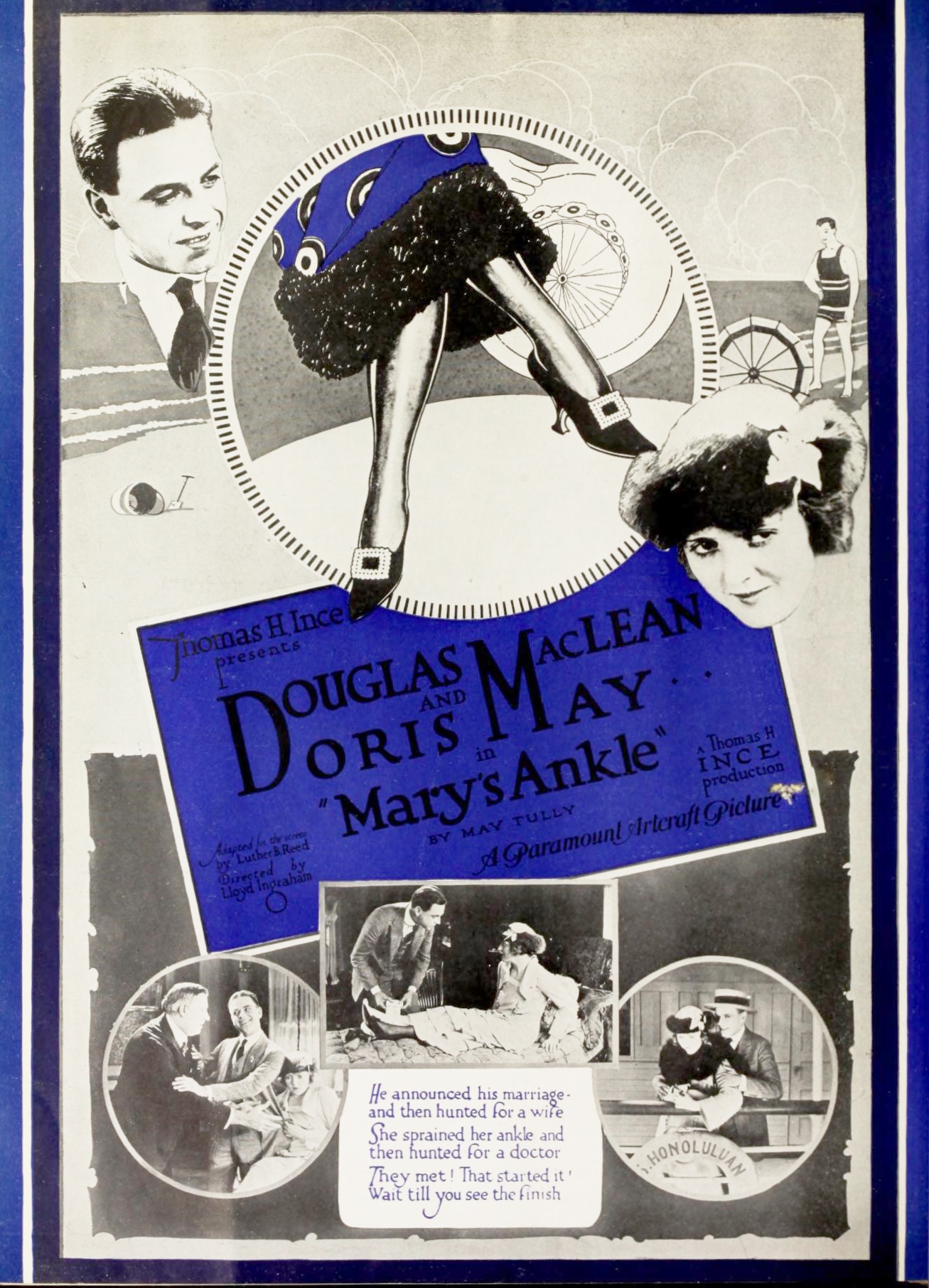
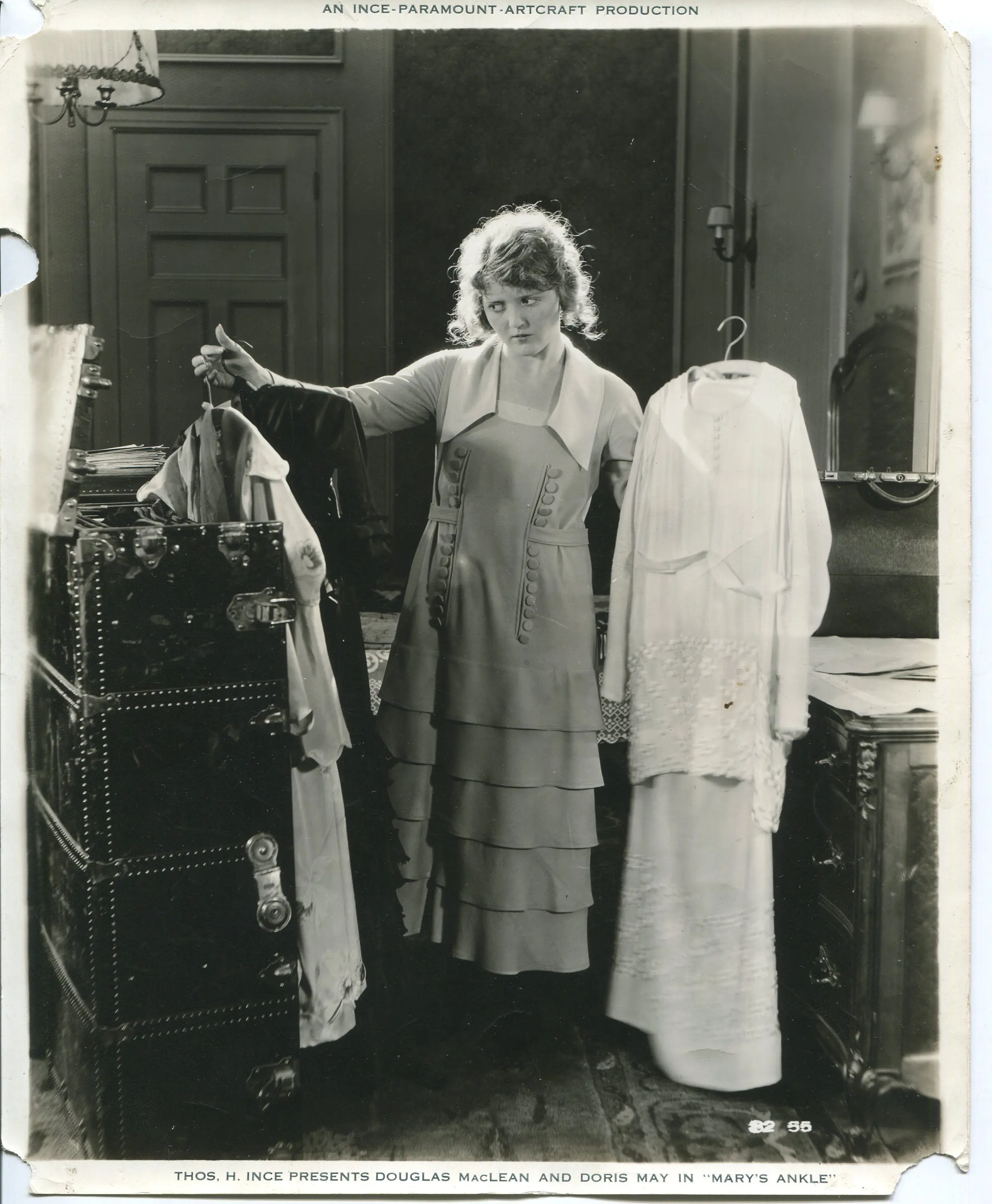
Dir: Lloyd Ingraham
While walking along the street one day, Arthur P. Hampton, an impoverished young doctor, and his chums, Stub Masters and Johnny Stokes, are persuaded to part with their last remaining funds by tag day solicitor Mary Jane Smith, with whom the doctor promptly falls in love. Doc's friends then hit upon a get-rich-quick scheme. Knowing that his Uncle George has promised a large sum of money upon his nephew's marriage, they persuade Doc to send out fake wedding invitations naming Mary Jane as the blushing bride. Uncle George, elated at the good news, writes to Mary Jane's aunt, Angelica Burns, an old sweetheart, to invite Mary Jane and Angelica to be his guests on an ocean voyage. Meanwhile, Mary Jane pays a visit to the doctor's office and, upon seeing the wedding invitations, becomes so flustered that she trips and sprains her ankle. Doc comes to her rescue and then begs her to pose as his wife. She agrees, but at ship-side, Stub and Johnnie confess all to Uncle George, who flies into a rage until Doc announces that he and Mary Jane have chosen a wedding at sea.
View Details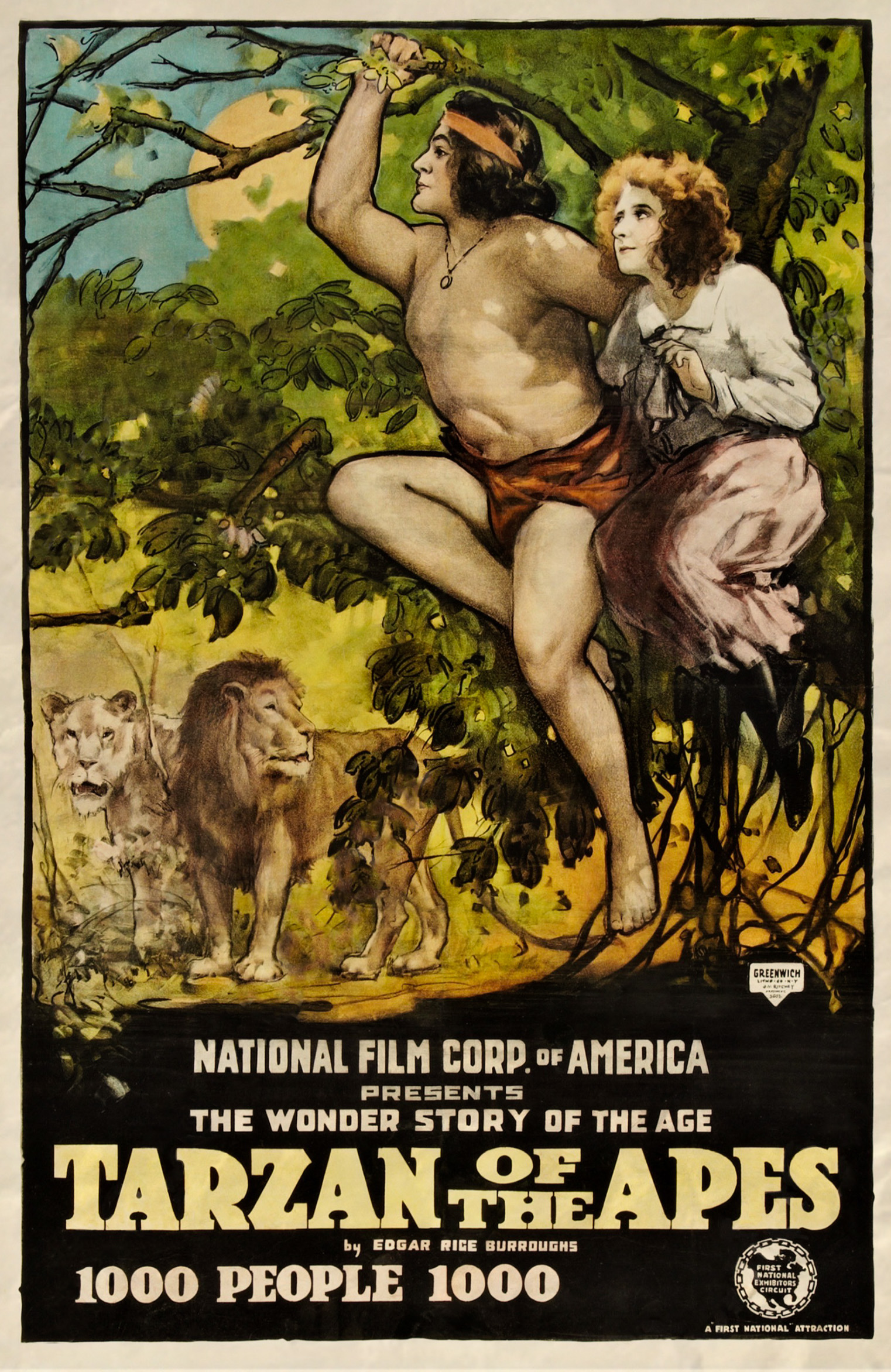
Dir: Scott Sidney
Reared by a childless ape, the orphaned heir of the Greystokes becomes one of the apes. Then Dr Porter organises a rescue expedition, and his beautiful daughter Jane catches his attention. Has Tarzan of the Apes found the perfect mate?
View Details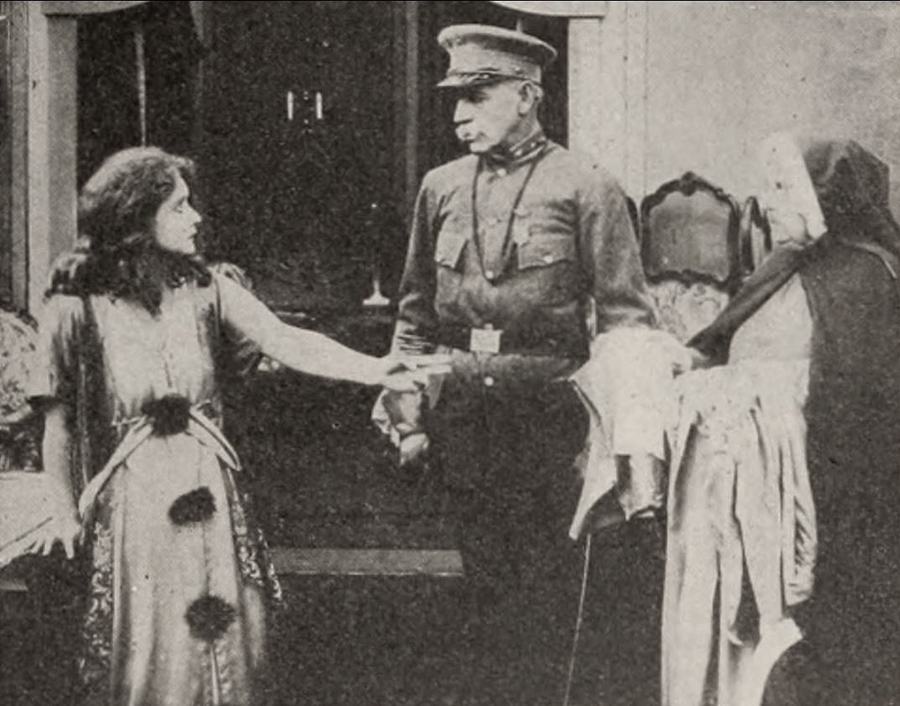
Dir: Scott Sidney
Countess Olga and Prince Carl, although from two European countries that have been longtime enemies, are madly in love with each other. Olga's brother, Count Michael, convinces Olga to get Carl to come to their country, planning to imprison him. His plan succeeds, but it has unintended consequences.
View Details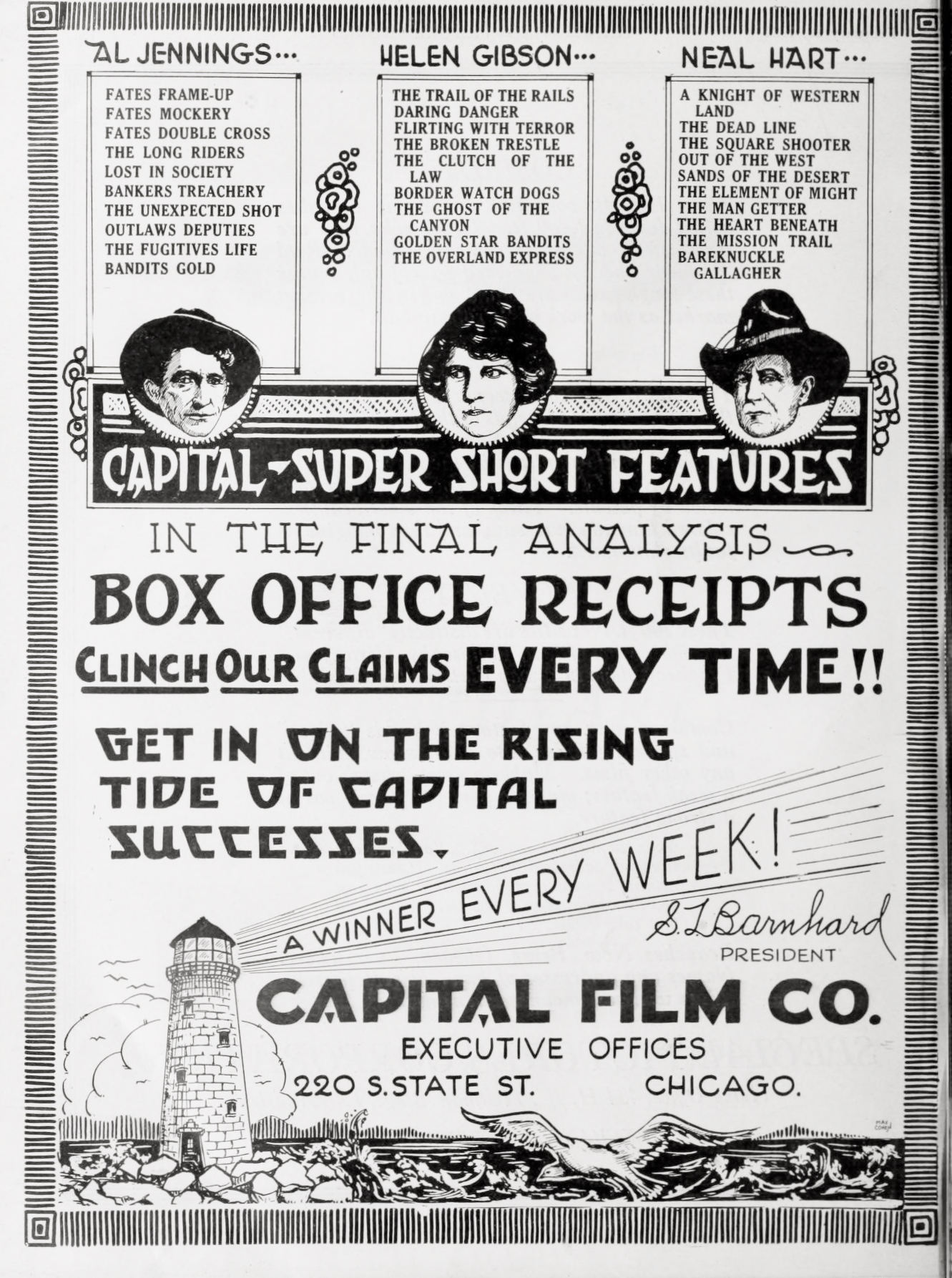
Dir: Unknown Director
A fascinating piece of cinema that shares thematic elements.
View Details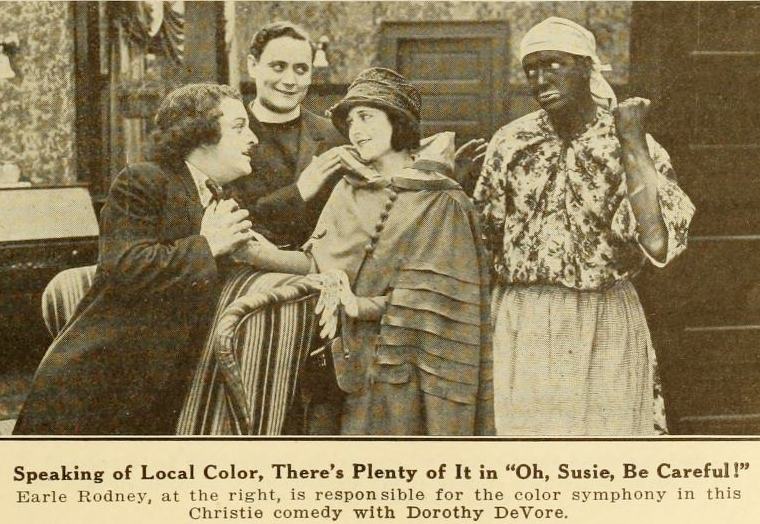
Dir: Scott Sidney
Dorothy is a girl who romantically fell in love with a long haired professor with whom she eloped. "The other fellow" is played by Earle, whose black face make-up at a critical situation almost loses him the girl of his choice.
View Details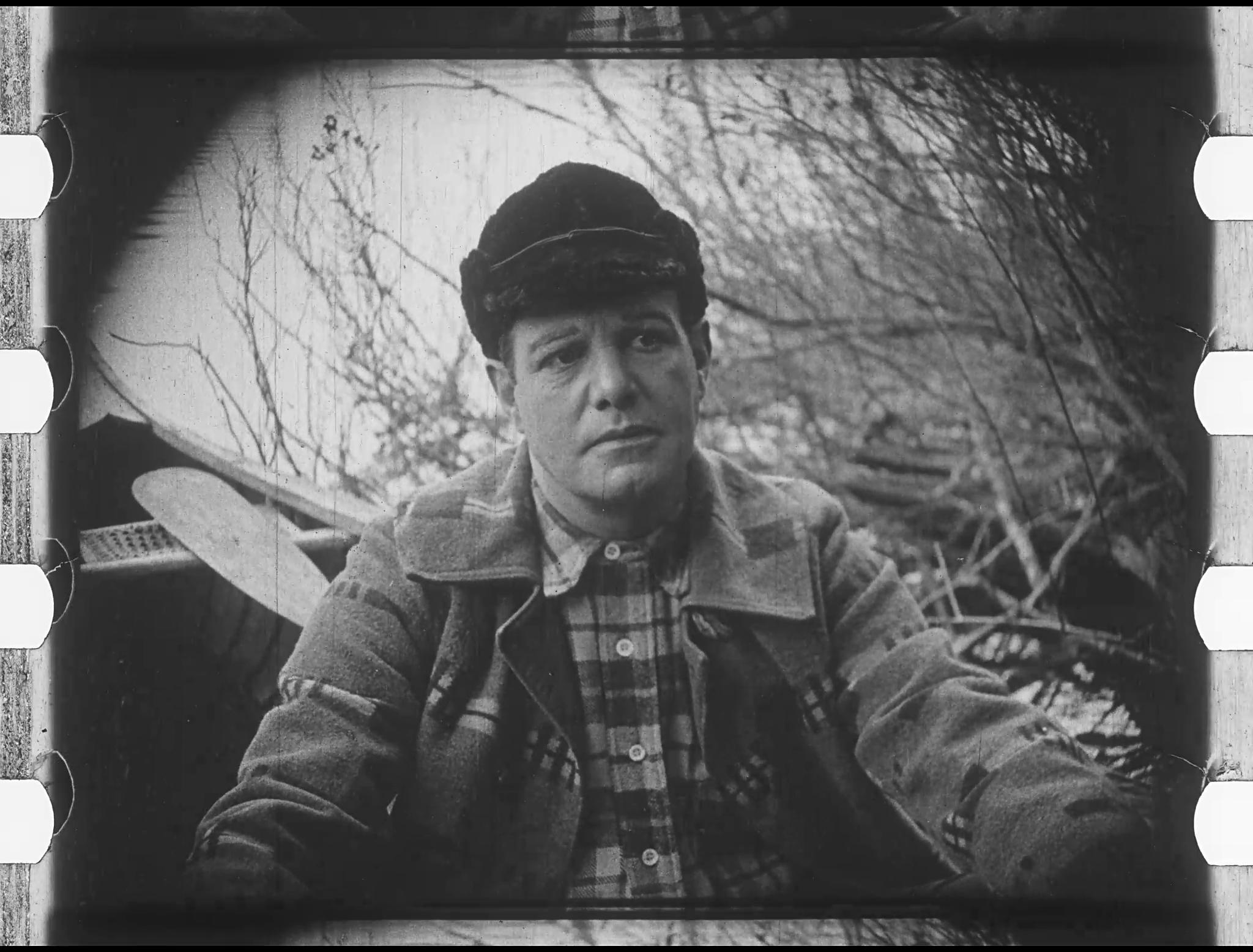
Dir: Edgar Jones
A mail-order bride arrives at a Maine lumber camp but doesn't like her prospective husband.
View DetailsAnalysis relative to No Parking
| Film Title | Atmosphere | Complexity | Similarity |
|---|---|---|---|
| 'A mala nova | Surreal | Layered | 92% Match |
| The Amazing Quest of Mr. Ernest Bliss | Gritty | Linear | 86% Match |
| A Fitting Gift | Surreal | Layered | 96% Match |
| Her Own People | Gritty | Linear | 88% Match |
| Mary's Ankle | Surreal | High | 86% Match |
This guide was algorithmically generated using the cinematic metadata of Scott Sidney's archive. Last updated: 6/24/2026.
Back to No Parking Details →