DbcultAccessing Vault...
Recommendations
Senior Film Conservator
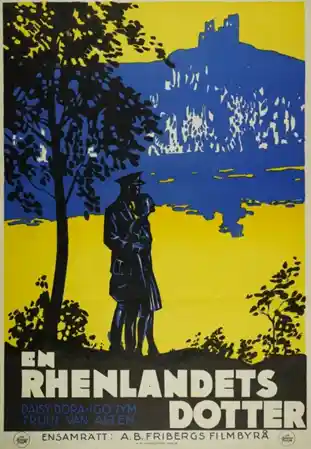
Looking back at the 1930 milestone that is Nur am Rhein ..., the cinematic shorthand used by Max Mack is both ancient and revolutionary. Dive into this collection and find the spiritual successors to Max Mack's vision.
As Max Mack's most celebrated work, it defines to articulate the unspoken anxieties of Germany's 1930 era.
Nur am Rhein ... was a significant production in Germany, showcasing the immense talent of Daisy D'Ora, Elly Jung, Truus Van Aalten. It continues to be a top recommendation for anyone studying Comedy history.
Based on the unique artistic bravery of Nur am Rhein ..., our vault has identified these titles as the most compelling follow-up experiences for fans of Comedy cinema:
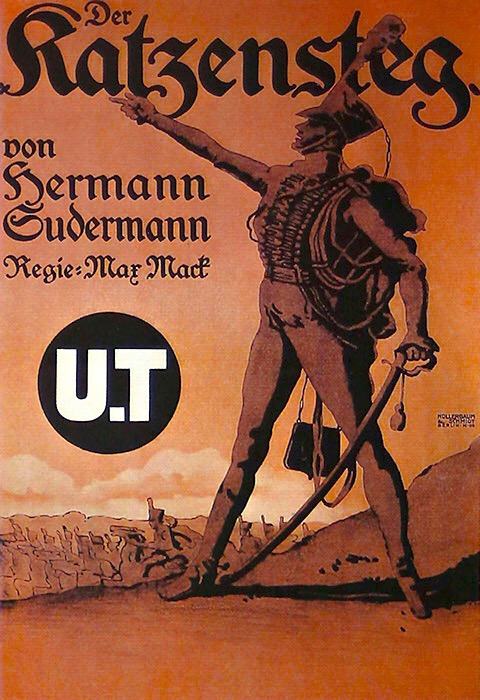
Dir: Max Mack
A fascinating piece of cinema that shares thematic elements.
View Details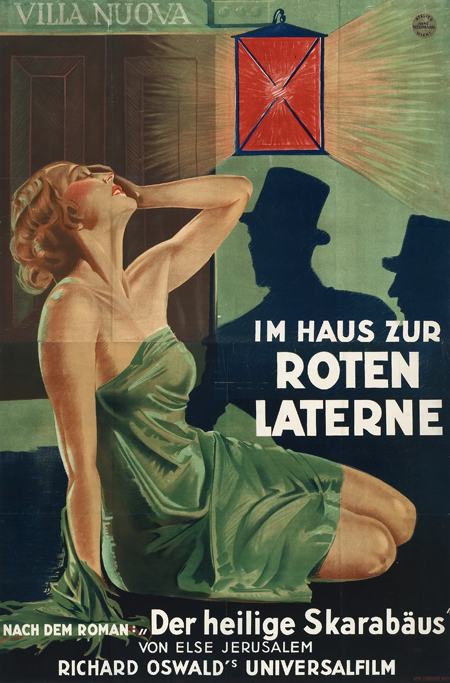
Dir: Max Mack
A fascinating piece of cinema that shares thematic elements.
View Details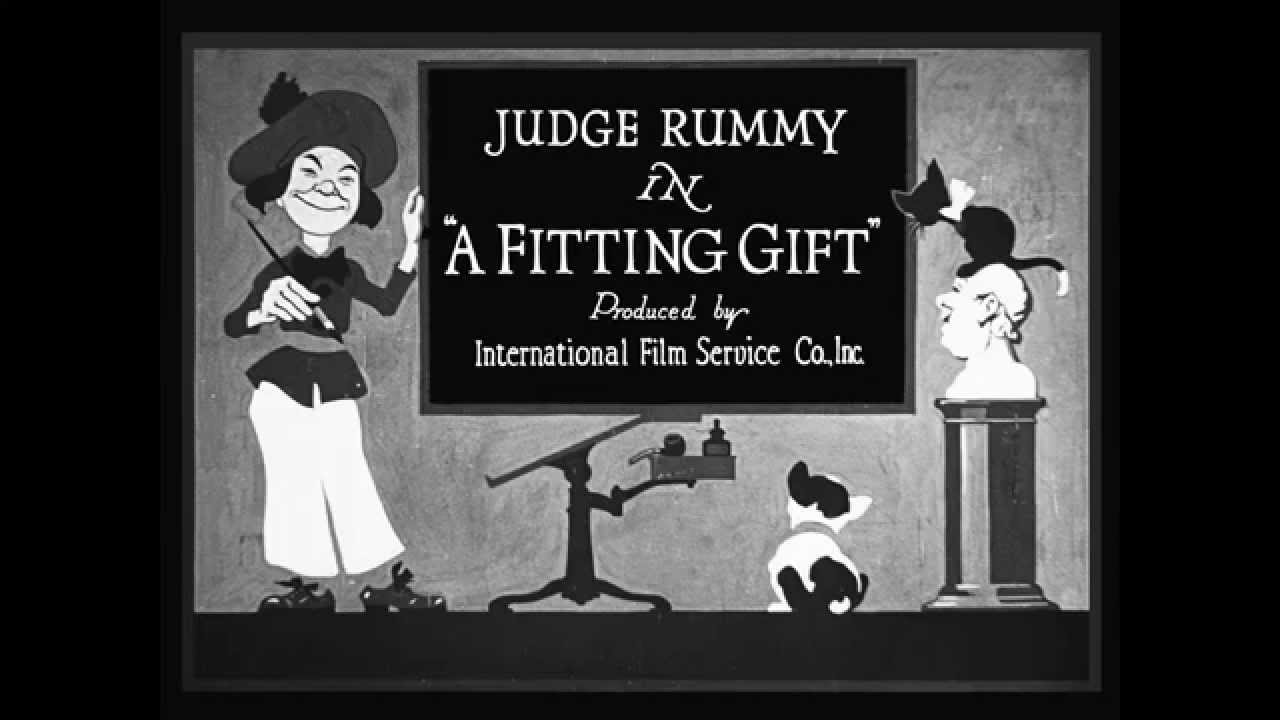
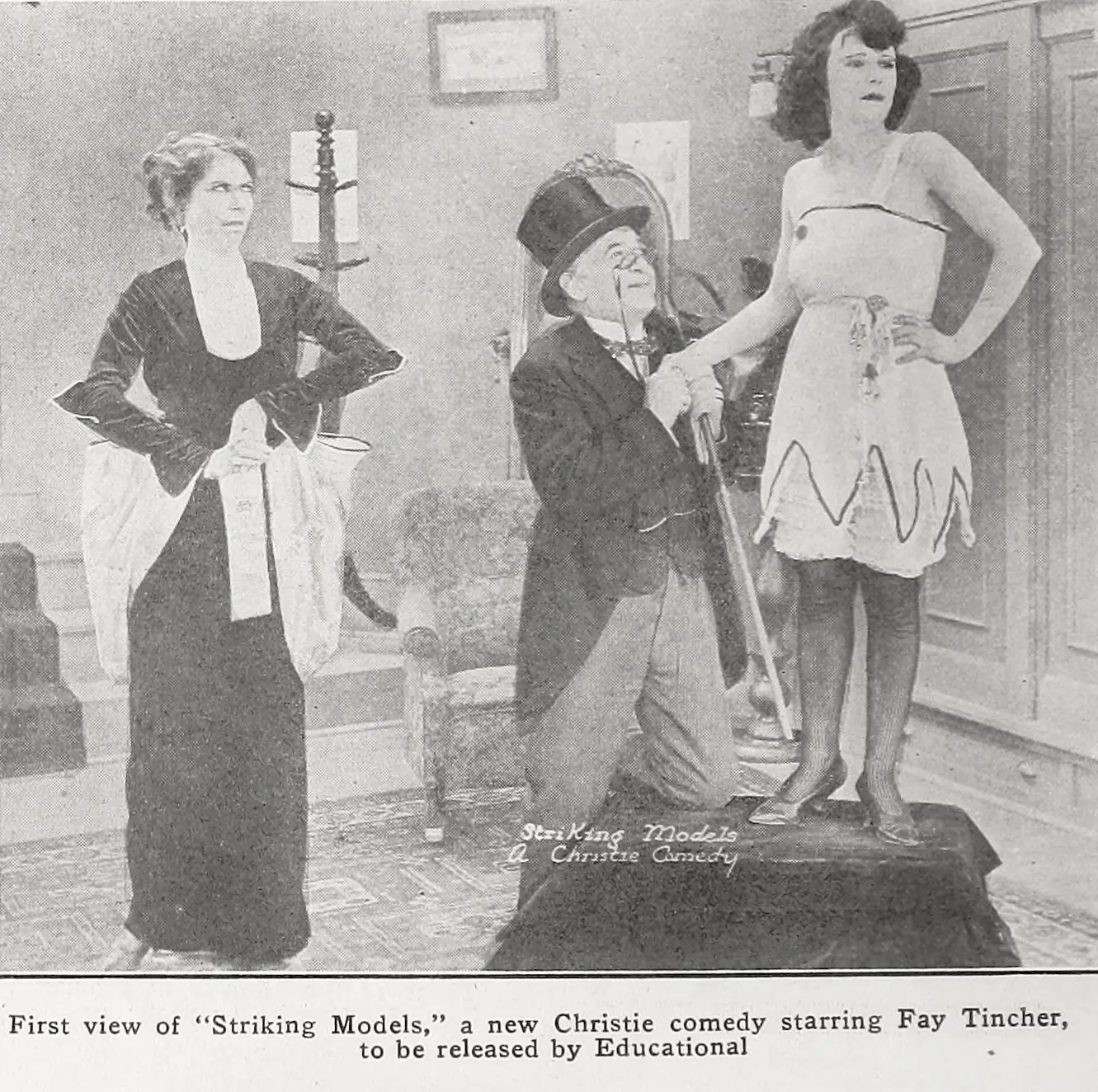
Dir: Unknown Director
The Judge needs a present for his wife's birthday, so Harry suggests a new corset. They go to the shop, but he's so embarrassed to ask the saleslady he hides in a phone booth.Harry goes in, but finds a GUY wearing one, and runs out.They both dress as women to get back in, but Mrs. Rummy gets there and chases him out.
View Details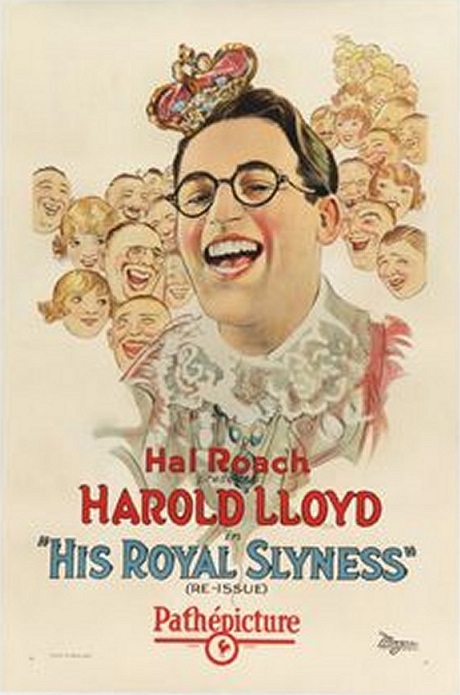
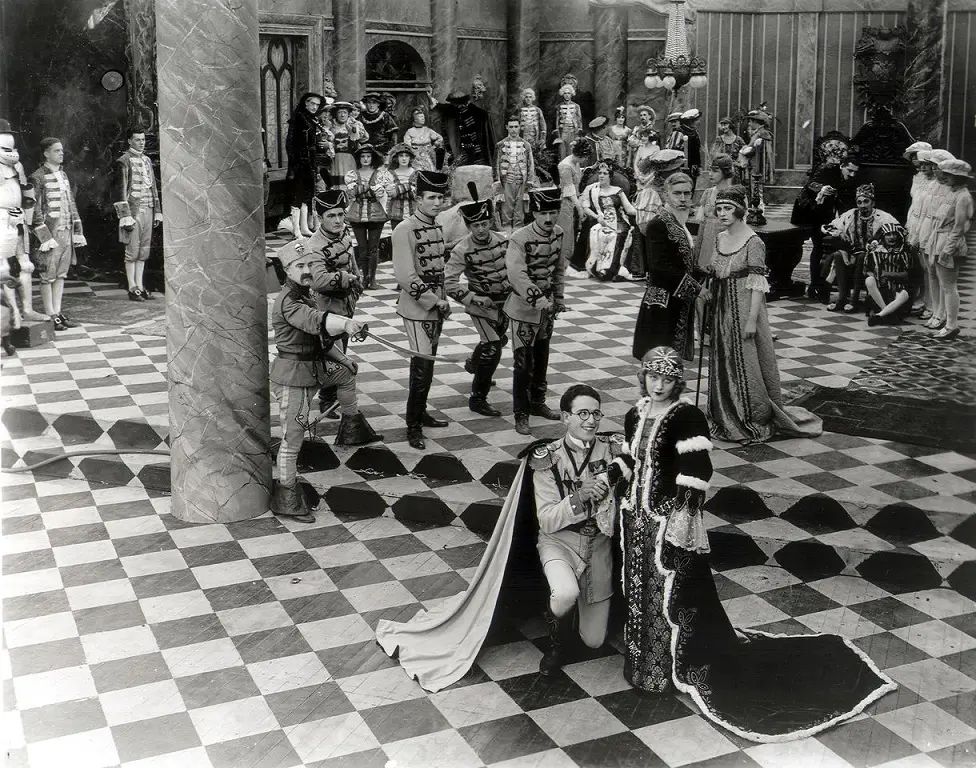
Dir: Hal Roach
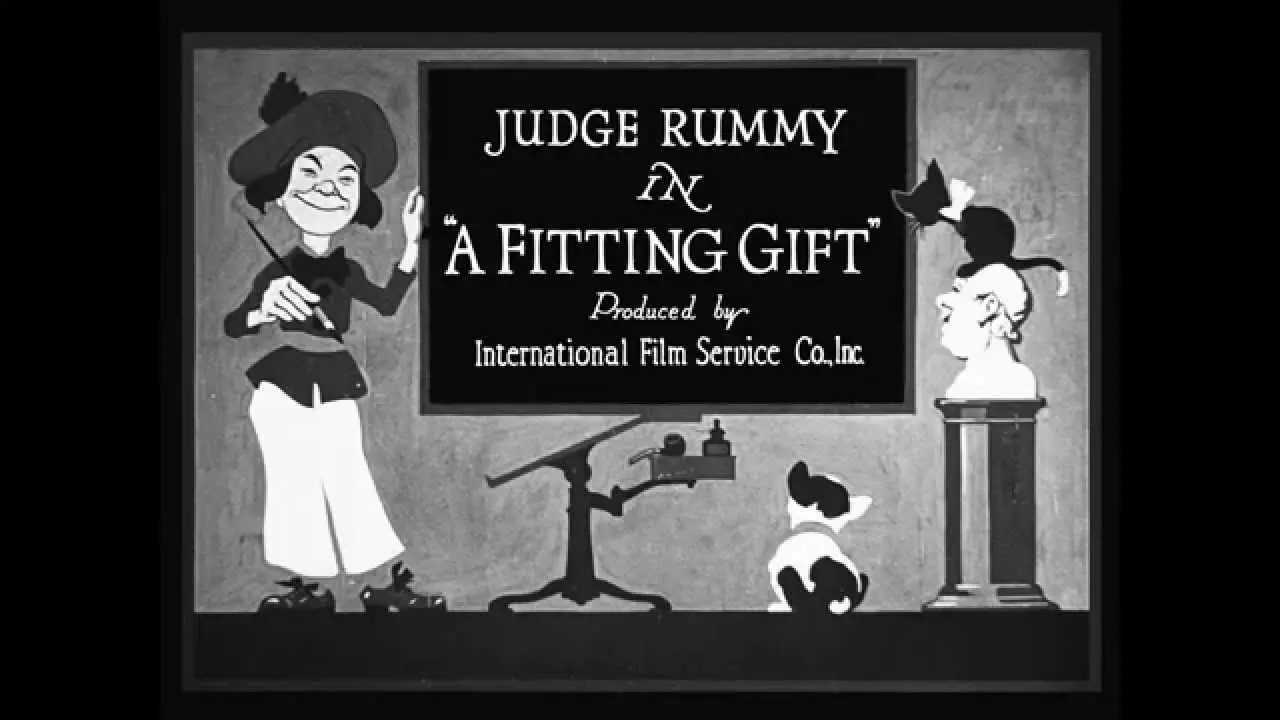
An American book salesman (Lloyd) is persuaded to go to the kingdom of Thermosa to impersonate the Prince. He is greeted by a peasants' revolt before the real prince shows up to claim his throne and princess. The revolution succeeds, and the American is elected president of the new republic.
View Details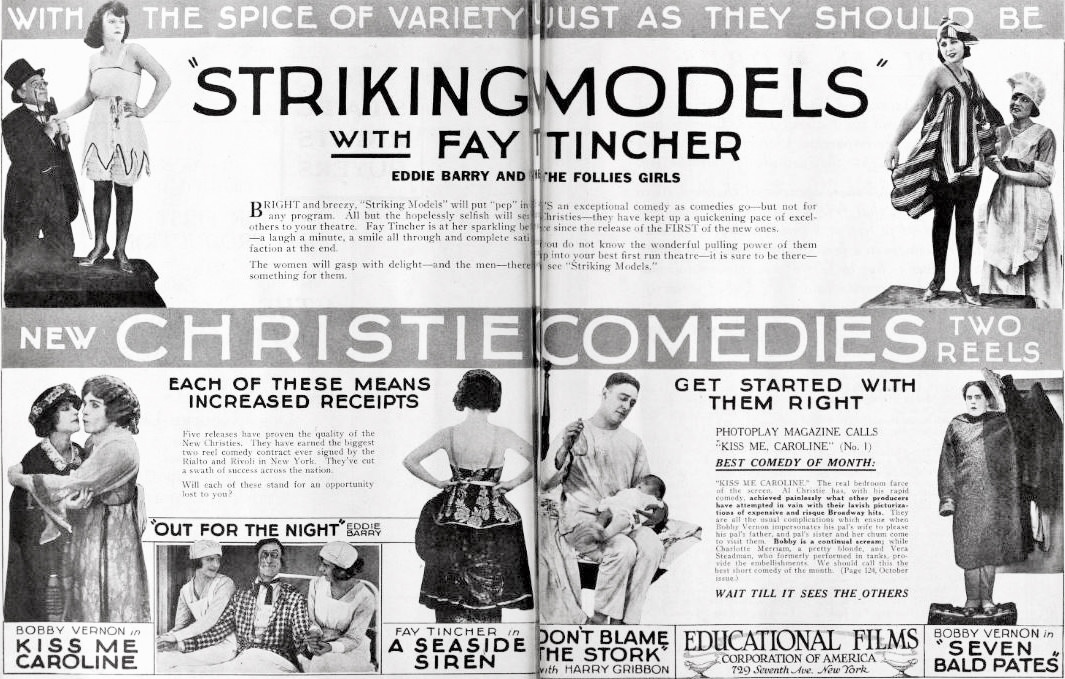
Dir: Reggie Morris
A fascinating piece of cinema that shares thematic elements.
View Details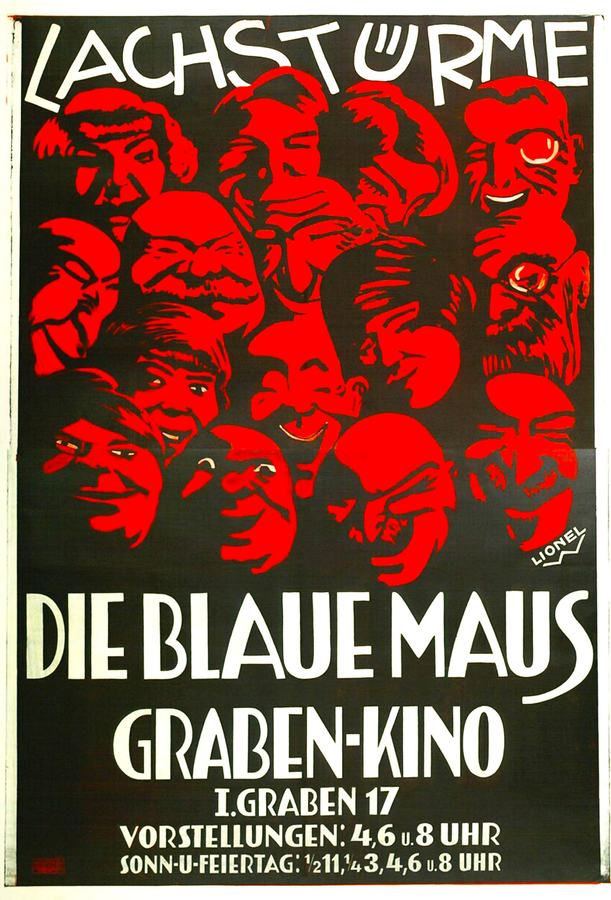
Dir: Max Mack
Teddie Barker, an employee of the Searchlight Insurance Company, falls in love with Clara Brummer. Her father does not, at first, acquiesce to the engagement, but after persuasion agrees and attends the marriage of his daughter, and promises a dowry of £5,000 when the young man attains the position of branch manager in his company. Mr. Bock, the director of the insurance company, has a weakness for granting concessions to his employees who have fascinating wives. Bumble, as general factotum, is well aware of this, and when Teddie calls for an interview, he advises him as to the necessary ways and means, and shows the methods of his colleague, John Bains, for advancement. Teddie has a most unsatisfactory interview with the director, and Bumble then advises him that if his wife is prettier than Mr. John Bains', and he will bring her along, his appointment is certain. Teddie is very downhearted, but eventually he is smitten with a brilliant idea. He will persuade one of the habitués of a famous dancing hall to impersonate his wife. Miss Dolly Frivoluse, known to her many admirers as "The Blue Mouse," readily agrees to his proposition, and for a payment of £200 consents to appear as his wife, until she can influence Mr. Bock to promote Teddie to a position as manager. Teddie introduces "The Blue Mouse" as his wife to Mr. Bock outside their offices, and the director is quickly captivated. He insists on driving them to No. 14 Park Street, the home of "The Blue Mouse." The following morning the presence of Mr. Barker is requested by the director, and he is promoted to a higher post, but not yet a branch manager, and occupies the office adjoining his chief. Teddie is in high spirits, and writes to "The Blue Mouse" asking her to come to his office that evening and to bring her photograph. Mr. Bock appears on the scene when the pseudo wife arrives, and he is more than ever enamored with the lady. The wife of another of his clerks sees the frivolity between Mr. Bock and "The Blue Mouse," and follows the lady home and finds out who she is, and promptly writes an anonymous letter to Mrs. Bock, which causes the director's domestic happiness to be disturbed. Teddie and "The Blue Mouse" now arrange that they will endeavor to bring matters to a climax, and a letter is written by Dolly to his director asking that her husband may be sent away, and suggests that she should like to have dinner with him. Teddie is ordered to a northern bank, and Mrs. Bock is advised that her husband will not be home until late. Mrs. Barker's father, Mr. Brummer, is anxious for his son-in-law's success, and calls at his office, interviews the director, and informs him he has just left his daughter's house at 30 Linden Street. Mr. Bock having recently driven to No. 14 Park Street with Teddie and his wife ("The Blue Mouse") a dispute arises as to Mr. Barker's address. The real Mrs. Barker appears opportunely at the office and appeases the excitement of Mr. Brummer, but she is believed to be "The Blue Mouse" by Mr. Bock. Mr. Barker returns and is upbraided by Mr. Bock for his infidelity to his wife. Complications are now approaching a crisis. The plot moves to the residence of "The Blue Mouse." Mr. Brummer arrives at her house to clear the doubts in his mind as to his son-in-law's address and is satisfied that there must be two "Teddie Barkers." Mr. Bock now appears and is cajoled by Dolly into signing a letter appointing Mr. Teddie Barker a branch manager, and thus fulfills her part of the contract. "The Blue Mouse" is in debt and a sale of her furniture takes place, which is surely on novel lines. A band and light refreshments to entice prospective buyers and some amusing scenes are enacted when Mrs. Barker and Mrs. Bock attend the sale while their husbands are endeavoring to hide from them in the house.
View Details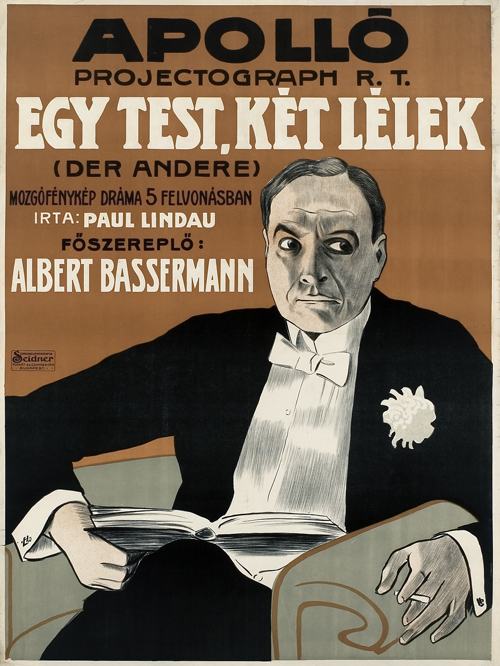
Dir: Max Mack
A man has an accident while out riding his horse one day. He soon discovers that he now has a split personality, and that his alternate is helping a criminal to rob his house.
View Details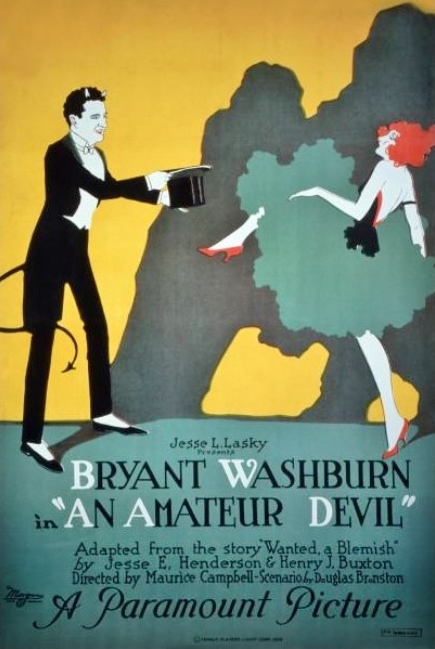
Dir: Maurice Campbell
Carver Endicott, a young sophisticate, is rejected by his fiancée for being too foppish and dull. When she feigns an interest in his father, Carver attempts to disgrace his family name by working as a farmhand and later as a busboy in a hotel. However, the newspapers only praise him for his self-sacrificing principles; and finding that he cannot bring shame to the family through menial labor, he takes up with a notorious actress. But when this maneuver also fails, he returns to his former fiancée, who has no further complaint about his being an inexperienced dullard.
View Details
Analysis relative to Nur am Rhein ...
| Film Title | Atmosphere | Complexity | Similarity |
|---|---|---|---|
| Der Katzensteg | Surreal | Layered | 88% Match |
| Der grüne Skarabäus | Surreal | Linear | 87% Match |
| A Fitting Gift | Surreal | Layered | 96% Match |
| His Royal Slyness | Gothic | Layered | 92% Match |
| Striking Models | Tense | High | 96% Match |
This guide was algorithmically generated using the cinematic metadata of Max Mack's archive. Last updated: 8/17/2026.
Back to Nur am Rhein ... Details →