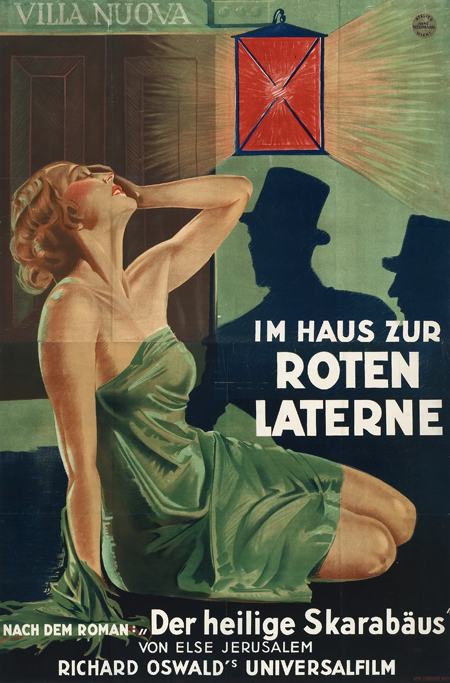
Berlin before the Somme was already a city whose veins pulsed with coal-smoke and aphrodisiac dread; Der grüne Skarabäus distills that perfume into a single, trembling droplet. Set designers Max Knaake and Franz Jaffe eschew cardboard Egypt for a hallucinated Mittel-Europa: gaslight picks out hieroglyphs carved not on...
Comparing the cinematic DNA and archive impact of two defining moments in cult history.
Max Mack
Max Mack
Community
Log in to comment.
" Berlin before the Somme was already a city whose veins pulsed with coal-smoke and aphrodisiac dread; Der grüne Skarabäus distills that perfume into a single, trembling droplet. Set designers Max Knaake and Franz Jaffe eschew cardboard Egypt for a hallucinated Mittel-Europa: gaslight picks out hieroglyphs carved not on stucco obelisks but on the cast-iron facades of Wertheim’s department store. The result is an Expressionist Berlin that never existed yet feels truer than any newsreel. A jewel t..."
Deep dive into the cult classic
Discover similar cinematic experiences
A Directorial Spotlight on Max Mack