
DbcultAccessing Vault...
Recommendations
Senior Film Conservator
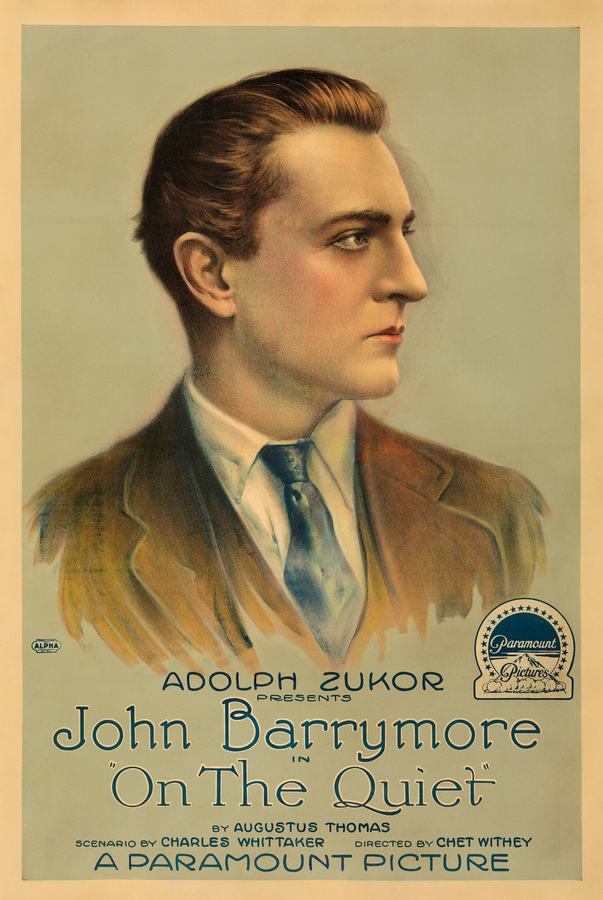
The evocative power of On the Quiet (1918) continues to haunt audiences with its cinematic excellence, its status as a United States icon makes it a perfect starting point for discovery. The following gems are essential viewing for anyone captivated by On the Quiet.
The visceral impact of On the Quiet (1918) stems from to serve as a cornerstone for cult enthusiasts worldwide.
A young couple gets married in secret because her family objects to the match. To escape the family, the couple goes into hiding.
Critics widely regard On the Quiet as a critically acclaimed piece of cult cinema. Its cinematic excellence is frequently cited as its strongest asset, solidifying its place in United States's film legacy.
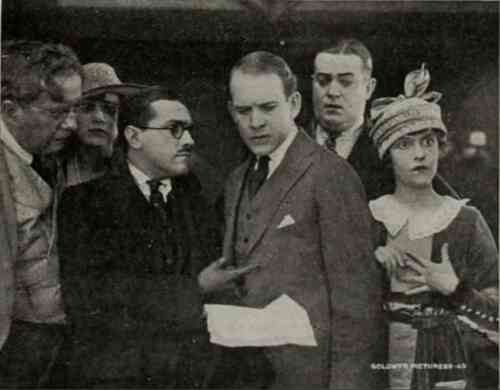
Based on the unique cinematic excellence of On the Quiet, our vault has identified these titles as the most compelling follow-up experiences for fans of cult cinema:
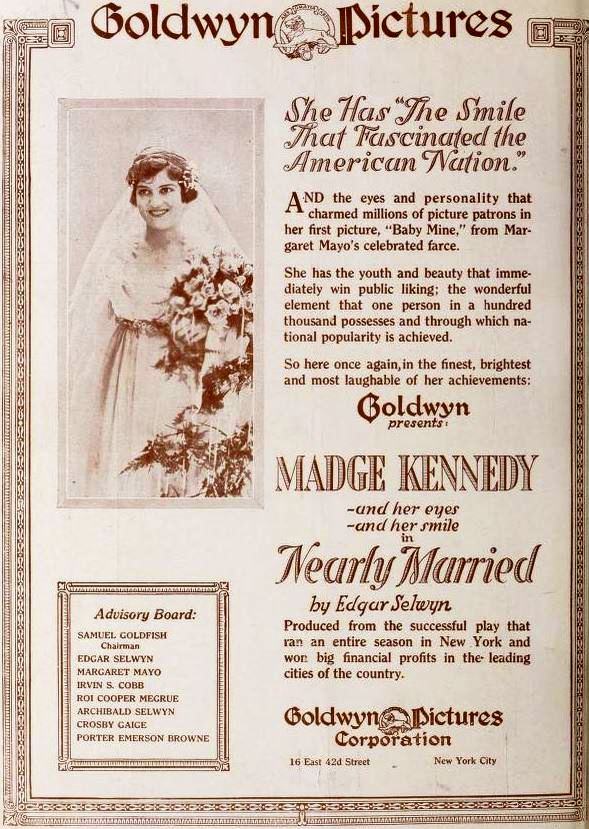
Dir: Chester Withey
Betty Griffon delays her wedding to Harry Lindsey, because her brother Dick is late for the ceremony. Upon learning that her dear brother has been injured in an accident, Betty refuses to leave on her honeymoon until he has recovered. When Harry objects, Betty proclaims that he is insensitive and demands a divorce. To oblige his wife, Harry hires his friend Tom Robinson to testify as corespondent in a divorce case, and a separation is granted. Betty and Harry realize that they really love each other too late and decide to remarry, but are prevented from doing so by the divorce papers which forbids Harry from marrying again. They finally decide to circumvent the New York law by becoming really married in New Jersey, and all ends happily.
View Details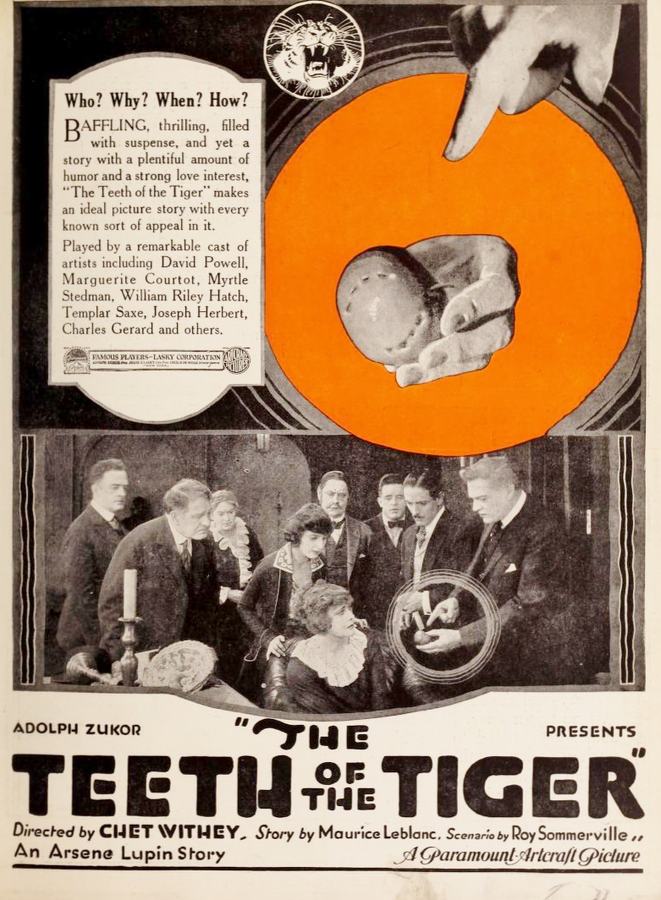
Dir: Chester Withey
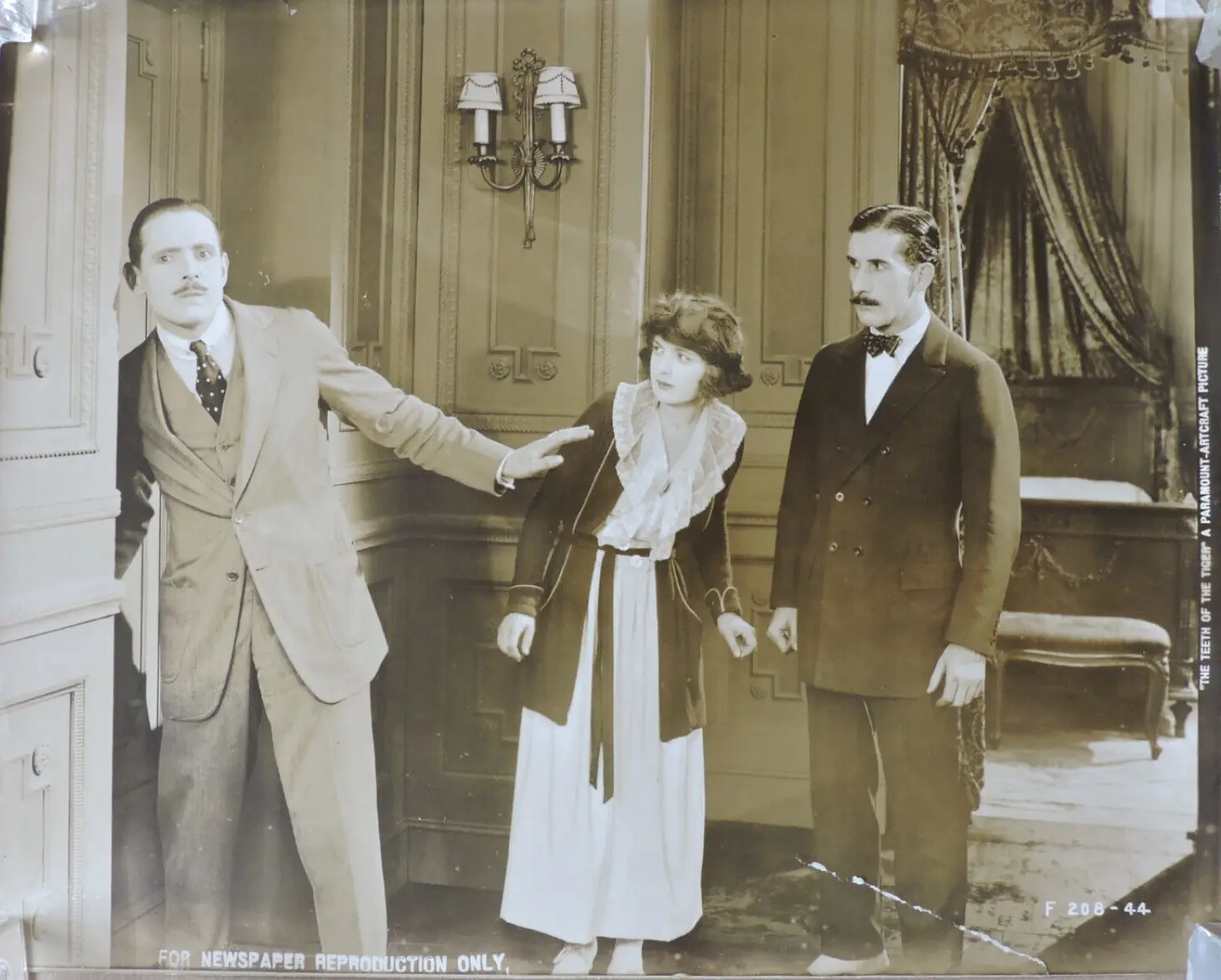
Living quietly under the assumed name Paul Sernine, reformed gentleman crook Arsene Lupin is summoned to protect his invalid, wealthy friend Henry Forbes. Despite the watchfulness of Paul and Alexandre Mazeroux, a fellow criminal turned detective, Forbes is murdered. French detective Jabot and the New York detective force have many suspects including Paul, Marie Forbes, the dead man's widow who is suspected on the basis of an apple found with an imprint of her teeth on it, Gordon Savage, her lover, and Florence Chandler, Forbes' secretary and beneficiary under his will. After a series of traps, false arrests, chases through secret passageways, and an escape from handcuffs, Paul deduces that the true criminal is Doctor Varney, who cared for Forbes. Paul prevents Varney from blowing up the house, and at the same time wins the affections of Florence.
View Details
Dir: Chester Withey
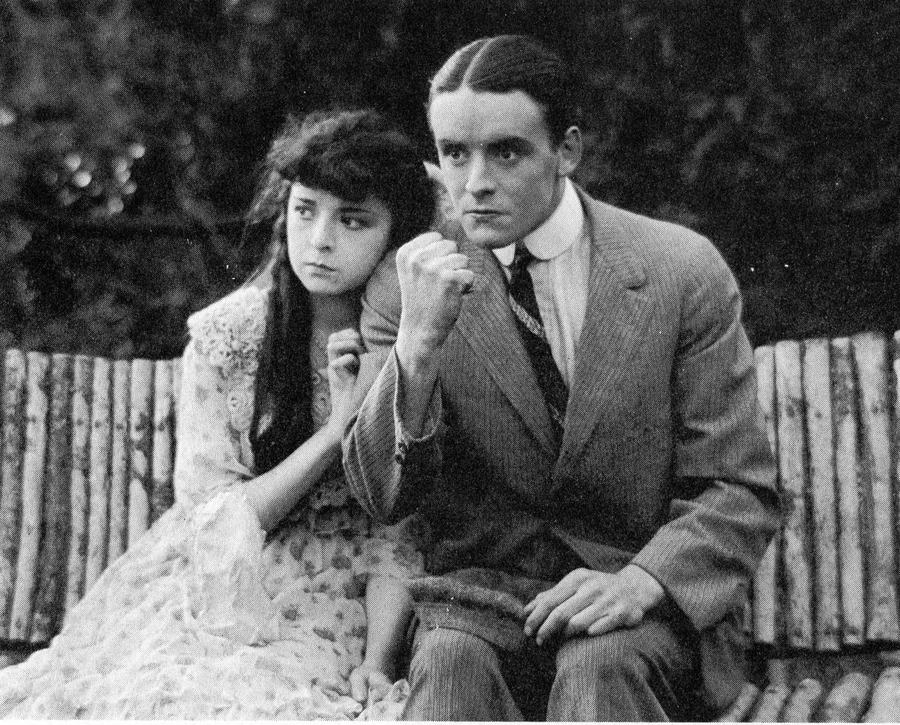
Jim is the leader of the "Slouchy Seven," a gang of small town boys. He takes the gang for a swim in the reservoir, and is reported to his father, who, as a punishment, locks him in his room. Jim, however, escapes and goes to the assistance of Clarence, a "nice" boy, who is vainly trying to secure an apple for his sweetheart, Mary. Mary is won by the prowess of Jim, but he is indifferent to girls. Clarence and Mary go for a walk and Tom, the blacksmith's boy, pushes Clarence aside and takes his place beside Mary. Jim goes to find the gang at the railroad station he meets a girl, who asks him the direction to Mr. Morton's, who, she says, is her uncle. Jim offers to take her bags and show her the house. The boys see him and have fun at his expense. He leaves the girl, whose name is Ruth, at the gate and goes to meet the gang. They have lost a member who moved away, and initiate Clarence, who proves to be a good sport. Unaware of the interest he has aroused in Mary's heart, Jim fights Tom, when he again interferes with Clarence and Mary, and is accused by Ruth of being "stuck" on Mary. This he stoutly denies. He calls on Ruth and her uncle tells her to dismiss him, that he is a bad boy. Jim then joins the gang in a prank on the schoolmaster, and as a punishment his father orders him to chop a pile of wood. Jim is rebellious and, taking his dog, leaves the house. He meets Mary and tells her he is going to the city. His dog deserts him and he falls in with a band of tramps. His mother places an ad in a local paper asking him to come home and Mary takes care of his dog. Later he comes back and is induced by the tramps to assist in robbing the bank, of which his father is vice-president. He dresses up and goes to secure the combination. Mary is impressed by his prosperous appearance, and when he hears his mother talking he almost gives up the idea of aiding the tramps, but his father's gruff remarks determine him to keep on. On going back to the tramps he sees his mother's ad in an old newspaper and refuses to help the hobos, but they take the paper with the combination away from him and bind him in a freight car. He escapes and hurries back to the town and tells the gang. They go to the bank, but are not in time to prevent the robbery, and the tramps escape with the loot. The loss ruins the bank, and although Jim is hailed as a hero his conscience troubles him. Finally he tells his father and is forgiven. The money is discovered in a woodpile, and the next day Jim carries Mary's books to school.
View Details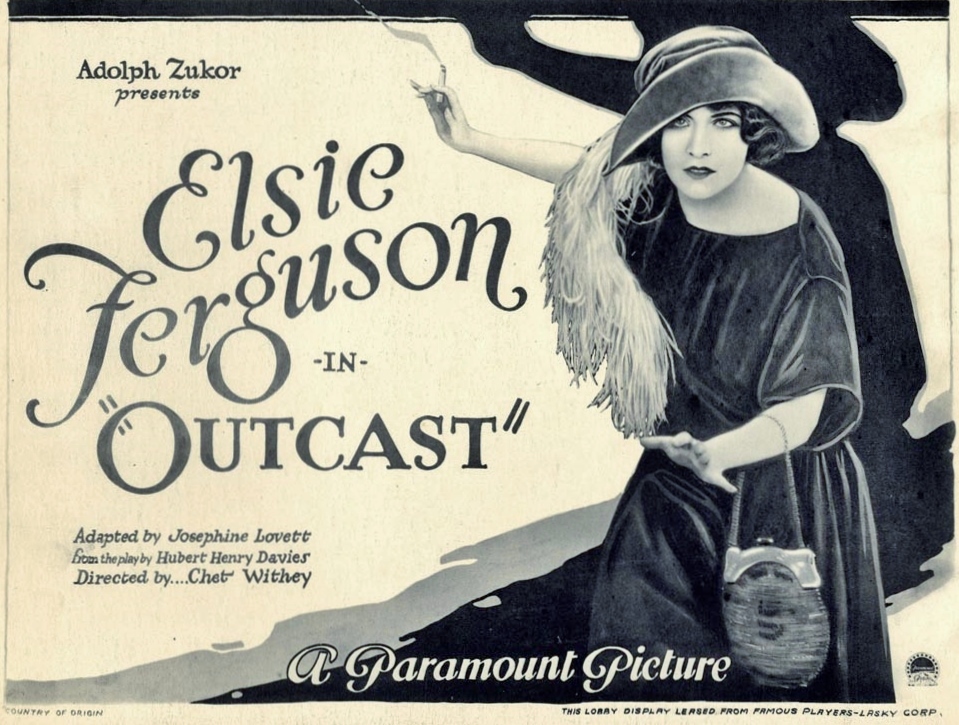
Dir: Chester Withey
A down-on-her luck streetwalker is ultimately redeemed by the love of a decent man.
View Details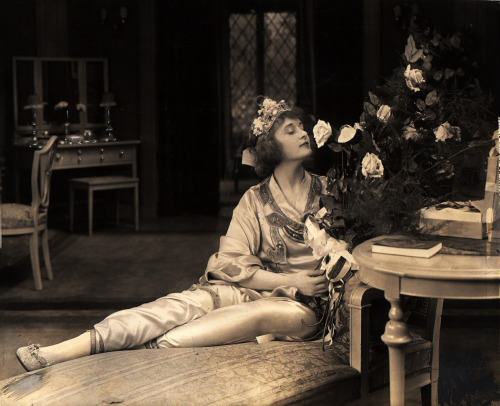
Dir: Chester Withey
Polly, a young woman on the run from three unwanted suitors, checks into a hotel using an assumed name. This subterfuge leads a Secret Service agent to mistake her for a German spy, which in turn leads her to become unwittingly involved with real German spies.
View Details
Dir: Chester Withey
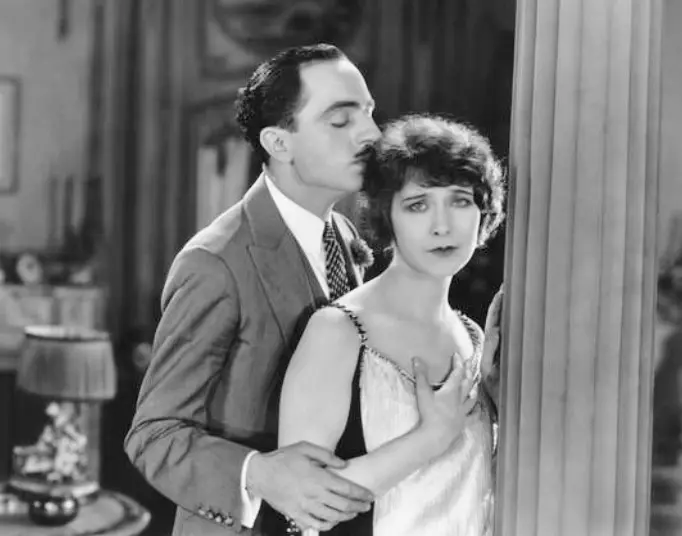
Wynne Mortimer, a pampered society girl and daughter of William Mortimer, a prominent business man, chances to meet David White, a young artist whose fame is already assured, at an art exhibit. Despite the fact that she is engaged to marry Hugh Gordon, the junior partner of her father, she falls in love with the artist. He invites the girl and her father to visit his studio and the invitation is accepted. Renee, a model, has been in love with David White for years and he has seemingly reciprocated her love. When Wynne Mortimer appears on the scene, however, he forgets all thoughts of love for Renee. The model is quick to realize the change in her lover. Secretly, she has been a user of cocaine. To forget the heartache the growing attachment between her lover and Wynne causes her, she turns to the cocaine. Wynne, led on by her interest in the artist and his insistence that she is the only one who can justly typify the spirit of a new picture at which he is at work, goes to the studio and poses for him. Hugh Gordon follows her and after a violent scene with the painter takes Wynne to her father, who upbraids her and forbids her to again see the painter. David is dejected at the loss of Wynne and finally takes to using cocaine. Before he has become a complete victim to the habit, however, Wynne dares her father's vengeance and returns to the studio. She and David finally run away and are married. In his anger Wynne's father turns her from home. David rapidly becomes an habitual user of cocaine and Wynne is forced to return to her home. Renee, heartbroken at the evil she has done by really being responsible for the drug habit acquired by David, tries to reform him. It is not until David hears his wife, however, declare that she will stick to him as long as he has need of someone to look after him, and he finally manages to throw off the habit he has acquired. He is determined to free his wife of whatever obligation she may feel binds her to him. Her loyalty to her husband leads Wynne to seek him. Her search takes her into an evil part of the city and she is attacked by a thug. David, who has returned to the city, however, learns that his wife is seeking him and goes to find her. He arrives just in time to rescue her from the den into which she has been carried. When husband and wife are reunited after the horrors through which they have passed the year past, they find that their love has grown stronger and eventually they find happiness.
View Details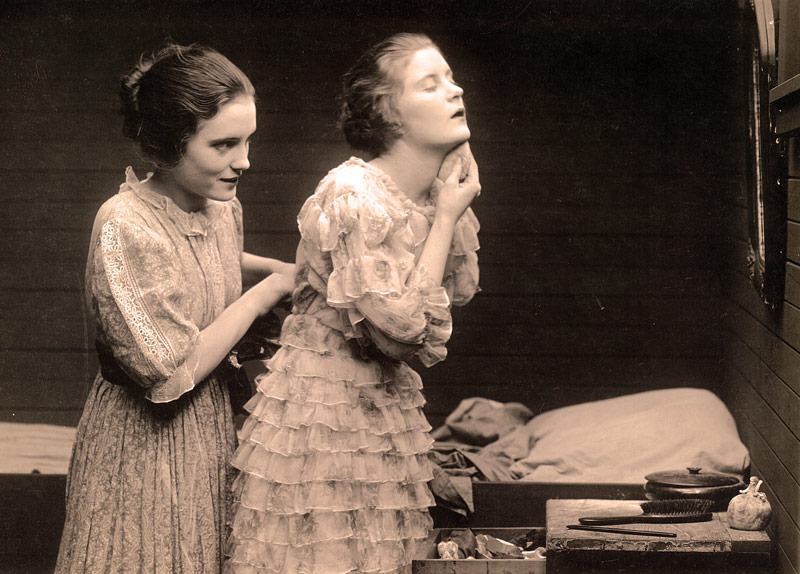
Dir: Chester Withey
Carmen Wagner is an orphan, the daughter of a musician whose career was ruined by the nagging of her stepmother. Her grandfather, also a violinist, hates all women because of his son's ruined career. He tries to save his granddaughter, whom he adores, from the stepmother. He also makes his granddaughter a woman hater and brings her up disguised as a boy. While in this garb she meets Edward Holmes, a law clerk, and the two become friends. The stepmother, catching the grandfather giving Carmen music lessons, drives him from the house. Carmen runs away, joins him, and they become vagabond musicians. They take passage on a ship, and Edward is consulted by the stepmother and delegated to find them. He takes passage on the same ship, identifies an innocent Italian musician and his daughter, whom he arrests. For this false arrest Edward is discharged. And in this plight he meets Carmen and her grandfather, who live on a derelict vessel and who make a living by playing violin in the streets. While protecting Carmen from a drunken sailor Edward is badly hurt and is taken in and cared for in the old hulk. Carmen throws aside her boy's clothes, puts on feminine apparel, imitates the dock watchman's daughter and coquettes with Edward, who at last identifies her as the girl whom he was originally employed to seek. They are in love, but keep it secret from the woman-hating grandfather. Other detectives, employed by the stepmother this time, have located Carmen, and Edward is knocked out defending her, while the stepmother and Carmen take a steamer home. Edward follows in a fast motorboat with a friend, and Carmen jumps from the steamer and is rescued by Edward. The stepmother pursues in a pilot boat, but they finally make their escape to marriage and happiness.
View Details
Dir: Chester Withey
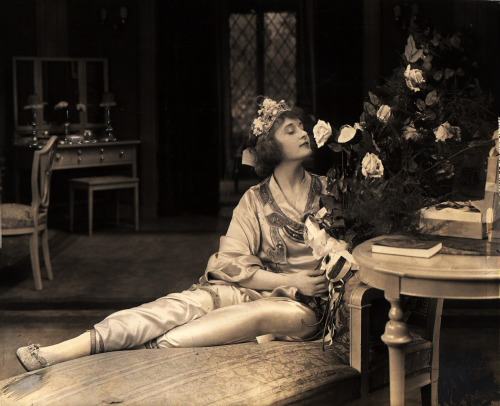
Adventures of King Richard when he travels with Queen Berangaria, the knights and ladies of his court, and his army of crusaders to Palestine to fight Sultan Saladin and the Saracen hordes for possession of the Holy Land.
View Details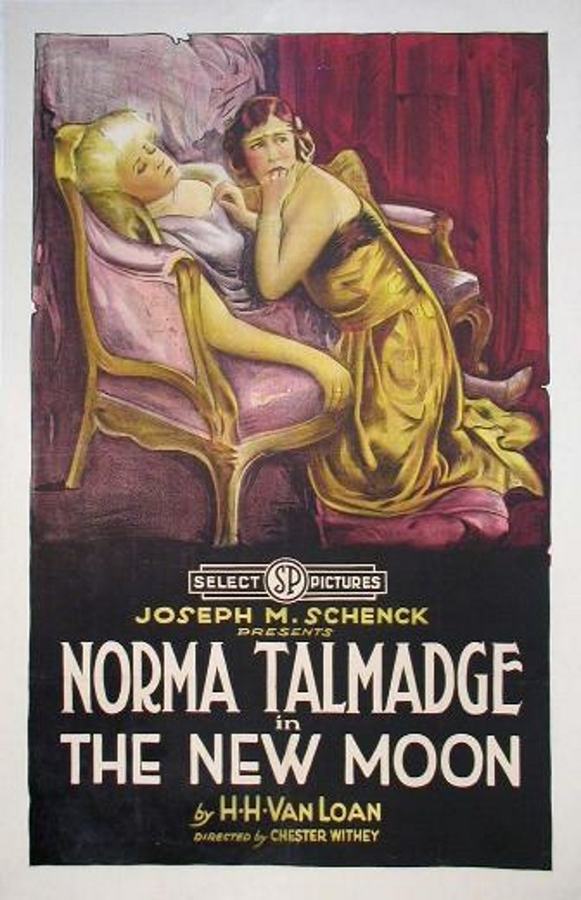
Dir: Chester Withey
When anarchist bombs disrupt the engagement ball of Princess Marie Pavlovna, her fiancé, Prince Michail Koloyar, helps her to escape in a carriage. Then Theo Kameneff, secretly in the pay of a foreign government, becomes dictator and, desiring the princess, issues an edict that all women between the ages of seventeen and thirty-two must register and become state property. Outraged, Marie, disguised as a shopkeeper, organizes women to refuse the order. After she is discovered by Orel Kosloff, Kameneff's henchman, Marie declines Kameneff's offer to repeal the edict if she will live with him. Kosloff then initiates mass brutality, killing women who do not register, including to Kameneff's dismay, his beloved sister, whom he tried to save. Meanwhile, Michail, who has infiltrated the Bolshevik ranks, is found out and narrowly escapes a firing squad. After he stops Kameneff's attack on Marie, Kameneff is shot by a potter, revenging his daughter's ravishment. Marie and Michail finally escape across the border.
View Details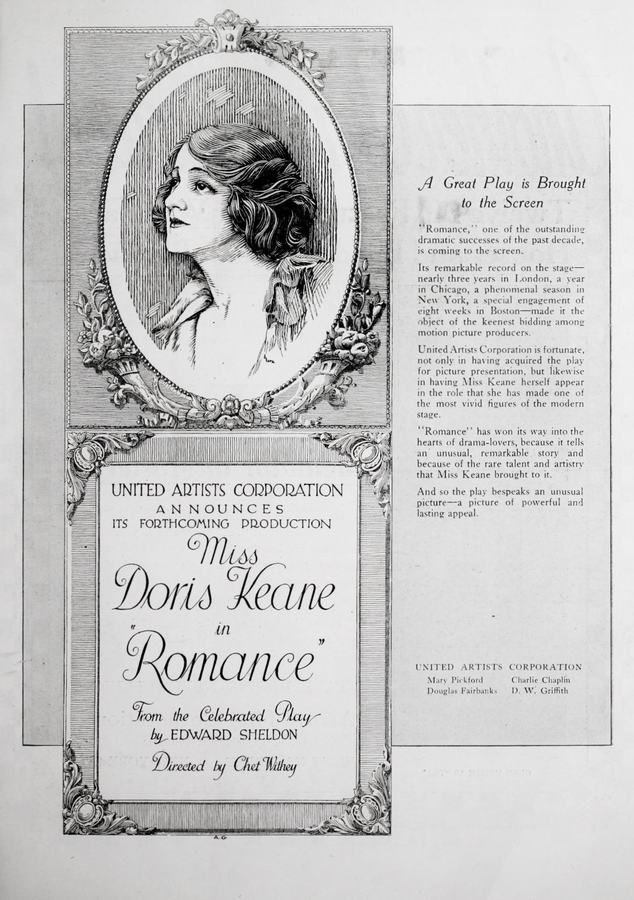
Dir: Chester Withey
A young man planning to marry receives a cautionary tale from his bishop based on the sad tale of the bishop's own early romance.
View DetailsAnalysis relative to On the Quiet
| Film Title | Atmosphere | Complexity | Similarity |
|---|---|---|---|
| Nearly Married | Gothic | Dense | 90% Match |
| The Teeth of the Tiger | Gritty | Dense | 94% Match |
| The Bad Boy | Gritty | High | 98% Match |
| Outcast | Surreal | High | 86% Match |
| In Pursuit of Polly | Tense | Layered | 91% Match |
This guide was algorithmically generated using the cinematic metadata of Chester Withey's archive. Last updated: 6/27/2026.
Back to On the Quiet Details →