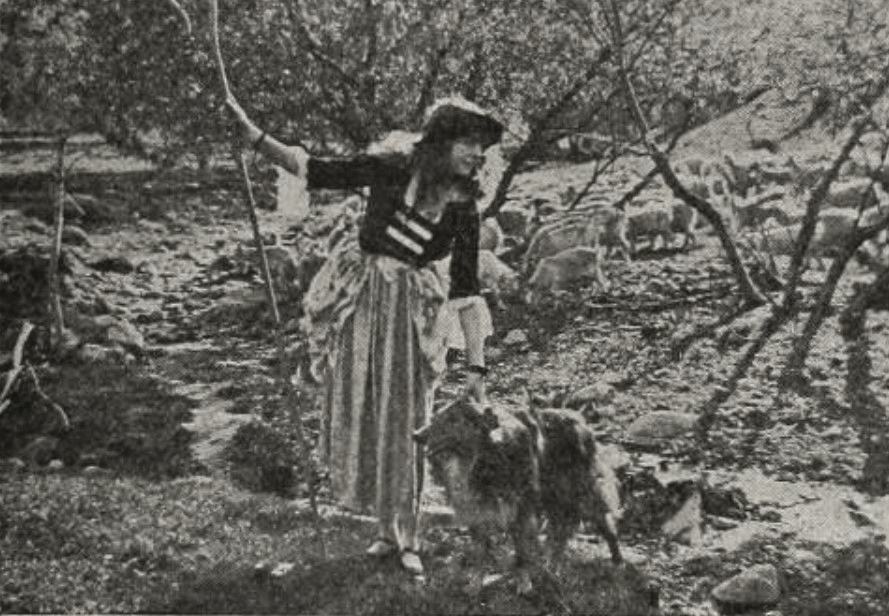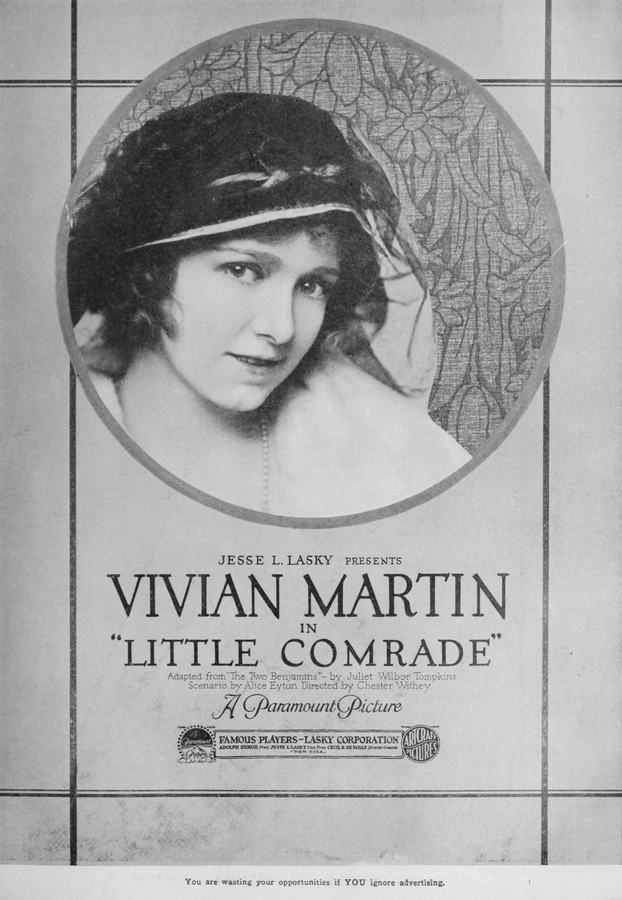
Genevieve Rutherford Hale, a pampered youngest child, reads an advertisement for women to work on farms to increase food production during World War I. After having her modiste make silk overalls which Genevieve models on Russian ballet attire, she arrives at the Hubbard ranch in New York State with her chauffeur, maid, and pet dog, to be a "farmerette.
Alice Eyton, Juliet Wilbur Tompkins
United States
body{background-color:#000;color:#fff;font-family:Arial,Helvetica,sans-serif;line-height:1.6;margin:0;padding:20px;}p{margin-bottom:1em;}span.orange{color:#C2410C;}span.yellow{color:#EAB308;}span.blue{color:#0E7490;} Little Comrade arrives on the silent‑screen stage as a modest yet resonant artifact of the post‑World‑I...
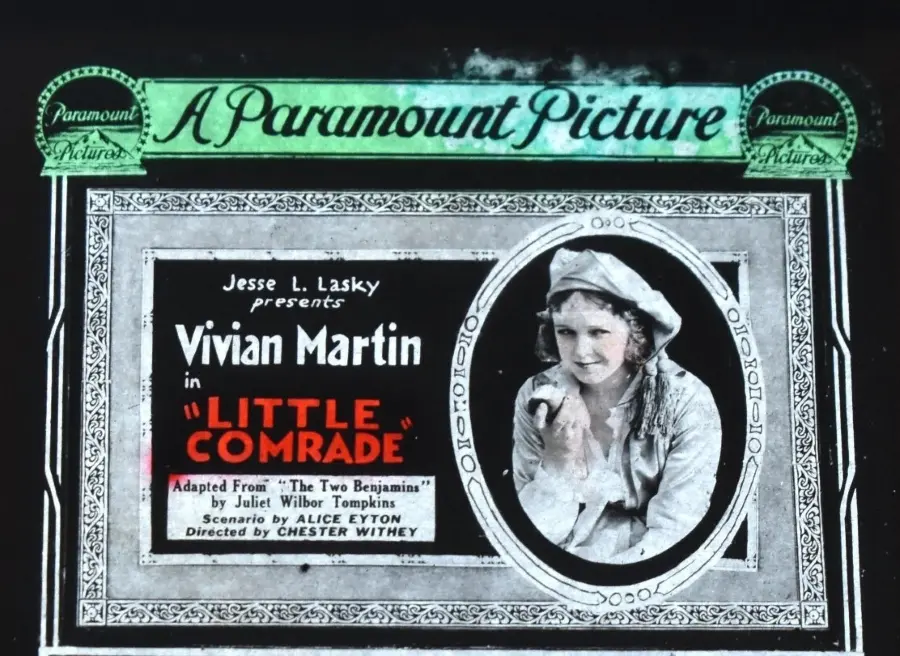
publicity
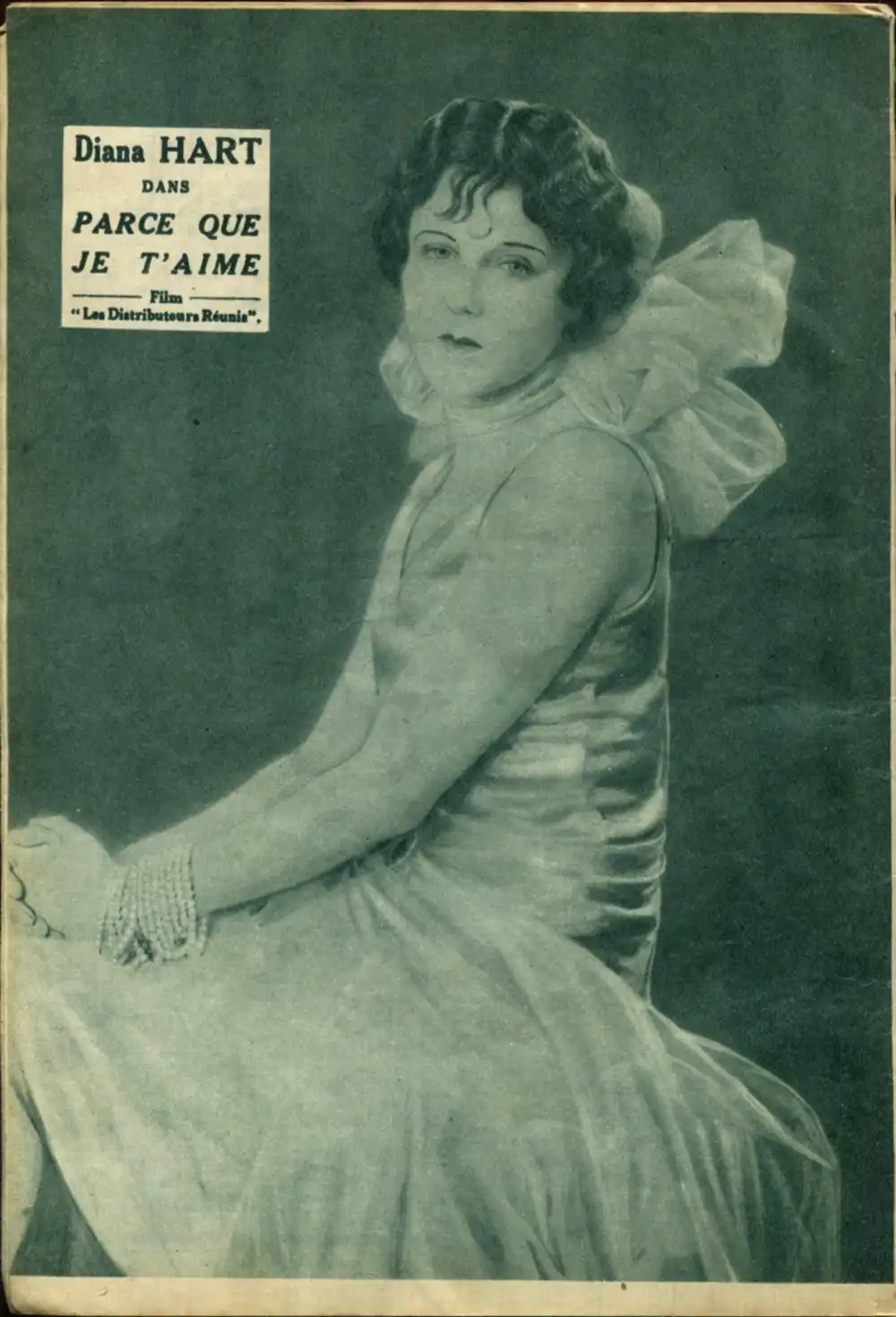
Comparing the cinematic DNA and archive impact of two defining moments in cult history.
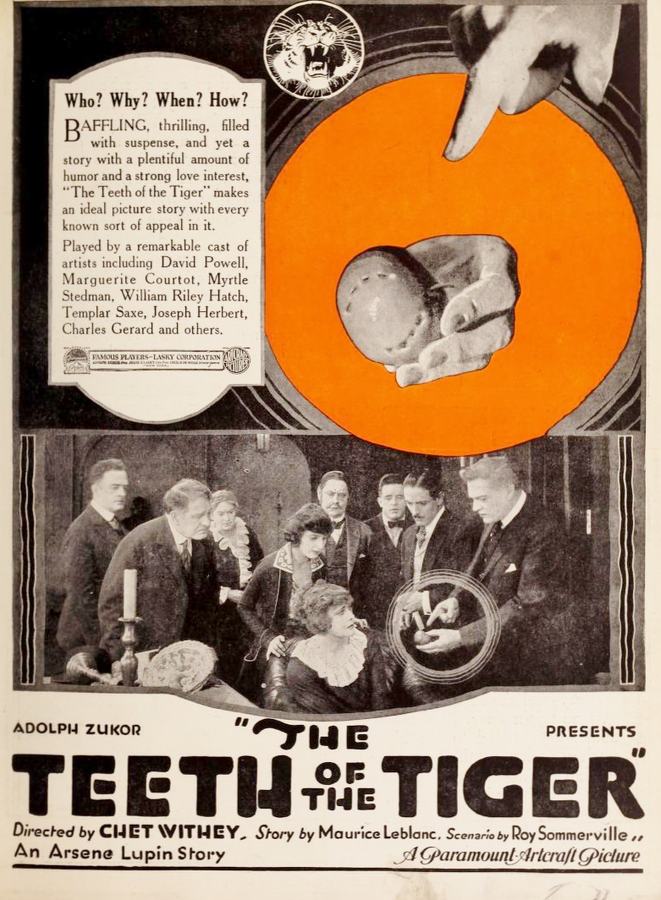
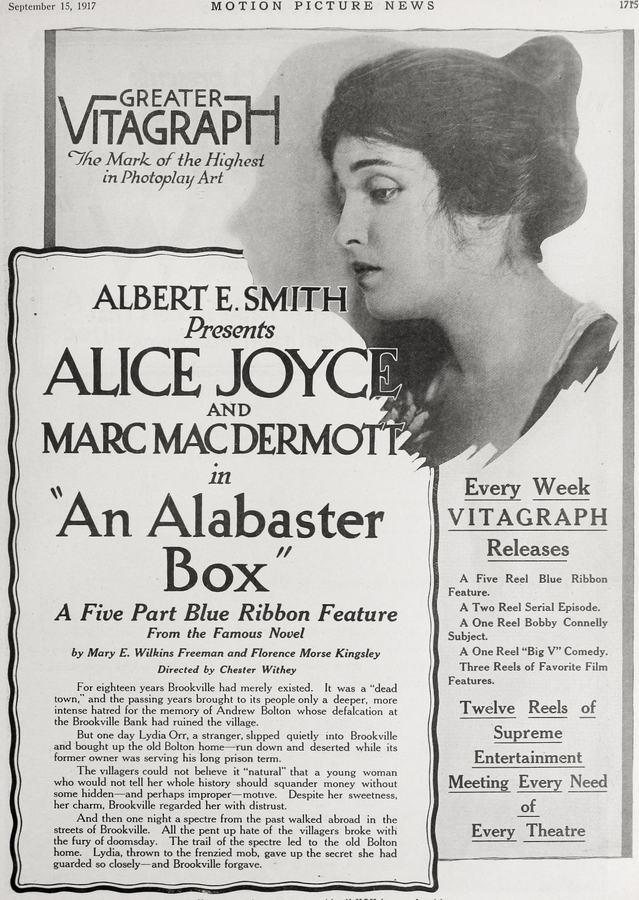
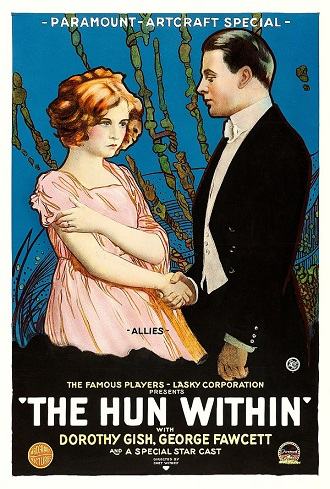
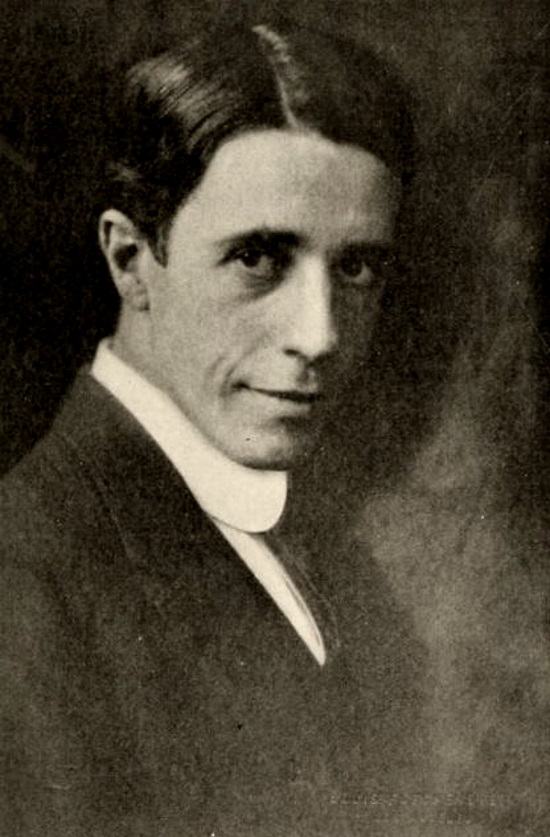
Chester Withey
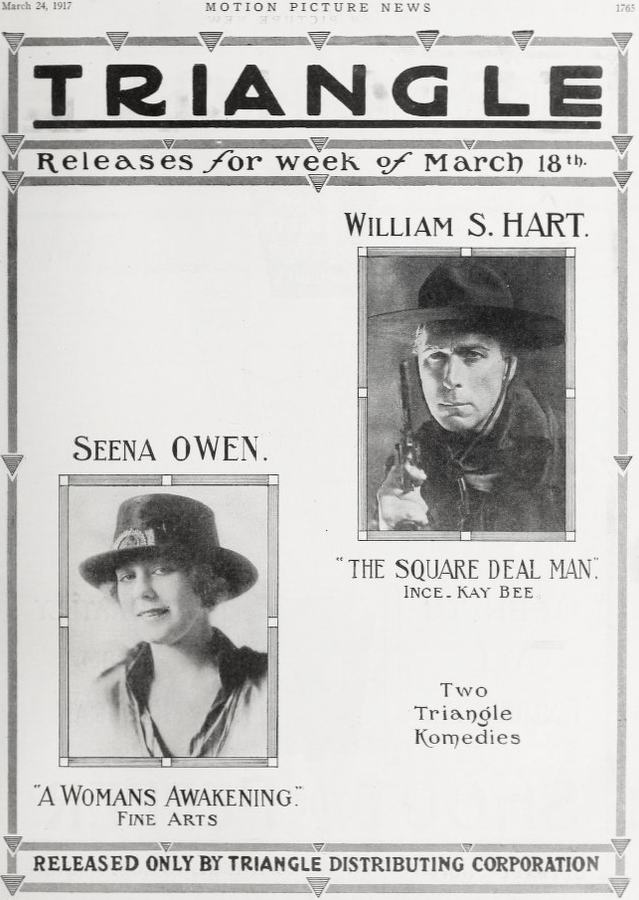
Chester Withey
Community
Log in to comment.
"body{background-color:#000;color:#fff;font-family:Arial,Helvetica,sans-serif;line-height:1.6;margin:0;padding:20px;}p{margin-bottom:1em;}span.orange{color:#C2410C;}span.yellow{color:#EAB308;}span.blue{color:#0E7490;} Little Comrade arrives on the silent‑screen stage as a modest yet resonant artifact of the post‑World‑I era, a period when cinema began to interrogate the social upheavals wrought by global conflict. The film’s narrative hinges on the juxtaposition of two disparate worlds: the opule..."
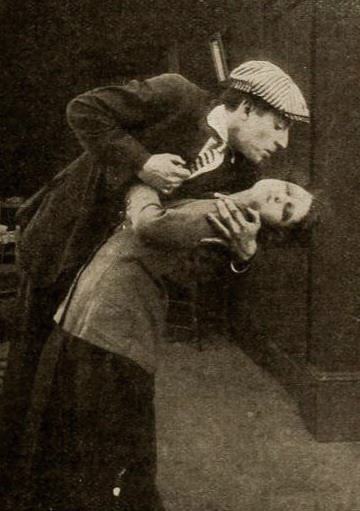
Deep dive into the cult classic
Discover similar cinematic experiences
A Directorial Spotlight on Chester Withey