
DbcultAccessing Vault...
Recommendations
Senior Film Conservator
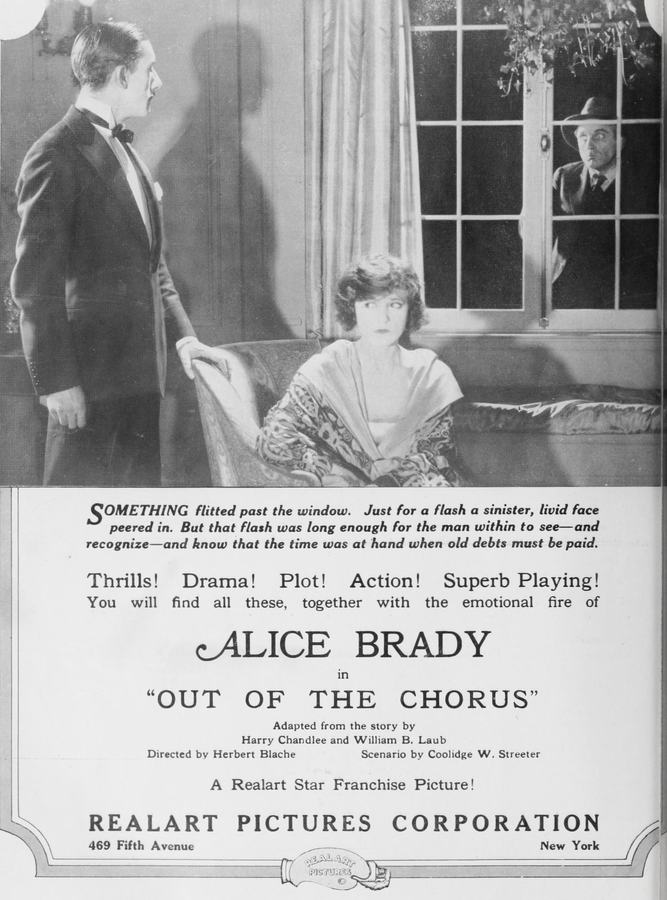
Exploring the thematic gravity in Out of the Chorus is a journey into United States cinema, its influence on Drama cinema remains a vital reference point for fans today. Below, we've gathered a list of films that every fan of Herbert Blaché's work should explore.
With Herbert Blaché at the helm, Out of the Chorus became to blend thematic complexity with stunning visual execution.
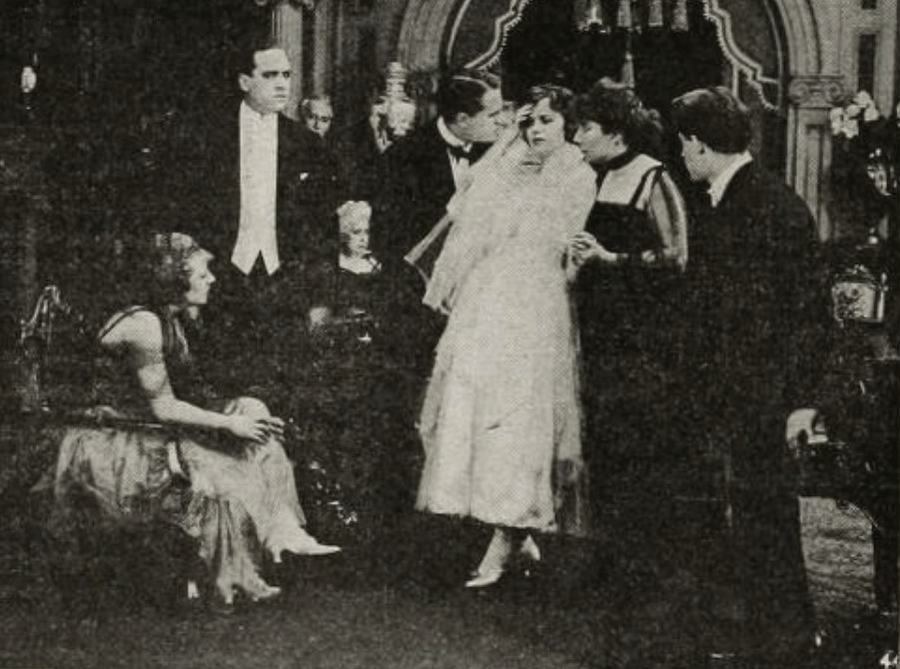
After dancer Florence Maddis marries Ross Van Beekman, son of an aristocratic New York family, her friends predict that the union will not be successful, but she manages to fit into the family circle and has no desire to return to Broadway. Her mother-in-law disapproves of her, however, and persuaded by Ned Ormsby, one of Flo's admirers, she arranges for Flo to appear flirtatious. When Ross suspects Flo of harboring Ormsby, he fires a pistol at her closet; and since Ormsby is found shot in his house, Ross confesses, believing himself guilty, while Flo returns to the Winter Palace. Ross is freed, however, when Maddox, an enemy of Ormsby's, confesses to the crime, and Flo is happily reconciled with the family and Ross.
Based on the unique thematic gravity of Out of the Chorus, our vault has identified these titles as the most compelling follow-up experiences for fans of Drama cinema:
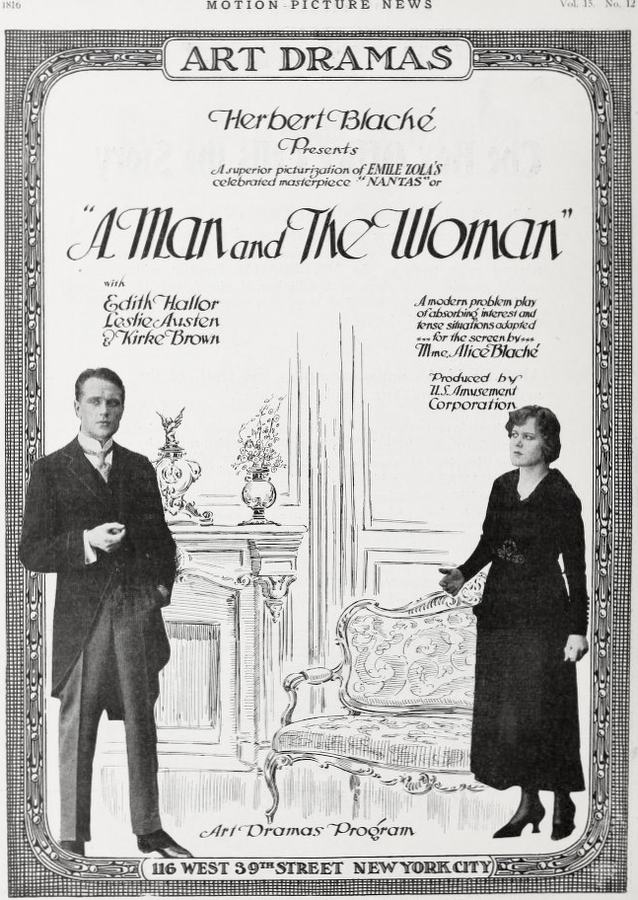
Dir: Herbert Blaché
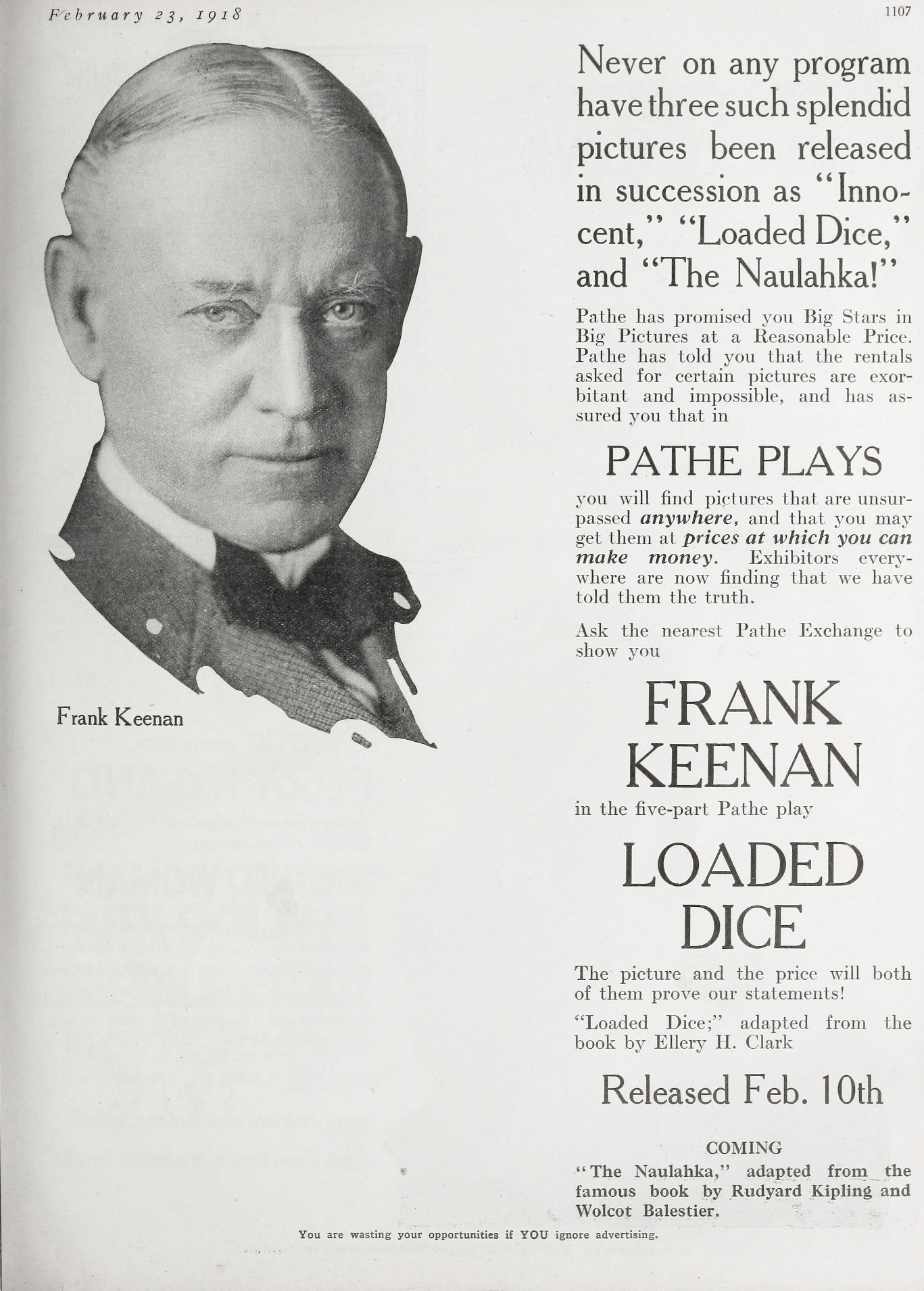
A crooked promoter commits two murders in his efforts to gain wealth and influence. He is shot on the night of his election as governor and repents of his crimes on his deathbed.
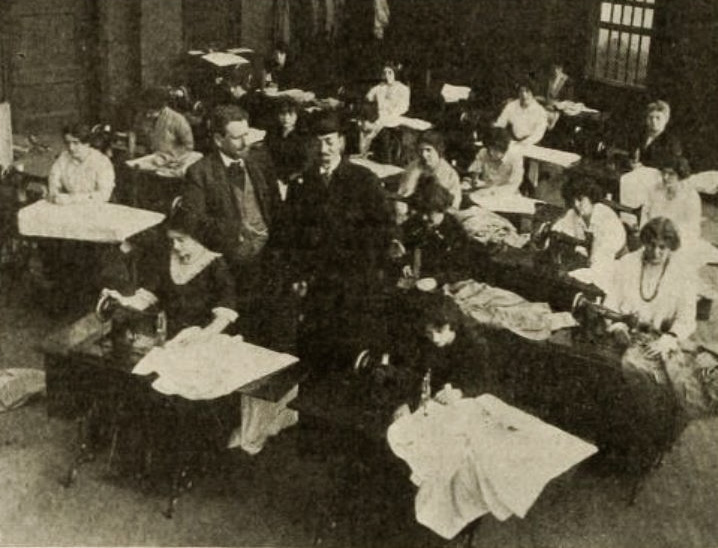
Dir: Herbert Blaché
Satan decides to ruin the innocence of ambitious Everygirl, who has a beautiful voice and wishes to pursue a career singing in opera. He thus assumes human form and follows her in order to make sure that she accepts his terms.
View Details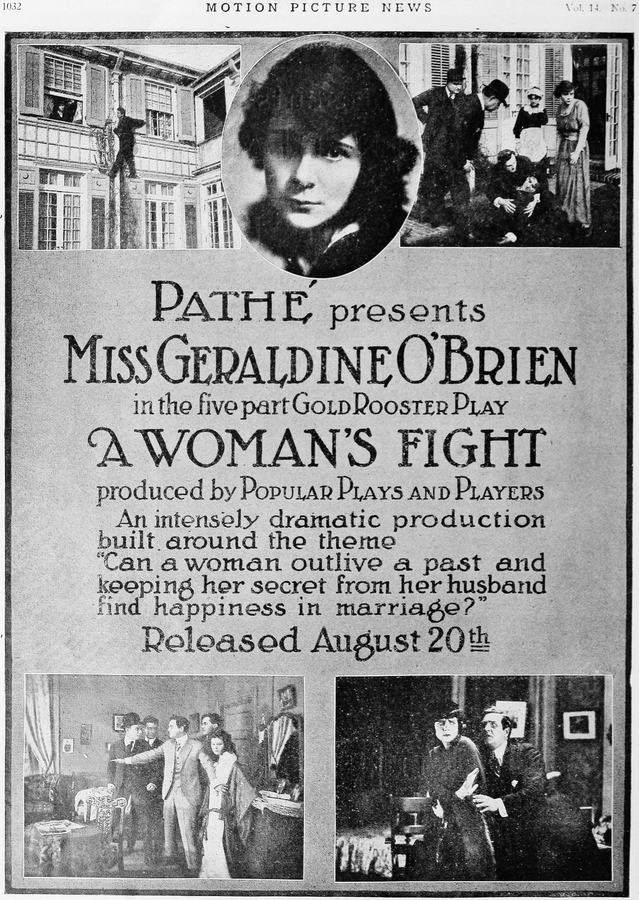
Dir: Herbert Blaché
A fascinating piece of cinema that shares thematic elements.
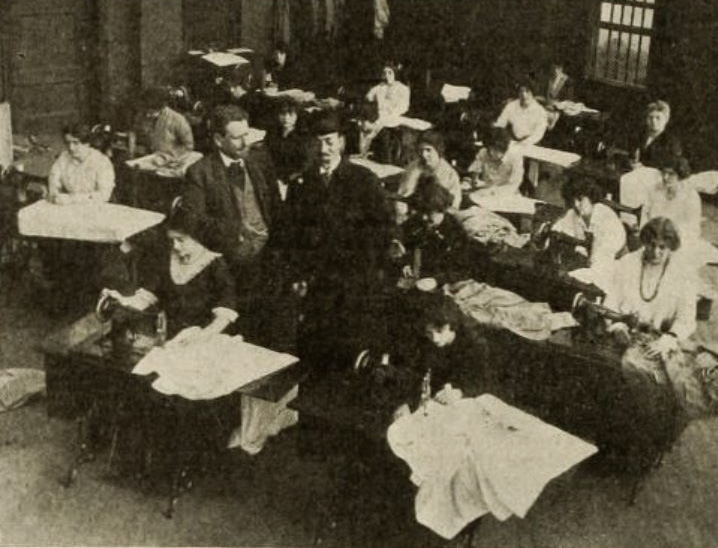
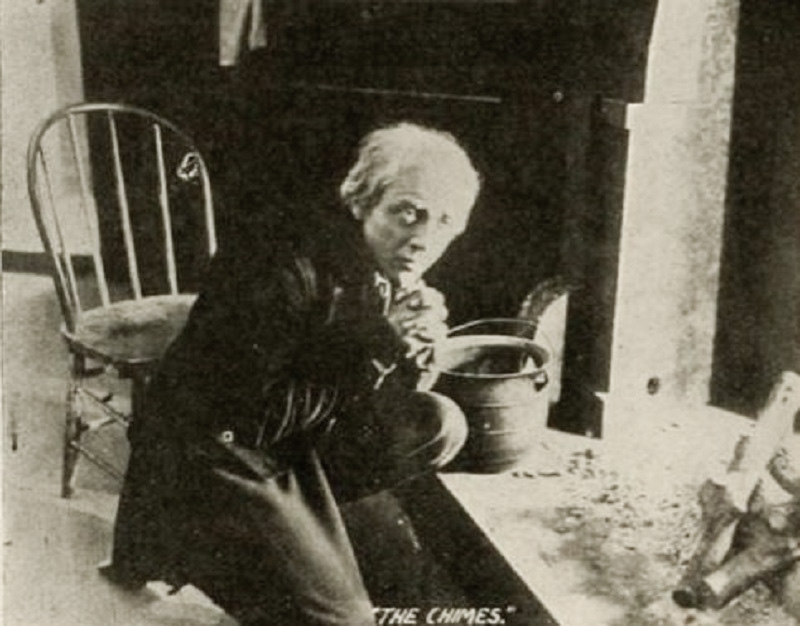
Dir: Herbert Blaché
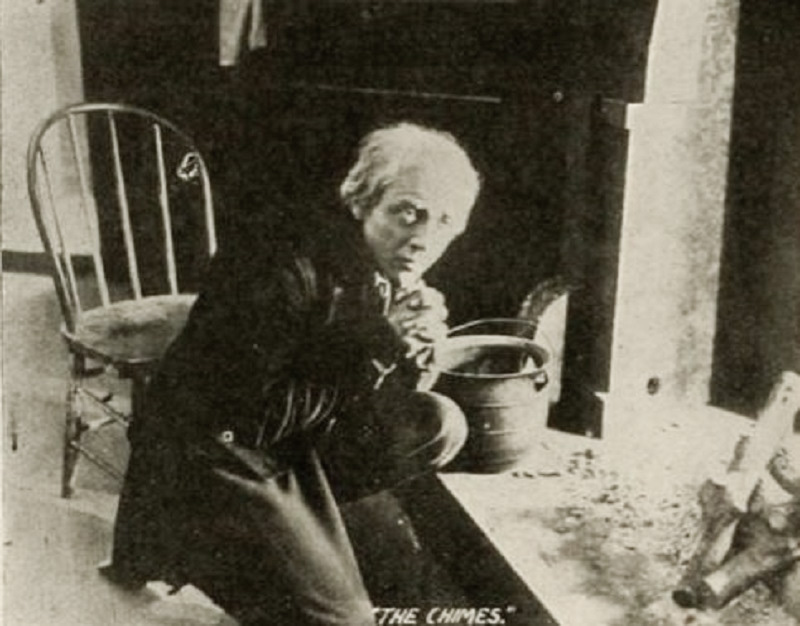
Trotty Veck, the licensed messenger, reconsiders his promise to allow the marriage of his daughter Meg to Richard, after being advised by Alderman Cute that it is a sin for the poor to wed. After his day's labors, he meets William Fern with his infant daughter Lillian seeking shelter from the authorities, who have threatened to hang him. The kind-hearted little man takes them to his humble home for the night. Far after midnight, Trotty, seated by the fireside and soothed by the chimes, falls asleep and dreams. His dream first takes him to the belfry of the old church, where the spirit of the chimes chides him for having done something he should not, and endeavors to show that the consequences might be, by picturing the future. In this vision, Trotty sees his daughter Meg living in poverty and acting as mother to Fern's daughter Lil, now grown to girlhood, Fern, in prison for his demonstration against the rich, and Richard, a drunkard from disappointment. Sir Joseph Bowley visits the little home and offers to adopt Lil, but instead mistreats her so that she is compelled to escape, but finally, upon promise from Sir Joseph to free her father, gives herself up to him, only to be ejected in time from his fine home with an unfortunate infant. She goes back to Meg and dies from the effect of her ill-treatment, leaving the infant to Meg, who in turn is compelled to leave her home due to her poverty. Going to the bridge, Meg attempts to end all for herself and infant. At this point Trotty's dreams come to an end. He now realizes that the poor as well as the rich have a right to marry, and hastens to correct his error. This done, he goes to check Fern, leading one of his meetings. Knowing the influence little Lil has on her father takes her and induces Fern to give up his plans. Trotty and Richard are taken prisoners by Sir Joseph's servants and brought before this despot, who instead of compelling Trotty to submit to his terms, is himself forced to sign a document giving the poor their rights.
View Details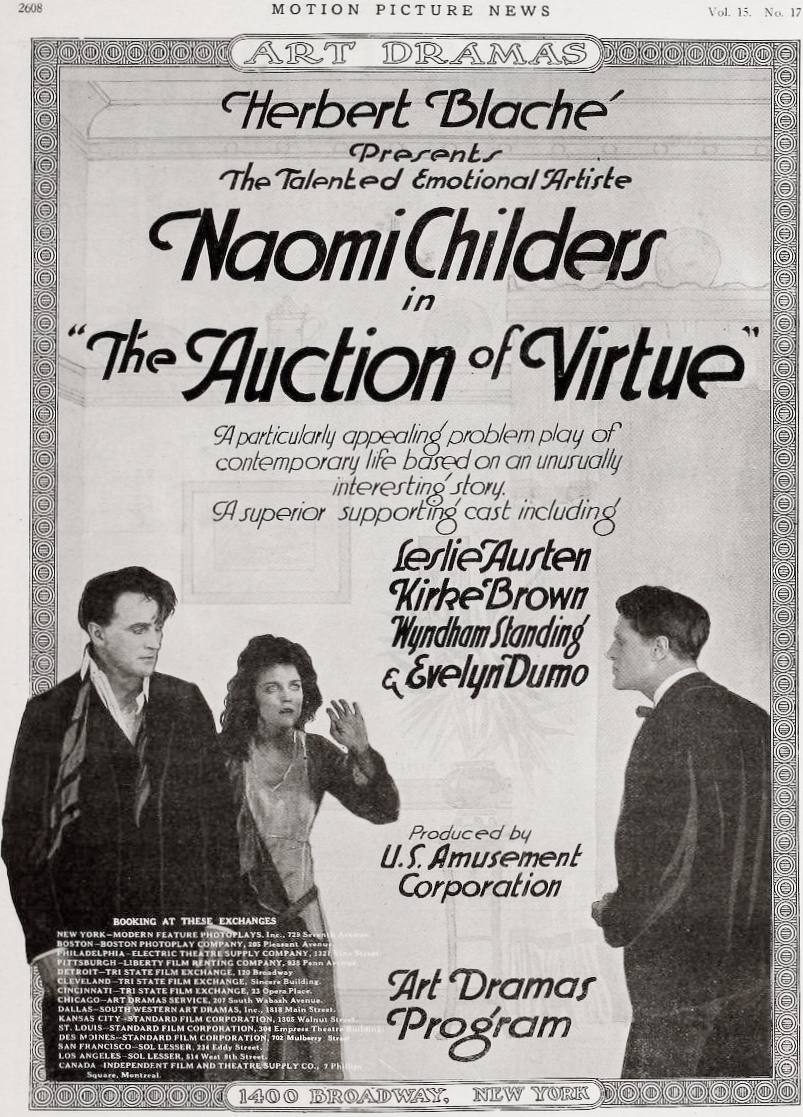
Dir: Herbert Blaché
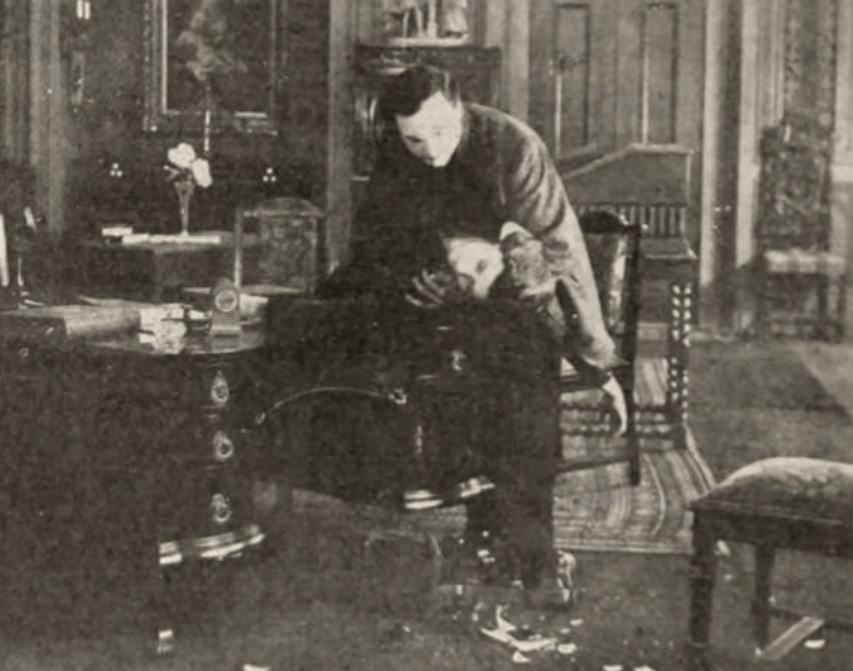
Young Phyllis Shaw, tired of being poor, sets out to snag a rich husband. She meets a young artist named Jerry, who falls for her, but she rejects him because he's not rich. She then meets Kirke, who is exactly the type of man she's looking for, but with one problem--he won't marry her, but as his "kept woman" he will lavish her with money and gifts. What to do, what to do . . .
Dir: Herbert Blaché
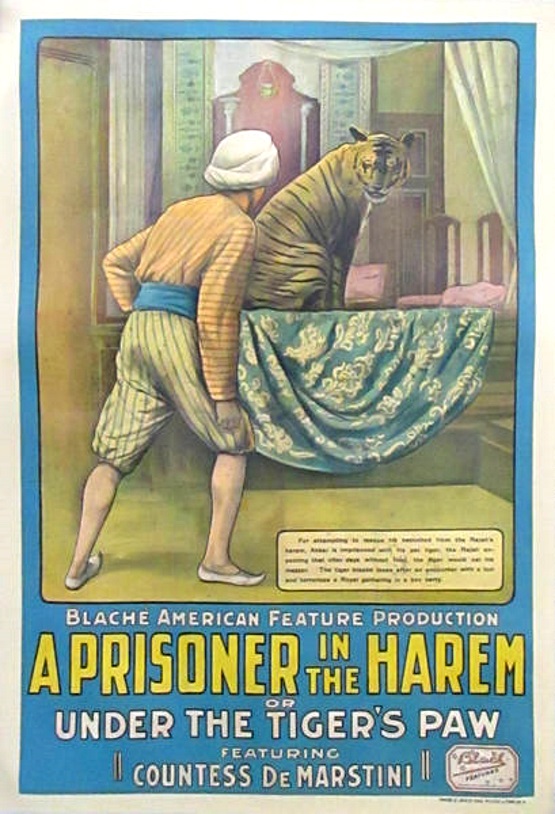
A woman sold as a bride to the local Rajah is saved by her lover and his loyal tiger.
View Details
Dir: Herbert Blaché
A fascinating piece of cinema that shares thematic elements.
Dir: Herbert Blaché
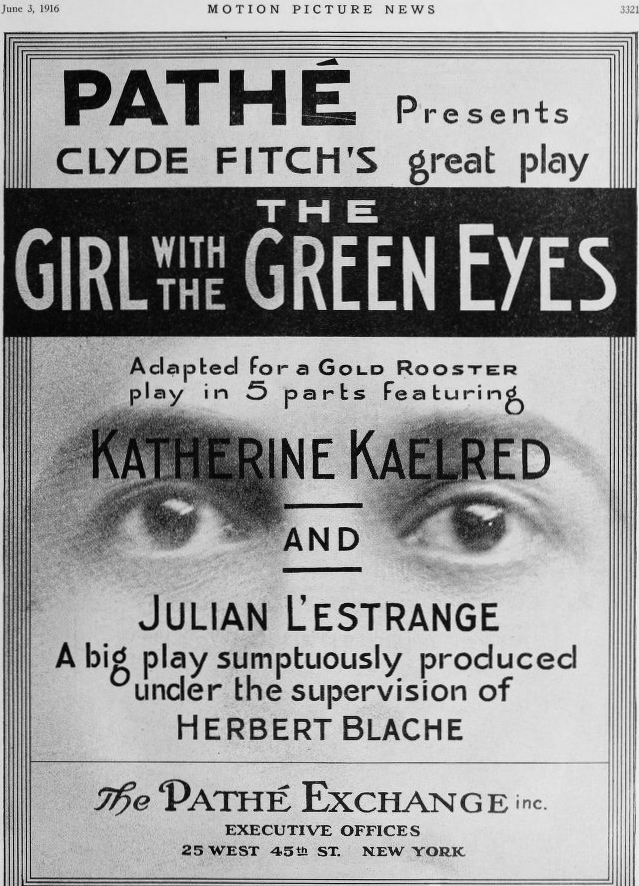
Strolling through the park one evening, Travers comes upon a woman about to throw herself in the lake. It is his sister. She tells him she was betrayed by a man who is her son's father, and she is about to end it all because she is no longer able to endure her destitution. Travers soothes her and promises to take care of her and her son. He furnishes an apartment for them and makes frequent calls there. On one of them he is seen and recognized by Mansfield, a clubman of his, who is infatuated with Mrs. Travers and uses this suspicious, though unconfirmed, incident to try to persuade her to give him her love. Mrs. Travers, made credulous by her insane jealousy of her husband, slightly encourages Mansfield, who, with the bravado of his sort, boasts at the club of his affair with her. Travers hears of this and is uncontrollable. He sends for his sister to come to his dressing room in the theatre, and Mansfield, hearing of it, brings Mrs. Travers to surprise him. Here is the big scene of the play wherein Travers demands of Mansfield an explanation of his conduct, and Travers' sister recognizes Mansfield as the man who deserted her. Travers attempts to kill Mansfield, who is saved by the police. Then Mrs. Travers, learning the identity of "the other woman," and ridden by remorse for the jealousy that has made her doubt her husband and lose his love, attempts to poison herself. She is saved, however, and reunited to her husband by a love whose constant light outshines the occasional flashes from her "green eyes."
View Details
Dir: Herbert Blaché
A gentleman burglar is a detective, which acts as a shield to his more shady pastime.
View DetailsAnalysis relative to Out of the Chorus
| Film Title | Atmosphere | Complexity | Similarity |
|---|---|---|---|
| A Man and the Woman | Gritty | Linear | 93% Match |
| Loaded Dice | Surreal | Linear | 87% Match |
| The Temptations of Satan | Gothic | Abstract | 90% Match |
| A Woman's Fight | Ethereal | High | 98% Match |
| The Chimes | Tense | Abstract | 93% Match |
This guide was algorithmically generated using the cinematic metadata of Herbert Blaché's archive. Last updated: 8/17/2026.
Back to Out of the Chorus Details →