
DbcultAccessing Vault...
Recommendations
Senior Film Conservator
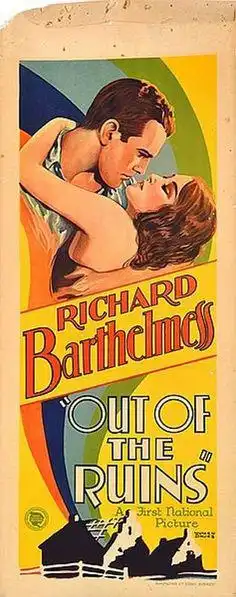
Navigating the complex narrative architecture of Out of the Ruins is a poignant storytelling experience, the emotional payoff of the 1928 classic is what fans crave in similar titles. The following gems are essential viewing for anyone captivated by Out of the Ruins.
The artistic audacity of Out of the Ruins ensures it to define the very concept of poignant storytelling in modern film.
The influence of John Francis Dillon in Out of the Ruins can be felt in the way modern Drama films handle poignant storytelling. From the specific lighting choices to the pacing, this 1928 release set a high bar for atmospheric immersion.
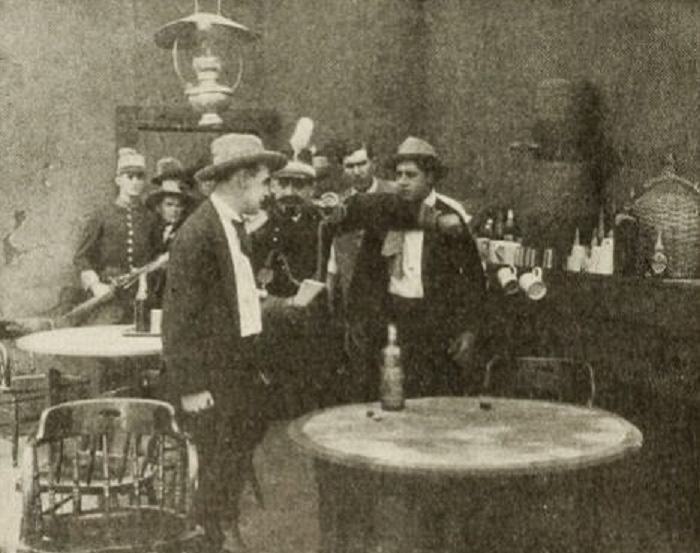
Based on the unique poignant storytelling of Out of the Ruins, our vault has identified these titles as the most compelling follow-up experiences for fans of Drama cinema:
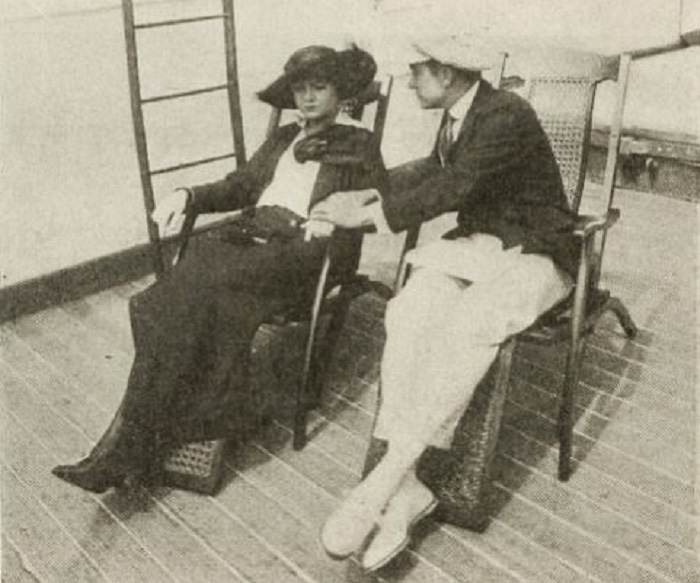
Dir: John Francis Dillon
George Carter, a revolutionist in South America, is the exact double of Frederick Marston, a famous artist in Paris. Carter is betrayed by a comrade and is sentenced to be shot. He takes a desperate chance and escapes on board a vessel bound for London. In Paris Marston is stabbed by a model because he does not return her love. The wound incapacitates him from painting, and leaves an ugly scar, and he goes to America on a vacation. Highwaymen attack him, inflicting injuries which cause a total loss of memory. The robbers leave nothing in his pockets but the key to his Paris studio, and Marston adopts the name of Robert Anglo-Saxon. Five years later he falls in love with Duska Filson, a noted beauty, and at a dinner given by her he meets Gen. Robero, a South American ambassador, the man who condemned Carter to death. Robero believes Saxon is Carter and writes Saxon a letter warning him that if he marries Duska he will have Saxon extradited to South America and shot. Robero convinces him that he is Carter and Saxon goes to South America to pay the penalty of the crimes he believes himself guilty of. On the boat he meets Rodman, Carter's betrayer. Duska follows Saxon to South America and learns that Saxon has proven his innocence and departed two days before. She sends him a wireless and he has the ship stopped and lands at Puerto Frio, and learns that the revolution has broken out. In fighting his way through the lines he is shot and is placed on board a vessel bound for France by Rodman. Rodman tells Duska what has occurred and she follows Saxon to France. Saxon's mind clears and through the medium of the key which fits the lock of his house his identity is clearly established. Duska learns that Saxon is the world-renowned artist and his a wife who is very ill. When Saxon reaches his home he finds Duska at the bedside of his wife, who has just died. Duska respects Saxon's grief and departs, with her dream of happiness shattered.
View Details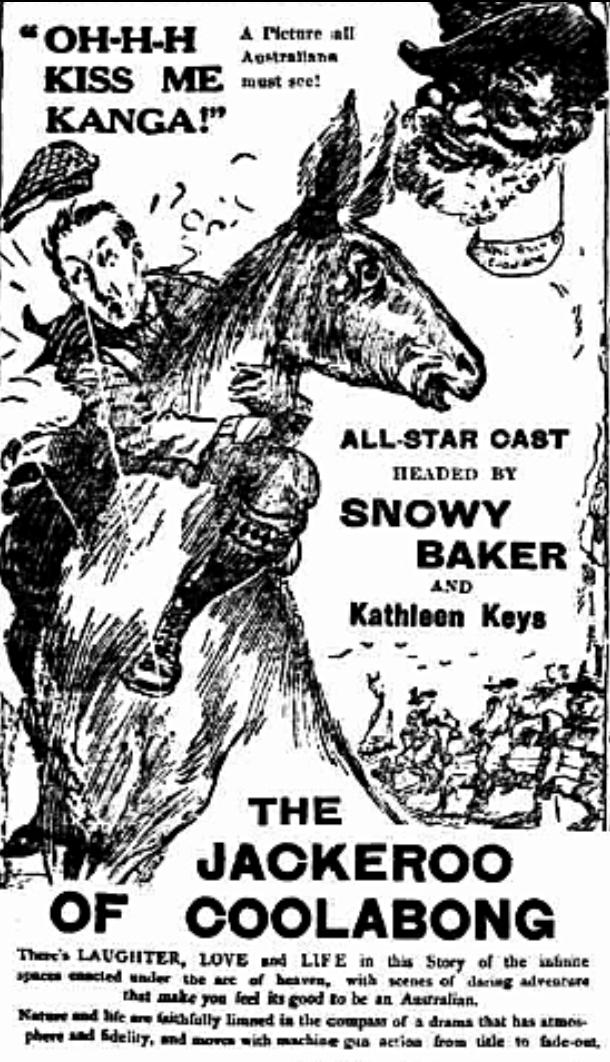
Dir: Wilfred Lucas
Brian O'Farrell (Snowy Baker), is an English 'new chum' who takes a job at an Australian cattle station. He is teased by station hands because of his appearance (including spats and a monocle) but he soon impresses them with his skills at riding and boxing. The station manager, John MacDonald (Wilfred Lucas), takes O'Farrell to Sydney to meet his daughter Edith (Kathleen Key) who is working in the slums. Edith is kidnapped by criminals after witnessing a crime but O'Farrell rescues her. It is later revealed he is the owner of the station.
View Details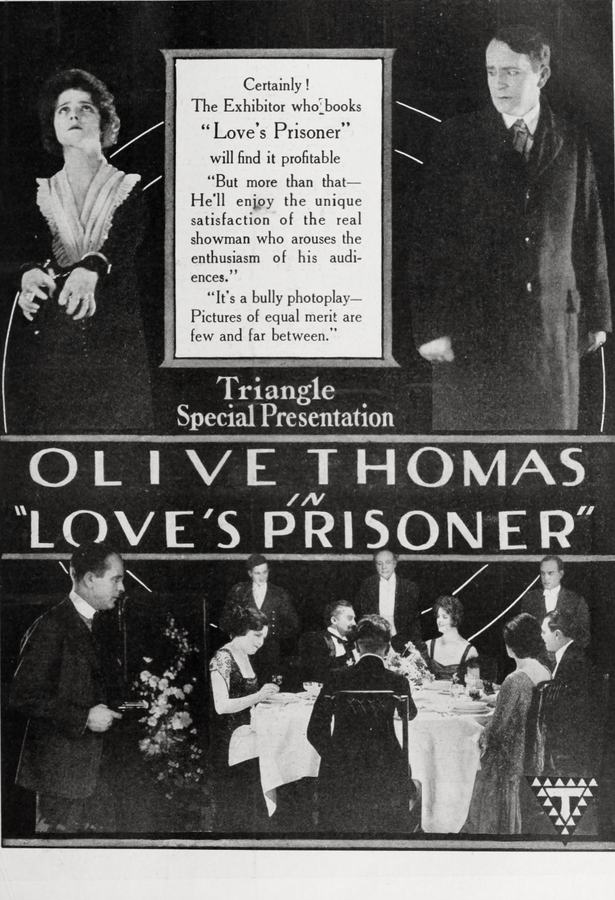
Dir: John Francis Dillon
A young lady, who "hates the law" rises from the tenements to society. Financial reverses lead her to commit a series of burglaries as "The Bird". She becomes involved with the detective investigating the burglaries. After she confesses and pays for her crimes, they marry.
View Details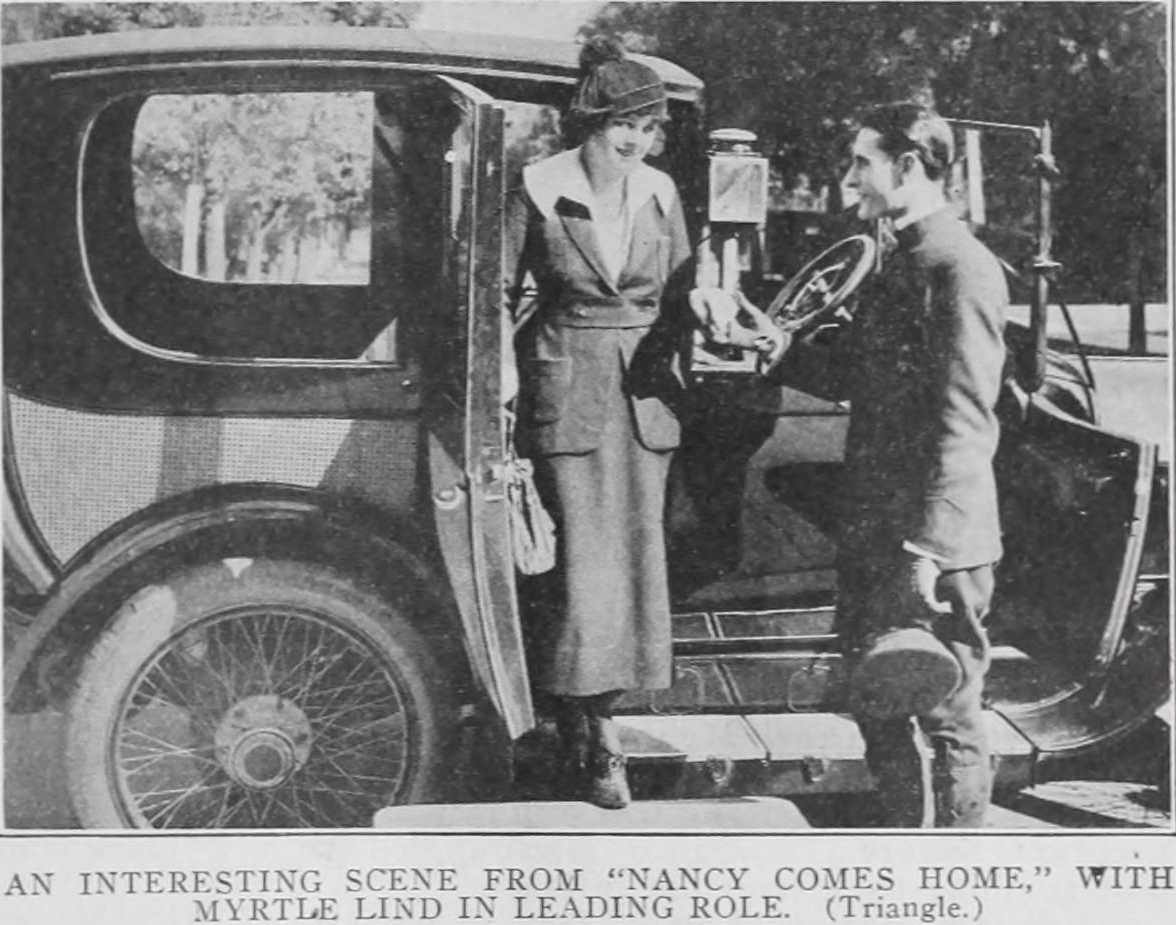
Dir: John Francis Dillon
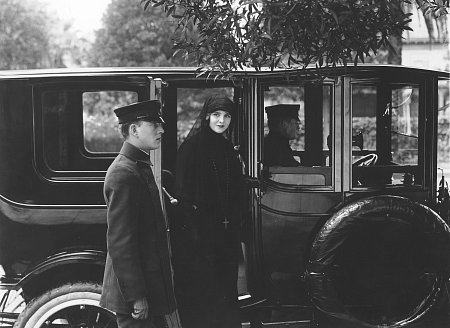
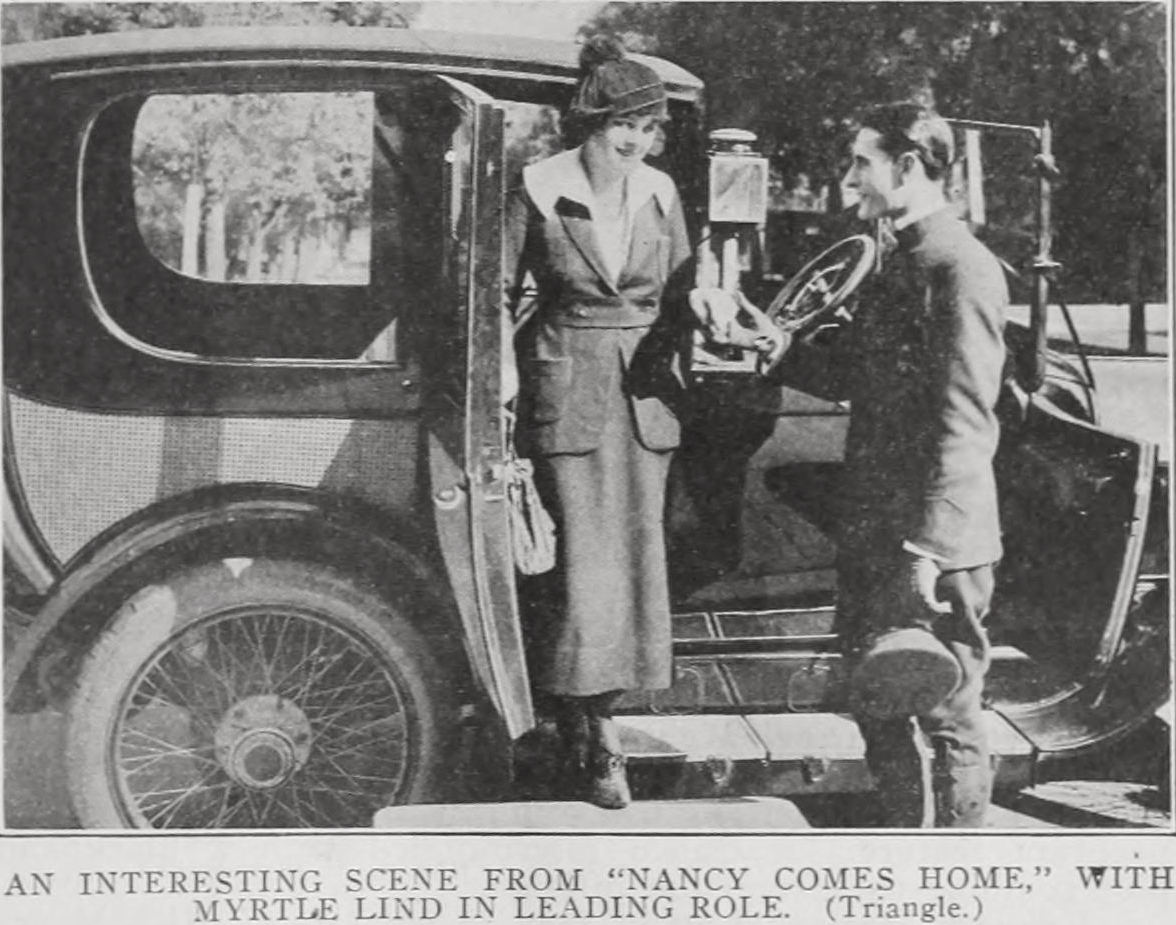
Nancy Worthing, who comes home from boarding school to find that her parents have no time for her, pawns some of her mother's jewels to buy the clothes necessary for entering society. She persuades her father's chauffeur, Phil Ballou, to take her to a notorious cabaret, where a shooting occurs. In the confusion, Phil is arrested as the assailant, and when Nancy's parents learn of the missing jewels, they bring further charges against him. At the trial, Phil reveals that he is the son of wealthy parents who simply wished to earn his own living, and Nancy clears his name by confessing all. Phil and Nancy, united by their ordeals, begin a romance.
View Details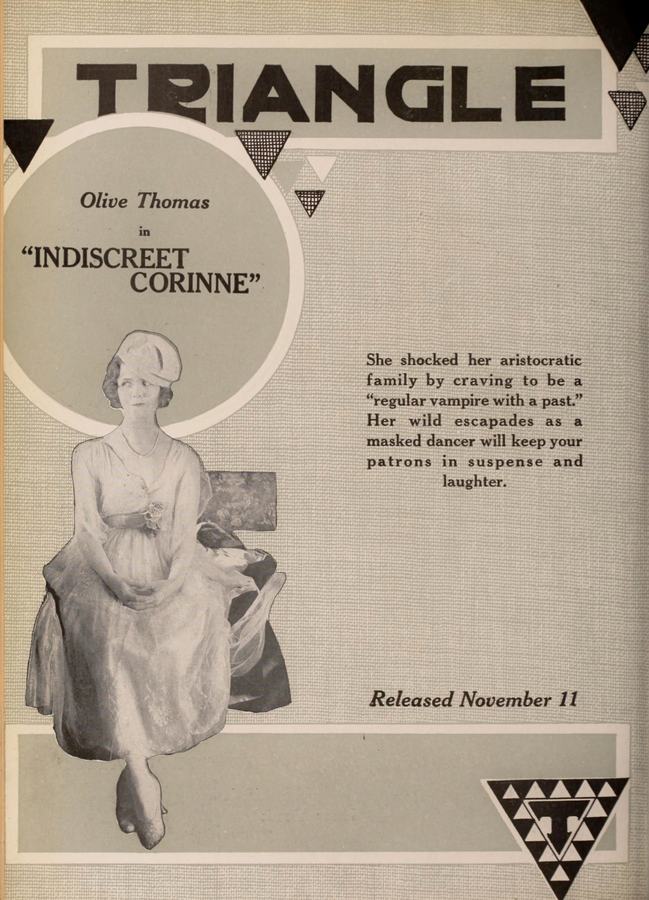
Dir: John Francis Dillon
Bored with her life as the daughter of wealthy parents, Corinne Chilvers answers an ad in the paper for a woman with a lurid past. Hired to secure a declaration of marriage from South American millionaire Nicholas Fenwick, Corinne assumes the identity of a masked dancer to attract Fenwick's attention. Competing with Corinne for Fenwick's affections is Pansy Hartley, a woman who actually does have a shady past. After a series of misadventures, Fenwick falls in love with Corinne, whose parents, scandalized by their daughter's escapades, disown her. Reporting to her employers that Fenwick has proposed to her, Corinne discovers that the young man is not a millionaire, but rather the object of a publicity stunt, which is aborted when Corinne and Fenwick really do get married. Fenwick then approaches Corinne's parents and persuades them to forgive their daughter for her scandalous behavior.
View Details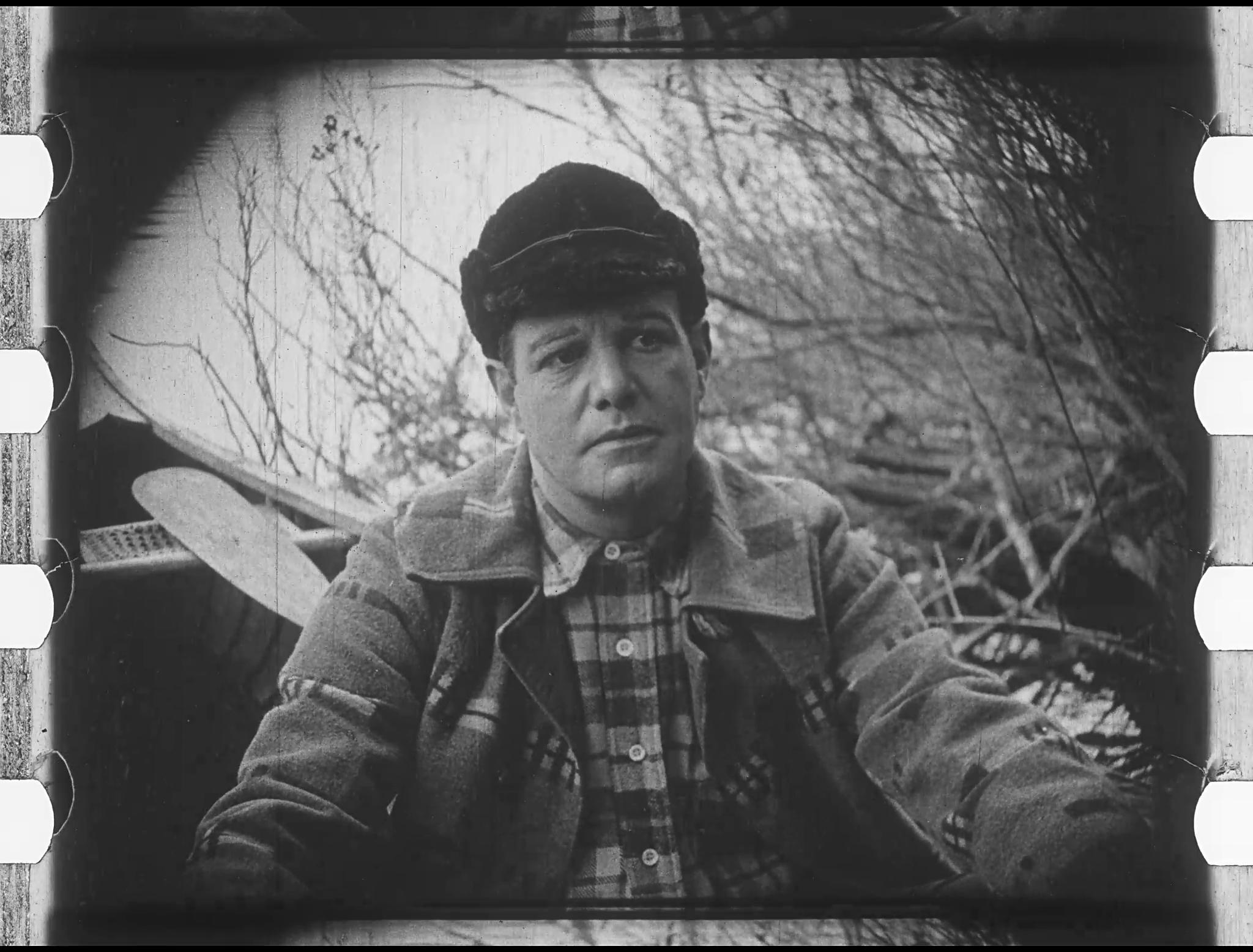
Dir: Edgar Jones
A mail-order bride arrives at a Maine lumber camp but doesn't like her prospective husband.
View Details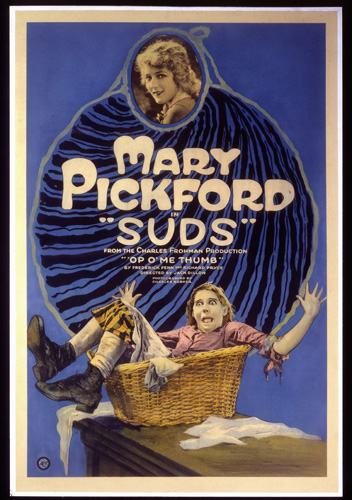
Dir: John Francis Dillon
A London laundress attempts to rise above her station in order to capture the love of a wealthy young man, thus missing out on the truer love of one of her own class.
View Details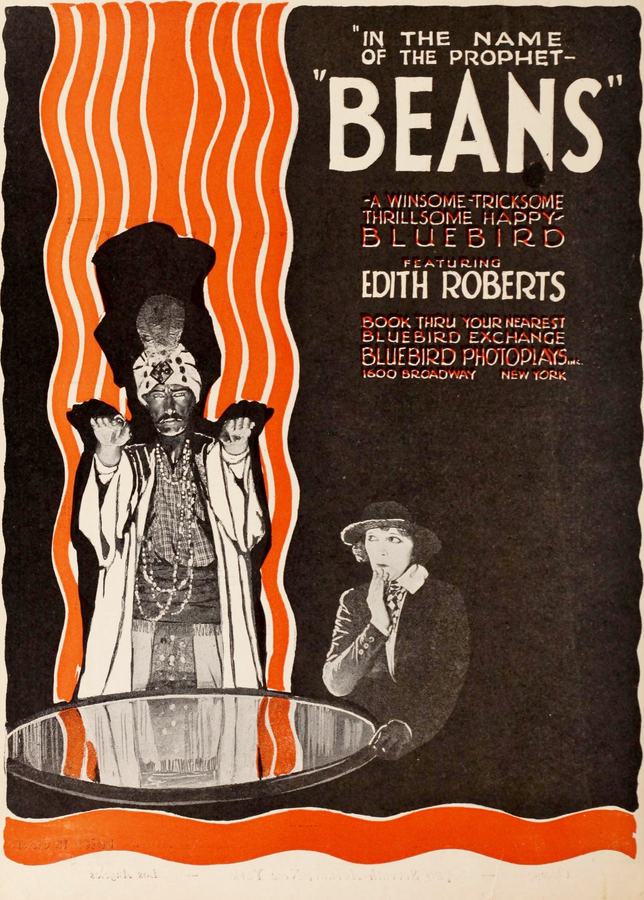
Dir: John Francis Dillon
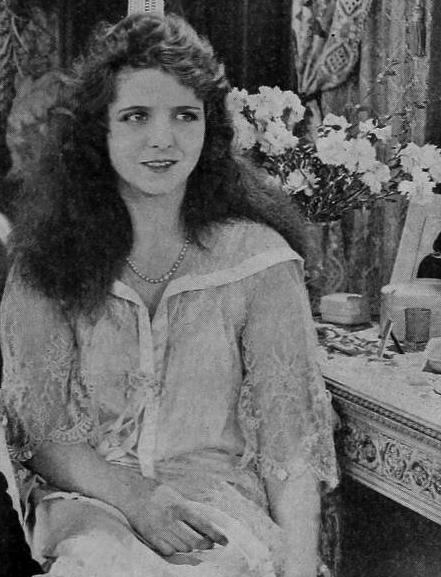
Brewster, the bean king, has an option of renewal on a certain bean canning plant owned by Ellis. Ellis does not desire to renew and hires Wingate, a shyster lawyer, to help him. Brewster has to send Betty to renew the contract. Later he sends his lawyer to help her and Ellis' man persuades her that he is a plotter. There follows plot and counter-plot, but all-innocently Betty carries the day.
View Details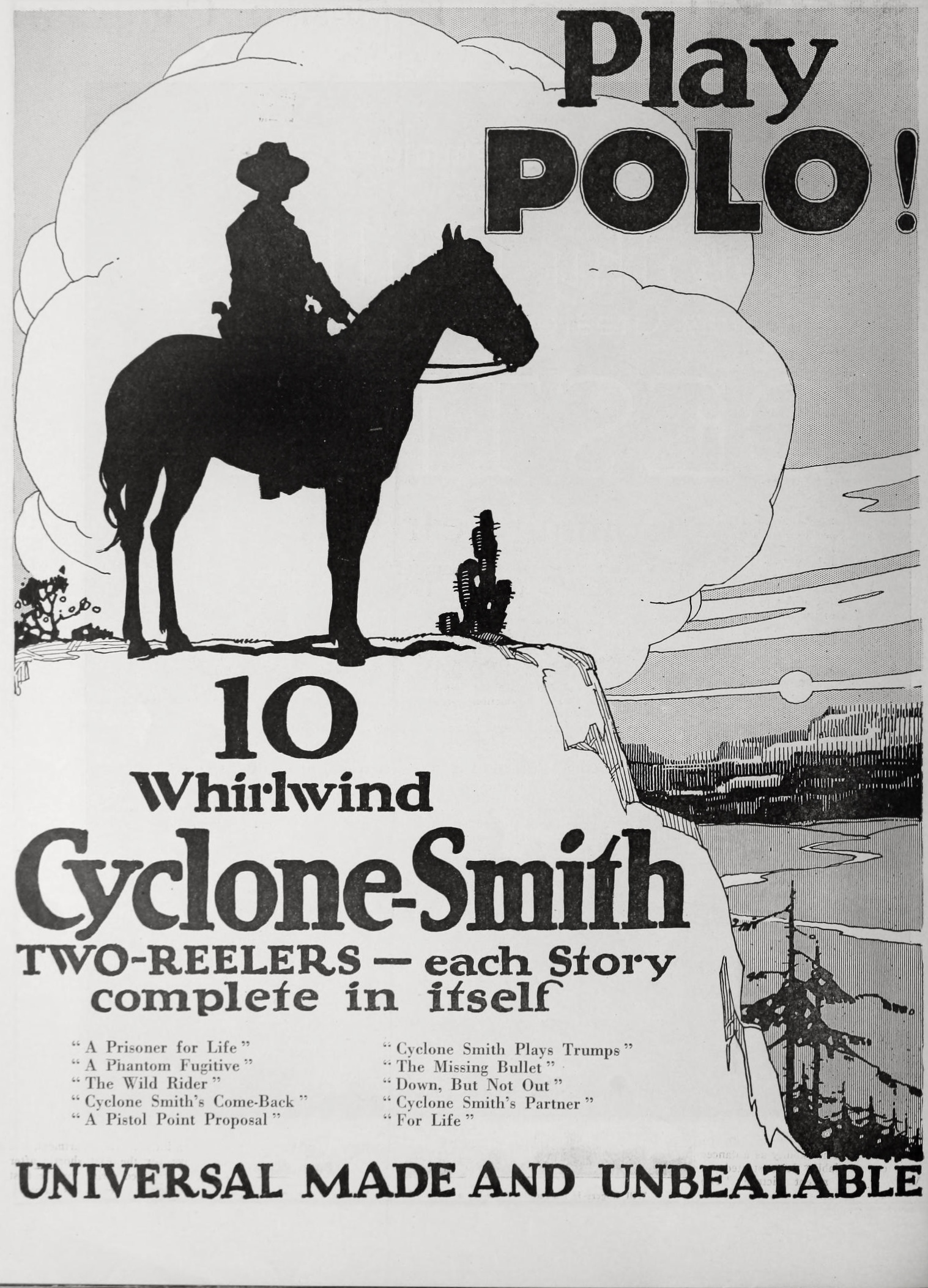
Dir: John Francis Dillon
Eddie appears as a squatter named "Black Jack," who makes a strong fight for his rights against armed aggression. In the course of the story he kidnaps his own boy.
View Details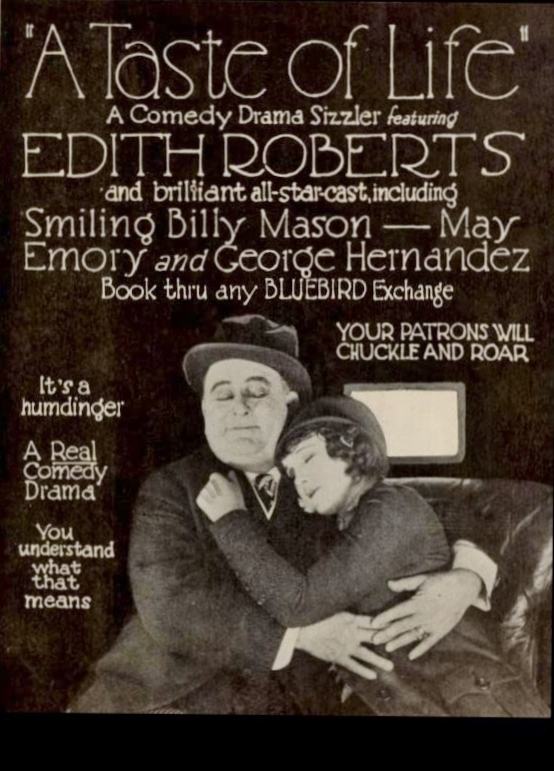
Dir: John Francis Dillon
When her husband, struggling lawyer Horace Dillingham, is unable to provide adequate money for her insatiable desire for expensive cherries, Kitty Dillingham goes to work as a stenographer for him. One day while Horace is out of the office, Kitty mistakes Jonas Collamore, a defendant in a divorce suit for whom Horace is acting, for an important client. Kitty agrees to lunch, and, swallowing many maraschino cherries along with their cocktails, becomes drunk. Jonas takes her to a nearby inn where they are followed by Mrs. Collamore's detectives, who then summon Mrs. Collamore and her lawyer Horace. Kitty realizes Jonas is trying to create a compromising situation, and she leaves through the window. When the detectives break in, the only trace of Kitty is her hairpin. Kitty and Jonas then conspire to entrap their spouses. Both couples manage to straighten out their domestic problems at the last minute.
View DetailsAnalysis relative to Out of the Ruins
| Film Title | Atmosphere | Complexity | Similarity |
|---|---|---|---|
| The Key to Yesterday | Gothic | High | 94% Match |
| The Jackeroo of Coolabong | Ethereal | High | 85% Match |
| Love's Prisoner | Gritty | Abstract | 98% Match |
| Nancy Comes Home | Ethereal | Dense | 89% Match |
| Indiscreet Corinne | Gritty | Dense | 97% Match |
This guide was algorithmically generated using the cinematic metadata of John Francis Dillon's archive. Last updated: 6/27/2026.
Back to Out of the Ruins Details →