
DbcultAccessing Vault...
Recommendations
Senior Film Conservator
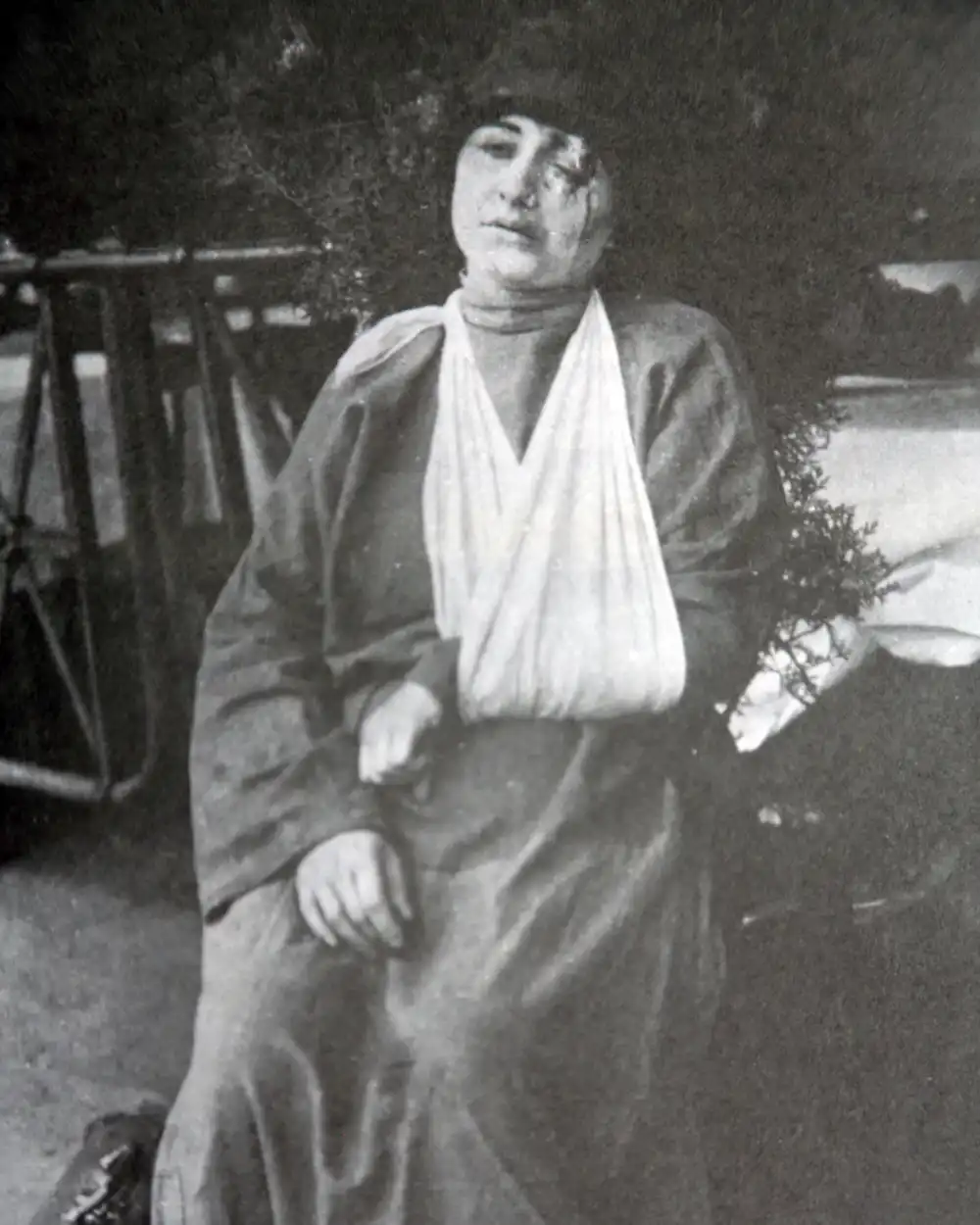
In the vast archive of cult cinema, Patyat na bezpatnite stands as a stylistic flair beacon, it's essential to look at the contemporaries that shared this stylistic flair. Our cinematic experts have identified several titles that reflect the spirit of 1928.
Few films from 1928 manage to capture to leave an indelible mark on the history of Bulgaria film.
The cobbler Mihail and his family live in the suburb in country town. His eldest daughter, Lena, attends the evening classes in a business school. She has an illegitimate child who is looked by strangers. Mihail and his wife Ana suspect nothing. In order to support her child Lena becomes a prostitute. The university student Nikolay, who is in love with her, tries to help her. Lena is involved in a scandal, leaves town and goes to Sofia. Ana and Mihail learn everything. They find Lena's child and take him with them. The child misses his mother and takes frequent walks along the seashore. One day he falls from a high cliff and drowns. The cobbler is driven insane by grief. Lena falls from a rock and her face is scarred. Left with no other choice she returns home... All these misfortunes turn out to be only a nightmare. Lena has successfully passed her exam. Nikolay comes with a bunch of flowers for her. Everyone is happy.
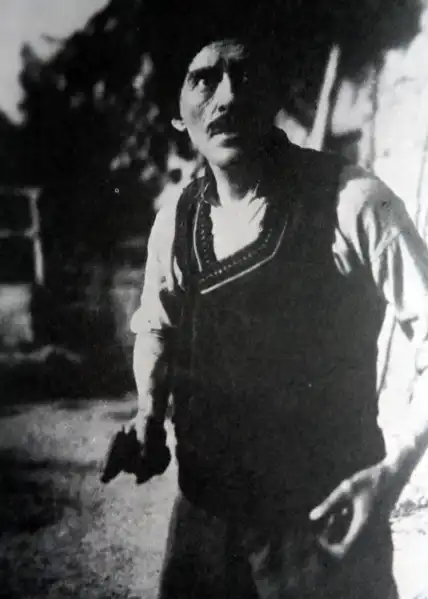
Critics widely regard Patyat na bezpatnite as a cult-favorite piece of cult cinema. Its stylistic flair is frequently cited as its strongest asset, solidifying its place in Bulgaria's film legacy.
Based on the unique stylistic flair of Patyat na bezpatnite, our vault has identified these titles as the most compelling follow-up experiences for fans of cult cinema:
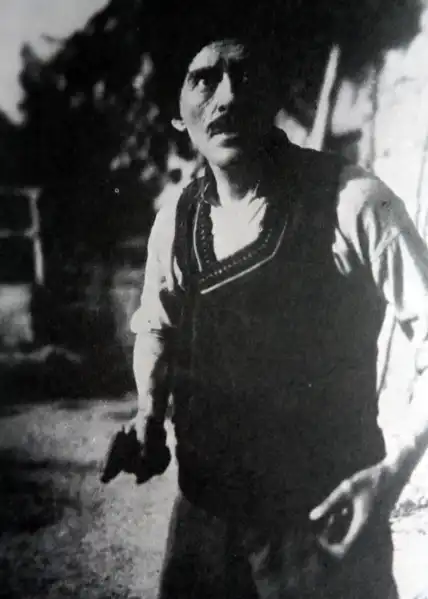
Dir: Vassil Gendov
Bulgaria is under Ottoman domination. Levski, the Bulgarian national hero, arrives in a small town. He gathers the members of the revolutionary committee set up by him but the Turkish authorities get wind of the meeting and the conspirators disperse. A schoolteacher Hristina is in love with Levski. The Turkish spies watch her and the priest Nikola, who sympathizes with the cause. The police arrest them and torture. They torture also Levski's mother - throw her in the well. Changing disguised, Levski closely follows the very posse sent to track him down. After surmounting all sorts of obstacles, he manages to free Hristina. The blinded priest continues to pray for his enslaved brethren. A miracle occurs: church bells start ringing of their own accord. The miracle strengthens the people that liberation is coming soon.
View Details
Dir: Vassil Gendov
A fascinating piece of cinema that shares thematic elements.
Dir: Vassil Gendov
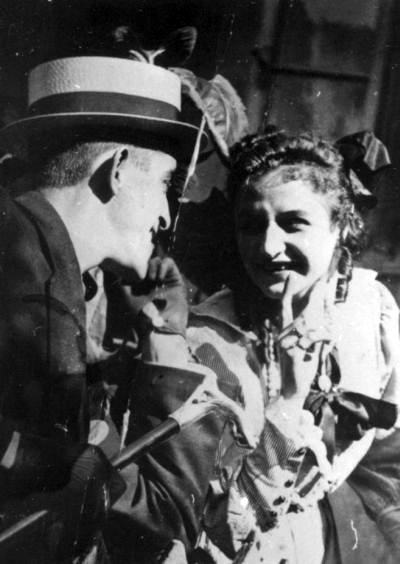
The university student and a girl are in love. They make dates, visit a party shop. The girl's aunt opposes their love. She has decided to marry her off to a rich suitor from whose uncle she receives a telegram that his nephew will be arriving from Gabrovo. While Aunt Kera is asleep in the winter garden the young people meet. The girl informs her lover about the forthcoming visit. The student decides to cunningly discredit the suitor of her choice before the aunt. He changes clothes with his friend and poses as the expected wooer. In the conversation with Aunt Kera he feigns nervous tics. Scared she turns him out of the house. After a second change of clothes the two young man carry on the farce. The friend playing the part of the of the mentally deranged suitor raves round the garden, screaming and threatening. The student who happens to pass by chases him away. Having passed himself off for a hero in the aunt's eyes, he finally gets her blessing. The young couple fall into each other's arms.
View Details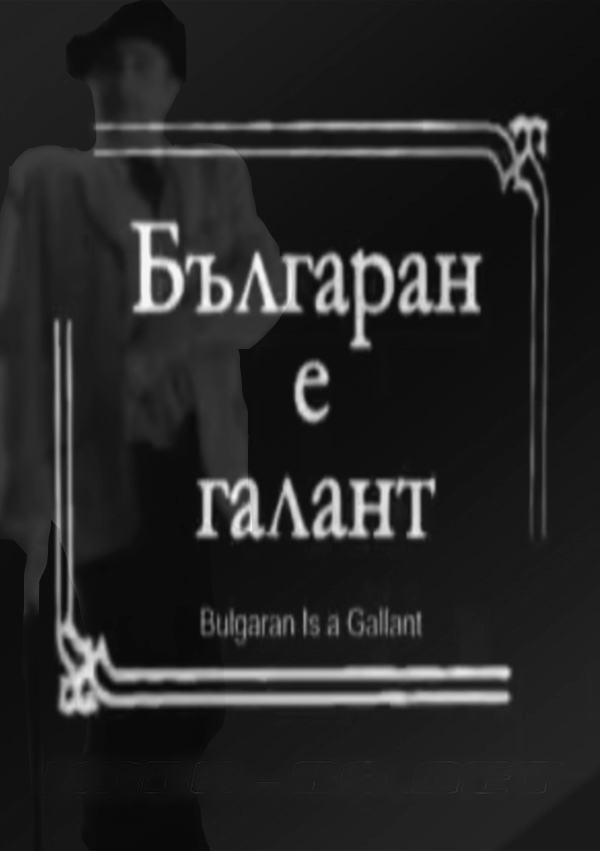
Dir: Vassil Gendov
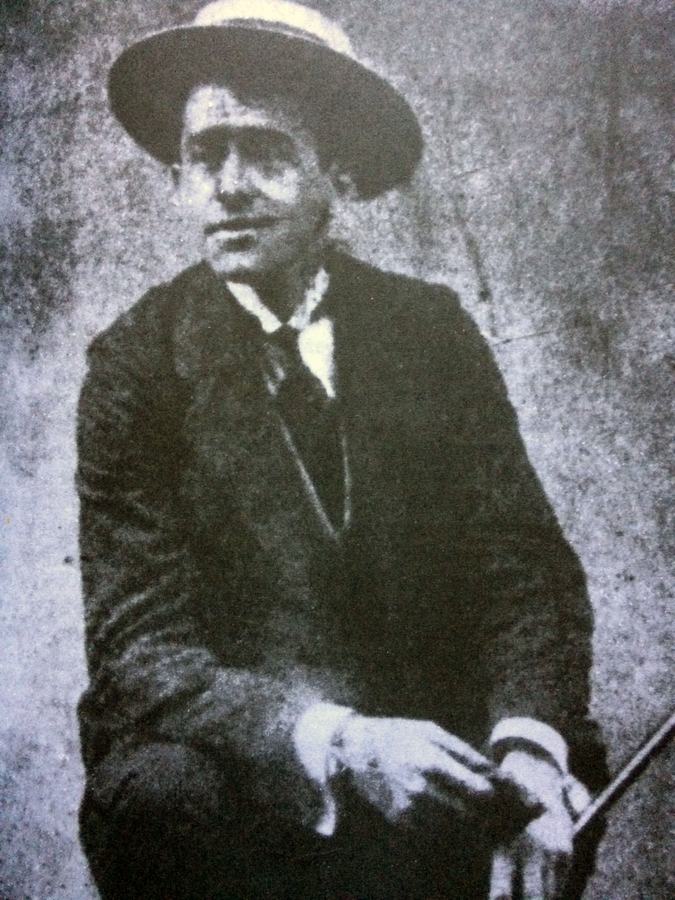
The elegant and fun-loving Bulgarian meets a young lady in the street and begins to flirt with her.She decides to teach the stranger a lesson and suggests that he should accompany her round the market-place where she goes on a spending spree. To her surprise she discovers that she has no money with her and asks her escort to lend her some. He agrees. The lady takes Bulgarian to the posh restaurant where she order expensive drinks and refreshments at his expense. Then she loads her escort down with the parcels and leads the way home. On the way she meets her husband and proposes that he should hire a cab so that they can relieve "the porter". The couple leave Bulgarian in a state of shock. He is tipped a small coin for the services rendered.
View Details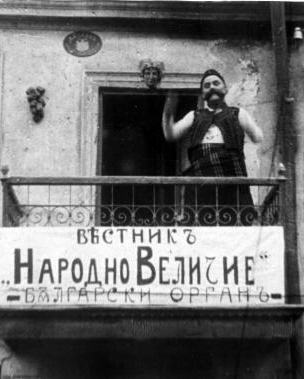
Dir: Vassil Gendov
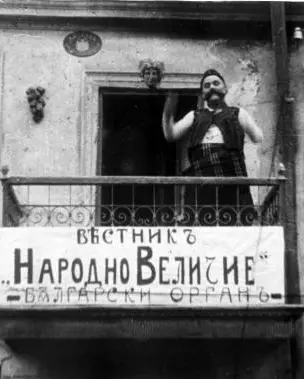
The name of the literary character Bay Ganyo has come to symbolize the negative features of the newly created Bulgarian bourgeoisie after the liberation from Ottoman bondage. Bay Ganyo Balkanski is a political double-dealer. Together with Filyo Gochoglu - "a merchant with capital" and Tanas Dochoglu - "a wine merchant" the three put forward their candidatures for members of the National Assembly. They launch the "National Glory" newspaper. Bay Ganyo has a soft spot for women and the opposition takes advantage of this to discredit him. They send to the editorial office an accomplice disguised as a woman who begins to flirt with Ganyo. Having discovered the fraud, he chases 'her' away. With the help of the scoundrel Danko Hairsazina and the shady characters led by him, Balkanski, Gochoglu and Dochoglu manage to frighten away those voting for the other candidates... After this stormy political and social struggle, Bay Ganyo decides to journey through Europe. Shouldering his saddlebags filled with phials of attar of roses he gets on the train. He arrives in Vienna. He does not let the hotel bellhop carry his precious luggage. In the café, he finds Stoycho, a Bulgarian who acts as his guide. Ganyo keep making passes at the women in the streets and in the cafés. Together with Stoycho, they ride on a train around the Prater, go sightseeing, and have a snack at the food of Maria Theresa's monument paying no attention to the passer-by. After a series of similar escapades, Bay Ganyo returns to Bulgaria.
Dir: Vassil Gendov
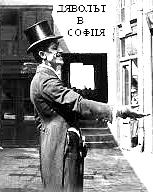
The devil is bored in his kingdom. He makes up his mind to descend to earth and get familiar with the kind of life people lead. He chooses the city of Sofia for his excursion. His first contacts are by no means encouraging. Strolling along the streets in the capital in his outlandish Mephistophelean costume, he is chased and stoned. Then the devil puts into operation his tiny machine for printing money. Dressed in the latest fashion he continues his walk unmolested. Money opens the doors of the richest homes for him and he soon becomes a member of the capital city's high life. The devil chooses a prostitute as his partner, who introduces him to her family. The father is a thief and a drunkard so that the mother is forced to be the bread-winner. Satan and the prostitute find themselves in the whirl of easy life. A young high society woman asks him to murder her elderly husband so that she may inherit his wealth. He refers her to his companion's father who willingly helps her. After the murder, the old crook steals the money-printing machine and flees. The Devil leaves without resources. High society expelled him in disgrace. More dead than alive, convinced that people are much wicked than he is, he manages to return to hell with great difficulty. Not for the world will he substitute hell for Sofia.
View Details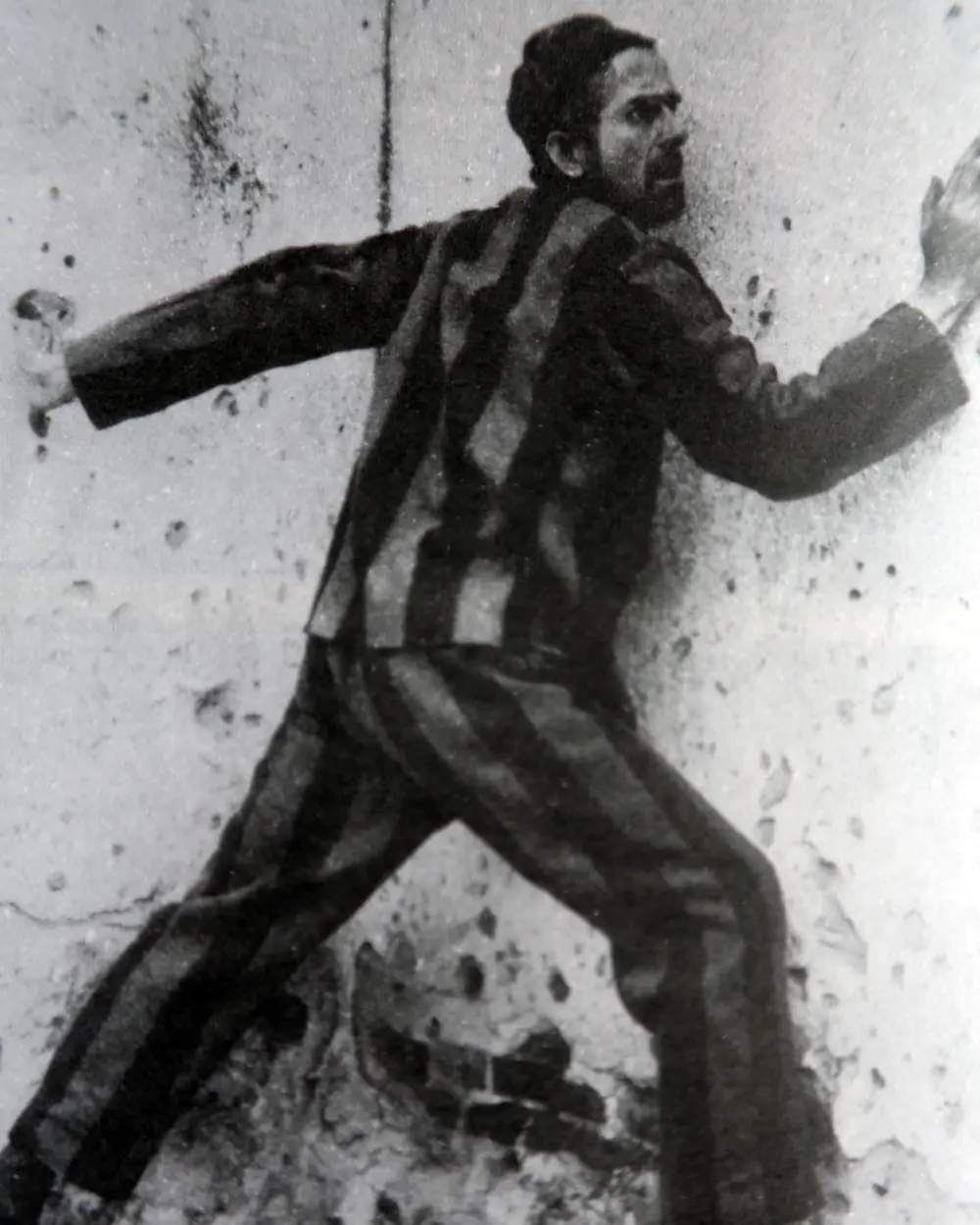
Dir: Vassil Gendov
The clerk Pavel Simov is a compulsive gambler. His last savings are lost gambling and he begins to steal. He attacks a rich woman in the park, grabs her bag and coat and runs away. The police chase him. He leaves the stolen items with his wife Rinka. She cannot prove her innocence and is sentenced as his accomplice. The greengrocer Katerina takes in their three-old-year son Pepi but later sends him to a manger on Rinka insistence. Katerina puts on his neck a small cross left by his mother. Three years later Rinka is released from prison. At the manger, she learns that the child has been given to a foster mother. Hungry, Rinka stops in front of Zoya's bakery. A boy of about six works there. He takes pity on the beggar-woman and gives her two buns for which Zoya gives him a beating. Rinka starts work in a sweet factory. One evening she finds a child sleeping in front of her house and recognizes the boy from the bakery. She is full of joy when she discovers her own cross hanging around his neck. The child remains with his mother. Simov appears soon, after years abroad. He begins to blackmail his wife. One day, when Rinka refuses to give him money, he knocks her over the burning primus. A fire burst out. Simov flees, dragging Pepi behind. Simov drops on the railway track. Pepi manages to pull him aside seconds before a train passes. Simov repents and gives himself up to police. In jail, a priest takes care of him. He succeeds in transforming Pavel Simov. He returns to his family. Rinka reveals to Pepi that he is his father. The child implores her to forgive him and let him live with them.
View DetailsAnalysis relative to Patyat na bezpatnite
| Film Title | Atmosphere | Complexity | Similarity |
|---|---|---|---|
| Buntat na robite | Tense | High | 88% Match |
| Zabraveniqt Sliven | Gritty | Dense | 91% Match |
| Lyubovta e ludost | Ethereal | Abstract | 88% Match |
| Balgaran e galant | Ethereal | Abstract | 94% Match |
| Bay Ganyo | Gothic | Abstract | 97% Match |
This guide was algorithmically generated using the cinematic metadata of Vassil Gendov's archive. Last updated: 6/28/2026.
Back to Patyat na bezpatnite Details →