
DbcultAccessing Vault...
Recommendations
Senior Film Conservator
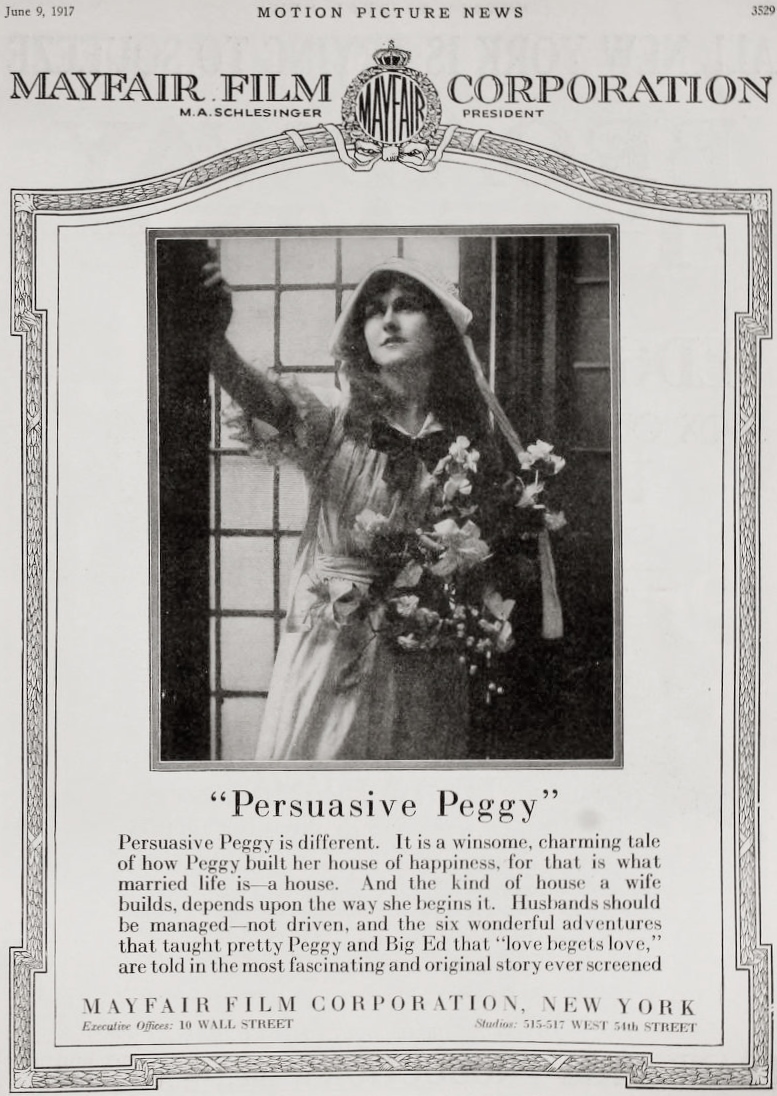
Since its 1917 debut, Persuasive Peggy has maintained a unique vision status, the legacy of Persuasive Peggy is a beacon for those seeking the unconventional. Our criteria for this list were simple: only the most unique vision and relevant titles.
The 1917 landscape was forever altered by the arrival of to sustain a sense of mystery that persists after the credits roll.
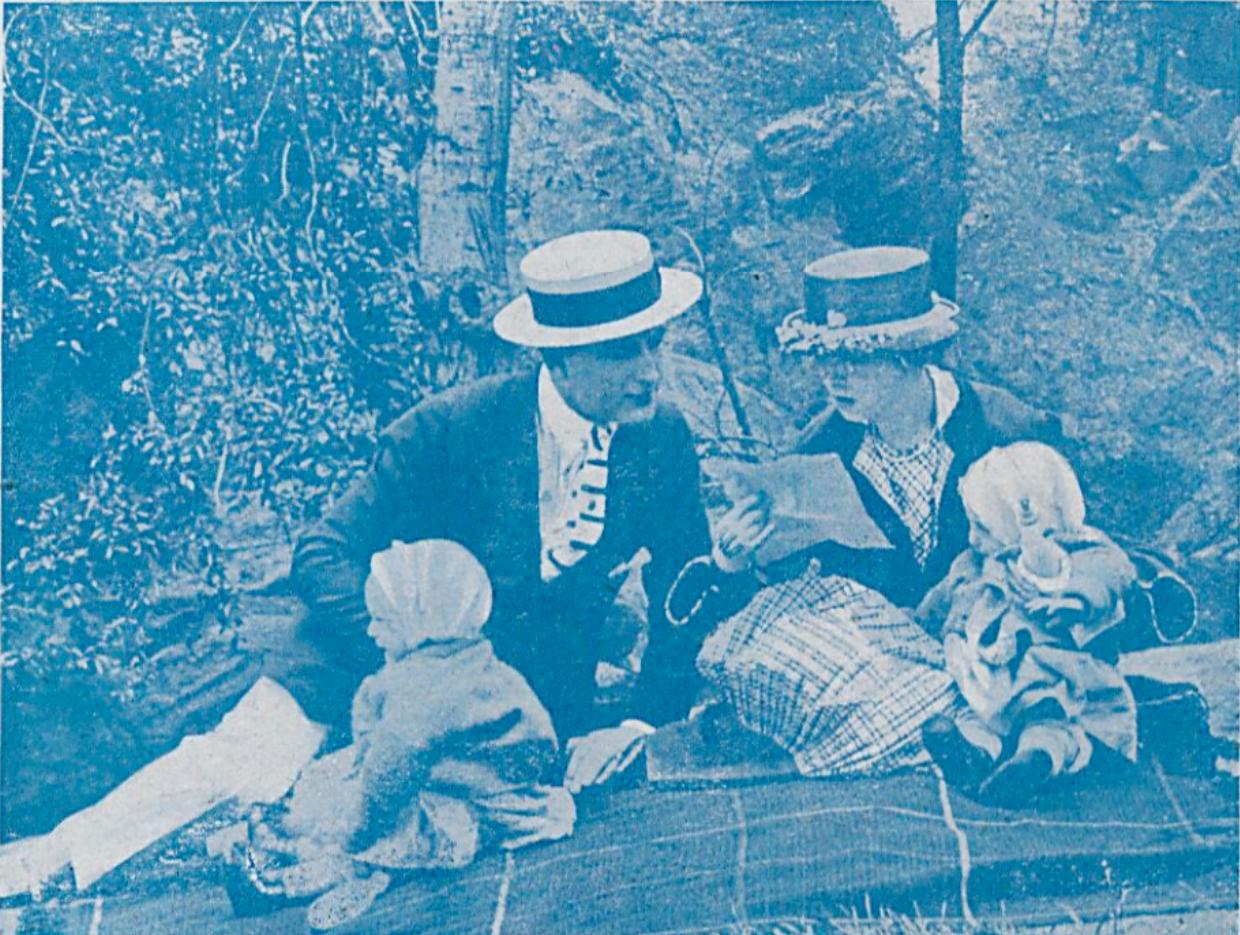
Informed by her husband Ed that they will not be honeymooning at Niagara Falls as promised, but rather at the County Fair, newlywed Peggy decides it is time to assert her independence and steals away to the falls alone, leaving her bewildered husband to follow. After the honeymoon, Ed takes his bride to the home that had been his mother's, and Peggy redecorates the entire house in her husband's absence. Gradually, Ed learns to submit to his wife's modern attitudes until he discovers that her continual visits to the city have not been to the dentist's, as she had said, but to the studio of portrait painter Perry Pipp. Ed angrily confronts Peggy with her deception, forcing her to return home to her parent's house. Later, when Ed learns that Peggy has been posing for a portrait as a birthday surprise, he begs his wife's forgiveness, which she bestows, along with the information that a baby is on it's way.
Critics widely regard Persuasive Peggy as a cult-favorite piece of cult cinema. Its unique vision is frequently cited as its strongest asset, solidifying its place in United States's film legacy.
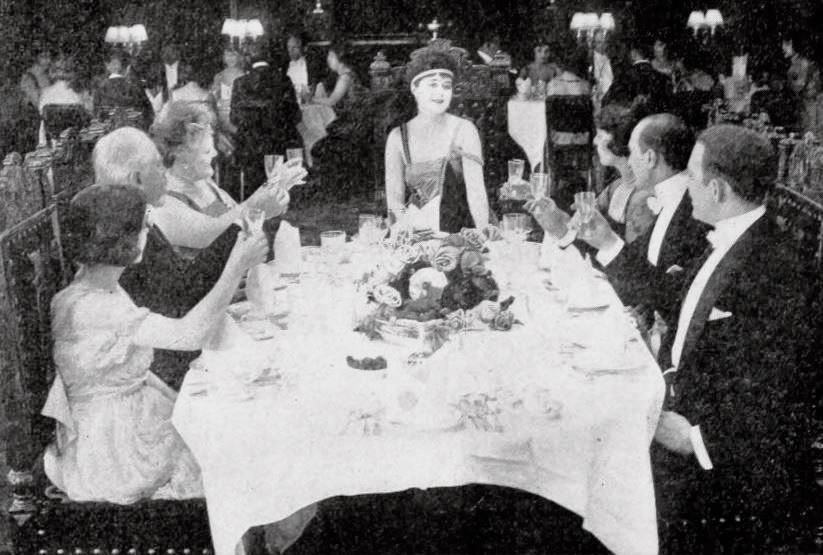
Based on the unique unique vision of Persuasive Peggy, our vault has identified these titles as the most compelling follow-up experiences for fans of cult cinema:
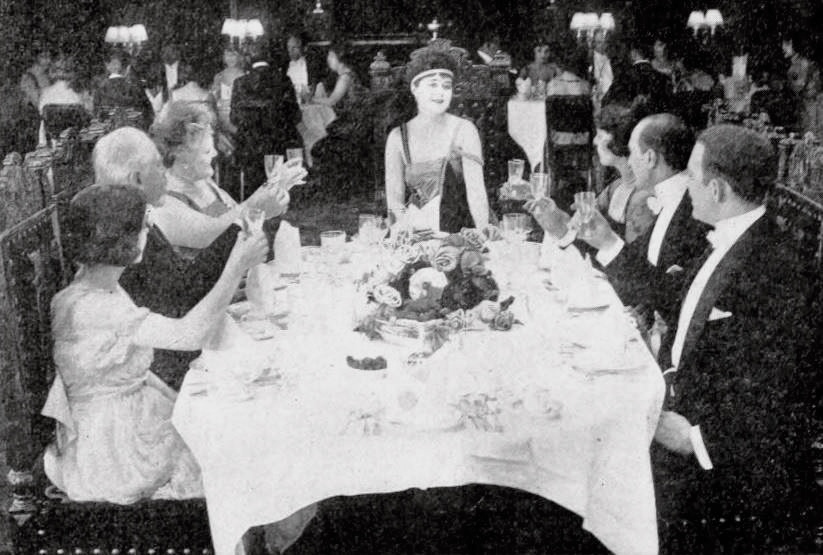
Dir: Charles Brabin
Beatrix marries Herbert Buchanan while under his hypnotic trance, although she really loves Harry Faring. When Herbert learns of his wife's love for Harry, he disappears with Kansas, a tramp. Soon after, Beatrix falsely identifies a body at the morgue as her husband's and marries Harry, but when Herbert, still alive though ill and demented, appears at her door with Kansas, she confesses her lie to her new husband. Kansas' plans to blackmail Beatrix are ruined when Harry visits the two tramps, and Herbert, now dying of tuberculosis, pleads with Kansas to leave the couple in peace. Kansas agrees, and after Herbert's death, Beatrix and Harry return to a normal life.
View Details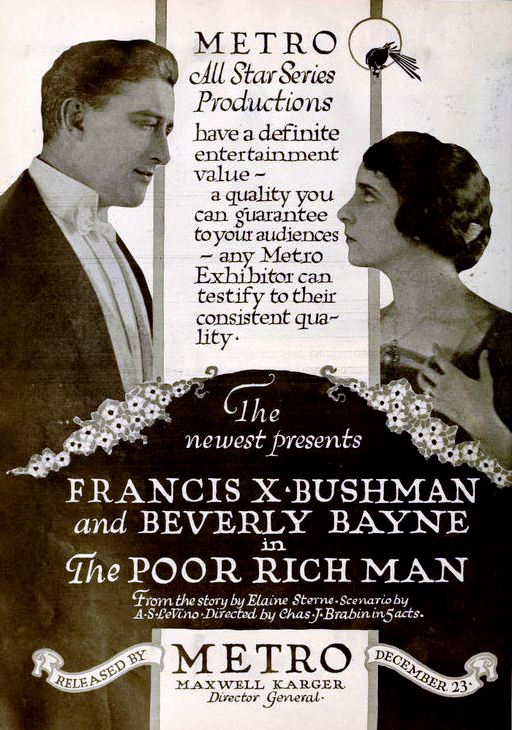
Dir: Charles Brabin
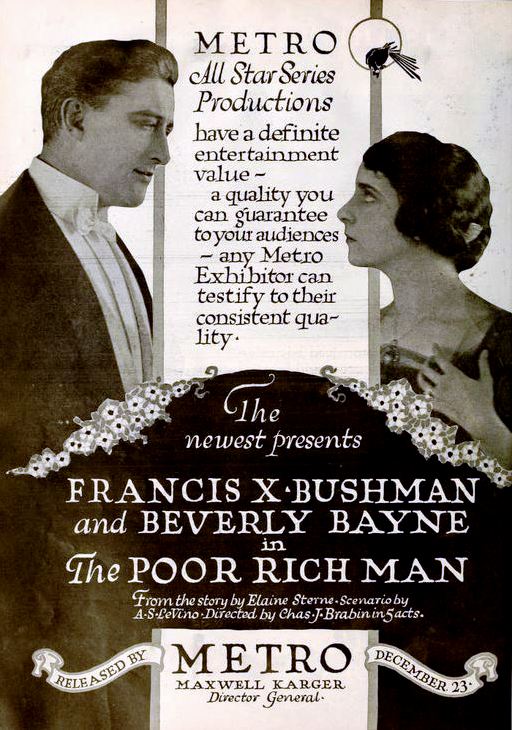
The son of millionaire James Carter, Vantyne deliberately shuns work, which sickens his father, he decides to test his son's ability to become self-sufficient. Carter, Sr. has his lawyer report that he has been killed on a hunting trip, and at the reading of the will, Van learns that, unless he can support himself within six months with only an old farmhouse left to him as working capital, he will lose the family fortune to his cousin Teddy Brown. Van immediately gets busy and, with the help of Arizona Brown, a visiting Westerner with whom he has fallen in love, turns the old farm into a thriving and very fashionable resort. His chance of becoming a millionaire fading fast, Teddy arranges with actress Edith Trentoni to ruin the hotel's reputation by means of a kitchen strike and a jewel robbery. He succeeds, but old Carter finally appears to turn the villain out and proclaim Van and Arizona a successful team.
View Details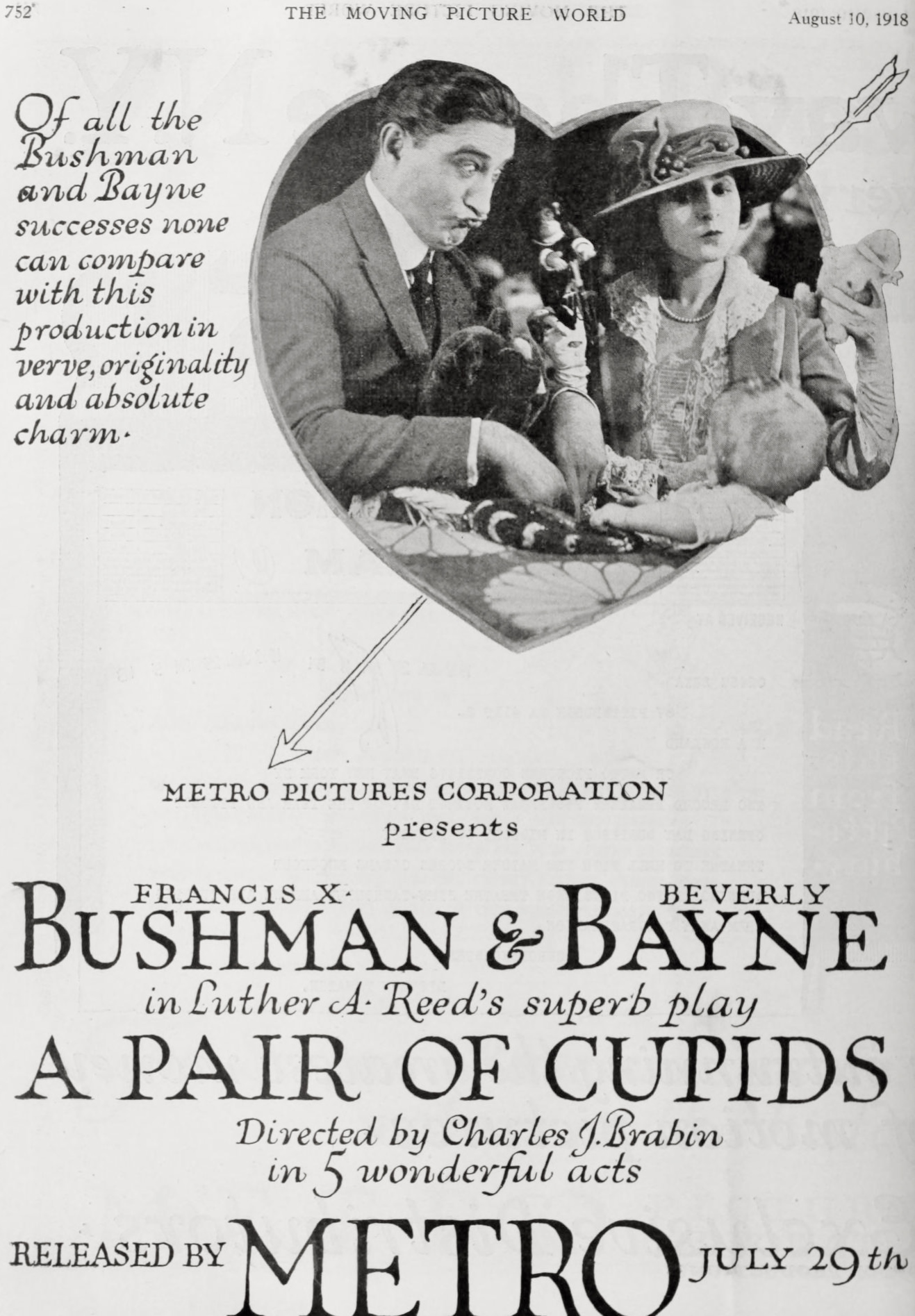
Dir: Charles Brabin
Henry Burgess favors a match between his ward, Virginia Parke, and his nephew, Peter Warburton, but she is only interested in her poodle, Frou Frou, and Peter devotes all of his attention to his business. To bring them together, Uncle Henry rents twin babies of the laundrywoman, Bridget McGroghan, placing one on Peter's doorstep and the other on Virginia's. Each discovering that the other has a baby, Peter and Virginia soon begin to share their views on child rearing and matrimony, and are about to become engaged when the babies disappear. Michael McGroghan, the twins' father, hires a pair of crooks to kidnap the babies so that he may collect the $25,000 bond that has been put up by Henry for their safe return. Peter, however, tracks down the kidnappers, and after the infants are returned to their grateful mother, he and Virginia look forward to having their own babies.
View Details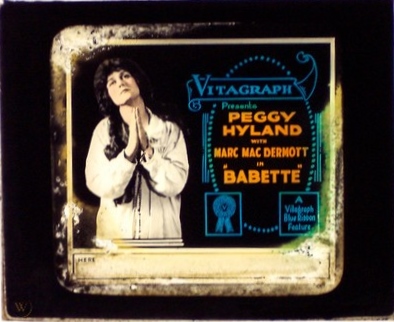
Dir: Charles Brabin
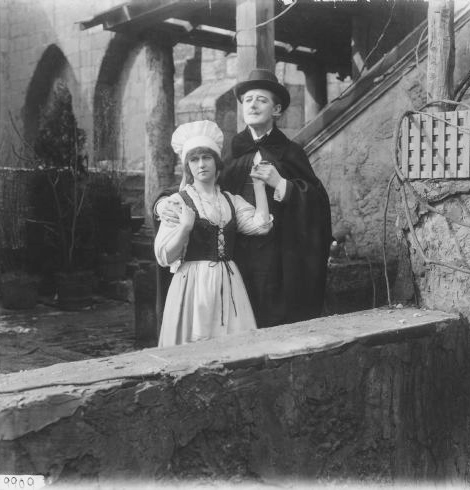
Babette is living with her father, the jailer and hangman in the castle-jail at La Fourche. Raveau, a criminal, comes to the castle and meets her. Her sweetness and purity cause him to realize his form of life is an empty shell. He even restores a necklace purloined from a tourist. Later he and Babette realize their love for each other. Their wedding is celebrated with much pomp. Guinard, a detective, turns up. Realizing his danger, Raveau convinces his wife that their friends are planning to separate them, and gets her to escape with him. They elude Guinard. In Montmartre, Raveau and Babette are like two doves. He again takes up art. But his work is not up to date and he finds the purse growing slimmer. When Babette shyly confesses that there will be another mouth to feed, and that she has given much of their store to Fifine, a "Quarter" girl, whose husband is just coming from prison, Raveau realizes how desperate is his need. He tries once more to sell his wares, without success. An appeal to an old partner brings a turn-down. Raveau then steals banknotes from a man in the post office. Guinard turns up after the baby is born. Without letting Babette know of his crime, Raveau parts from her, saying he has a commission which may take him away for a long time, but in the Commissionaire's office he learns his prosecutor is the husband of a woman to whom he had restored the money won at a gaming salon just before his marriage. The man refuses to recognize Raveau as the thief and he returns to Babette to say he has passed up the commission and will stay with her always, and Babette is happy in her husband's love, ignorant of his sacrifice for her.
View Details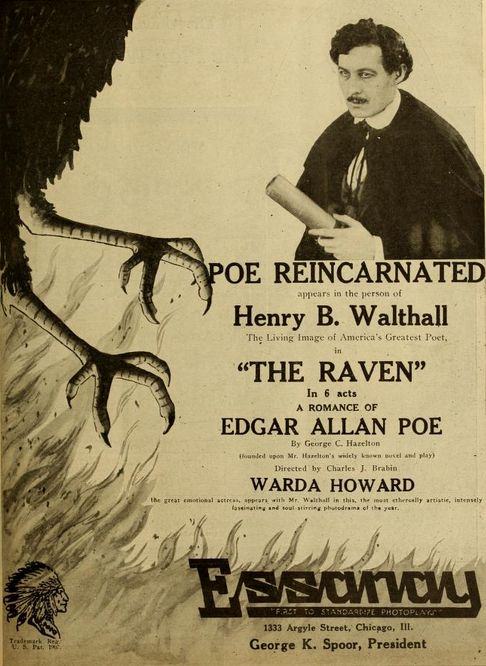
Dir: Charles Brabin
Edgar Allan Poe, while at college, incurs many debts and is sent home in disgrace. He is ordered from the house by his father. Shortly after, he marries, and tries to make a living by writing, but is a failure financially. His wife dies because he is unable to furnish her with even the bare necessities of life. He is plunged into great grief and despair. All night he sits brooding over his loss. Through his distorted imagination he sees the ominous raven enter his chamber and croak gloomy forebodings. The spirit of his wife also appears and finally he himself dies, and is wafted to heights supernal, where he is united with his "Lenore."
View Details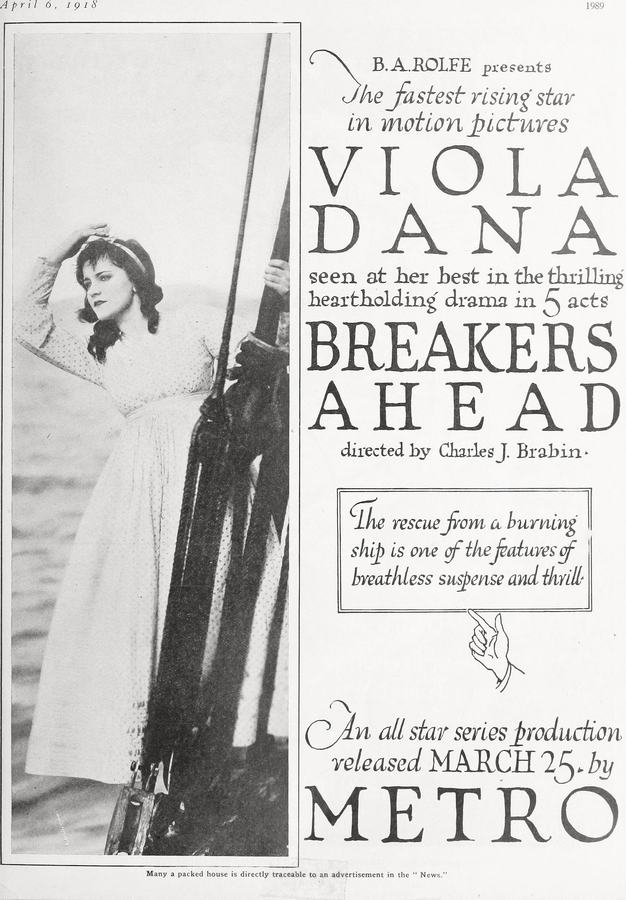
Dir: Charles Brabin
After young Ruth Bowman's mother dies, the child is raised by Agatha Pixley, and in time, the girl falls in love with Agatha's son, Eric. While Eric is at sea with Captain Scudder on a boat owned by Jim and Hiram Hawley, a jealous villager spreads the tale that Ruth is illegitimate, and the townspeople inevitably snub her. Jim Hiram sets his boat on fire after its arrival in port so that he can collect insurance money, and Ruth, believing that Eric is on board, tries to rescue him. When Ruth and Eric escape safely, Captain Scudder reveals that he, Ruth's long-lost father, was legally married to her mother, which re-establishes Ruth's good name and enables her to marry Eric.
View Details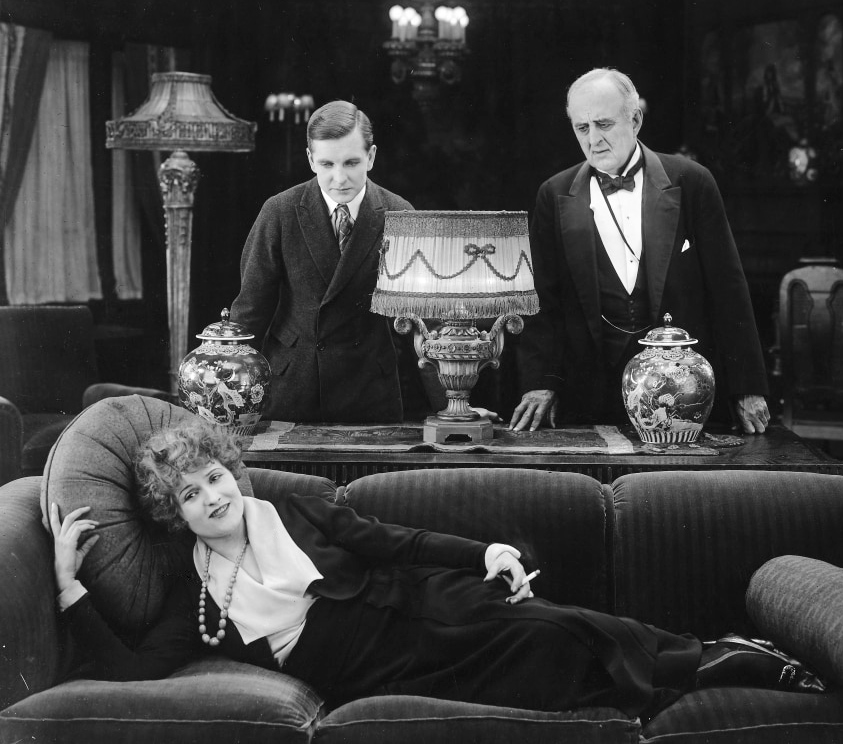
Dir: Charles Brabin
Doris Morse, the daughter of wealthy copper magnate Digby Morse, is eager to escape the unwelcome attentions of the many fortune hunters who pursue her, so she steals away to Atlantic City for a vacation. There she falls in love with Philip Hazard, an earnest and hard working young man, but because his income is so meager, she poses as a Macy's counter girl to avoid wounding his pride. When, by accident, he finally learns of her wealth, the two quarrel. In order to save the romance, her father pretends to disown her, but at the wedding, he secretly gives her a large sum of money in bonds. Doris soon wearies of her modest home and begins to spend the money on furniture and servants, which so piques her husband that he decides to steal the bonds from her safe. Doris is awakened by the noise and fires a shot, wounding Philip. The shock of injuring her husband brings Doris to her senses, and she agrees to live solely on his income.
View Details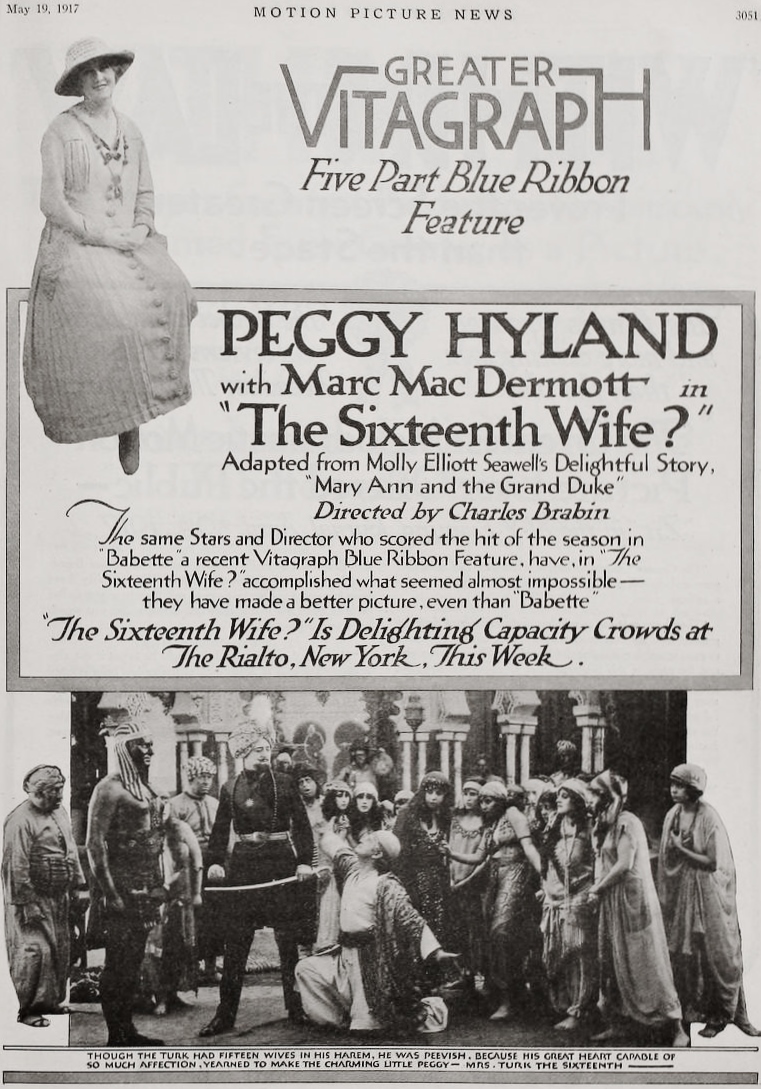
Dir: Charles Brabin
Though the Turk has 15 wives, he yearns to make our heroine his 16th.
View Details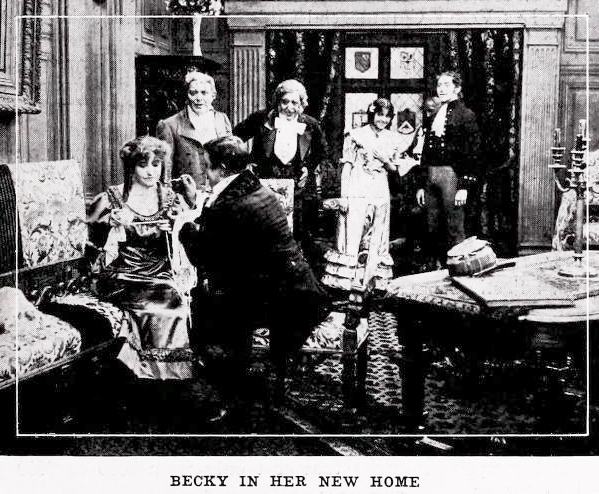
Dir: Charles Brabin
Becky, a child, is left an orphan by the death of her father and is consigned to the tender mercies of the Misses Pinkertons, who conduct a fashionable school for girls. Becky feels keenly the semi-charitable nature of her life, and, when kindly-hearted Amelia Sedley invites her home, she eagerly accepts. It is then that Becky, the child, becomes Becky, the adventuress, cold, calculating and selfish. With the entrance of Becky into the peaceful Sedley home comes misfortune. Sedley goes bankrupt. Old man Osborne promptly breaks the engagement between Amelia and his son, George. Becky lays her traps for Joseph Sedley, Amelia's brother, and nearly succeeds in her designs on that self-satisfied young man. Urged by his faithful friend, Captain Dobbin, George marries Amelia. This change throws Becky into new surroundings. She goes to Queen's Crawley and enters the most active sphere of her existence. Her adventures with old Pit Crawley, her marriage to Rawdon Crawley, their poverty Becky's flirtation with Lord Steyne and her subsequent separation from Rawdon, the Battle of Waterloo and the death of George Osborne are all faithfully portrayed incidents of Thackeray's novel.
View Details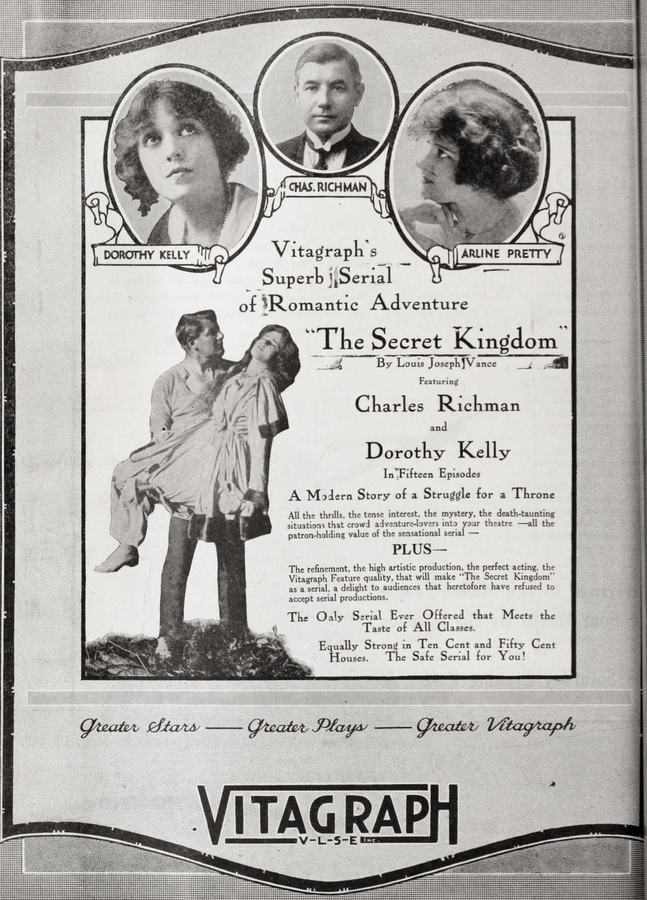
Dir: Charles Brabin
Episode 1: "Land of the Intrigue" Taking advantage of his monarch's lack of funds. Prime Minister Simond of Alania, who secretly aspires to the throne, induces him to pass an obnoxious tax bill. Then, with his sovereign unpopular, Simond feels it a good time to strike, so he causes the assassination of the King, Phillip II and Queen Alize, while they are hunting in the royal forests. Capt. Barreto, Commander of the Alanian palace guard, and a loyal friend of Phillip II, realizes Simond's dastardly plan, and when he hears him issue an order for the apprehension of the little Crown Prince, the only obstacle remaining in his path to the throne, he dashes off with him to America, with the aid of Juan, a fisherman. Barreto makes arrangements with Juan to keep in communication with his brother, Lieut. Jarreto. Simond proclaims himself Prince Regent, and with a bold bid for popularity, rescinds the obnoxious tax bill, his first official act.
View DetailsAnalysis relative to Persuasive Peggy
| Film Title | Atmosphere | Complexity | Similarity |
|---|---|---|---|
| Buchanan's Wife | Surreal | Abstract | 97% Match |
| The Poor Rich Man | Gritty | High | 96% Match |
| A Pair of Cupids | Gritty | Linear | 85% Match |
| Babette | Tense | Dense | 97% Match |
| The Raven | Ethereal | Linear | 94% Match |
This guide was algorithmically generated using the cinematic metadata of Charles Brabin's archive. Last updated: 6/27/2026.
Back to Persuasive Peggy Details →