
DbcultAccessing Vault...
Recommendations
Senior Film Conservator
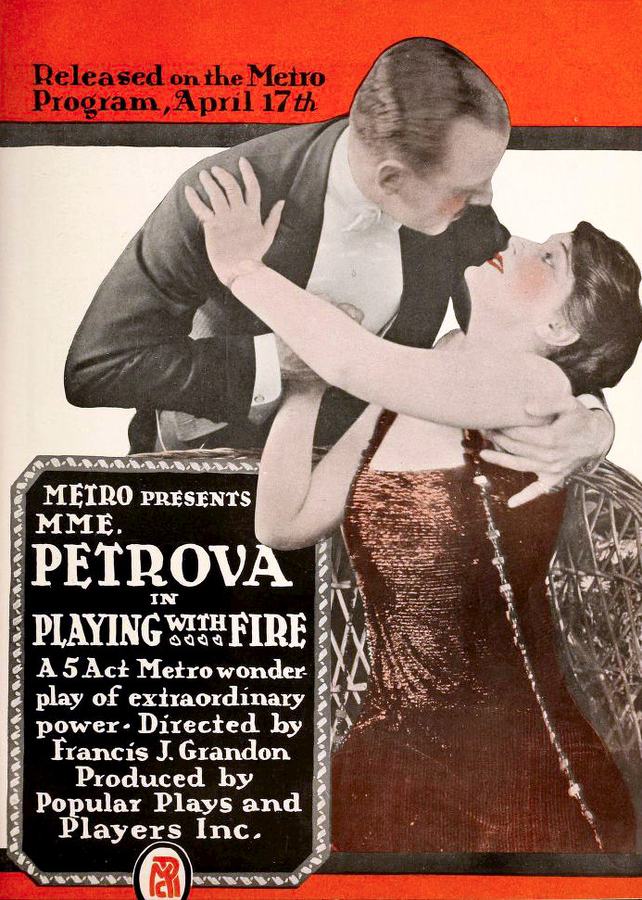
In the vast archive of cult cinema, Playing with Fire stands as a cinematic excellence beacon, the narrative complexity found here is a rare find in the 1916 landscape. From hidden underground hits to established classics, these are our top picks.
Few films from 1916 manage to capture to explore the darker corners of the human condition with cinematic excellence.
Jean Servian's eyesight is failing and is desperate for money, marries wealthy widower Geoffrey Vane after telling him that he must be satisfied with her gratitude rather than her love. Then, following an affair with artist Philip Derblay, who finally leaves her, Jean settles down to a quiet, boring life with Geoffrey, who knows nothing about her failed romance. Years later, however, after Lucille, Geoffrey's daughter by his first wife, becomes engaged to Philip, Jean feels compelled to tell the story of her own affair with him. The disclosure has little effect as Lucille makes no change in her wedding plans, but then, when she breaks in on a violent argument between Philip and Lucille, Jean accidentally shoots and kills her former lover. A trial results in her acquittal, however, after which Jean realizes that she really does love Geoffrey, who easily forgives his wife for her past indiscretion.
The influence of Francis J. Grandon in Playing with Fire can be felt in the way modern cult films handle cinematic excellence. From the specific lighting choices to the pacing, this 1916 release set a high bar for atmospheric immersion.
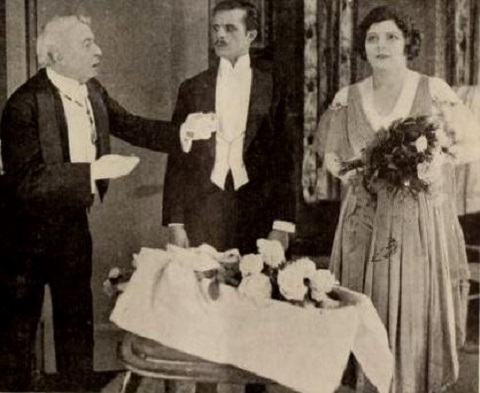
Based on the unique cinematic excellence of Playing with Fire, our vault has identified these titles as the most compelling follow-up experiences for fans of cult cinema:
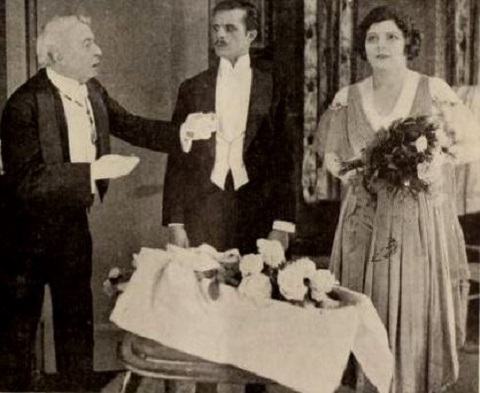
Dir: Francis J. Grandon
Young Polish American Sonia, whose deceased parents were famous musicians, exasperates her poverty-stricken guardian, Ivan Jandoroff, with her dreams of becoming a great violinist. When his employer, Andrew Hamilton, threatens to lower the wages at his steel mill, Ivan orders Sonia to work in the mill and then pawns her violin. Infuriated, Sonia soon learns that Andrew has purchased the instrument and visits the millionaire's home to demand its return. Upon hearing her play, Andrew offers to finance Sonia's musical education, but following her successful debut, he suggests that she offer herself to him to cancel the debt. Sonia tearfully smashes the violin and then returns to the factory, where she nurses the sick laborers through an epidemic and prevents a strike that would have ruined Andrew. Realizing his injustices to his workers and the woman he loves, Andrew promises to improve conditions at the mill and later proposes to Sonia.
View Details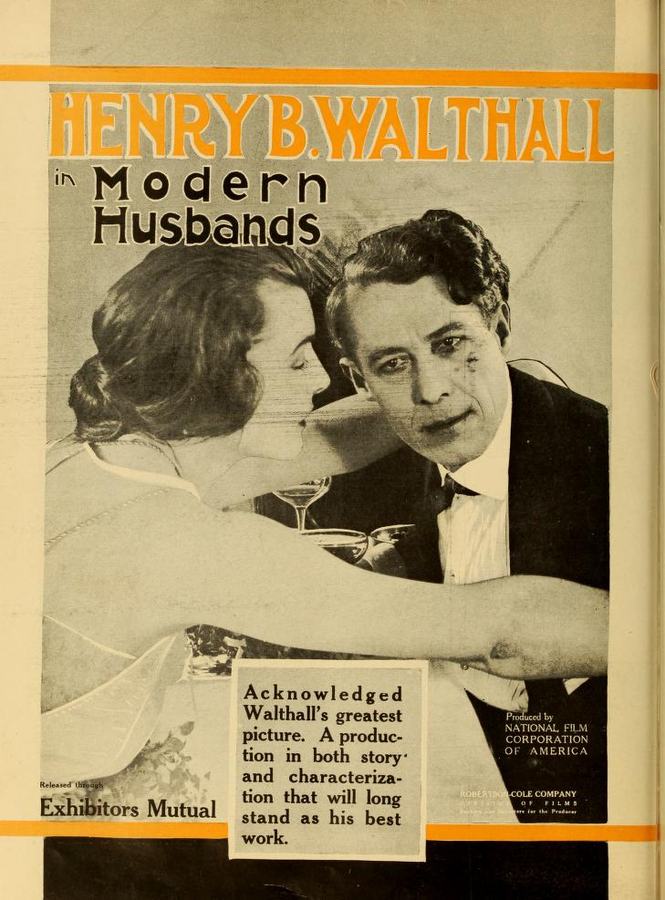
Dir: Francis J. Grandon
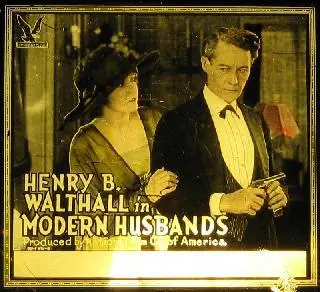
When wealthy Wall Street stockbroker Stephen Duane neglects his wife Julia for business, she consorts with philanderer Bert Brockwell. Finding them in an embrace forced by Brockwell, Stephen denounces Julia and leaves. After losing his fortune in the market, Stephen refuses Julia's offer to sell her jewels, and stays away for one year, while she opens a successful millinery store and has a baby. Despondent, Stephen decides to shoot himself, but when he hazily imagines Julia entering and catching his dead body, he drops the gun and decides to renew his life. After Jonathan Cosgrove, a friend, gives him $5,000 and a room in his home, Stephen discovers Brockwell in Mrs. Cosgrove's bedroom, forcing himself on her. Stephen hurls Brockwell through the window and then, to save Mrs. Cosgrove's reputation, allows Jonathan to think that he is the guilty party. After Mrs. Cosgrove discovers that Brockwell is a forger, she confesses to Jonathan, and arranges a meeting between Stephen and his wife and son that ends happily.
View Details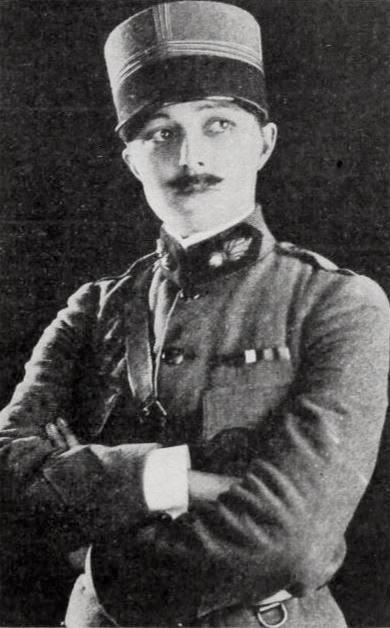
Dir: Francis J. Grandon
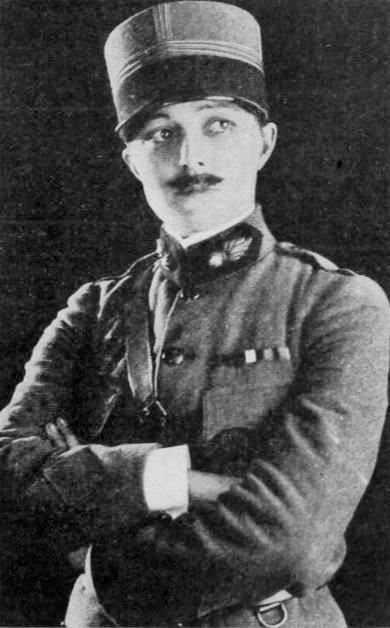
When Roberta Carruthers' father, Capt. Carruthers, is killed in France during the war, she comes to live in the US with her uncle. When she finds out that her uncle is under the impression that his brother had a son and not a daughter, she decides to disguise herself as a male, and calls herself Bob. She becomes a translator for William Faulkner, the governor of the state, and in that capacity exposes a number of German spies. However, Gov. Faulkner manages to meet "Roberta" as a woman, not knowing that she is actually "Bob", his translator--and falls in love with her. Complications ensue.
View Details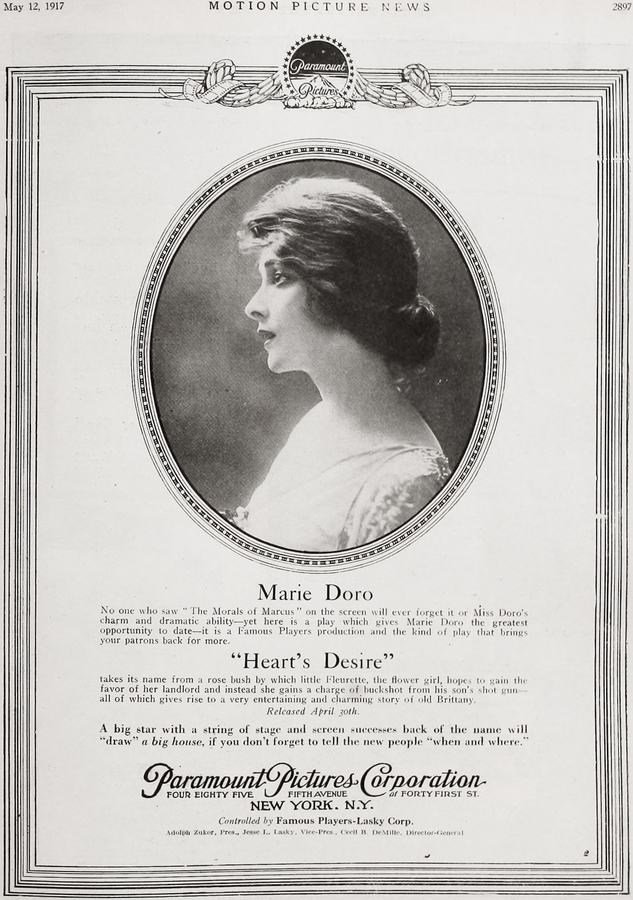
Dir: Francis J. Grandon
Henri Le Rocque's arrival to an island village causes much consternation when he insists upon advanced rental for the land he owns. Accompanying Le Rocque is his nephew Paul, recovering from the effects of an unfortunate love affair. One day, little flower girl Fleurette visits the Le Rocque estate to make a present of a rare flower and is shot as a trespasser. She is nursed back to health at the mansion, and Paul falls in love with her. However, her former sweetheart, Jacques, appears and persuades Fleurette to run away. As Fleurette returns to the village, she learns that the villagers are planning to storm the mansion and, realizing that she loves Paul, rushes back to warn him. This endears her to Henri, who urges Fleurette to marry his nephew and bring happiness into their lives.
View Details
Dir: Francis J. Grandon
The story opens in the office of an oil company. The president received a letter from a friend notifying him there is oil in the town of Glory. He forms a dummy railroad company and sends a representative to Glory to get rights to the property by promising that the dummy company will establish a station at Glory. While getting the rights to the property, the oil representative goes through what he supposes a fake marriage with the postmistress of the village. Time passes and the postmistress leaves the village for a neighboring town, where she gives birth to a child. Unable to support the child, she brings the baby to the village hotel run by two Germans, and, under cover of darkness, leaves the baby there. The baby is adopted by the village, named Glory Glory, and brought up by the two Germans. In the meantime the mother has made her way to the city and drops from exhaustion in front of the president of the oil company's house, when she is picked up and carried in. Upon examination by the doctor he finds the fall has caused her to lose her memory. The president is a widower and upon the woman's recovery decides to have her stay as governess and bring up his young son. Several years pass by and both Glory and the president's son are grown up. They accidentally meet and fall in love. The oil company decides to take possession of the property at Glory and then a fight ensues, the son taking sides with the girl he loves and her people. During the lapse of years the man who put through the original deal for the oil company and who married the postmistress has risen to be a judge. The case is brought before him and he dismissed the charges of the citizens of Glory. The son decides to assist and steals the papers relative to the case. The judge and president of the company finally decide to make restitution. The marriage is found to be legal. The people get the oil property back, and Glory is happy with her sweetheart.
View Details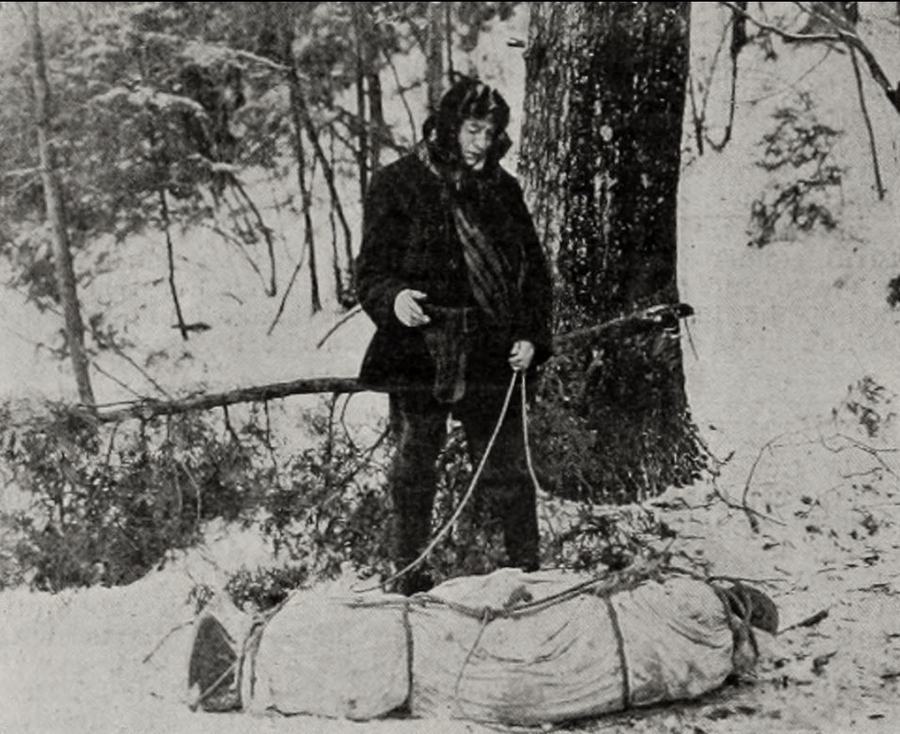
Dir: Francis J. Grandon
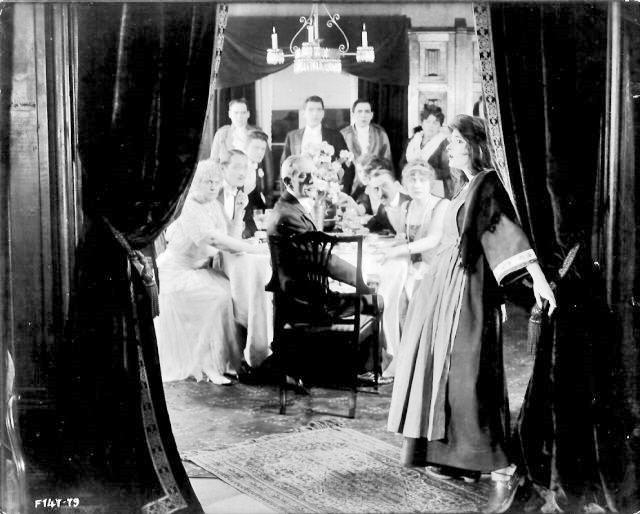
When socialite Ethel Wyndham turns down his marriage proposal because of his working-class status, Jim Carew leaves civilization and goes prospecting in the Yukon. While striking it rich in Alaska, he begins a romance with Little Snowbird, but before settling down with her, he decides to take one last look at life in the big city, and so he goes to New York. At a restaurant there, he sees Ethel, and immediately tells her of his success and proposes once again. Ethel is tempted to accept him until Thomas Martin, who has involved her in a blackmail operation, threatens to expose her if she marries Jim. Once again broken-hearted, Jim returns to Little Snowbird, only to find that, believing that he would never return, she committed suicide. Before dying, however, she gave birth to their daughter, to whom Jim devotes the rest of his life.
View Details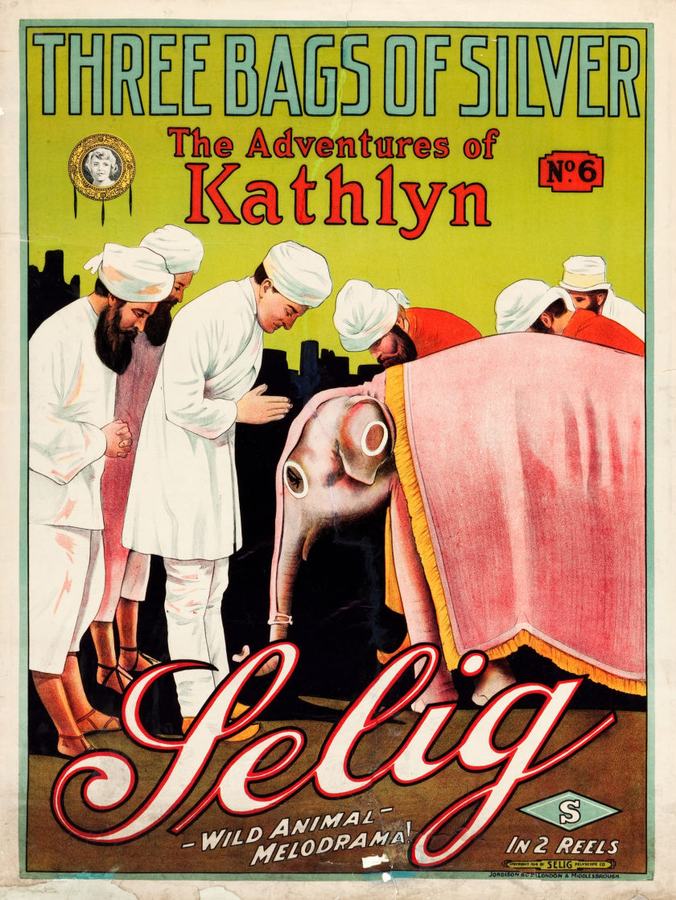
Dir: Francis J. Grandon
The daughter of an adventurer in India is kidnapped by a native king, whom she is forced to marry. She has several adventures battling natives and wild animals.
View Details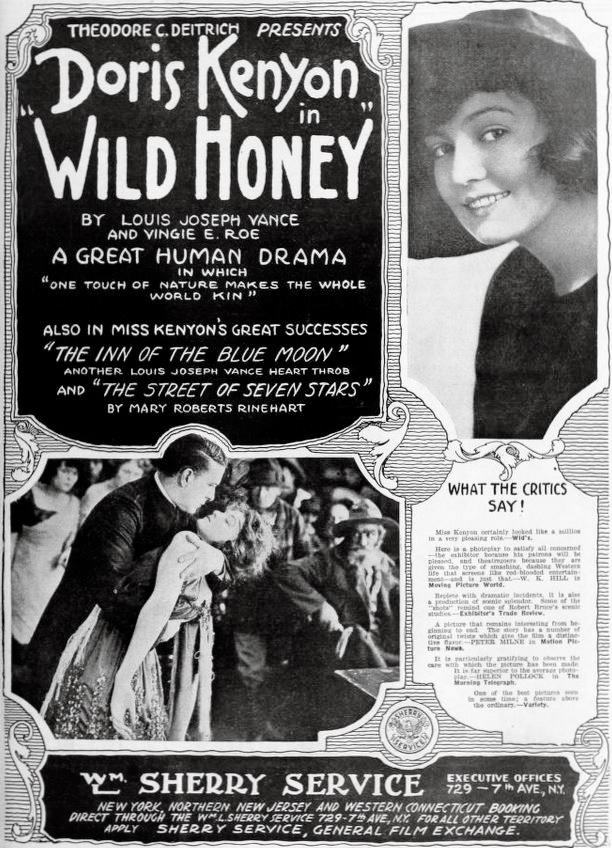
Dir: Francis J. Grandon
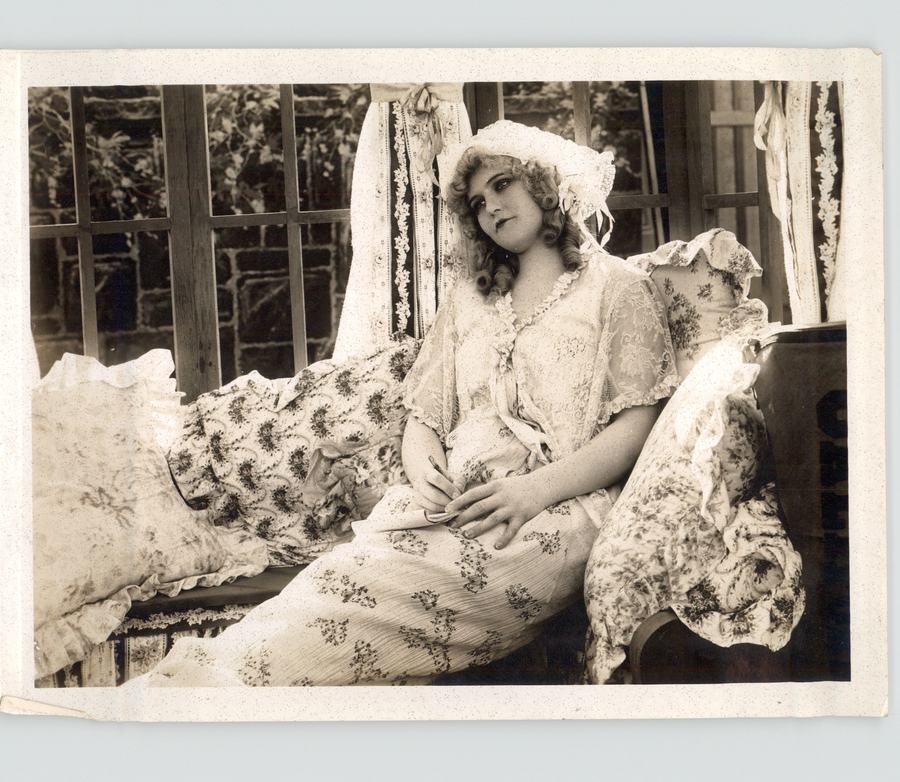
Concerned that she will ruin the Rev. David Warwick's career by marrying him, actress Letty Noon accompanies her fiancé to the home of Pastor and Mrs. Holbrook to seek advice. In answer to their question, the old parson narrates the story of young Jim Brown, a minister who resolves to reform the rough miners in a small Western town. His strength and dedication deeply impress the townspeople, but his sermons seem to have little effect on "Wild Honey," a dance hall girl who resents his constant admonitions. Wild Honey secretly loves Rev. Brown, however, and after she impulsively kisses him, he forgets his preaching and thinks only of her. One of Wild Honey's jealous suitors frames the reverend for murder, but she clears his name and, later that night, tells the parson of her love. Hearing her declaration, another rejected suitor attempts to shoot Rev. Brown, but Wild Honey shields him and is seriously wounded. The reverend then takes her to another town, where they happily grow old together.
View Details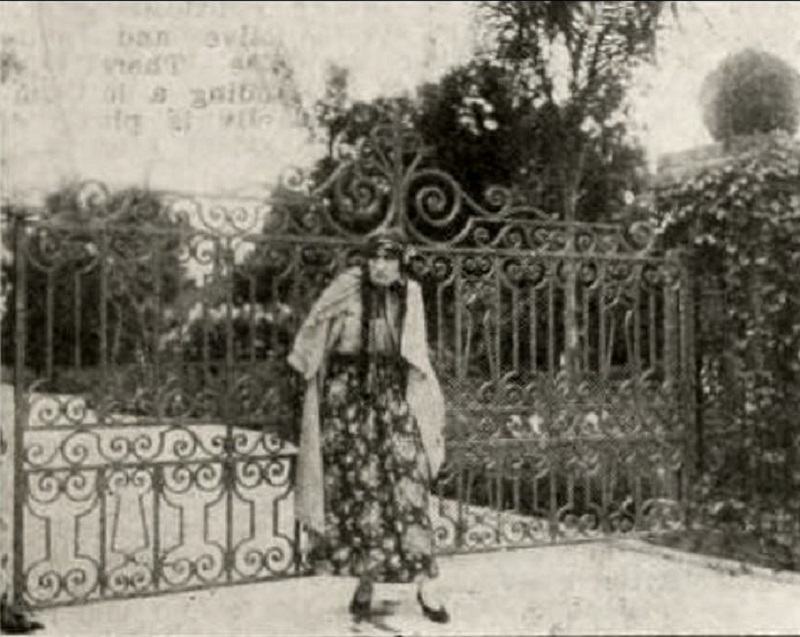
Dir: Francis J. Grandon
Strathmore, a woman hater, falls in love with "Lady" Vavasour after having reproached his friend, Bertie Errol, for his attentions to Lucille, the little farm girl. Errol, too, has trifled with the Vavasour woman and warns Strathmore that she is thoroughly bad and not really Vavasour's wife at all. They quarrel and fight a duel in which Erroll is killed. He has left a letter to Strathmore, explaining that Lucille, the daughter of exiled but noble Russians, is really his wife though he has kept the marriage secret for fear of offending his family and wealthy uncle. When the news of Errol's death is brought to her, Mrs. Errol dies of shock and Strathmore adopts and rears the daughter of this match who has been named Lucille for her mother. Lord Strathmore drives "Lady" Vavasour from society and completely exposes her, for he holds her responsible for the trouble between himself and Errol. As the years pass, Lucille grows into a beautiful girl, and when the Comte de Valdor proposes for her hand she refuses him, revealing that she loves Strathmore. Because he has killed her father, he hesitates, but in the end he marries her. "Lady" Vavasour, affected by the girl's happiness, foregoes exposing the truth of her father's death.
View Details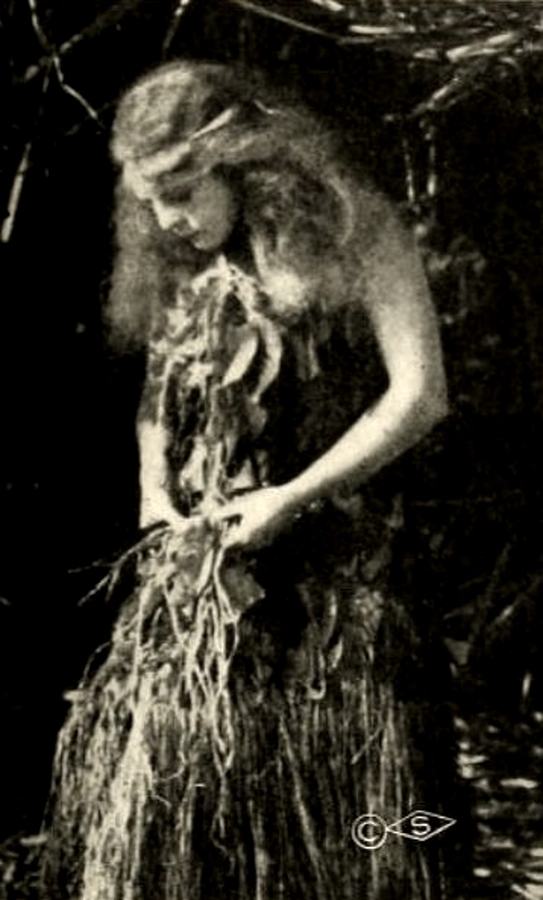
Dir: Francis J. Grandon
After Kathlyn's seemingly marvelous escape from the Temple of the Lion, where she almost became a victim of fanatical men, not to remark the hungry and marauding lion, she is still followed by the wild beasts that rove in that vicinity in search of prey. She realizes her peril through some keen second sense, and eventually makes her way by woodcraft to a tree, at the base of which is an idol. This being in the nature of a votive shrine. It is frequently visited by the Pilgrims and pious Parsees, who offer prayers for protection from the beasts of the jungle and also leave peace offerings in the form of food. Above in the branches of this spreading tree is propped a rude hunting booth, where the native hunters have been accustomed to watch in security for the stalking game that prey upon one another in the depths of the jungle. This umbrageous tree seems to have kindly shadows, and Kathlyn takes refuge among its branches, exhausted after her terrible flight through the tangled woodlands. Unarmed, she realizes that she must now depend upon her woodcraft and fleetness of foot to avoid the dangerous inhabitants of that neighborhood. With this idea in view, she weaves for herself a dress of fibrous grass that blends with the flora and the branches of the trees, just as the markings of many wild animals does, comporting with their environment, giving them unconscious security. She completes this garment none too soon, when the carnivora which has been upon her trail, rounds up at the base of the tree and settles down with fearful roars and snarling, warning her that it is time for her to look to her safety. She is so surprised that in her haste to get away she drops her tattered and discolored temple gown, fleeing further into the depths of the everglades in her new garb blending so well with the surroundings that it helps to conceal her whereabouts. Bruce, the American hunter, who accomplished Kathlyn's rescue in the amphitheater from the forty hungry lions, has been hot upon her trail since the stampede of elephants drew them far apart. Undeterred, however, he has penetrated the depths of the jungle, followed her from the Burning Gat to the ruined temple, and now to the base of the tree, where he finds her torn and discarded garment. He is encouraged to continue his search with greater zeal. In the interim, some passing traders lose an elephant that has strayed far afield to feed and give chase. The elephant becomes panicky and in its flight almost knocks down the tree that shelters Kathlyn. In her fright, she tries to run away, but the traders who have come upon the scene, capture her, believing her to have been an escaped slave. The chief of this band, after taking counsel, concludes to take his captive to a nearby city, place her in a slave market and sell her. Then follow a series of interesting scenic events, showing the method of caring for captives that have more than ordinary value in the eyes of their owners, for the fair Kathlyn at once excites the cupidity and admiration of the leader of the band, who naturally concludes he has a pearl of great price in her. (Incidental to this is the caste-mark on the forehead of the human chattel.) A few days after Kathlyn emerges from the jungle, she is put upon the auction block in the slave market of Allaha. Disguised in her wild garb of woven grass, bearing her caste-mark, and deprived of all the finery that once marked her as a queen, she is so heavily veiled she is not recognized by any of the dusky magnates who frequent the market of Allaha. Eventually she is sold, curiously enough to Umballah, who does not recognize her on account of the Saree over her face. Kathlyn, who has been successful in outwitting Umballah, concludes to reveal to him her identity, and when she does he is furious and indignant beyond words. While she was in the slave market, she managed to learn the whereabouts of Bruce, and conveyed a message to him through the caste-marker of Allaha. Bruce is again close, but is a few minutes too late to save her, as Umballah, in his fury, has ordered Kathlyn to be incarcerated in the same prison that confines her father. She had believed her sire dead, but when she is placed into the dungeon she recognizes the ragged and emaciated lost one and a joyous meeting drives melancholy from the inhospitable place. This, however, is short-lived, for the malignant Umballah appears and tells Col. Hare that his daughter Kathlyn is now his slave, his chattel, and that he will do with her as he likes. Instead of having the effect he hoped, in humbling the prisoner in chains at his feet, it inspires him with fury, and Hare, now possessed of maniacal strength, springs upon Umballah like a wild beast and bears him down, grinding him against the rocky floor of the dungeon.
View DetailsAnalysis relative to Playing with Fire
| Film Title | Atmosphere | Complexity | Similarity |
|---|---|---|---|
| Love's Law | Ethereal | Linear | 88% Match |
| Modern Husbands | Gothic | Abstract | 98% Match |
| The Daredevil | Ethereal | High | 90% Match |
| Heart's Desire | Gritty | Linear | 90% Match |
| Glory | Tense | Linear | 93% Match |
This guide was algorithmically generated using the cinematic metadata of Francis J. Grandon's archive. Last updated: 6/23/2026.
Back to Playing with Fire Details →