
DbcultAccessing Vault...
Recommendations
Senior Film Conservator
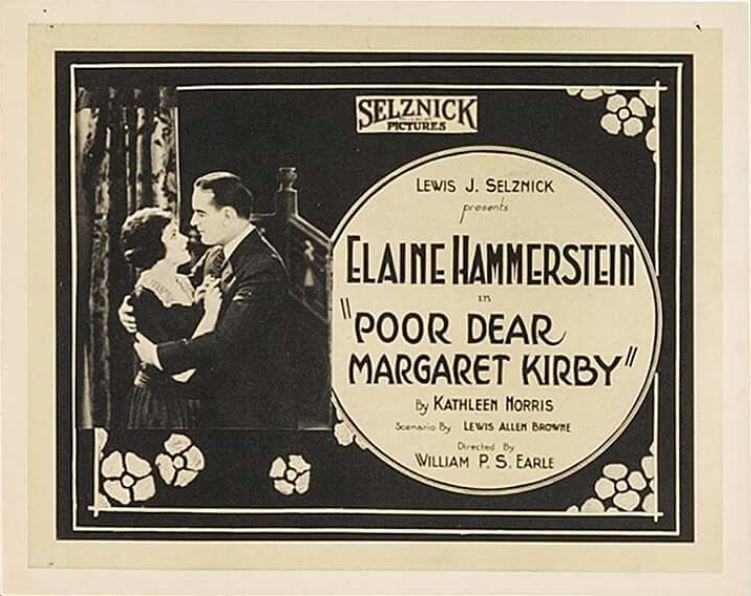
If you found yourself captivated by the character-driven intensity of Poor, Dear Margaret Kirby (1921), the quest for comparable cinema becomes a journey through the fringes of film history. Below, we've gathered a list of films that every fan of William P.S. Earle's work should explore.
Poor, Dear Margaret Kirby remains a monumental achievement to create a hauntingly beautiful cinematic landscape.
Margaret Kirby refuses her husband's request to help him obtain a loan from her guest, Gordon Pell. The husband, John, in financial difficulties, then attempts suicide and becomes seriously ill. Margaret takes in boarders and is compelled to mix with people outside her social set. Lucille, John's former admirer, creates a misunderstanding by means of forged telegrams, but the discernment of Gordon Pell clarifies the situation and Margaret and John are reunited.
Based on the unique character-driven intensity of Poor, Dear Margaret Kirby, our vault has identified these titles as the most compelling follow-up experiences for fans of Drama cinema:
Dir: Edgar Jones
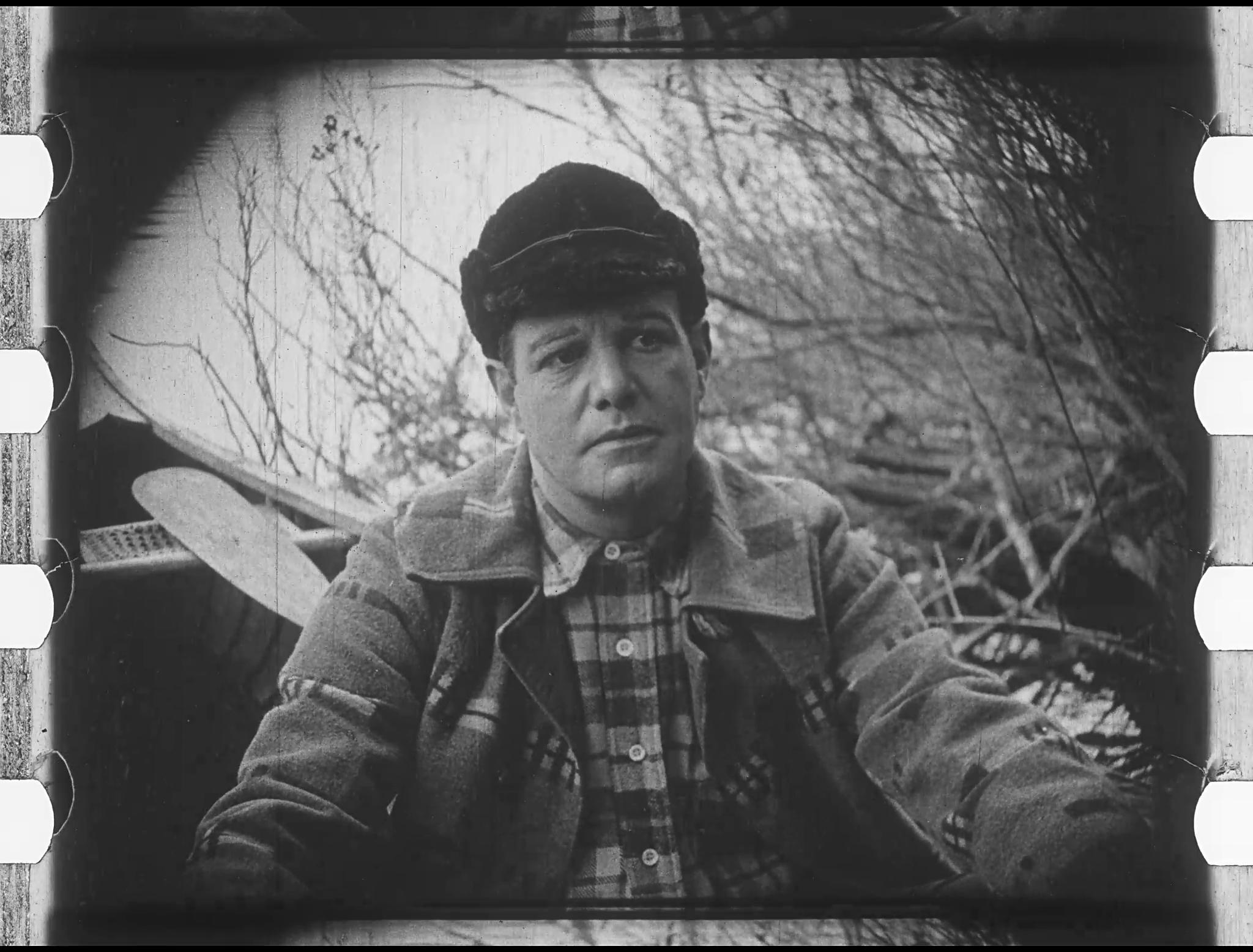
A mail-order bride arrives at a Maine lumber camp but doesn't like her prospective husband.
View Details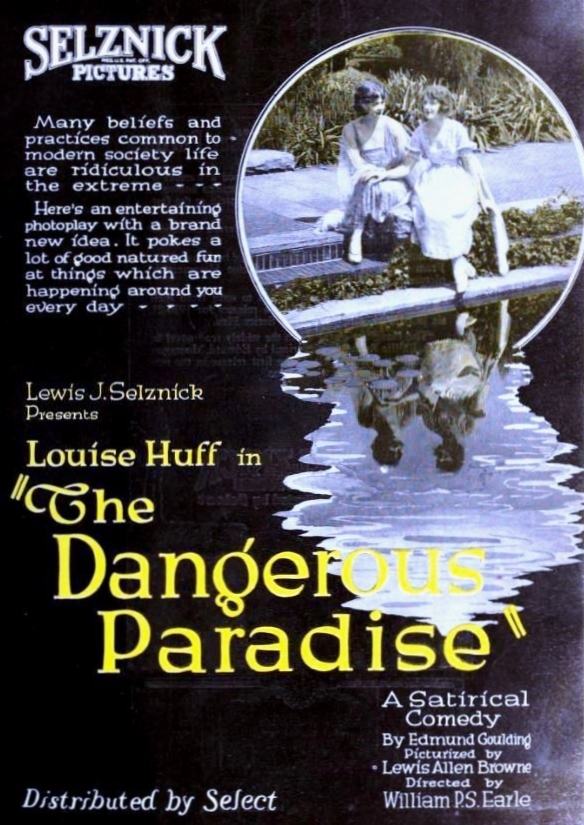
Dir: William P.S. Earle
To avoid marrying the elderly suitor her aunt has chosen for her, young socialite Ivis Van Astor decides to hire Horatio Worthington to pose as her husband. She hopes that as a "married woman" she will pique the romantic interest of Norman Kent, who perceives her as a sweet young thing. Ivis and her hired husband go to Newport, where she begins to flirt with Norman, who discovers her ruse and decides to teach her a lesson. He stages a duel over Ivis with Horatio and pretends to die. Once Ivis is properly chagrined, Norman "recovers," Ivis' aunt falls in love with Horatio, and all ends happily.
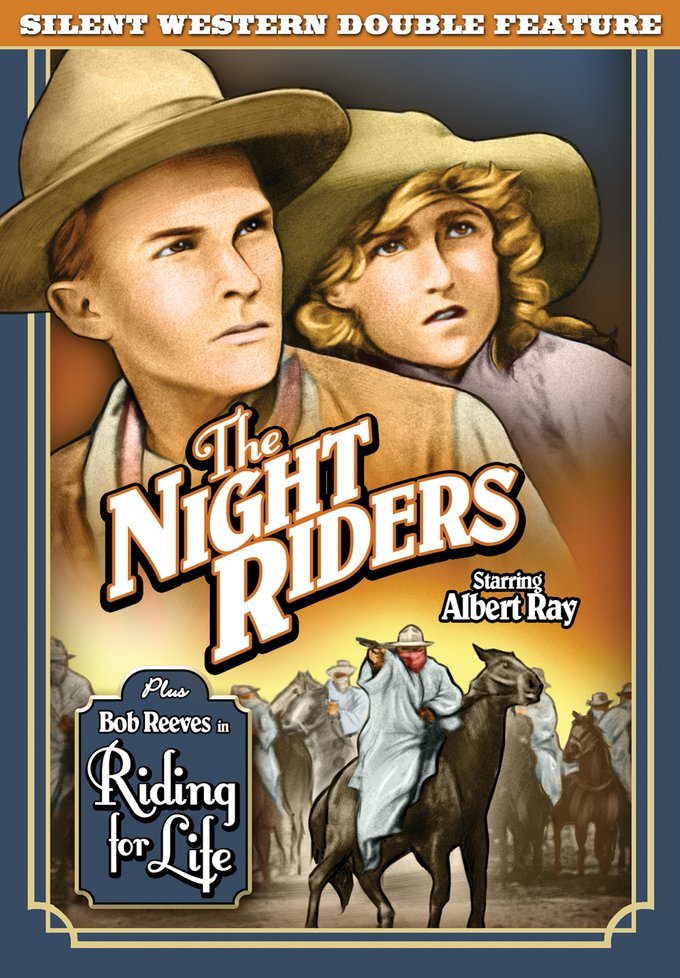
Dir: Alexander Butler
In Alberta, Canada, a Cornish emigrant unmasks a rustler posing as the girl's "blind" father.
View Details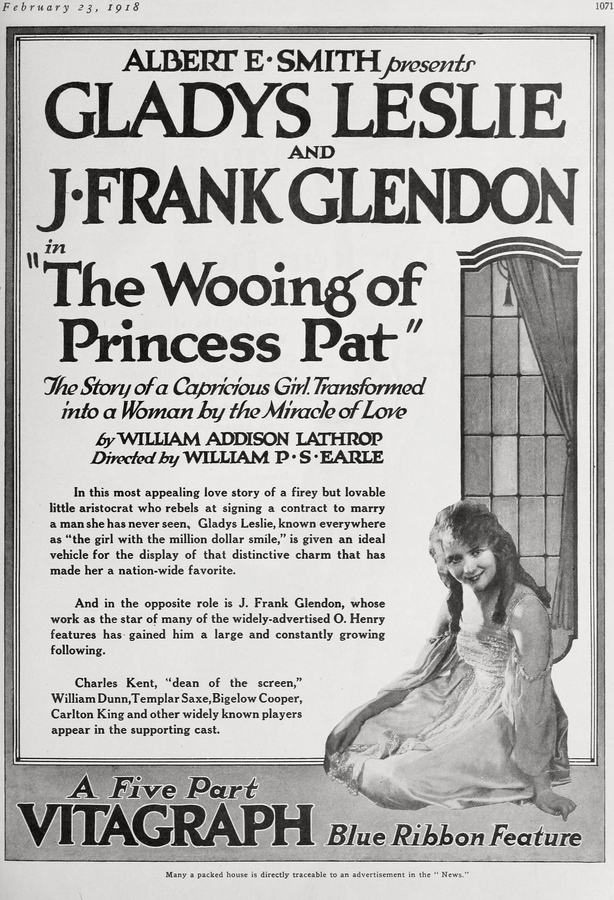
Dir: William P.S. Earle
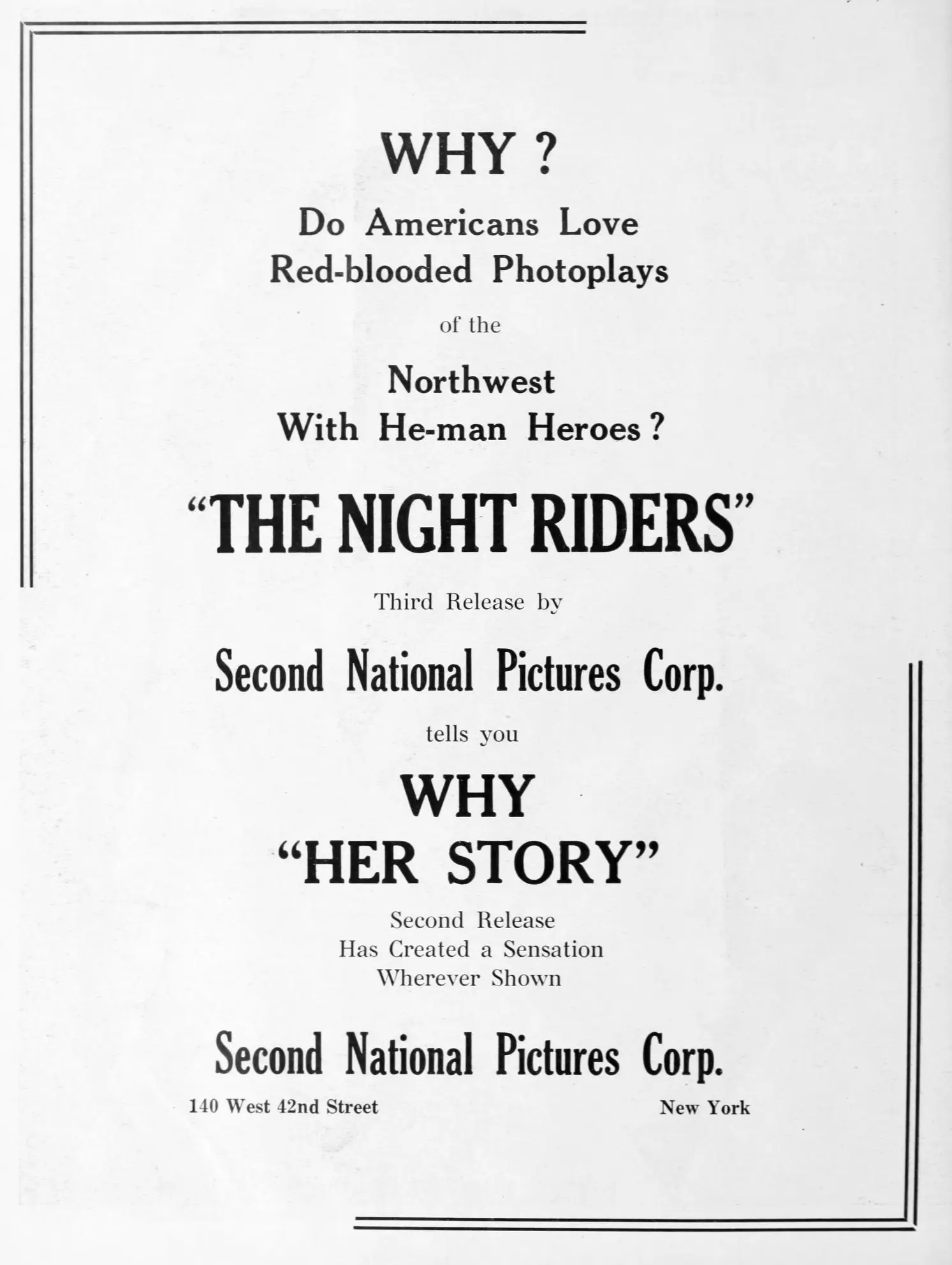
To stave off war with a neighboring kingdom, Princess Pat of Paxitania agrees to marry Warburg's King Eric. Still very young and rebellious, the new queen finds it difficult to adjust to court life, and when she accepts an invitation to take a ride with the villainous Count Ladislaus, King Eric's patience gives out and he rebukes her severely. The banished count informs Pat's father, the Grand Duke of Paxitania, that she is cruelly abused, whereupon Pat's three brothers set out to bring her back home. In the end, however, King Eric and Princess Pat come to love each other dearly, and she sends her brothers home reassured of their sister's happiness.
Dir: William P.S. Earle
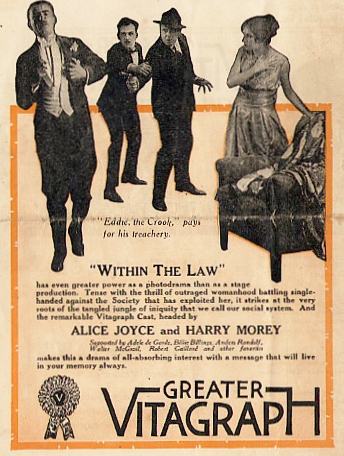
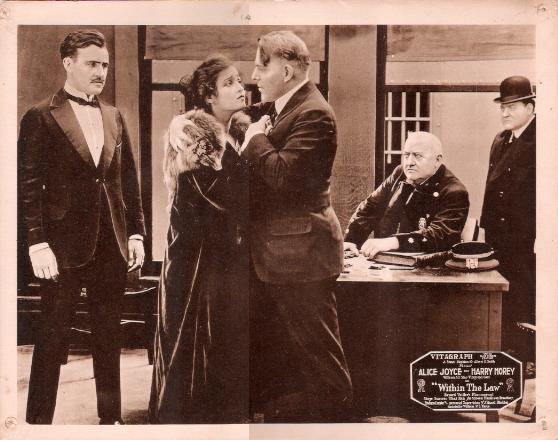
Mary Turner is a young shopgirl who is unjustly convicted of a crime and sentenced to prison. Upon her release, she does everything possible to make the man who wronged her to suffer, always taking care to stray no further than the extremes of the law allow.
View Details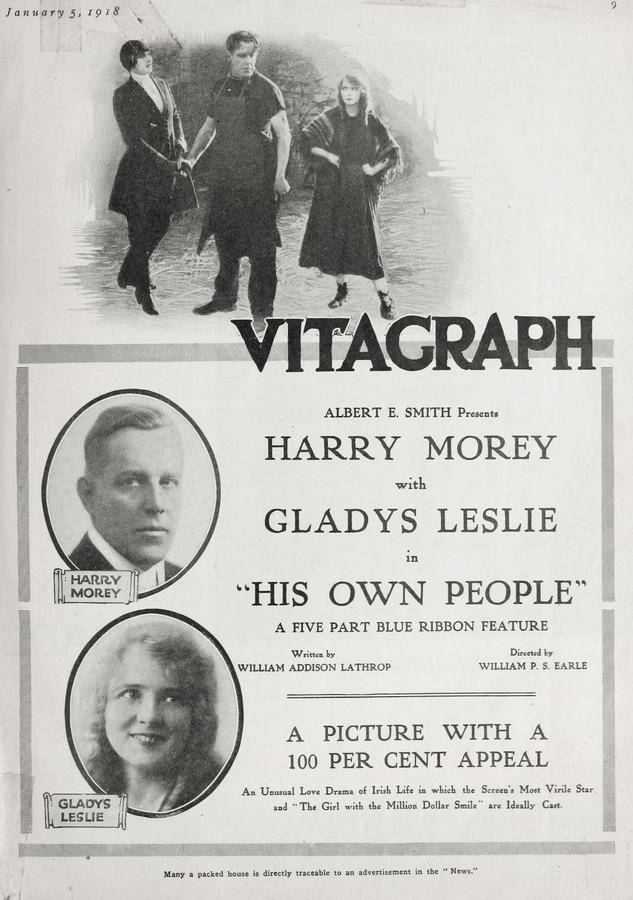
Dir: William P.S. Earle
Hugh O'Donnell, the town blacksmith and leader among the people, is in love with Molly Conway, who shows her love for Hugh in mischievous pranks at his expense. Lord Percival Cheltenham owns most of the village and is hated for his war on poachers. One day, Lady Mary Thorne, who is visiting Cheltenham, stops at the blacksmith shop to have her horse shod and, impressed by Hugh's rugged manliness, invites him to visit. Molly, overhearing the conversation, follows Hugh to the manor, where she is seen by Cheltenham, who has been drinking, and dragged inside. That night, Cheltenham's gamekeeper shoots a poacher, and the peasants storm the manor in revenge. Hugh holds them at bay and promises to turn the culprit over to the law. Searching the manor for its master, Hugh breaks into the library and finds Cheltenham with Molly. Believing that they are having an affair, the blacksmith attempts to choke the lord until Molly explains that she had flirted with Cheltenham in order to arouse Hugh's jealousy, and all is forgiven.
Dir: Wilfred Lucas
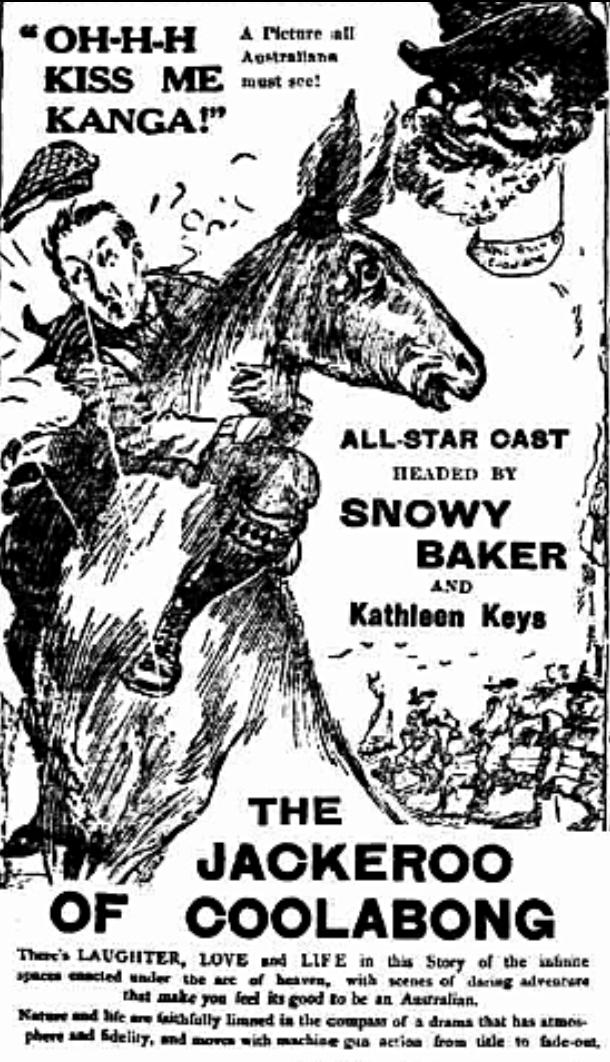
Brian O'Farrell (Snowy Baker), is an English 'new chum' who takes a job at an Australian cattle station. He is teased by station hands because of his appearance (including spats and a monocle) but he soon impresses them with his skills at riding and boxing. The station manager, John MacDonald (Wilfred Lucas), takes O'Farrell to Sydney to meet his daughter Edith (Kathleen Key) who is working in the slums. Edith is kidnapped by criminals after witnessing a crime but O'Farrell rescues her. It is later revealed he is the owner of the station.
View Details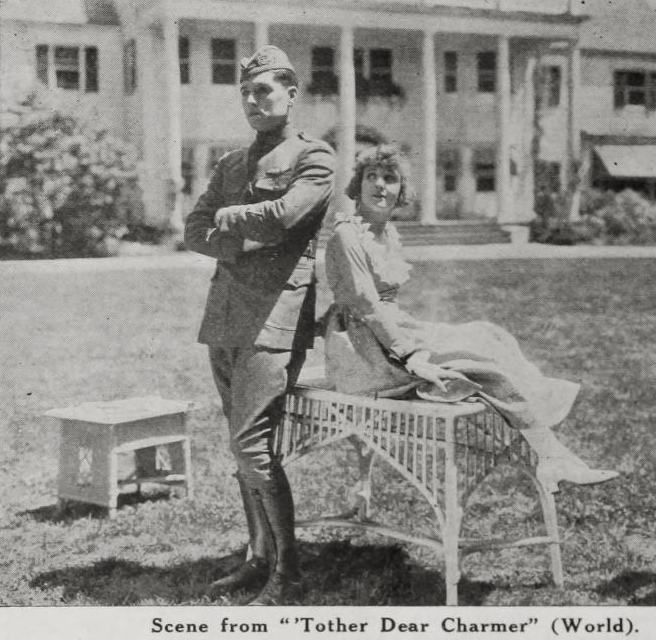
Dir: William P.S. Earle
When heiress Betty Hallowell organizes a Red Cross bazaar to raise money for the American effort in The Great War, she is disappointed that the event is not a success, so she decides to lease her beautiful country house to Mrs. Wentworth, a wealthy widow whose son Tom is recuperating from injuries received overseas. When Mrs. Wentworth suddenly demands the services of a maid for the summer, Betty, unable to secure a servant on such short notice, dons a dark wig and poses as "French maid Bettina." Much to his mother's embarrassment, Tom and "Bettina" fall madly in love, but necessity forces Betty to temporarily drop her disguise and reappear as the mistress of the house. Confused, Tom falls just as madly in love with Betty. Finally, he decides that he prefers Bettina to Betty, but Betty's uncle arrives and her deception is revealed. Tom explains his infidelity by stating that Betty's sweetness caused him to love her in both of her identities, and she is satisfied.
Dir: William P.S. Earle
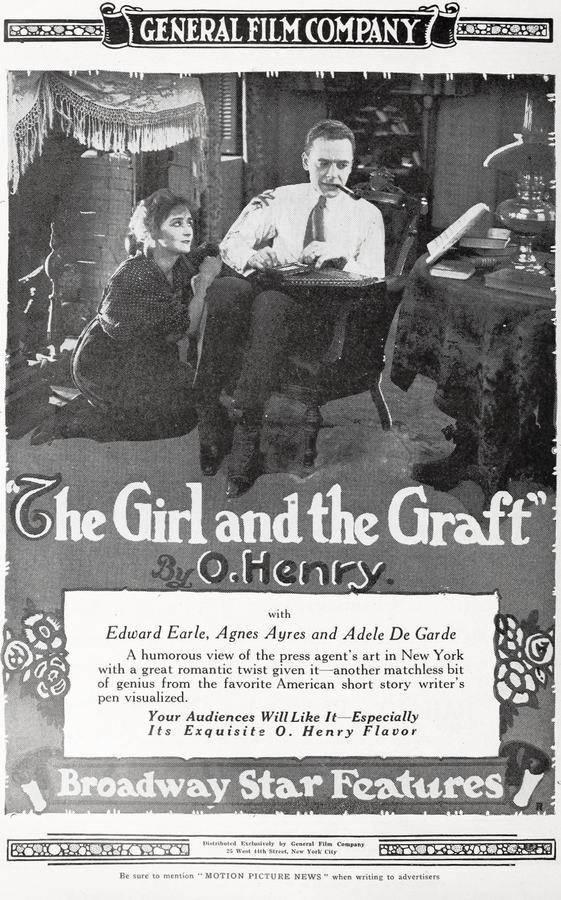
Quiet, unassuming dreamer Poque wanders over the country propagating various grades of graft so he can spend his first vacation in the great metropolis, New York. During his ramble he encounters millionaire businessman Vancross, who longs for fame (notoriety). After talking with Poque he decides that he is just the right sort to act as publicity man for him. Poque balks at the idea of making such an unpretentious figure famous, but finally accepts his proposition. He arranges with a girlfriend to strike up an acquaintance with his employer, leading him on for a time, then suing him for jilting her. But things pan out quite differently from the way Poque intended. Instead of trying to get away from his employer, the girlfriend decides to marry him. But Poque gets a good sum of money, so he should worry.
View Details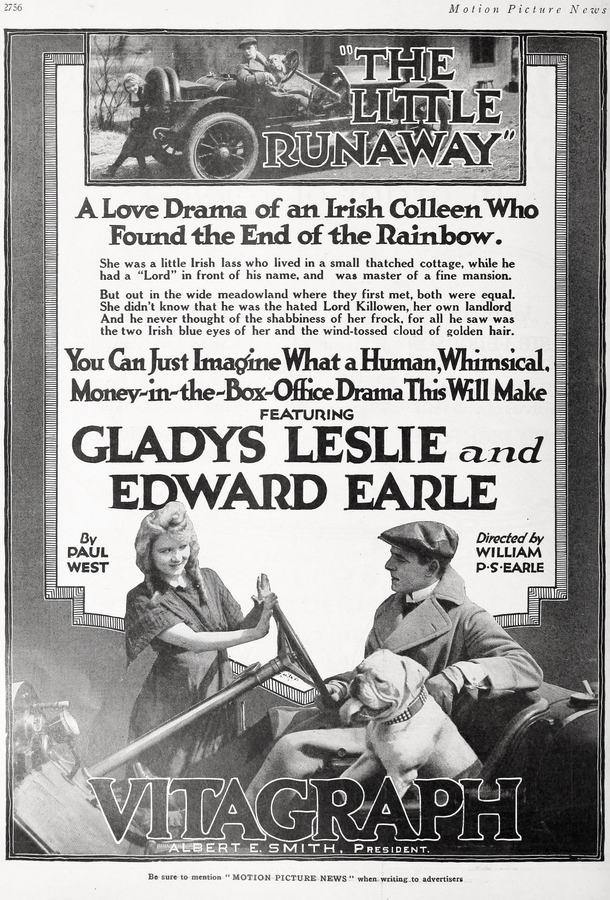
Dir: William P.S. Earle
Lord Killowen, the landlord of a little village in Ireland, employs Harvey Dowd and his worthless son, Peter, to collect the rents. When Peter arrives at the modest home of Ann, a young lace maker who lives with her aunt and blind grandmother, he makes improper advances towards her, but Killowen, who is motoring through the area, rescues her. Without leaving her a receipt, Peter absconds with the rent money to America, and Ann's family is evicted. Determined to recover her money, Ann follows Peter to New York, where she is befriended by a policeman, who informs her that Killowen has come to America to court the wealthy Eileen Murtagh. Lord Killowen takes Ann to Eileen's home, but the latter, in a fit of jealousy, orders the girl to leave. When Ann returns during Eileen's engagement party, Killowen realizes that he prefers the little lace maker and proposes to her.
View DetailsAnalysis relative to Poor, Dear Margaret Kirby
| Film Title | Atmosphere | Complexity | Similarity |
|---|---|---|---|
| In the River | Gritty | High | 92% Match |
| The Dangerous Paradise | Surreal | Layered | 88% Match |
| The Night Riders | Ethereal | High | 96% Match |
| The Wooing of Princess Pat | Surreal | High | 93% Match |
| Within the Law | Gritty | Layered | 92% Match |
This guide was algorithmically generated using the cinematic metadata of William P.S. Earle's archive. Last updated: 6/28/2026.
Back to Poor, Dear Margaret Kirby Details →