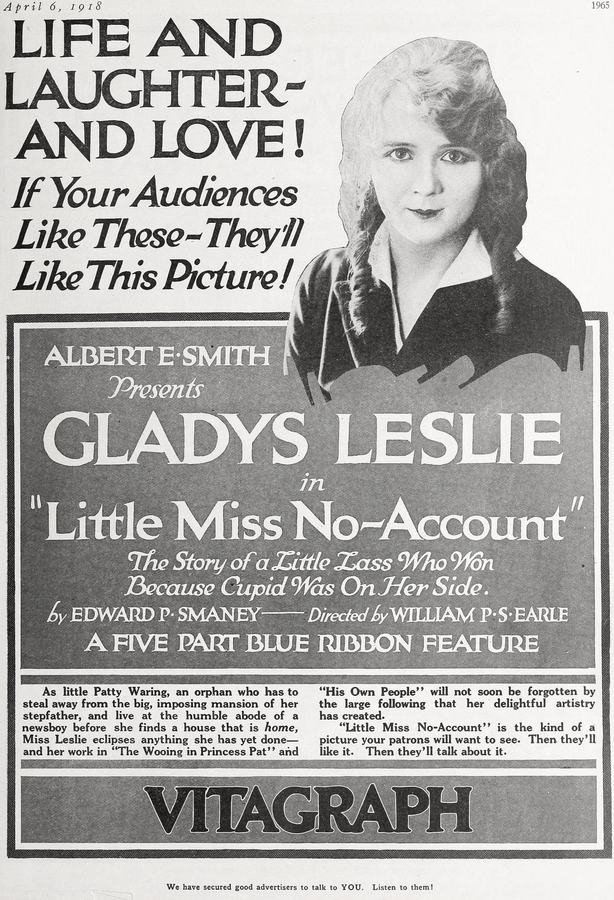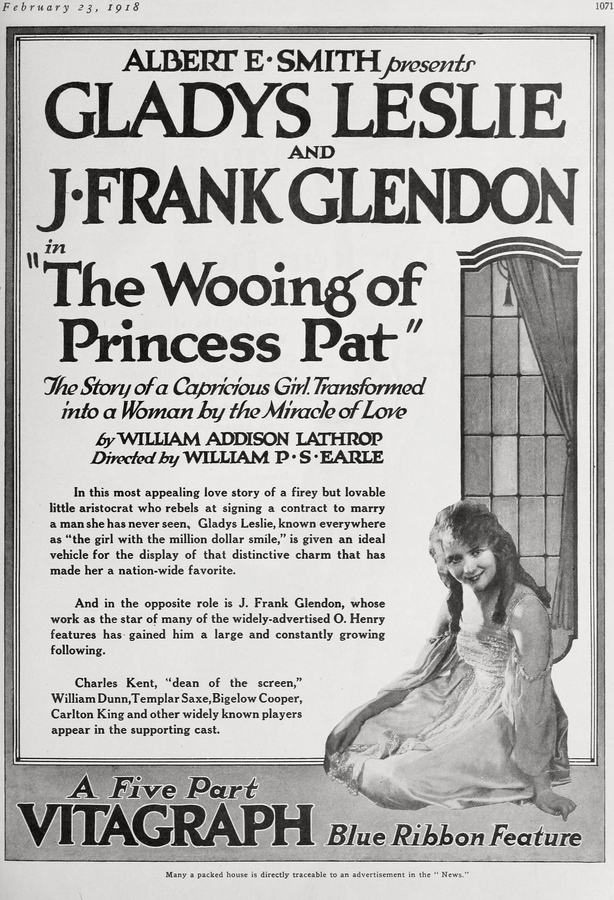
To stave off war with a neighboring kingdom, Princess Pat of Paxitania agrees to marry Warburg's King Eric. Still very young and rebellious, the new queen finds it difficult to adjust to court life, and when she accepts an invitation to take a ride with the villainous Count Ladislaus, King Eric's patience gives out and he rebukes her severely.
William Addison Lathrop, George H. Plympton
United States
Picture a frost-lithographed castle rising from Bavarian negative space, its turrets etched in high-contrast nitrate—this is Warburg, the narrative crucible of The Wooing of Princess Pat. The film, released in the bruised-autumn of 1917 while Europe hemorrhaged in real trenches, projects an imaginary armistice negotia...
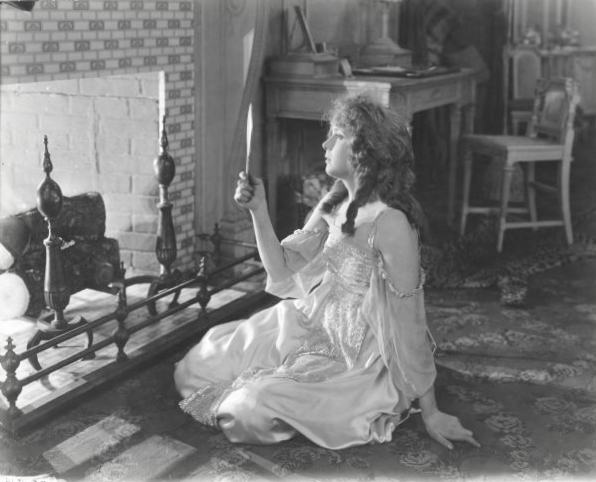
still_frame
Comparing the cinematic DNA and archive impact of two defining moments in cult history.
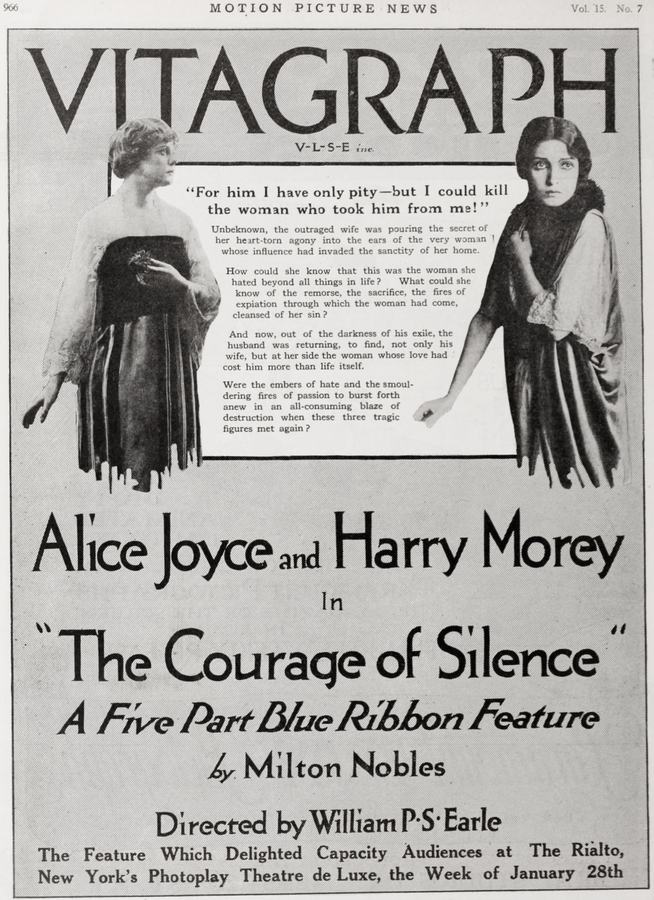
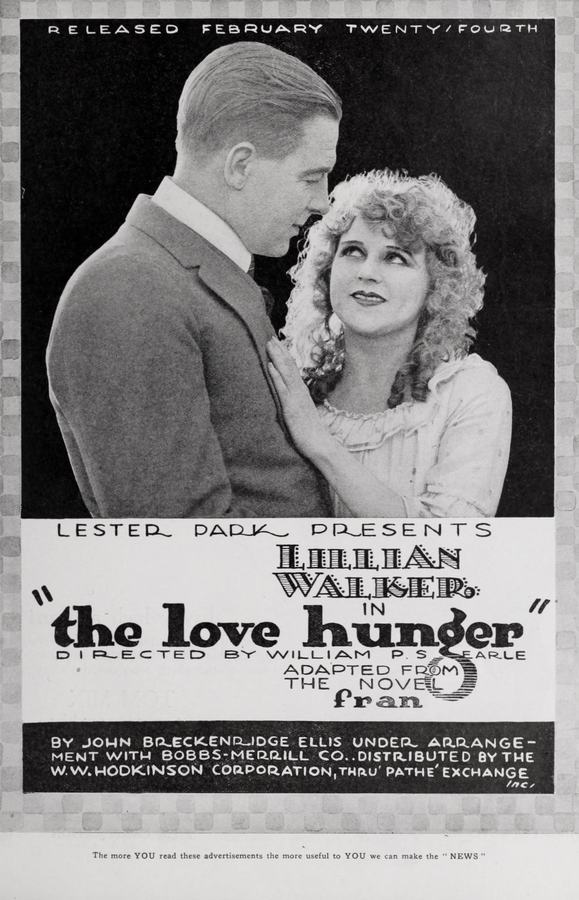
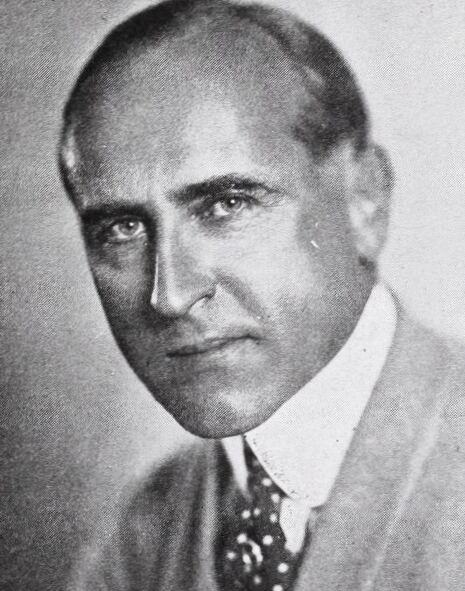
William P.S. Earle
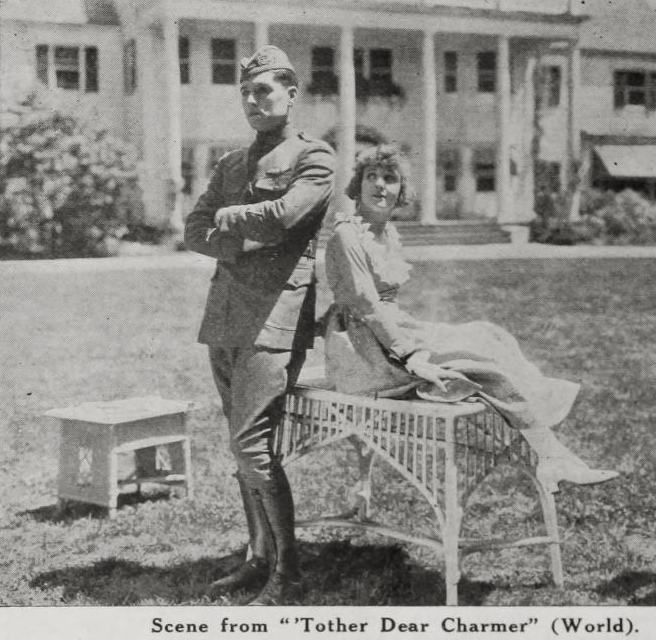
William P.S. Earle
Community
Log in to comment.
" Picture a frost-lithographed castle rising from Bavarian negative space, its turrets etched in high-contrast nitrate—this is Warburg, the narrative crucible of The Wooing of Princess Pat. The film, released in the bruised-autumn of 1917 while Europe hemorrhaged in real trenches, projects an imaginary armistice negotiated not by ministers but by bridal sheets. Director William R. Dunn and scenarists William Addison Lathrop plus George H. Plympton lace their courtly pageantry with proto-feminist ..."