
DbcultAccessing Vault...
Recommendations
Senior Film Conservator
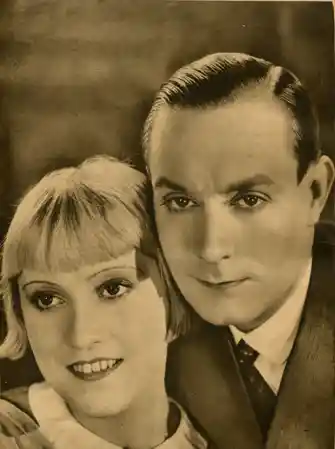
If you found yourself captivated by the unique vision of Quand nous étions deux (1930), the quest for comparable cinema becomes a journey through the fringes of film history. Below, we've gathered a list of films that every fan of Léonce Perret's work should explore.
Quand nous étions deux remains a monumental achievement to create a hauntingly beautiful cinematic landscape.
Quand nous étions deux was a significant production in France, showcasing the immense talent of André Roanne, Maurice de Canonge, Charles Frank. It continues to be a top recommendation for anyone studying cult history.
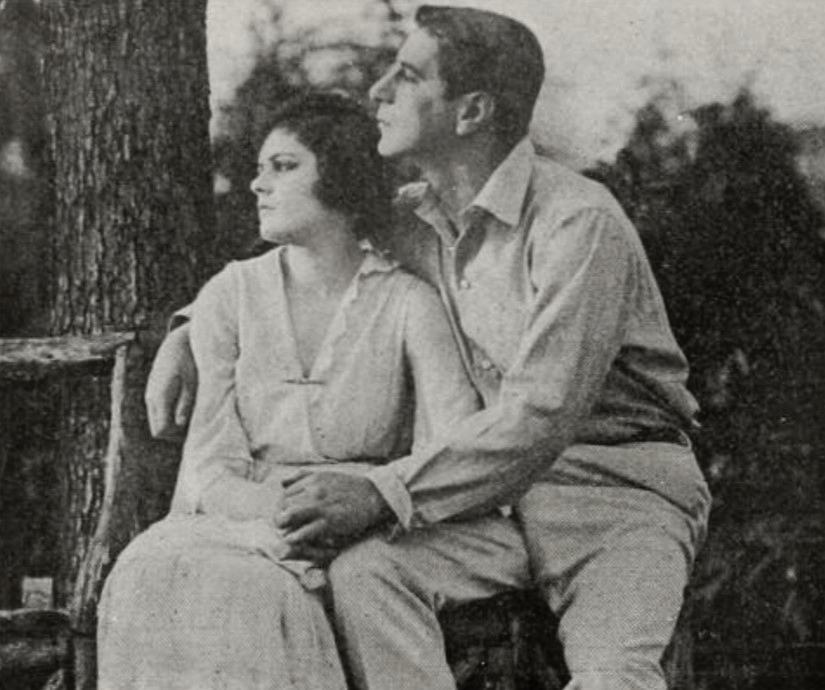
Based on the unique unique vision of Quand nous étions deux, our vault has identified these titles as the most compelling follow-up experiences for fans of cult cinema:
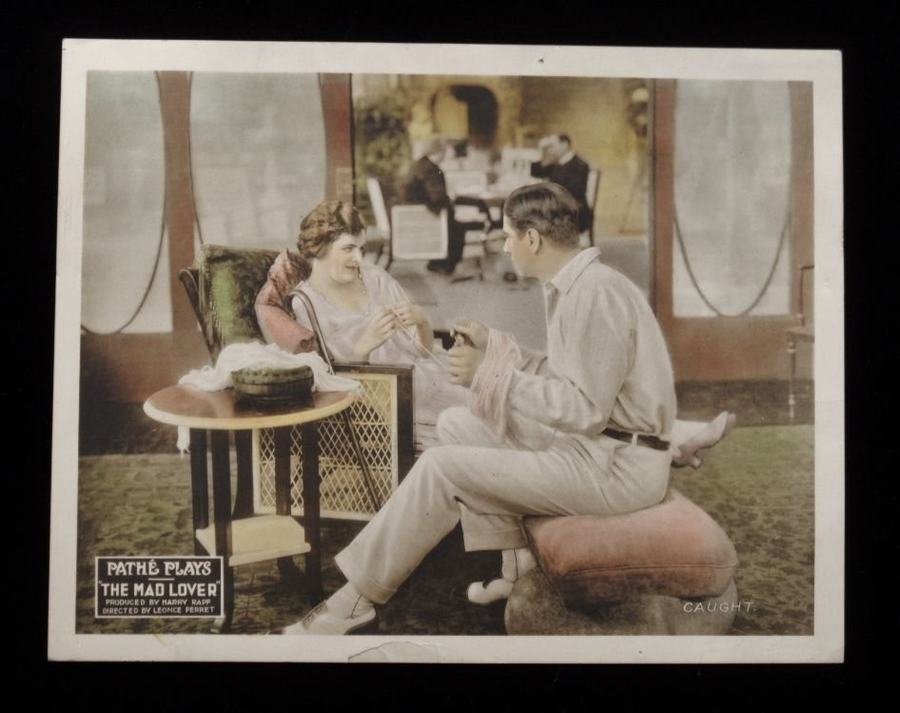
Dir: Léonce Perret
Robert Hyde is a confirmed bachelor who has sworn never to marry. Not even the pleading of his two close friends, the pastor and the lawyer, will move him. But an automobile accident brings Clarice to his home and during her recovery, she and Robert fall in love. After their wedding, Clarice's happiness is marred by Robert's preoccupation with hunting and fishing. The pastor then advises her that she will never know real happiness until she has children. Shortly after this, Clarice's aunt, Mrs. Grosvenor, brings a large party of friends to the Hyde estate for a visit. They all plan to give a performance of William Shakespeare's Othello for charity, but the count annoys Robert by his lovemaking scenes with Clarice. After a startling dream in which Robert's Othello kills Clarice's Desdemona, Robert finds the count making advances in earnest, and throws him out. Robert then begins to pay more attention to his wife and soon Clarice finds herself pregnant and happy.
View Details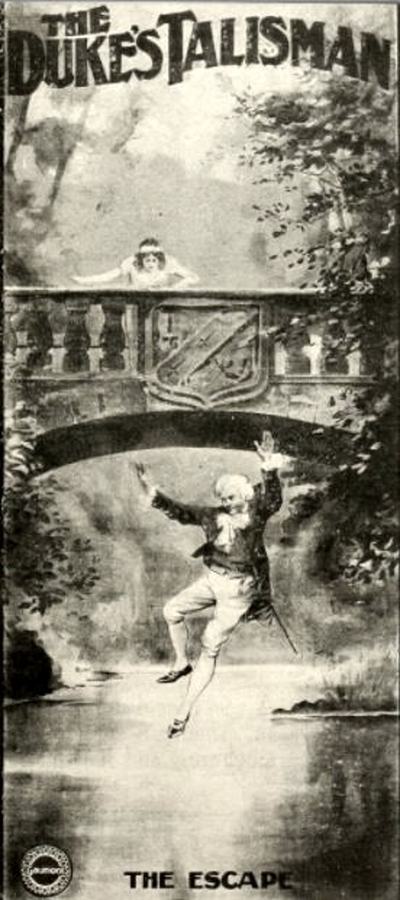
Dir: Léonce Perret
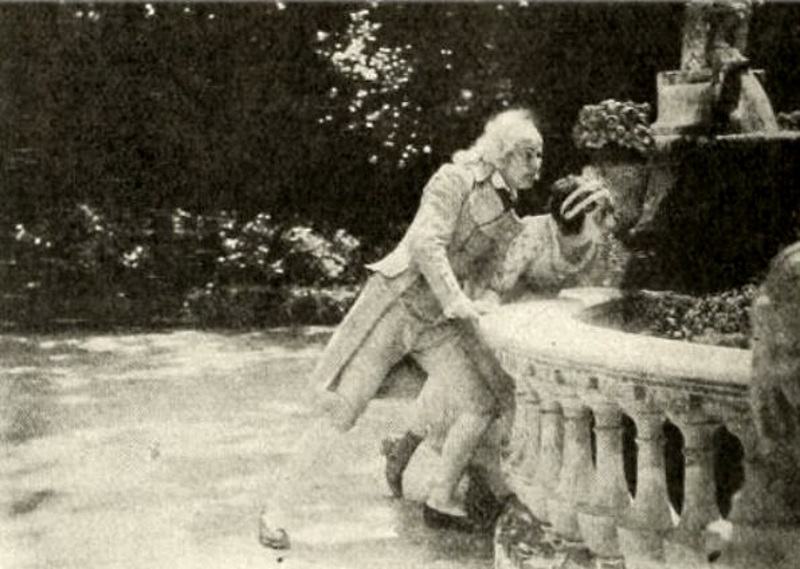
A fascinating piece of cinema that shares thematic elements.
View Details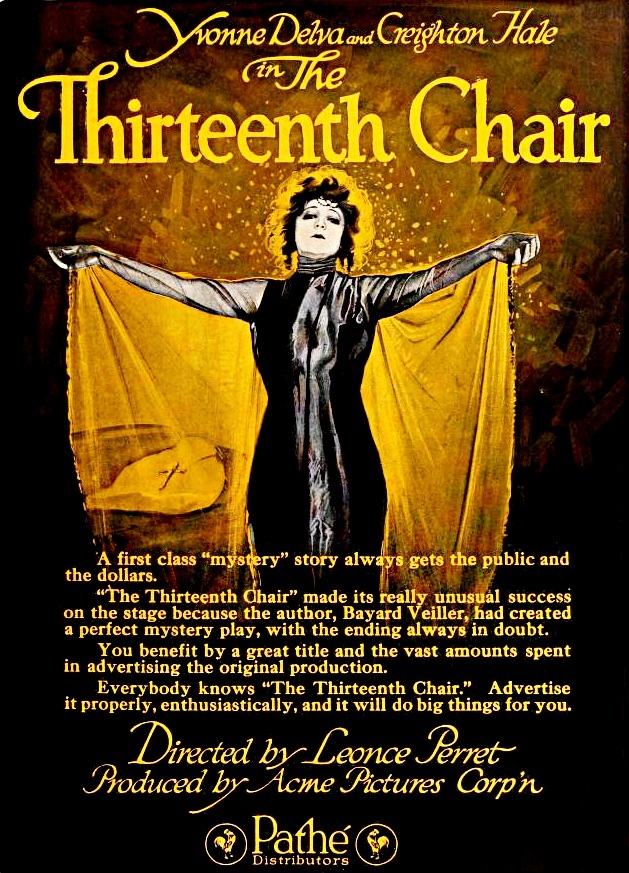
Dir: Léonce Perret
Mrs. Philip Mason commits suicide after she has an affair with Stephen Lee, a disreputable stockbroker, and sells her husband's securities so that Lee can buy stocks. When Lee goes bankrupt, he blackmails Helen Trent by threatening to reveal silly love letters she wrote to him before she married. Her brother, Willy Grosby, and his fiancée, Helen O'Neil, who lives with the Grosbys, go to retrieve the letters. While Willy waits outside, Lee is knifed to death as he attacks Helen. Lee's friend, Edward Wales, attempts to pin the murder on Helen by having Madame LaFarge, a clairvoyant, conduct a séance. In the darkened room, Wales, through whom Lee's spirit supposedly speaks, is about to name Helen as the murderer, but Wales, who sits in the thirteenth chair, is himself murdered. After Helen confesses to Inspector Donohue that Madame LaFarge is her mother, LaFarge, while conducting another séance, tricks Philip Mason into confessing to the murders.
View Details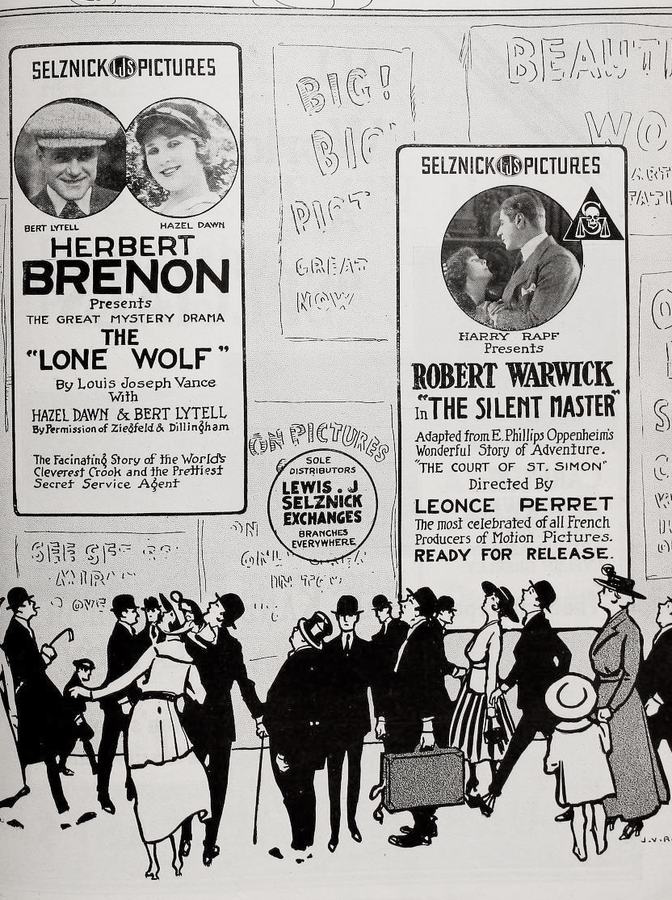
Dir: Léonce Perret
Valentin Marquis de Sombreiul, alias Monsieur Simon, is known as the great master because he is the leader of a band of Parisian Apaches who mete out their own private justice to individuals who have violated their code in a secret tribunal known as the court of St. Simon. In an effort to cure Eugene, a young American longing for excitement, Valentin induces the young man to witness these horrors with the result that the youth is drawn into the Apache gang and sentenced to prison for one of their crimes. Later, after the master has disbanded his secret society and married Virginia Arlen, a charming girl from an aristocratic family, he discovers to his horror that the boy whose life he has ruined is his wife's brother. When Virginia learns the truth, she refuses to forgive Valentin, but after a period of separation, the two are reconciled by their child.
View Details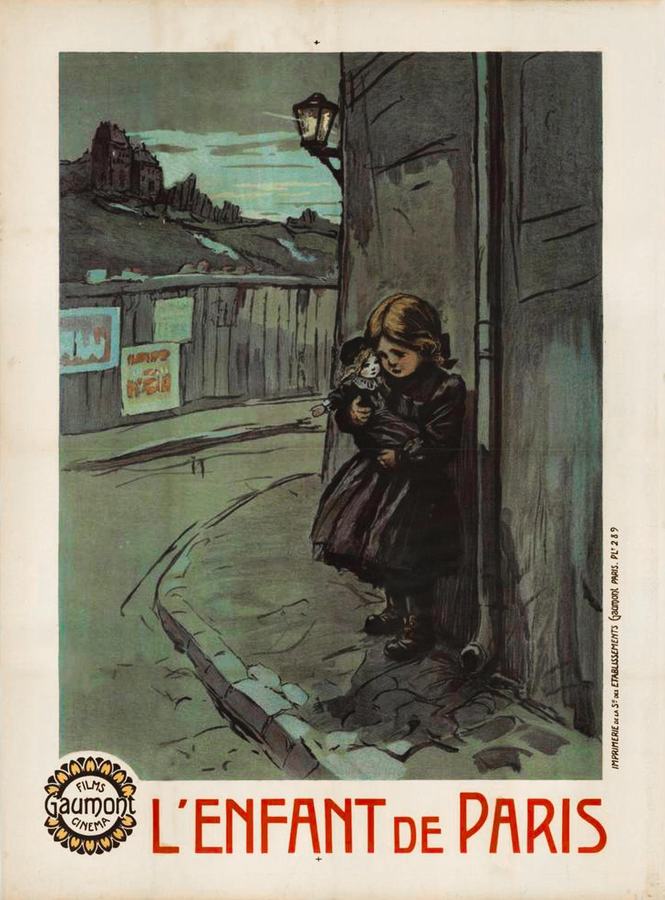
Dir: Léonce Perret
The young daughter of an army captain missing in action runs away from school and is kidnapped by Parisian lowlifes. When the kidnapper flees to Nice with the child, the kind-hearted employee of one of his accomplices sets off in pursuit.
View Details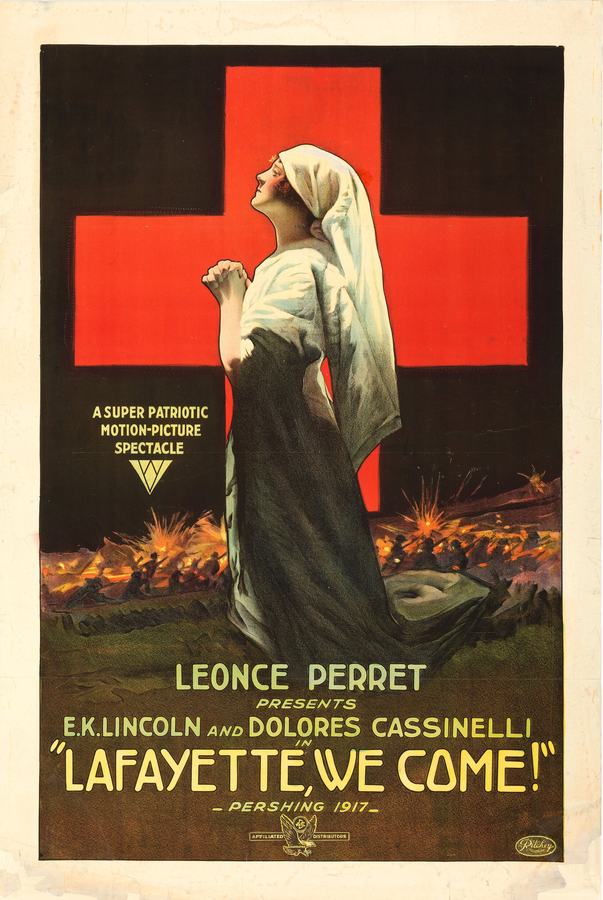
Dir: Léonce Perret
Leroy Trenchard loves Therese Verneuil, and when Leroy enters the army goes to France to fight, Therese follows as a Red Cross nurse. But suspicion arises that Therese is actually Princess Sonia, a German spy.
View Details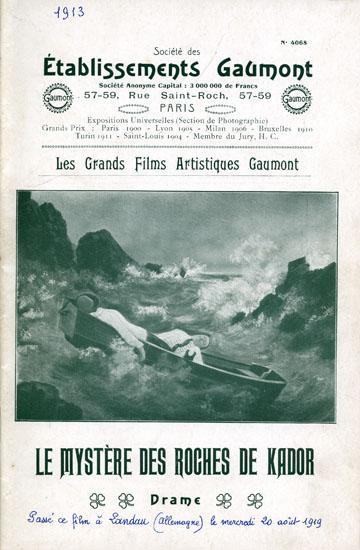
Dir: Léonce Perret
Count Fernand De Keramic plots against his niece in order to acquire her wealth to pay his debts.
View Details
Dir: Léonce Perret
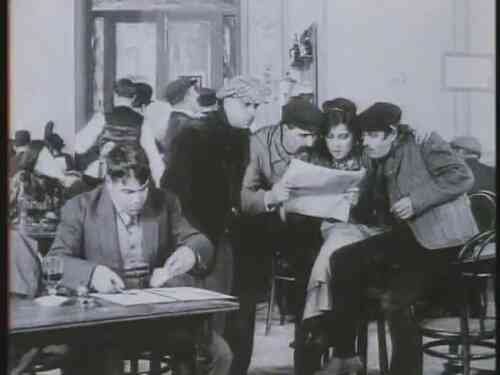
Playwright Harry Bryant while driving in a rural area, happens upon orphaned Kate astride a white horse, he is so charmed that he arranges for her to work at a nearby inn. Unable to tolerate the cruelty of the innkeepers, Kate runs away and seeks out Harry at his house in Story Brook farm. Charmed by her youthful exuberance, Harry falls in love with the uneducated girl and they marry. Harry soon becomes disenchanted with his illiterate wife, however, and seeks solace in his former sweetheart Diana Nelson. When he discovers that Diana is using him to further her social ambitions, Harry returns to Kate, who provokes his jealousy by paying daily visits to a mysterious apartment house. Finding out that Kate's secret rendezvous was with her tutor, Harry's love for his wife is rekindled.
View Details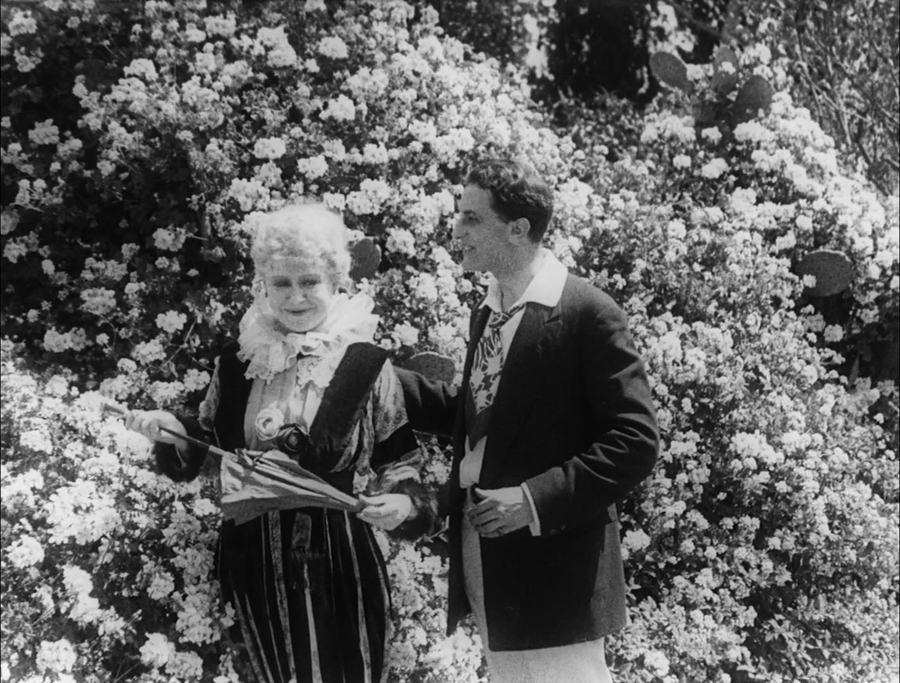
Dir: Léonce Perret
A fascinating piece of cinema that shares thematic elements.
View Details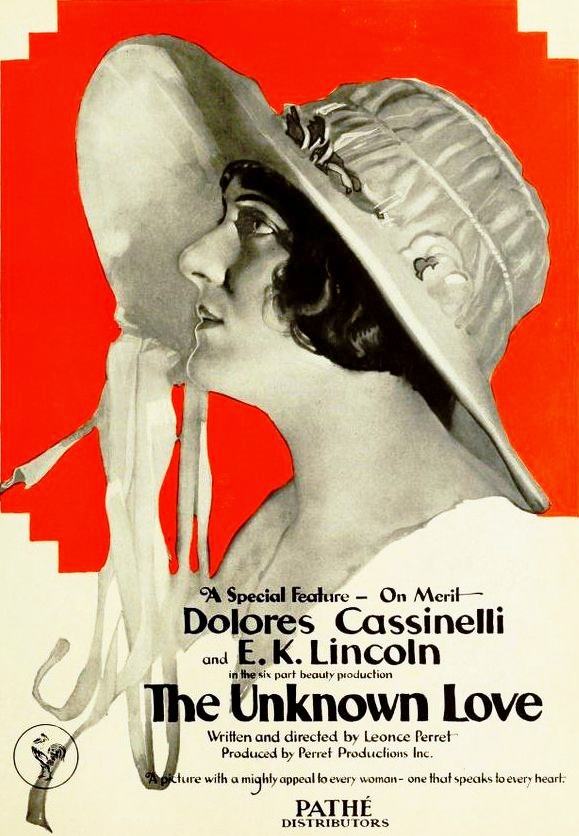
Dir: Léonce Perret
At a house party given by Doris Parker, the daughter of a retired sea captain, Doris' friends congregate to receive mail from their "adopted" soldiers in France. When one of them suggests that Doris write to Harry Townsend, who has no family or friends outside of the army, she writes a note and he sends her a friend's photograph since he has none of himself. Harry's letters awaken a love in Doris which causes her to deny the ardent entreaties of Captain Jack Tims. After Harry is wounded and thinks he will die, his farewell note inspires Doris to visit. After Doris convinces Tims to take her aboard his transport ship against naval regulations, a submarine attack results in Tims' death and burial at sea. Finding Harry's face covered with bandages, Doris nurses him to health, and then discovers that he is not the soldier in her photograph, but she realizes she loved him because of his letters. After the armistice they marry.
View DetailsAnalysis relative to Quand nous étions deux
| Film Title | Atmosphere | Complexity | Similarity |
|---|---|---|---|
| The Mad Lover | Gritty | High | 87% Match |
| The Duke's Talisman | Gothic | High | 92% Match |
| The Thirteenth Chair | Surreal | Abstract | 97% Match |
| The Silent Master | Surreal | Layered | 94% Match |
| The Child of Paris | Gritty | Dense | 98% Match |
This guide was algorithmically generated using the cinematic metadata of Léonce Perret's archive. Last updated: 6/25/2026.
Back to Quand nous étions deux Details →