
DbcultAccessing Vault...
Recommendations
Senior Film Conservator
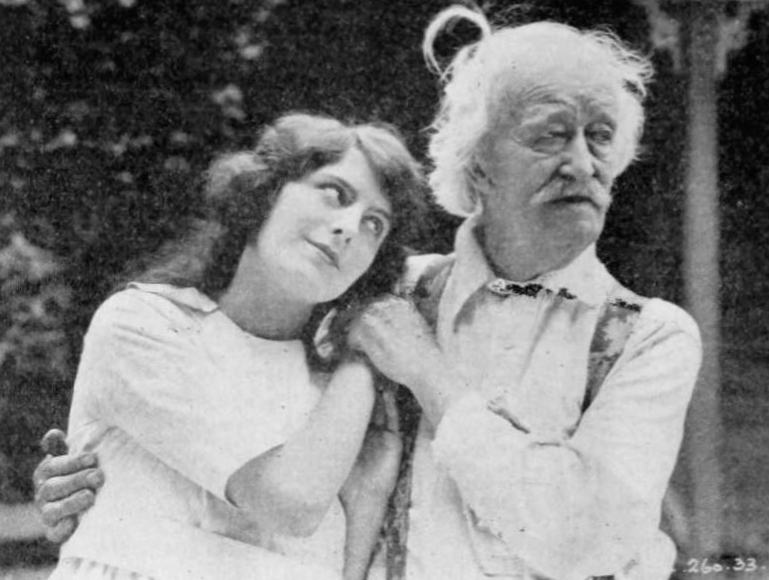
Navigating the complex narrative architecture of Rainbow is a character-driven intensity experience, the emotional payoff of the 1921 classic is what fans crave in similar titles. The following gems are essential viewing for anyone captivated by Rainbow.
The artistic audacity of Rainbow ensures it to define the very concept of character-driven intensity in modern film.
Rainbow Halliday, an orphan, is reared by three self-appointed guardians who work the Rainbow Copper Mine, willed her by her father. She is rescued from the advances of Joe Sheady by young easterner George Standish, who claims ownership of the mine but does not force his rights and instead returns to Chicago to marry a former sweetheart. Rainbow's uncle, Rufus, who is taken ill in Chicago, invites her to visit him; there she discovers that Standish's father did not record the sale of the mine, knowing that Rufus had sold the mine to Rainbow's father. Insulted by George's fiancée, Rainbow decides to surrender the mine and returns home; Standish arrives and is held captive by her guardians, but he is rescued by Rainbow when Sheady sets fire to the cabin. He finds love with Rainbow, and the mine becomes their joint property.
The influence of Edward José in Rainbow can be felt in the way modern Drama films handle character-driven intensity. From the specific lighting choices to the pacing, this 1921 release set a high bar for atmospheric immersion.
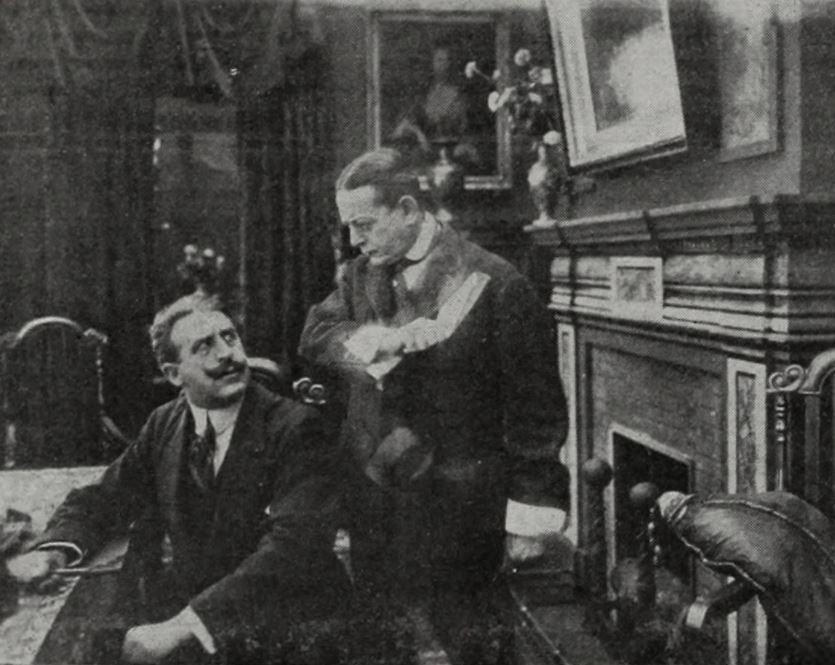
Based on the unique character-driven intensity of Rainbow, our vault has identified these titles as the most compelling follow-up experiences for fans of Drama cinema:
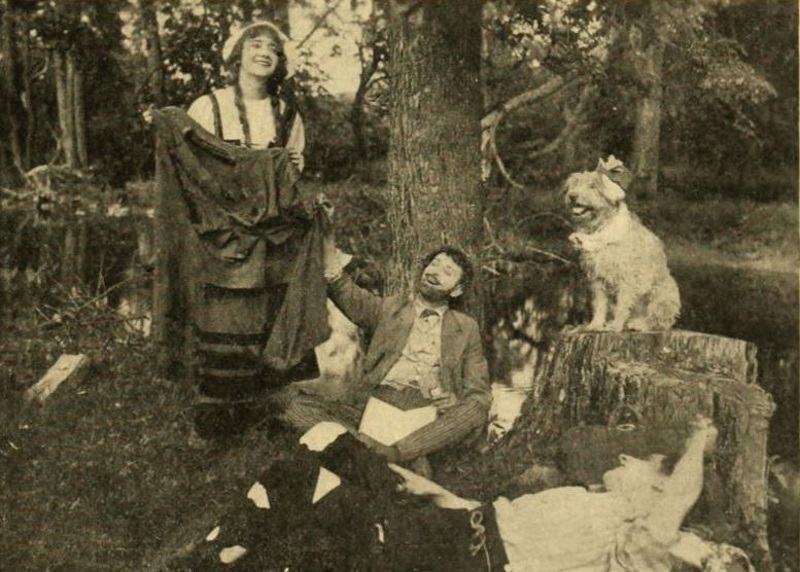
Dir: Edward José
Brilliant young architect Gaston De Nerac returns to London from France to marry his cousin Joanna Rushworth. To prevent Joanna's father from losing his business, Gaston borrows money from a rival suitor with the stipulation that he postpone the marriage and refrain from communication with Joanna for two years. After the suitor convinces Joanna that Gaston bartered her love for money, she marries the suitor. When Gaston learns of this, he begins a reckless, cynical life as a traveling musician known as Paragot. In the London slums, he makes the acquaintance of Asticot, a ragamuffin. They wander through France and Paragot adopts Blanquette, an itinerant singer, after her aged partner dies. Years later, when the happy threesome perform at a peasant wedding, Paragot encounters Joanna, who has learned the truth. After Joanna's husband is killed in the street, she and Paragot plan to marry, but because he is unable to adjust to societal conventions, Paragot marries Blanquette instead.
View Details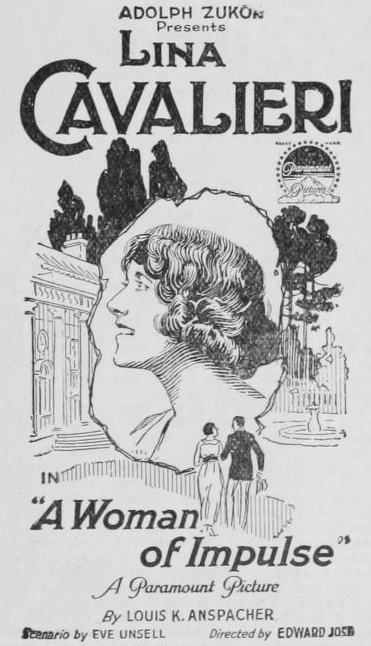
Dir: Edward José
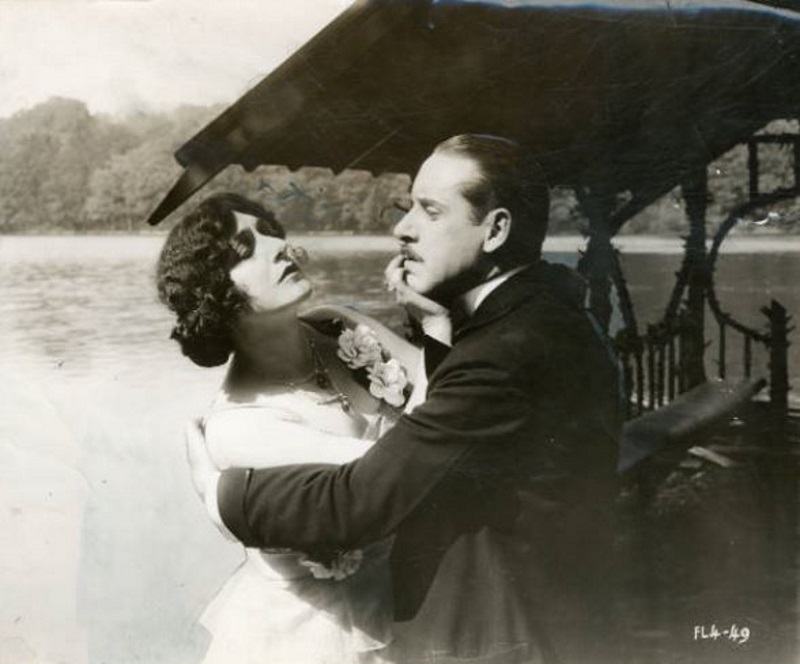
Leonora is the daughter of a poor lace-maker. She possesses a beautiful voice, but is not aware of the opportunity it offers her. Wealthy Americans Mr. and Mrs. Stuart discover its powers, and after her mother's death they adopt Leonora and her younger sister Nina. Shortly afterwards she blossoms forth in Paris as its idol. She is now "La Vecci," a much-admired and sought-after prima donna. One of her most ardent suitors is Count Nerval of Spain, whom she refuses to marry because of his unusually jealous disposition--although she does love him. His American cousin Phillip also becomes infatuated with the singer. Jealous of this new rival, Nerval almost forces Leonora to marry him. They depart for America for their honeymoon. Nina, accompanying them, meets young doctor Paul Spencer aboard ship and they fall in love. Leonora goes on tour in the States and when in the South receives an invitation to visit Phillip and his parents. He again makes love to her, but she remains faithful to her marriage vows, so fickle Phillip turns his attention on Nina. Jealous Nerval breaks with Leonora for the time being because of her presence in his cousin's home. Nina receives a letter from Paul saying that he is coming to visit. Leonora shows the letter to Phillip, asking her to discontinue favoring Nina with his attention. That night Phillip attempts to kiss the charmer; afraid, she tries to stab him with a dagger. He easily defends himself and seizes her in his arms and she faints, but when she recovers, she discovers Phillip dead. When Paul arrives, he conducts an investigation and proves that Leonora could not have inflicted the wound. Soon after, a Creole girl confesses to the deed. She had loved Phillip. Later Leonora and her husband are reunited. Motion Picture News, September 28, 1918
View Details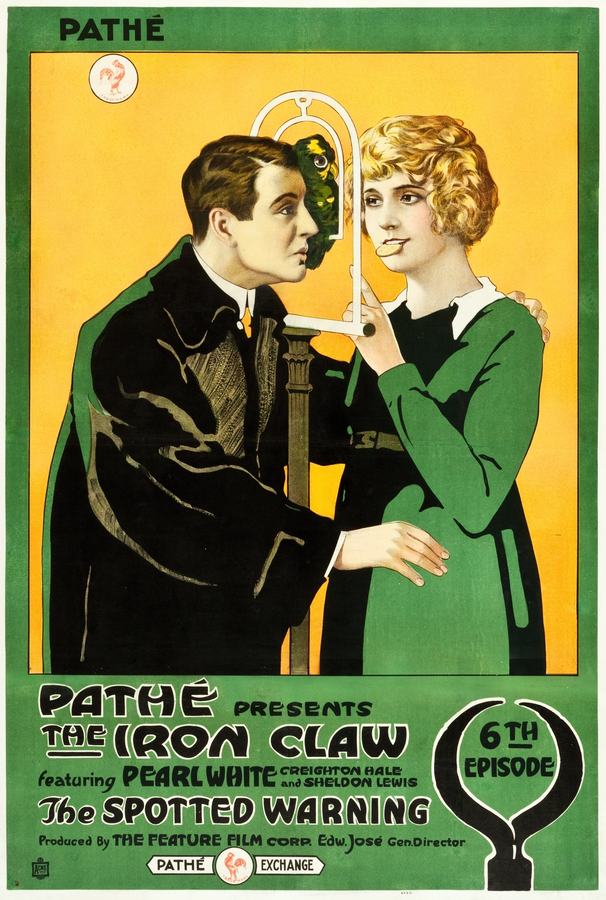
Dir: Edward José
Episode 1: "The Vengeance of Legar" The story begins years ago on an island in the South. Enoch Golden, a wealthy planter, catches Jules Legar, a scheming physician, making love to his wife in an attempt to learn the secret hiding place of Golden's wealth. Suspecting the worst, Golden sends his wife away, and as punishment to Legar has his handsome face branded with white-hot irons and his hand crushed in a vise. Then Legar, set free, swears vengeance and begins his villainy by opening the sluice-gates that keep the sea from inundating the island. The waters rush in and the entire island is flooded and its houses swept away in the swirling waters. Legar kidnaps Golden's daughter, Margery, whom, in the next scene, twenty years later, we see grown to beautiful maidenhood, in his ominous power. Hate still lives in Legar's heart, and he sends Margery to a denizen of the underworld in whose house she is to be detained. But here steps in a mysterious gallant known as "The Laughing Mask," who saves her, for the nonce, from her fate.
View Details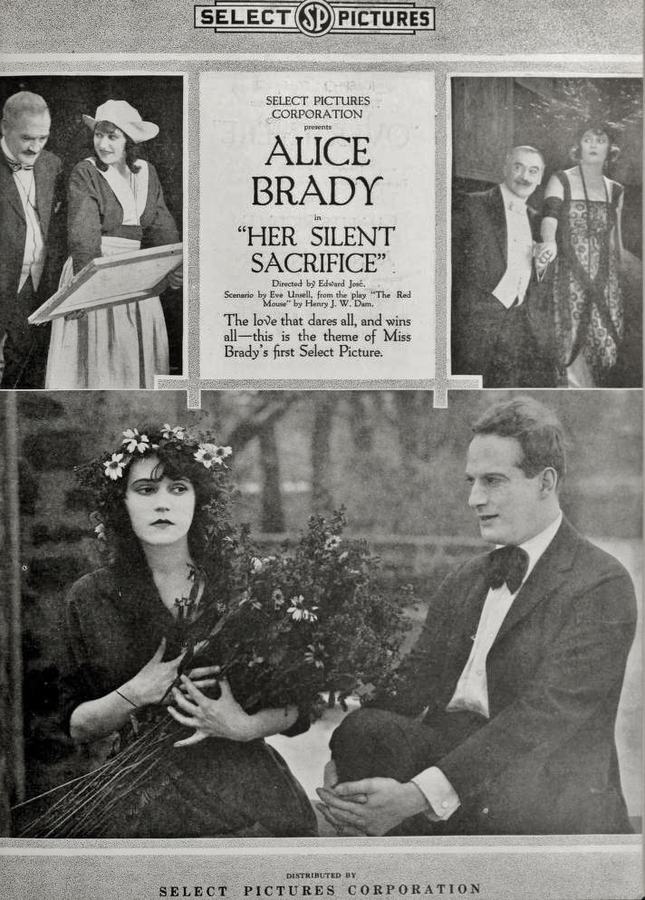
Dir: Edward José
In the French town of Savenay live Arlette and her grandfather Chaupin, the proprietor of the inn. Richard Vale, an impoverished young American artist, comes to Savenay to sketch and lodges at the inn where he meets Arlette and induces her to pose for him. During this period, Arlette falls deeply in love with Richard, who is on the brink of starvation. When wealthy libertine and art connoisseur Prince Boissard arrives in Savenay and lusts after Arlette, he proposes to help Richard in return for the girl's consent to become his mistress. Arlette agrees, and Boissard, feigning an interest in Richard's work, sends the young artist to Italy to continue his education. A year passes and Richard returns, now a celebrated artist. Boissard then demands payment of Arlette, who reluctantly agrees to honor her debt. Before she can be dishonored, however, Boissard's servant Sarthe, who is devoted to Arlette, stabs his master, thus freeing the girl to marry her artist.
View Details
Dir: Edward José
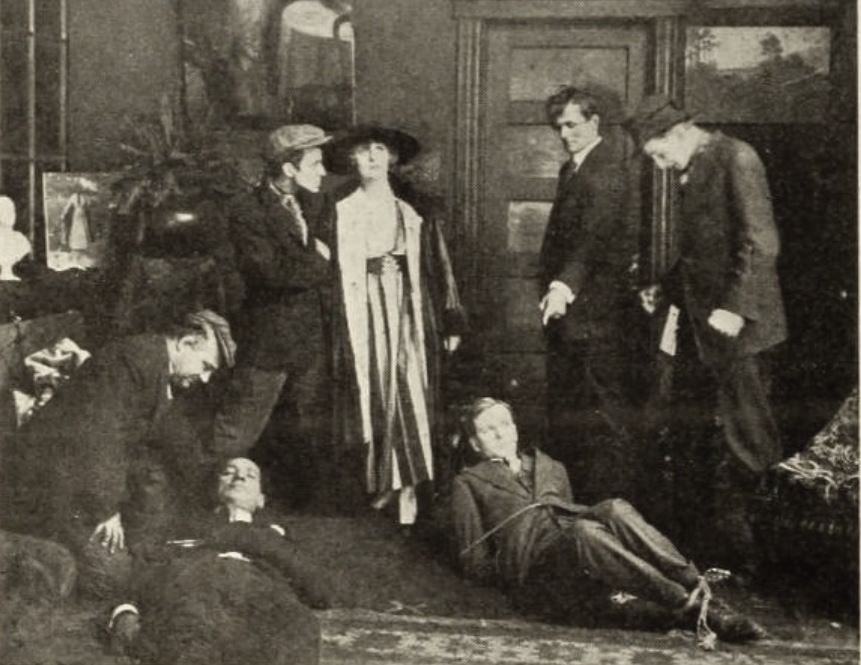
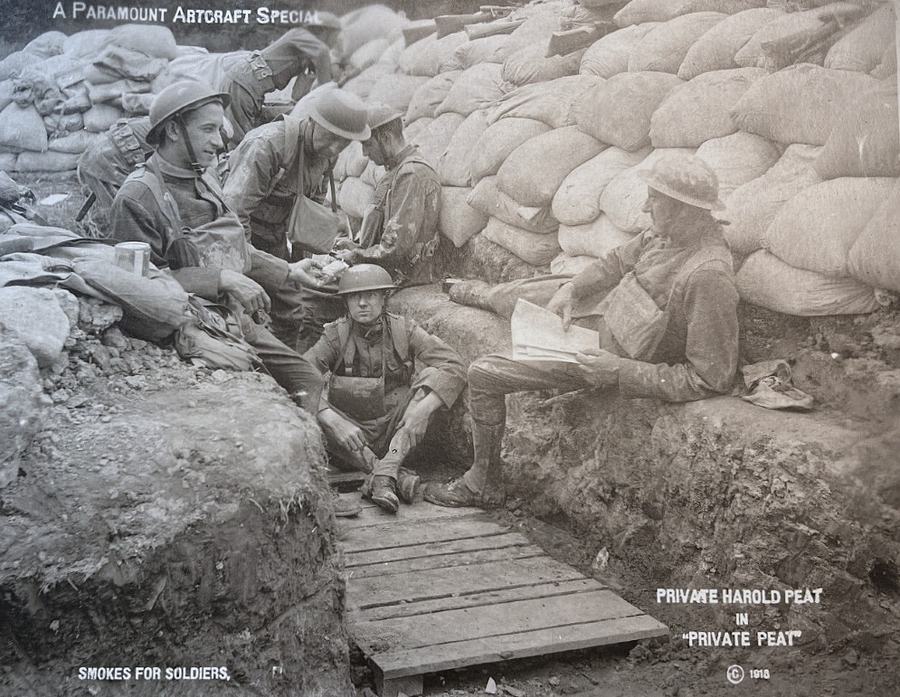
Harold R. Peat tries to enlist in the United States army so that he may fight in World War I but is rejected by the recruiting officer. He is despondent until he and his friend, Old Bill, concoct a scheme whereby they are both accepted. After a stint in training camp, Harry bids his sweetheart Mary goodbye and accompanies Bill to France. Following several adventures at the front, Bill is killed and Harold, in trying to save a load of ammunition, is wounded. Harold spends some time in a French hospital, after which Mary comes to France to bring her heroic private home.
View Details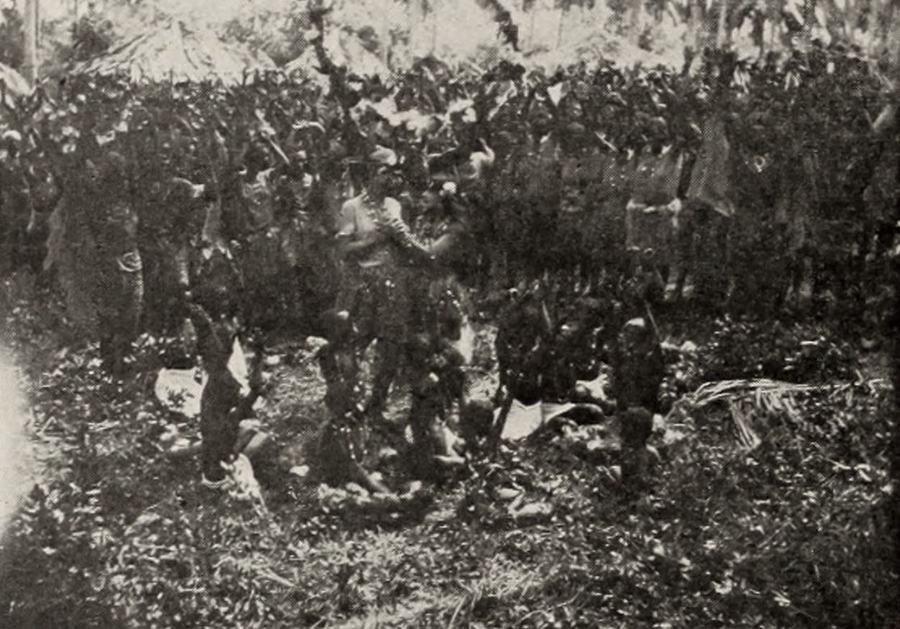
Dir: Edward José
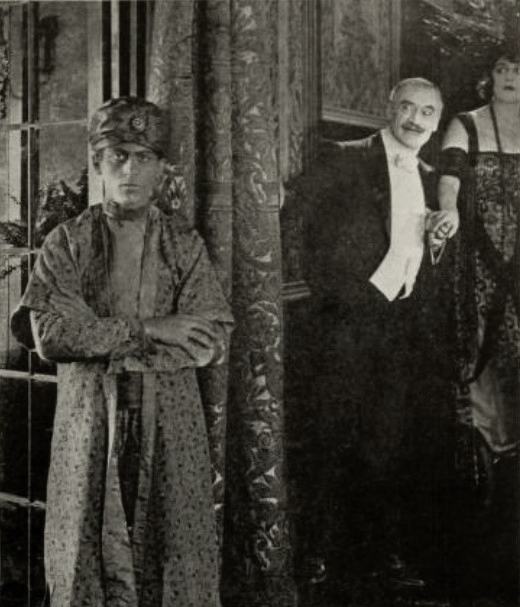
When two love-sick young people run off to be married, and aren't caught, they usually get married. It was different with Grace Vernon and Hugh Ridgway, though. Worn out by the social affairs given in honor of their approaching marriage, they elope in the wee small hours of a certain summer morning, and being mistaken for housebreakers by the gardener and other members of the household, are pursued. A couple of cops as added starters make the chase even more interesting, and they don't breathe easily until, a couple of hours after climbing a rope ladder up the side of an ocean liner, they come out from their hiding place and find themselves at sea. Not nearly so much "at sea" then, however, as later, when Hugh finds that Grace is much smitten with Henry Veath, an old-time friend of his. Hugh cares nothing about the fact that Lady Tenny, another passenger, seems to care more for his society than for anyone else. Comes a typhoon, the ship is dashed on the rocks, and in the ensuing darkness and panic Hugh makes a brave attempt to save one who clings closely to him, one he thinks to be Grace. Then blackness, and with returning consciousness and the light, the realization that he is cast away on a strange tropical isle, the isle of Nedra, with Lady Tenny. Add to this that they are found and worshiped as two gods by the savage natives of the isle; that their enforced wedding is interrupted by the landing of a U.S. ship; that Hugh goes home only to find Grace married to Veath; that he finds that he doesn't care a particle; that he rushes back to Lady Tenny, and you have just a bare conception of this romantic love story.
View Details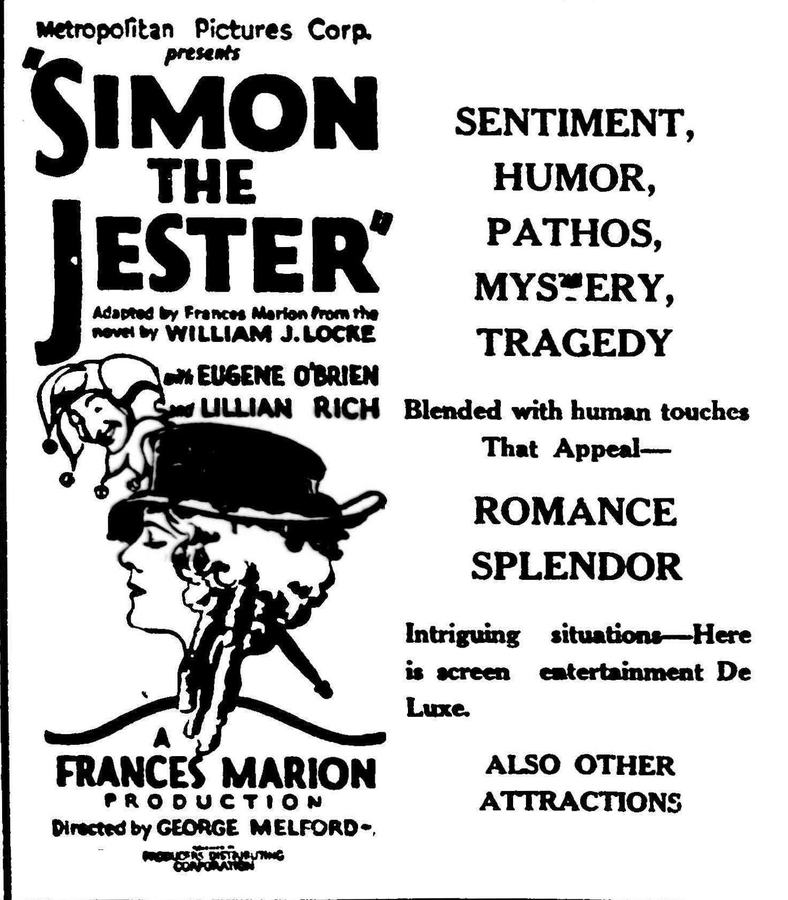
Dir: Edward José
Learning he has six months to live, the wealthy Simon De Gex decides to tell no one of his impending death and to spend his fortune madly. He breaks off his engagement to Eleanor Faversham, then is approached in a park by a dwarf and enlisted in a plot to kill the deserting husband of the beautiful Lola, a cat trainer at the London Hippodrome. The murder plans are carried out in Paris; the dwarf stabs Lola's husband and Simon departs, only to be overcome by his sickness. Selflessly Lola nurses him back to health, but, ridiculed as low-class by Eleanor and Dale, Simon's secretary, she returns to the theater. Cured by a daring operation, Simon sets out to find Lola. His search is rewarded but coincides with the reappearance of the demented dwarf. In a fury of rejection, the dwarf accidentally blinds his beloved. Simon devotes himself to Lola, but she resists his proposals until a second miraculous operation restores her eyesight and frees her to marry in good conscience.
View Details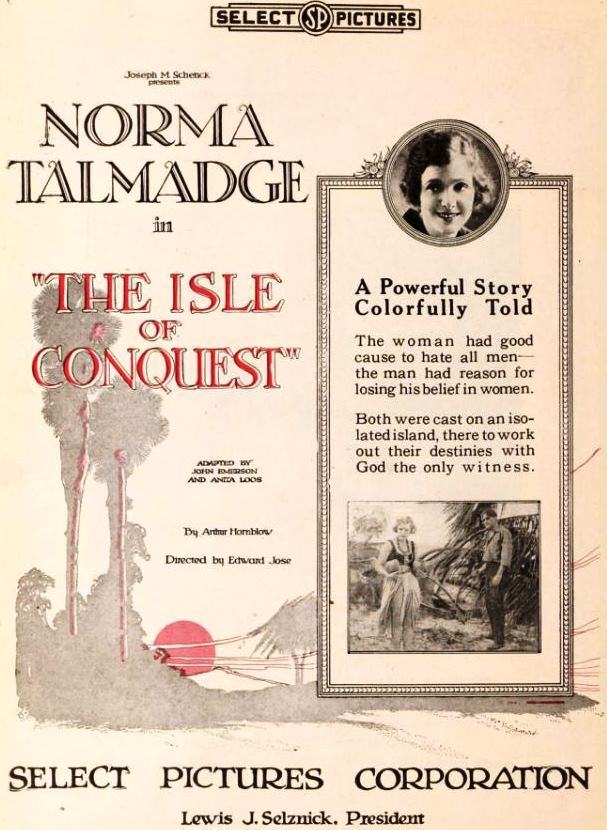
Dir: Edward José
A woman unhappily married to a blackguard is washed ashore after a shipwreck and finds her sole companion to be a young man recently jilted. Both of them despise the opposite sex, but after a little time on the island....
View Details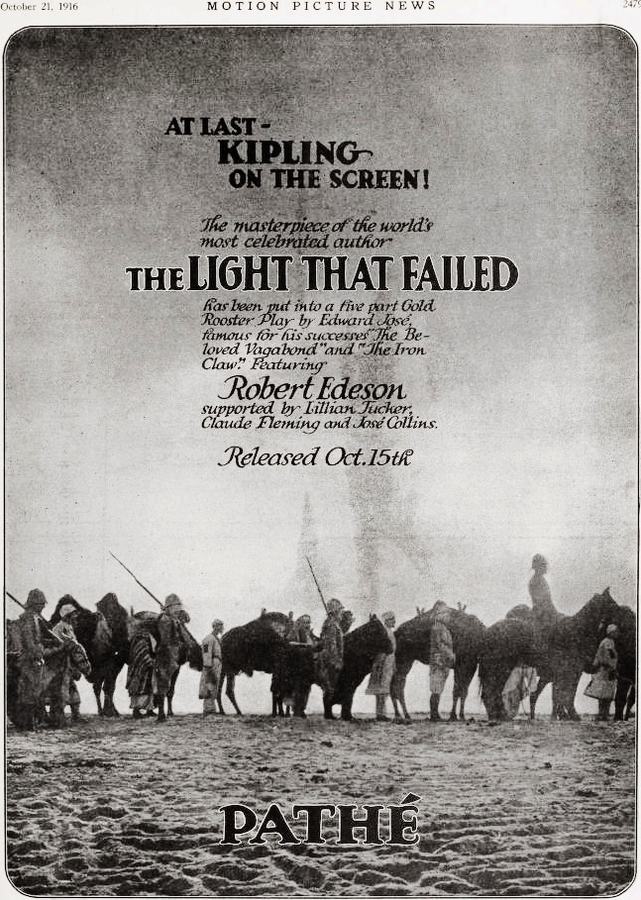
Dir: Edward José
After many years, Dick Hedlar, a staff artist, stationed in the Soudan, returns to England to find his pictures have made him famous. He has always cherished memories of his childhood sweetheart, Maizie, and at an exhibition of his pictures he meets her again and the old romance is revived. She, still struggling to make a name for herself in the world of Art, refuses his offer of marriage, fearing that her acceptance would mean a hindrance to their careers. Dick tries to comfort himself with his painting. Bessie, a model, comes into his life and makes love to him. In the meanwhile love overcomes Maizie's decision and in a sudden resolve she goes to Dick's studio to tell him that she will marry him. She finds Dick repulsing the advances of Bessie and mistakes the situation as being Dick's overtures to the demi-monde. She leaves in disgust and refuses to hear his explanations the next day. An accident affects his eyesight, and gradually going blind, he completes his master picture. His bosom friend, Torpenhow, brings some of his friends to Dick's studio to admire the picture, only to find that Bessie has ruined the masterpiece. They keep the fact from the now totally blind Dick, and he as a last gift to Maizie sends the picture to her unknowing what has happened to it. Torpenhow, horrified at what has happened, goes to see Maizie, and she learns of the injustice she has done Dick. She and Torpenhow make haste to Dick's studio only to find him gone. Cursed with the blindness and with a deep ache in his heart, Dick has heard the call of the East. They follow the trail of the "mad Englishman," as he is called, for many hundreds of miles and reach him just as a horde of Dervishes are about to make an attack, in the skirmish both Maizie and Dick are wounded and die in each other's arms. In Dick's clenched hand Torpenhow finds the verse of their childhood dreams, cherished through all the years.
View Details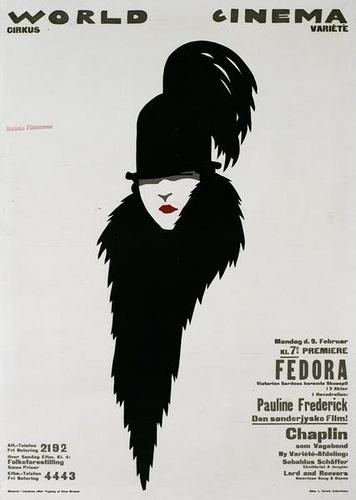
Dir: Edward José
Fedora, a beautiful and elegant woman of Russian society, travels to Paris in search of her fiance's murderer.
View DetailsAnalysis relative to Rainbow
| Film Title | Atmosphere | Complexity | Similarity |
|---|---|---|---|
| The Beloved Vagabond | Ethereal | Dense | 96% Match |
| A Woman of Impulse | Tense | Layered | 92% Match |
| The Iron Claw | Gritty | Layered | 86% Match |
| Her Silent Sacrifice | Gothic | High | 89% Match |
| Private Peat | Tense | Abstract | 98% Match |
This guide was algorithmically generated using the cinematic metadata of Edward José's archive. Last updated: 8/17/2026.
Back to Rainbow Details →