
DbcultAccessing Vault...
Recommendations
Senior Film Conservator
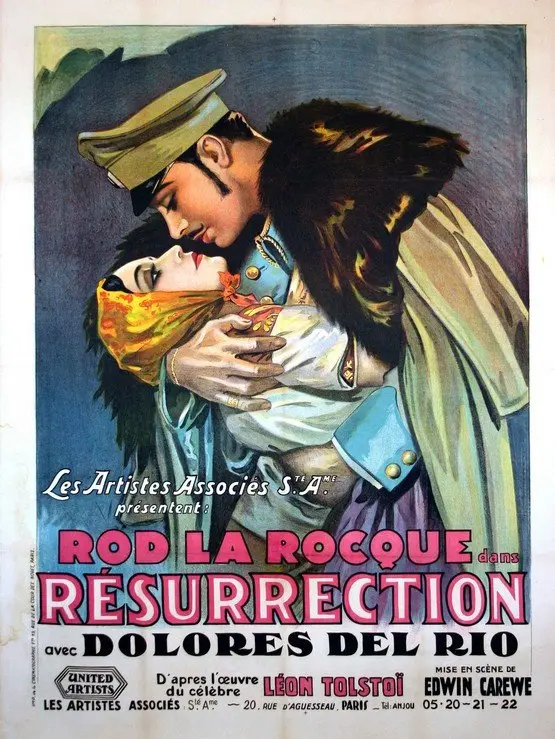
Witnessing the stylistic evolution of Edwin Carewe through Resurrection is profound, audiences who connected with its message often look for similar thematic gravity. Each of these movies shares a piece of the poignant storytelling that made Resurrection so special.
The synthesis of form and function in Resurrection to establish Edwin Carewe as a true visionary of the 1927s.
Prince Dimitri comes from St. Petersburg to spend the summer in a rural district and falls in love with Katusha, an orphaned peasant girl who works for his relatives. Later, en route to the Turkish-Russian front, Dimitri's regiment bivouacs near the village, and Katusha secretly yields to his passion. Her condition soon arouses the suspicions of her aunt, and she is sent from the home in disgrace. Bereft by the death of her infant, Katusha is eventually reduced to surviving as a prostitute, and finds herself imprisoned on a charge of poisoning and robbing a merchant. Dimitri, summoned to the jury at her trial, feels his responsibility and agrees to marry her. Although innocent of the crime, Katusha is banished to Siberia. Their old love is rekindled, but she refuses to become his wife and bears her exile alone.
Resurrection was a significant production in United States, showcasing the immense talent of Vera Lewis, Lucy Beaumont, Bobby White. It continues to be a top recommendation for anyone studying Drama history.
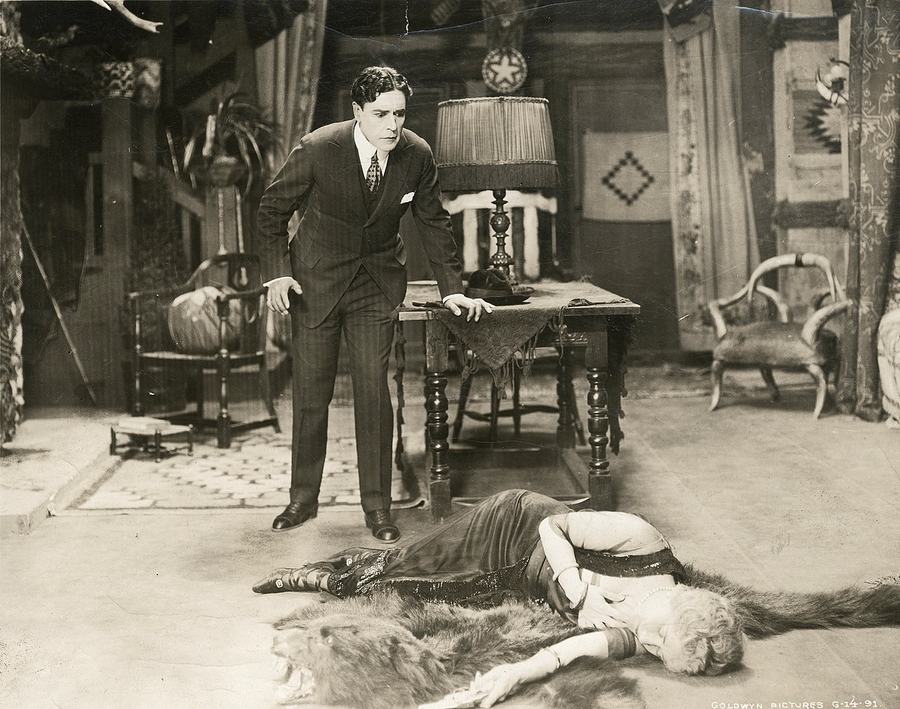
Based on the unique poignant storytelling of Resurrection, our vault has identified these titles as the most compelling follow-up experiences for fans of Drama cinema:
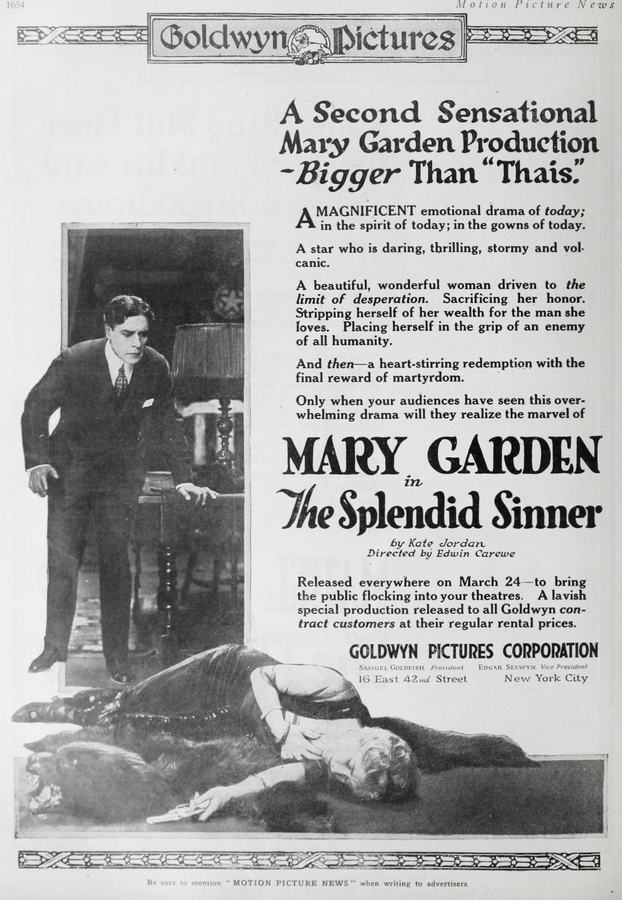
Dir: Edwin Carewe
A woman marries a German immigrant in New York, but loses him when her soiled past is revealed. He returns to Germany after the beginning of the First World War, where he becomes a high-ranking officer in the German army. His wife joins the Red Cross and, in a combat hospital, discovers her wounded husband. Her love for both her husband and her country lead her to a great sacrifice.
View Details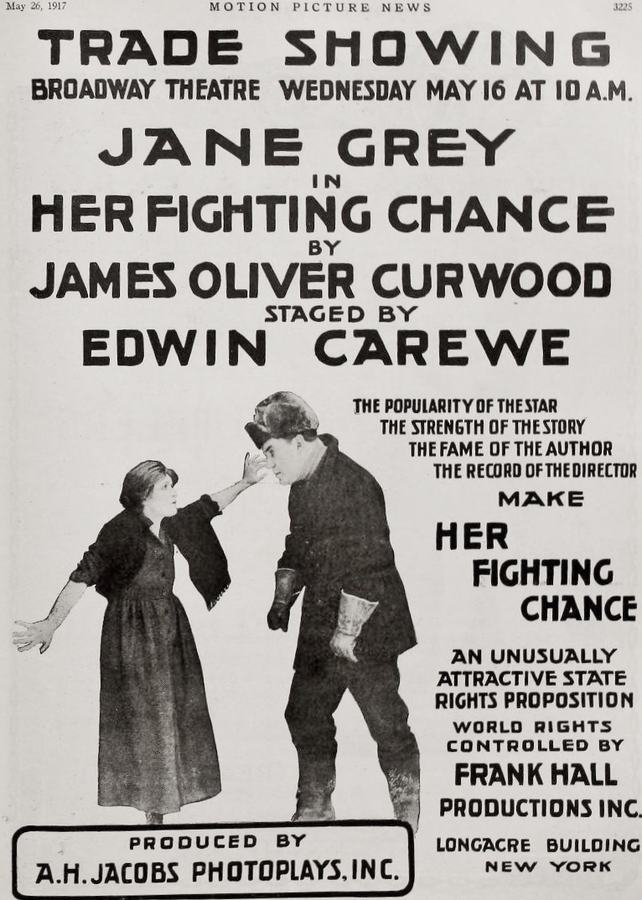
Dir: Edwin Carewe
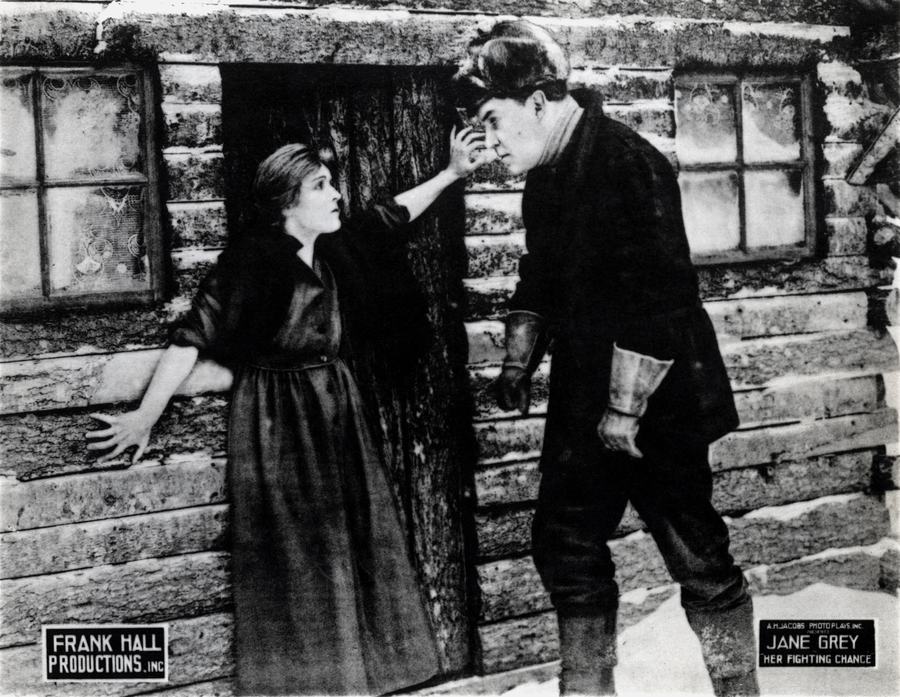
Corporal Blake is sent to apprehend the murderer of François Breault. All evidence points to Jan Thoreau as the guilty man. Blake arrives at Thoreau's cabin while he is away and is greeted by his wife Marie. Posing as a friend of her husband, Blake learns that Thoreau and Breault had quarreled shortly before the murder. This, together with Breault's dying accusation that Thoreau was his murderer, seems undeniable evidence. Blake, fascinated by Marie, agrees to let Thoreau escape, providing that she become his mistress. After much anguish, she consents. When Thoreau arrives, Blake arrests him, but during the night Marie helps him escape. Blake goes in pursuit. Meanwhile, officers at the post have received the dying confession of Pastamoo that he committed the murder. They hurry to Thoreau's cabin where the chase has led pursuer and pursued around in a circle and back to the cabin. Blake mistakes another officer for Thoreau and fires at him. The officer returns the shot, killing Blake. Thoreau and Marie then learn that they are free from suspicion.
View Details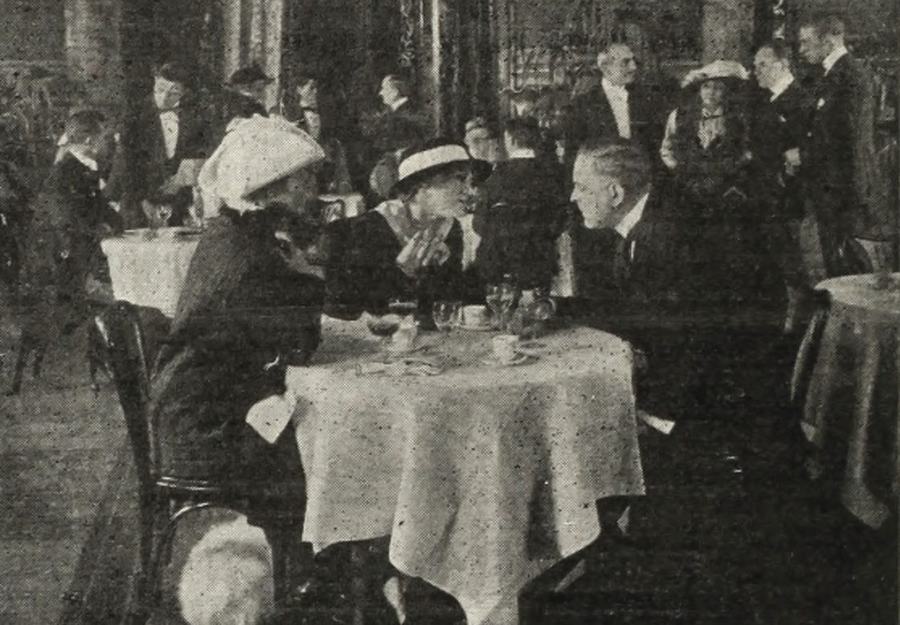
Dir: Edwin Carewe
In the House of Tears, there lived Robert Collingwood, his wife, Alice Collingwood, and their baby girl, Gail. In the courts Robert has been granted a decree of divorce and the custody of little Gail, upon evidence that Mrs. Collingwood has been found in a compromising situation with Henry Thorne, and her subsequent admissions. Once free, Mrs. Collingwood openly accepts the attention of Thorne, and they soon marry and go west to live. Thorne takes up the life of a prospector in a mining community, and his consistent failure proves a source of discouragement to him and unhappiness to the woman. Collingwood, his mind upset by domestic troubles, loses his fortune in Wall Street manipulation, and becomes a raving maniac. He drives his employees out of the office, and then goes to his home intending to kill his little daughter. In a chase up a staircase, he falls and is killed. An annuity he had settled on the baby when she was born, and which has been saved from the financial wreck, is the means of her education. Fifteen years later Thorne, who has been plodding along in the west, meeting with little success, wins $15,000 at faro in a desperate plunge one night. He has become tired of the woman he won by intrigue and his sudden prosperity turns his head. He arranges to go back to Wall Street to flirt with fortune, and he tells his wife he will not take her along, but will leave enough money for her to live on. She is horrified at the prospects of his desertion, and at the point of a revolver, demands his money. In a struggle which ensues, she is seriously wounded. Thorne leaves, believing his wife dead by the shot from her own hand. Back in Wall Street, Thorne electrifies other operators by his phenomenal rise to affluence, and he becomes the elegant man of wealth he aspired to be. Gail Collingwood, who has now grown to womanhood, is known under the name of Alice Gail, and employed as a reporter on the Evening News. She is sent to interview Thorne, who is now known as "Edward North." They become very friendly and their acquaintance soon ripens into love. In due time their betrothal is announced. Out in the mining town Thorne's wife has recovered, and she resolves to come back to the scenes of her youth. She is seeking Thorne in the great city, when Gail, who is riding in an automobile loaned her by her fiancé, runs down her mother, a poor, ill-clad, wandering woman. The mother is slightly injured, and she recognizes her daughter. They plan to make "North" face his past. Gail sends word for "North" to come to her home, as she is in trouble. When he arrives he is brought face to face with his wife, whom he believed to be dead. "North" becomes frenzied from fear, as he thinks the sad faced woman is an apparition, and he flees from the house. The apparition continues to haunt him, and in a half-crazed mood he drives his automobile blindly through the streets, ending by running off a bridge when he is hurled to death. Mother and daughter, re-united, then seek a happier existence.
View Details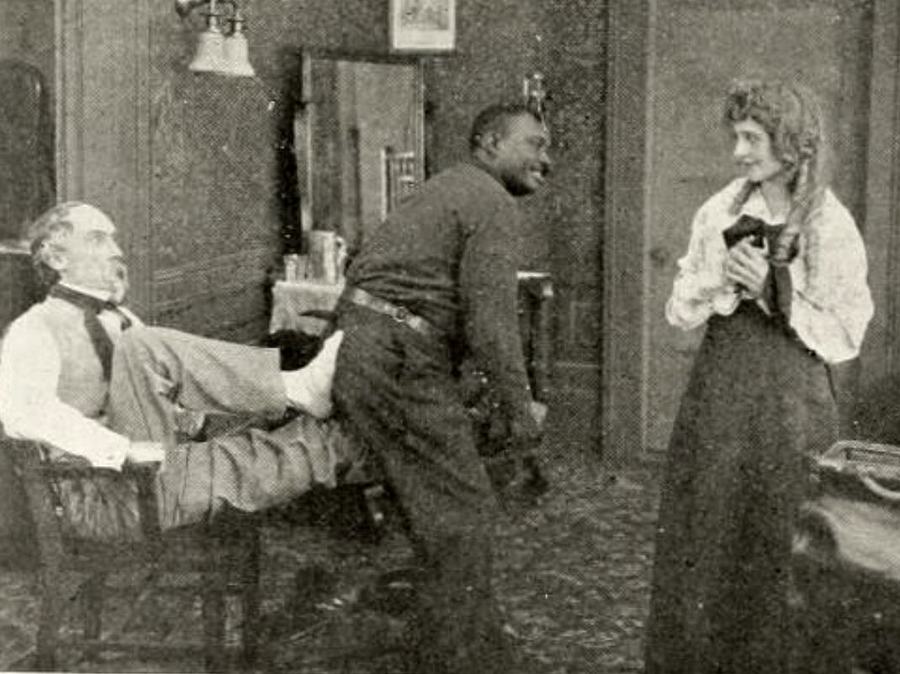
Dir: Edwin Carewe
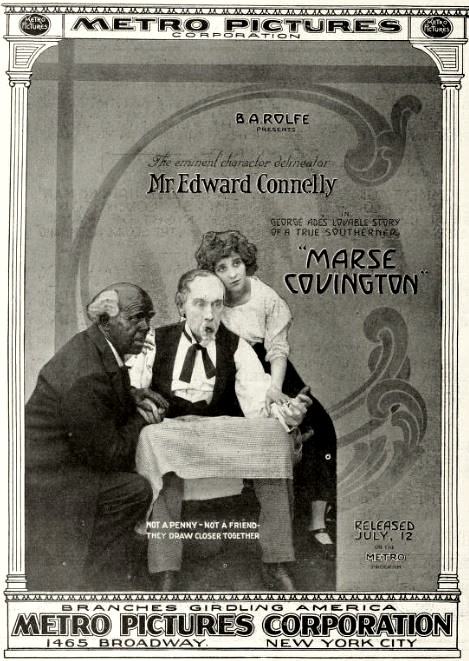
Proud Confederate Captain Covington Halliday refuses to allow his daughter Martha to marry Northern lawyer Walter Lewis. As a boy, Covington was given an African American servant named Dan, who has always called him "Marse Covington." After the Civil War, Dan refused his freedom and stood by Covington, sharing his misfortunes. Jim Daly, who holds the mortgage on Halliday House, also wants to marry Martha, so he schemes with gambler Edward Bantree to fix a race in which Covington has wagered all his property on his beloved horse, Bess. Although Bess loses, Martha refuses to marry Jim to reclaim her family home. She moves to New York City with her father and Dan, but their savings are soon exhausted and Covington is forced to stand in bread lines. After Dan goes to work for Edward, he learns about the plot to fix the race. He tells Walter, who is later hired to defend Edward for Jim's murder. In lieu of cash, Walter demands the Halliday House deed as payment. Covington returns to his home with Dan, and gives Walter his blessing to marry Martha.
View Details
Dir: Edwin Carewe
Before the guests arrive for a party in her apartment, Agnes Lambert, a writer of unsalable fiction, starts revising one of her stories because she realizes that it lacks drama and emotion. Later, she begins a romance with Tom Leighton, but although Tom loves her, he is already engaged to Ruth Beresford, who was recently blinded in an explosion. Aware of the impossibility of their affair, Agnes decides to commit suicide, but when Ruth, whose vision has been restored by an operation, discovers that Tom no longer loves her, she frees him to marry his new sweetheart. Tom goes to Agnes, but arrives too late, and finds her dead. Then, guests knock at Agnes' door, ready for a party, and, having just finished revising a story in which she stars as a woman who commits suicide because she wrongly believes that a love affair has failed, Agnes rises from her typewriter to greet them.
View Details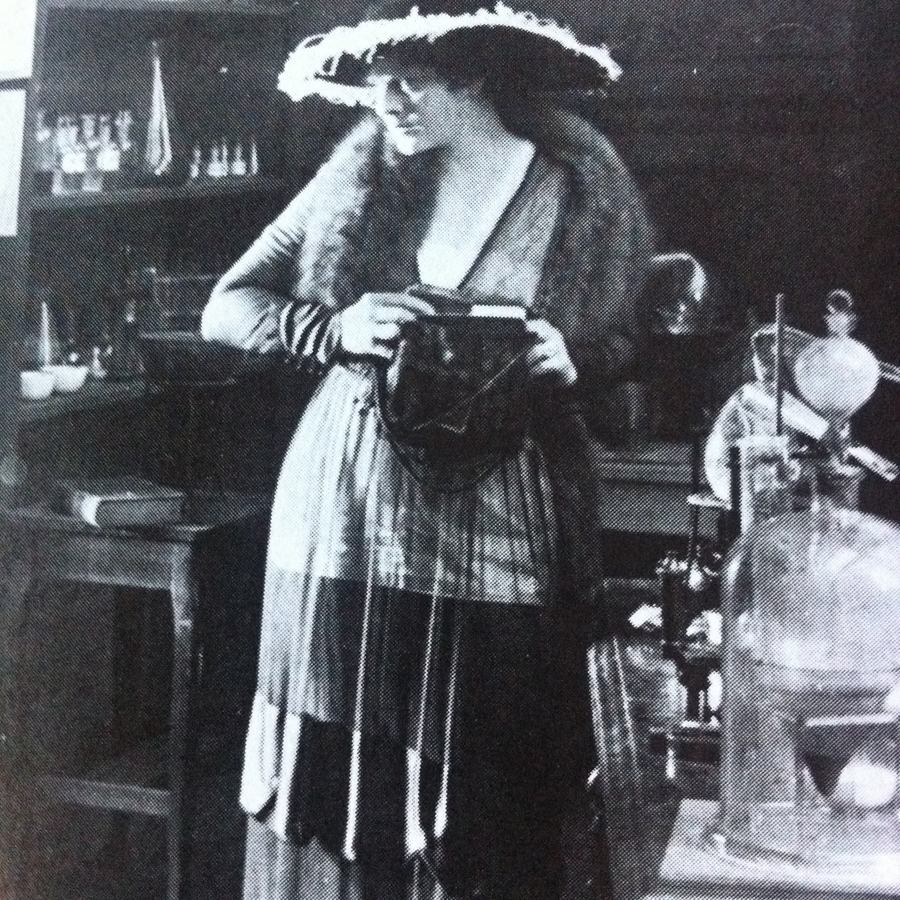
Dir: Edwin Carewe
Actress Jane Carleson has three admirers: Henry Strong (a millionaire), Hamilton Ross (a chemist), and Murray Campbell (a district attorney). When Jane weds Campbell, Ross writes an anonymous letter to Campbell, warning him that Strong is after his wife. Ross smears the flap of the envelope with poison. However, Strong is the one who opens the envelope, and dies from the poison. Since Campbell and Strong had quarreled just before the arrival of the letter, Campbell is convicted of the murder. Jane must expose the true murderer and save her husband.
View Details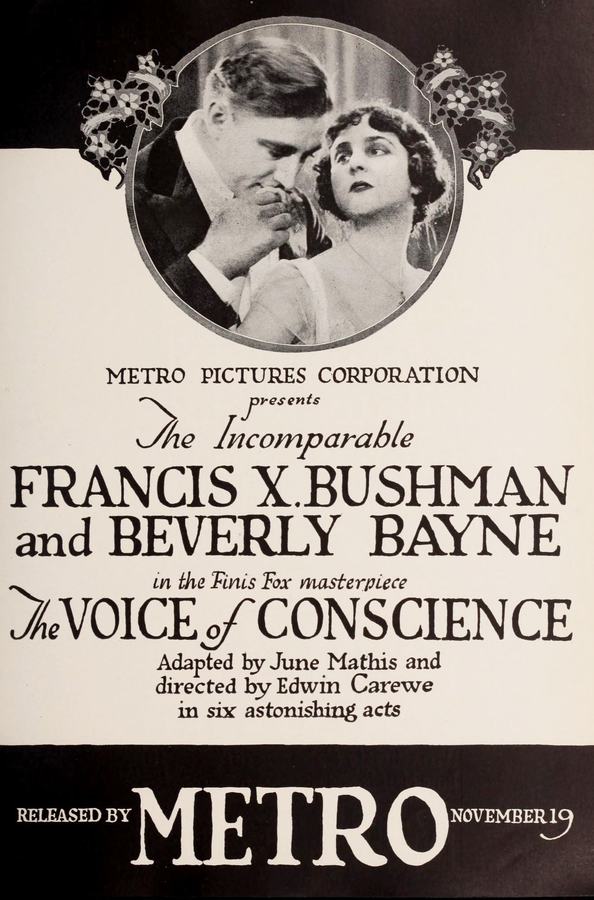
Dir: Edwin Carewe
A daughter is grief-stricken by the loss of her father. His male friend becomes her guardian, and she is taken to live with the friend's mother. Time passes and romance blossoms in the girl's heart for her guardian. However, a love rival arrives from the city and catches his eye, and the drama unfolds.
View Details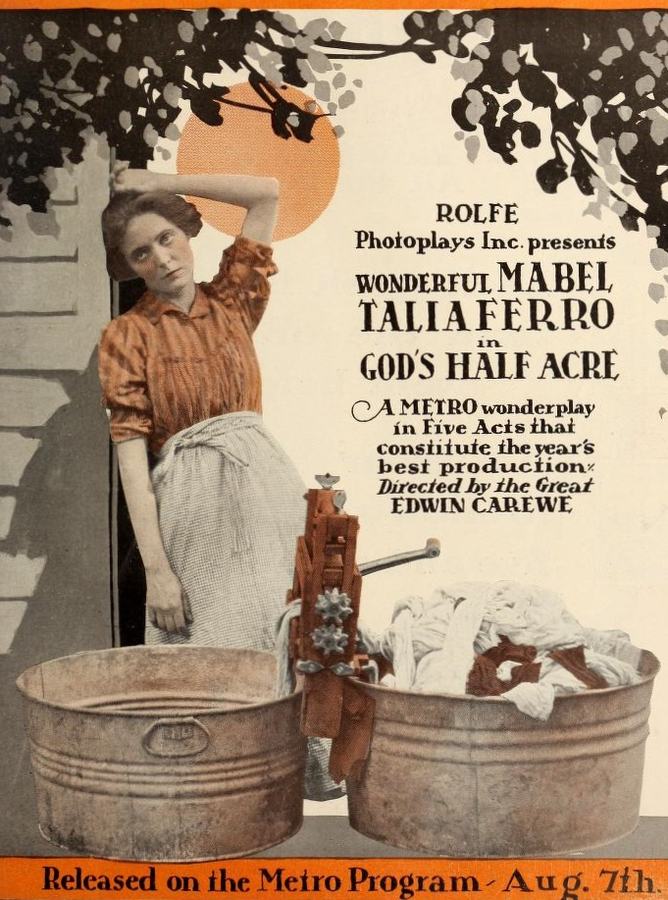
Dir: Edwin Carewe
Leaving his wife Rose for a few weeks and eager to do research for his new novel about the elderly, Henry Norman goes to live in a home for the aged, where Blossom, the home's young maid, falls in love with him. When she lets him know how she feels, however, Henry tells her that he has a wife. When his research is over, he returns to her--and discovers that she has eloped with his friend Perry Westley, and that they were both killed by a lightning bolt that struck Perry's car. While Henry recovers from this double shock, Blossom quits her job and finds work at God's Half Acre, an orphanage. While on a picnic with the children, she once again meets Henry, who realizes that he loves Blossom. They marry.
View Details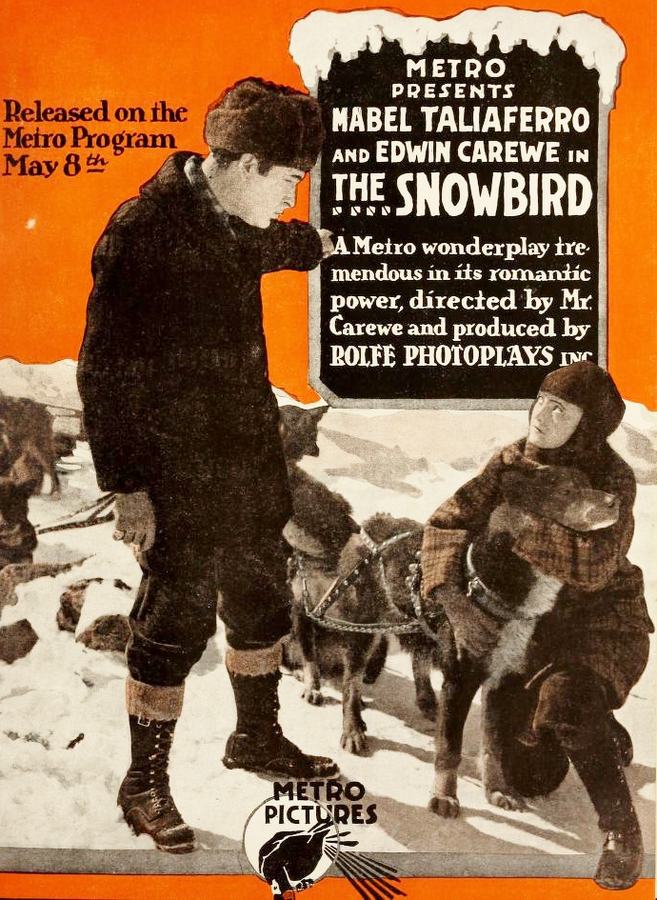
Dir: Edwin Carewe
John Wheeler, a traction magnate, becomes heavily involved and is obliged to sell a large timber tract he owns in the Hudson Bay district. He owns the property jointly with Henri Corteau, and the deed is filed in the office of Magistrate Le Blanc, at Chalet. Bruce Mitchell, a wealthy young man about town, who is infatuated with Lois Wheeler, the madcap daughter of Wheeler, readily agrees to take over the property. In the northland the elder Corteau has died suddenly, and the Magistrate's office, together with the Wheeler-Corteau deed, is destroyed by fire. The Magistrate receives word of the transfer between Wheeler and Mitchell and he sends for Jean Corteau, the son and heir of the late Henri Corteau, and asks him for the deed his father held, telling him he wishes to make a copy of it. When he adds that it is the only copy in existence, Jean walks out, saying he intends to keep the land himself. Meantime Mitchell has pressed his suit for the hand of Lois, and she takes a violent dislike to him. She resents it because he tries to make plain that her father is under obligations to him. Soon afterward Mitchell goes to Wheeler and wants to know why the deed has not arrived. Wheeler hopelessly shows him a letter from the Magistrate, telling of Jean's action. Mitchell threatens to jail Wheeler, accusing him of obtaining money under false pretenses. Lois overhears the threat and also Mitchell's offer to let the matter drop if Lois will marry him. Lois agrees to this proposal providing her father's innocence cannot be proved. Lois goes to the northland and seeks out Jean. He will not see her, saying he will not have any dealings with women. The next day she sets out, dressed in boy's clothes, on a dog sled for Jean's home in the forest. Pierre, a guide, accompanies her. They arrive in sight of Jean's cabin at nightfall, when Pierre attempts to force his attentions upon Lois. She flees and seeks refuge in Jean's cabin, stumbling in his door in a faint. Later, she tells Jean she has become lest from a lumber camp, and asks if she may remain a while with him. He tells her he has always wanted a boy companion and helper, and that since she came like a "wounded snowbird" to his cabin, she may stay. Although Jean is brutal and primitive in many ways Lois soon finds he has a gentle nature. The next day Jean discovers Lois is a girl, when her fair falls out from under her cap. She confesses her identity and he is angry. But he consents to her remaining, and he fetches some of his mother's clothes for her. Her one desire to get the deed is realized when she is dressing and finds the document hidden away behind a small mirror on the wall. That night she urges Jean to drink heavily, hoping to get away. He becomes fascinated with her and tells her he is going to save her father. He reaches for the deed and finds it gone. Her manner betrays Lois, and she confesses having the paper. Meanwhile Mitchell and Wheeler have come north in search of Lois. Pierre tells Mitchell she is living with Jean. In a jealous rage he goes to seek out Lois. He has Wheeler arrested and then sets out for Jean's cabin. Arrived there he sarcastically accuses Lois of a common liaison with Jean. Jean demands that Mitchell apologize. He refuses and they fight. Both are seriously wounded. Mitchell staggers out of the cabin in the snow. Lois, left with the unconscious Jean, decides to steal the deed and leave. On the edge of a cliff Lois sees Mitchell fall to his death. Then a vision of Jean left alone in his helpless condition comes to her. She turns back and joins Jean. She nurses him back to strength and they go to the aid of Wheeler, intending to marry and live in New York. But after they are wed they hearken to the call of the north, and go back to the life where their love was born.
View Details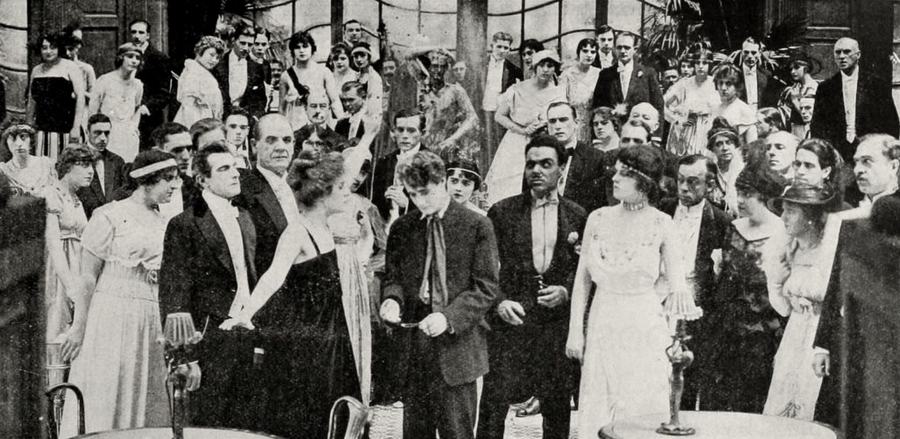
Dir: Edwin Carewe
Standish, an artist, finishes a painting of the Madonna. His wife, Mary, acted as model, and when the Connoisseur and the Parishioner inspect the picture, the former tells Standish that he recognizes in the model a one-time paramour of his. The Connoisseur and the Parishioner buy the painting and after their departure Standish upbraids his wife, who tells him that she believed herself legally married to the Connoisseur. Standish refuses to accept her explanation and ejects her and their baby son. Mary leaves her boy on the steps of a monastery, and seventeen years later, just before becoming a monk, he receives permission to see the world. He wanders into a gay café and succumbs to the charms of Beauty. The other inmates of the place, Lust, Rum, Avarice and Passion are dancing around him when the proprietor enters. It is Mary, his mother. She recognizes him from the crucifix which he wears and which she left with him when he was a baby. Without revealing her identity she persuades him to go back and later when he has become a priest, a bedraggled old woman (his mother) enters his church. She recognizes him and just before she dies her son gives her absolution.
View DetailsAnalysis relative to Resurrection
| Film Title | Atmosphere | Complexity | Similarity |
|---|---|---|---|
| The Splendid Sinner | Ethereal | Dense | 87% Match |
| Her Fighting Chance | Ethereal | Linear | 91% Match |
| The House of Tears | Gritty | Abstract | 86% Match |
| Marse Covington | Ethereal | Linear | 92% Match |
| Her Great Price | Gritty | Dense | 93% Match |
This guide was algorithmically generated using the cinematic metadata of Edwin Carewe's archive. Last updated: 8/17/2026.
Back to Resurrection Details →