Prince Dimitri comes from St. Petersburg to spend the summer in a rural district and falls in love with Katusha, an orphaned peasant girl who works for his relatives.
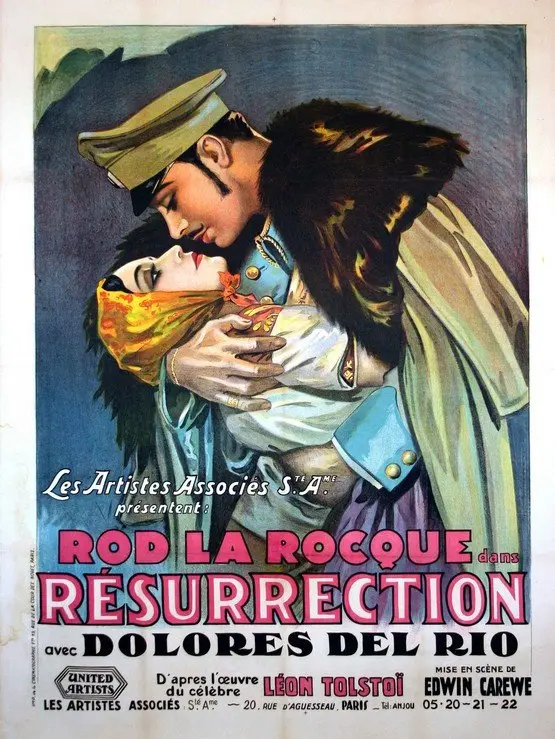
Is Resurrection worth watching today? Short answer: yes, but only if you are prepared for a film that refuses to offer the easy comforts of a standard romance. This is a grueling, slow-burn tragedy that demands your full attention and a high tolerance for seeing the human spirit systematically crushed. It is specifical...
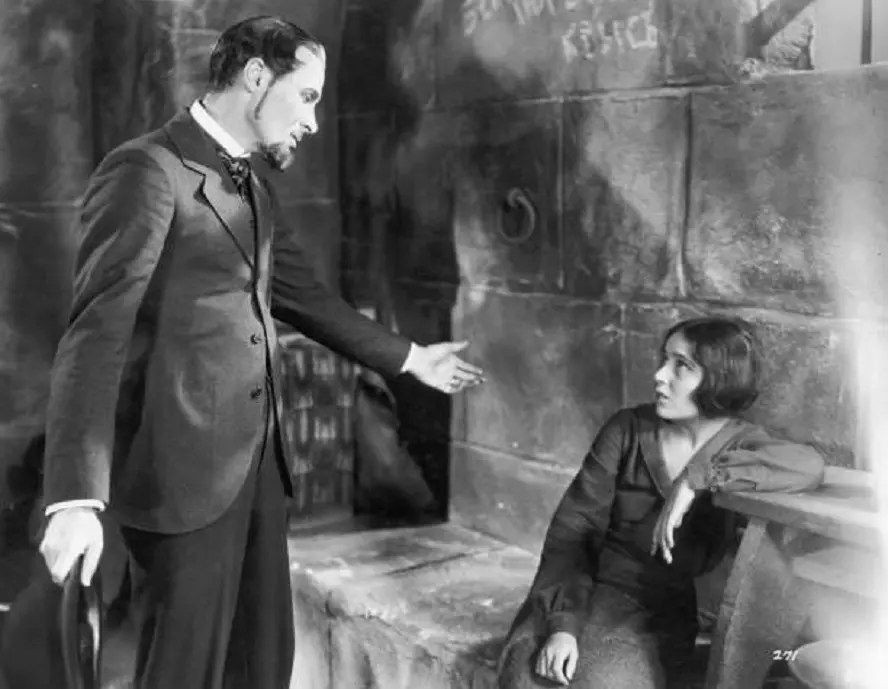
still_frame

still_frame

publicity
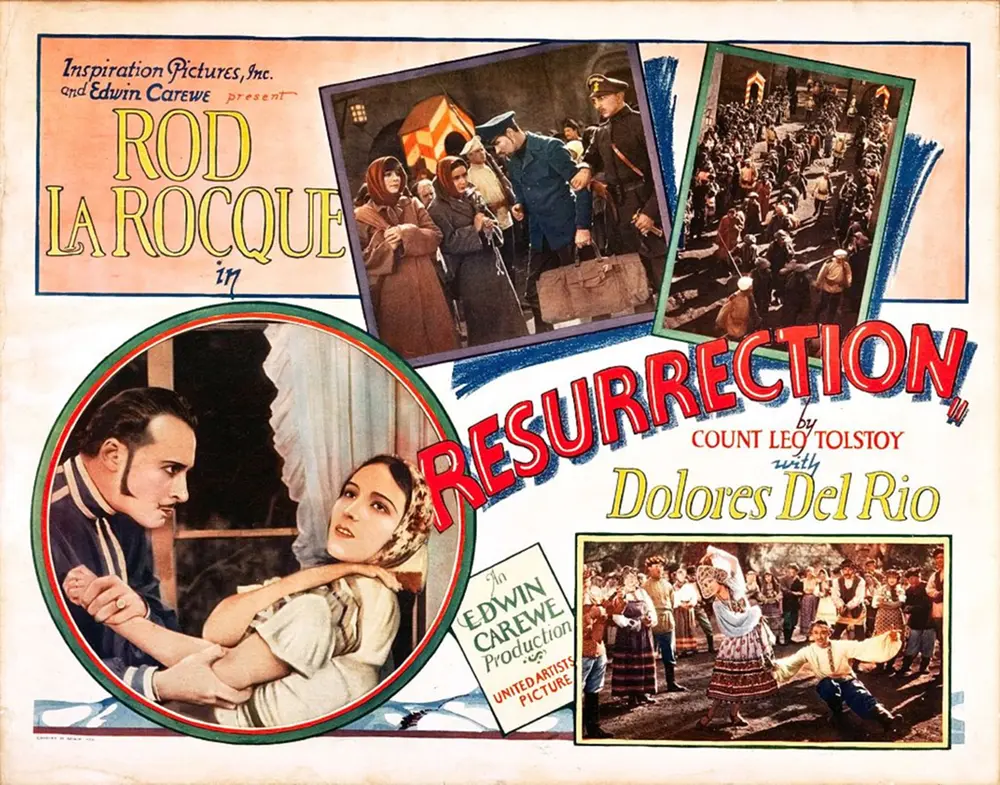
production_art

production_art

production_art
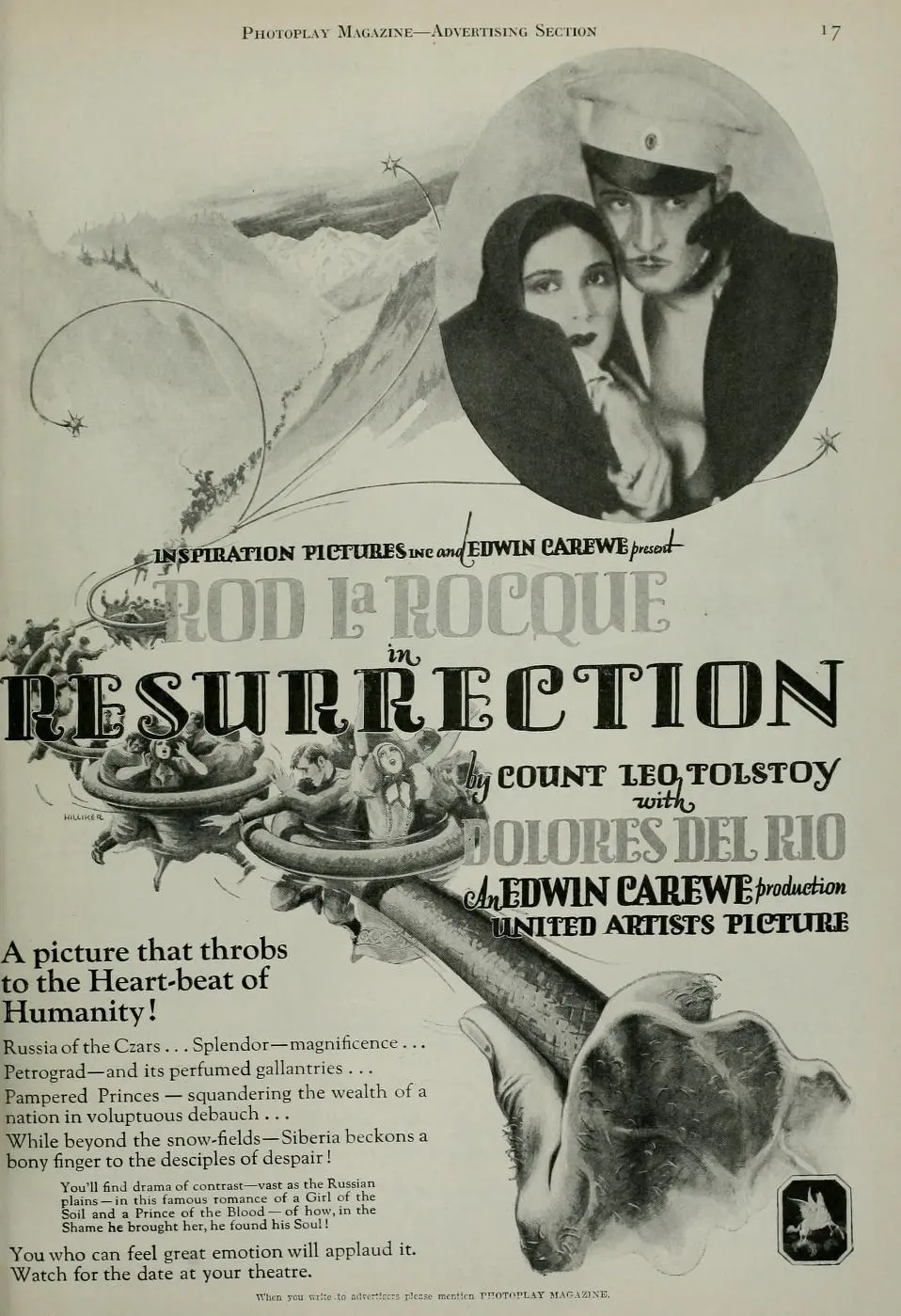
production_art


Comparing the cinematic DNA and archive impact of two defining moments in cult history.
Edwin Carewe

Edwin Carewe
Community
Log in to comment.
"Is Resurrection worth watching today? Short answer: yes, but only if you are prepared for a film that refuses to offer the easy comforts of a standard romance. This is a grueling, slow-burn tragedy that demands your full attention and a high tolerance for seeing the human spirit systematically crushed. It is specifically for those who appreciate the raw emotional power of silent-era acting and the heavy, moralistic weight of Russian literature. It is definitely not for viewers seeking the lighth..."
Ilya Tolstoy, Edwin Carewe, Finis Fox, Lev Tolstoy, Tom Miranda
United States