
DbcultAccessing Vault...
Recommendations
Senior Film Conservator

The History sensibilities displayed in Romola are unparalleled, the emotional payoff of the 1924 classic is what fans crave in similar titles. Our criteria for this list were simple: only the most poignant storytelling and relevant titles.
The cultural footprint of Romola in United States to define the very concept of poignant storytelling in modern film.
In Renaissance Florence, Tito, a no-good young man pretending to be a scholar, wins the admiration of a blind man who has long looked for someone to finish his scholarly work. He has a beautiful daughter named Romola. Tito flirts with a peasant girl in the streets, and for fun goes through a mock marriage with her -- but she takes it seriously. Romola doesn't really love him, but marries him because her father wishes it. When the Medici are forced out, Tito joins the new government and rises to be chief magistrate. His evil actions earn him the hatred of Romola and of the people, and he is killed by his stepfather. Romola ends up with sculptor Carlo, who has always loved her.
The influence of Henry King in Romola can be felt in the way modern History films handle poignant storytelling. From the specific lighting choices to the pacing, this 1924 release set a high bar for atmospheric immersion.
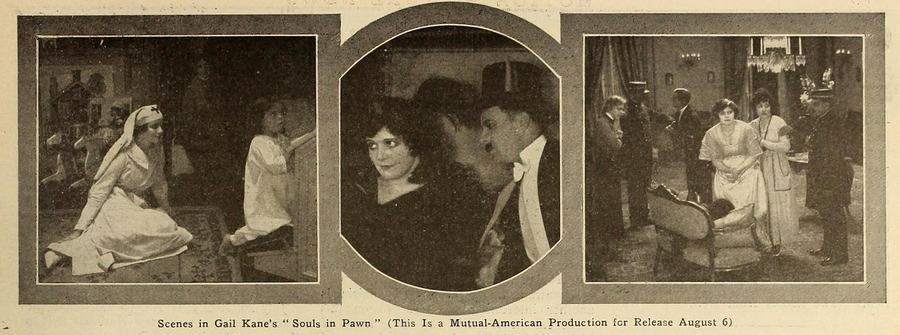
Based on the unique poignant storytelling of Romola, our vault has identified these titles as the most compelling follow-up experiences for fans of History cinema:
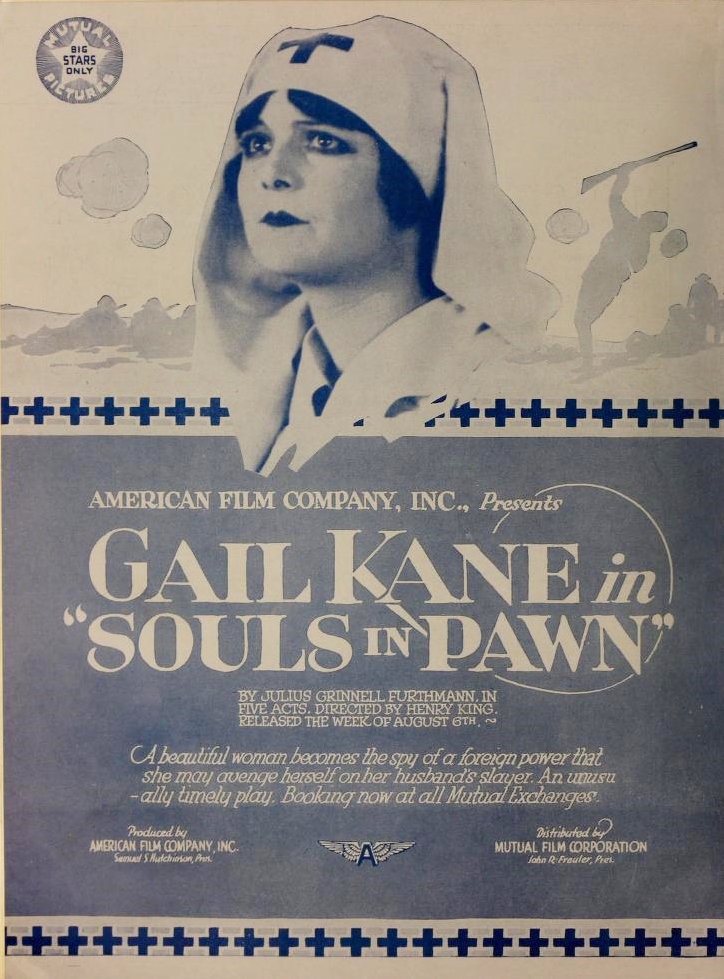
Dir: Henry King
Chief of the German secret service in Paris, Prince Kondemarck has been ordered to secure for his government the service of the most clever and beautiful woman obtainable. Liane Dore, widow of the late Sebastian Dore, who was killed mysteriously, agrees to serve on the prince's promise to reveal in one year the name of the man who killed her husband, against whom she has sworn vengeance. Unknown to Liane, the prince himself accidentally killed Dore who, posing as a bachelor, betrayed the prince's sister. In the course of their association as spies, Liane and the prince fall in love. When war comes, Liane throws her home open to wounded Frenchmen, and Baron Arnorld von Pollnitz, a German spy seeking revenge on the prince, denounces Liane as a spy. Arrested and sentenced to death, she is saved by the prince. After learning that her rescuer was her husband's killer, Liane is on the verge of betraying him when he produces letters which prove her husband's duplicity, and together they flee on board the prince's yacht.
View Details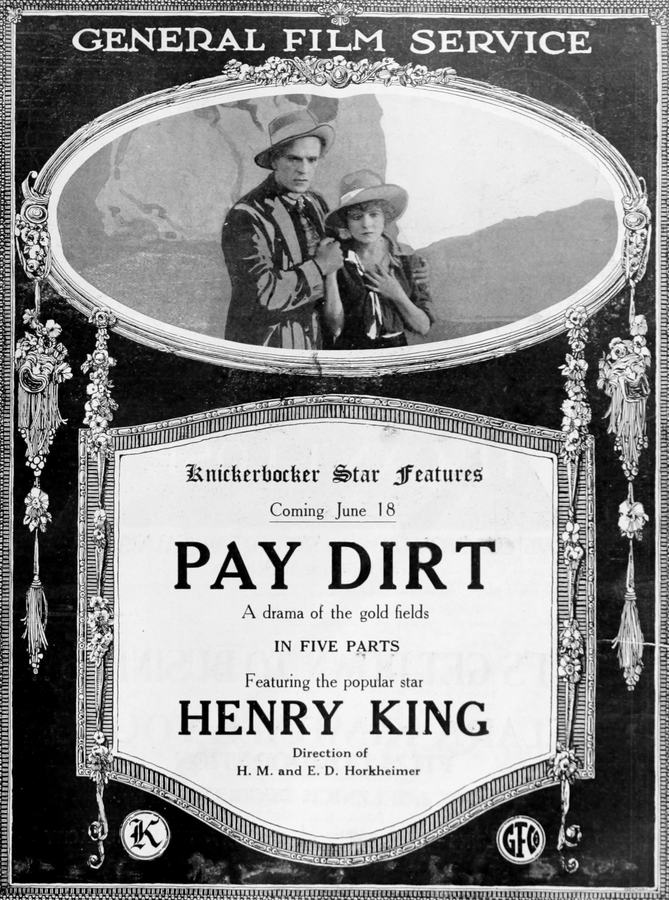
Dir: Henry King
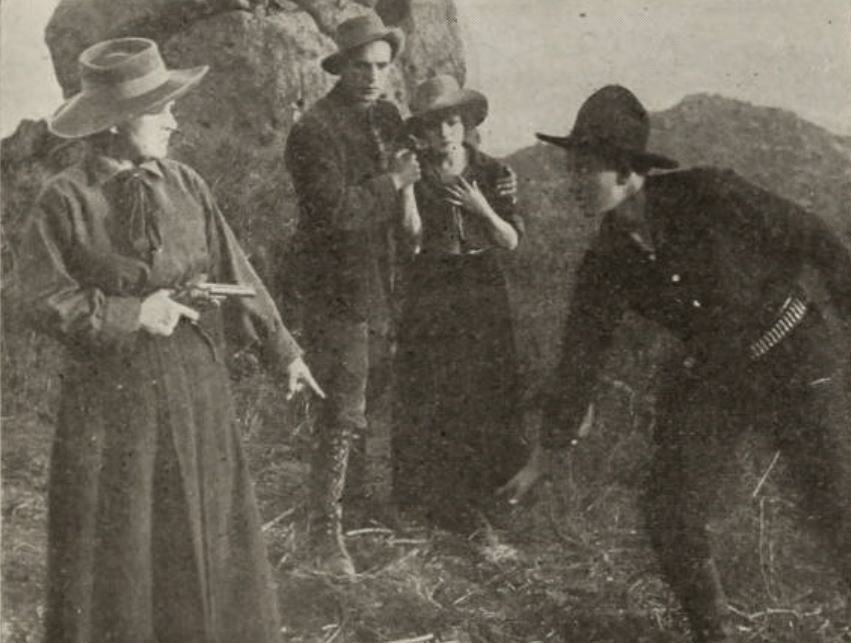
While he digs for gold day by day, "The Easterner," a young miner, gambles by night. A woman of the camps, named Moll, takes an interest in him and tries to break him of the habit that is his ruin. He laughs at her, but after she saves his life he promises to quit playing. Kate Gardner, a girl of the west loves him, and she is turn is loved by Bill Turner, a miner. Turner proves to her that the Easterner loves Doris Wendell, daughter of a wealthy land owner. She, with Moll, is instrumental in saving the Easterner's life when he is about to be lynched by a mob at the command of the jealous Turner. Peter Gardner, her father, covets the Easterner's claim and bribes Dick Weed, the gambling house proprietor, to help him get the claim. They attempt to make him gamble, but he is true to his promise. Later he discovers that Moll is his mother, whose passion for gambling he has inherited. Oby, a half-wit. Haunts the camp. Moll and her son try to live respectably after Doris has broken the engagement because the Easterner refuses to disown his mother. But the passion for gambling proves too strong. Moll rushes out of the house to the Hall of Chance. Her son is inveigled by Weed and Gardner into betting his claim. As he loses, Oby snatches away the tablecloth, jumbling the cards. Gardner, in a rage, strikes him down. His memory returns and he recognizes Gardner as the man who robbed him many years before, and shoots him. Dying, Gardner admits that Kate is Oby's daughter. Reunited with her father, she marries the Easterner.
View Details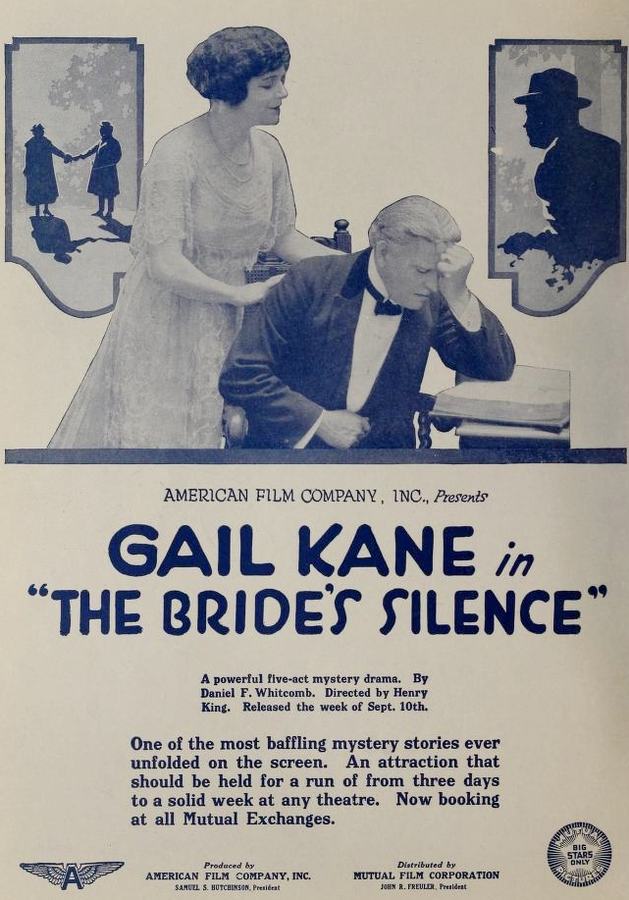
Dir: Henry King
Clutching a dagger, a woman enters a room through velvet portieres and murders Nathan Standish, the scion of a distinguished family. Nathan's sister Sylvia hides the knife, and when the butler Bobbins--whose hatred of Nathan was well-known--is arrested, Sylvia remains silent. To please her father, Sylvia marries the prosecuting attorney Paul Wagner. When she secretly tries to help free Bobbins, detective Bull Ziegler, who believes that Bobbins is innocent, suspects Sylvia. After Sylvia's hysterical speech during sleep leads Wagner to suspect her, she becomes insane. Wagner and her father take her to a mountain retreat where she recovers her sanity without regaining her memory. Just as Ziegler is about to have Sylvia arrested, a telegram arrives informing them that Sylvia's cousin committed suicide and left a note stating that she killed Nathan in revenge for being betrayed by him. Sylvia, who tried to protect the family name, recovers her memory when she learns of the suicide.
View Details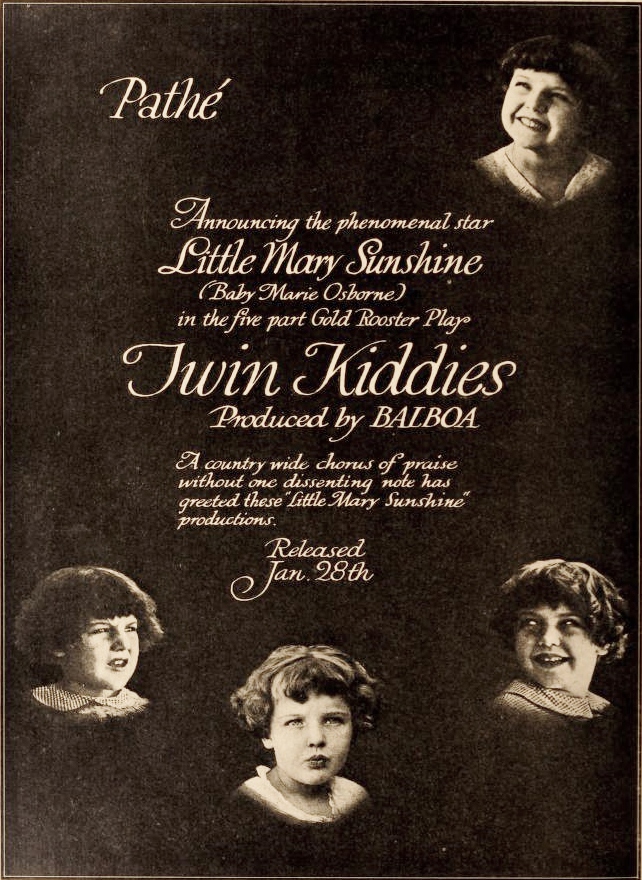
Dir: Henry King
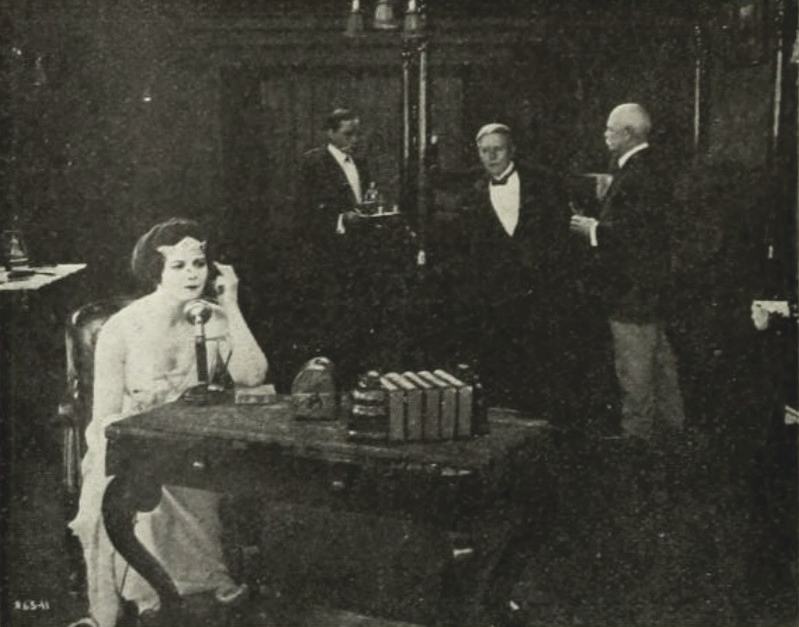
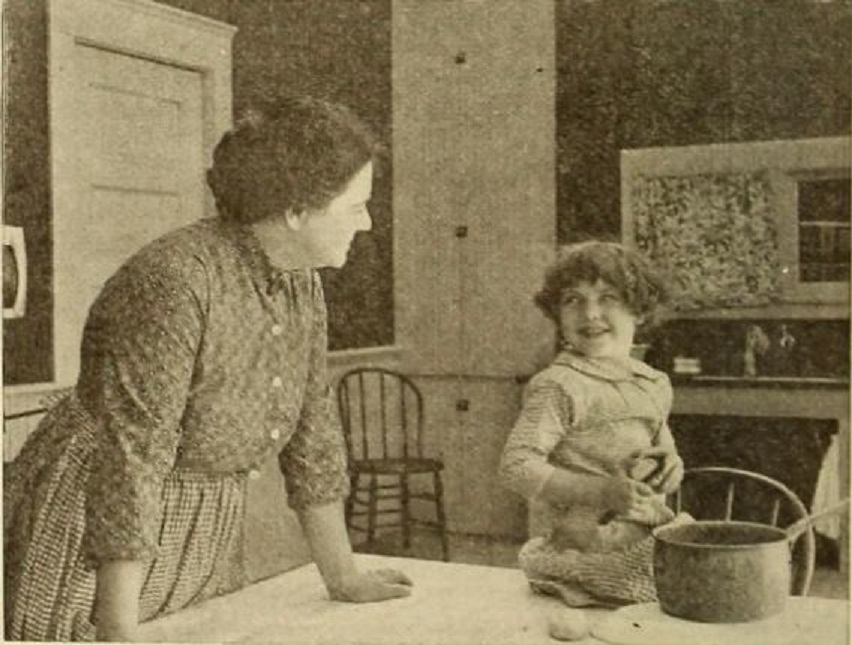
No one seems to understand or love Fay, the little spoiled granddaughter of William Van Loan, a hard-hearted capitalist, but the old family butler, who tells her fairy stories. In Powhatan, a mining town controlled by Van Loan, Bessie, a sweet motherless child of Jasper Hunt, a mine foreman, lives with their housekeeper, Mrs. Flannigan. The mining company raises the price of food stuffs at the only store; the men resent this, and failing to get increased pay, strike. Van Loan refuses to yield and decides to use scab labor. Scenes of violence follow and, compelled to go to Powhatan, Van Loan takes Fay with him. Fay meets and plays with Bessie and for fun they change dresses. Separated, the unusual likeness deceives the Van Loan governess, who supposes Bessie to be Fay and whisks her away. Mrs. Flannigan finds and takes Fay, sick from exposure, to the Hunt home. Business hurriedly recalls Van Loan and mistaken for a changed Fay, Bessie revolutionizes the Van Loan household by her sweetness. Hunt, the real leader of the striking men, is summoned to meet Van Loan. During the unsuccessful arbitration meeting, Bessie comes in to bid her "grandfather" good night and, seeing her father, rushes to his arms. Hunt, busy with the strike, supposes her to be ill at home. They are all dumbfounded. Bessie tells them how she and Fay changed clothes. Looking up the family trees, the likeness of the "twin" kiddies is explained, and, completely won over, Van Loan yields to the men and Hunt is made mine superintendent. Years of dread follow, and just as a report of the other's death reaches him, his foe appears, immensely wealthy and wreaks the vengeance in a spectacular manner.
View Details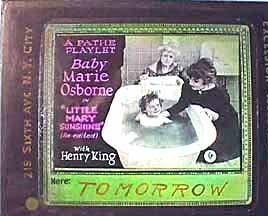
Dir: Henry King
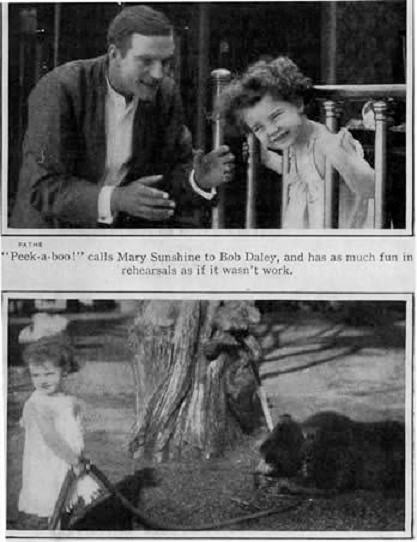
Just after Bob's fiancée breaks off their engagement, he meets young Mary, whose mother has just died, and the two of them comfort each other.
View Details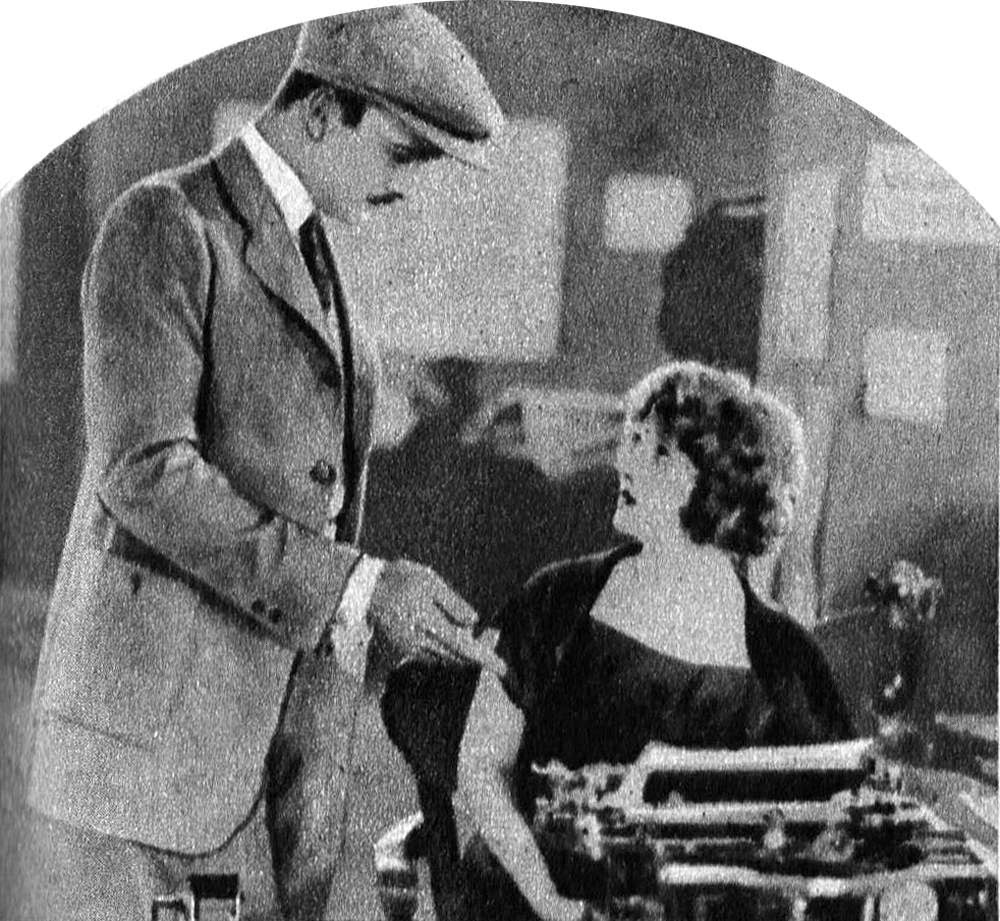
Dir: Henry King
Run out of town when he exposes crooked politician Jarvis McVey in the pages of his newspaper, Burton Grant asks his daughter Sylvia to turn the Daily News over to his dynamic young city editor, Frank Summers. Having inherited her father's journalistic talents, however, Sylvia fires Frank and takes charge of the paper herself, decorating the city room with bows and printing several rather silly "scoops." In the meantime, Frank learns that McVey and the president of the railroad have become involved in a dishonest scheme concerning the city franchise, and when Sylvia hears this, she publishes an extra, stating that McVey should be tarred and feathered. Sylvia's father arrives just in time to prevent the angry townspeople from carrying out her suggestion and then compels McVey to leave town. Grant orders Sylvia to return to school, but she decides to become Mrs. Frank Summers instead.
View Details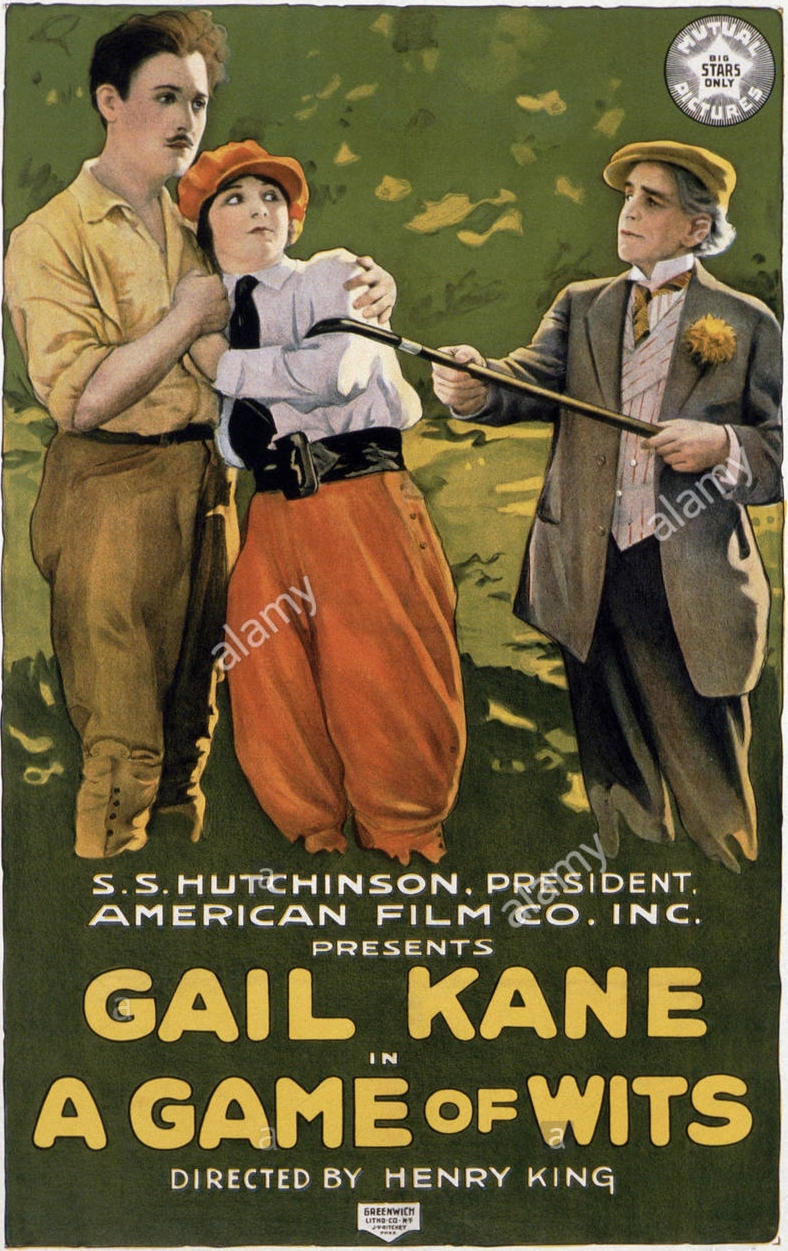
Dir: Henry King
Jeanette Browning overhears Silas Stone, an aged Wall Street wolf, demanding her as his wife in payment for saving her father from financial ruin. Upon her acceptance of Stone's proposal, her father receives a check to cover his shortage. She then conceives of a plan to make Stone break their engagement so that she can sue him for breach of promise. Stone is invited to the mountains to visit the Brownings, and Jeanette pairs her youthful strength against the old man's advanced age. After tiring him out with dances, midnight suppers, swims and horseback riding, Jeanette plays her trump card when she introduces Stone to her brother Larry, the shame of the family because of his insanity which she claims to have inherited as well. Horrified, Stone attempts to steal away but is caught by Larry. Jeanette feigns despair at the loss of his love and threatens to sue for breach of promise. After Stone patches her broken heart with a check for $100,000, Jeanette confesses to her father that "brother Larry" is actually her sweetheart whom she pressed into service to frustrate the crafty old man.
View Details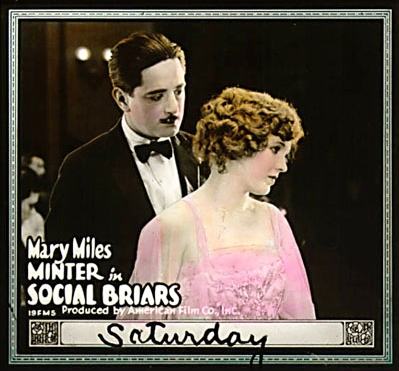
Dir: Henry King
Iris Lee is reared in the small town of Dalton by her deceased mother's friend, Martha Kane; when she reaches adulthood, Martha's son Jim falls in love with her. When she fails to return his affections, Mrs. Kane treats her so coldly that Iris decides to leave the stuffy little village for the metropolis. On her journey, she accepts a ride with Jack Andrews, but after he attempts to kiss her, she leaps from the car and walks the rest of the way. While singing in the choir of a large metropolitan church, she is discovered by Jack's wealthy father Peter, who recommends her as a soloist. Light-opera star Helen Manning, who has helped Iris to cultivate her voice, quarrels with her theatrical manager, and Iris is offered her position. On opening night, Jack bursts into her dressing room and drunkenly offers to take her home. Distressed, Iris returns to the village, but Jack, who remorsefully has given up drinking for a job in his father's firm, follows her to Dalton. Finally convinced of his love, Iris agrees to marry him.
View Details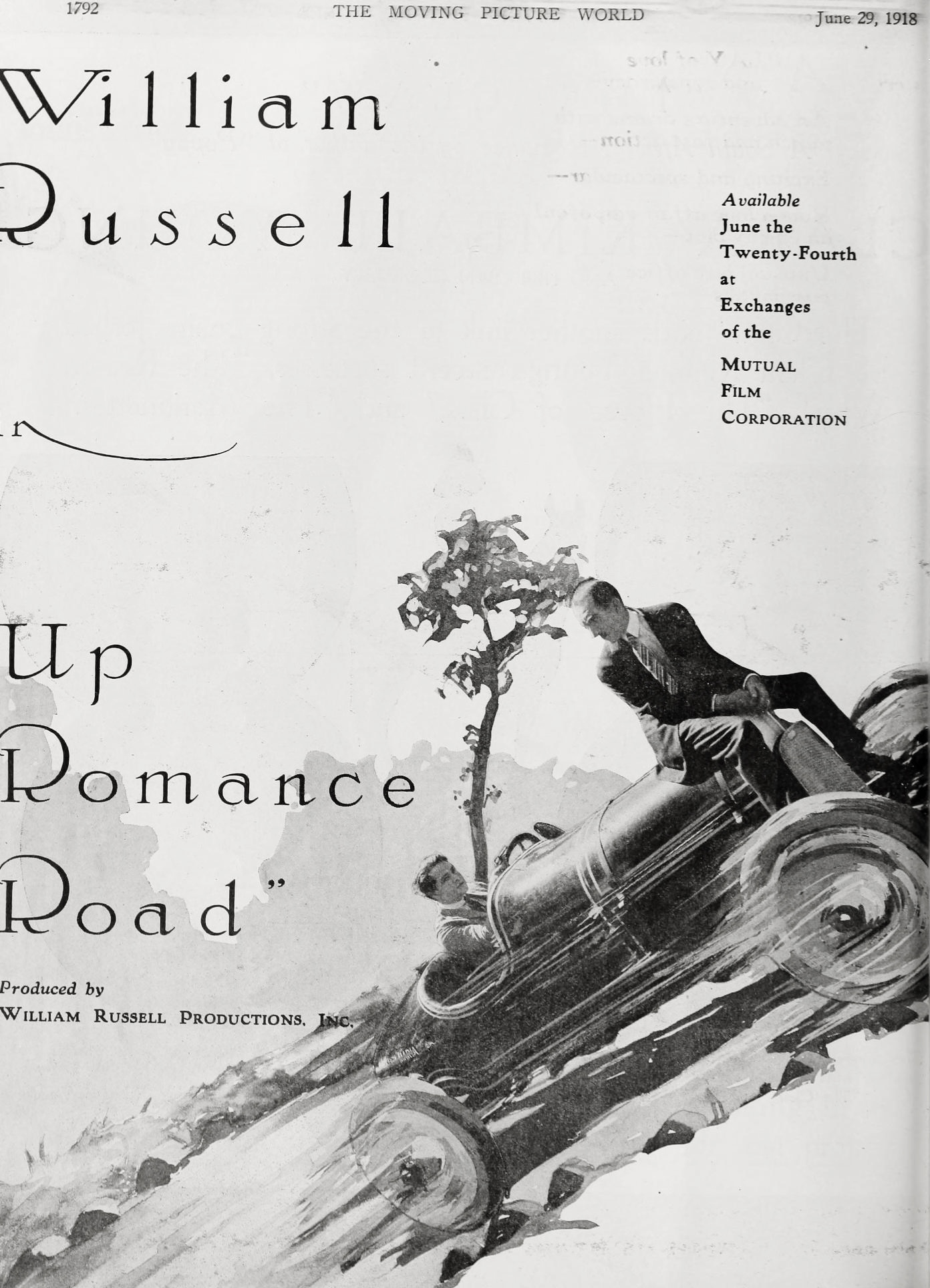
Dir: Henry King
Gregory Thorne and Marta Milbanke are engaged. Their fathers are millionaire ship owners. Gregory's efforts to inject a little excitement into their engagement life are fruitless, but when Mr. Milbanke receives an anonymous letter which threatens disaster to his home and fortune if he permits a shipload of supplies for the Allies to leave the docks the young man sees an opportunity for creating what he longs for and tells Mr. Milbanke that he knows who has written the letter but that he will not divulge the man's identity. Gregory, who suspects Count Hilgar Eckstrom, is told that he must terminate his engagement with Marta. But this is what Gregory wants, so he plans to abduct his sweetheart. Gregory's men clash with Eckstrom's gang, who has also come to kidnap Marta, and the disturbance results in the arrival of the police. Marta by mistake, allows herself to be carried off by Eckstrom's men and is taken a prisoner. Gregory, following, is also made a captive, and the young people are held as hostages. How Gregory outwits Eckstrom and places him and his gang in the hands of the law brings about a startling climax.
View Details
Analysis relative to Romola
| Film Title | Atmosphere | Complexity | Similarity |
|---|---|---|---|
| Souls in Pawn | Gritty | High | 95% Match |
| Pay Dirt | Tense | Linear | 92% Match |
| The Bride's Silence | Surreal | Layered | 91% Match |
| Twin Kiddies | Gothic | Layered | 90% Match |
| Little Mary Sunshine | Surreal | Layered | 90% Match |
This guide was algorithmically generated using the cinematic metadata of Henry King's archive. Last updated: 6/21/2026.
Back to Romola Details →