
DbcultAccessing Vault...
Recommendations
Senior Film Conservator
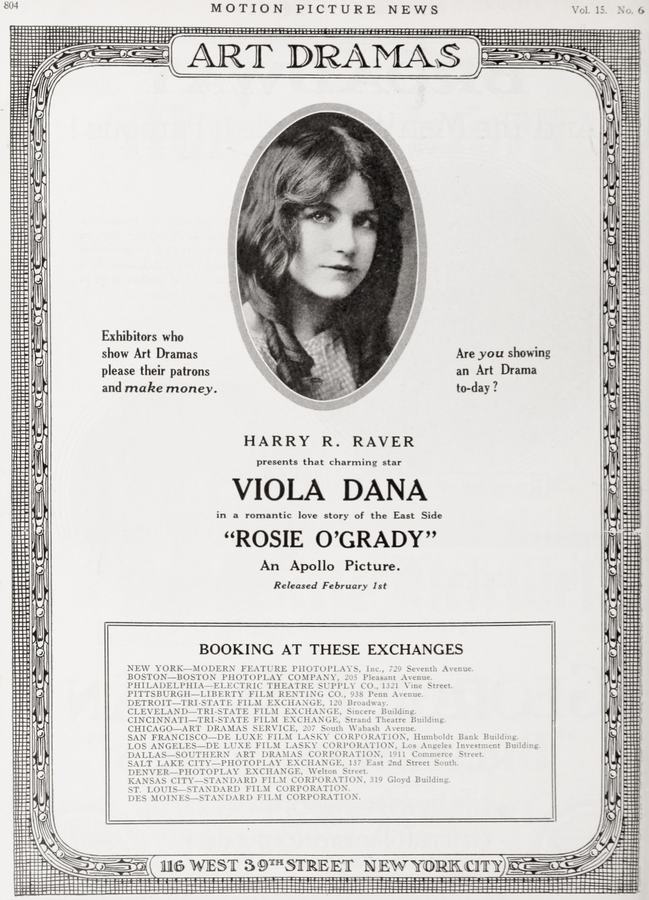
If you found yourself captivated by the cult status of Rosie O'Grady (1917), the profound questions raised in 1917 still require cinematic answers today. Experience the United States influence in these recommendations that echo Rosie O'Grady.
Rosie O'Grady remains a monumental achievement to provide a definitive example of John H. Collins's stylistic genius.
Rosie O'Grady was a significant production in United States, bringing a unique perspective to the global stage. It continues to be a top recommendation for anyone studying cult history.
Based on the unique cult status of Rosie O'Grady, our vault has identified these titles as the most compelling follow-up experiences for fans of cult cinema:
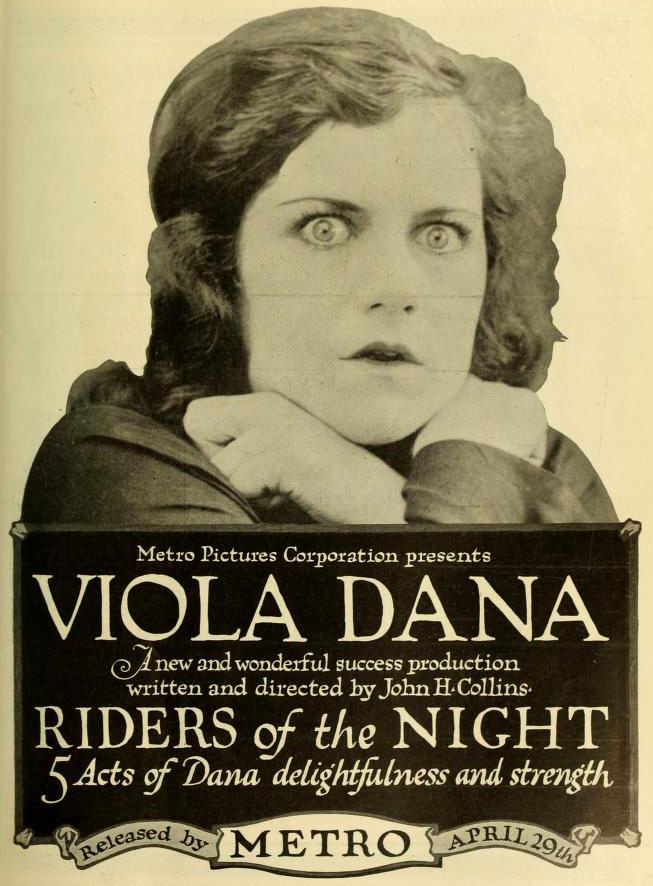
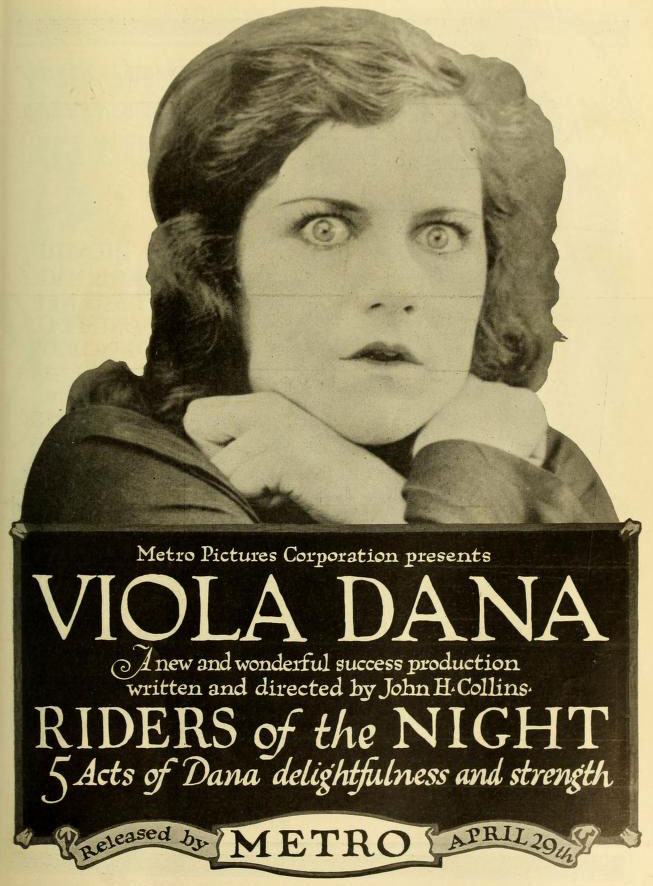
Dir: John H. Collins
In going for a doctor for her sick grandfather, Sally Castleton is detained at the toll-gates by John Derr. The old man dies and the villagers organize themselves into a band of night riders to break down the gates. Jed, who is known as "The Killer," turns traitor, and in the fight with the authorities, Milt, Derr's cousin, loses his hat. Derr finds it and assumes that he is responsible for the raid by the sheriff. Sully is in love with Milt, and Derr, who also wants to make her his wife, threatens to send his cousin to the gallows if she does not consent to be his. Milt hears of Derr's intention and plans to secure revenge. Derr is killed and Sally becomes involved in the murder. After many exciting moments Sally emerges triumphant, however, and marries the man of her heart's choice.
View Details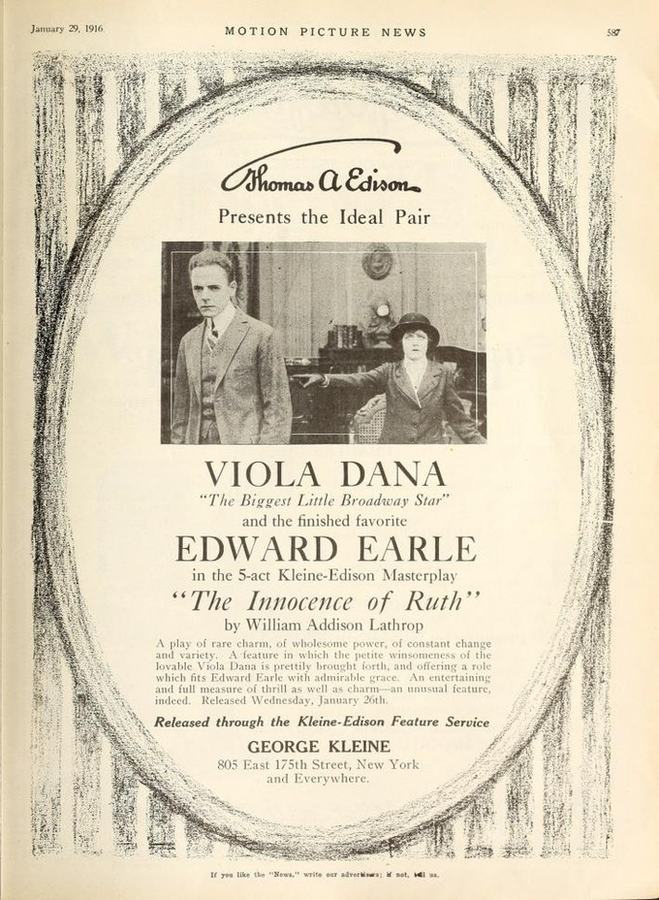
Dir: John H. Collins
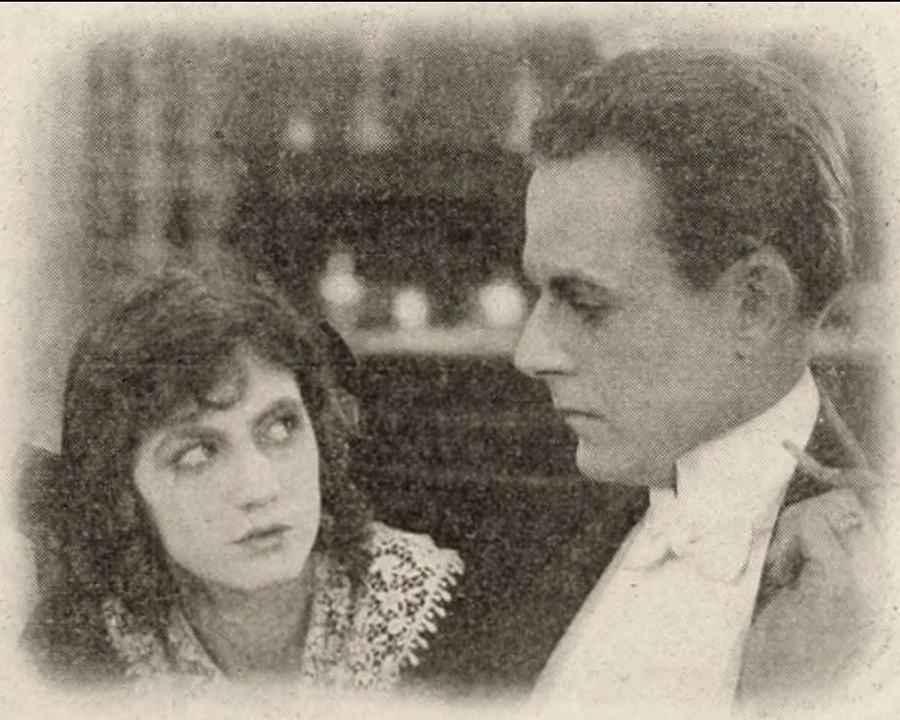
Jimmy Carter, a millionaire, leading an idle, indulgent life, gets an urgent message from his friend, Reginald Travers. Travers, who is dying, has been ruined in the stock market by Mortimer Reynolds, and penniless, he leaves his little daughter in care of Carter, who promises faithfully to look after her. After the death of Travers, Carter takes Ruth to his luxurious home and gives her to the motherly care of Mrs. Jenkins, his housekeeper, Mortimer Reynolds, anxious to add Ruth to his list of unfortunates, instructs his mistress, Edna Morris, to make her acquaintance and to gain her confidence. Carter and Reynolds become bitter enemies because of Reynold's sarcastic reflections on the relationship between Carter and Ruth. As time passes, Ruth, by her winsomeness and innocence gradually changes Carter's mode of life. He no longer feels an interest in the gay life of former days, and even loses his taste for the morning nip. Unconsciously, Ruth is transforming his sympathetic dutiful interest in her to love. In a moment of ecstasy he crushes her in his arms. At the Charity Ball, where Ruth is taking part in a tableau, she meets Edna Morris. Fearful of Reynold's wrath should she fail, the unhappy girl works her way into the graces of Ruth. Carter sees this and immediately takes Ruth home, refusing to explain his conduct to her. Meeting Ruth in the park the following day, Edna denounces Carter for his action of the previous evening, "Why should he object to me, pray? Everybody knows that your father didn't leave you a penny, and that you are living on the, shall I say, generosity, of Mr. Carter." Stunned by the revelation that she is looked upon as Carter's mistress, the impetuous little girl rushes to the house, and in a burst of fury, screams her hatred of Carter. In the still of the night, she makes her way out of the house to Edna's apartment. It is here that Reynolds finds her. Impelled by a fiendish lust, he forces her to partake of his wines, and slowly they begin to work their effect. Carter, who, in desperation, has been searching for her, finds her in the apartment, stupefied and disheveled. Disgusted and heartsore, he looks upon her contemptuously and leaves, feeling that she has gone the way of Edna. Mrs. Morris, Edna's mother, prompted by a subconscious feeling that all is not well with her child, comes to the house from her little cottage in the country. She takes both penitents back home with her, hoping that they may forget and begin life anew. Meanwhile, Reynolds, whose financial affairs have taken a turn for the worse, and who is being sought by the police for forgery, attempts to make his escape. He is caught by the police and so made to pay for the misery and misfortune which he has brought upon others. Miserable and despairing because Carter has mistaken her, Ruth can find no peace. But Edna, she who has dragged her to darkness and degradation, succeeds in lifting her once more to the light of hope. The once impetuous Ruth is again folded in the arms of Carter, knowing that there only will she find eternal happiness and peace of soul.
View Details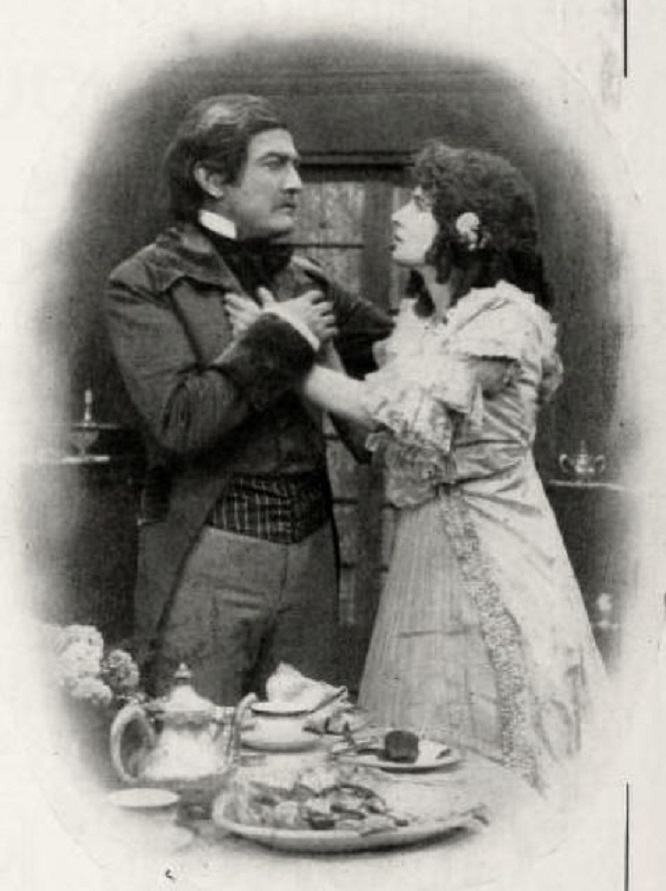
Dir: John H. Collins
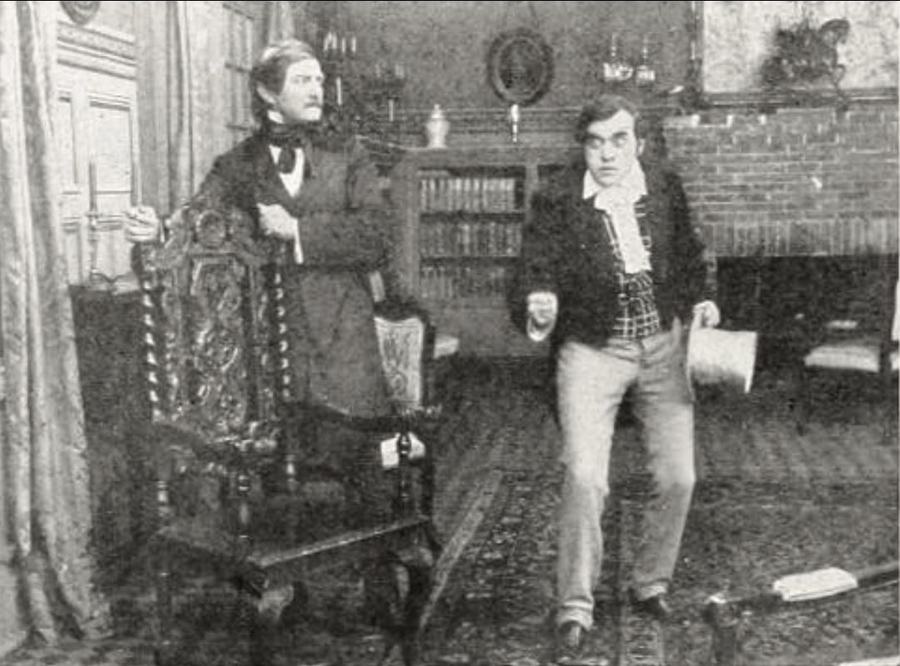
By the death of his father, old Judge Lawrence, William Lawrence inherits the family's vast Southern estates. The slaves welcome him as their new master, but they all dislike "little Jim," William's half-brother, who is left by the father in William's guardianship. Twenty years elapse, and William is elected governor of his state. Little Jim has grown to young manhood, but with the passage of the years, his nature has become worse. It is discovered that Jim has had a secret intrigue with Jenny Strong, a simple country girl, who implores him to keep his promise and make her his wife. Meanwhile, she has kept all knowledge of what has transpired from her brother, Jack. At the state capital are two important families, the Leighs and the Claytons. Evelyn Clayton has fallen deeply in love with Jim Lawrence. William Lawrence has met and fallen in love with Helena Leigh. Arthur Willet, a friend of both families, who has had from the first an instinctive dislike for Jim Lawrence, overhears Jim talking with Jenny Strong. Later, at the home of the Leighs, he comes upon Jim making love to Helena. He thereupon tells her father how he has heard Jenny Strong pleading with Jim to right the wrong he has done her. Dr. Leigh drives Jim from his house. There follows a violent quarrel between Helena and her father, during which the doctor falls to the floor, overcome by heart trouble. On his deathbed he begs Helena to marry the governor. Helena consents because it is her father's dying wish, though she fancies herself in love with Jim. Strong discovers the trouble with his sister and determines to get satisfaction. To revenge the exposition of his guilt, Jim writes to Willet to fight a duel with him. Willet, who is a crack shot, accepts and leaves to indulge in a little practice. Jack comes upon Jim, and before he has finished talking, Jim shoots him with one of Willet's pistols. Willet is accused of the crime and is placed in jail. Jenny takes her own life and an unsuccessful appeal is made for Willet by Curwood, a political leader and uncle of the accused. Moved by Helena's pleadings, Jim confesses to his brother, but still maintains that he committed the murder in self-defense. His brother, the governor, pending the arrival of the sheriff, locks Jim in a room, but he is released by Helena, who, having taken two horses from the stable, rides away with him. Inasmuch as the governor had been to the stable, and seeing that he is accused of intrigue, he says that he did spirit his brother away. He resigns, and Helena, who realizes that she is the cause of her husband's downfall, declares herself in court as the accomplice in the murderer's escape. Helena, now that she is to be indicted in her husband's place and being cognizant of his great love, which she feels is lost forever, is about to commit suicide when her husband appears and tells her that the law has been satisfied by the death of Jim, whom they have learned was drowned in South America. The governor and his wife are reconciled.
View Details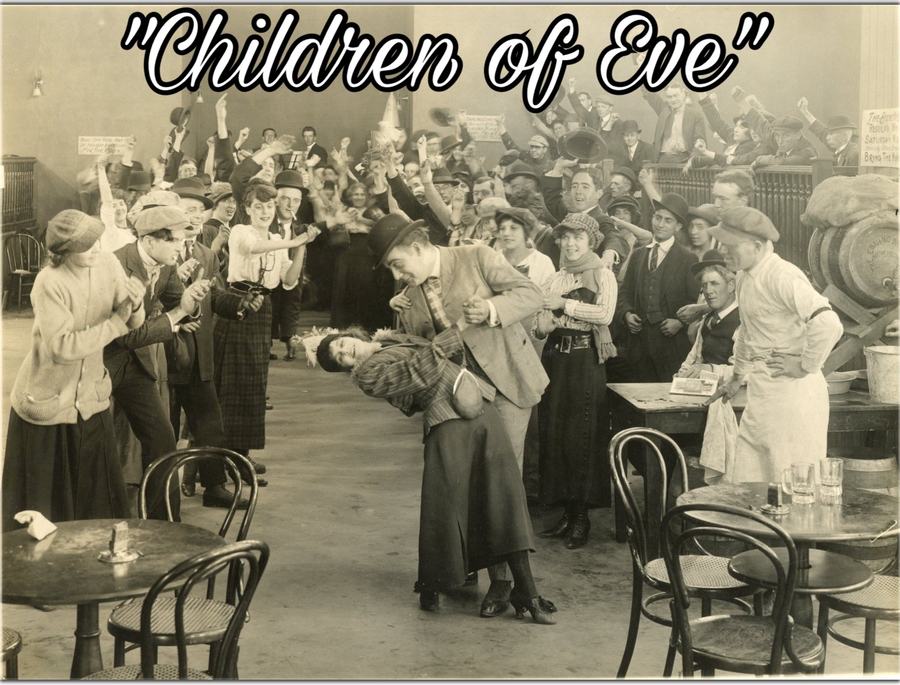
Dir: John H. Collins
Young Henry Clay Madison, a clerk, falls in love with Flossy Wilson, a prostitute from New York's East Side. Although she reforms under his influence, Flossy believes that she is unworthy of Madison and rejects his marriage proposal. Seventeen years later, Madison's nephew Bert, a social worker, falls in love with wanton Fifty-Fifty Mamie, reforms her and elicits her help in his work. Bert falls ill, and when Mamie tries to visit him, Madison, who now is concerned only with money, convinces her to give up the idea of marrying Bert. Mamie goes to work in Madison's canning factory to investigate conditions. In addition to employing children, Madison's factory has no fire escape and only one staircase, which catches fire, many children die and Mamie is seriously injured. Madison visits Mamie, who cries Bert's name in delirium. When Madison brings Bert, now recovered, Madison notices a photograph of Flossy, Mamie's mother and realizes that Mamie is his daughter. She dies in Bert's arms, and Madison resolves to toil for the welfare of workers and the end of child slavery.
View Details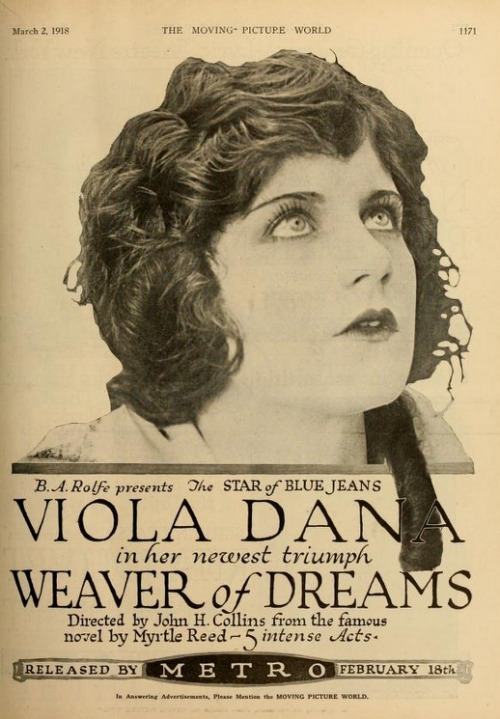
Dir: John H. Collins
When Judith Sylvester becomes engaged to Dr. Carter Keith, he prepares a charming little home for her arrival, dubbing it the "House of Hearts." Their happiness is complete until Margery Gordon appears to distract Carter from his fiancée. Judith is troubled by his sudden change of heart, but not until she sees Margery and Carter embracing in the "House of Hearts" does she fully realize that their romance is over. After breaking their engagement, she moves in with Cynthia Bancroft, who had met and fallen in love with Judith's guardian, Martin Chandler, when the two were involved in a train wreck. Judith is instrumental in reuniting them, and then, left alone, she grimly resolves to make the best of life.
View Details
Dir: John H. Collins
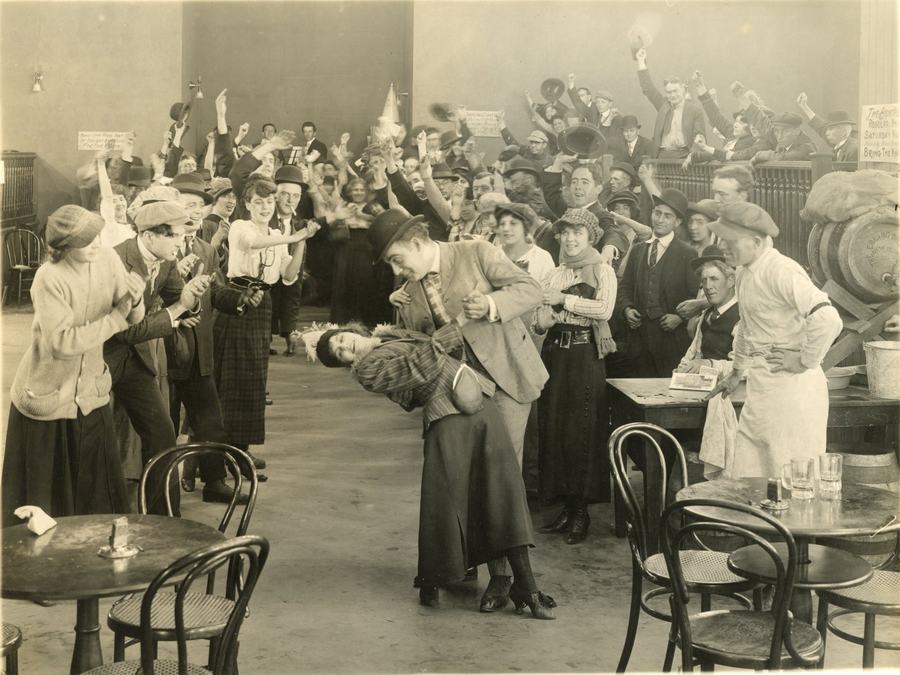
When she was a baby, Patsy Smith's father quarreled with his wife and kidnapped Patsy. After her father died at sea, Captain Barnaby took Patsy to Mrs. Duff's boardinghouse for seafarers. Dissatisfied with drudgery, Patsy, inspired by Barnaby's tales of Aladdin, searches for her father's Oriental lamp which Mrs. Duff sold to a junk peddler. Patsy buys the lamp and after rubbing it, the Genie Jehaunarara appears. He beautifies her room, restores Barnaby's leg, and turns Mrs. Duff into a rag doll. Because love is beyond his magic, however, the Genie cannot reunite Patsy with her mother. At a masquerade ball, when the Genie's costume wins first prize, Patsy's applause unwittingly causes him to disappear. Clad only in her underwear, Patsy runs to her mother, and awakens from a dream. Disheartened, she throws the lamp out the window, and it nearly strikes her friend Harry, a grocer's boy who wants to become a lawyer, and then, like Lincoln, president. From letters found in the lamp, they locate Patsy's mother, who arrives with her brother, a distinguished judge. Taken under his wing, Harry now imagines himself president with Patsy as his first lady.
View Details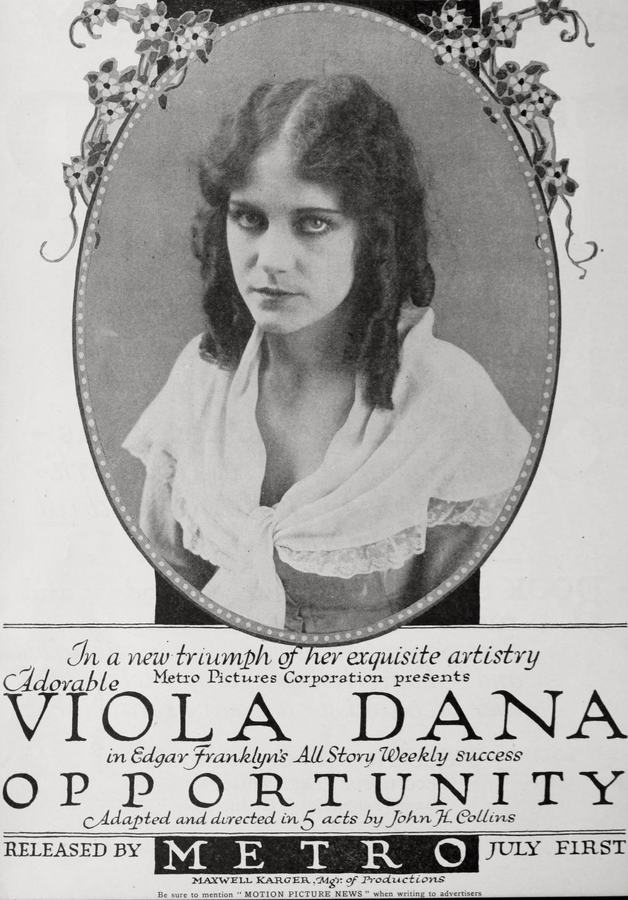
Dir: John H. Collins
When Henry Clay Willard refuses to allow his athletically inclined daughter Mary to attend a prizefight, she goes to the bout dressed in her brother's clothes. Next to her sits wealthy businessman Anthony Fry, who, believing that opportunity knocks only once, decides to give the "boy" his big chance. Anthony takes Mary to his apartment, where the house detective, troubled by the "boy's" strange appearance, begins an investigation. A series of misunderstandings follows, during which Anthony's visiting friend, Johnson Bowler, nearly loses his new wife Beatrice, who arrives unexpectedly to discover a woman in the apartment, and finally, Mary's father is called. Upon his arrival, all is explained, and Anthony and Mary decide to take advantage of the strange opportunity that brought them together.
View Details
Dir: John H. Collins
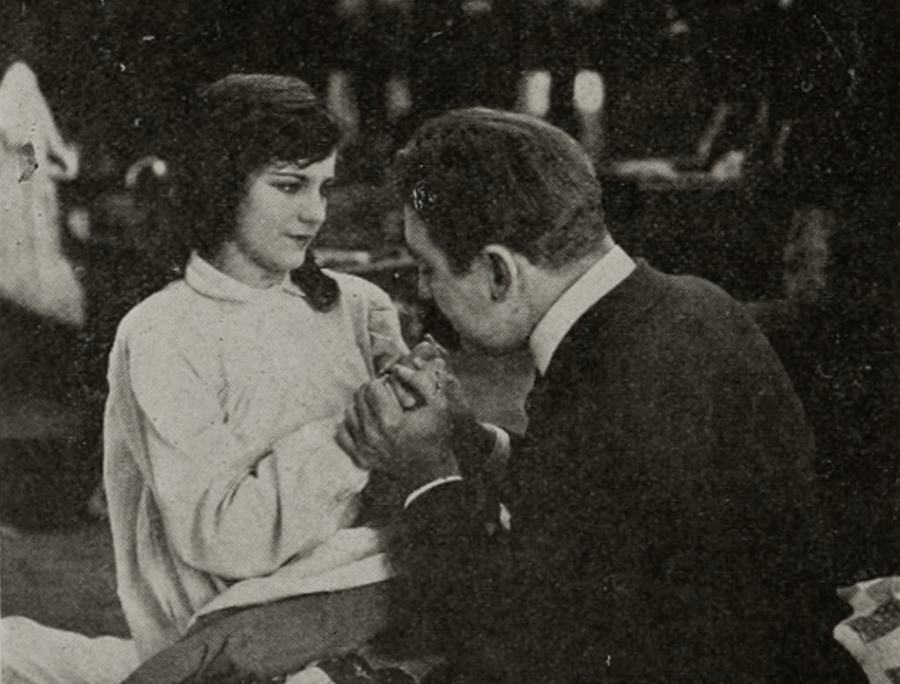
Norton Burbeck, a young man in line for a large inheritance, is in love with the beautiful Beatrice Gaden. What he doesn't know is that she is conspiring with Norton's cousin Howard to swindle Norton out of the inheritance. Norton, however, has an ace up his sleeve that Beatrice and Howard don't know about.
View Details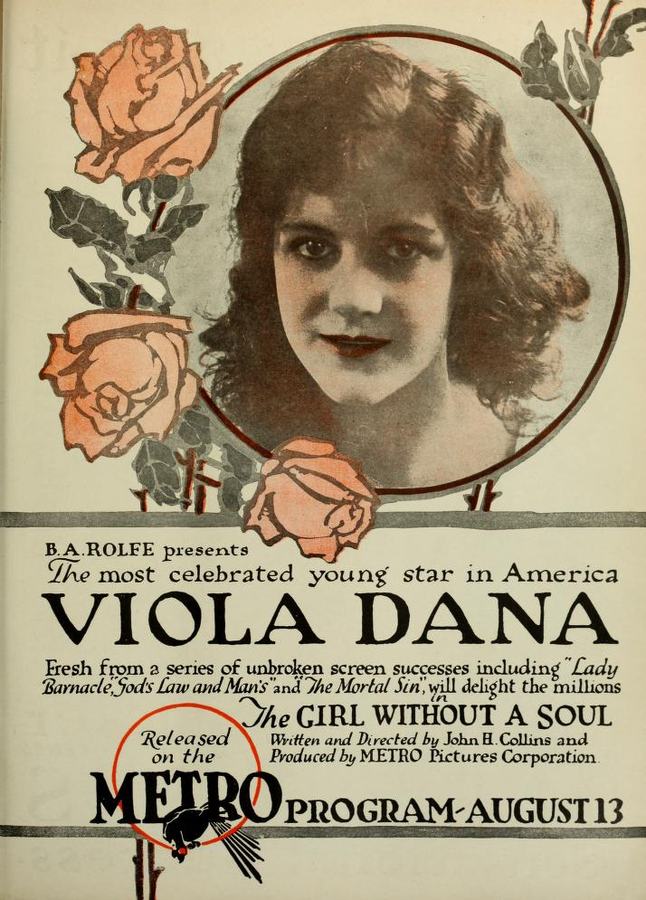
Dir: John H. Collins
The story of two young sisters: one a demure musician in love with a scoundrel who's no good for her; the other a wild free spirit who is the object of a shy young carpenter's affections.
View Details
Dir: John H. Collins
Krishna Dhwaj, the son of the Maharajah of Rhamput, is in love with Lakshima, the daughter of the Maharajah of Bhartari, but their fathers will not allow them to marry. Krishna is then sent to Harvard to get an American education. Lakshima, determined to kill herself when her father orders her to marry an old man, jumps into the ocean. She does not drown, however, but is rescued by George Morling, a Bostonian, who smuggles her on board his ship dressed in boy's clothing. George, the son of a minister, is engaged to a proper Bostonian woman. Although he has not behaved improperly, George fears that his fiancé and her father will not understand the situation, and so he hides Lakshima in a trunk. Once back in Boston, George's fiancé discovers Lakshima and is horrified, but after several misunderstandings, George and his fiancé are reconciled, and Lakshima is able to find and marry her Indian sweetheart Krishna.
View DetailsAnalysis relative to Rosie O'Grady
| Film Title | Atmosphere | Complexity | Similarity |
|---|---|---|---|
| Riders of the Night | Gothic | Layered | 90% Match |
| The Innocence of Ruth | Gothic | Layered | 96% Match |
| The Ploughshare | Gothic | High | 90% Match |
| Children of Eve | Ethereal | Abstract | 88% Match |
| A Weaver of Dreams | Ethereal | Dense | 87% Match |
This guide was algorithmically generated using the cinematic metadata of John H. Collins's archive. Last updated: 8/16/2026.
Back to Rosie O'Grady Details →