
DbcultAccessing Vault...
Recommendations
Senior Film Conservator
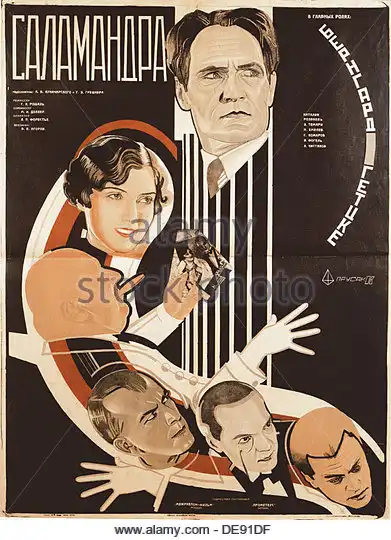
The Drama sensibilities displayed in Salamander are unparalleled, its status as a Soviet Union icon makes it a perfect starting point for discovery. These hand-selected movies are designed to satiate your craving for Drama quality.
The cultural footprint of Salamander in Soviet Union to serve as a cornerstone for Drama enthusiasts worldwide.
A Socialist Realist distortion of Dr. Paul Kammerer's experiments in the inheritance of acquired character(istic)s -- the (not entirely anti-Darwinian) conjecture that certain changes the environment produces in an individual may spontaneously appear in the next generation. As recounted in Arthur Koestler's The Case of the Midwife Toad (1971), Kammerer (1880-1926) claimed that darkened footpads he had artificially induced in a toad had been passed on to its offspring. When it was discovered that his critical specimen had been injected with ink (though why and by whom is still unknown), his credibility was destroyed and he apparently suicided. Richard Goldschmidt's synopsis of the film in "Research and Politics," Nature (1949), mocks it as Soviet propaganda in support of the inheritance of acquired characters: The importance attached to the subject is revealed by the facts that none other than the then all-powerful [People's] Commissar for [Public] Education, the highly cultured and intelligent Lunacharsky, is the author of the film, that his wife plays the leading lady and that Lunacharsky, playing himself, appears in one scene.... In a Central European University a young biologist (model Kammerer) is working. He is a great friend of the people and endowed with all the qualities of a Communist movie hero. Working with salamanders, he has succeeded in changing their colour by action of the environment. One day the supreme glory is achieved; the effect is inherited. The bad man of the play, a priest, learns of this, comes to the conclusion that the discovery will spell an end to the power of the Church and the privileged classes, and decides to act. He meets at night in a church... with a young prince of the blood whom he had succeeded in having appointed as assistant to Kammerer. (This is obviously a typical job for a German prince!) Here in the dark sacristy the plot is hatched. The prince (or the priest?) proposes to Kammerer that he announce his glorious discovery at a formal University meeting, and the scientist gladly accepts. During the following night the priest and the prince enter Kammerer's laboratory... open the jar in which the proof specimen of salamander is kept in alcohol, and inject the specimen with ink.... [A]t the University meeting... the young scientist... makes a brilliant speech announcing the final proof for the inheritance of acquired characters.... [Suddenly someone] takes out the salamander, and dips it into a jar of water. All the colour runs out of the specimen. An immense uproar starts and Kammerer is ingloriously kicked out of the University as an impostor. Some time later, we see the poor young scholar walking the streets and begging with an experimental monkey which had followed him into misery. He is completely forgotten until one of his former students... succeeds in finding him, finally, completely down and out, in a miserable attic. She takes the train at once to Moscow and obtains an interview with Lunacharsky..., who gives orders to save the victim of 'bourgeois' persecution. Meanwhile, the character of Kammerer has sunk so low that he decides to make an end of it. The very moment he tries to commit suicide, the Russian student returns with Lunacharsky's message and prevents him from taking his life. The last scene shows a train in which Kammerer and the Russian saviour are riding east and a large streamer reads 'To the land of liberty.'
Critics widely regard Salamander as a cult-favorite piece of Drama cinema. Its emotional resonance is frequently cited as its strongest asset, solidifying its place in Soviet Union's film legacy.
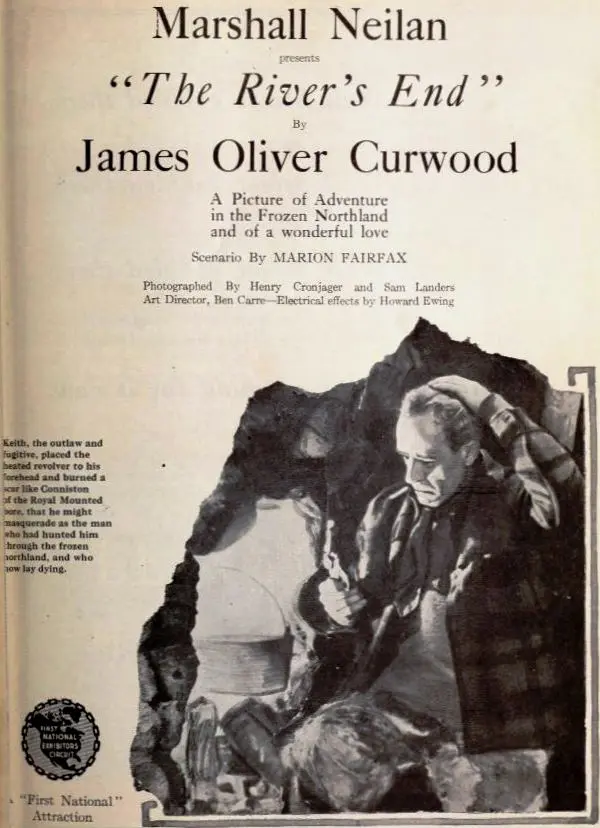
Based on the unique emotional resonance of Salamander, our vault has identified these titles as the most compelling follow-up experiences for fans of Drama cinema:
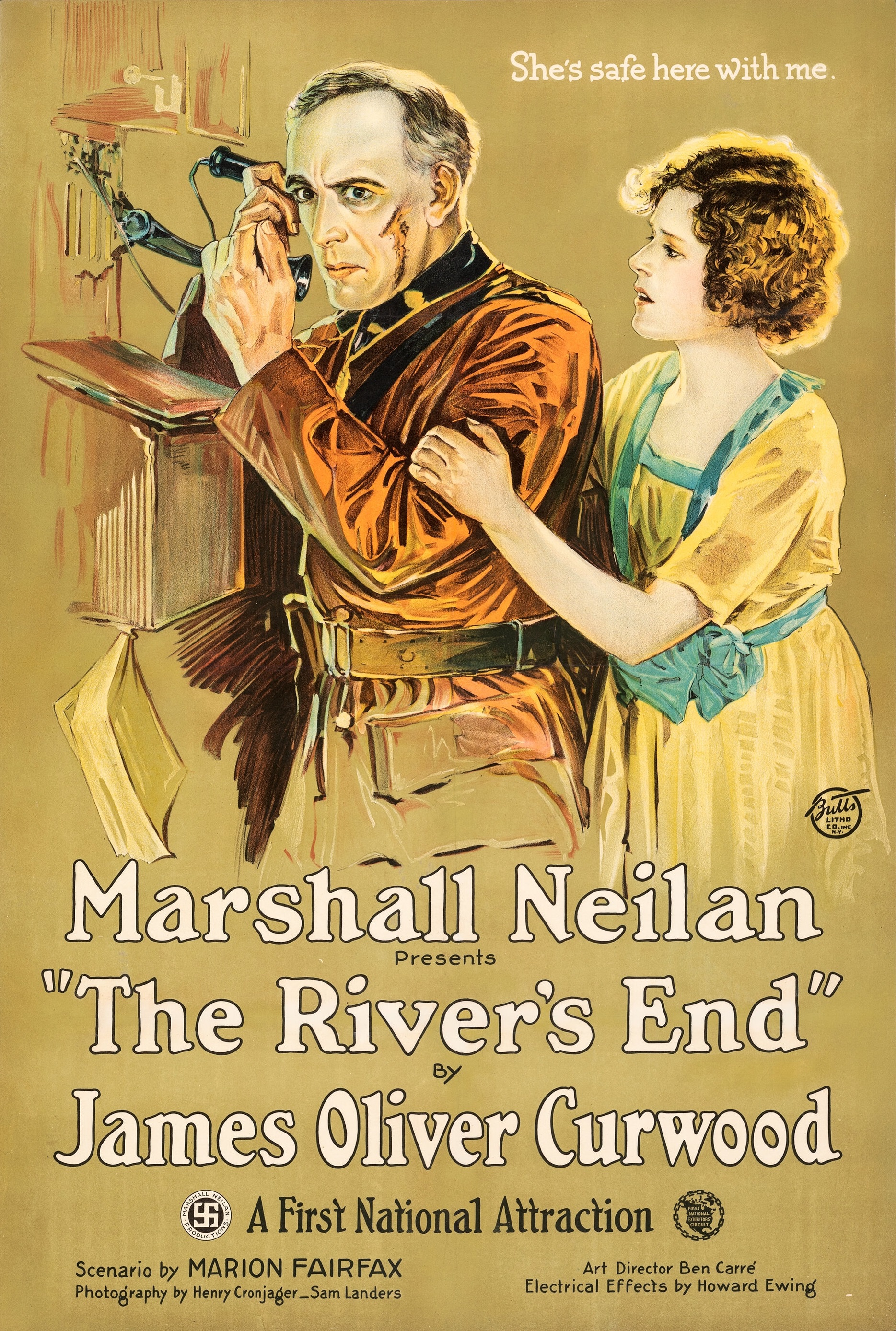
Dir: Victor Heerman
In the gold fields of the Canadian Northwest, a man is falsely accused of a crime and determines that a lookalike is responsible.
View Details
Dir: Harry Southwell
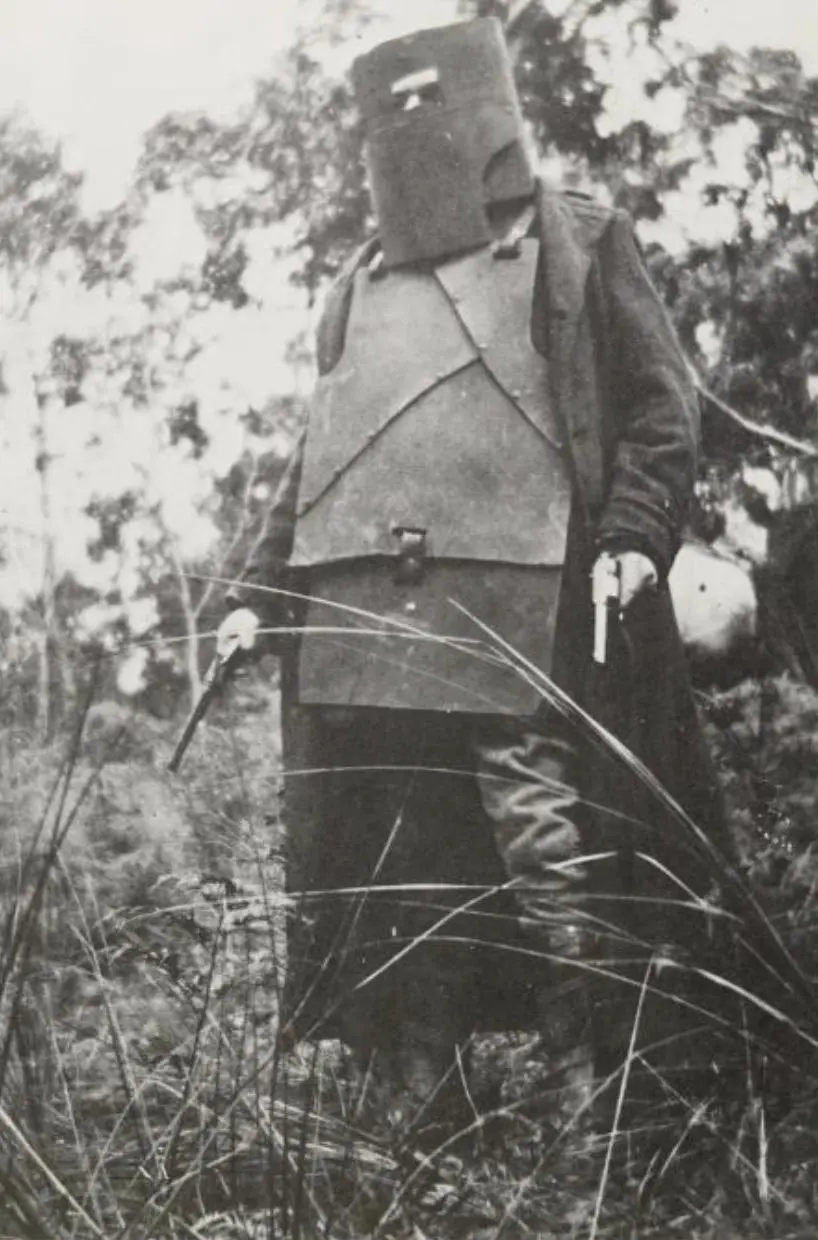
A fascinating piece of cinema that shares thematic elements.
View Details
Dir: Eduardo Notari
A crime drama in the Gennariello-series. The police detective in Naples that is confronted with modern gangsters and crime events.
View Details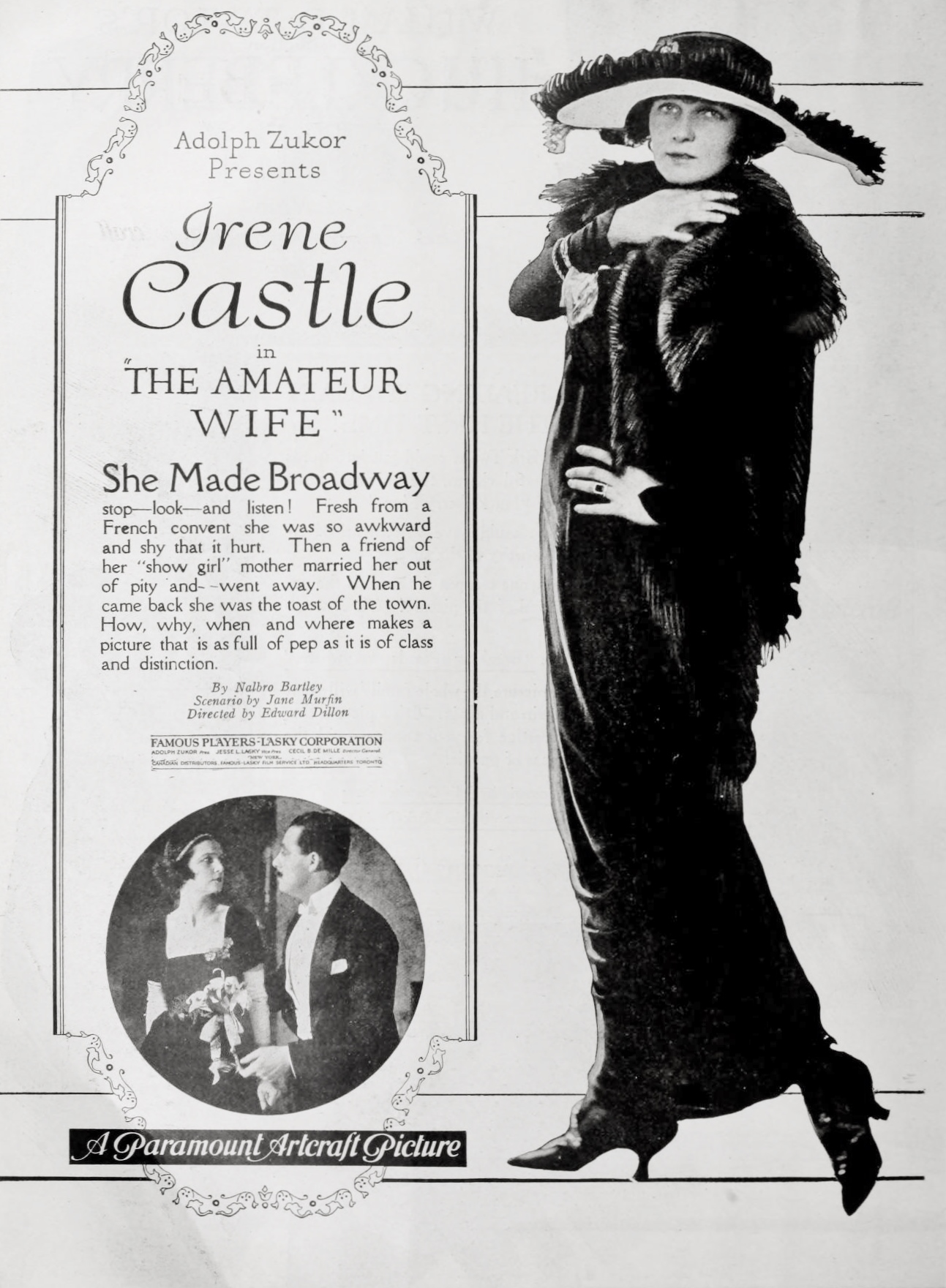
Dir: Edward Dillon
Her education in a French convent school completed, plain Justine Spencer returns to New York. There she is shocked to discover that her mother Dodo is a flamboyant musical comedy actress with many male admirers. Dodo, on the other hand, is dismayed to find Justine priggish and dowdy. One of Dodo's suitors is Billy Ferris, who, in a fit of jealousy, murders her and slays himself. Out of pity, Cosmo Spotiswood, another admirer of Dodo, marries Justine, but soon tires of his platonic marriage and leaves for Europe. Upon his return, Cosmo finds Justine transformed. Under the tutelage of Dodo's maid Loti, she has bobbed her hair and donned fashionable apparel. Thus changed, Justine is surrounded by suitors. Stung by jealousy, Cosmo falls in love with his sophisticated wife.
View Details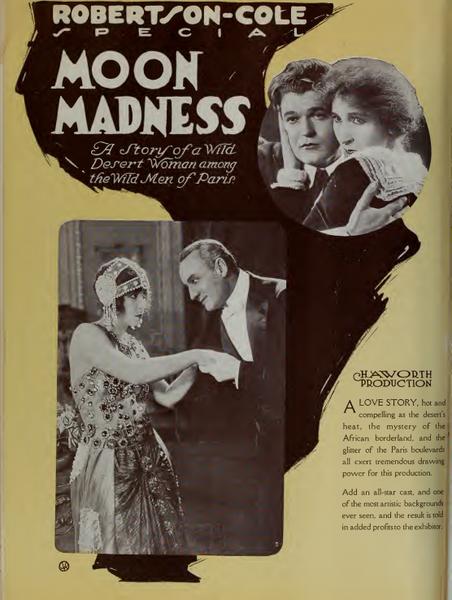
Dir: Colin Campbell
Zora, a girl of French origin, is raised by a wealthy Bedouin family after her mother Valerie dies while eloping with another man. Zora feels such great longing for the French artist Adrien that she accepts the offer of another artist, Raoul, to take her to Paris with the stipulation that if Adrien rejects her, she must give herself to him. Jan, the chieftain's son who is in love with Zora, follows the two to Paris. There Zora realizes that Adrien does not love her and discovers her real love for Jan. However, she feels bound to honor her pact with Raoul and is about to succumb to his advances when her father appears and recognizes Raoul as the man who destroyed his home years earlier. In the ensuing fight between the two men, Raoul is killed, thus freeing Zora to accept Jan's love.
View Details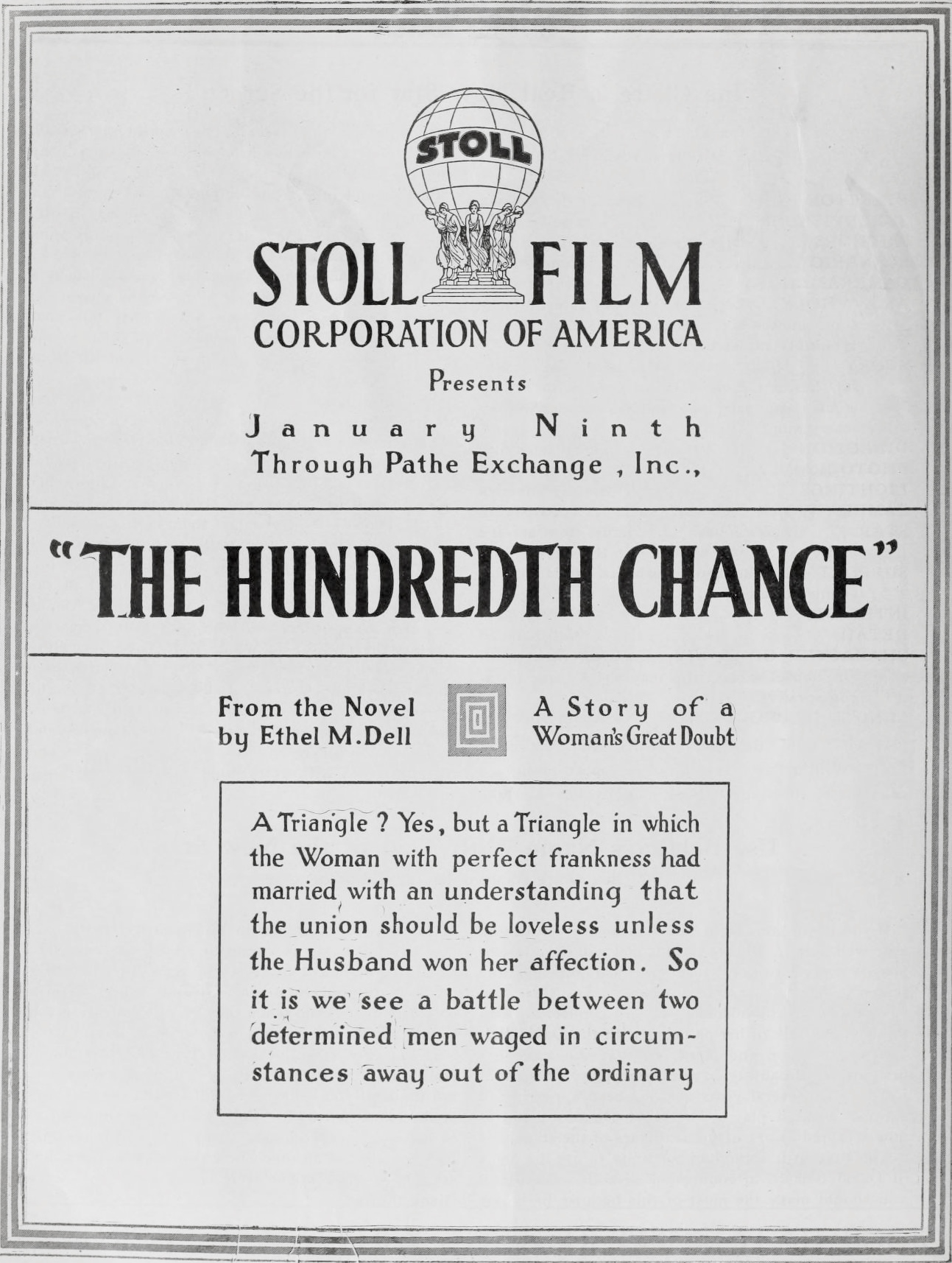
Dir: Maurice Elvey
A lady marries a horse trainer but withholds herself until her crippled brother is cured.
View Details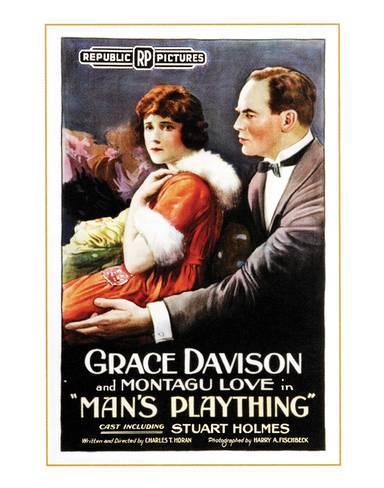
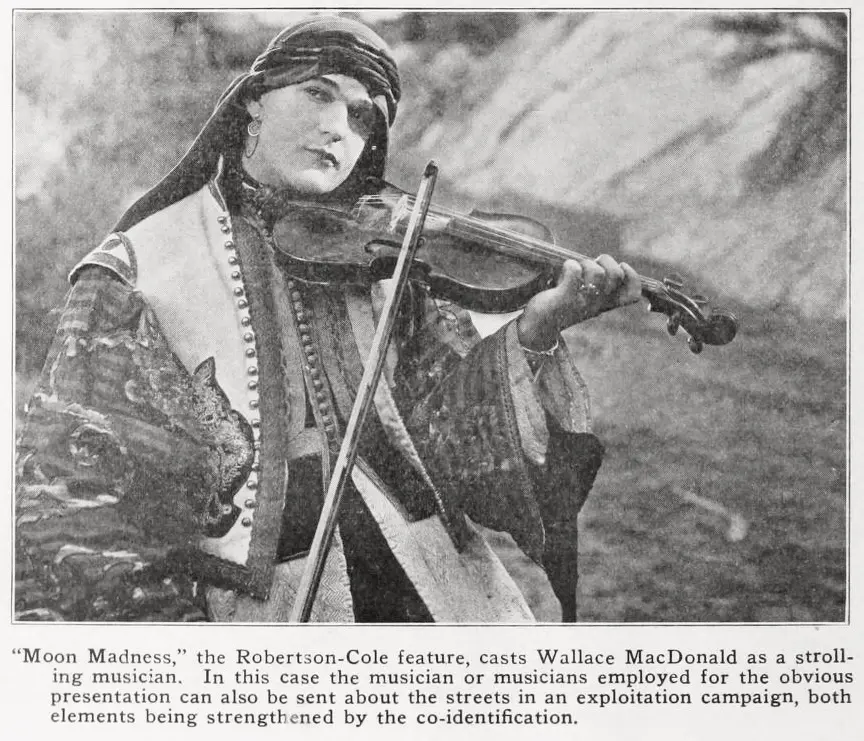
Dir: Charles Horan
While working as a flower girl in Devlin Maddox's nightclub, Nellie Vaughan meets wealthy young Pelton Van Teel and falls in love. Maddox, desirous of using Nellie to blackmail Van Teel, spreads a rumor that she is his mistress. This makes Nellie uncomfortable, and she demands that Van Teel marry her immediately, to which he agrees. Meanwhile, Van Teel has been losing money gambling to Maddox, who threatens to break up the marriage by producing a worthless check that the young husband has written. Venturing to Maddox's apartment for a showdown, Nellie pulls a gun and demands the check, accidentally shooting Maddox when he throws a lamp at her. Maddox plans to charge Nellie with assault, but when the police arrive, his butler, actually a detective employed by the elder Van Teel, exposes Maddox, who is then arrested, clearing the path for the couple's happiness.
View Details
Dir: Robert N. Bradbury
A simple country girl, brutally mistreated by her stepfather, awakens first the sympathy, then the love, of The Boy. The Spider, who lusts after The Girl, makes a bargain with the stepfather and takes her to the city where, kept prisoner, she is soon broken in health and spirit. Cast out and near death, she is taken in by The Boy. Following the demise of The Spider, The Boy takes her to church, where he prays, and after many hours she is restored to health.
View Details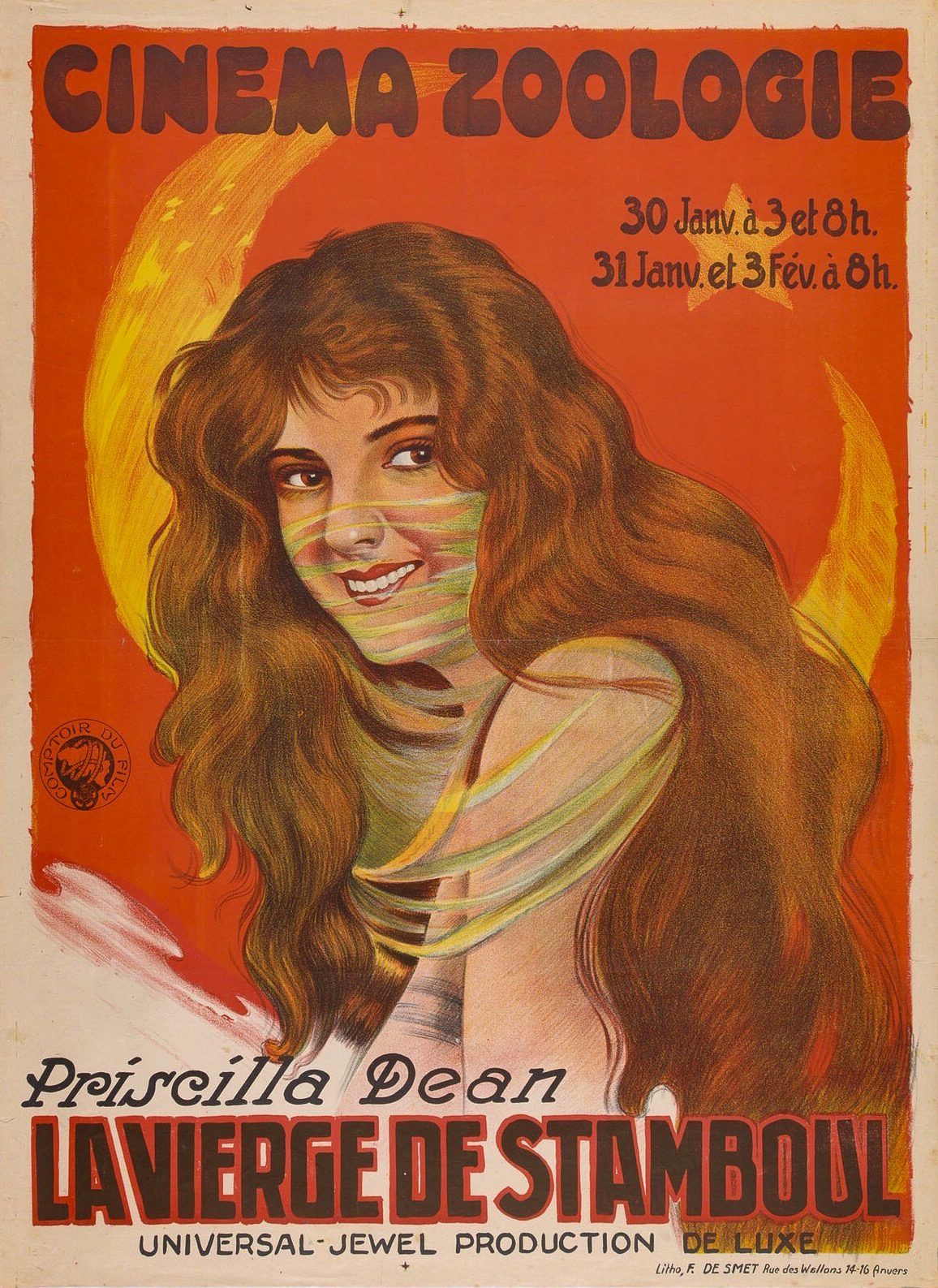
Dir: Tod Browning
Achmet Bey, a Turkish chieftain, catches one of his many wives in adultery and murders her lover. Throwing aside the cuckolding wife, he abducts his harem an innocent girl. However, a brave American who loves her comes to her rescue.
View Details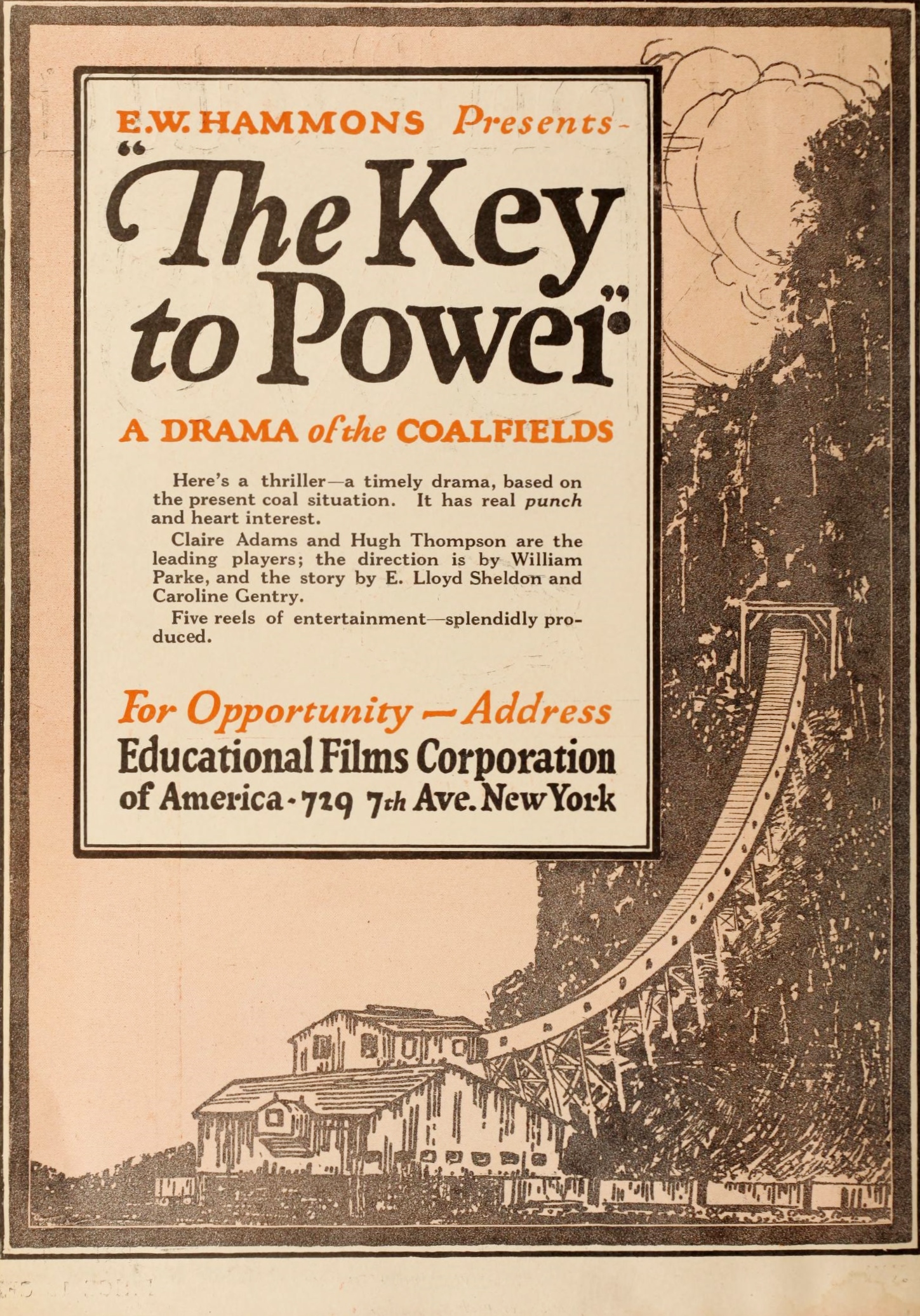
Dir: William Parke
Bruce Wendell, the son of West Virginia coal mine owner James Wendell, graduates from West Point and prepares to lead a fighting unit to the front during World War I. As his father lies dying, however, he convinces Bruce to remain at home and guard the mine. Bruce's fiancée Ann Blair assumes that he is a coward and breaks off their engagement, but her brother Bobbie remains Bruce's loyal friend. Meyer, a German agent, persuades railroad president Parrish to refuse to transport Wendell's coal, but when Bruce adamantly refuses to close the mine, the spy's men decide to blow it up. While Ann is being abducted by Meyer, Bobbie is buried in an explosion at the mine. Bruce rescues Bobbie and then sends a plea to Lieutenant Parrish to rescue Ann. Meyer and his gang are captured and Ann renews her vow of love to Bruce.
View DetailsAnalysis relative to Salamander
| Film Title | Atmosphere | Complexity | Similarity |
|---|---|---|---|
| The River's End | Gothic | Linear | 91% Match |
| The Kelly Gang | Tense | Linear | 95% Match |
| 'A mala nova | Surreal | Layered | 92% Match |
| The Amateur Wife | Surreal | Linear | 97% Match |
| Moon Madness | Surreal | Layered | 95% Match |
This guide was algorithmically generated using the cinematic metadata of Grigoriy Roshal's archive. Last updated: 6/27/2026.
Back to Salamander Details →