
DbcultAccessing Vault...
Recommendations
Senior Film Conservator
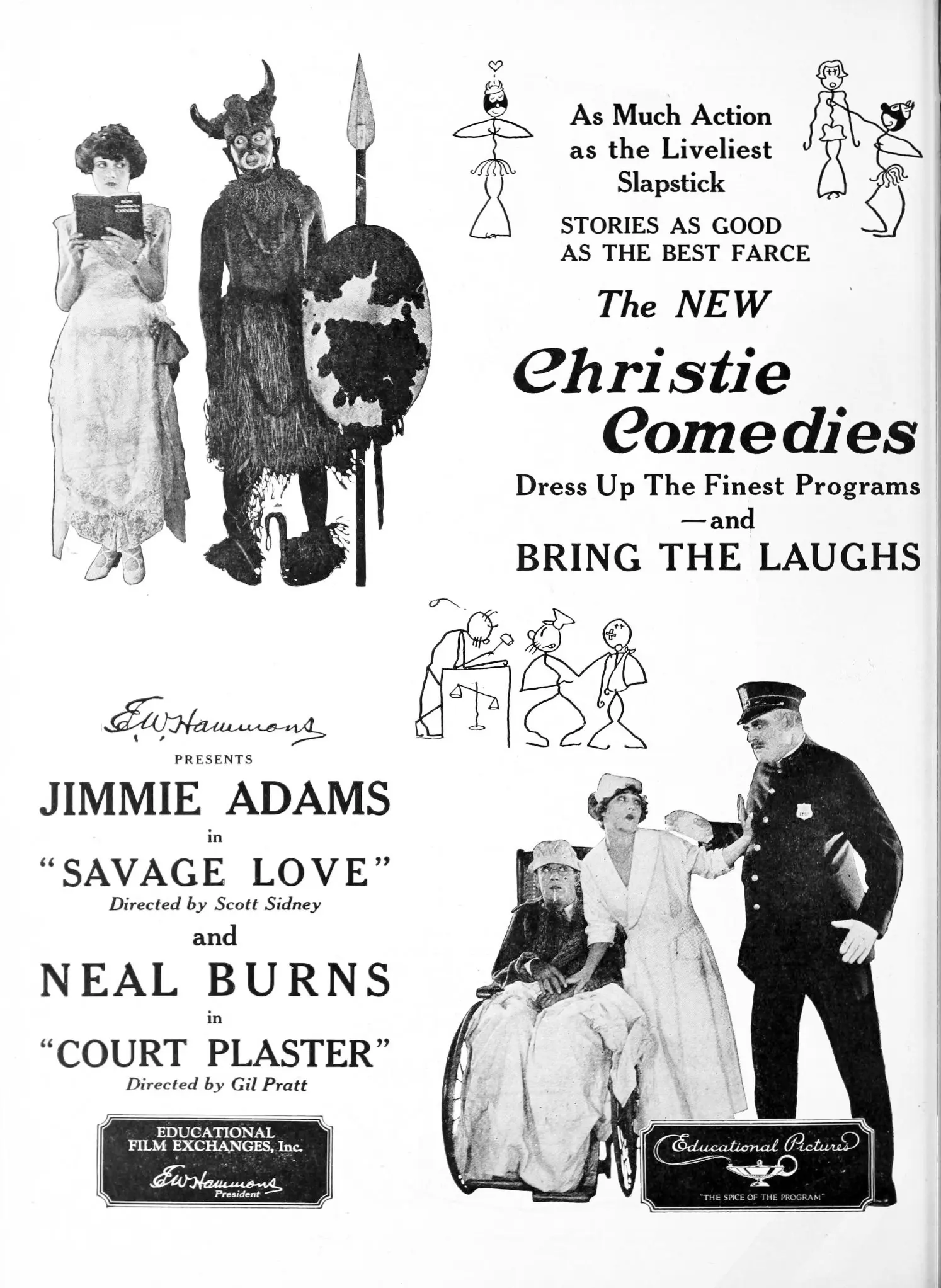
Navigating the complex narrative architecture of Savage Love is a artistic bravery experience, the legacy of Savage Love is a beacon for those seeking the unconventional. Unlock a new level of cinematic understanding with these Comedy alternatives.
The artistic audacity of Savage Love ensures it to sustain a sense of mystery that persists after the credits roll.
When a newlywed goes out to get a present for his wife on their first anniversary, he is shanghaied by two friends and unwillingly made to masquerade as a wild man from the cannibal islands.
Critics widely regard Savage Love as a cult-favorite piece of Comedy cinema. Its artistic bravery is frequently cited as its strongest asset, solidifying its place in United States's film legacy.
Based on the unique artistic bravery of Savage Love, our vault has identified these titles as the most compelling follow-up experiences for fans of Comedy cinema:
Dir: Eduardo Notari
A crime drama in the Gennariello-series. The police detective in Naples that is confronted with modern gangsters and crime events.
View Details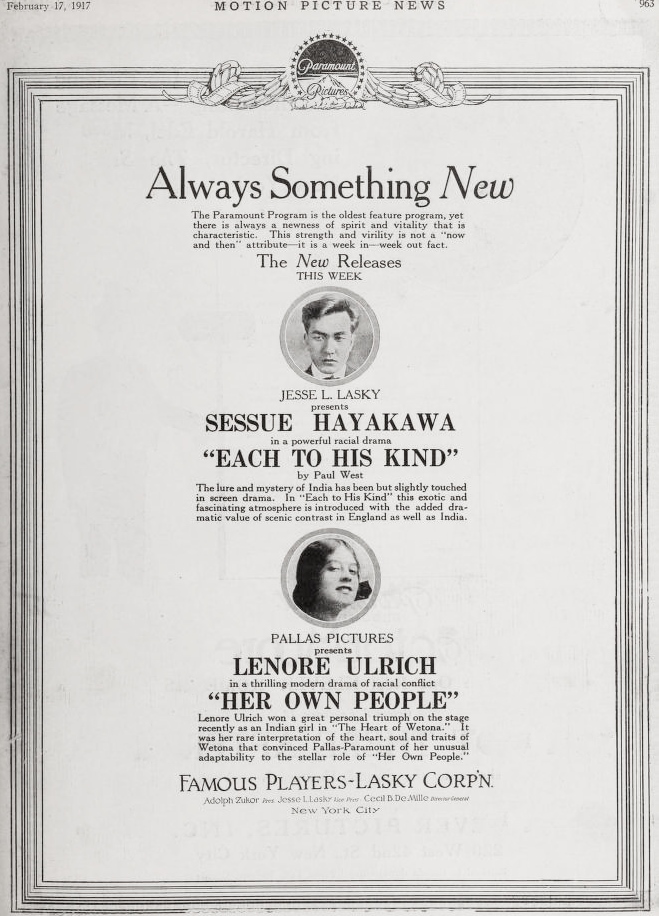
Dir: Scott Sidney
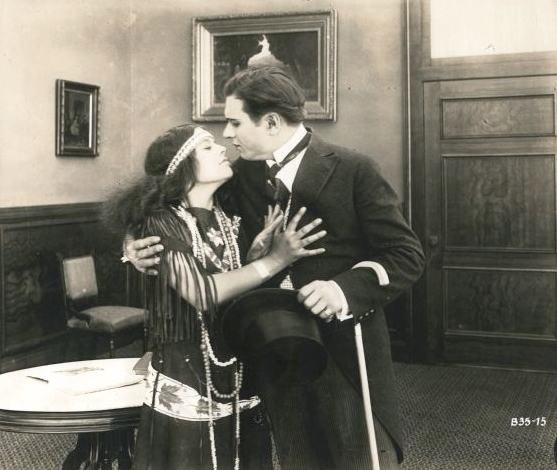
John Kemp, a wealthy man, after the announcement of his engagement to Eleanor Dutton, overhears her declare her love for another man, at the same time stating that she must marry Kemp for his money. Heartbroken, Kemp goes to the mountain wilderness. Eleanor marries the man she loves and Kemp marries The Morning Star, an Indian. They have a daughter, Alona, whom Kemp idolizes. She meets Frank Colvin, a poor young prospector, and they become attached to each other. Kemp feels it his duty to return to civilization in order to complete Alona's education. He places her in a fashionable boarding school. Upon learning that she is of Indian blood the girls snub her, only one, Myra Agnew, being kind. Myra takes Alona home with her at Christmas time, that she may meet her brother, Blinn, in the hopes that he will marry her. Alona, by accident, learns that Blinn cares only for her fortune, and upon the death of her father she returns to her people, embittered. She again meets Frank Colvin, who declares his love for her. She decides to test him and buys his mine through an unknown agent. He returns to the city, seeks out Alona, and promises to bring his mother and sister to see her. The mother and sister, however, having been informed that Frank intends to marry an Indian, call on Alona and, when they see her real beauty, tell her they do not wonder Frank loves her, and plan a big surprise for him. That night Alona sends her car for Frank and, accompanied by his mother and sister, they are driven to Alona's beautiful mansion. Here he finds her transformed from the simple Indian maiden he believes her to be into an heiress. Now that Alona is satisfied he loves her for herself alone, she reveals her real identity and their happiness is complete.
View Details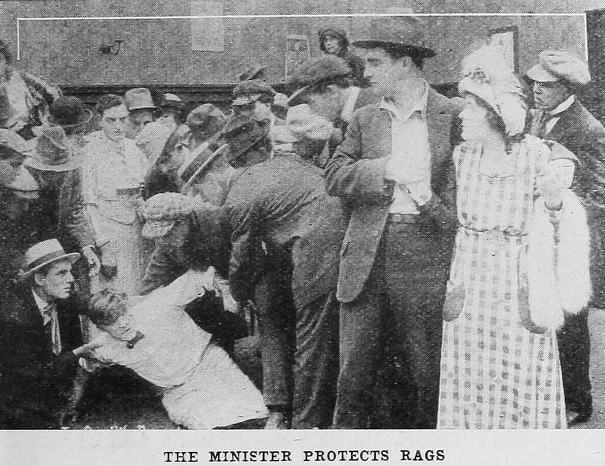
Dir: Scott Sidney
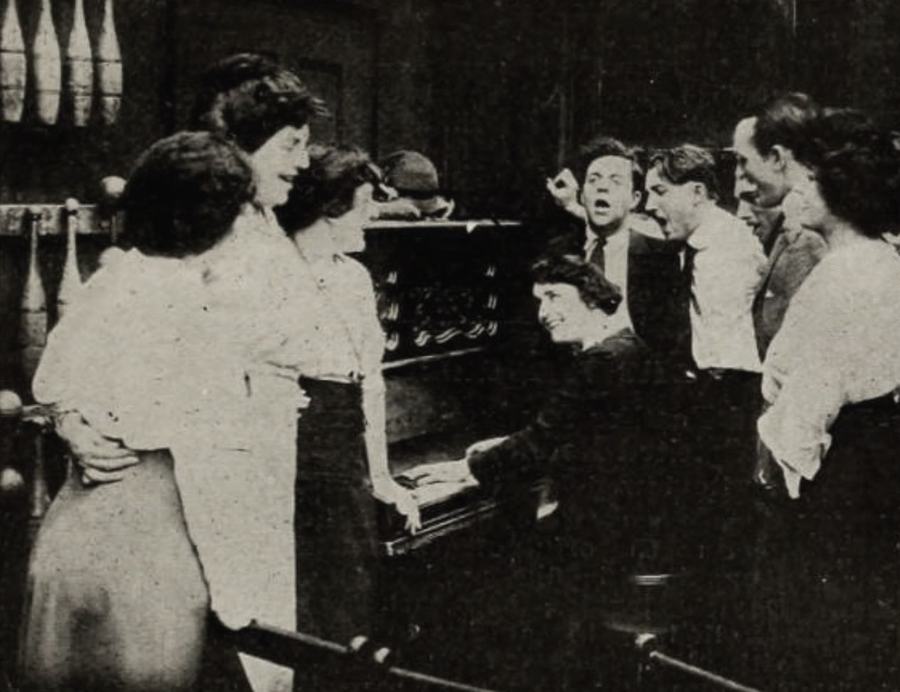
The story derives its plot from a practical joke perpetrated by underclassmen at the theological seminary from which Arthur Rayburn has just been graduated. At the reception following his ordination, these jokers put rum in the punch served and Rayburn becomes intoxicated. In this condition he is unfrocked by the bishop and the latter's daughter Rene breaks their engagement. Down into the slums goes Rayburn, where he falls under the influence of pretty piano player Rags in a saloon. Rags tries to redeem him, but makes little headway until she prevents the young preacher's attempt to commit suicide in the river. She loves him without reserve and under her guiding care be recovers from his degradation and opens a club for working men. He is so successful that the enterprise comes to the attention of the bishop of the diocese. The bishop visits the club, recognizes its leader, and promptly reinstates him in the ministry. With his future assured, Rayburn turns in gratitude to the girl of the slums who has saved him. He asks her to marry him but in spite of her love, knowing that he still loves Rene, Rags refuses him and returns to the life in which he found her.
View Details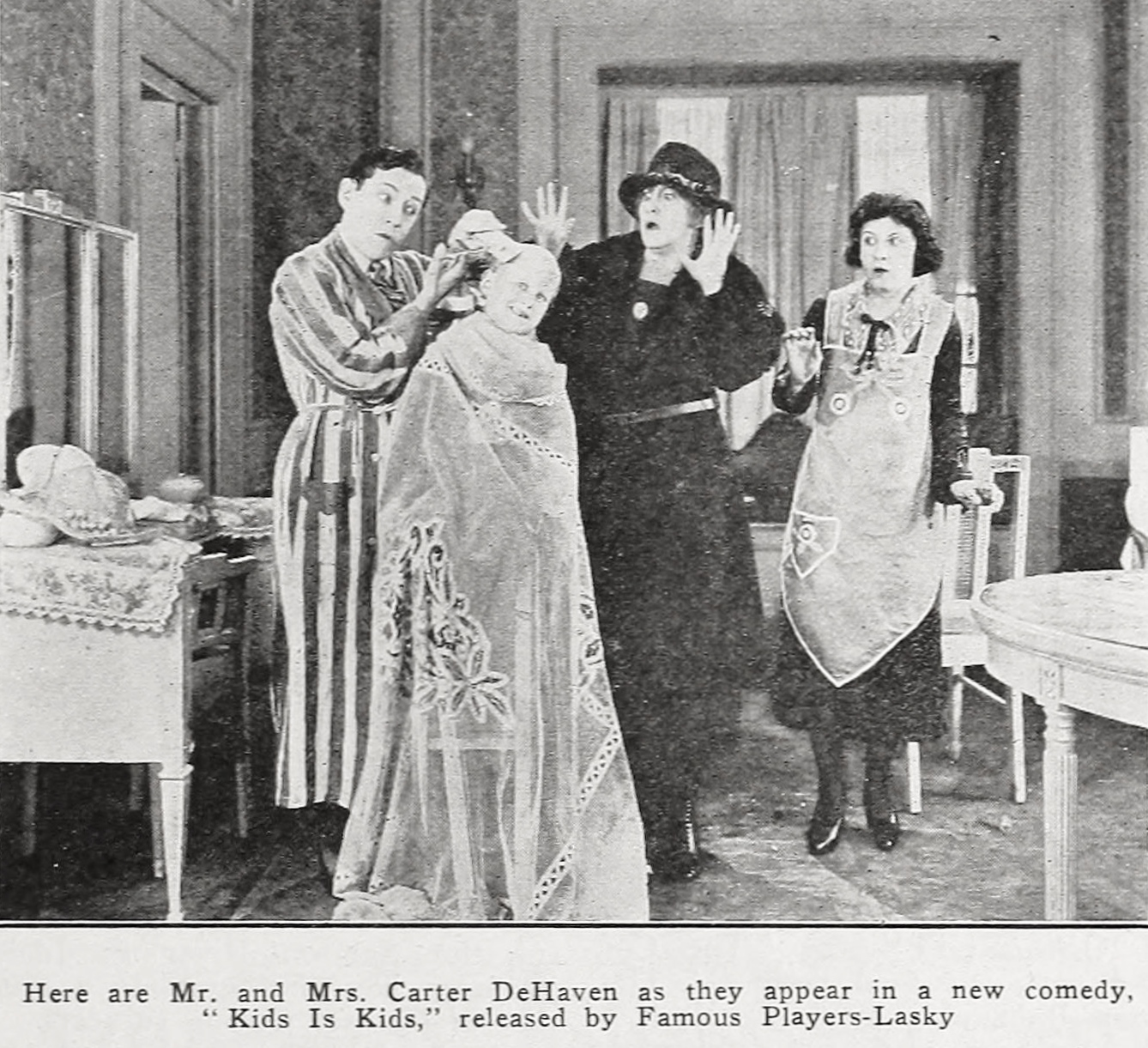
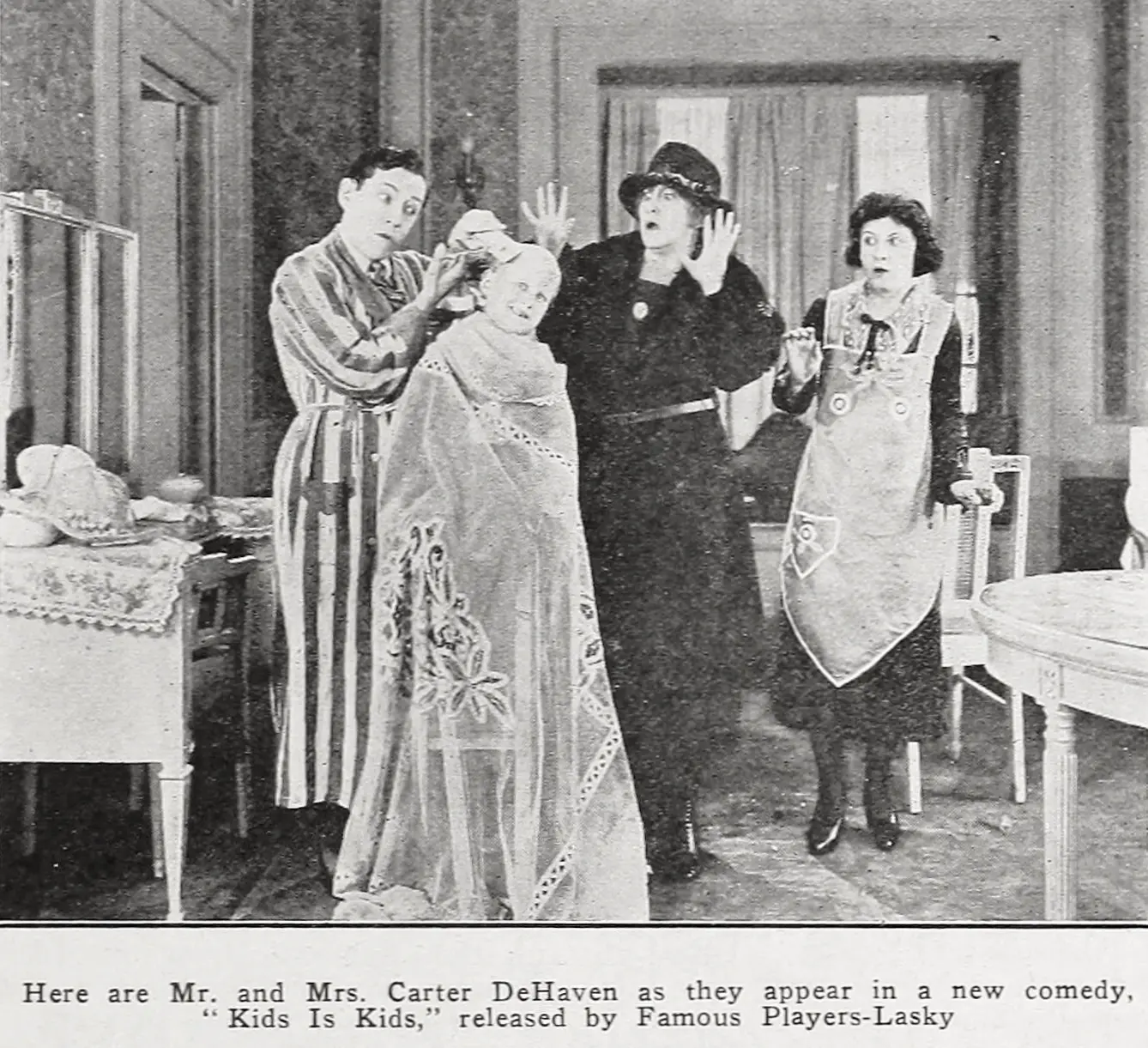
Dir: Charley Chase
A young married couple volunteer to take charge of several orphans after the asylum has burned down. Of course they find their hands full with their troublesome charges.
View Details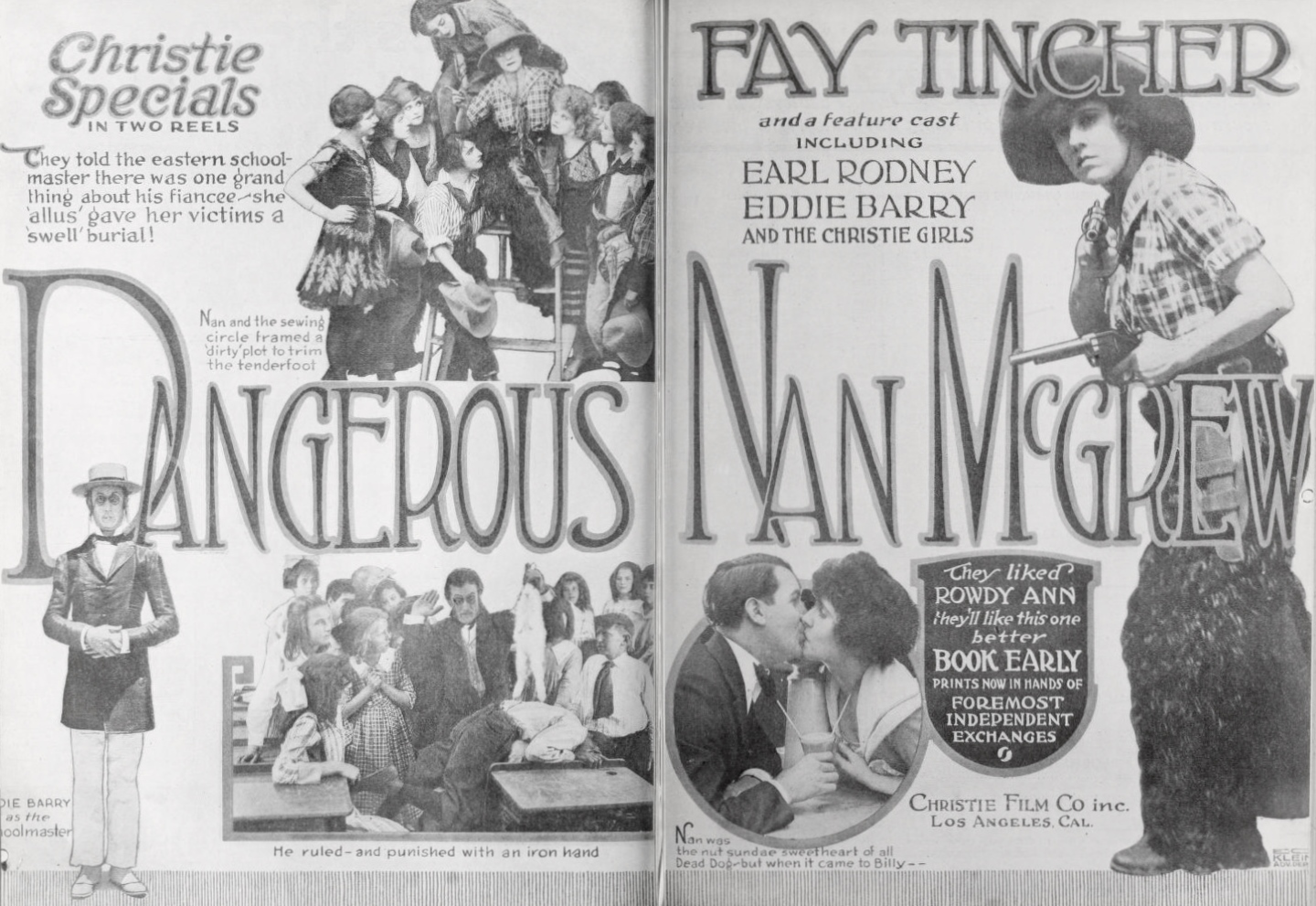
Dir: Scott Sidney
Nan is the soda fountain queen in Dead Dog. She is in love with Billy, but she got a letter from a New York lawyer saying that she and her cousin, Hezekiah, a New England school teacher, would have to marry in order to share a bequest of some thousands of dollars. Hezekiah was on his way west and because Nan would lose the money if she turned him down, she conceived the idea of rejuvenating the wildness of Dead Dog to frighten poor Hezey out of marrying her. With the scene all set and Hezekiah duly shocked, Nan made her entry, riding her horse up the steps and into the bar. In spite of his terror, Hezekiah was willing to go on with the ceremony, and just as Nan and he were about to say "I do," Billy made his entry and began to shoot up the place. This was too much for Hezekiah, and he started running, caught the observation platform of a train starting for the east.
View Details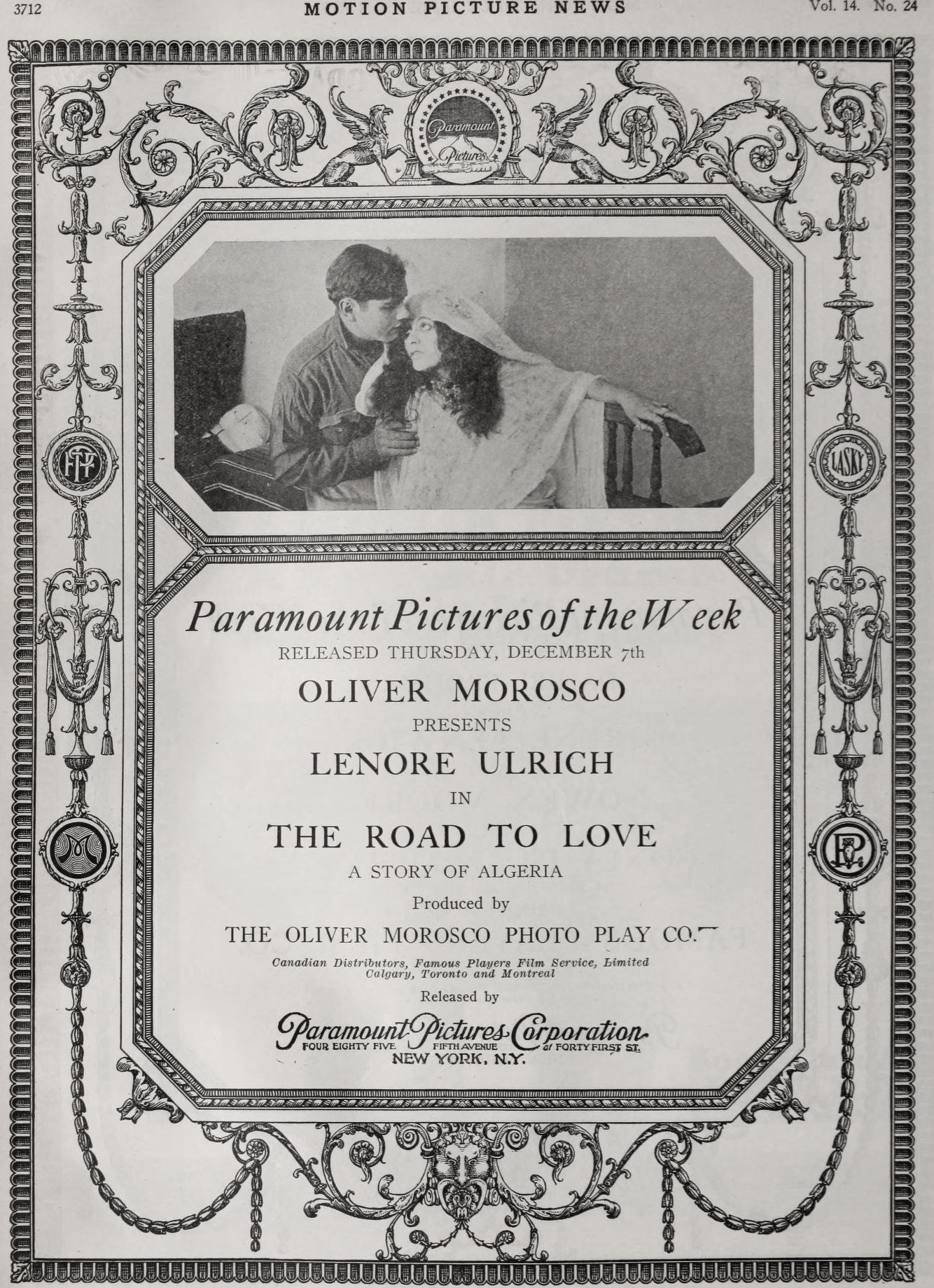
Dir: Scott Sidney
The action takes place in Algeria where Hafsa, the daughter of wealthy old Sidi Malik, has aroused the avidity of Leila Sadiya, the "mother" of the dancing girls. She gives orders to have the girl kidnapped and brought to her. Meanwhile Gordon Roberts, a young American who is traveling in the Orient, saves the life of Karan, a Bedouin chief, and earns the undying gratitude of the Arab. Gordon meets Hafsa while she is shopping in defiance of her father's commands and wins her regard by sheltering her from the old man. He is infatuated with her and disguises himself as a peddler in order to meet her again. He is discovered by Nakhla, a spy of her father's, who promptly has Gordon beaten by his retainers. Gordon and the girl elope, but are captured and the American is turned over to one Abdallah with instructions to sell him as a slave. Hafsa bribes Abdallah to let her go in the caravan in which Gordon is kept drugged. Karan learns of the predicament of Gordon and worms his way into the friendship of Abdallah until he can drug the guards. But when Gordon is about to escape, he recognizes Hafsa and demands that she go in his place. Karan finally yields to the girl and takes Gordon away. Hafsa is delivered to Leila and is not seen again by Gordon until she dances at a great fete. She is offered for sale and Gordon makes a desperate effort to outbid an old sheik, but fails. On the wedding day, Hafsa substitutes her maid for herself and escapes with Gordon, but the deception is quickly discovered and a pursuit is begun. As the fugitives reach the garden gate, Malik arrives and cuts off their escape. The pursuing Leila comes up and stares in wonder at Malik, who proves to be her husband. She is the mother of the girl whom she has been attempting to hand over to the sheik. Just at this moment the old man himself and his retinue are heard approaching and Leila implores Malik to permit his daughter to go her way with Gordon, Snatching the girl's scarf, Leila throws it upon the edge of the garden well, as the lovers make their escape. When the sheik arrives upon the scene, he is shown the scarf and told that Hafsa has chosen her own fate, rather than marry him. Under the chaperonage of the faithful Karan the lovers depart across the desert on the road to love.
View Details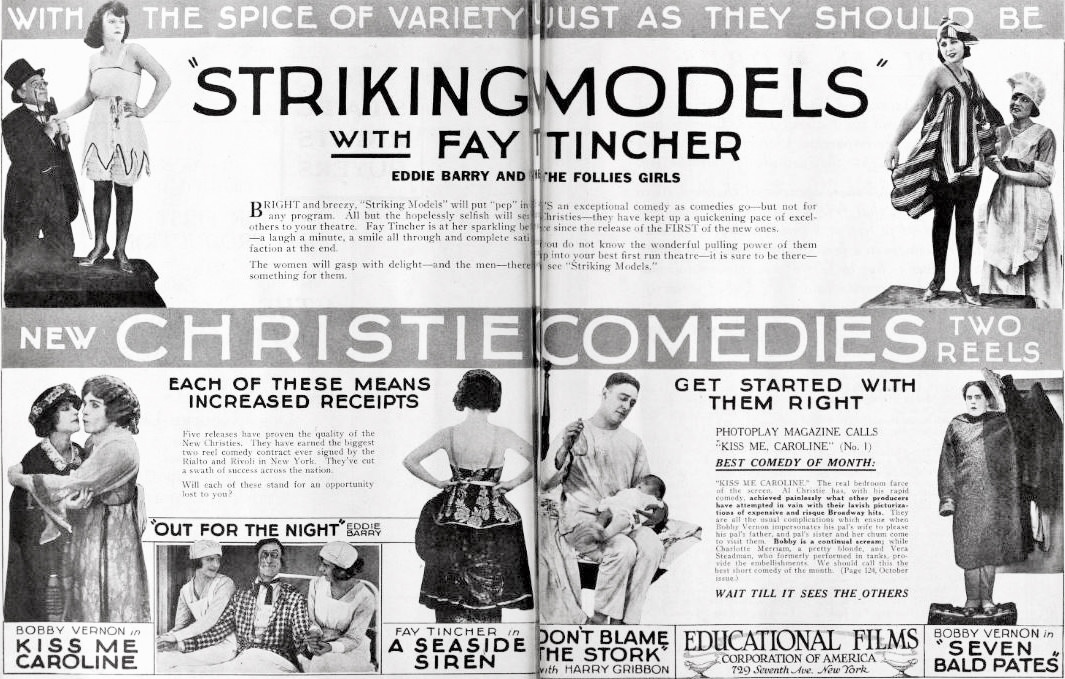
Dir: Reggie Morris
A fascinating piece of cinema that shares thematic elements.
View Details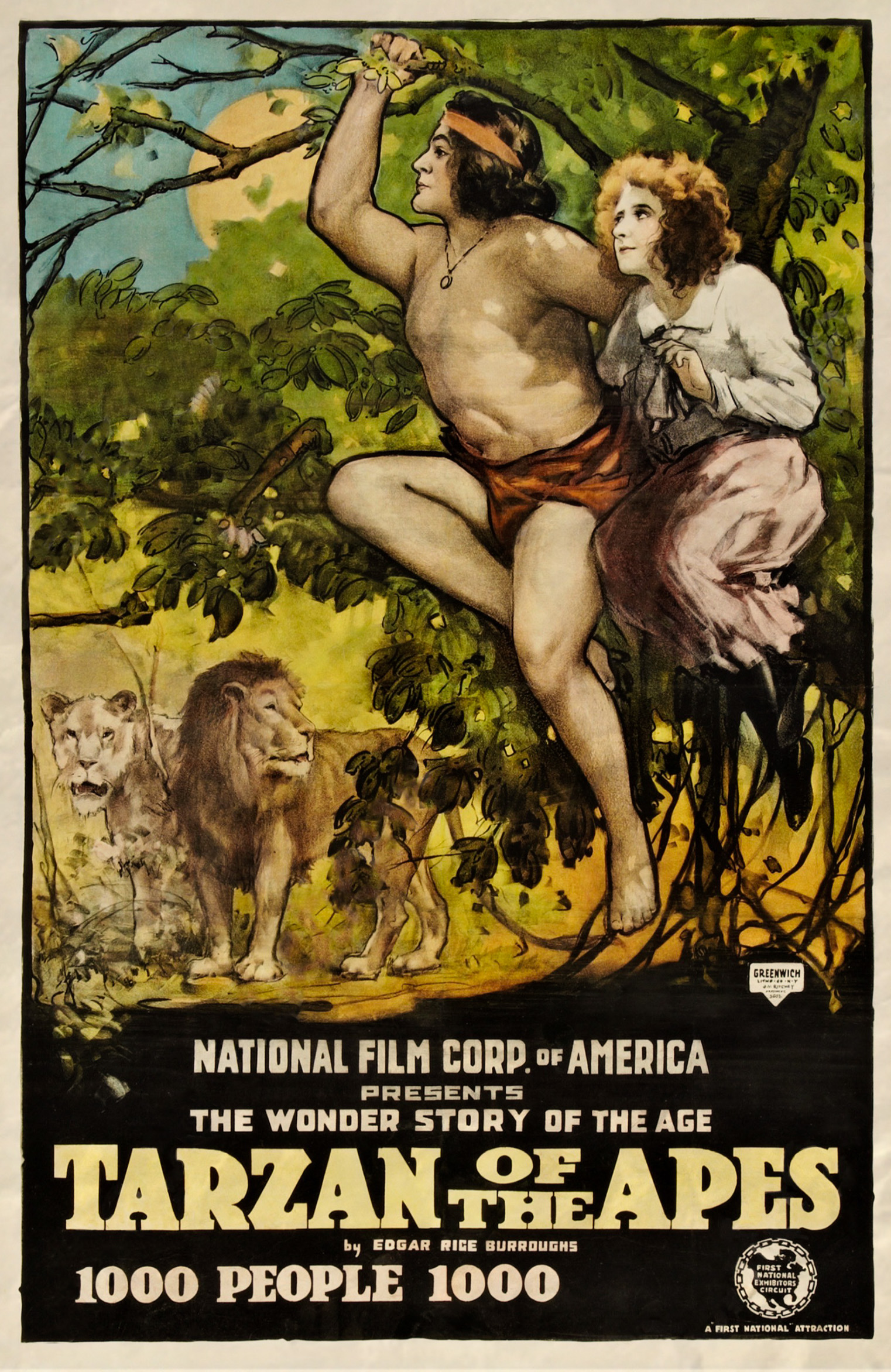
Dir: Scott Sidney
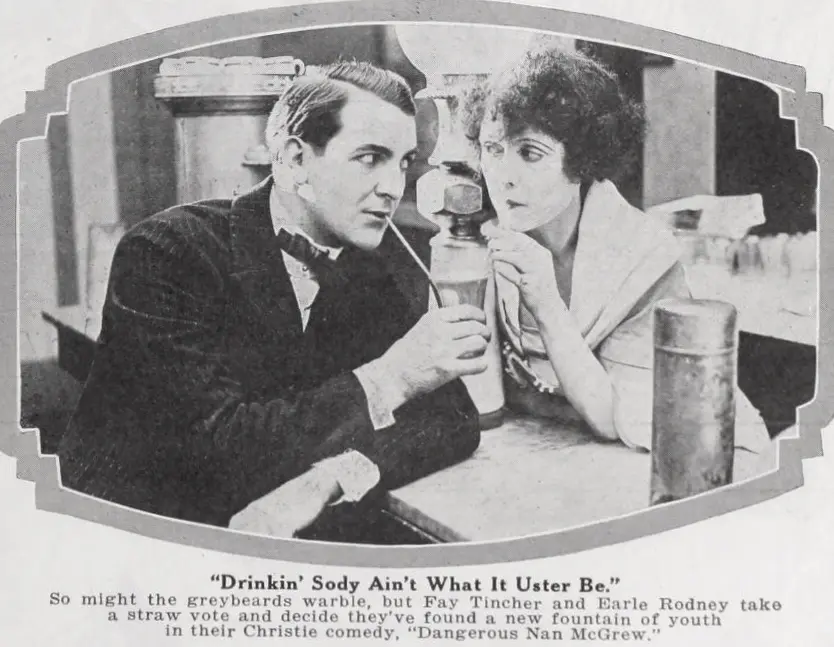
Reared by a childless ape, the orphaned heir of the Greystokes becomes one of the apes. Then Dr Porter organises a rescue expedition, and his beautiful daughter Jane catches his attention. Has Tarzan of the Apes found the perfect mate?
View Details
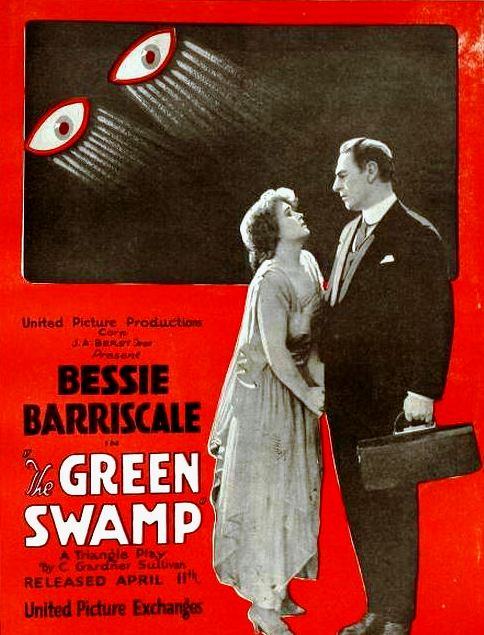
Dir: Scott Sidney
Most of the patients of Dr. Ward Allison are women, and his wife Margery is becoming increasingly jealous of all the time he spends with them. One day he tells her that he has been called out of town, but she is told that he is really staying at the house of a friend and colleague, Dr. Hendon, and the two are planning wild parties with their female patients. What she finds out, however, is even more shocking than what she expected.
View DetailsAnalysis relative to Savage Love
| Film Title | Atmosphere | Complexity | Similarity |
|---|---|---|---|
| 'A mala nova | Surreal | Layered | 92% Match |
| Her Own People | Gritty | Linear | 88% Match |
| The Waifs | Tense | Dense | 92% Match |
| Kids Is Kids | Tense | Layered | 94% Match |
| Dangerous Nan McGrew | Gothic | Abstract | 96% Match |
This guide was algorithmically generated using the cinematic metadata of Scott Sidney's archive. Last updated: 6/26/2026.
Back to Savage Love Details →