
DbcultAccessing Vault...
Recommendations
Senior Film Conservator

Since its 1915 debut, Scandal has maintained a stylistic flair status, you are likely searching for more films that share its specific artistic vision. We have meticulously scanned our vault to find hidden gems that resonate with this work.
The 1915 landscape was forever altered by the arrival of to push the boundaries of conventional storytelling.
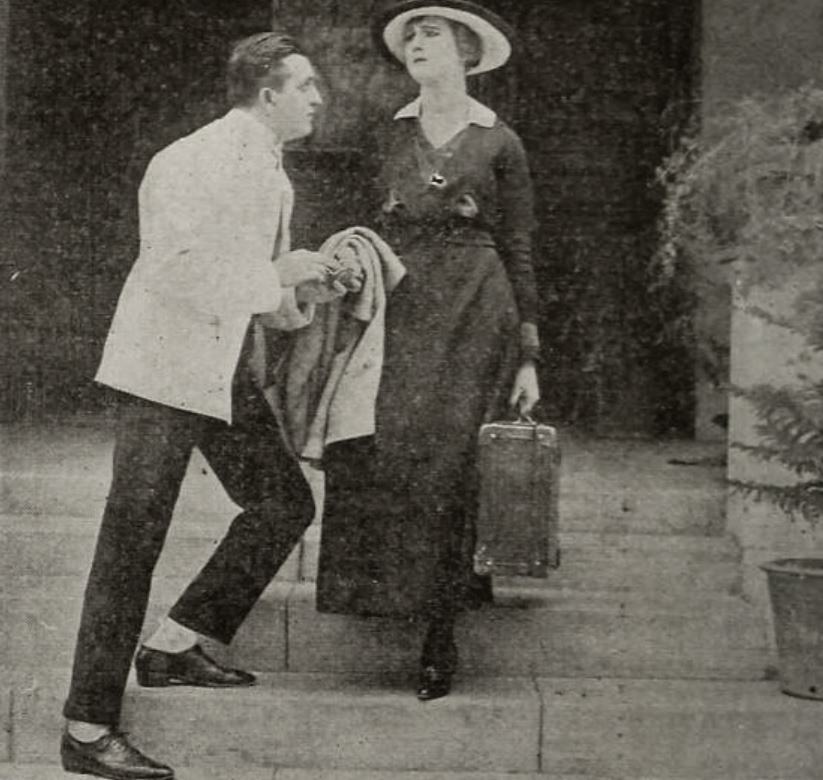
The story opens with the male gossips inside the club gazing from the window and making comments on the passers-by. Green, a member of the club, lives in the apartment beneath that of William Wright, a broker. Wright is in business difficulties, but his business associates have not yet learned this, as his wife's father has promised to relieve the situation with a loan. Daisy Dean, Wright's stenographer, is in his confidence. Daisy has her foot caught in the elevator of the building and Mr. Wright takes her home in his car. As he passes the club window, the gossips and Green see him with Daisy and slander is started. Green, coming home, tells his wife of Wright's joy ride with his office girl. Their servant overhears and quickly calls the news up the dumbwaiter to Mrs. Wright's maid in the flat above. Mrs. Wright enters in time to hear the discussion and her slumbering jealousy is fanned into a flame. In Daisy's neighborhood her ride in Mr. Wright's car has occasioned some comment, especially from Susan, an old maid aunt next door, whose brother, Robert, has long loved Daisy in secret. Daisy is engaged to Austin Clark. Mrs. Wright has particularly noted that the stenographer always has a bunch of daisies on her desk. In the most innocent fashion, Mr. Wright comes home with one of the flowers in his button-hole. The fact that Daisy is seen morning and evening in Mr. Wright's car gives color to the lies that are now freely circulating. Daisy and Austin quarrel and part. Mrs. Wright haunts Daisy's neighborhood in a taxicab and has her worse suspicions confirmed in the fact that her husband is seen outside. Without giving him a chance, she leaves him. The father withdraws his financial support and ruin overtakes Wright. One morning the newspaper has an item which reads: "Wife of broker leaves him on eve of his bankruptcy. Mrs. William Wright returns to her father's house. She will apply for divorce from her husband, naming his stenographer. Daisy Dean, as co-respondent." By the time the gossips get through with Daisy Dean, she is glad to marry Robert, next door, for protection. On the day of her wedding. Austin repents his hastiness and writes that he has never ceased to love her, but it is too late and Daisy hides the letter with his photograph. Wright, broken and penniless, is saved from suicide by his old mother. Time passes and the old trouble seems forgotten. In their new happiness, Daisy and Robert and their baby go to a seaside town for the summer. Robert's work calls him away and his sister, Susan, in spite of her dislike of Daisy, comes to stay with her during his absence. In the meantime, Austin, who is now engaged to a girl in the town, comes down for his vacation. He and Daisy meet and he introduces the two women. Daisy remembers his photograph and letter hidden away; gets them out and burns them, but Susan recovers the end of the letter, which was burned and which reads: "I have never ceased to love you. Austin." She sends the letter to her brother. Daisy is included in many of their engagement festivities in a perfectly innocent way, but to Susan's suspicious mind there can only be one conclusion placed upon their intimacy. The letters and insinuations to Robert breathe such suspicion against Daisy and Austin that he is driven almost mad. Finally, unable to work, he returns home without notifying his wife. The same evening, Daisy has joined Austin and a party of their friends in an auto ride out of town for dinner. A series of accidents to the car, miles from nowhere, detain them until dawn. A cottager, who proves to be Mr. Wright, assists them. Robert reaches his home about daylight in a condition bordering on insanity. He is met by Susan with the news that Daisy has been out all night with Austin. The auto party, having stopped at the sweetheart's home, drops her and her parents first and Austin then escorts Daisy to her cottage. On entering the house, Daisy is confronted by Robert and Susan. A terrible scene takes place, during which Robert's self-control is entirely lost. Austin, returning from the garage, passes the house and is shot dead by Robert, who is taken into custody. Daisy, terror-stricken, takes her baby and hastens as far from the town as her strength will carry her. At last, more dead than alive, she sees no hope for herself but death and is about to end her life and the baby's when she is saved by Mr. Wright, who takes her to his mother. The shock of the tragedy kills Robert's sister, while Daisy receives the following letter: "Do not come home, I am disgraced enough. Your Mother." News reaches the clubroom that Mr. Wright and Daisy Dean are living in the same house and the scandal goes on.
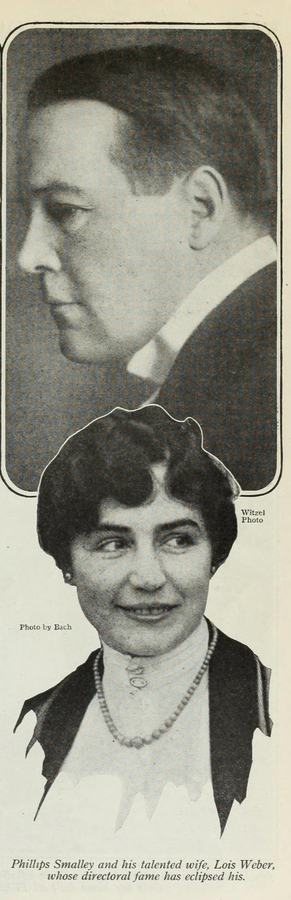
The influence of Phillips Smalley in Scandal can be felt in the way modern cult films handle stylistic flair. From the specific lighting choices to the pacing, this 1915 release set a high bar for atmospheric immersion.
Based on the unique stylistic flair of Scandal, our vault has identified these titles as the most compelling follow-up experiences for fans of cult cinema:
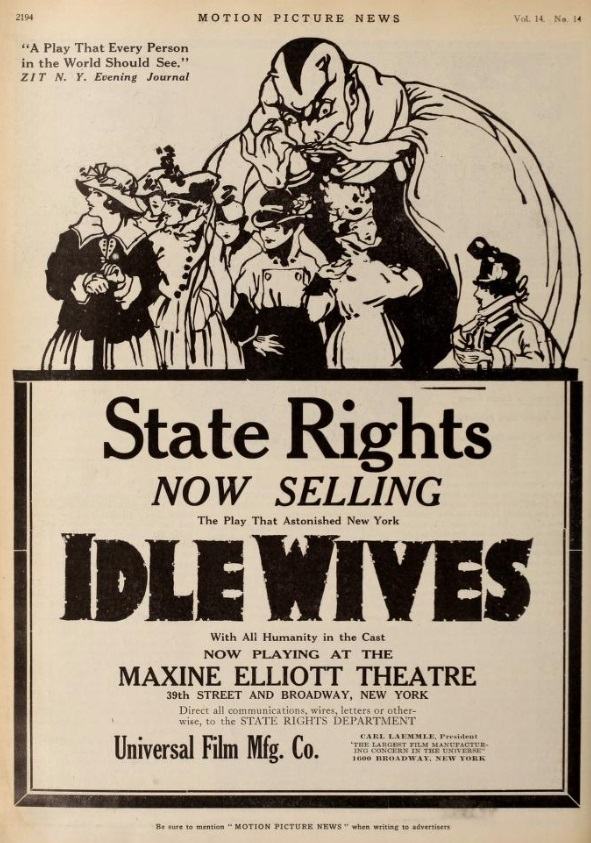
Dir: Phillips Smalley
John Wall meets his new sweetheart and takes her to the movies; his neglected wife Anne follows them there. Molly, disobeying her parents, meets her boyfriend at the same theater. A working man with his wife and children, all obsessed with the sordidness of their lives, also attend the movie, as does a dishonorable young man. They watch a film called 'Life's Mirror' in which they see their own lives turned into dramas, complete with possible "final curtains.": Molly, who refuses to listen to her parents, sees her motion-picture surrogate give birth to an illegitimate child after she is abandoned by her boyfriend; Anne Wall, tired of the phoniness of John's wealthy family and friends, deserts him and their children to return to the slums and do charity work for the needy. After the movie, John, sadder but wiser, leaves his sweetheart and goes home with Anne, Molly decides to apologize to her parents, the working man's family realizes that they must look to the future, and the young man promises to lead a more responsible life.
View Details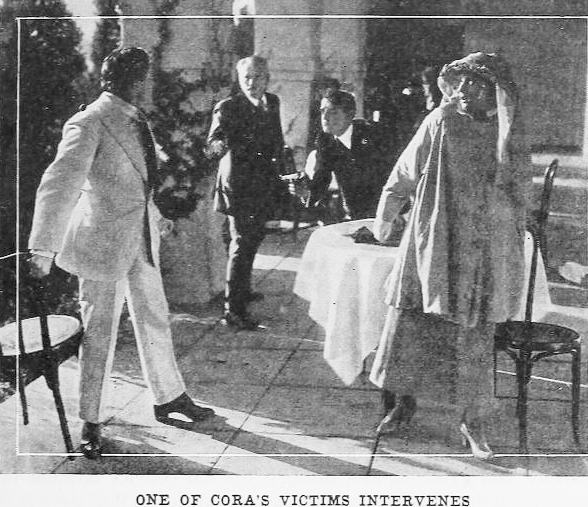
Dir: Phillips Smalley
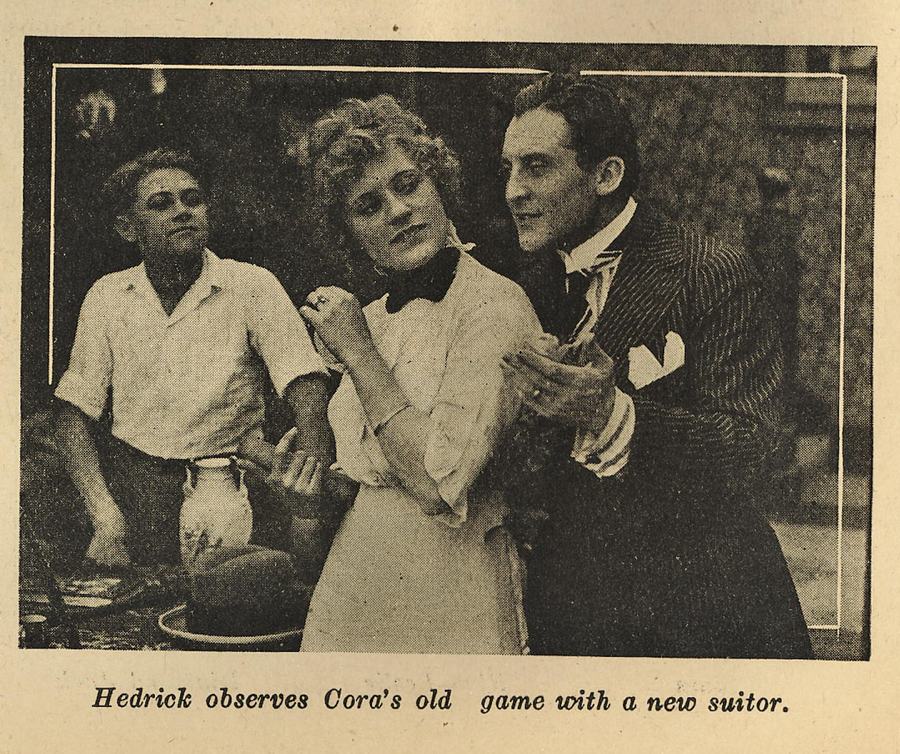
Accustomed to flirting and dropping every suitor at her feet, Cora Madison - a young woman belonging to one of the most prominent families in the city - collides with Valentine Corliss, a newcomer.
View Details
Dir: Phillips Smalley
Inspired by the true story of immigrant Charlie Stielow who was currently on death row for a double murder. The movie was released 2 years before the conclusion of his case, and was purposely made to sway public opinion about the death penalty.
View Details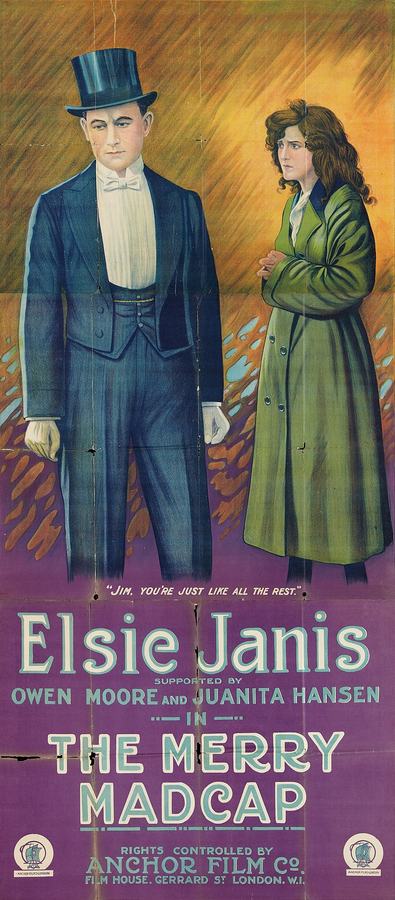
Dir: Phillips Smalley
When Betty arrives from the Convent to visit her uncle's family they are careful to hide all the extreme low-necked gowns and other worldly things lest they shock the devout convent girl. Instead of shocking, Betty finds them fascinating and they install in her a desire to learn more about the fascinations of the world. When Jim Denning proposes to her, she says she loves him but she must see the world first. Angrily he leaves her as she sits beside the fireplace, whose dreamy flames inspire her to tempt a knowledge of things unknown to her. Out into the world she goes, where she sees and learns many things but with pangs and heartache. At a vital moment when she is about to faint dead away, the faithful Jim arrives and catches her in his arms. Betty awakens to find it has all been just a dream, and faithful Jim has no problem convincing her of the full meaning of a home and that the world and its false promises are not for her.
View Details
Dir: Phillips Smalley
Homeless Mina Rogers is desperate for a job, is briefly employed as a housemaid for three nurses. When she loses the job, she decides to impersonate one of the nurses to take a job at the home of wealthy invalid Harvey Gorman. There, she comes under the control of Gorman's male nurse Roberts, who, discovering her deception, forces her to aid in his plan to acquire the money that Gorman plans to leave to his ranch foreman Cal Morgan. While Roberts begins poisoning Gorman with arsenic, Mina is instructed to seduce Cal into proposing to her, a plan that fails only because the jealous daughters of the ranch's housekeeper expose Mina's charade. When it is learned that Gorman is being poisoned, Mina is suspected, but a letter is eventually discovered that incriminates Roberts. Dr. Prine, Gorman's doctor, has fallen in love with Mina and, after hearing the story of her miserable childhood, forgives her impersonation.
View Details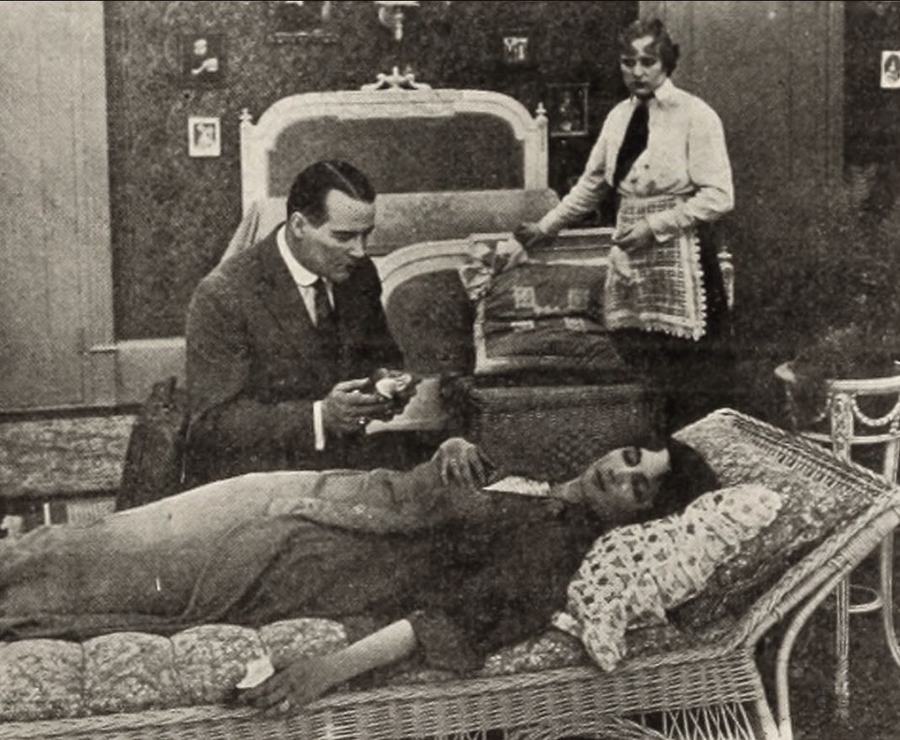
Dir: Phillips Smalley
Lydia Jansen is a faithful and loving wife, though unknown to her husband, a customs inspector, she has become addicted to smoking opium. In the parlance of the underworld this devil's brew is called "hop." Her own father, a politician in the city in which they live, is the head of an opium importing gang, which is the principal medium whereby the addicts obtained their supply of opium. Lydia's craving for the drug is so great, and her desire to conceal the habit from her husband so strong, that she is embroiled in a series of blackmailing attempts by her maid, who is affianced to the stevedore through whom most of the opium is landed from the vessels by which it is smuggled. Her attempts to satisfy her craving for hop, at a time when the government is closing in upon the smugglers, excites her husband's suspicion, and of course he thinks another man has entered her life, and it is only through an almost superhuman exercise of willpower that she finds the strength to conquer her appetite and confess to her husband the terrible habit which she had formed, and thus relieving the terrible suspicion which had grown like a hunting nightmare into his very life. The shock of finding that he himself had contributed to his own daughter's downfall causes the father's suicide and the capture of the entire opium smuggling gang.
View Details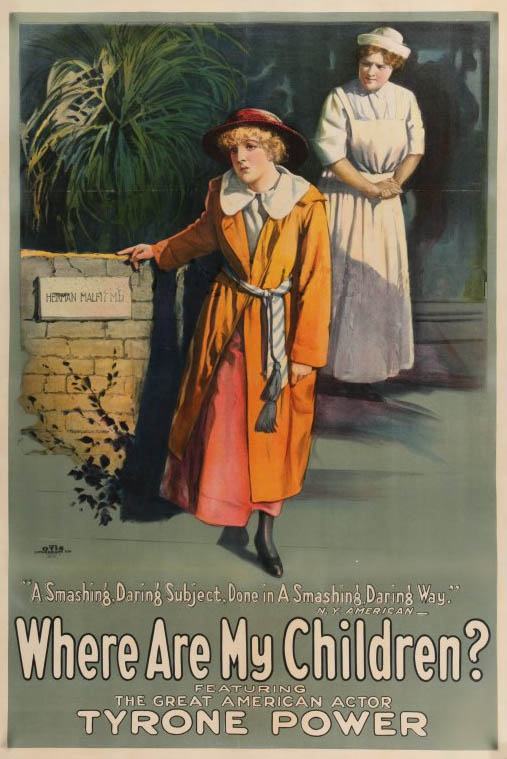
Dir: Phillips Smalley
A District Attorney's outspoken stand on abortion lands him in trouble with the local community.
View Details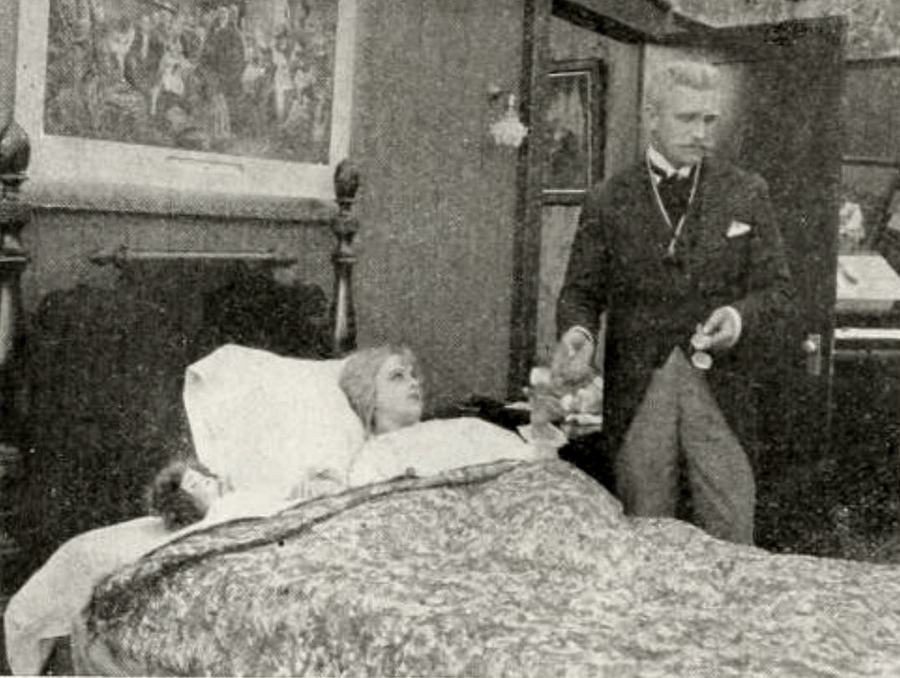
Dir: Phillips Smalley
Mrs. Forbes, longtime housekeeper at the country mansion of disappointed, embittered aristocrat Mr. Evringham, who is almost a luxurious recluse, is worried: the household has been turned upside-down by the advent of the wife of Evringham's dead son Lawrence, who has arrived with her daughter Eloise. The mother is a schemer who, reduced to her last penny, is pulling every wire to induce wealthy young Dr. Ballard to marry Eloise. It looks as if she is going to succeed and the need for success is imperative because Mr. Evringham is set against his female dependents, whom he might expel from his home at any moment. Then word comes from another son, Harry Evringham, who writes that he and his wife must make a business trip abroad and he asks his father to take Jewel, the child he has never seen, into his home until they return in six weeks. Old Mr. Evringham reluctantly agrees to his son's request. He hates children and is gruff, unresponsive, and self-centered. The only reason he agrees to take the child is because his daughter-in-law, the widow, tries to get him to refuse. He hates this daughter-in-law; therefore takes Jewel in to spite her. Upon her arrival, Jewel meets with a very cool reception. She finds that, according to the Christian Science teachings with which she is familiar, that she has entered a household of hatred and discord. She puts the scriptures and Mrs. Eddy's teachings to practical use and proves to all scoffers that she has found and can demonstrate the truth. Jewel takes a strong liking to her bluff, stern, old grandfather and he finds his heart softening under her influence. She cures herself of a fever which she says came o because a shadow of hatred passed over her for the house's inmates. She wins the heart of the grim housekeeper when she redeems her drunkard son from the grip of the liquor demon, she converts Eloise to the truth of Divine Science, and she proves to everyone that Science can win in spite of all. She reaps a harvest of good from a bleak, barren soil, uniting the strained and jarring household by chain after chain of love.
View Details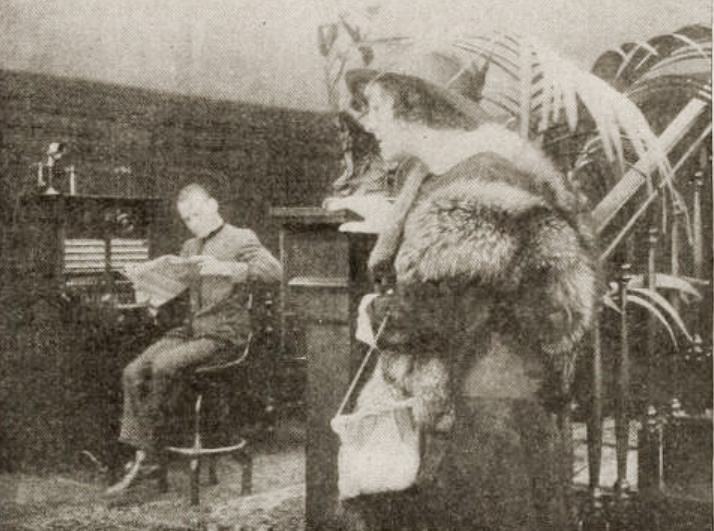
Dir: Phillips Smalley
Katherine Bradley, known as "Kit," is an orphan and heiress. At an early age she is placed in a fashionable and select seminary for young women. Kit, by means of her fascinating daring, her unlimited cash, and her lovable personality, enlists the cooperation of all the girls in any affair which she undertakes. She so impresses the principal of the school with her open-heartedness that she is given permission to drive her car from four to five o'clock each day. The story opens on the day of the annual play given by the young women of Miss Smythe's Select Seminary. The question passes from mouth to mouth, "Where's Kit Bradley? She's our leading man." A search is instituted which results in finding a note in Kit's room saying that she has taken her car out for a drive. The principal is horrified that her charge should be out without a chaperon, and determines that such an action shall not be repeated. In the meantime, Kit, speeding along the country roads far from home, has an accident. A tire is blown. Kit is perplexed. Then a handsome young man comes along and offers assistance. She accepts it, and promises to meet him on the next afternoon. This arrangement is not carried out quite as Kit planned. Arriving at school very late in the evening, she finds it necessary to enter through an open window. Quickly slipping into a kimono to cover her street clothes and getting into bed. Kit faces an indignant principal who enters her room, with a story of a nerve-wracking toothache which keeps her awake. The next afternoon when Kit would take her usual spin, Miss Smythe reminds her that she must take a chaperon. Kit takes her, but makes the ride so hazardous that the chaperon, when told that the car is not the kind that can go slowly, is glad to be left by the wayside, while Kit takes a spin and returns for her. Kit keeps her tryst. Among the trees she and Cameron enjoy a picnic luncheon, but while this meal is in progress a passing tramp sees Kit's classy new roadster, likes it, and takes it. Cameron takes her in his car and on the wayside they pick up the outraged chaperon, who believes not a word of the little story and hurries the culprit to Kit's guardian. To save herself, Kit announces that she is engaged to the artist, and this is confirmed by Cameron. Brought before the guardian, he recognizes in Cameron an old-time friend, gives his consent, and after reciting a passage from the will of Kit's father that her fiancé must not see her for six months after the engagement, disappears in time for Kit and Cameron to become really and truly engaged. The idea of not seeing her newly found fiancée for six months, is not to Kit's liking, besides, she is just a bit jealous, for he is an artist. So Kit persuades her guardian to take her to a performance of Elsie Janis in "The Fair Co-Ed." From the production she obtains an inspiration that determines her future course of action. Kit changes clothes with a servant and enters Cameron's studio as a slavey. Toddling back and forth in the performance of her menial duties of serving and dusting, she keeps an eye on Cameron and notes those who are constantly coming and going. They are stylish; they are beautiful; they are cultured. Then, too, there is in the studio a fascinating blonde model. Kit must change her tactics and be some or all of these things. She will be beautiful. For surely he, with his artistic temperament and taste, will most appreciate that quality. She, too, will be a model. As Carlotta, the Queen of Italian beauties, she agrees to pose for Cameron. And then, just for the sheer joy of it, and because in Miles Smythe's select school she had learned the art as "leading man," Kit arrayed herself in all the paraphernalia of an up-to-the-minute "chap." She visits the studio and by flashing unlimited coin and even boasting about the large sums she has "on" her. Kit proceeds to win the affections of the beautiful blonde who has been flirting with Cameron. Cameron has seen through the little disguises all the while, but now that he is confronted by a "man," he feels licensed to treat him as a man. He smokes a vicious cigar, blows smoke in Kit's face, and presses her to drink with him. This is too much; she will reveal her identity at once, will or no will. "Guardy," passing Cameron's studio, recognizes Kit's car standing outside, and without ceremony enters and stands behind the young couple as Kit commences to reveal to Cameron her real identity. He sees the lay of the land and makes to them an unexpected and startling disclosure. There probably never was such a wedding. What an assembling of rarely beautiful girls and brave courtly men; a canopy of unflecked blue mountains standing black against the sky and extending off into misty nothingness and great stretches of green and flowers. Kitty was at last married to Cameron.
View Details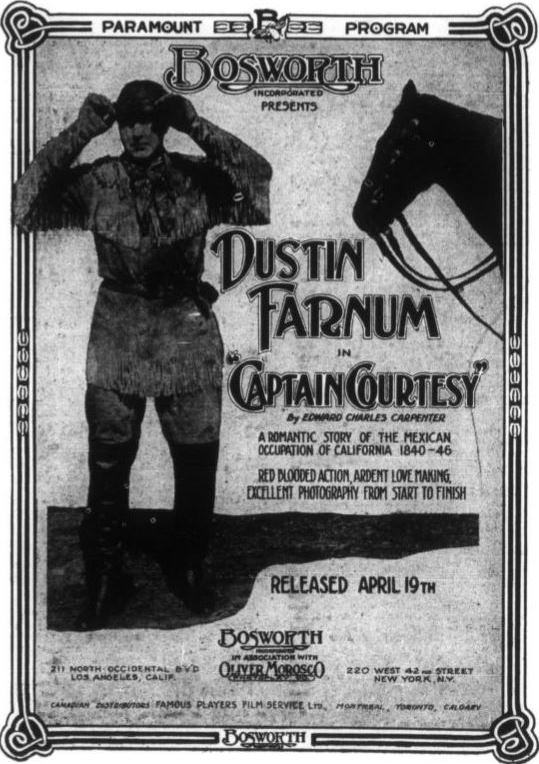
Dir: Phillips Smalley
In 1840, while California is ruled by Mexico, American settlers are in constant danger from Mexican marauders. After a band of Mexican soldiers led by American renegade George Granville kill the parents of Leonardo Davis, he vows vengeance and begins a career as a masked highwayman who terrorizes the Mexican offenders. Because Leonardo gives his plunder to those Americans who have been robbed, and he protects the women, children, poor, and helpless from attacks, he becomes known as "Captain Courtesy." At the San Fernando Mission, Leonardo falls in love with Eleanor, the orphaned ward of Father Reinaldo. For Eleanor's sake, Leonard renounces his mission of vengeance and joins the California Riflemen. When Granville learns about a cache of gold hidden at the Mission, he organizes an attack. Leonardo crashes through the stained glass window on his horse and rides to General Stephen Kearny's troops encamped in Los Angeles, who then rout the Mexicans. When Granville boldly admits that he slew the Davises, Leonardo fights him, but Eleanor persuades him to spare Granville's life.
View DetailsAnalysis relative to Scandal
| Film Title | Atmosphere | Complexity | Similarity |
|---|---|---|---|
| Idle Wives | Tense | Abstract | 93% Match |
| The Flirt | Ethereal | Linear | 95% Match |
| The Celebrated Stielow Case | Gothic | Linear | 94% Match |
| Betty in Search of a Thrill | Gothic | High | 95% Match |
| Wanted: A Home | Gothic | Layered | 95% Match |
This guide was algorithmically generated using the cinematic metadata of Phillips Smalley's archive. Last updated: 8/17/2026.
Back to Scandal Details →