Fenella, a poor Italian girl, falls in love with a Spanish nobleman, but their affair triggers a revolution and national catastrophe..
Daniel-François Auber, Eugène Scribe, Germain Delavigne, Lois Weber
United States
There is a moment, roughly seventeen minutes into The Dumb Girl of Portici, when the camera forgets it is tethered to terra firma. It levitates above the teeming Neapolitan quay, glides past masts and washing-lines, and finally spirals down toward Fenella’s open palm as though the lens itself were a gull scenting brin...
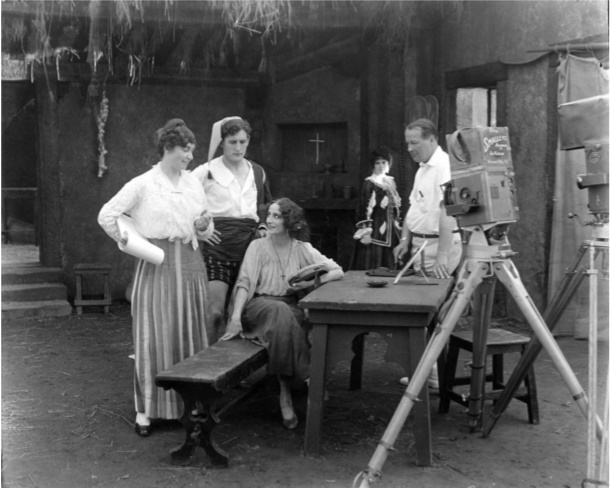
behind_the_scenes
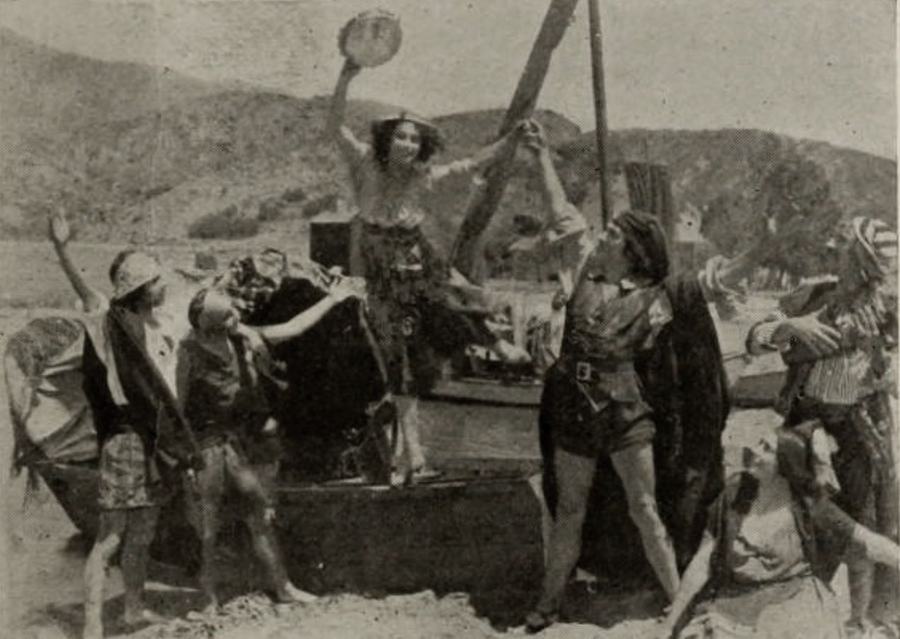
still_frame
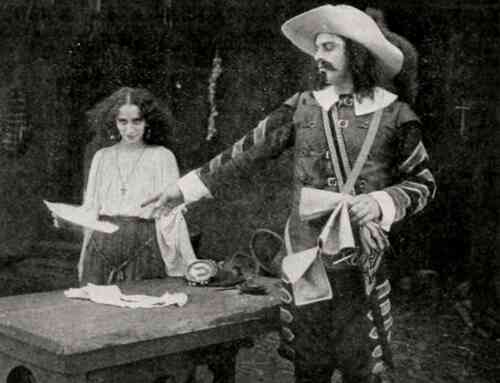
still_frame

product
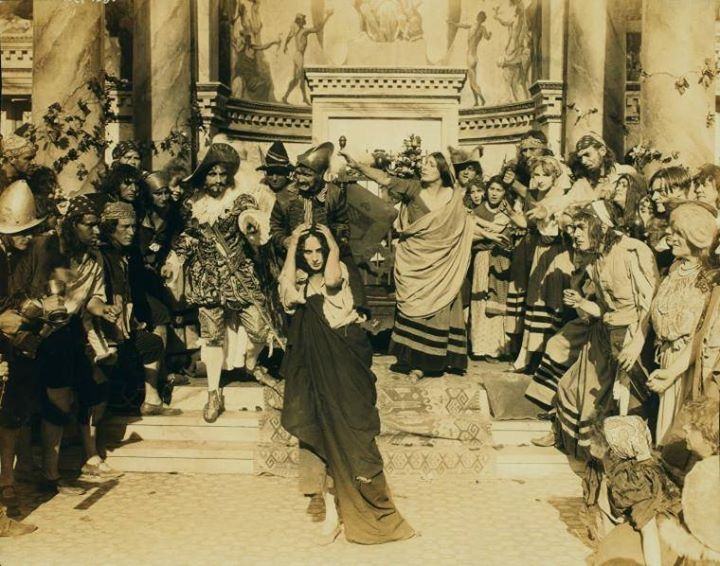
still_frame
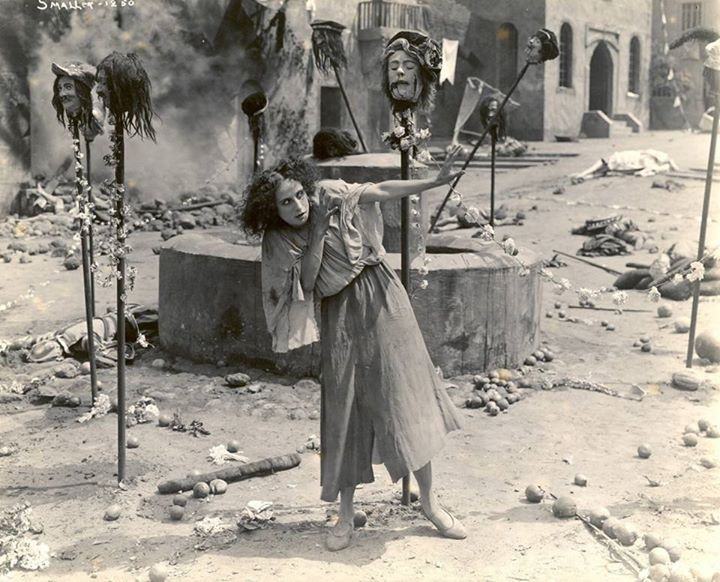
still_frame
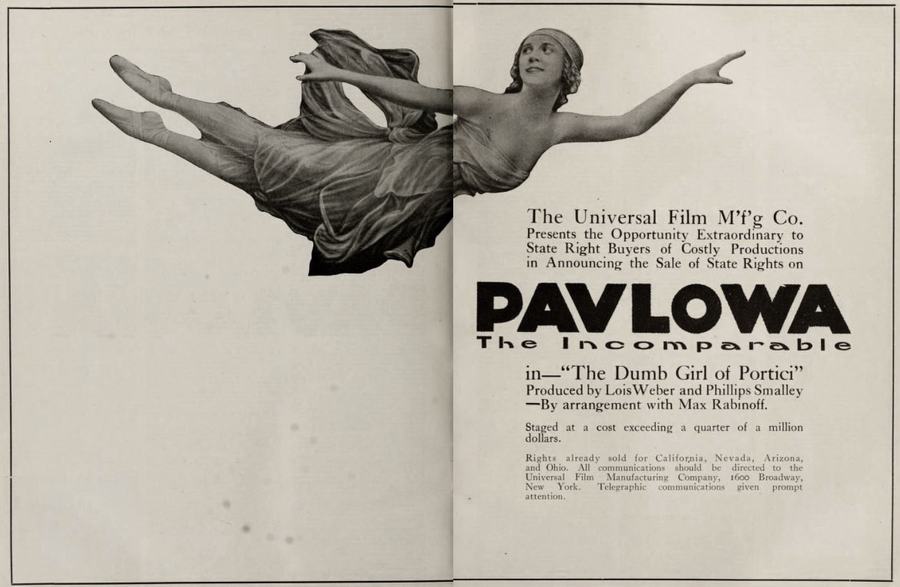
publicity
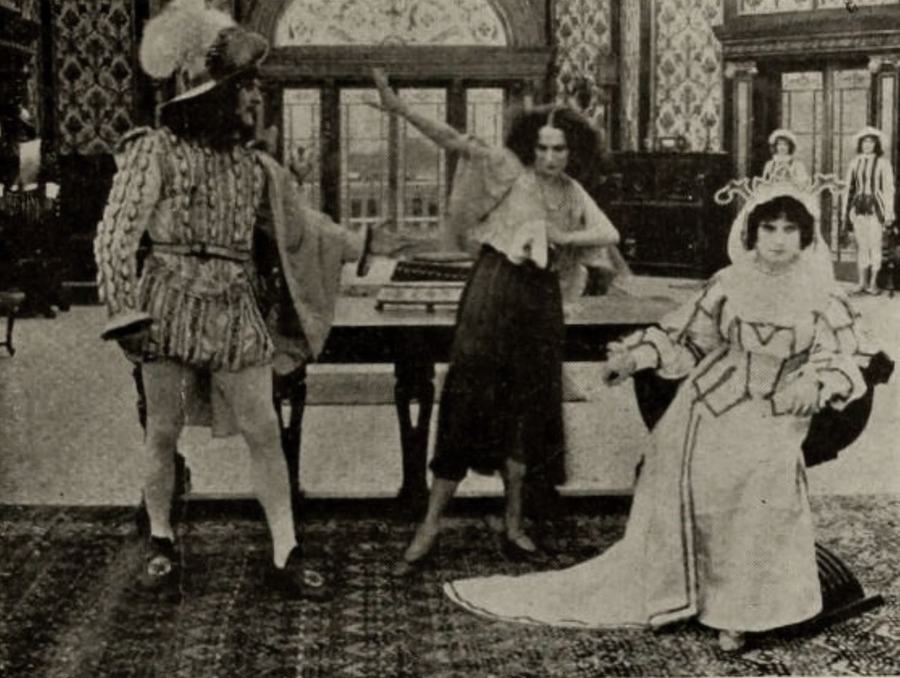
still_frame
Comparing the cinematic DNA and archive impact of two defining moments in cult history.
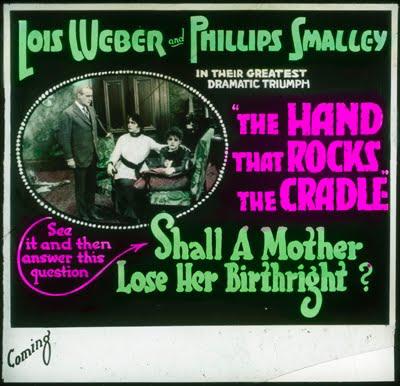
Phillips Smalley
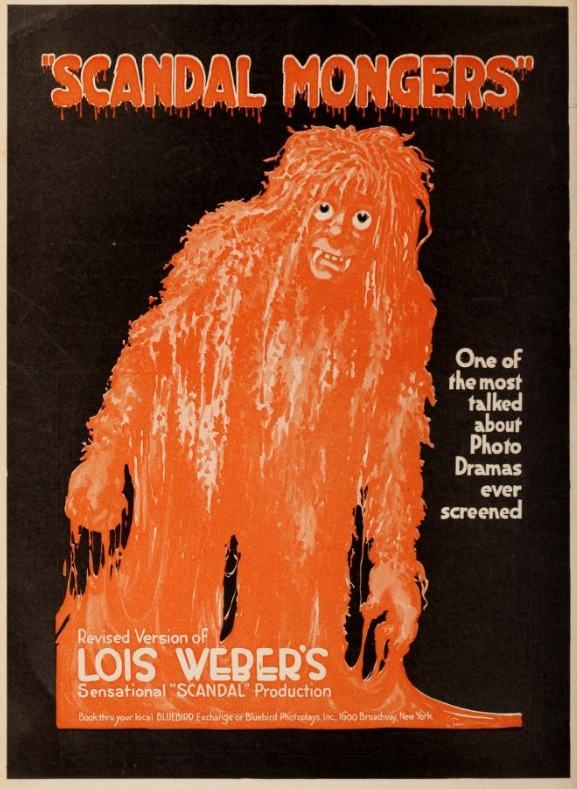
Phillips Smalley
Community
Log in to comment.
" There is a moment, roughly seventeen minutes into The Dumb Girl of Portici, when the camera forgets it is tethered to terra firma. It levitates above the teeming Neapolitan quay, glides past masts and washing-lines, and finally spirals down toward Fenella’s open palm as though the lens itself were a gull scenting brine and heartbreak. In that gyroscopic swoon, Lois Weber announces that silent cinema can be more than photographed theatre; it can be choreographed thought. The film never recovers ..."

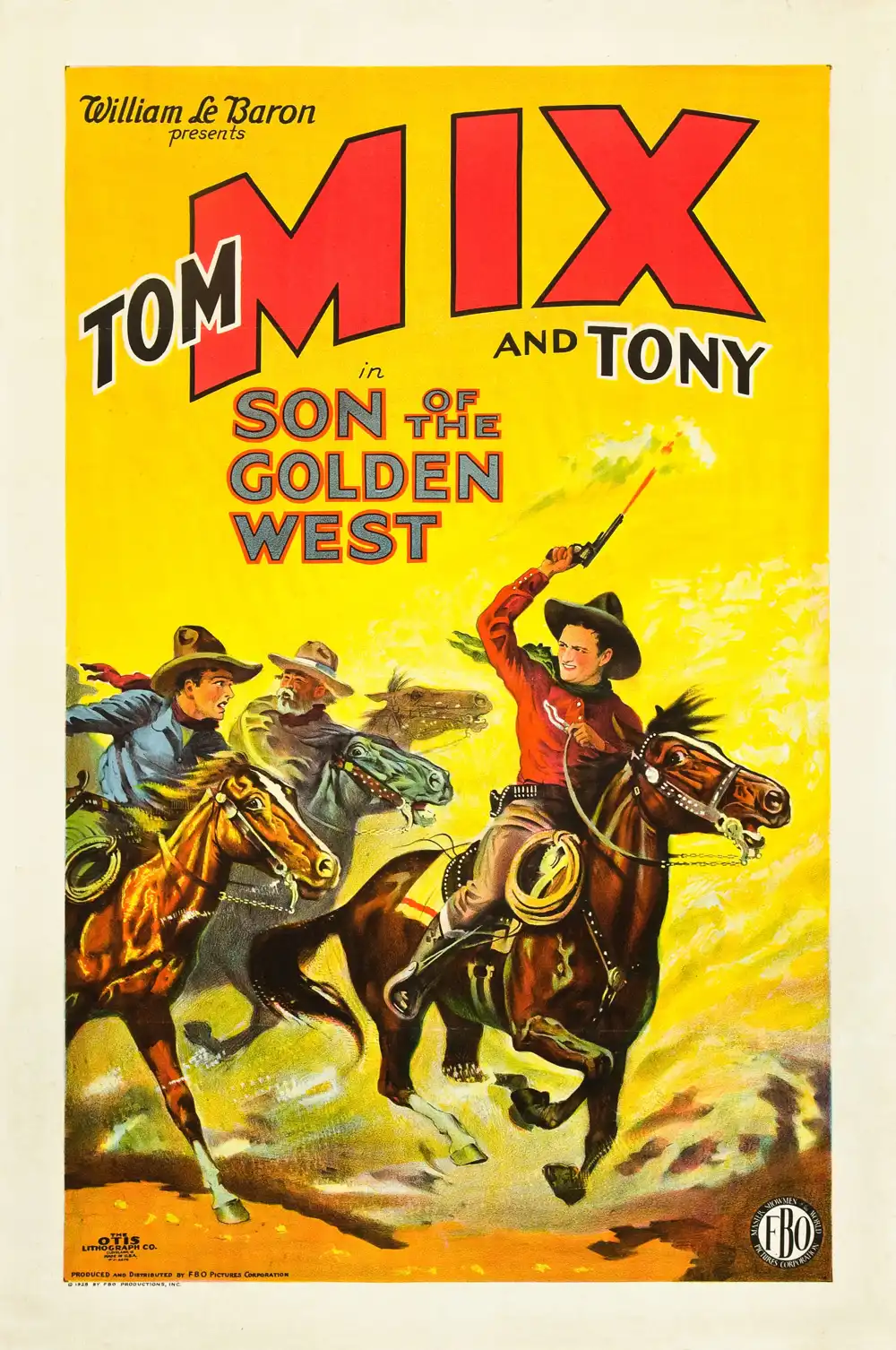
Deep dive into the cult classic
Discover similar cinematic experiences
A Directorial Spotlight on Phillips Smalley