
DbcultAccessing Vault...
Recommendations
Senior Film Conservator
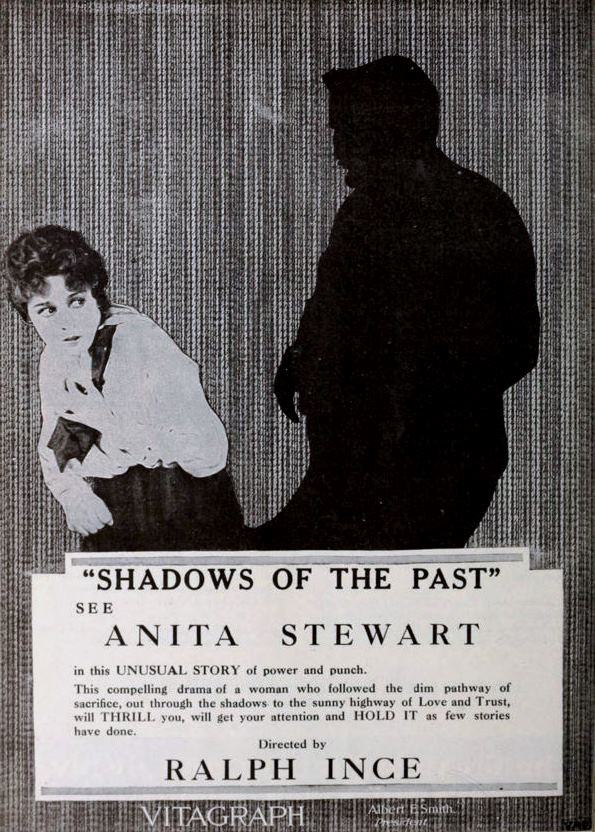
The evocative power of Shadows of the Past (1919) continues to haunt audiences with its cinematic excellence, the artistic provocations of Shadows of the Past demand a follow-up of equal intensity. Explore the following titles to broaden your appreciation for cult excellence.
The visceral impact of Shadows of the Past (1919) stems from to transcend the limitations of its 1919 budget and technology.
Mark Stetson, an unscrupulous politician, snares Brandon, his wife and their friend Antoinette in a smuggling racket and then, to protect himself, engineers their arrest. After their release from jail, the trio vows to make good. Brandon eventually lands a trusted post at an insurance company and Antoinette, who lives with the couple, becomes both secretary and sweetheart to Haddon, a popular gubernatorial candidate. Shortly afterwards, Stetson, an acquaintance of Haddon, sees Antoinette in Haddon's office and follows her to the Brandon home. Stetson, who has been offered ten thousand dollars by Haddon's political rivals to ruin his campaign, repeatedly threatens to expose Brandon's past and, under the pressure, Brandon finally agrees to help Stetson by "finding" Haddon with Mrs. Brandon at a café and then publicly denouncing him. On the prescribed day, with more threats of exposure, Stetson succeeds in trapping Antoinette in his accomplice's house. Apprised of the set-up, however, Antoinette escapes by a clever ruse and heads in a car for the café. Stetson and his accomplice pursue her closely but are killed by a train at a railroad crossing. Arriving at the café before Brandon, Antoinette foils the plot and then confesses her past to Haddon, who happily forgives her.
The influence of Ralph Ince in Shadows of the Past can be felt in the way modern cult films handle cinematic excellence. From the specific lighting choices to the pacing, this 1919 release set a high bar for atmospheric immersion.
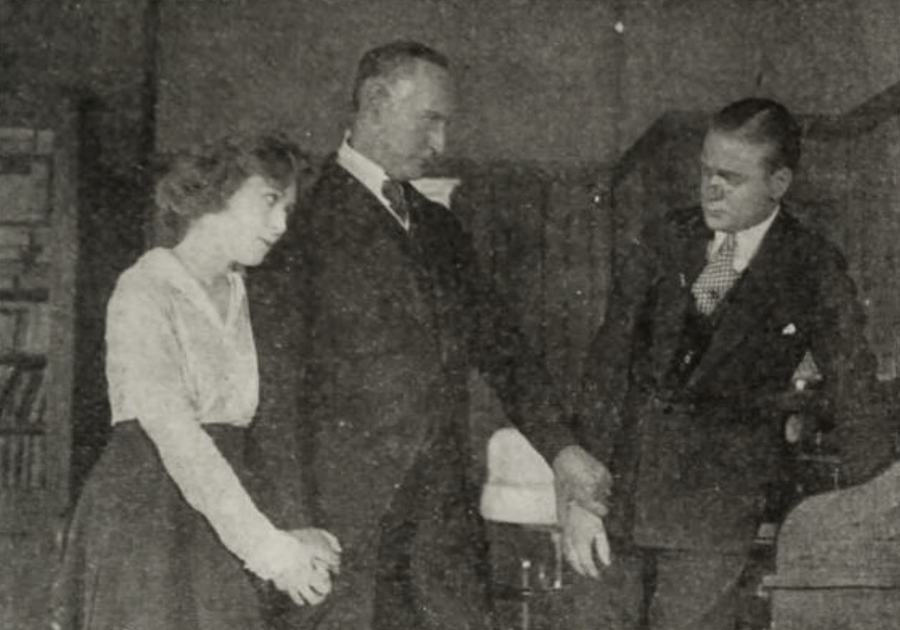
Based on the unique cinematic excellence of Shadows of the Past, our vault has identified these titles as the most compelling follow-up experiences for fans of cult cinema:
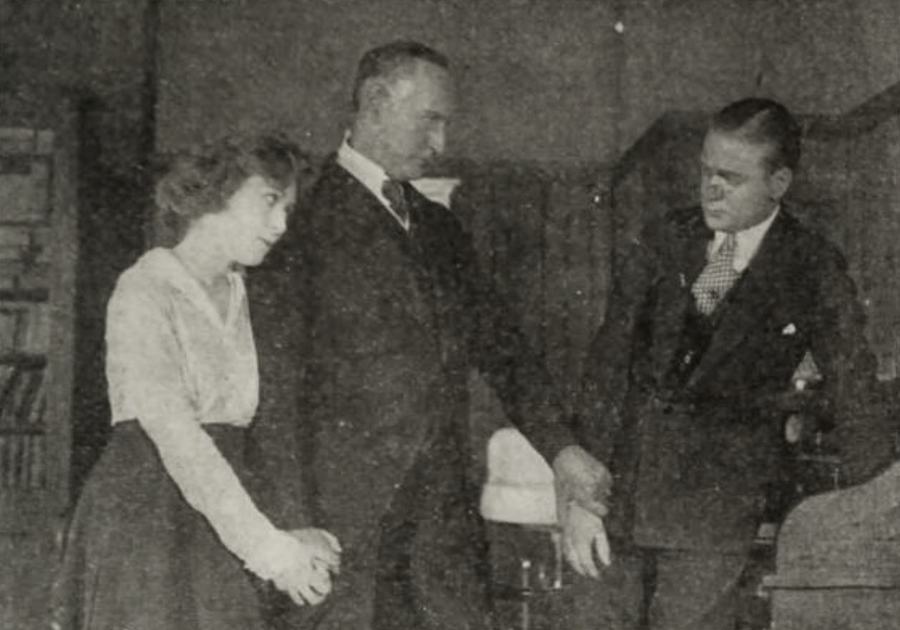
Dir: Ralph Ince
Mary Ellen McKay, a country girl, comes to New York to become a singer. She stops at a furnished room house, and expends her savings on useless lessons, for her voice is only mediocre. Harry Weatherby is a disappointment of his millionaire father, who hopes to make him a captain of industry. Instead, Harry is a ne'er-do-well. While visiting Dr. Cameron, a friend of the family, he sees Mary Ellen across the way, and a flirtation starts. It eventually results in marriage. Harry is afraid to break the news to his stern father; his mother does, and he does. Enraged, Weatherby visits Mary and tries to buy her off. But she spurns his money, and he changes his tactics. He tells her he likes her, that he will give a party in honor of the marriage. He enlists the aid of Silk Harrington, who brings along a number of his smart tenderloin friends who pass themselves off as society. They influence her to drink, and soon she is acting very foolish. Harry arrives, sees her condition, and denounces her, thinking this is her true self. Harry's father leaves her a check for $10,000 before he goes, if she will promise never to see Harry again. She crumples the check in her hand, when the truth dawns upon her, and it is later picked up by Silk Harrington, who plans to use it. Mary goes home, thoroughly crushed and humiliated. She tries to commit suicide, but a friend. Kate Weld, a trained nurse, who lives across the hall, and Dr. Cameron save her life. Learning she is a stranger in New York, Dr. Cameron takes her to his country home to recuperate. Harry plunges into business to forget, and his father is happy. Mary recovers her health, but her faith is shattered. She wants to go out into the world now and have a good time. Dr. Cameron argues in vain. He decides to take her sightseeing. First he takes her to Cherry's, then to the Haymarket, where she sees the broken-down men and women. He tells her that is the price that must be paid. Lastly he takes her to his mission on the East Side. Here he tells her a story. He, too, was in love and lost. He tried everything in his pursuit of forgetfulness, and finally discovered solace for his sorrow in brightening the lives of others. Mary tells him she, too, wants to do this work. Meanwhile Harrington tries to pass the check. Harry is summoned to the bank and learns the truth through Harrington. He goes home and a big scene follows between him and his father. He eventually locates Mary. At first she does not want to forgive him, but she finally capitulates.
View Details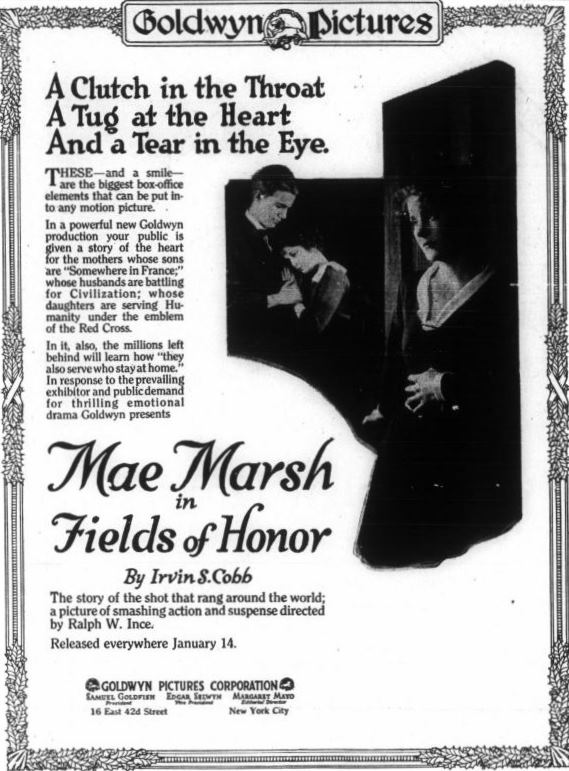
Dir: Ralph Ince
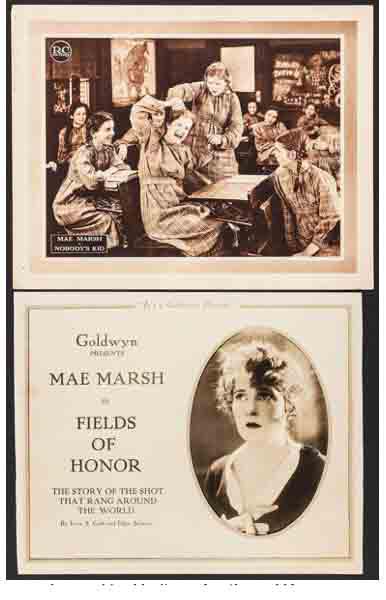
Marie Messereau, with her sister Helene and brother Paul, emigrates from France to America, the land of promise, accompanied by Helene's German fiancé, Hans Grossman. The four find employment, and all goes well until Paul and Hans are called back to Europe to fight in World War I. Robert Vorhis falls in love with Marie, but because a rejected suitor tells him that Marie's reputation is stained, he accompanies his parents to California to forget her. Helene contracts tuberculosis, and when Marie, in seeking the location of a hospital for consumptives, asks several men their address, she is arrested for street walking. Robert's father, Judge Vorhis, acquits her, but upon returning home, she discovers that Paul and Hans have been killed in battle and that her sister has committed suicide. Broken, Marie decides to return to France and is about to sail when Robert, who has been unable to forget her, rushes up the gangplank and takes her in his arms.
View Details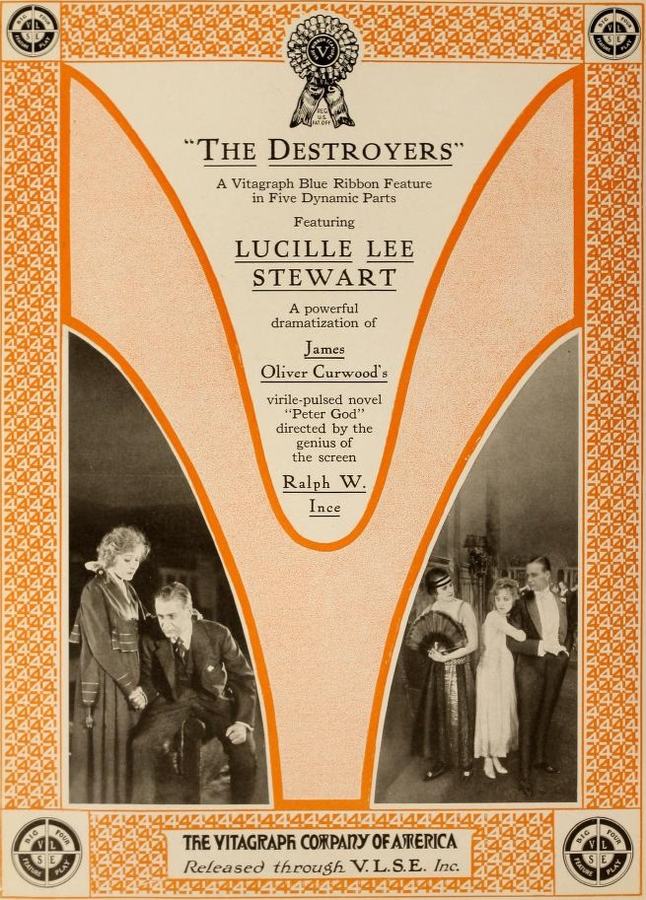
Dir: Ralph Ince
Canadian Mountie Philip Curtis is telling Josephine McCloud, with whom he is in love. about a hermit who once saved his life and nursed him back to health. Josephone remains impassive until Philip tells her the hermit's name: Peter God. At the mention of his name, Josephine begs Philip to find Peter and take him a letter she had written to him. Puzzled but not wanting to deny anything to the woman he loves, he sets out to find Peter, but when he does he discovers that Josephine has a connection to Peter that Philip knew nothing about.
View Details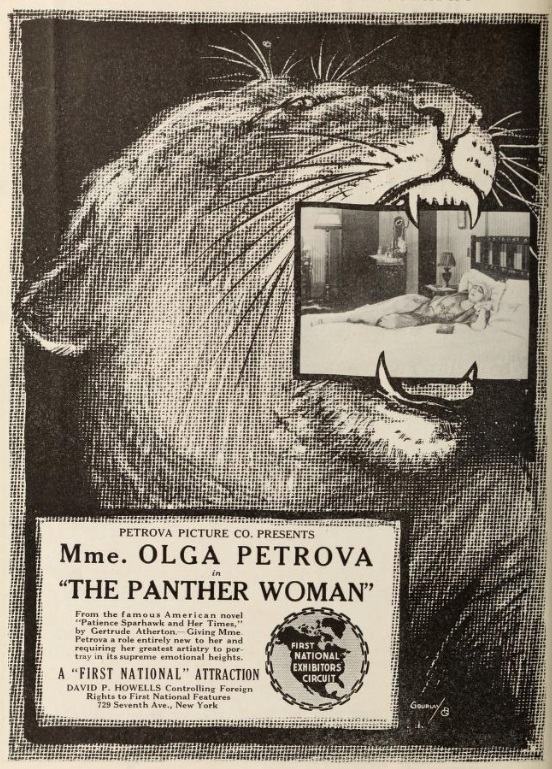
Dir: Ralph Ince
Following his wife's death, John Sparhawk takes his daughter Patience out West to a small mining town, where he meets and marries a dance hall girl. Patience's stepmother attempts to force the beautiful young woman to work in the dance hall, but on the advice of visiting criminal lawyer Garon Bourke, Patience refuses and returns to the East. Eventually she marries Beverly Peale, and when he is found poisoned, Patience is arrested for murder and sentenced to die. Through Garon's efforts, however, Patience ultimately escapes the electric chair.
View Details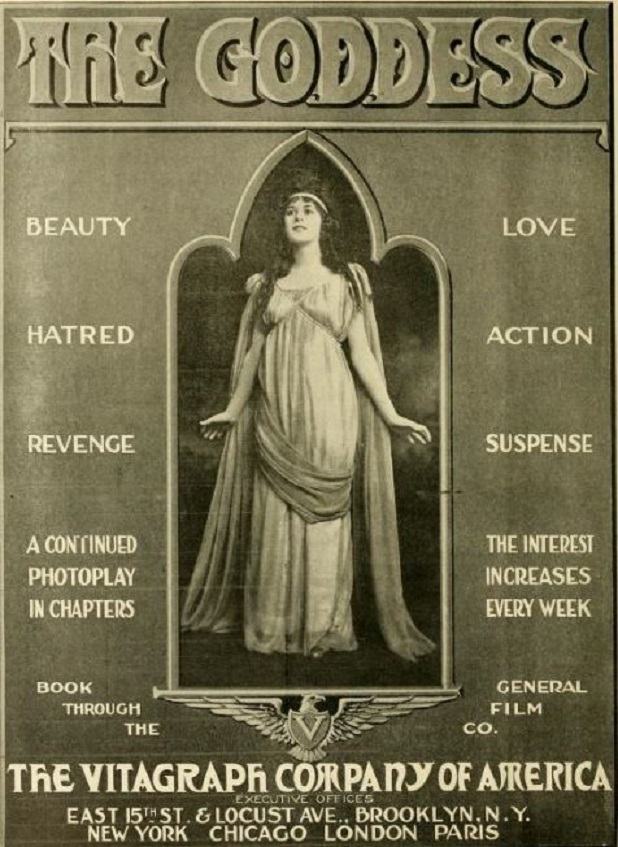
Dir: Ralph Ince
A young girl is reared on a desert island by natives and led to believe that she is a goddess. One day an outsider comes to the island, and persuades her to accompany him to preach about the kindness and love she has experienced. She agrees, but she's soon confronted by the problems and travails of the "outside" world.
View Details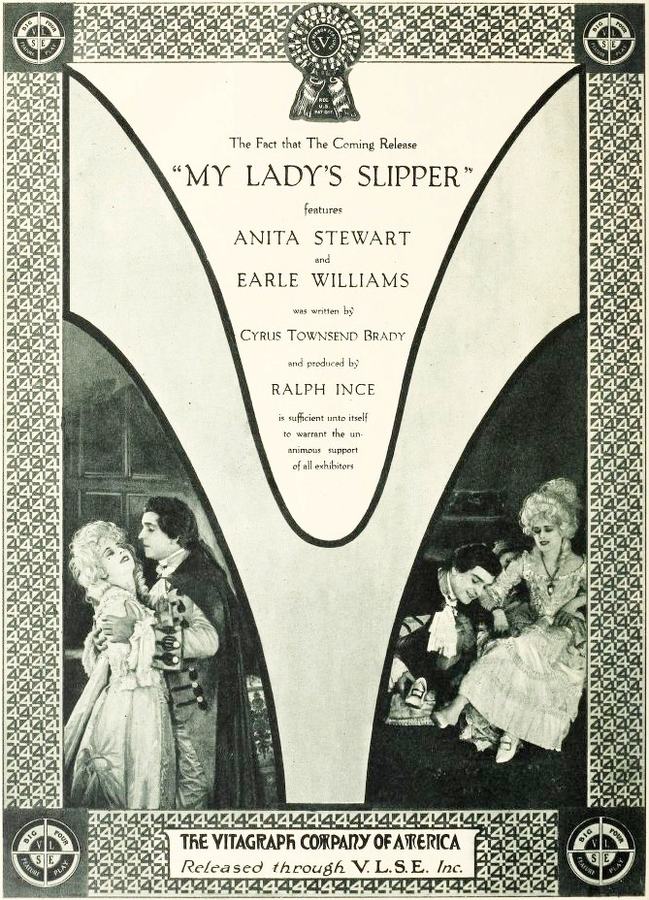
Dir: Ralph Ince
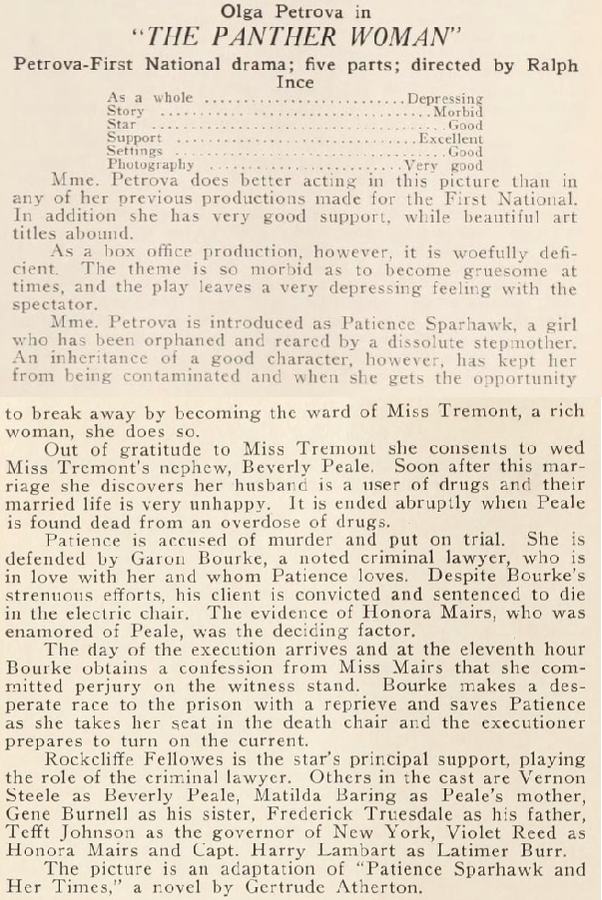
Francis Burnham, a young American naval officer in the time of King Louis XVI of France, escapes from a British convict ship. He is desirous of reaching Paris to see Benjamin Franklin, then his country's Minister, but upon his arrival there learns Franklin is away. He meets Bucknall, an old shipmate, and earns his everlasting gratitude by helping him out of financial difficulties. Later, strolling through the suburbs of Paris, he has the good fortune to rescue a beautiful lady from a highwayman, but does not learn her name. Meanwhile his restless nature gets him into gambling, he loses all and becomes indebted to a stranger who proves to be the Marquis de Tremignon. By threats and promises to wipe out his obligations, the Marquis secures Burnham's aid in the scheme he has in mind. He tells the young American that he is in love with the Countess De Villars. and she with him but her grandfather objects, so the Marquis plans to force his consent by securing some article of wearing apparel from the Countess and thus compromise her. Burnham is to be his agent. He does not think very highly of the job, but when the Marquis threatens him with imprisonment, he consents. That night he enters the Countess' apartments and succeeds in securing one of her slippers but is confronted a moment later by the lady herself. She proves to be the lady he rescued from the highwayman. Crushed and humiliated, Burnham tells his story and she believes him. He learns that she hates the Marquis and that the rascal is really trying to force her into a marriage in this cowardly fashion. Before she goes she gives him her slipper to take to the Marquis, but instead he keeps it and denounces that gentleman to his face for which he is imprisoned. The slipper Burnham entrusts to Bucknell for safe keeping, and the old seaman takes it to the Countess, telling her what has transpired. She helps Burnham to escape from prison, but he is captured by the Marquis's soldiers before he can reach the border. The Countess's influence, however, secures an audience with Queen Marie Antoinette, as a result of which the Marquis is humiliated while Burnham is freed, and marries the Countess.
View Details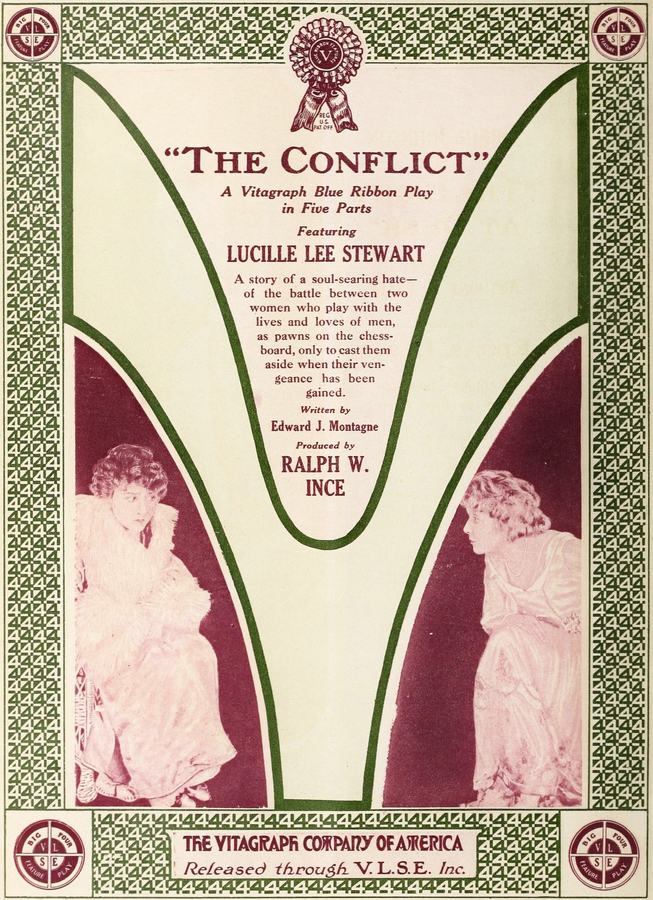
Dir: Ralph Ince
Two women crave the love of the same man; one is pretty, proud, spirited, and poor; she offers him love. The other is equally pretty, proud, and spirited, but rich; she offers him everything money can buy. The rich one wins. This was not really the beginning of the rivalry of Madeleine and Jeanette; they had had petty differences in their home town when Madeleine, the poor girl, had refused to bend the knee to the other. But with this victory in love is born a new hatred, which Jeanette proceeds to intensify by having the other girl's father discharged from his position, thus forcing her to leave school and work for sustenance. Madeleine goes on the stage, and years later she is a popular actress. Jeanette, meanwhile, has discarded Paul, in favor of Henry Mortimer, a rising young lawyer to whom she has become attached. Mortimer becomes enamored of Madeleine, who considers him just another of her army of admirers and leads him on as is her custom. Jeanette sees that her rival is trifling with the affections of the man she loves. She goes to Madeleine and beseeches her to send him away or she will ruin two lives. Madeleine consents to her request, but then comes recognition all the old hatred returns. She retracts her promise and determines to marry Henry, though she does not love him, to strike at the heart of the woman who had caused her so much pain. After the marriage she is cold to the affection he showers upon her. Then her path crosses Paul's once more and her old love for him is rekindled. Henry learns of their association and orders Paul never to enter his house again. A new love is born in Madeleine's breast, the love for her husband. But there is a wide breach between them now caused by her associations with Paul and her gambling habits of which Henry disapproves. He refuses to pay her debts. When Paul calls on Madeleine for a loan, she refuses him and he rifles Henry's safe. That night, Henry notices the deficit and thinking his wife has taken the money to pay her debts, he accuses her of theft and leaves her. Rumors come to his ears that Paul is with his wife, and placing a revolver in his pocket, he starts for the house, intent on settling the affair. Paul, meanwhile, is trying, with small success, to regain Madeleine's love. When his attentions begin to get offensive, she threatens him with a revolver to keep his distance. Under the influence of liquor, Paul advances toward her, and stumbles over a chair, bruising his head. Madeleine rushes out to the kitchen to get some water, and, while there she hears a shot and returns to find Paul dead and Henry standing over the body. Each believes the other guilty and takes the responsibility for the crime. Henry is taken into custody; Madeleine's story is not believed. At the trial Henry is saved from dying for another's crime when Jeanette breaks down and confesses that she had been hiding in Madeleine's room on the day of the murder, and when the latter had gone for water she had grasped the opportunity to shoot Paul who, she said, had been planning to tell the truth in regard to the robbery. Knowing that this would bring about a reconciliation between Henry and his wife and that she would never be able to win his love, she had shot Paul and is now willing to suffer for her crime. Out of sorrow and suffering, come faith and love forged anew for Henry and Madeleine.
View Details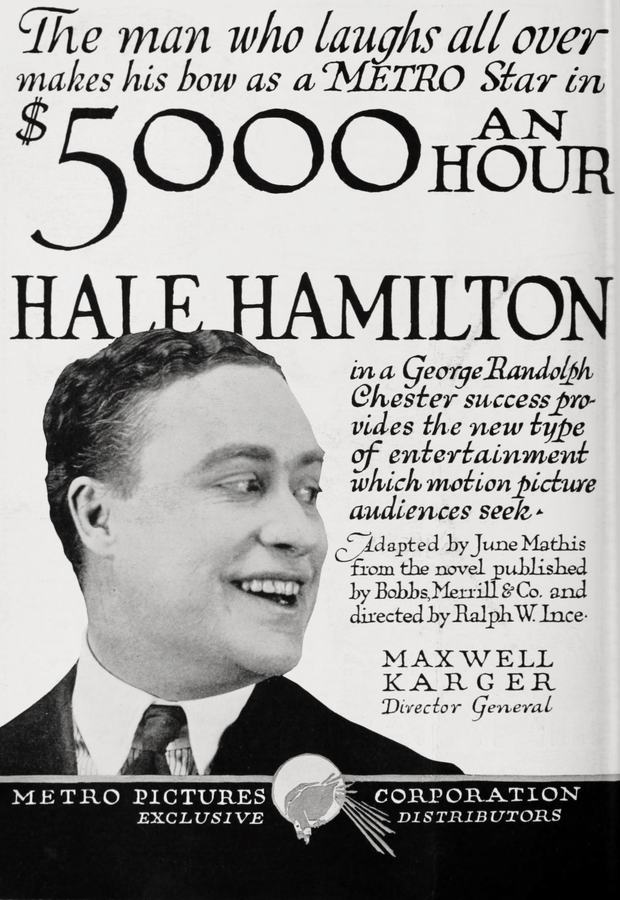
Dir: Ralph Ince
After his business partner, Paul Gresham, absconds with the company funds and books, Johnny Gamble's irrigation company folds, leaving him to pay his stockholders their claims. After parting with his last dollar, Johnny wins $15,000 on a long shot at the racetrack and meets the beautiful Constance Joy. When Johnny learns that Constance will inherit one million dollars if she weds Gresham at the end of six weeks, he decides to earn the same amount -- $5,000 an hour -- by that date and marry her himself. Despite Gresham's efforts to double-cross him, Johnny succeeds in earning all but $15,000 of the required million by the appointed time. With fifteen minutes left him, Johnny purchases a kiss from Constance for $15,000, thereby defeating Gresham and winning the girl he loves.
View Details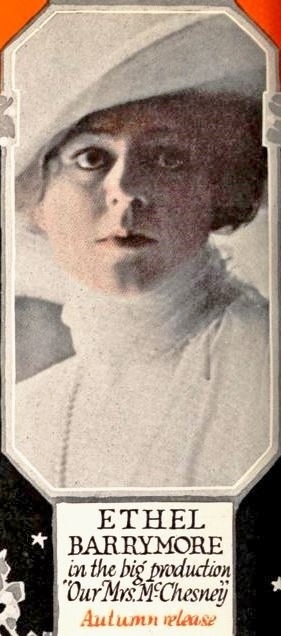
Dir: Ralph Ince
Mrs. Emma McChesney is a determined and successful traveling saleswoman for T. A. Buck's Featherbloom Petticoat Company. When Buck dies and his son, T. A. Buck, Jr., takes charge, the company suffers and Emma nearly accepts a job offer from Buck's rival, Abel Fromkin. On her last sales trip, however, she learns that her son Jack has married chorus girl Vera Sherwood, and because Buck demonstrates such concern for the boy, Emma decides to remain with him. Distraught that Jack has married so young, Emma sends the bride away to boarding school while Jack takes a job with the company. Later Emma discovers that the firm is approaching bankruptcy, so she invents a new skirt which, as modeled by Vera and promoted by Jack, rocks the fashion world and saves Buck's company. Having fallen in love with Emma, Buck proposes and she accepts.
View Details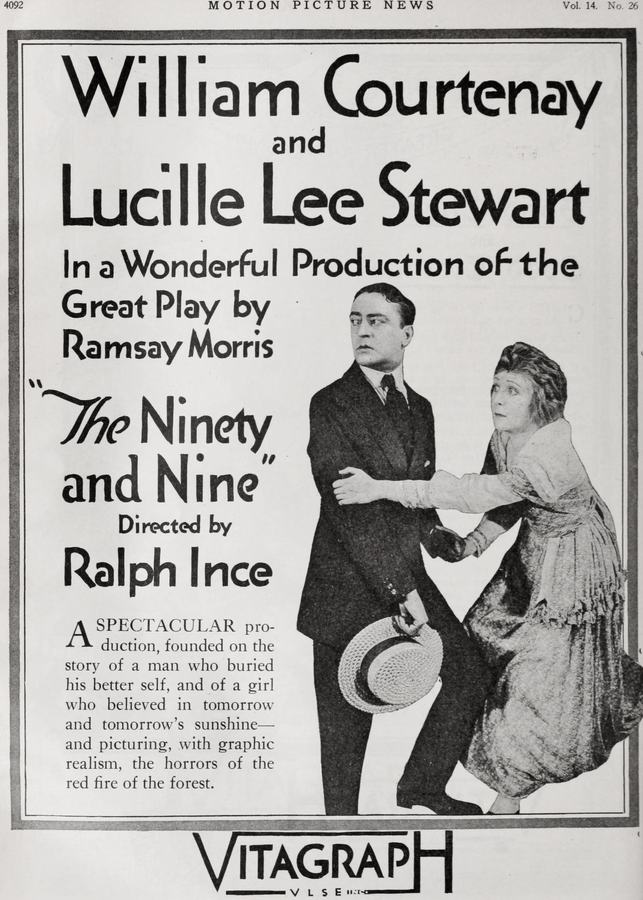
Dir: Ralph Ince
Ruth Blake lives with her father and mother in Marlow, a small town in the west. To this town comes Tom Silverton from the city. He is always intoxicated, and Ruth sets to work to reform Tom. To Marlow comes Kate Van Dyke, a city girl, and her fiancé. They stop at the Blake home. When Tom seen Kate there is mutual recognition, but when questioned both deny they have ever met one another before. Tom starts to drink heavily again, and Ruth drags him out of the tavern one day and sends him home. Her father, infuriated, forbids her to ever see the man again. There is a big barn dance, and all go, except Ruth, who refuses to go because Tom has not been invited. Blake warns his daughter again if he ever sees Silverton in his house he will kill him. Tom comes to bid Ruth goodbye for he is going away. She makes a final plea with him to reform, and he promises to make one more effort. Spying on the two is Buddy Bryson, a half-witted boy in love with Ruth. He hurries to the barn dance and tells Abner that Tom is in the house. Abner comes back. Ruth, afraid of her father's wrath, persuades Tom to escape via her bedroom window. Abner comes and she denies he has been there. He learns the truth and orders her from his home. Tom goes to the next town, Cleves, and he is there but a short time when he hears that Ruth is stopping with her aunt there. To her he goes. He breaks down and reveals the mystery that has surrounded him. In New York he was in love with a beautiful girl, Kate Van Dyke. Her weak brother committed a murder, and she begets him to flee and take the blame, for if he did so she would join him later and marry him. He fled, but instead of joining him she becomes engaged to another. He sought consolation in drink. But he is free now for her brother died in a foreign country, and before he died he confessed his guilt. In Marion the people are suffering the most intense heat of the summer. A forest fire breaks out and the entire town is threatened. They summon help, but none can be secured. Ruth and Tom learn of the predicament of Marion. They have been told there are freight cars there and all they need is an engine. Tom and Ruth secure an engine, and Tom drives through the raging forest fire and saves the population before the town is wiped out.
View DetailsAnalysis relative to Shadows of the Past
| Film Title | Atmosphere | Complexity | Similarity |
|---|---|---|---|
| His Wife's Good Name | Gothic | Abstract | 89% Match |
| Fields of Honor | Gothic | High | 90% Match |
| The Destroyers | Gritty | Layered | 88% Match |
| The Panther Woman | Gritty | Abstract | 89% Match |
| The Goddess | Ethereal | Linear | 93% Match |
This guide was algorithmically generated using the cinematic metadata of Ralph Ince's archive. Last updated: 6/26/2026.
Back to Shadows of the Past Details →