
DbcultAccessing Vault...
Recommendations
Senior Film Conservator

If the cult status of John Ince's work in Should a Woman Tell? left an impression, the cinematic shorthand used by John Ince is both ancient and revolutionary. We've prioritized films that capture the 1919 aesthetic with similar precision.
By merging cult status with cult tropes, it to articulate the unspoken anxieties of United States's 1919 era.
On a visit to the city of Boston, a village girl is taken advantage of by a man there and returns home feeling sullied and ashamed. A young man who had once sought her hand returns from years away in Europe and reiterates his suit. She returns his love and agrees to marry him, but has difficulty telling him the truth about her misadventure. When she finally does, his response seems to doom the pair to tragedy.
Based on the unique cult status of Should a Woman Tell?, our vault has identified these titles as the most compelling follow-up experiences for fans of cult cinema:
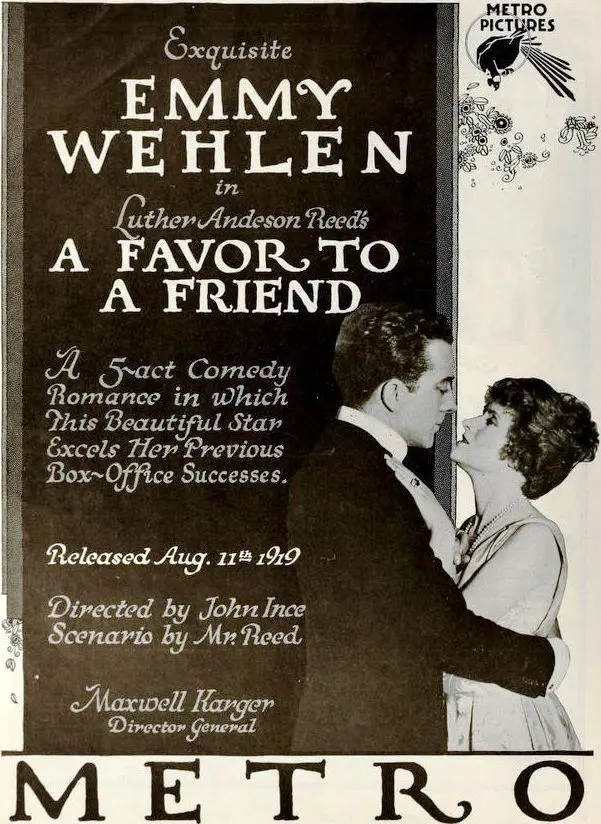
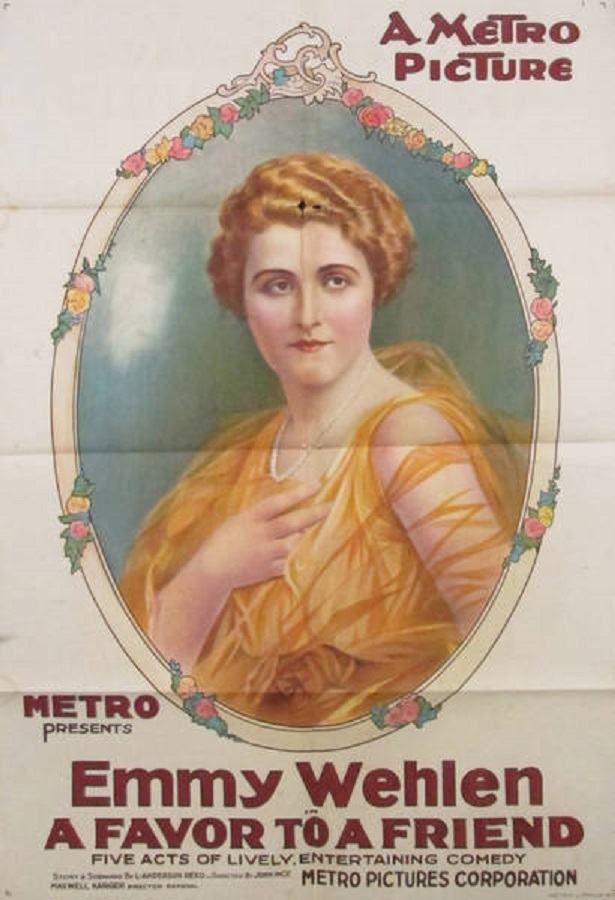
Dir: John Ince
When Mary Worthington will not sign a document absolving the executors of her late father's estate from the loss of money due to mismanagement, they lock her up to force her to comply. Meanwhile, Danny Abbott, a press agent for Mary's friend, Gloria Morning, and two East Side Jewish backers, worry that Gloria's failing musical, The Purple Pagoda , will ruin them. Danny persuades his friend Robert Garrison to kidnap Gloria and release her before showtime, thus creating a news item to attract ticket buyers. When Mary escapes and approaches Gloria's apartment, Garrison, thinking that she is Gloria, kidnaps her. Mary plays along to escape the executors and falls in love with him at his cabin where they fight off Gloria's would-be rescuers. After the executors find Mary and take her to an insane asylum, Garrison saves her, they marry, and Gloria's show becomes a success.
View Details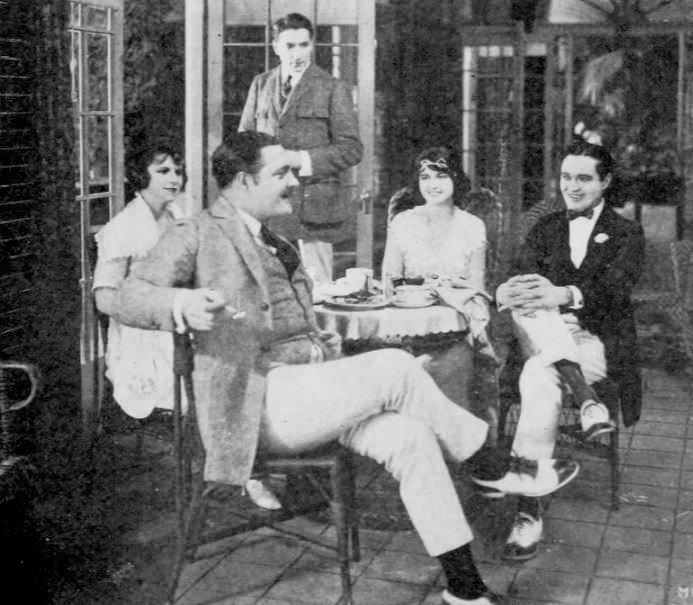
Dir: John Ince
Alias "the Dancer," fashionable society crook Jimmy Burke is hot on the trail of the Brent diamonds. Upon learning that Molly Brent and her diamonds are the stars of an amateur play, Jimmy obtains the leading man's part and devises a plan to steal the jewels. Molly falls in love with her leading man, who plans to switch the gems with fakes during the performance. After the play, the police question the couple and Molly declares that the robbery was part of the drama. When she discovers Jimmy's deed, she begins to cry and "the Dancer," realizing that he is in love with his victim, renounces his profession.
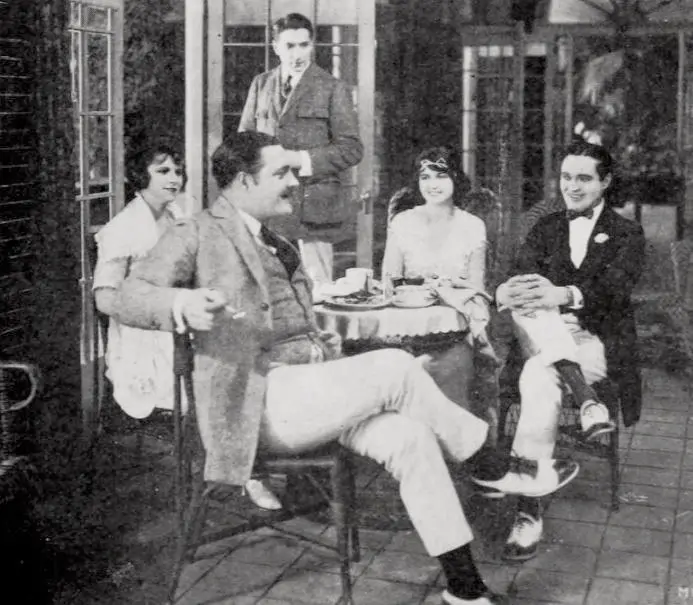

Dir: John Ince
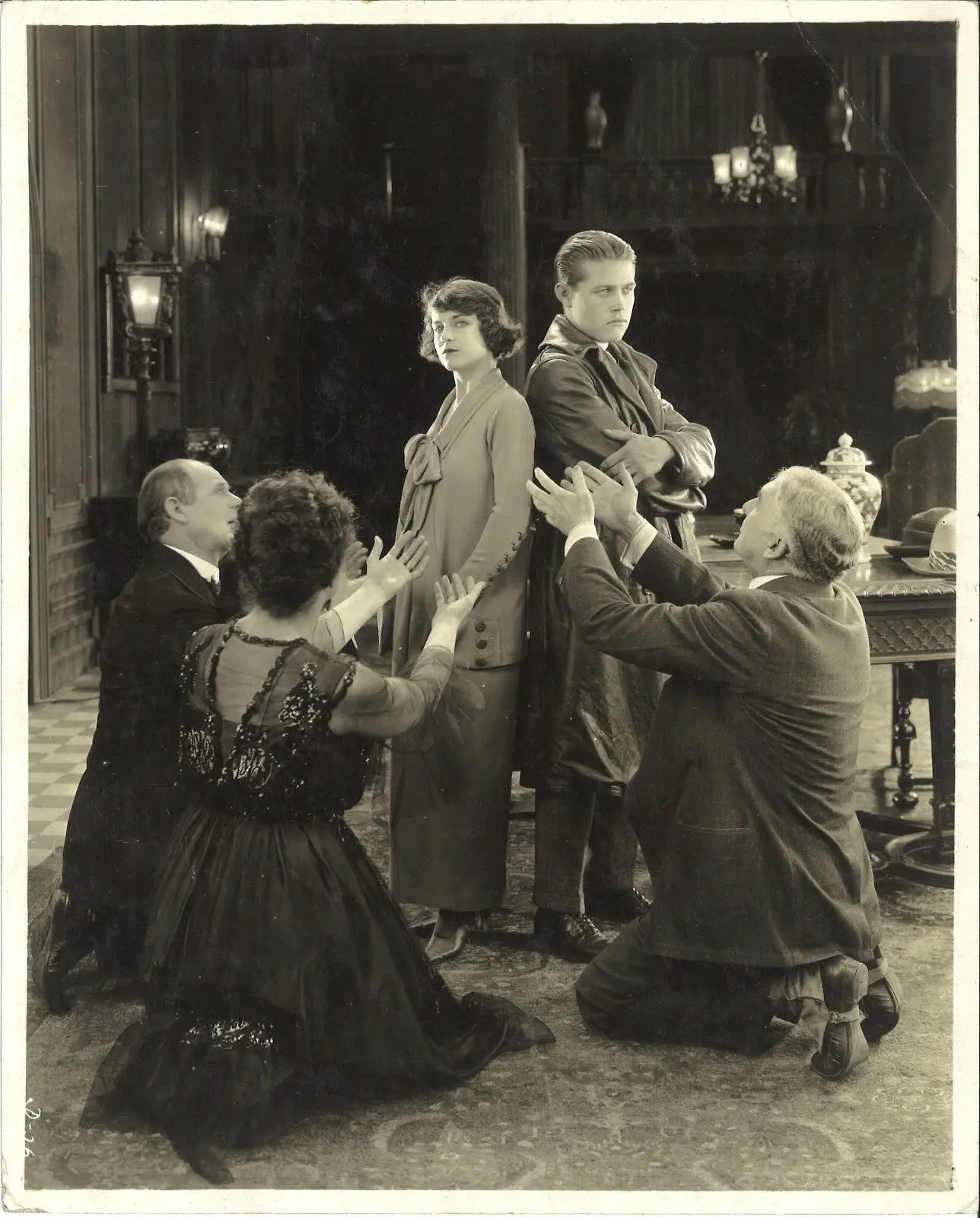
Muriel Ashley is engaged to Ferdie Walton. Ferdie's father opposes the marriage; Muriel's parents favor it. The couple are married by a strange parson who wanders into the Ashley home, then after they leave for the honeymoon, Ferdie's father discovers that the clergyman is a crook. He notifies the hotel and the young couple are ordered out. They return to the bridal suite by way of a window, but the hotel catches fire and they escape. They go to the Ashley home where they learn they are actually not married. The "clergyman" who married them breaks into the house and is captured. Rev. Dr. Jenkins identifies him, however, as a genuine clergyman who has been suffering loss of memory; thus the marriage turns out to be legal after all.
View Details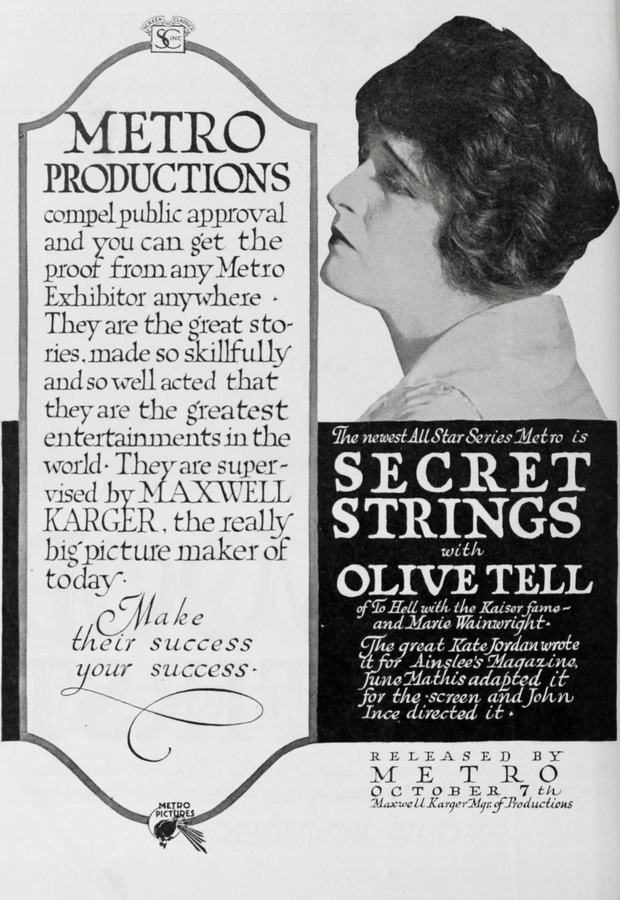
Dir: John Ince
Janet Newell learns that her husband Raoul is a crook and leaves him. However, when he offers her a position as companion to the wealthy Richard de GIles and his wife, she accepts, believing that they hold a property deed that rightfully belongs to Raoul's friend Langstreet. Janet is established in the de Giles' Long Island estate, where she falls in love with the kind old couple's nephew, Hugh Maxwell. Soon Raoul appears, and although Janet now realizes that she has been a pawn in his plan to rob the de Giles' jewels, she is forced into silence by his threat of revealing her marriage to Hugh. On the appointed evening, Ross, the butler, drugs the de Giles' coffee and joins Raoul, who has opened the safe with ease. As they are about to escape, however, the de Gileses--who are actually detectives assigned to capture Raoul's gang--appear, bearing guns and pronouncing the crooks under arrest. Raoul grabs a gun but is shot and killed. Janet is left a single woman, but only temporarily.
Dir: John Ince
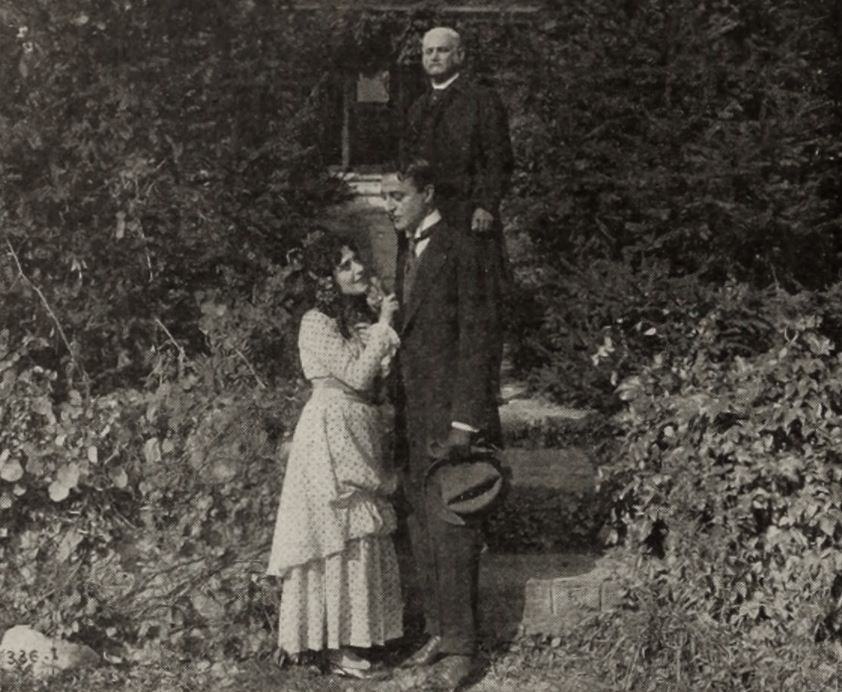
Cyril Maitland and Henry Everard, friends since childhood, are of contrasting temperaments, the former hot-headed and rather impractical, the latter cool-tempered and possessed of a sane viewpoint. Cyril, studying for the ministry, is engaged to Henry's sister Marian, and Henry, studying medicine, is engaged to Cyril's sister Lillian. Unable to resist temptation, Cyril ruins a girl of his parish, Alma Lee, and when a child is about to be born, her father swears to kill the man, but Alma conceals his name. On the night the child is born, Alma's father is found dead. Cyril, being about Henry's build, has worn his clothes, and witnesses see him in the vicinity of the woods where the crime was committed. Henry is convicted of the crime of which Cyril is guilty. Lillian alone believes him innocent, and is sent to prison. Alma declares him to be her child's father. Cyril, believing his calling in the church above all other things, keeps silent, but at the last moment, about to speak, is held back by his father, who thinks him unstrung. Cyril marries Marian, but his conscience tortures him almost beyond endurance and his life becomes a living hell. Finally Henry is released after 20 years in prison, and he attends the cathedral presided over by Cyril, who has become the great Dean Maitland, the most eminent preacher in the country. Cyril sees Henry in the congregation and there is a powerful scene. Cyril meets his son, with a letter from Alma asking for his education, then Alma dies, and her son, learning his identity, renounces his father. Marian dies, and Cyril's troubled soul is grief and conscience-stricken. Henry, seeing the terrible pain of recognition in the cathedral, and remembering his old love for Cyril, now so changed, writes a letter of forgiveness to him, when beyond all endurance, Cyril's pride now broken, repentance enters his soul. The next day, Sunday, his sermon is at first a trite appeal to repentance, and then a dramatic confession of his own sins, when, falling from the pulpit, he drops dead. And after the storm, the sunshine: Henry and Lillian live happy in their true and undying love.
View Details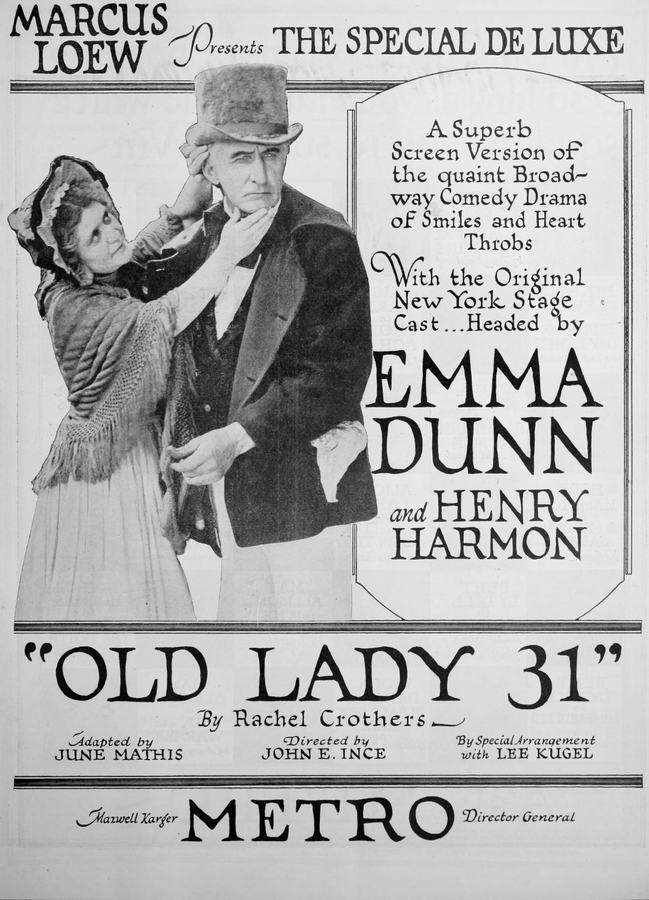
Dir: John Ince
Older couple Abe and Angie Rose lose their life savings in worthless mining stock; their last $100 is for Angie to live in the Old Ladies' Home, while Abe must content himself with the poorhouse. Their parting at the gate of the institution affects the inmates so deeply that they make arrangements for Abe to remain there as "Old Lady 31." Once there, the ladies almost nurse Abe to death, and when inmate Blossy's new husband, Captain Darby, suggests he escape, Abe welcomes the opportunity. Remorse overtakes him, however, and he returns to discover that the mining stock is worth enough money to buy back the Roses' old house.
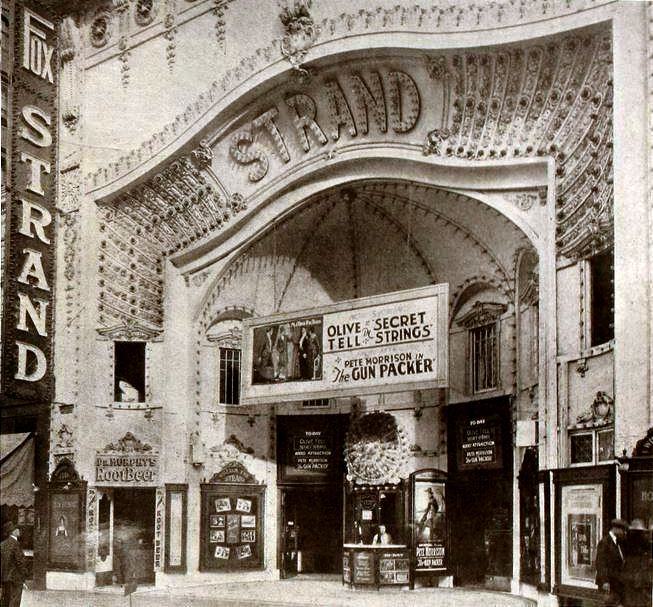
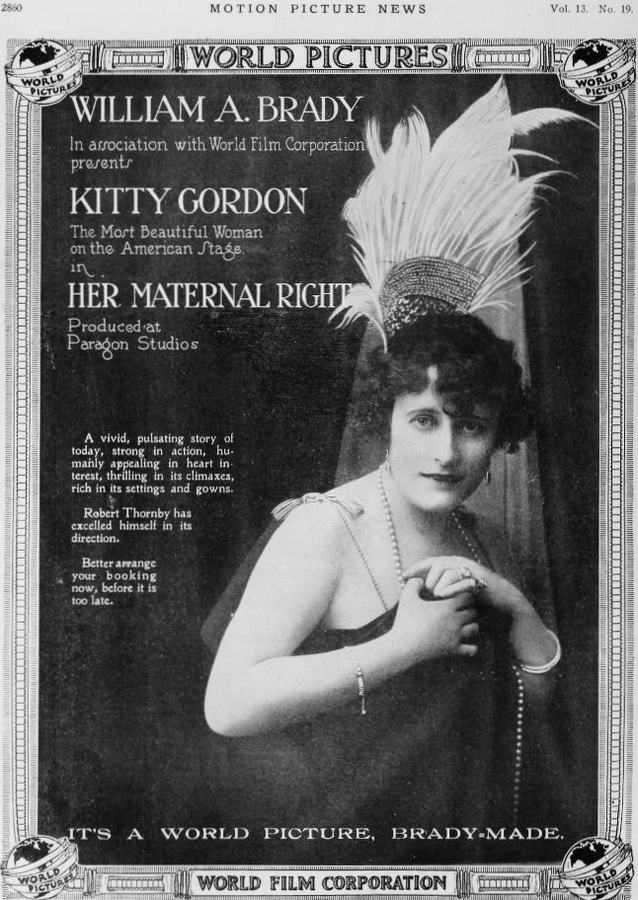
Dir: John Ince
Actress Nina Seabury is only interested in her lovers' bank accounts, but in the case of Emory Townsend, she miscalculates and believes he's a bank president when he's just a cashier. Hoping to afford her tastes, he steals $12,000 in bank funds, but she still breaks up with him, and he falls in love with Mary Winslow. A few months later, however, a detective working on the bank-funds case find evidence implicating Emory. Aware that he is about to be arrested, a desperate Emory goes to Nina and begs her to give him $12,000, so he can return the money to the bank. Nina refuses, but then Mary, who is pregnant, arrives; after pulling a gun on Nina, she forces her to write a check for the whole amount, thereby saving Emory from jail.
View Details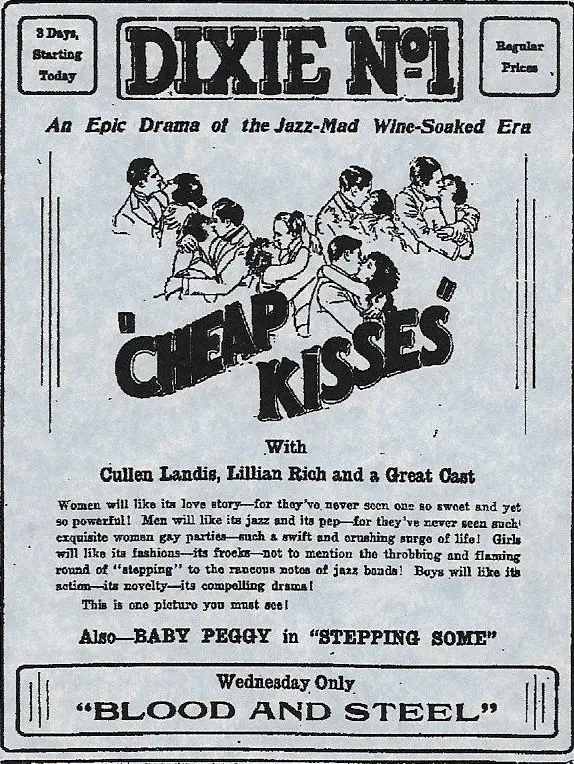
Dir: John Ince
Refusing to join his family in their new social life when Henry Dillingham suddenly becomes wealthy, Donald Dillingham causes even greater disapproval by marrying chorus girl Ardell Kendall. Learning that famous sculptor Gustaf Borgstrom wishes to use Ardell as model, the Dillinghams suddenly welcome Donald and Ardell to their estate. Donald surrenders to both the jazzy pleasures and the attentions of Maybelle Wescott, but Ardell remains aloof and in order to pay off Maybelle threatens Mr. Dillingham with exposure of his infatuation with a chorus girl. The adventuress breaks her agreement to leave Donald alone, and Ardell reveals the bargain to Donald, who angrily leaves. Ardell sadly returns to the Dillinghams' honeymoon cottage and finds a remorseful Donald awaiting her.
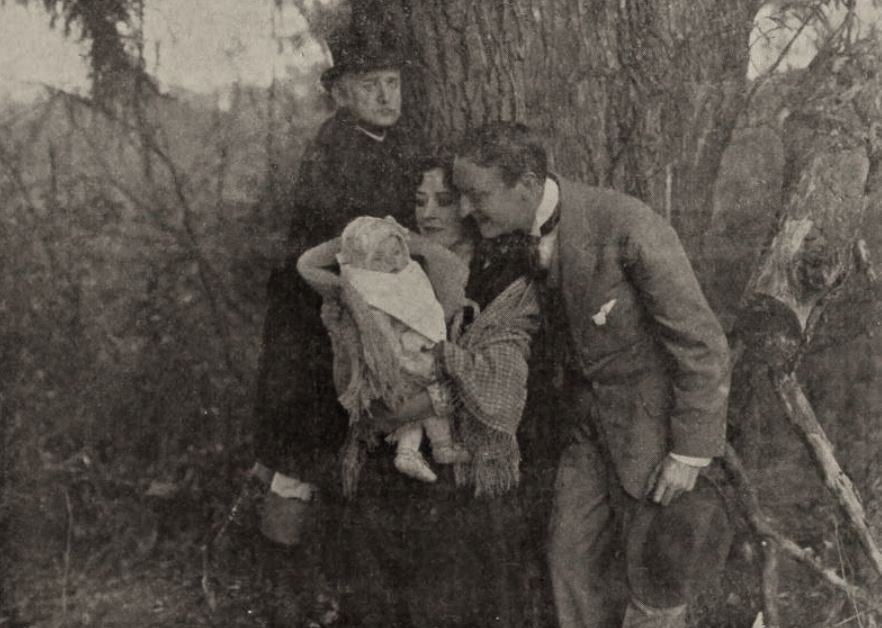
Dir: John Ince
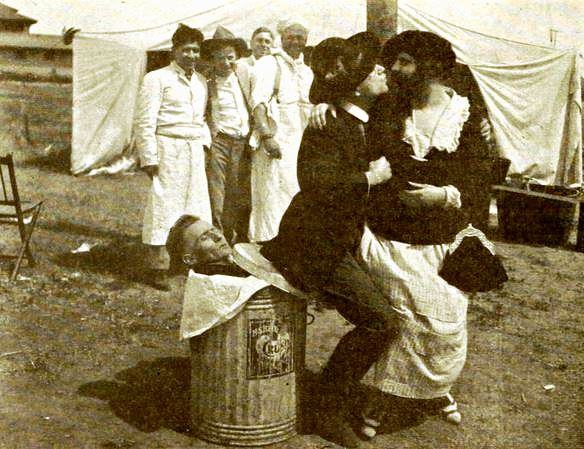
A serious-minded fool named Stradivarious O'Day because his music-loving mother says he "fiddles his time away," acquires his nickname because of his motto of "one thing at a time and that done well." Falling in love when he first sees circus bareback rider Prairie-Flower Marie, O'Day, living off his inheritance, follows the circus until the pestered manager gives him a job cleaning his Ford. With the help of a manual, O'Day learns to drive and secures employment with the circus as a chauffeur. After strong man Gorilla Lawson, who also loves Marie, beats him up, O'Day contacts his friend, boxer Roughneck M'Dool, to teach him to fight. Lawson, frightened by O'Day's daily development, steals the circus receipts and the Ford on the day of their scheduled fight, but O'Day overtakes and whips him. After O'Day weds Marie, he unwittingly goes against his motto when he becomes the father of twins.
View Details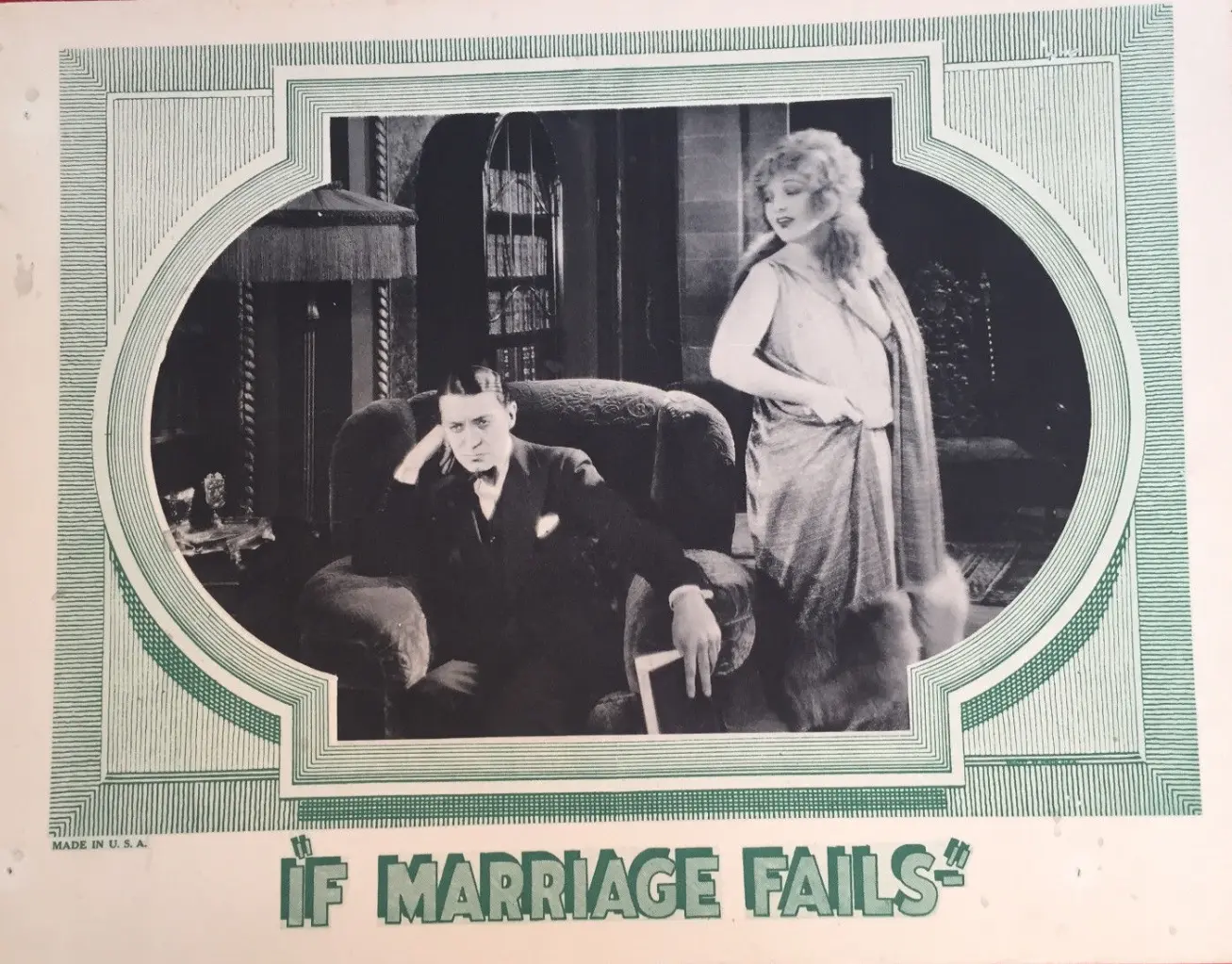
Dir: John Ince
Joe and Eleanor Woodbury lead an unhappy married life: she is fond of the gay life, and he is not. Together, they visit Nadia, a lovely young woman who tells the future by gazing into a crystal ball, and Joe and Nadia fall in love at first sight. Although Eleanor is having an affair with Gene Deering, a lounge lizard, she wants to stay married to Joe and therefore tells Nadia that she is pregnant. The diminutive crystal-gazer promises to stop seeing Joe, and Eleanor resumes her illicit relationship with Deering. Following a raid on a roadhouse where they are carousing, Eleanor and Deering are involved in an automobile accident and she is slightly hurt. The doctor who attends her later informs Nadia that Eleanor is not expecting a child, and Nadia telephones Joe to tell him of his wife's double deception. Joe then tells Eleanor that he is going to divorce her and goes to Nadia.
View DetailsAnalysis relative to Should a Woman Tell?
| Film Title | Atmosphere | Complexity | Similarity |
|---|---|---|---|
| A Favor to a Friend | Gritty | High | 95% Match |
| Someone in the House | Surreal | Abstract | 85% Match |
| Please Get Married | Gritty | Linear | 96% Match |
| Secret Strings | Gothic | Dense | 97% Match |
| Sealed Lips | Surreal | Linear | 91% Match |
This guide was algorithmically generated using the cinematic metadata of John Ince's archive. Last updated: 6/26/2026.
Back to Should a Woman Tell? Details →