
DbcultAccessing Vault...
Recommendations
Senior Film Conservator
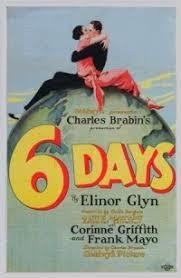
In the vast archive of Drama cinema, Six Days stands as a emotional resonance beacon, it's essential to look at the contemporaries that shared this emotional resonance. Our cinematic experts have identified several titles that reflect the spirit of 1923.
Few films from 1923 manage to capture to leave an indelible mark on the history of United States film.
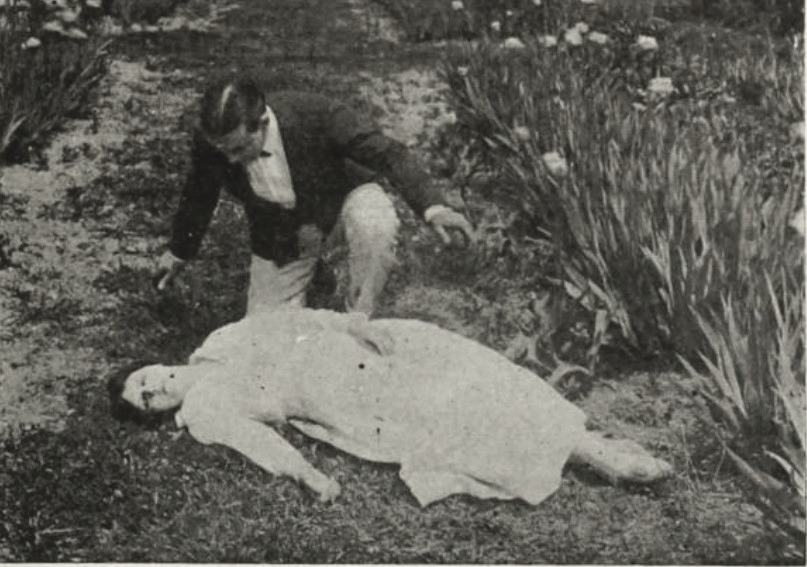
Laline, a pretty young woman, falls in love with Dion, a young sculptor, but her mother wants her to marry a wealthy Englishman. Laline and Dion are visiting the gravesite of Laline's brother with a priest, and a cave-in traps the three in some long-abandoned underground barracks.
Critics widely regard Six Days as a cult-favorite piece of Drama cinema. Its emotional resonance is frequently cited as its strongest asset, solidifying its place in United States's film legacy.
Based on the unique emotional resonance of Six Days, our vault has identified these titles as the most compelling follow-up experiences for fans of Drama cinema:
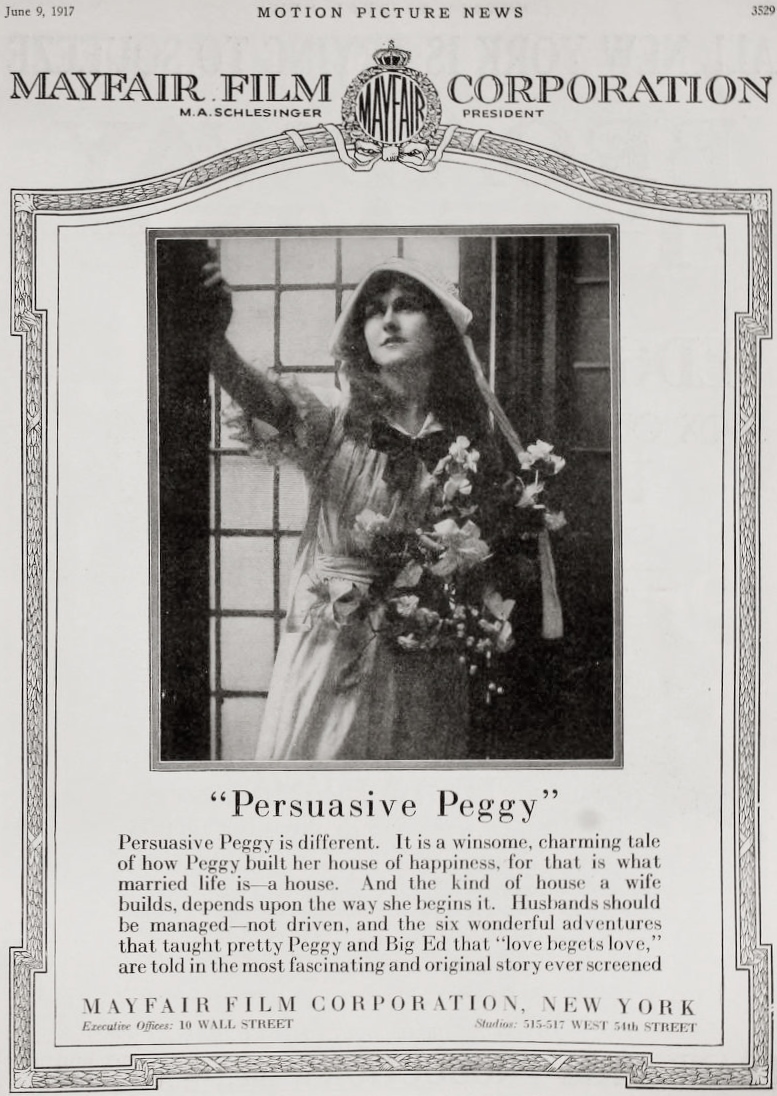
Dir: Charles Brabin
Informed by her husband Ed that they will not be honeymooning at Niagara Falls as promised, but rather at the County Fair, newlywed Peggy decides it is time to assert her independence and steals away to the falls alone, leaving her bewildered husband to follow. After the honeymoon, Ed takes his bride to the home that had been his mother's, and Peggy redecorates the entire house in her husband's absence. Gradually, Ed learns to submit to his wife's modern attitudes until he discovers that her continual visits to the city have not been to the dentist's, as she had said, but to the studio of portrait painter Perry Pipp. Ed angrily confronts Peggy with her deception, forcing her to return home to her parent's house. Later, when Ed learns that Peggy has been posing for a portrait as a birthday surprise, he begs his wife's forgiveness, which she bestows, along with the information that a baby is on it's way.
View Details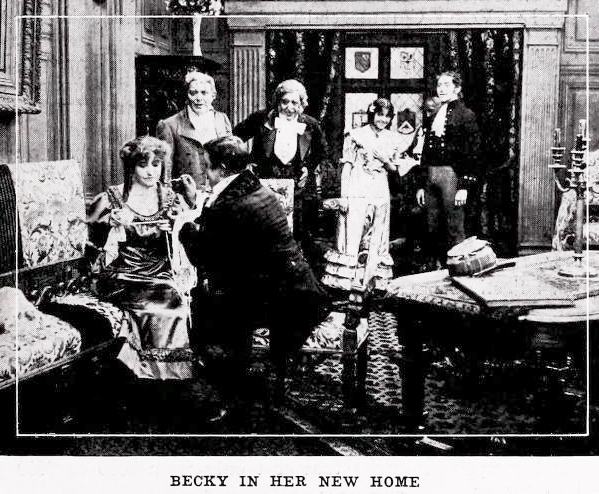
Dir: Charles Brabin
Becky, a child, is left an orphan by the death of her father and is consigned to the tender mercies of the Misses Pinkertons, who conduct a fashionable school for girls. Becky feels keenly the semi-charitable nature of her life, and, when kindly-hearted Amelia Sedley invites her home, she eagerly accepts. It is then that Becky, the child, becomes Becky, the adventuress, cold, calculating and selfish. With the entrance of Becky into the peaceful Sedley home comes misfortune. Sedley goes bankrupt. Old man Osborne promptly breaks the engagement between Amelia and his son, George. Becky lays her traps for Joseph Sedley, Amelia's brother, and nearly succeeds in her designs on that self-satisfied young man. Urged by his faithful friend, Captain Dobbin, George marries Amelia. This change throws Becky into new surroundings. She goes to Queen's Crawley and enters the most active sphere of her existence. Her adventures with old Pit Crawley, her marriage to Rawdon Crawley, their poverty Becky's flirtation with Lord Steyne and her subsequent separation from Rawdon, the Battle of Waterloo and the death of George Osborne are all faithfully portrayed incidents of Thackeray's novel.
View Details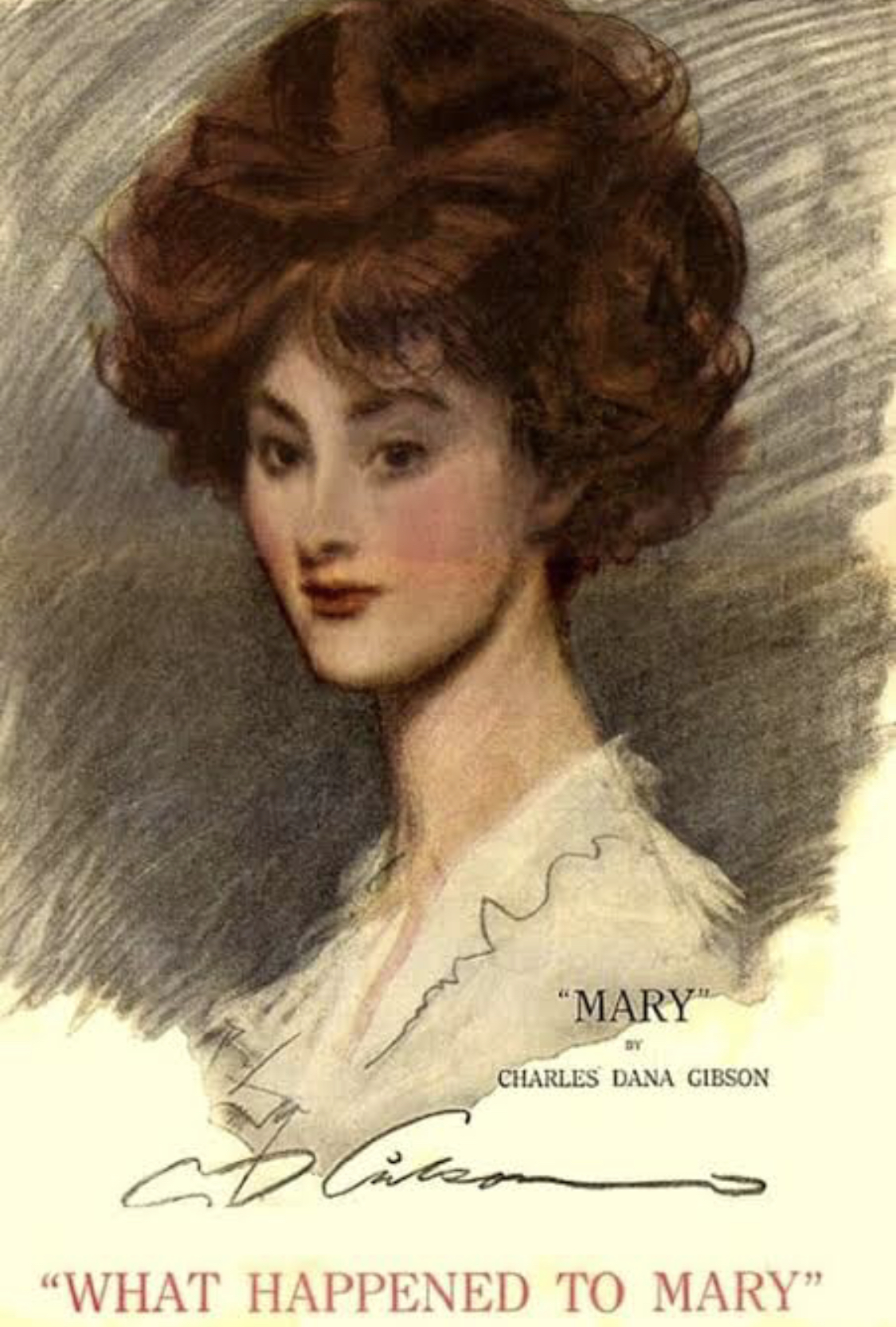
Dir: Charles Brabin
The forerunner of all serials, "What Happened to Mary" was a series of 12 monthly one-reel episodes, each a complete entity in itself, revolving its immediate dramatic and melodramatic problems within the framework of a single episode and designed more for story and suspense situations than action. Episode Titles (q.v.): #1: "The Escape from Bondage"; #2: "Alone in New York"; #3: "Mary in Stage Land"; #4: "The Affair at Raynor's"; #5: "A Letter to the Princess"; #6: "A Clue to Her Parentage"; #7: "False to Their Trust"; #8: "A Will and a Way"; #9: "A Way to the Underworld"; #10: "The High Tide of Misfortune"; #11: "A Race to New York"; #12: "Fortune Smiles."
View Details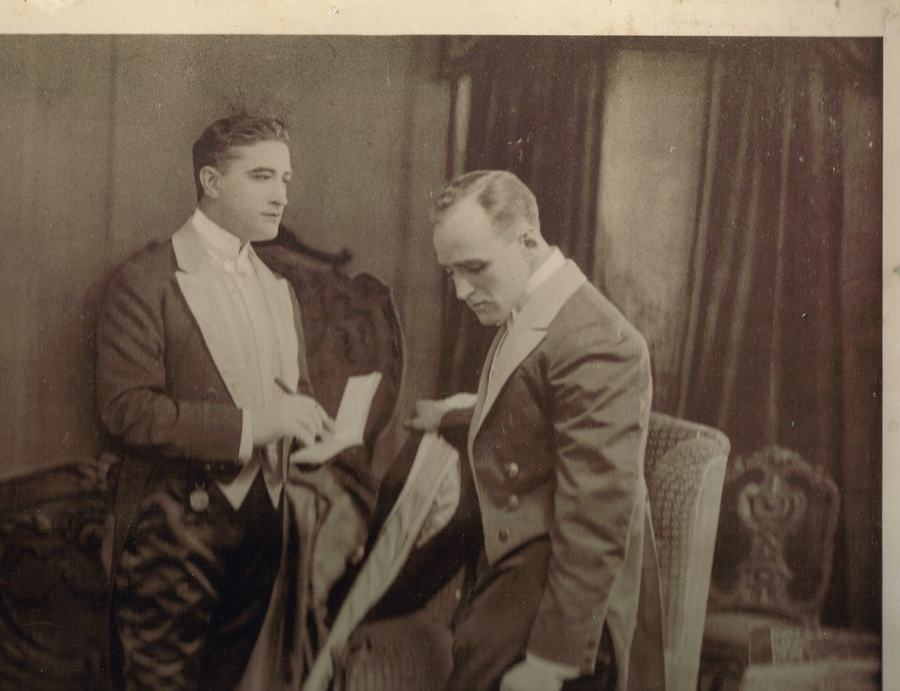
Dir: Charles Brabin
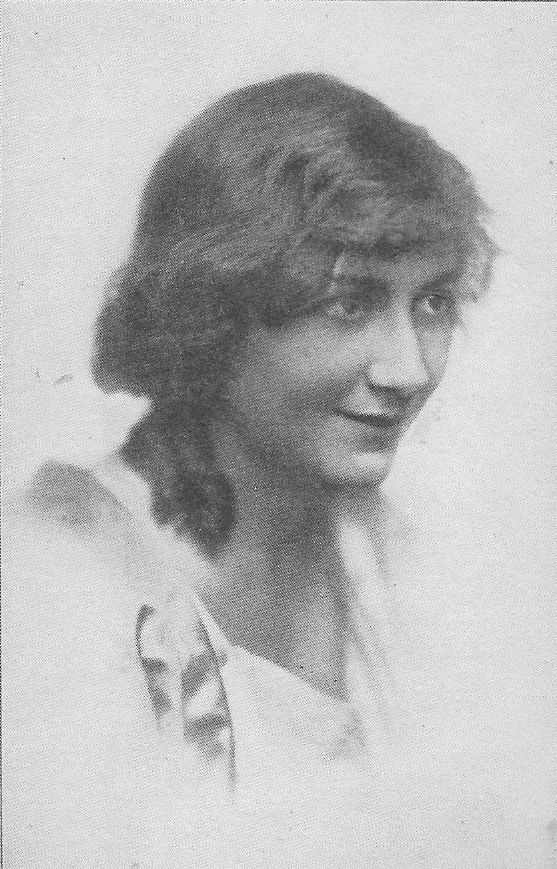
John Spaulding saves Helen Molloy-Smythe and her mother, who has recently acquired great wealth, from a train robbery while they are on vacation out West. Some time later, John returns to his father's country estate on Long Island and again saves Helen when she almost drowns. The two fall in love, but when John learns that Helen has a reputation as a society coquette, he plans to teach her a lesson in humility. Learning of his plan, Helen retaliates by accepting the proposal of the fortune-hunting Count Berratti. All ends happily, however, when John saves Helen for a third time and she trades the count's proposal for his.
View Details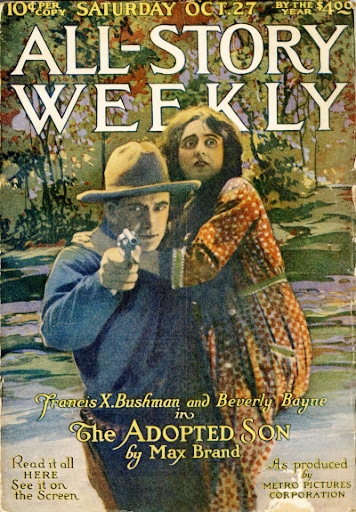
Dir: Charles Brabin
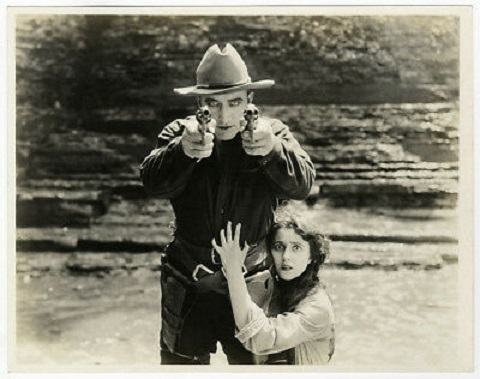
A feud has existed between the McLanes and the Conovers in the Tennessee mountains for many years. "Two Gun Carter" leaves Texas after a shooting fray and arrives just in time to witness George Conover's death at the hands of Henry McLane. Carrying young Conover's body to his family, Carter is very moved by their grief that he agrees to become their adopted son and subsequently falls in love with Marian Conover. In an attempt to put an end to the feud, Carter suggests a duel between himself and Henry McLane, but Henry refuses, and so, to uphold his family honor, Tom McLane, the clan leader, accepts the challenge. In the midst of the match, news arrives that Henry has abducted Marian. Carter rushes off and rescues Marian just as Henry and his horse plunge over the edge of a cliff. Carter then demands that an end be put to the feud as he himself was a born McLane and now plans to marry Marian Conover.
View Details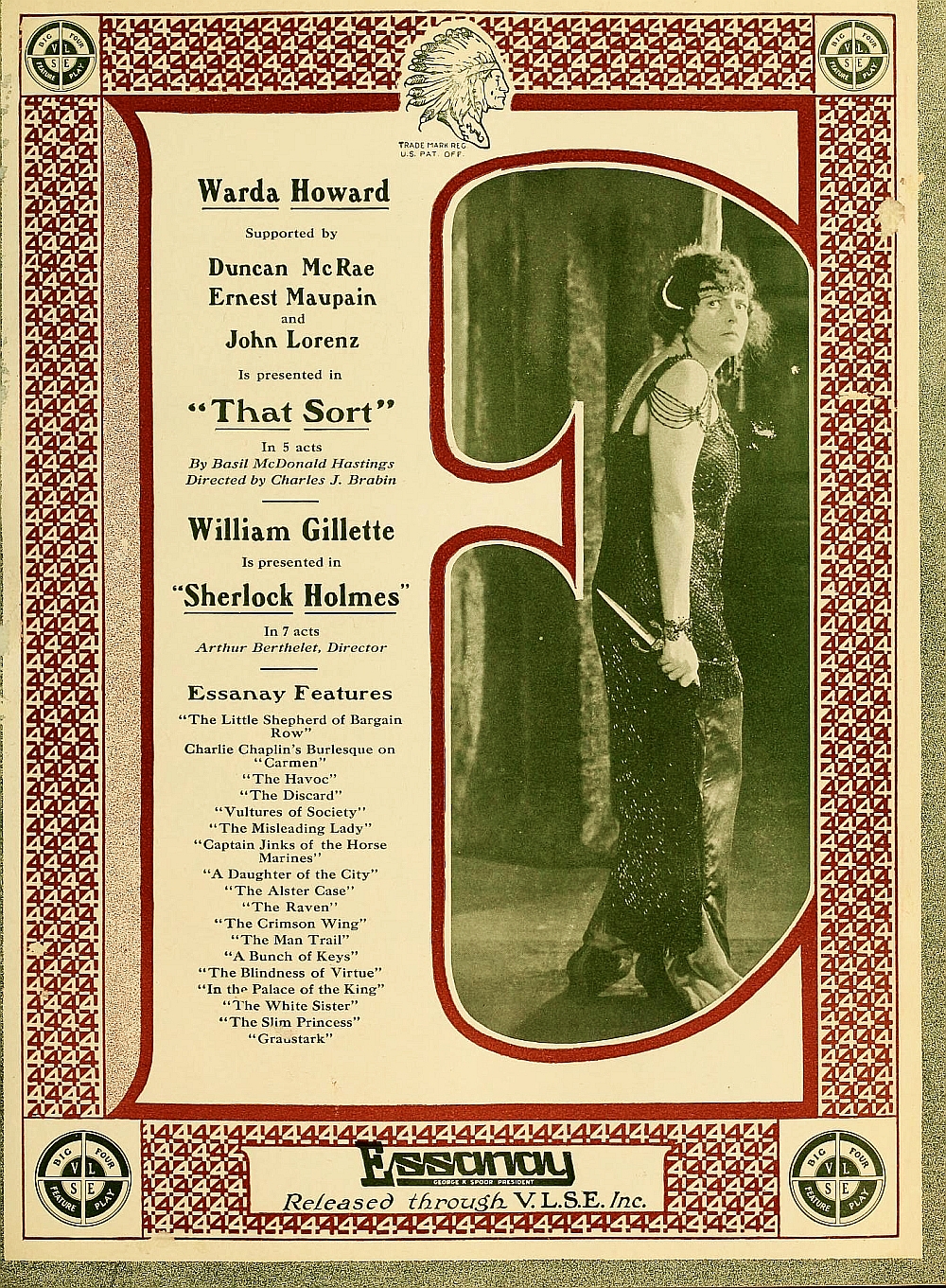
Dir: Charles Brabin
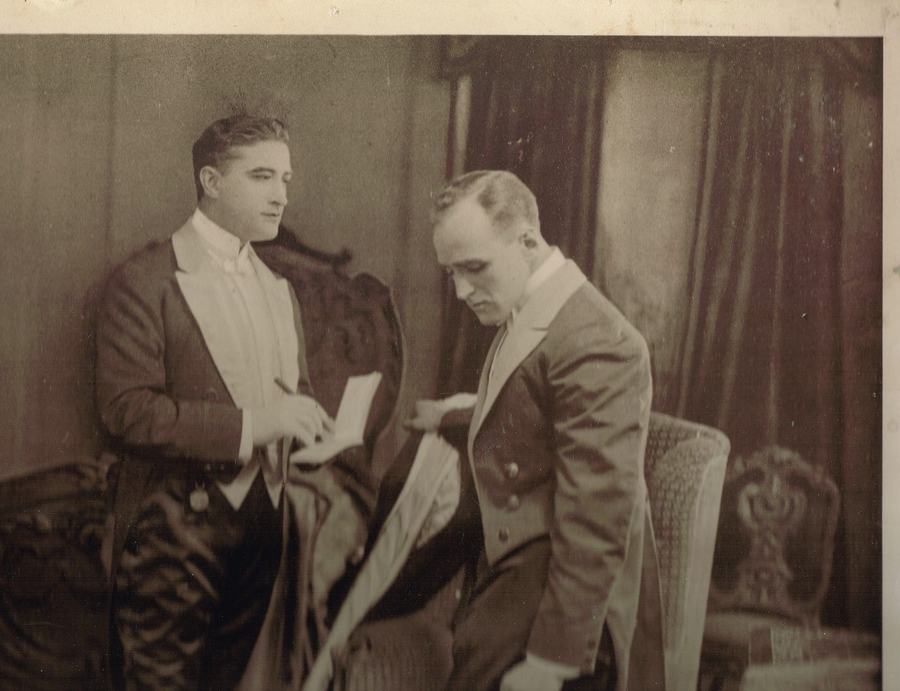
John Heppell, a wealthy young man about town, falls in love with Diana Laska, a noted actress, and marries her. After their child is born he tires of her and goes back to his old way of living. Infuriated at his neglect, Diana leaves him and goes abroad with Philip Goodier. He also tires of her in time, and she becomes a notorious character on the continent. Finally she awakens to the evil of her life and tries to reform. She finds her path strewn with thorns as the world holds her for what she has been. A longing is kindled in her heart for her daughter. Her first husband has remarried and refuses to permit her to see her. Sick of life, she attempts suicide. She is attended by Doctor Maxwell. He instills hope into her by promising to aid her in her attempt to see her daughter. Maxwell is an old friend of Heppell and partly by persuasion and partly by threats Diana Laska is received into the Heppell home as the governess for Heppell's son by his second wife. She meets her daughter only to find that she is engaged to Philip Goodier, the man who had cast her off. Horrified, she tells the Heppells her daughter must not marry him. Goodier denounces Diana, while admitting his relations with her, but cannot understand why she should have an influence over the Heppells. Finally, Diana tells him that the girl to whom he is engaged is her daughter. He consents to break the engagement only on condition that she leave the house and never see her daughter again. The woman who has developed under Doctor Maxwell's influence, then makes the supreme sacrifice of giving up her daughter to save her from her own shame. And through this sacrifice she wins atonement for her sins.
View Details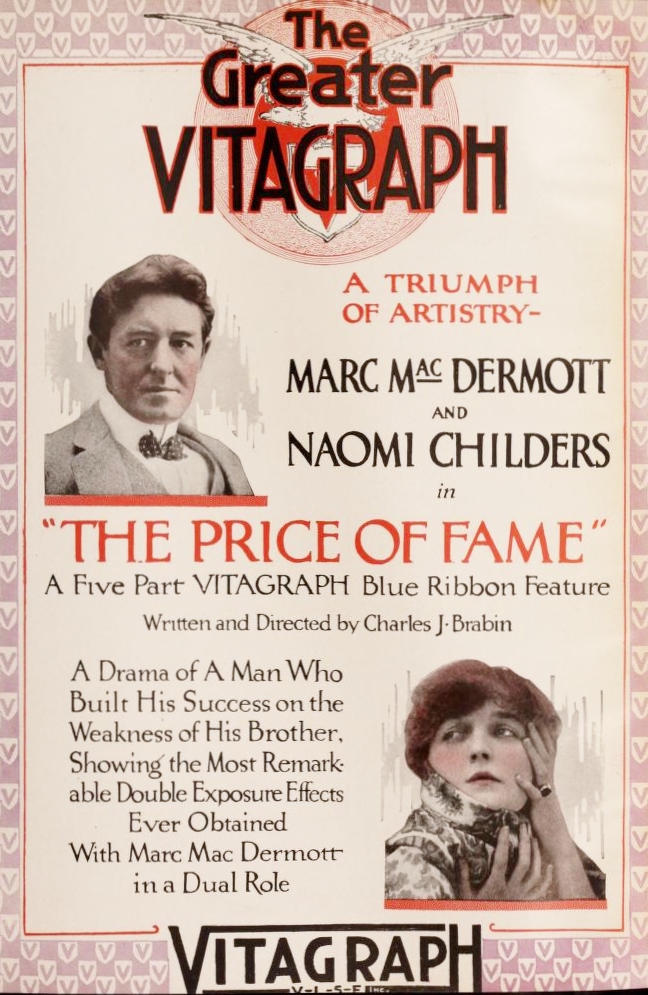
Dir: Charles Brabin
They were twins, and the passing years had in the sifting melting-pot of life. William looms brilliantly, a success, while John is deep in the discouraging shadows, a failure. Another span of fleeting years, and William attains the summit of a meteoric career; he is a candidate for the United States Senate. John (under an assumed name so that his brother is spared the relationship of the black sheep) holds a modest newspaper position in the same city where William's campaign is centered. William falls sick and John, taking advantage of their resemblance, addresses an important meeting and sweeps the audience into frenzied enthusiasm. Sensing in John that which she has always missed in William, the latter's sweetheart confesses her love, thinking, of course, that she is speaking to William. Soon John finds himself facing the fact that he loves his brother's sweetheart. Fate's law is Heaven's justice; William is found dead by John, and what would have been his brother's now becomes John's, as a reward to his genius.
View Details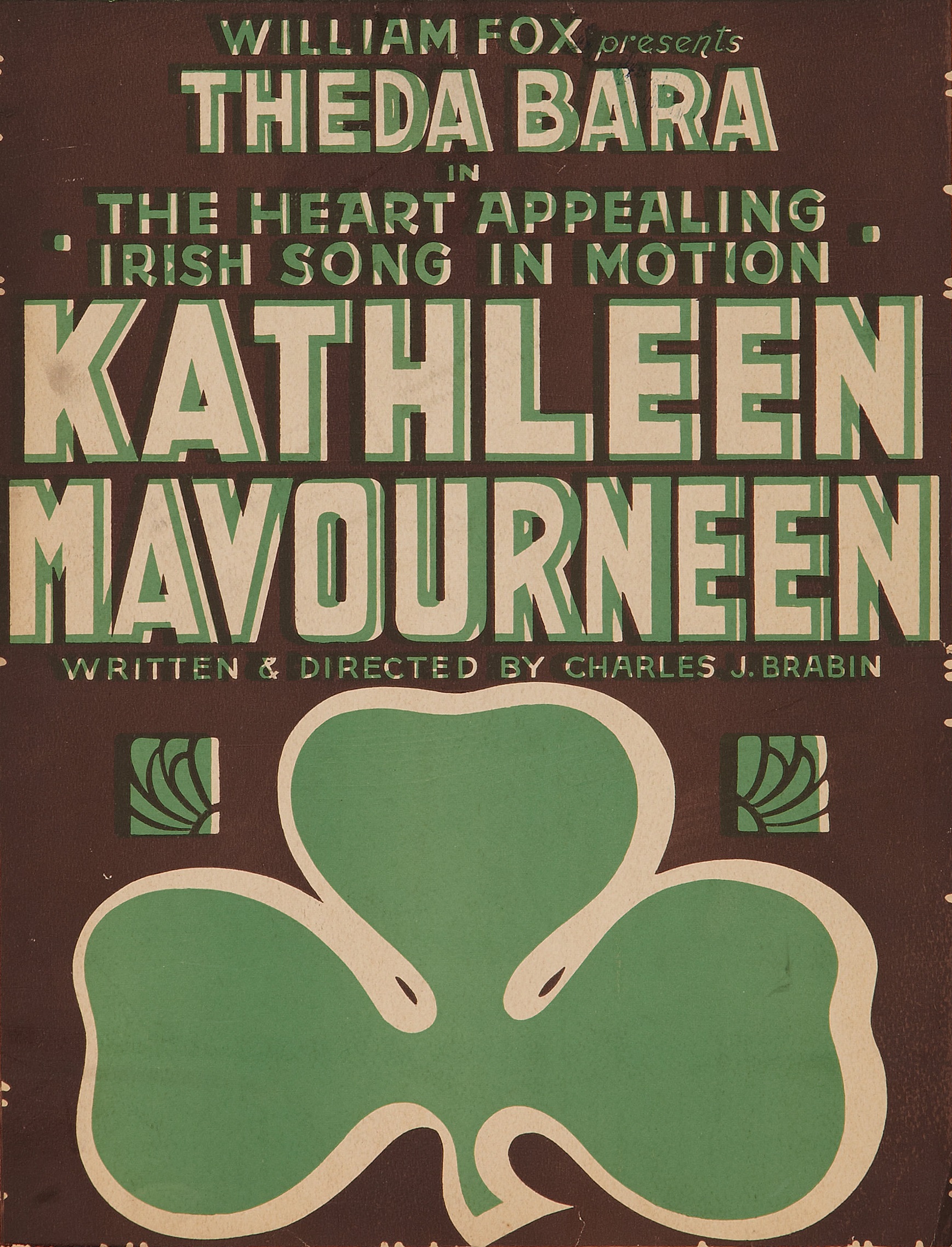
Dir: Charles Brabin
Kathleen, the daughter of a poor tenant farmer, dreams of her wedding with her beloved Terrence. The dream is interrupted when the Squire of the estate takes an interest in Kathleen and forces her father to allow him to marry her to forgive the father's debt. Unfortunately the Squire loses interest in Kathleen once a potential gravy train arrives in the person of the exceedingly wealthy Lady Clancarthy. To be rid of Kathleen the Squire abandons her in the forest where she is beset upon by ruffians, but is rescued by Terrence, who is framed for murder for his troubles.
View Details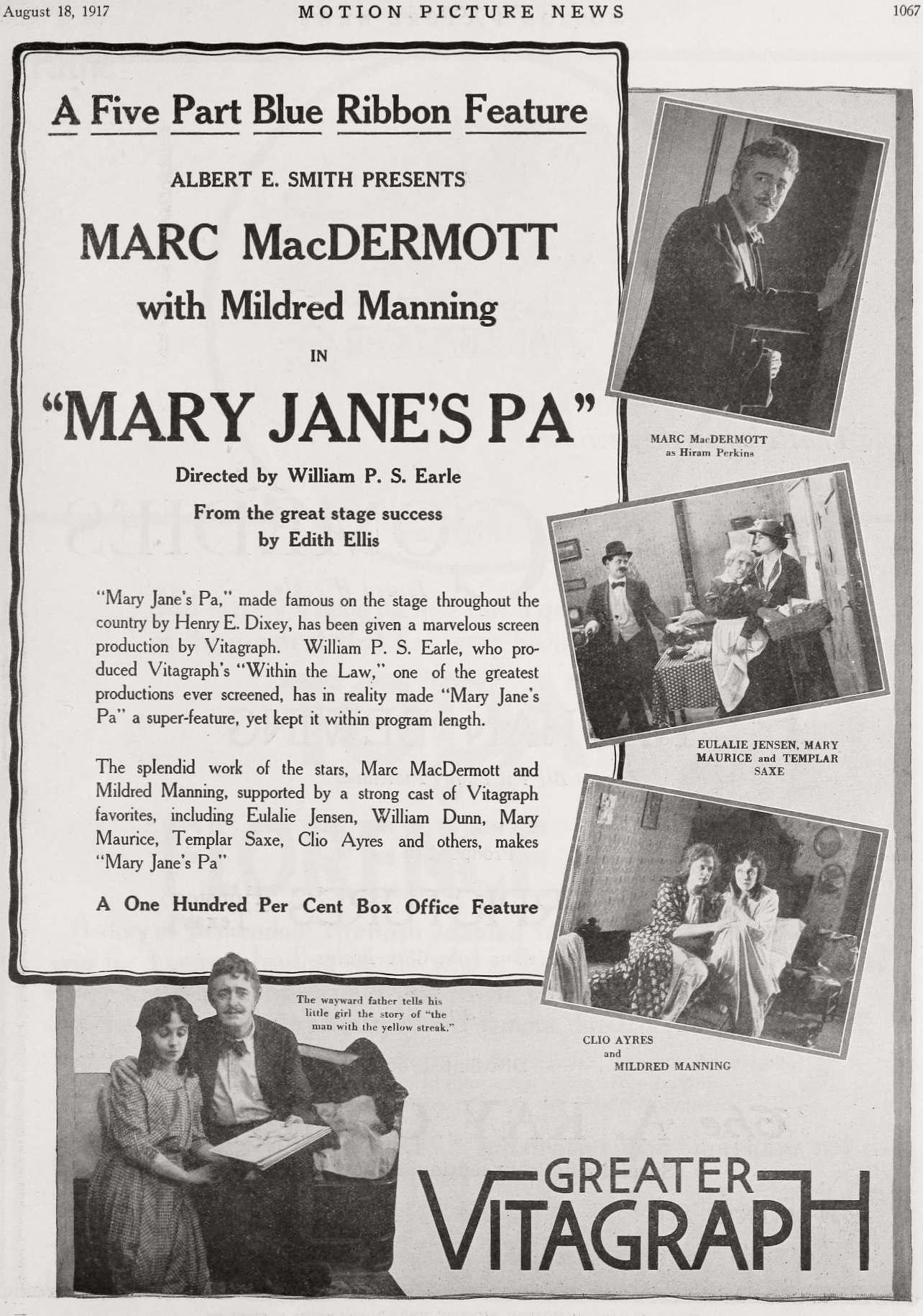
Dir: Charles Brabin
After wandering the world for fifteen years, Hiram Perkins returns home to find his wife running a small town newspaper to support their two daughters. With pity in her heart, Mrs. Perkins allows her husband to stay in the house providing that he not disclose his identity. Mrs. Perkins is waging a battle against the re-election of Joel Skinner for a seat in the assembly, and when she learns that Skinner has mistreated old Mrs. Miller, she is determined to expose his actions. Rome Preston, running in opposition to Skinner, requests that she stop the story, but Mrs. Perkins refuses and so Preston disables the press. With Hiram's help, Mrs. Perkins prints the story and Skinner is defeated. In revenge, Skinner's men burn the press and demand that Hiram be tarred and feathered. At this moment, Mrs. Perkins acknowledges that Hiram is her husband and all is forgiven as the Perkins family is reunited.
View Details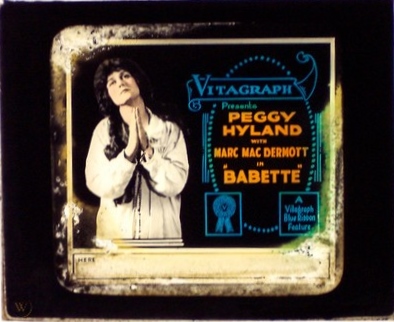
Dir: Charles Brabin
Babette is living with her father, the jailer and hangman in the castle-jail at La Fourche. Raveau, a criminal, comes to the castle and meets her. Her sweetness and purity cause him to realize his form of life is an empty shell. He even restores a necklace purloined from a tourist. Later he and Babette realize their love for each other. Their wedding is celebrated with much pomp. Guinard, a detective, turns up. Realizing his danger, Raveau convinces his wife that their friends are planning to separate them, and gets her to escape with him. They elude Guinard. In Montmartre, Raveau and Babette are like two doves. He again takes up art. But his work is not up to date and he finds the purse growing slimmer. When Babette shyly confesses that there will be another mouth to feed, and that she has given much of their store to Fifine, a "Quarter" girl, whose husband is just coming from prison, Raveau realizes how desperate is his need. He tries once more to sell his wares, without success. An appeal to an old partner brings a turn-down. Raveau then steals banknotes from a man in the post office. Guinard turns up after the baby is born. Without letting Babette know of his crime, Raveau parts from her, saying he has a commission which may take him away for a long time, but in the Commissionaire's office he learns his prosecutor is the husband of a woman to whom he had restored the money won at a gaming salon just before his marriage. The man refuses to recognize Raveau as the thief and he returns to Babette to say he has passed up the commission and will stay with her always, and Babette is happy in her husband's love, ignorant of his sacrifice for her.
View DetailsAnalysis relative to Six Days
| Film Title | Atmosphere | Complexity | Similarity |
|---|---|---|---|
| Persuasive Peggy | Gritty | Layered | 86% Match |
| Vanity Fair | Gothic | Abstract | 92% Match |
| What Happened to Mary | Ethereal | Linear | 94% Match |
| Red, White and Blue Blood | Surreal | High | 87% Match |
| The Adopted Son | Gritty | Layered | 94% Match |
This guide was algorithmically generated using the cinematic metadata of Charles Brabin's archive. Last updated: 6/26/2026.
Back to Six Days Details →