
DbcultAccessing Vault...
Recommendations
Senior Film Conservator

The artistic legacy of Will S. Davis was forever changed by Slander, this cult landmark continues to dictate the rules of its category. We've assembled a sequence of films that complement the tone of Slander perfectly.
The vintage appeal of Slander to maintain its cult relevance across several decades.
Richard Tremaine, by forging a letter, compromises Helene Blair brings about her divorce from her husband and her separation from her children, and then secures her consent to marry him. She discovers, then, that he already has a wife; that he it was who destroyed her home life by his slanderous lies; she starts out deliberately to revenge herself on him. This she does by inducing his son to fall in love with her. The father is then brought face to face with the dilemma of seeing his son marry a woman with whom he had been intimate, or having his own disgrace brought put into the light. The three finally meet in Helene's apartments, and the son is accidentally shot and killed by a revolver with which the father was attempting to end his own life. The father is charged with the murder of his son, and Helene is the chief witness against him. John Blair, Tremaine's counsel, learns from his wife's testimony of the perfidy of Tremaine. After the latter is sentenced to death, Helene, in a fit of remorse, tells Blair, with whom she is now reunited, that the killing was accidental. Tremaine is freed, and Helene goes back to her rightful place as Blair's wife.
Slander was a significant production in United States, bringing a unique perspective to the global stage. It continues to be a top recommendation for anyone studying cult history.
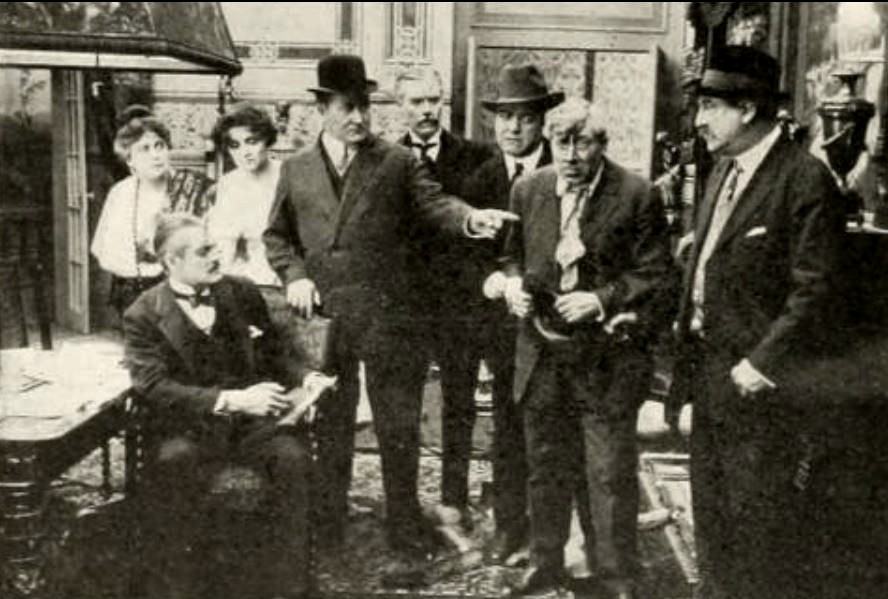
Based on the unique cult status of Slander, our vault has identified these titles as the most compelling follow-up experiences for fans of cult cinema:
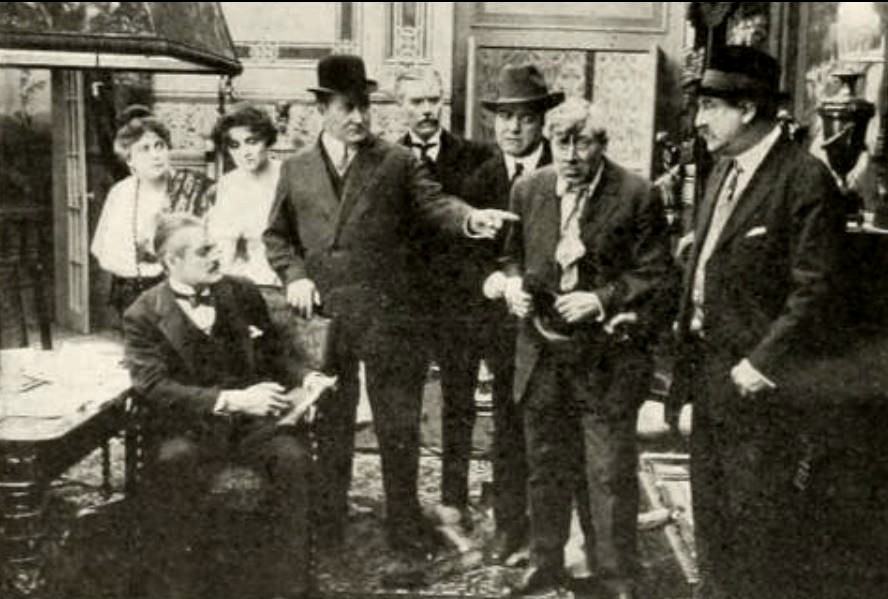
Dir: Will S. Davis
Randolph Legarde, a senior judge of a criminal court, betrothed to Agnes Caverly, is injured by the kick of a horse at the base of his skull. The injury has the effect of establishing in Judge Legarde a dual personality. Miss Caverly, together with her father, a lawyer, is a guest of Judge Legarde and his sister at their apartments. In his courtship, inspired by a feeling of affectionate sentiment, he requests that her "good night" wishes to him be expressed by her playing on the piano, Schubert's Serenade. A few evenings after the accident, as she is rendering this selection, and he listening, he feels an uncontrollable impulse stealing over him to perform some act of lawlessness or violence. The dual personality has its inception, and Judge Legarde, with distorted countenance and the carriage of a thief, suddenly becomes metamorphized into a being of the underworld. He steals out of his house, and on his ramblings through the city, ultimately finds himself the habitué of a den known as the "Lame Duck." Each night this same impulse steals over him, and each morning finds him unconscious at his desk, restored to his original personality. He endeavors to fight off and battle with this evil influence, but without avail. Several thefts and acts of violence occur in the city, which the police authorities are unable to settle upon any one man, but of all these, Judge Legarde is the moving spirit. Allying himself with this band of denizens of the underworld, he becomes infatuated with Amelia, a girl of bewitching beauty, who at the time when Judge Legarde was presiding over his court, was sentenced by him to prison for the theft of a necklace from Miss Caverly, whose maid she was at one time. Amelia meets Legarde in "The Lame Duck" and there charges him with being Judge Legarde. Under the influence of the dual personality he cannot recognize the truth of the accusation, and the girl and the other habitués of the place, impressed by his vehement denial, fail to pursue the subject. He plans a robbery of his own home with the air of "Big Charles" and others. "The Quill," a stool pigeon of the police, reveals the plan of the contemplated theft. They arrive at Judge Legarde's house just at the moment that Big Charles and his pals attempt to escape, and when Judge Legarde undergoes the transformation from the thief to his former good self. Miss Caverly and her father are under the belief that over work and attention to his professional duties are the causes of his strange lapses of memory which Judge Lagarde is subjected to, but never suspecting the real truth. Miss Caverly's marriage to Judge Legarde is deferred until his complete restoration to health. Caverly engages, without Legarde's knowledge, the services of an eminent brain specialist who undertakes to eradicate the dual personality, and at a time when the good personality is about to pass away and the evil one to find its inception, the specialist merges the two into one, finally restores Judge Legarde to permanent health. His marriage to Miss Caverly is consummated.
View Details
Dir: Will S. Davis

Kate Clarke and her brother, Joe, are alone in the world. Kate learns of her brother's connection with a counterfeiter's gang only when the police invade their rooms to arrest Joe. After a desperate struggle, Joe escapes, but Kate is seriously injured by an accidental blow. She recovers, but the memory of her past is gone. Kate wanders away to the city and becomes a cabaret dancer. Richard Harris, a noted artist, has a vision of creating a "Madonna," but has been unable to secure a suitable model. While visiting the cabaret, he sees in Kate the model he seeks and she consents to pose for the painting. As the painting progresses, Harris' interest ripens into love, but this only amuses her. At length, bored by posing, she suddenly goes away. The painting is yet unfinished. Harris, heartbroken over his loss, pours out the whole story in a letter to his twin brother, Joseph, a minister. Meanwhile the train which Kate had taken is wrecked near the village where Harris' brother is both pastor and physician to his flock. Interested in Kate's peculiar case, he has removed her to his home. The shock has blotted out entirely the memory of the past few years of her life as a dancer, nor does she remember how she came to be aboard the train. She recalls only her life before her first injury. The artist meanwhile has made futile attempts to finish his "Madonna." Broken in health and despondent he sends for his brother. One day, in his delirium, seeing Kate before his eyes, he finishes the painting. The brother arrives too late, but recognizing Kate as the original of the "Madonna" he takes it back home and hangs it in the church. During the minister's absence, Jane Perkins, one of his parishioners who is jealous of his attentions to Kate, finds the letter which the artist has written to his brother. She reads it and learns the tragic story of the artist and the girl who posed for the picture, the "Madonna." Kate's brother, Joe, unrepentant, is still a counterfeiter and a member of a gang located near this village. Kate and Joe meet, but he begs her not to disclose his identity or whereabouts. Unfortunately, Jane sees the affectionate parting and straightway starts a scandal. A bazaar fete is in progress in the church rooms, and while some of the congregation are admiring the "Madonna," Jane discloses Kate's past, and thus for the first time the girl, who overhears it, cruelly learns the story of her lost few years. The church members turn against her, but the minister defends her. By impersonating one of the members of the church, Fagin, a detective, captures all of the gang except Joe, who takes refuge in the church. He is tracked there and accidentally upsets a small stove, setting fire to the church. Badly injured, Joe crawls to the place where his sister is now living. The minister rescues Kate. The "Madonna" is practically the only article which escapes the flames. Kate, returning home, finds Joe. His condition requiring medical attention, she summons the minister, who remains through the night with Joe. Pledged to keep Joe's presence a secret, the minister is unable to answer the elder's demand for explanations. Joe dies and the gossiping villagers soon learn the truth. The minister presents the "Madonna"' to a Metropolitan Art Gallery where the public flock to see it. Though they may not know it, they are looking at the perfect likeness of the minister's present wife and child.
View Details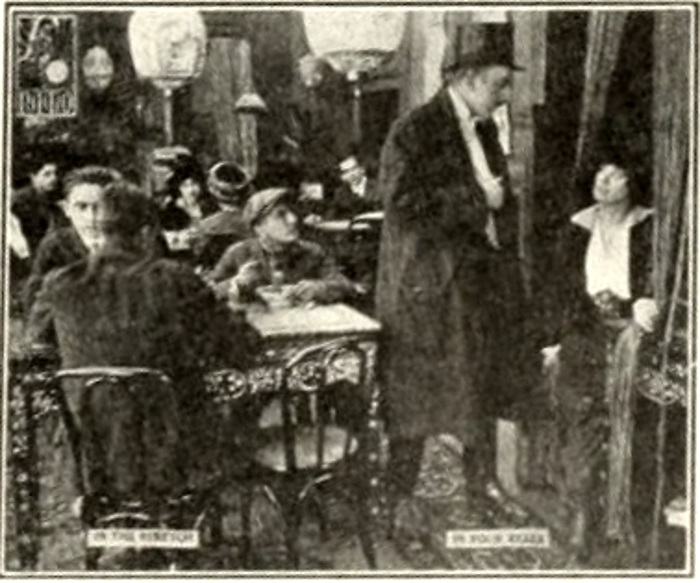
Dir: Will S. Davis
A jockey and a bettor are the victims of a corrupt bookmaker.
View Details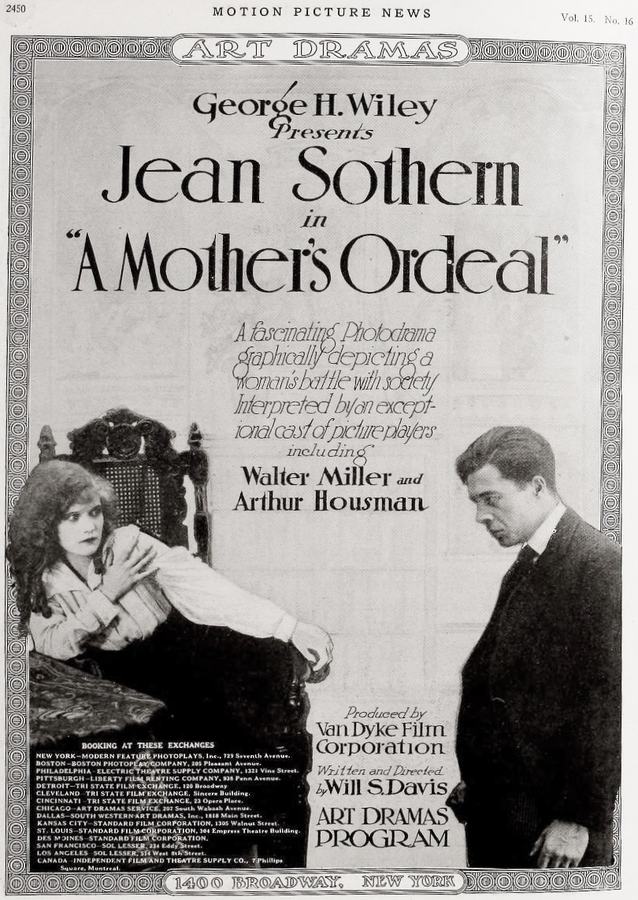
Dir: Will S. Davis
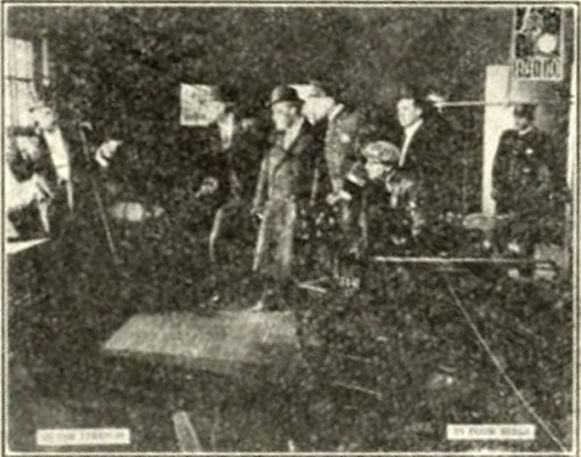
A fascinating piece of cinema that shares thematic elements.
View Details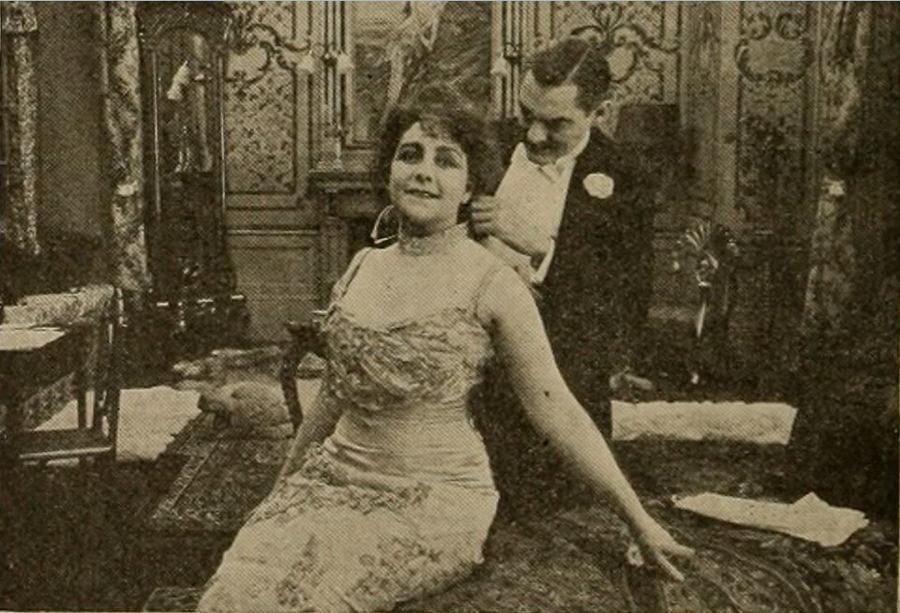
Dir: Will S. Davis
Unhappy surroundings and cruel parents force Katinka Jenkins to lead a very dissatisfied existence. The mill foreman becomes attracted by her, and makes advances which Katinka resents. Joe Mercer, a worker, is in love with Katinka, but the desperate girl chooses Lindsay, the rich mill owner. The girl's father, in order to obtain a petty loan, promises his daughter's hand to Joel Brinker, a money lender, who forces his attentions until Katinka leaves home. Katinka, ignorant of the fact that Lindsay is already married, proceeds to live a gay and reckless life, never forgetting, however, to send her family enough money to live on. Later, through Lindsay's influence, Katinka becomes the famous "Madcap" dancer. A reform movement, headed by John Strong, is started, in order to stop Katinka's disgraceful performances. Katinka's extravagance forces Lindsay to borrow money in order to pay the mill hands' wages. Ignorant of Lindsay's financial condition, Katinka continues her reckless living. The men demand their wages, and a strike at the mill is barely averted. Believing John Strong, who has fallen in love with her sister, Olivia, to be a reformer in name only, Katinka invites him to join a gay party which is given by Lindsay in her honor. Strong is at first shocked, but the gaiety of the occasion, and Katinka's hospitality towards him, soon makes him forget the real purpose of his visit. The mill owner is unexpectedly called away as the strikers, on the verge of riot, are only held back by Joe Mercer's great influence with them. As Strong is making desperate love to Katinka, Olivia and her father enter, and Strong is shown up in his true colors. After all the others have gone, Brinker, who is also a guest at the party, remains and tells Katinka of Lindsay's financial condition, at the same time telling her of his great love for her. Remorseful, Katinka orders Brinker out of her home, and for the first time realizes how much her reckless life has cost. Joe Mercer learns of Katinka's affair with Lindsay. Losing control of himself, he returns and arouses the workers to riot. They attack Lindsay as he is leaving the mill. Lindsay's wife leaves him, and later the mills are destroyed by fire which makes his ruin complete. The unhappy Katinka learns of the life she has wrecked. Remorseful, she decides to end her misspent life by suicide. This is prevented by Joe Mercer. After strong persuasion, Katinka promises to reform, and become a nurse in the United States Army. Joe also enlists. Her reformation becomes complete when she shows great bravery in the yellow fever camp. Joe has been stricken with the disease and is aided to recover by Katinka. who at last realizes that love from the poor is far better than luxuries from the rich.
View Details
Dir: Will S. Davis
Carney marries Agnes Maynard and soon forgets his old sorrow. Anne, tired of her mock wedded life, attempts to make Roland jealous of his wife. She induces Carney to visit the home of Randolph Parsons. There Roland finds his wife, but a sudden twist of affairs results in his discovering that Agnes is innocent. Anne tries new tactics now. She knows that Carney has been losing steadily in the stock market, through her husband's efforts to ruin the man his wife loves. Anne finds a memorandum on Martin's desk: "Corner B.H.R. Stock." She gives this information to Carney. He is overjoyed and grasps the tip eagerly. Martin, however, learns of what Anne has done, and reverses his tactics. The result is that Carney is ruined completely. In his rage, he thinks that Anne has tricked him purposely, and he goes to her, furious. While he is there, she sees Martin returning. She thinks she has an opportunity for revenge. She tears her clothing and lets down her hair. Then she turns out the lights and screams. Martin enters. Anne shrieks that Carney had been attacking her. Martin smiles and takes out the B.H.R. memorandum. "I know your game," he says. "Go," he tells Carney, "you are ruined. You have been punished enough." Martin bids his wife good-bye, and informs her that he is going to leave her. Anne falls senseless to the floor.
View Details
Dir: Will S. Davis
Deserted by her husband, John Madison, because he incorrectly accuses her of having an affair, Mary Madison goes to her aunt's house to have her baby, and then loses her memory in a train wreck. John, however, hears that she has died, so he takes possession of their infant daughter. Years later, John has remarried and Mary has regained her memory, but she does not know that her daughter is still alive. When she learns how John prizes his daughter, she decides to gain revenge on him by disgracing her, so she plots to have the daughter seduced by an ex-convict who served time on a trumped-up charge. The ex-convict and the daughter fall in love, however, and after their marriage, Mary finds out that the woman she tried to ruin is her own daughter. A less vengeful Mary then goes to John and is reconciled with him.
View Details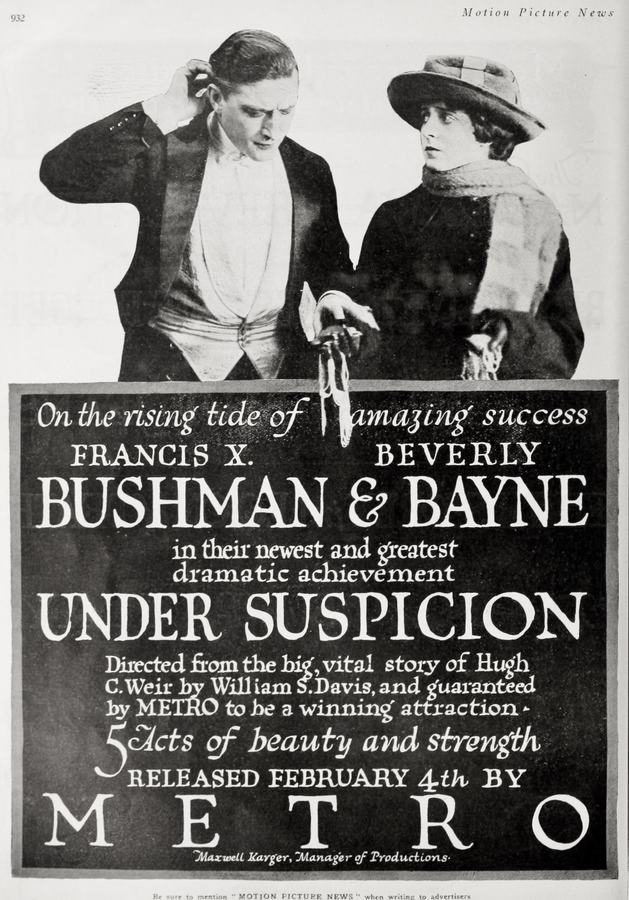
Dir: Will S. Davis
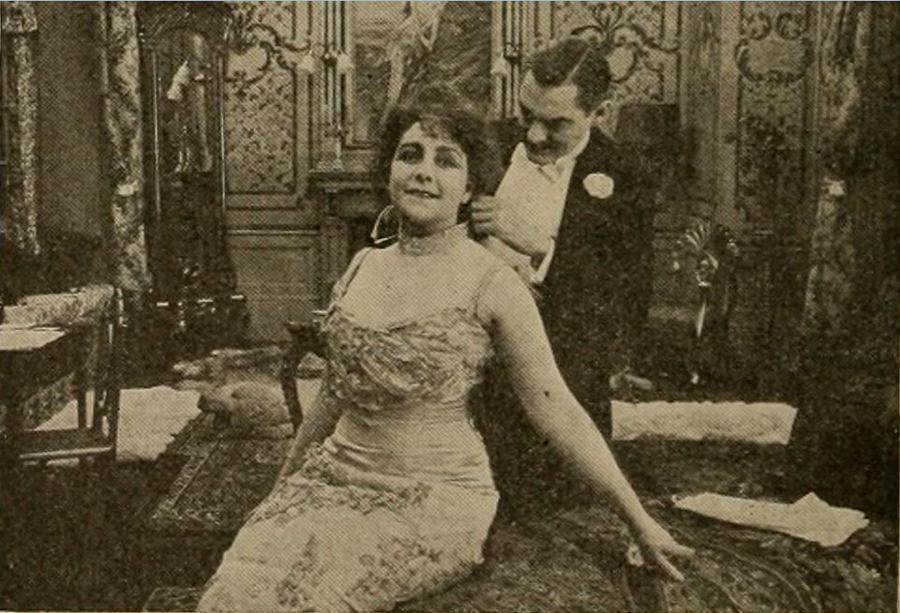
At a high society musicale, millionaire Gerry Simpson meets and falls in love with newspaper reporter Virginia Blake, whose disdain for the "idle rich" causes him to claim that he is a cub reporter on her paper. When the party is interrupted by the announcement that a burglar has stolen hostess Alice Woolworth's jewels, Virginia secures the button torn from the robber's coat by Mrs. Wentworth's pet monkey and is determined to solve the crime. Virginia begins to fall in love with Gerry, who has actually taken a job with the paper, but one day she notices that his coat is missing a button identical to the one that she obtained at the party. Believing him to be the thief, she searches his apartment and locates a cache of jewels. At that moment, however, Gerry's valet Rogers enters, and suspecting that she has discovered his guilt, he attacks her. After Gerry rescues Virginia, Rogers is imprisoned, and Gerry wins his girl's heart by promising to work hard as the editor of the newspaper he has just bought.
View Details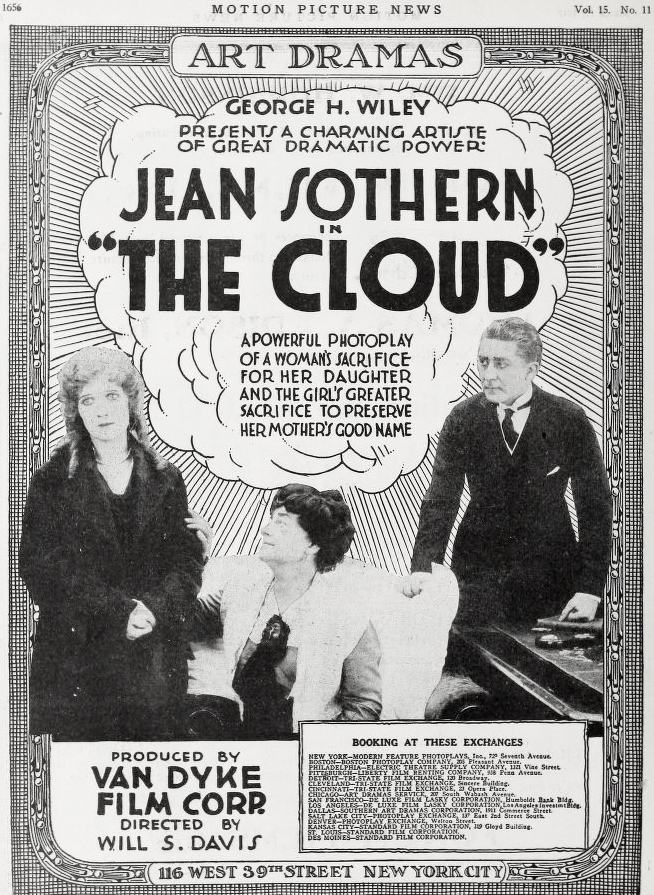
Dir: Will S. Davis
A fascinating piece of cinema that shares thematic elements.
View Details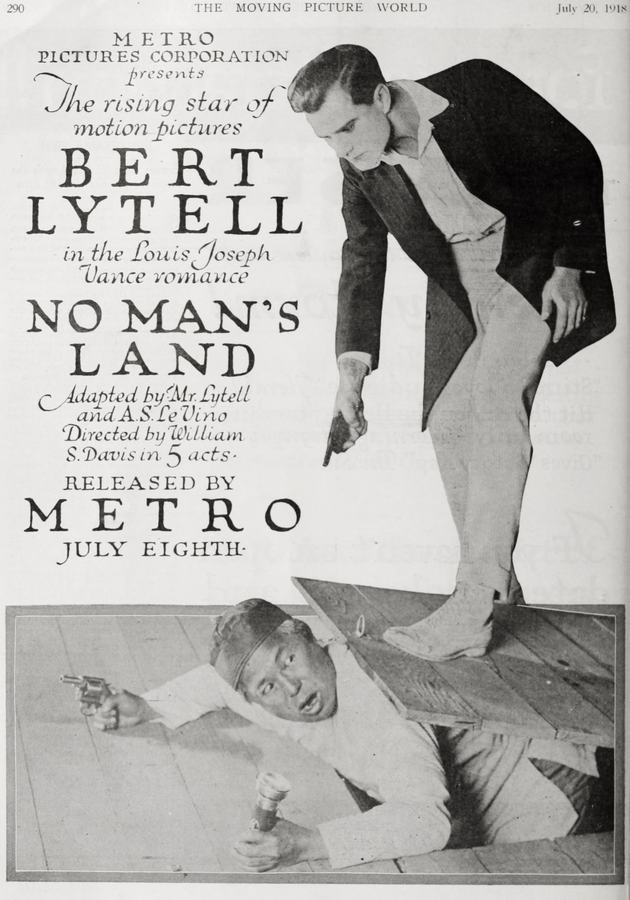
Dir: Will S. Davis
Free and easy Garrett Cope loves Katherine Gresham, but his rival, Henry Miller, who is really Heinrich Mueller, a World War I German spy, gets rid of Garrett by having him arrested for the murder of Pembroke Van Tuyl. While Garrett is in prison, Katherine marries Mueller, but Sidney Dundas, knowing that the German actually committed the crime, finally confesses, and Garrett is freed. Meanwhile, Mueller takes Katherine to a remote island called No Man's Land, which he uses as a base for blowing up Allied ships. Garrett lands on the island, and after overcoming a number of Chinese servants and German agents, he succeeds in summoning an American ship, killing Mueller, and rescuing Katherine, who warmly demonstrates her gratitude.
View DetailsAnalysis relative to Slander
| Film Title | Atmosphere | Complexity | Similarity |
|---|---|---|---|
| The Curious Conduct of Judge Legarde | Ethereal | Linear | 88% Match |
| Through Dante's Flames | Gritty | High | 92% Match |
| In the Stretch | Gritty | Abstract | 87% Match |
| A Mother's Ordeal | Gothic | Linear | 90% Match |
| A Modern Magdalen | Gritty | Abstract | 87% Match |
This guide was algorithmically generated using the cinematic metadata of Will S. Davis's archive. Last updated: 6/27/2026.
Back to Slander Details →