Summary
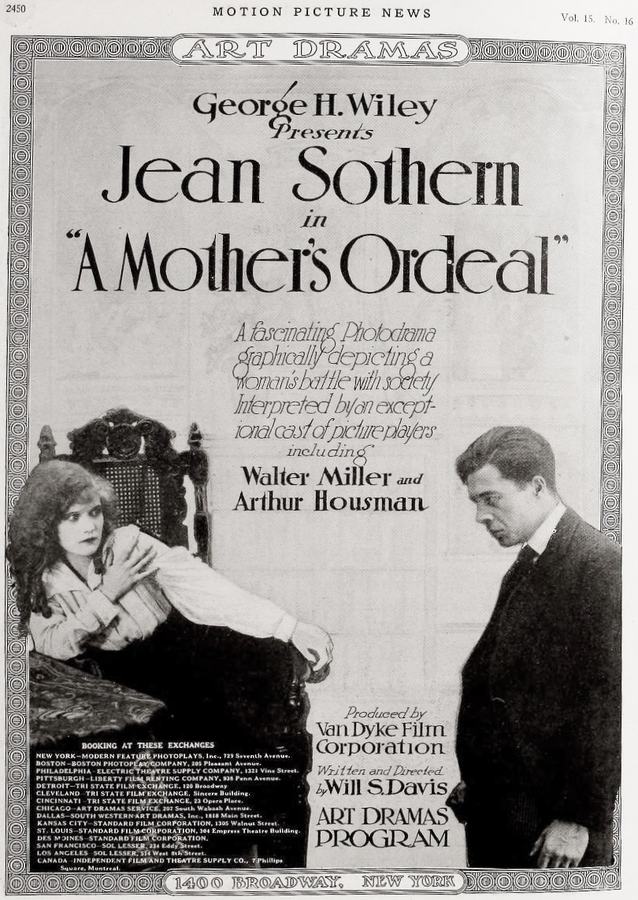
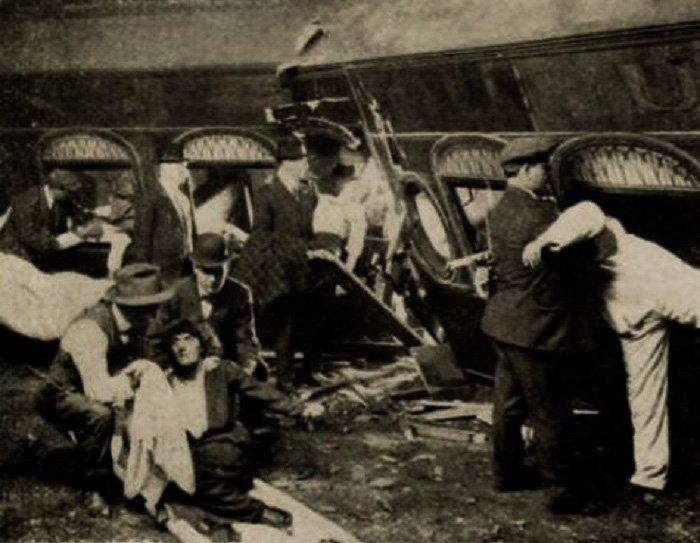
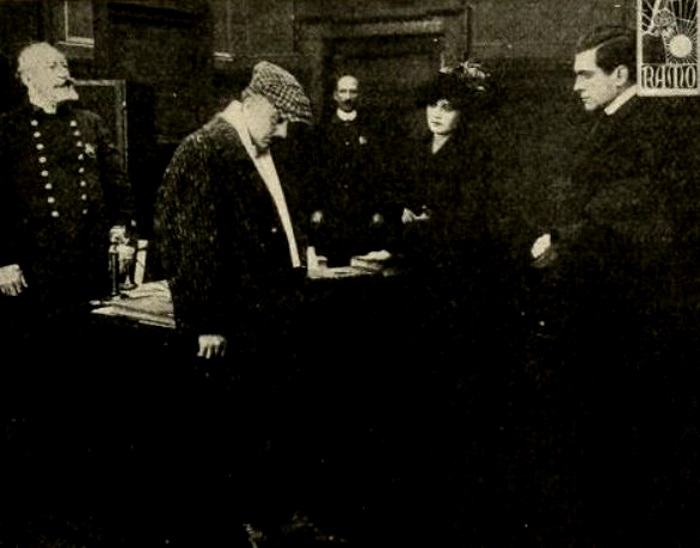
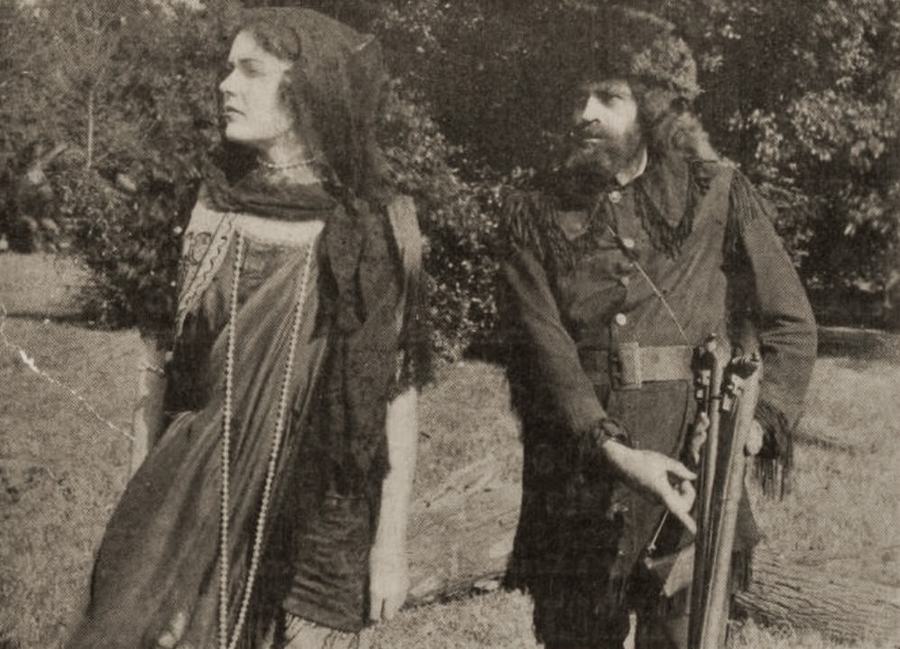
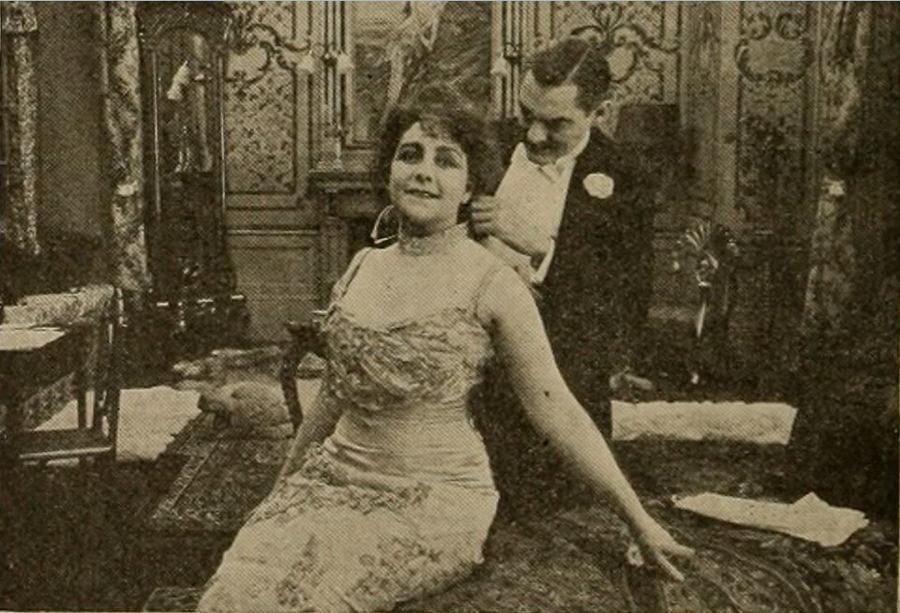
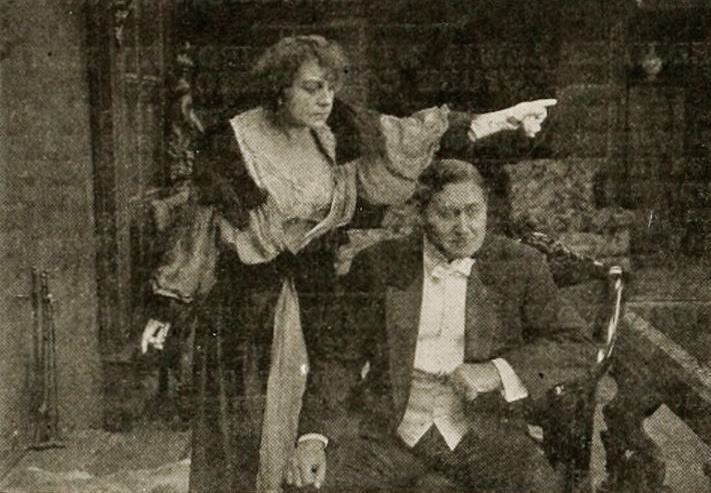
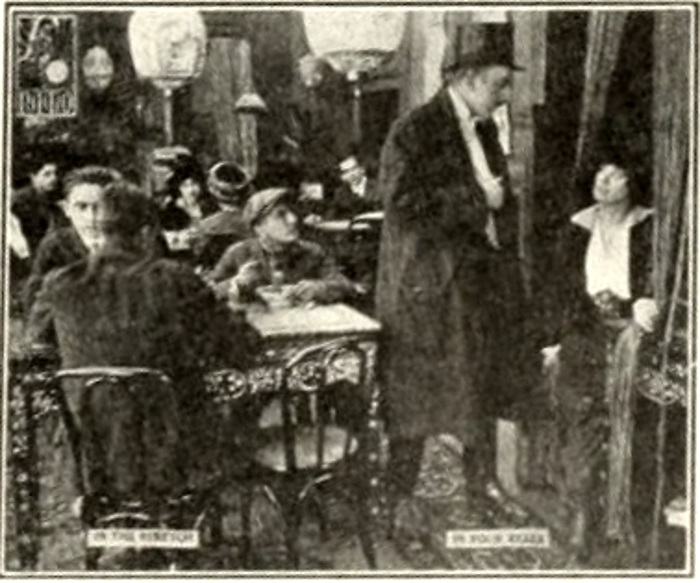
A gaunt widow, clutching a secret like a shard of glass in her throat, trudges from the sleet-choked tenements of lower Manhattan to the sun-blistered railroad camps of the Southwest, trailing a son who believes himself orphaned and a suitor who believes himself savior. Every frame of this 1915 one-reeler quivers with the aftershock of a single lie: that the boy died in infancy. Instead, the child was pawned to a foundling hospital, reared by cackling drunks, then sold into the service of a rail-boss whose cigar glows like the devil’s compass. The mother—played by Alice May with cheekbones sharp enough to slice the title card—spends years haunting courthouse corridors and flophouse doorways, her mourning dress fading from jet to ash, until she recognizes her own eyes staring back from a newsboy’s soot-smudged face. The reunion is no milk-and-honey embrace; it is a railway trestle at dusk, iron groaning, the air thick with creosote and the possibility that blood may be thinner than coal dust. Charles A. Boyd’s camera glides from extreme long shot—locomotive snaking through vertiginous canyon—to an insert so tight we count the freckles on the boy’s wrist, proving maternity by constellation. Arthur Housman, as the booze-sotted lawyer who once signed the relinquishment papers, now fumbles for absolution in the shadow of a water tower that looms like a gallows. The final tableau freezes on a mother’s hand pressed to the window of a departing carriage: fingerprints on glass, the only autograph she will ever leave her child. In that smeared pane lies the whole twentieth century’s coming argument about adoption, property in bodies, and whether mercy can survive capitalism.
Review Excerpt
"
There is a moment, roughly seven minutes into A Mother's Ordeal, when Alice May’s face fills the entire frame and the film’s flicker dissolves into something perilously close to life. Her pupils—inky, cavernous—tremble as if the camera itself has accused her. No intertitle intrudes; the silence is the sentence. In that hush, the nickelodeon becomes confessional, and we—urban voyeurs clutching bags of roasted peanuts—discover we are not here for plot. We are here for penance.
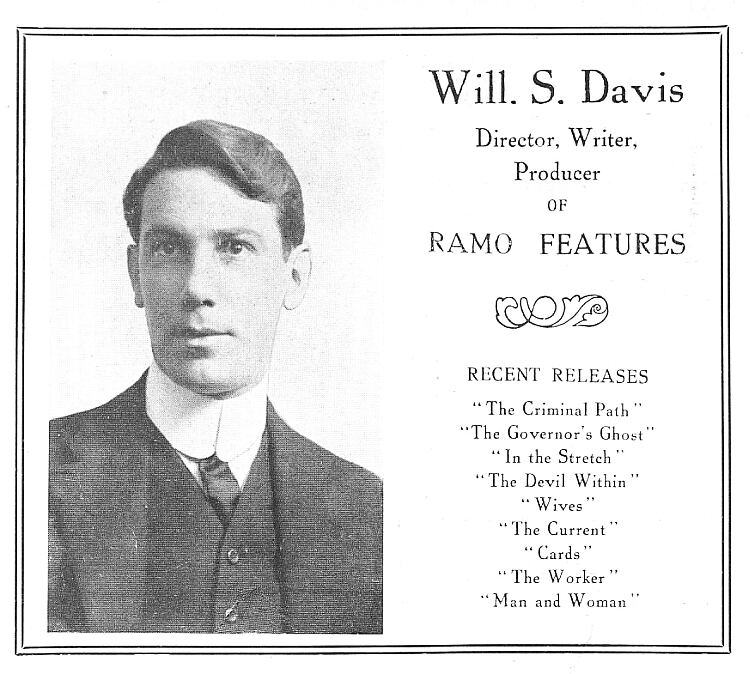
Will S. Davis’s sc..."