
DbcultAccessing Vault...
Recommendations
Senior Film Conservator
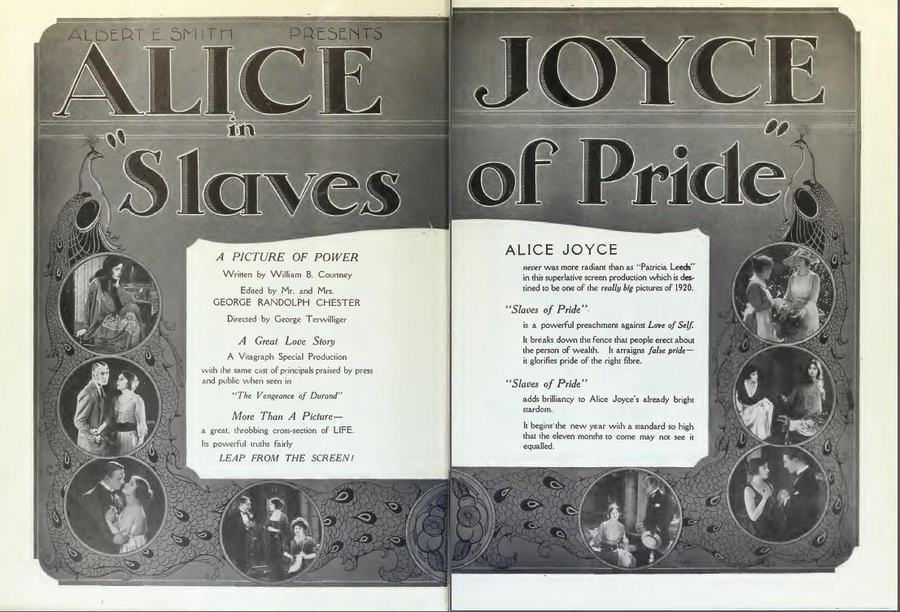
As a cultural touchstone of United States, Slaves of Pride resonates with its poignant storytelling, its lasting impact ensures that its spirit lives on in modern recommendations. Our archive is rich with titles that mirror the poignant storytelling of George Terwilliger.
For many, the first encounter with Slaves of Pride is to provoke thought and inspire awe in equal measure.
Patricia Leeds is placed on the auction block of marriage by her extravagant, selfish mother and sold to the highest bidder, Brewster Howard, a wealthy man obsessed with his own importance. Howard browbeats his wife to such an extent that for revenge she elopes with his secretary, John Reynolds. The humiliated husband pursues his wife and her lover, and in the ensuing fight, Reynolds falls to his death in front of an oncoming train. After returning home, when Howard discovers that his secretary has ruined him financially, he totters on the brink of suicide until Patricia appears and declares her love for him.
Slaves of Pride was a significant production in United States, showcasing the immense talent of Percy Marmont, Charles A. Stevenson, Templar Saxe. It continues to be a top recommendation for anyone studying Drama history.
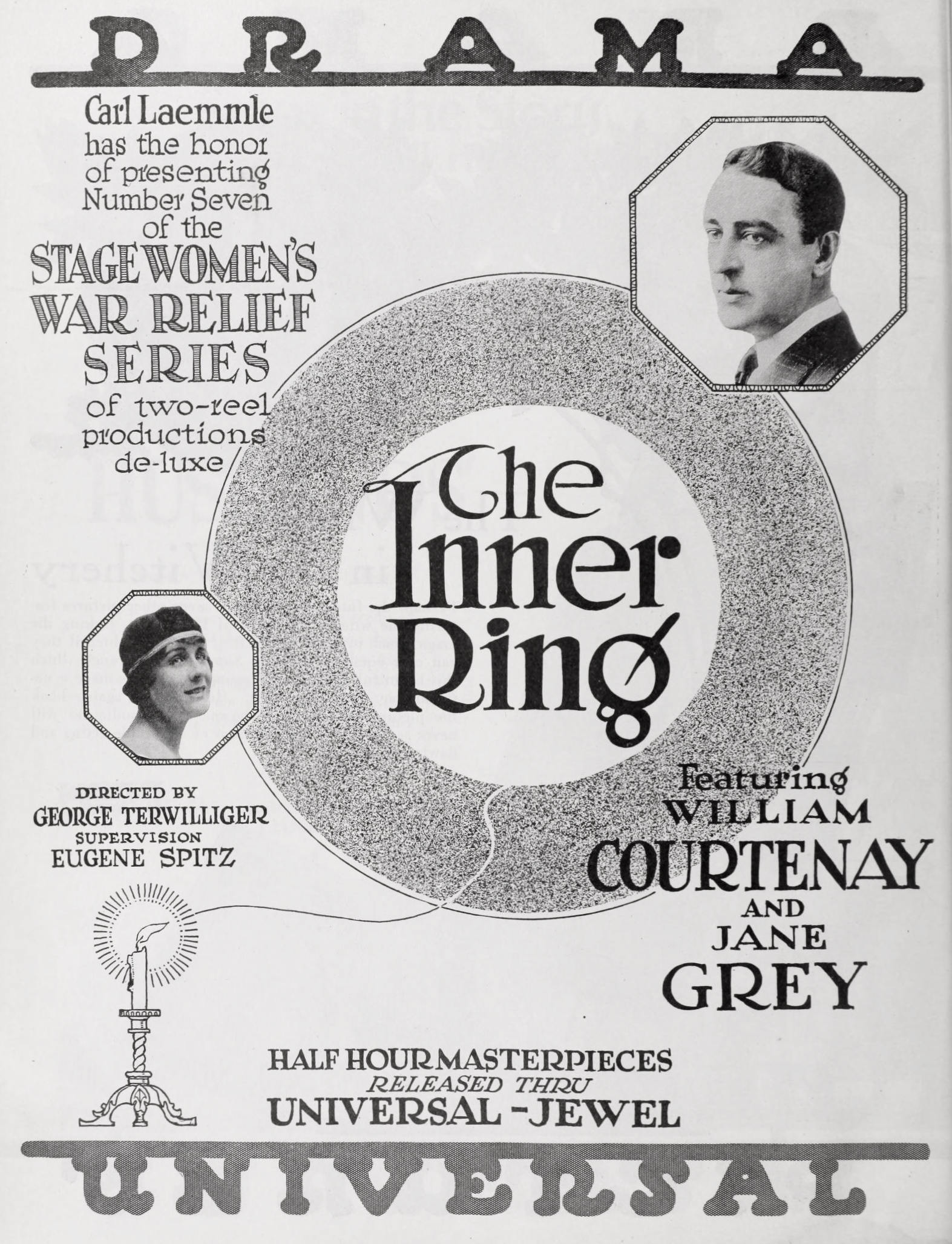
Based on the unique poignant storytelling of Slaves of Pride, our vault has identified these titles as the most compelling follow-up experiences for fans of Drama cinema:
Dir: George Terwilliger
A fascinating piece of cinema that shares thematic elements.
View Details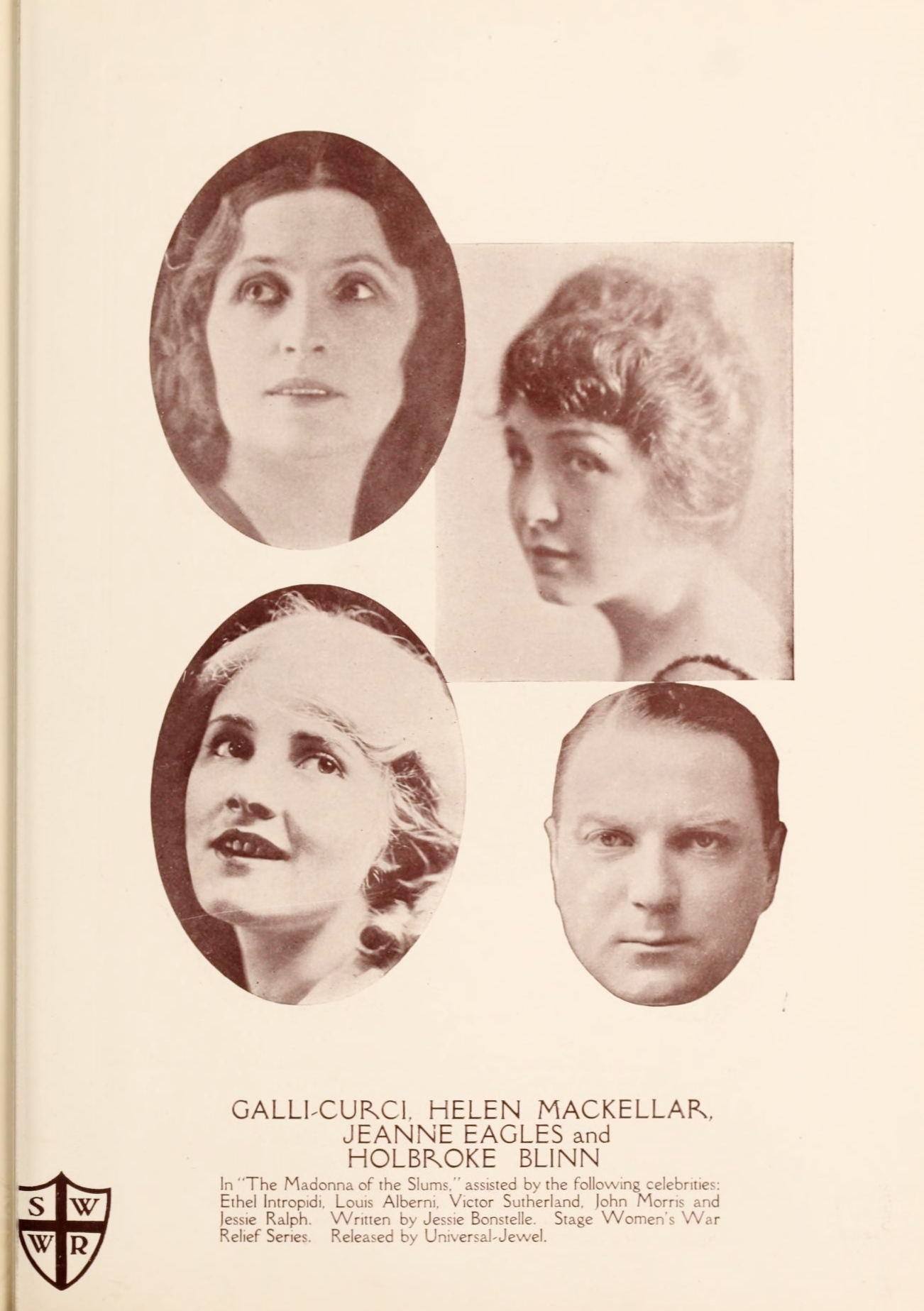
Dir: George Terwilliger
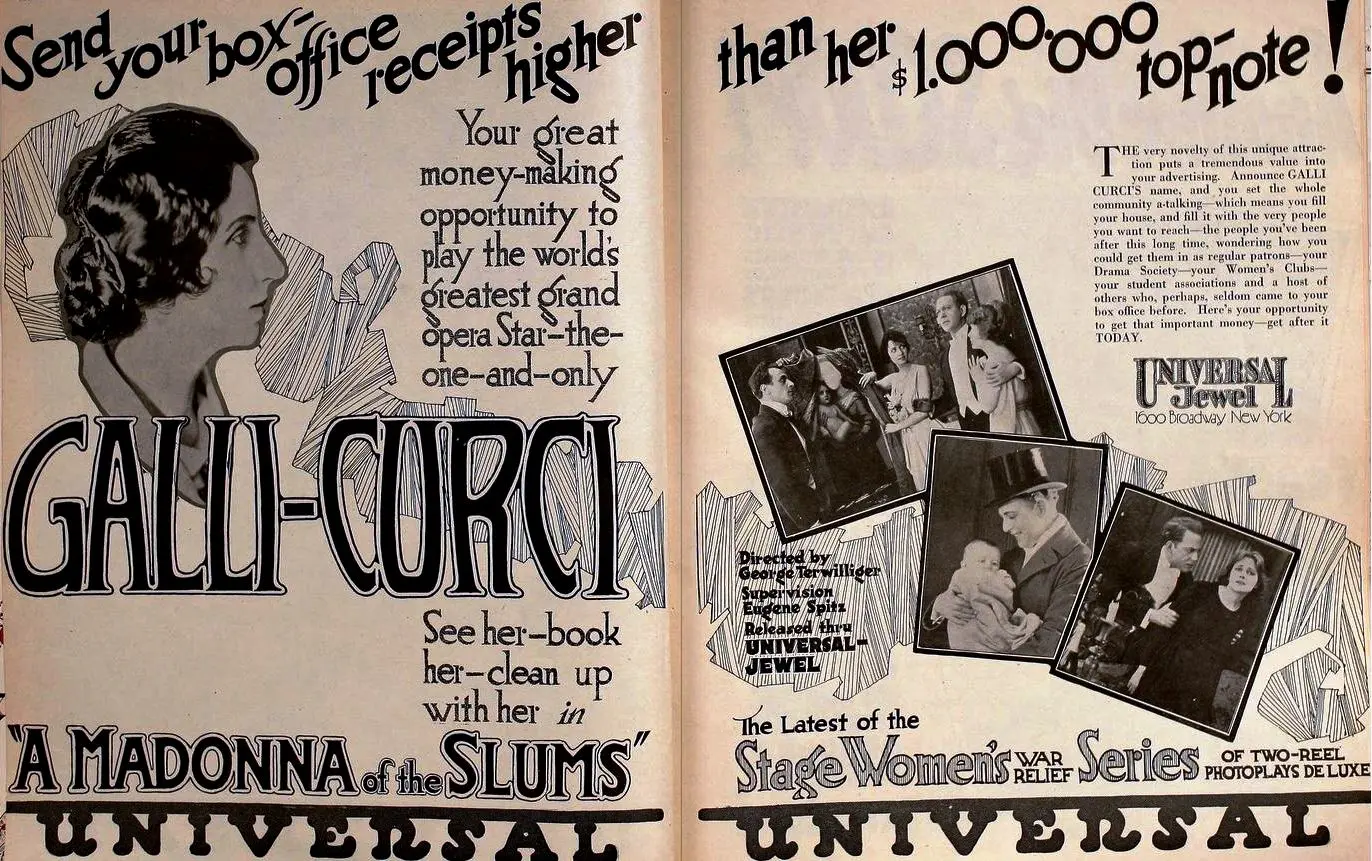
A rich artist has never completed a master painting because he could not find a model for the face, sees the wife of a man in hard luck begging on the street so she can buy milk for her baby, and the artist secures just what he desired.
View Details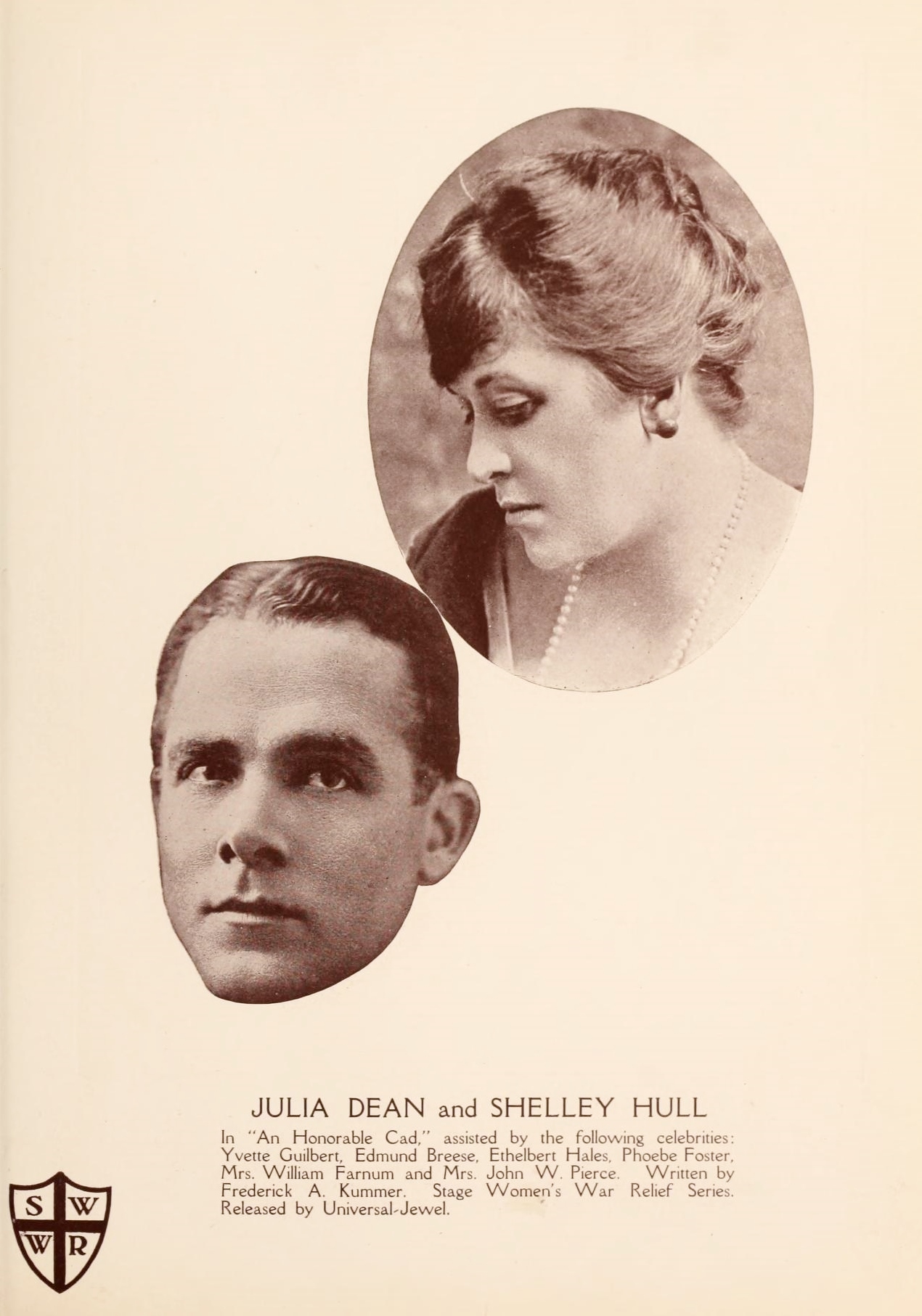
Dir: George Terwilliger
A fascinating piece of cinema that shares thematic elements.
View Details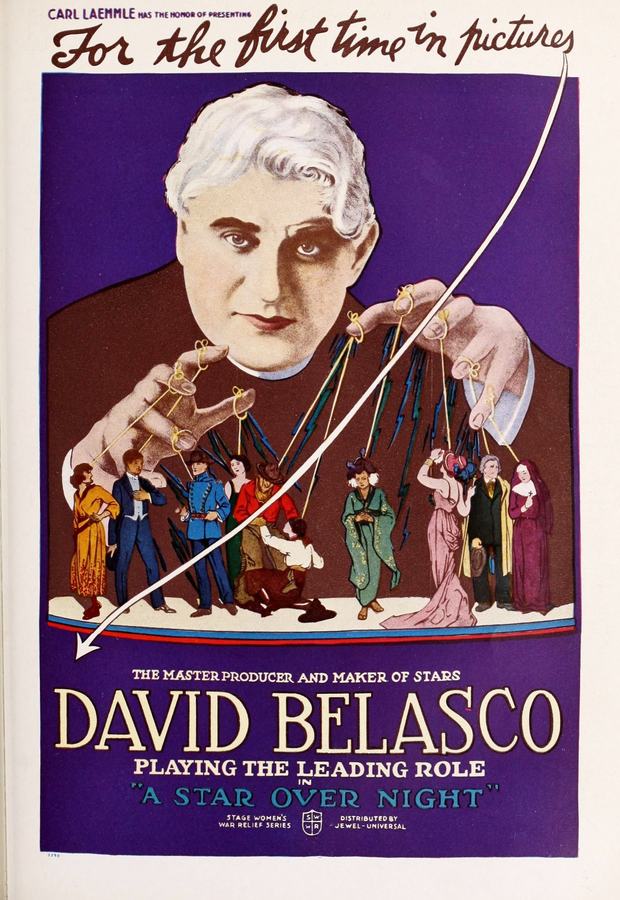
Dir: George Terwilliger
A jealous leading lady does herself out of money and honor, while the object of her jealousy steps in, carries the show and wins the love of the play's author.
View Details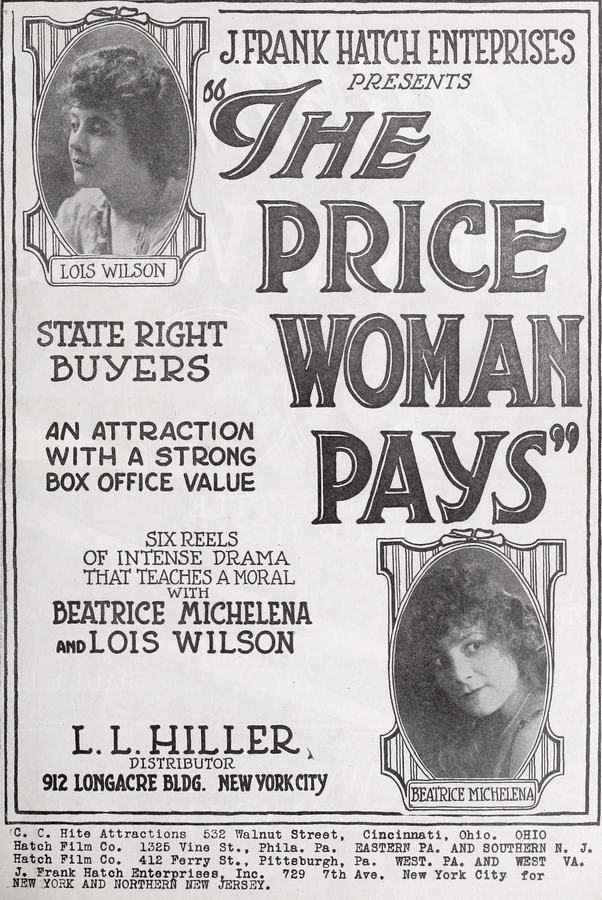
Dir: George Terwilliger
After school one day, Violet, who associates with wicked boys bent on deceiving young girls, persuades her friend Louise to go riding with a couple of boys. Louise, suspicious of the boys' intentions, demands to be taken home. After Louise confesses that she lied to her mother about the escapade, her mother gives her Faust to read. Faust, an old man, sells his soul to the devil for one year of youth to win Marguerite. Marguerite succumbs and soon becomes enshrouded in darkness. The story causes Louise to refuse to meet the boys again. After Violet goes to a distant city with a boy who promises to marry her, Louise receives a letter asking her to help. She follows, and after learning from Violet of the boy's deception, Louise is lured into an apartment by the boy's friend. She attempts to jump from a ten-story window, but the boy catches her. Louise awakens to discover that she has been dreaming since reading Faust and then relates her lesson to Violet.
View Details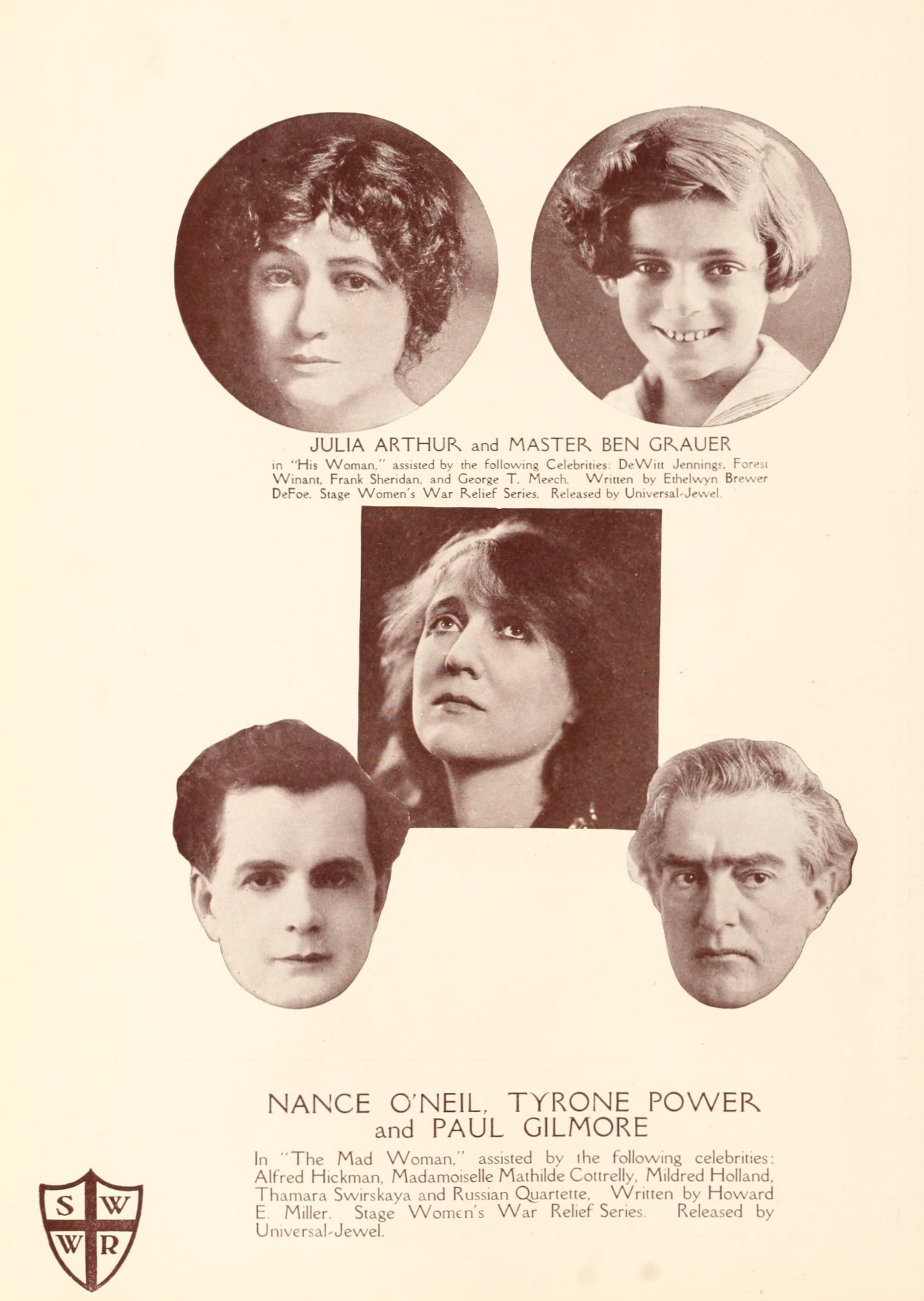
Dir: George Terwilliger
A fascinating piece of cinema that shares thematic elements.
View Details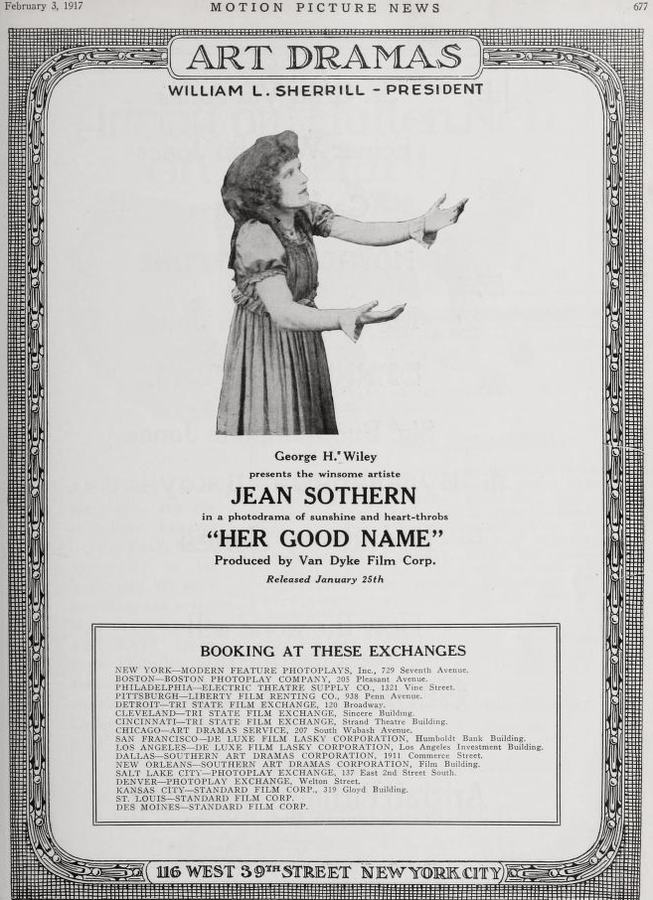
Dir: George Terwilliger
A fascinating piece of cinema that shares thematic elements.
View Details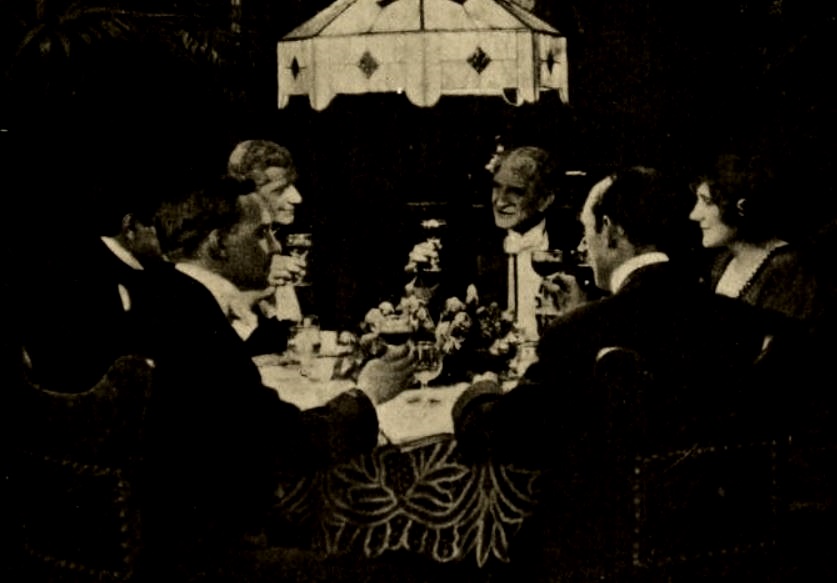
Dir: George Terwilliger
Matthew and Reginald Crosby, two brothers, and their cousin, James Thedford, manage an industrial conglomerate. Reginald marries an actress and gives so many lavish and ostentatious parties that one of them leads to a strike after being reported by labor editor Oscar Lackett. The strike leaders are fiery orator Jem Burress, German immigrant Louis Stolbeck, and Stolbeck's feisty daughter Louise, who is also Jem's girlfriend. John Stedman, a labor lawyer, lends moderation to the cause and thus impresses Matthew and Reginald's sister, Grace Crosby, who joins the workers. When Jem, jealous of Louise's infatuation with John, attempts to discredit him with the union members, Louise goes to John's apartment to warn him, but Grace arrives at the same time to accept John's marriage proposal. To prove her devotion to John and the cause, Grace summons her brothers to John's apartment, and when everyone converges, they finally resolve the strike.
View Details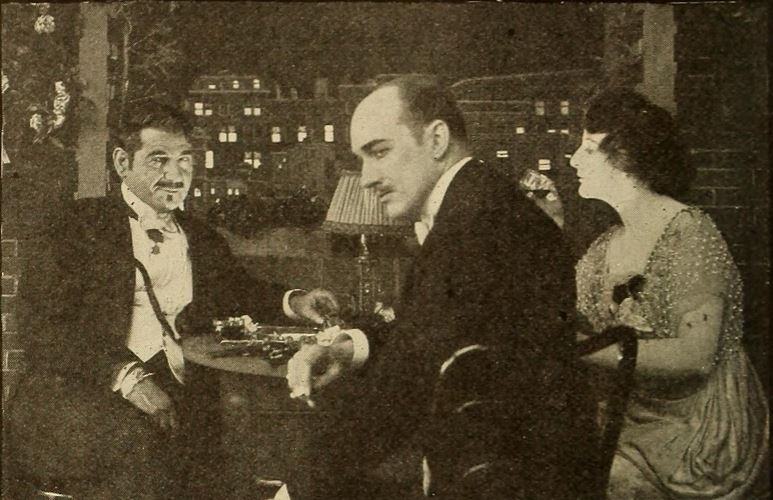
Dir: George Terwilliger
Episode 1: "The Jade Necklace" Dorothy Desmond, an inexperienced Kentucky girl whose father, an editor, had been shot at his desk by a political opponent, and whose mother had dropped dead of shock, found herself left virtually penniless. She believed she had a gift for writing and came to New York to seek a position on a newspaper. She was assigned to Chinatown to get an opium den story. She missed her escort and bravely and foolishly went to Chinatown alone. She yielded to the invitation of a Chinaman to enter his shop and inspect some beads, and he was at the point of attacking her when a storm of revolver shots broke, and a tong war was on. At the crack of the first pistol the Chinese shopkeeper desisted from his evil designs and shoved Dorothy into a secret room, the door of which he closed and locked on the outside. The girl was mad with fear. To her through the deadening walls came the sounds of the shooting. Then the shots ceased as suddenly as they had begun, and she heard faintly the gongs of police ambulances and patrols. Had she been liberated she would have seen white-jacketed emergency surgeons and orderlies picking up dead and wounded Chinamen and putting them into the wagons, while blue-coated officers with busy clubs rounded up other Chinamen, dragging them from all sorts of odd holes and corners and packing them into patrol wagons. "Worst tong fight in years," a sergeant observed pleasantly to a newspaper man. "Seven dead already, and some of the wounded sure to die. These Chinks shoot mighty straight for heathen. In the dark, too. What always puzzled me was how one tong could spot the other tong when they get mixed up in one of these nasty little wars. All Chinks look pretty much alike to me. You can never find out what started one of those shooting festivals. They won't tell a white man a thing. We can take our fill of guessing, though. Maybe it was a woman taken away from a member of one tong by a member of another. Maybe it was opium, maybe, you can think up a whole lot of maybes if you try, but what's the use"?
View Details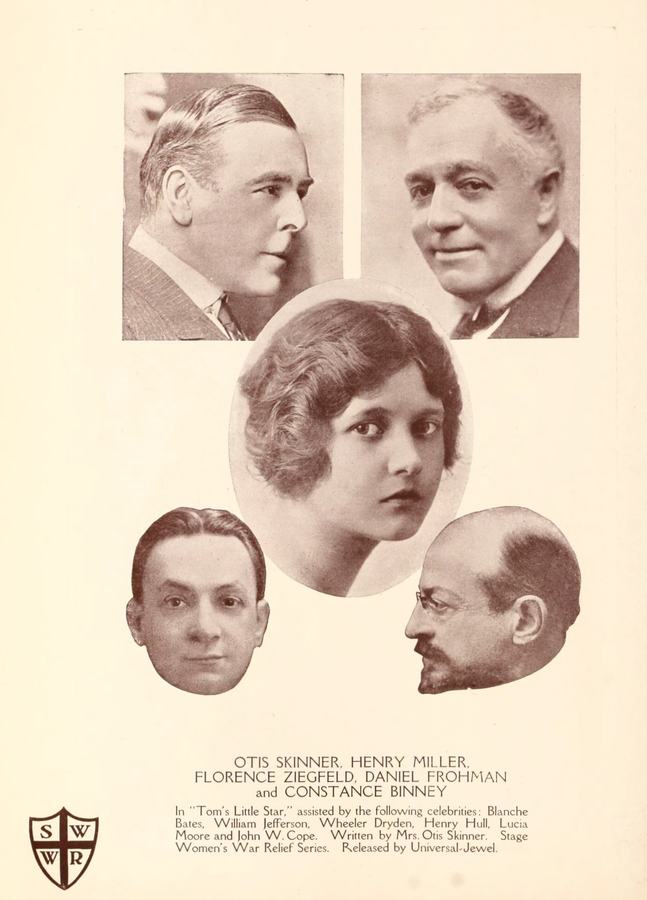
Analysis relative to Slaves of Pride
| Film Title | Atmosphere | Complexity | Similarity |
|---|---|---|---|
| The Inner Ring | Surreal | Abstract | 93% Match |
| The Madonna of the Slums | Gothic | Abstract | 91% Match |
| An Honorable Cad | Surreal | Dense | 85% Match |
| A Star Over Night | Gritty | Dense | 86% Match |
| The Price Woman Pays | Gritty | Dense | 96% Match |
This guide was algorithmically generated using the cinematic metadata of George Terwilliger's archive. Last updated: 8/16/2026.
Back to Slaves of Pride Details →