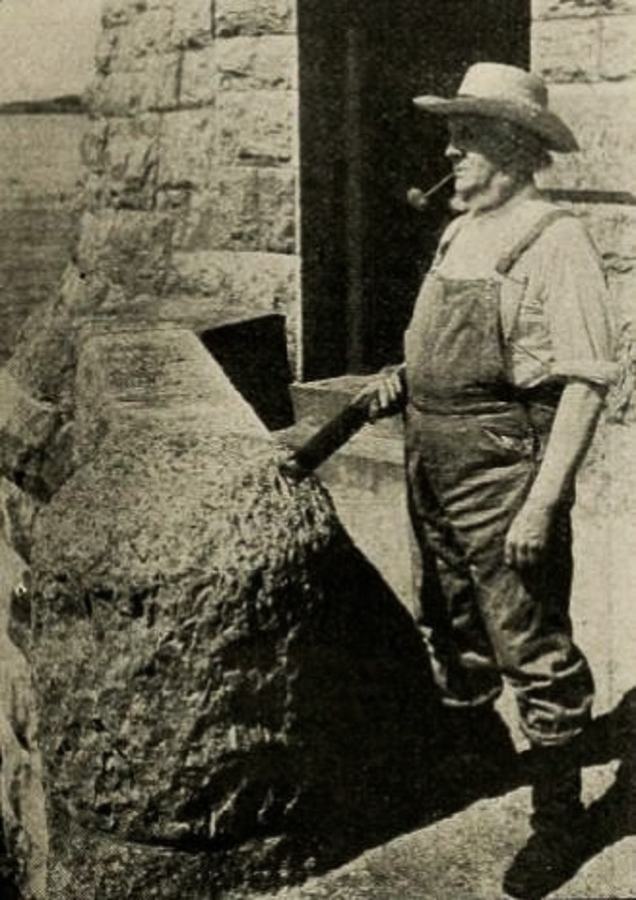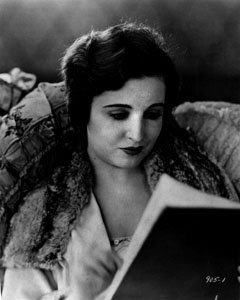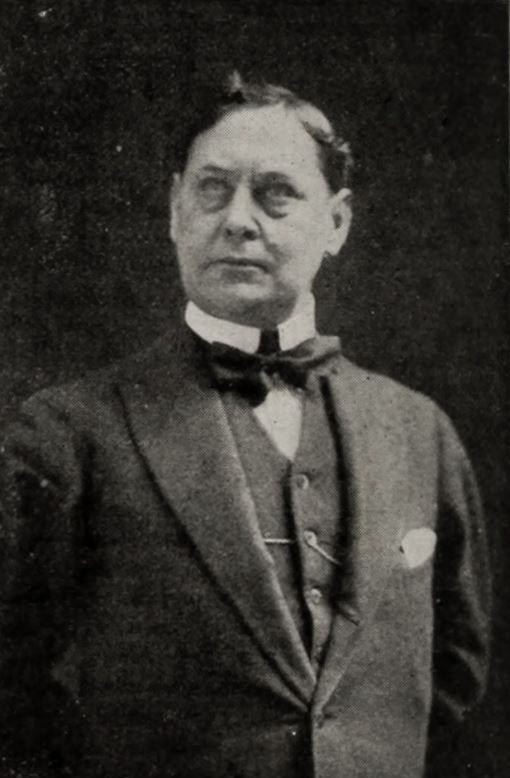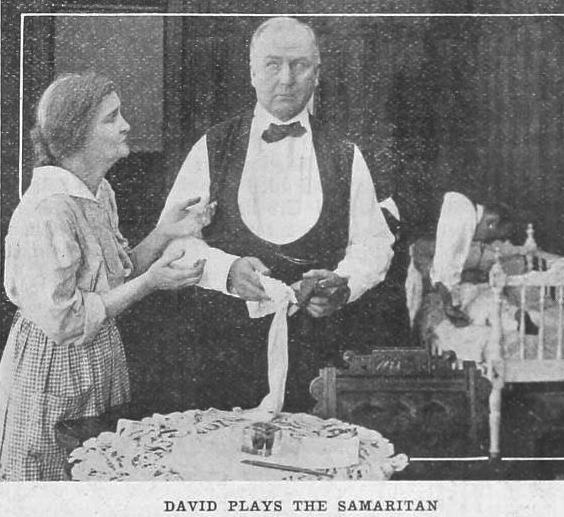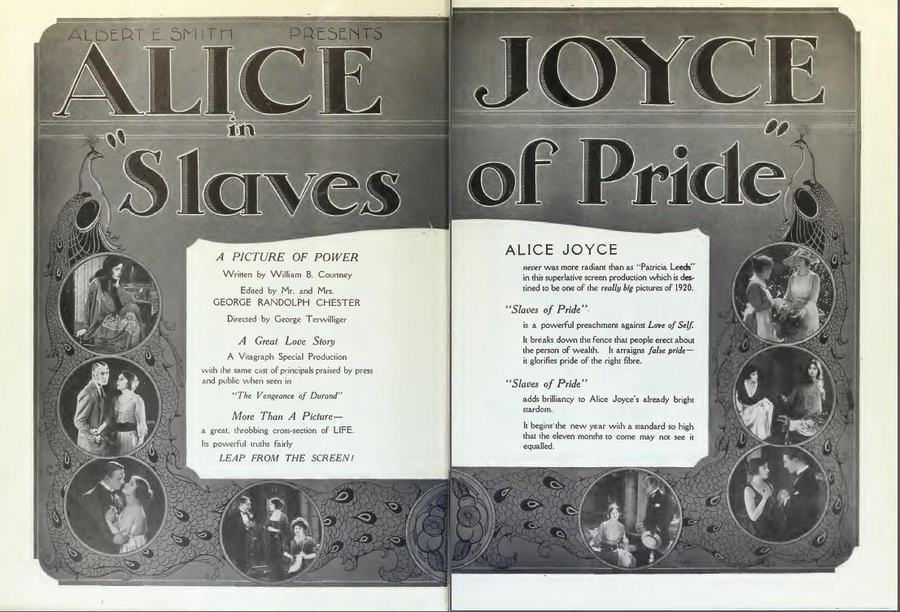
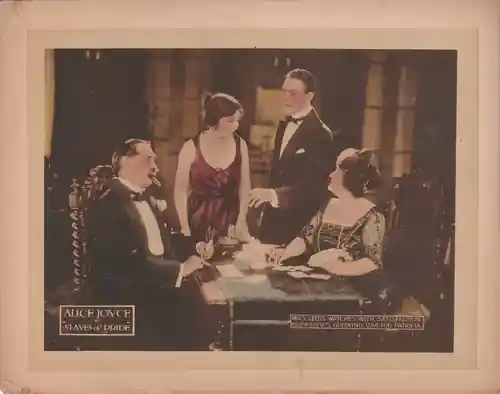
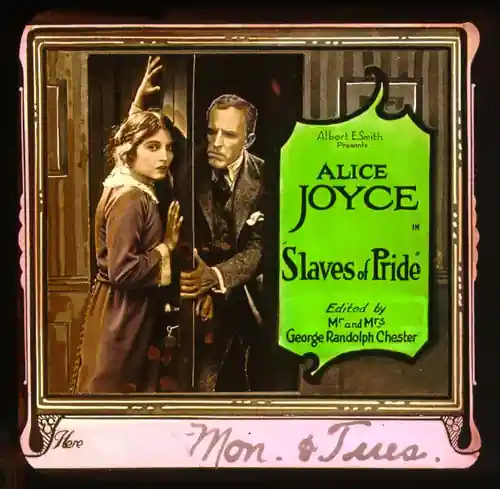
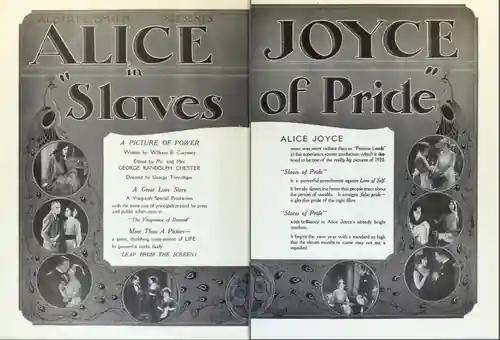
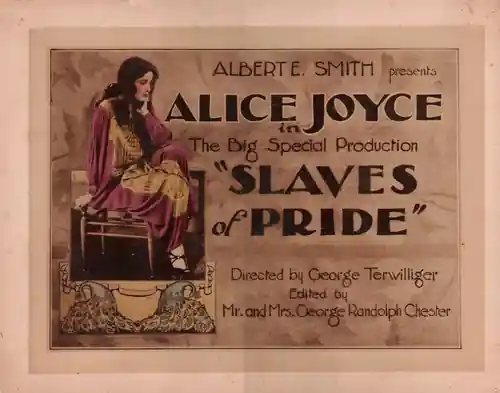
Patricia Leeds is placed on the auction block of marriage by her extravagant, selfish mother and sold to the highest bidder, Brewster Howard, a wealthy man obsessed with his own importance. Howard browbeats his wife to such an extent that for revenge she elopes with his secretary, John Reynolds.
A marriage treated like a livestock fair, a husband who mistakes possession for adoration, a wife who retaliates with the sharpest blade available—another man’s tenderness—Slaves of Pride is a silent grenade whose shrapnel keeps humming a century on. William B. Courtney’s screenplay, lean as a scalpel, skins the Jaz...
production_art
production_art
production_art
production_art
Comparing the cinematic DNA and archive impact of two defining moments in cult history.
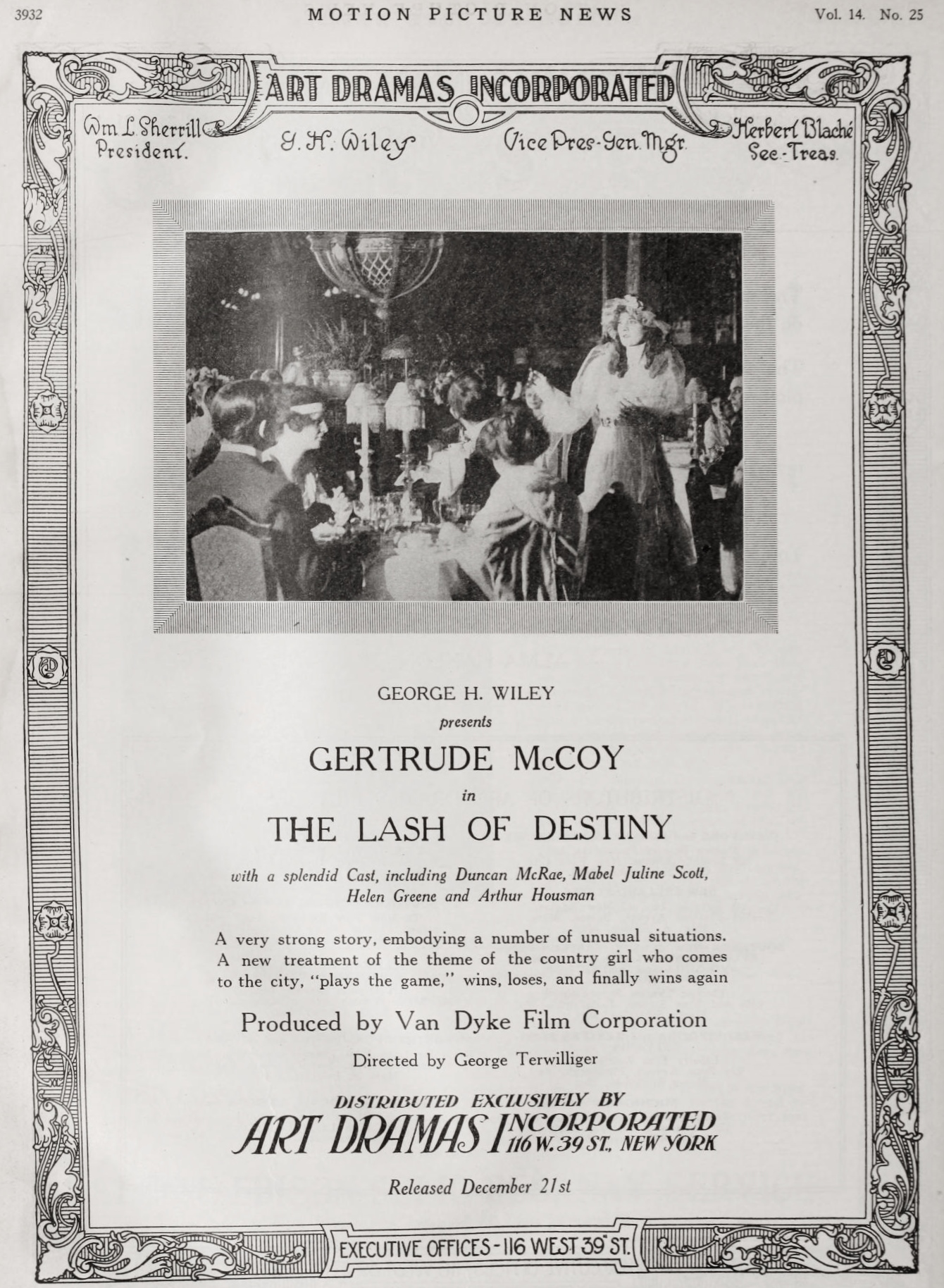
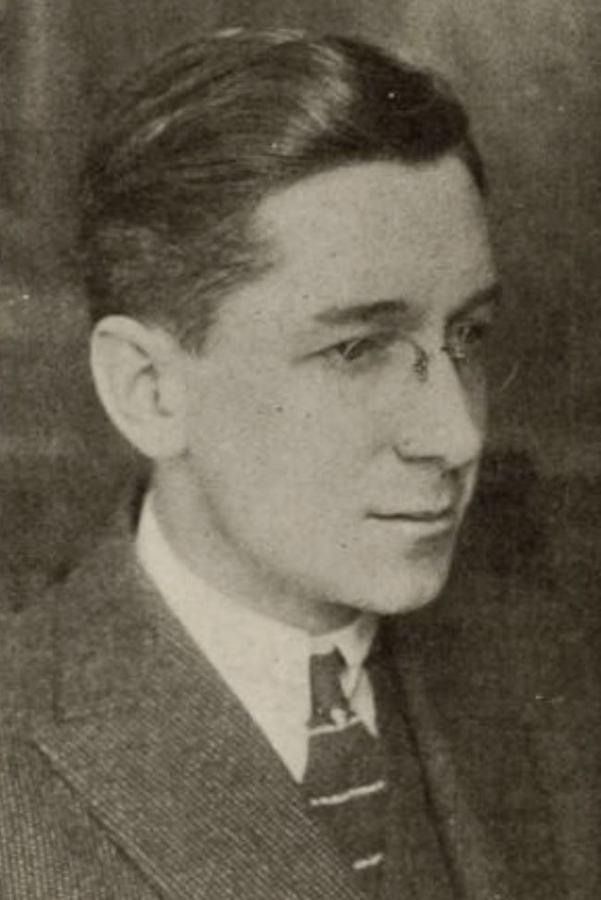
George Terwilliger
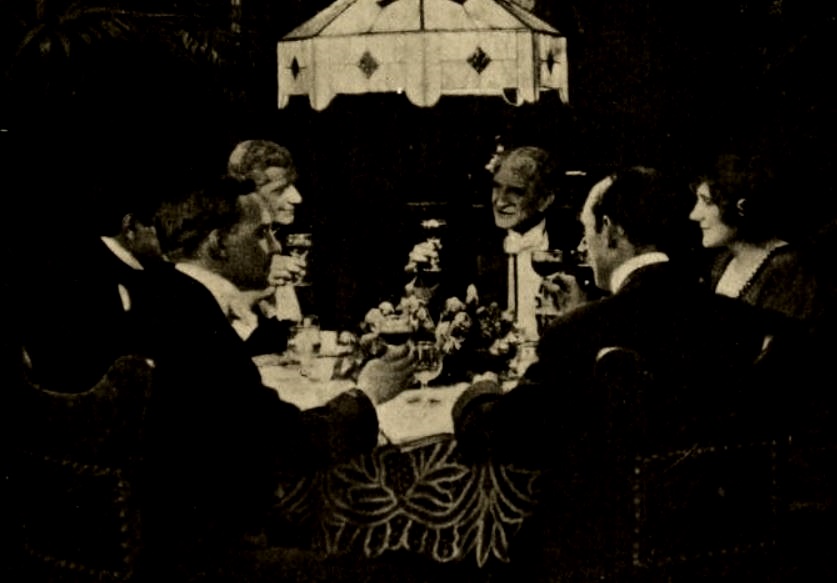
George Terwilliger
Community
Log in to comment.
" A marriage treated like a livestock fair, a husband who mistakes possession for adoration, a wife who retaliates with the sharpest blade available—another man’s tenderness—Slaves of Pride is a silent grenade whose shrapnel keeps humming a century on. William B. Courtney’s screenplay, lean as a scalpel, skins the Jazz-Age sanctimony surrounding wedlock and exposes raw transactional sinew: Patricia isn’t courted, she’s priced. Howard isn’t smitten, he’s acquiring. The film’s first reel plays li..."
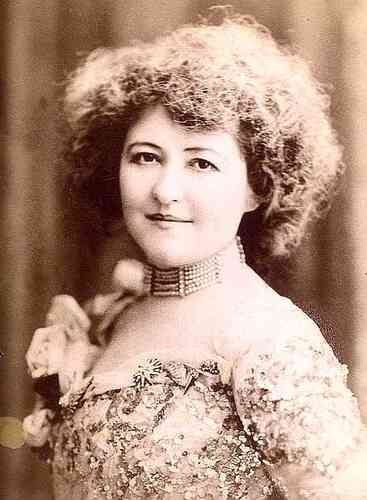
Louise Beaudet
William B. Courtney
United States
Deep dive into the cult classic
Discover similar cinematic experiences
A Directorial Spotlight on George Terwilliger