
DbcultAccessing Vault...
Recommendations
Senior Film Conservator
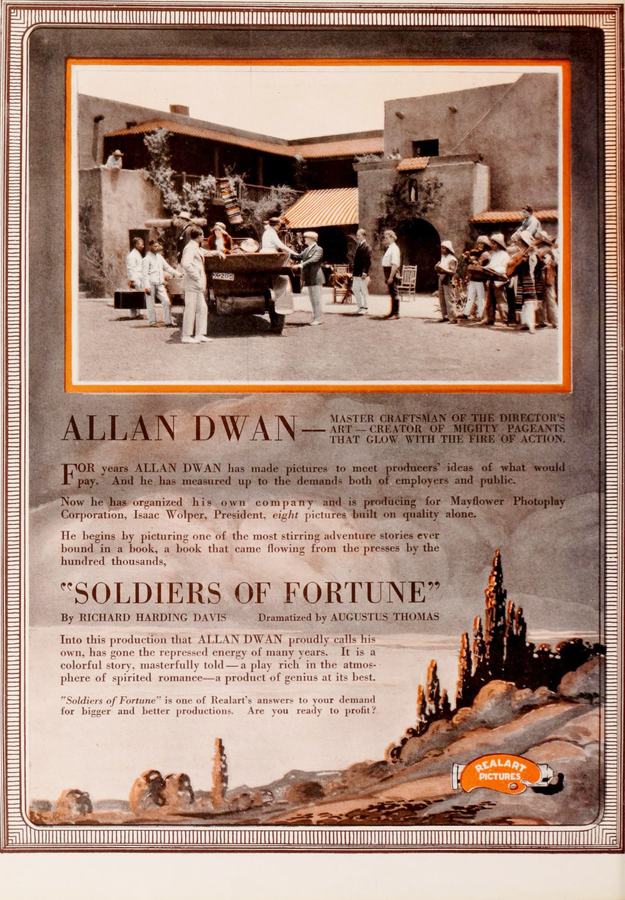
Since its 1919 debut, Soldiers of Fortune has maintained a unique vision status, the legacy of Soldiers of Fortune is a beacon for those seeking the unconventional. Our criteria for this list were simple: only the most unique vision and relevant titles.
The 1919 landscape was forever altered by the arrival of to sustain a sense of mystery that persists after the credits roll.
Civil engineer Robert Clay (Norman Kerry) is commissioned by wealthy New Yorker Mr. Langham to open iron deposits in the tiny South American republic of Olancho. General Mendoza (Wallace Beery), the unscrupulous head of the army, unsuccessfully tries to persuade President Alvarez, and then Clay, to divide the spoils of the contract. Mendoza begins a revolution against Alvarez, but Clay and his men set out to stop the plan. Meanwhile, Mr. Langham arrives with his two enchanting daughters, Alice (Anna Q. Nilsson) and Hope (Pauline Starke), on board a yacht owned by Reginald King, Alice's suitor. Clay's long-lived attraction for Alice has been met with coldness, but Hope wins his heart by shooting down some of Mendoza's men when they try to kill him. After a savage battle, and the arrival of a U.S. battleship with sailors, Mendoza is finally beaten.
Critics widely regard Soldiers of Fortune as a cult-favorite piece of cult cinema. Its unique vision is frequently cited as its strongest asset, solidifying its place in United States's film legacy.
Based on the unique unique vision of Soldiers of Fortune, our vault has identified these titles as the most compelling follow-up experiences for fans of cult cinema:

Dir: Allan Dwan
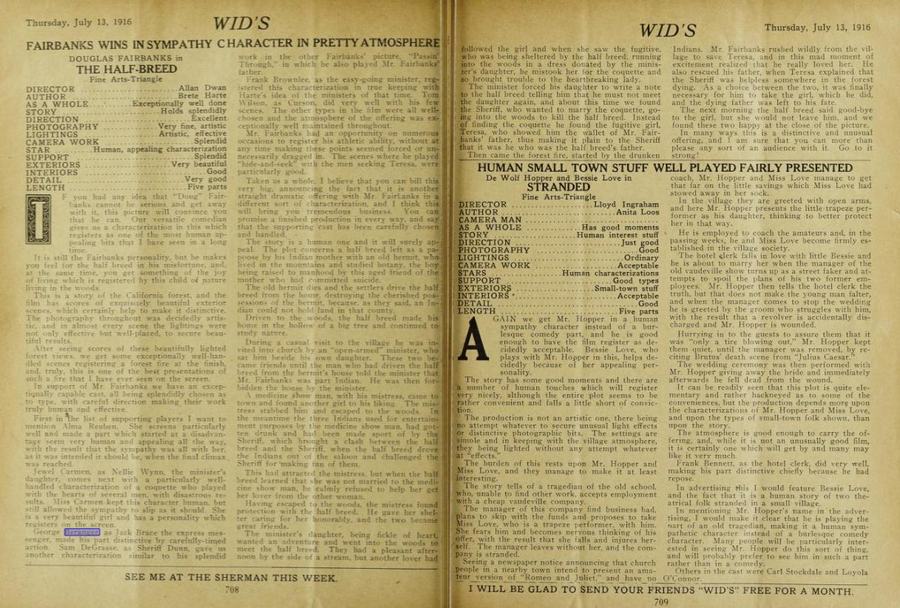
An outcast named Lo Dorman encounters a young woman lost in the woods. He defends her from danger in the forest and from Sheriff Dunn.
View Details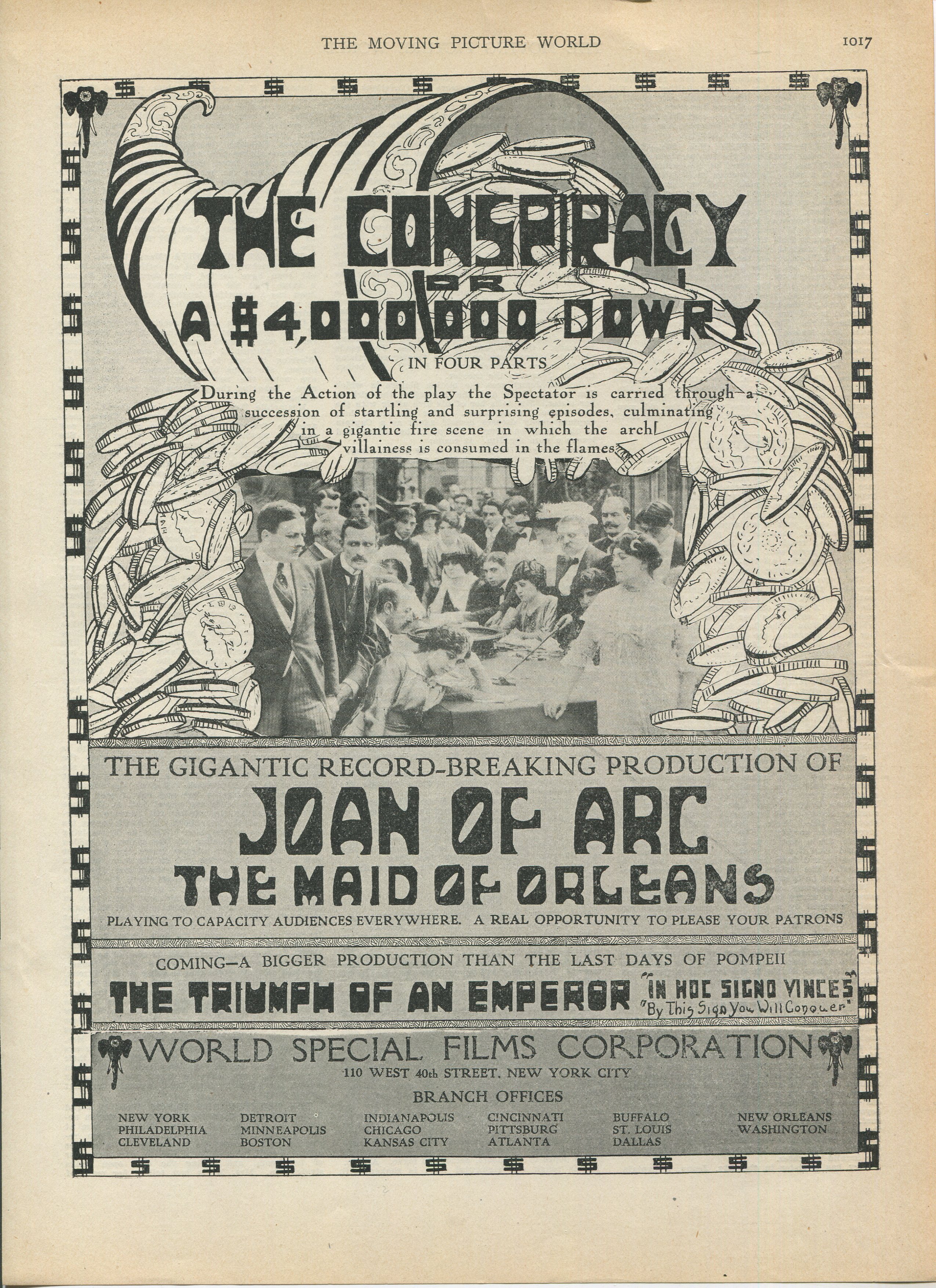
Dir: Allan Dwan
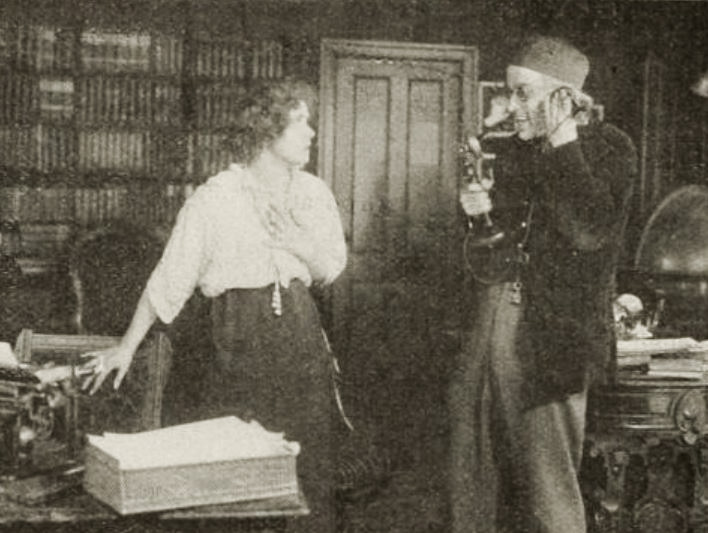
Winthrop Clavering a mystery writer, is continually ridiculed for the fiction of the crimes he depicts, so he decides to solve a case himself. To that end, he determines to find the slayer of Pedro Alvarez, who whispered before dying that his assailant was a woman. At the City Refuge for Homeless Girls, Clavering obtains the assistance of Margaret Holt, the sister of Victor Holt, the district attorney. Margaret, it is revealed, was abducted by Juanita, a member of a gang of white slavers led by Alvarez. After escaping from a brothel, Margaret became Alvarez' stenographer, hoping to gather secret information on his gang. While searching for evidence, Margaret was surprised by Alvarez, whom she killed. Finally, Clavering captures the gang, clears Margaret, and encourages her romance with cub reporter Jack Howell.
View Details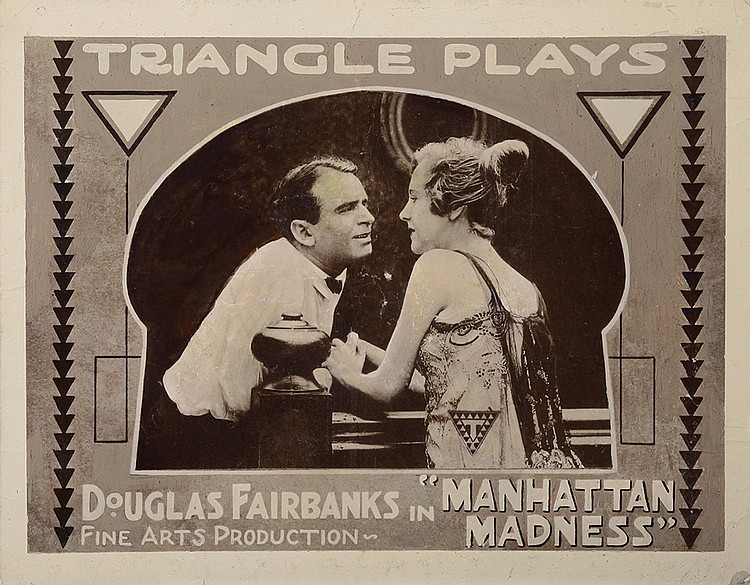
Dir: Allan Dwan
Steve O'Dare, a rich young man who has lived on his Nevada ranch for some years, returns to New York for a visit. He goes to the University Club, of which he is a member, for a week of New York gaiety with his club companions, but fails to get thrills out of the pleasures of the Great White Way. While lunching at a country club, he tells the boys that there isn't a thrill in Manhattan. And then, through an open doorway he sees at a table in the garden outside a middle-aged couple of distinguished appearance--and a beautiful girl. Upon inquiring of his companions who the people are, he learns that they are the Count and Countess Marinoff and their ward. One of his pals offers to bet him $5,000 that if he will stay in New York a week he will get the thrill of his life. Steve takes the bet. Remembering that he has sold stock to Count Marinoff he wonders whether it might not be possible for him to meet the ward. The problem is solved when the Count calls Steve up and asks him to come to his home. Steve goes and meets the ward, who mystifies Steve by making mysterious signs to him. The Count informs Steve that the girl is crazy. The girl's maid passes Steve a note that says the girl is in great peril and wants him to help her. The Count being called away, the maid directs Steve to go up to the second floor. Ascending the stairs he drops through a trap door on the landing and is bound and gagged by the Count's butler, but the maid releases him, and he telephones to the boys at the club and asks some of them to come out to the Count's house. The boys come, and a battle follows between the Count and his servants on one side, Steve and the clubmen on the other. Steve battles up through the house to the roof with one of the Count's henchmen, who has carried the ward off in his arms early in the conflict. After finally knocking the villain cold Steve searches for the girl but cannot find her. All the men who have been fighting, both his friends and the Count have mysteriously disappeared. As he is at his wits end he sees the face of the butler peeping through a sliding panel in the wall. The panel quickly closes and Steve kicks his way through it and finds himself in a banquet hall where the whole company of his friends and supposed foes are dining together, the persecuted ward beaming at him from the end of the table. The friend with whom Steve made the bet now explains that he has been given the promised thrill, the members of the party, except the clubmen, being members of the theatrical profession, especially engaged for the doings. Just then there arrives four of Steve's cowboys, for whom he telephoned at the same time that he telephoned the club. With their aid Steve quickly turns the tables on the jokers. While cowboys cover the party with their guns Steve announces that he, like Lochinvar, came out of the West, grabs the girl, and rides away with her. She is a not-unwilling captive, and as hour later the weary party still held under the guns get a wireless from Steve that he is quite willing to pay his bet; he has had the thrill of his life, for he is married and sailing away on his wedding tour.
View Details
Dir: Allan Dwan
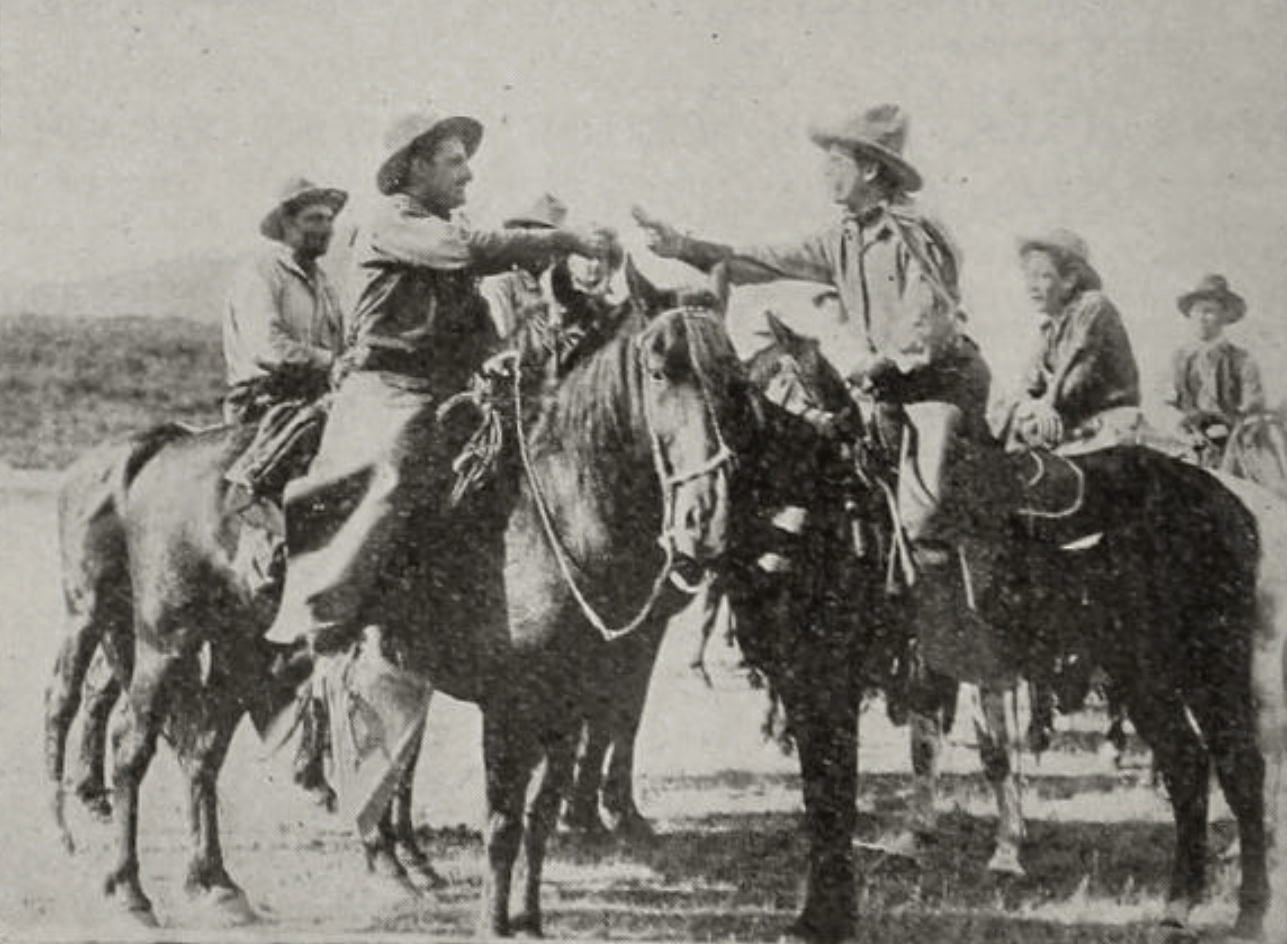
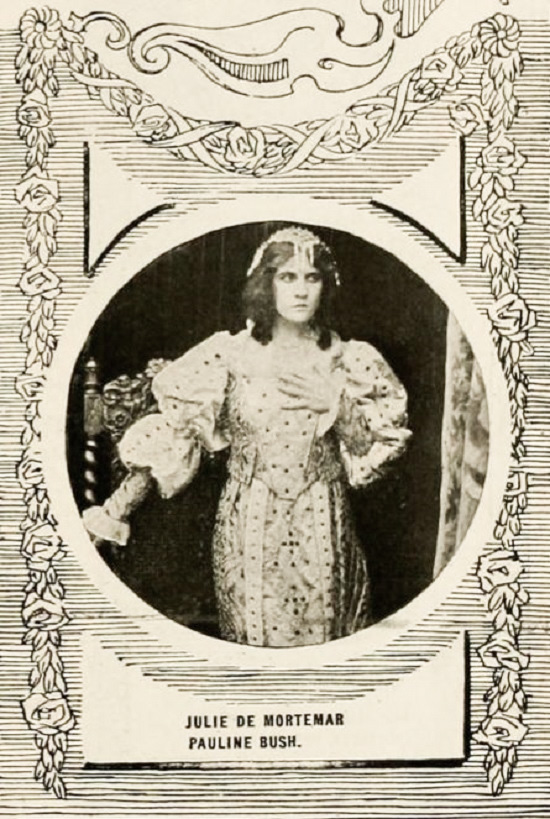
With the opening of the story Richelieu pardons the Duke of Orleans and all his followers in the Languedoc revolt, save one. The exception is Adrien de Mauprat, because he seized a French town without his leader's orders. Richelieu advises him to lead his troops against the Spaniards and seek honorable death in battle. Julie, Richelieu's ward, loves de Mauprat, but notwithstanding her entreaties, the Cardinal is relentless; de Mauprat courts death on the battlefield. But now that he seeks death, it shuns him; instead of a soldier's grave, he wins glory. Julie has another admirer, Haradas, the King's favorite. Aware of de Mauprat's place in Julie's affections, he sets himself to bring discredit upon his rival. Later, Julie, at the King's request, attends court. She makes a deep impression upon the weak-minded, fickle monarch. A year after the departure of de Mauprat, Baradas and his followers conspire to murder Richelieu and seize the throne of France. At this critical time de Mauprat returns, famous in battle, sad of heart and loathing Richelieu. Thus he becomes a ready member of the conspirators. However, Richelieu hears of his arrival and of the conspiracy and has him arrested. In the meantime, Julie has returned from court and again appeals for de Mauprat's life. Thus, when de Mauprat is ushered into the Cardinal's presence, instead of hearing his death sentence, he is informed that he will marry Julie the following day. Hearing of this the King is violently angry: Julie is summoned to appear at court. Once there she is virtually held prisoner and her marriage is declared invalid. The false Barad is convinces de Mauprat that he has been tricked by Richelieu. De Mauprat swears vengeance and again joins the conspirators, all of whom sign a scroll addressed to the Spaniards offering to deliver France into their hands. From here the story develops with plot and counterplot. How de Mauprat discovers his tragic mistake in thinking the Cardinal has double-crossed him, how he manages, through a heroic effort, to save the old man's life, how de Mauprat falls into the hands of the King and is only saved by a master stroke of diplomacy on Richelieu's part, the death of the scheming Baradas and the final achievement of happiness for the young lovers, Julie and de Mauprat, makes up the essential points of the story.
View Details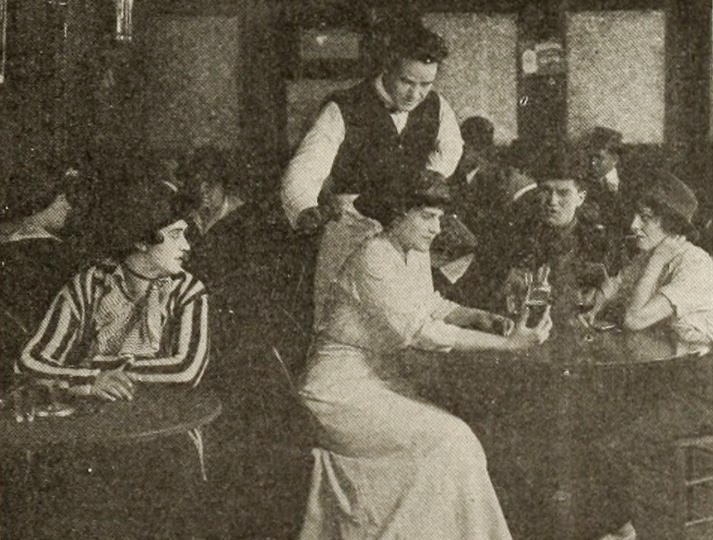
Dir: Allan Dwan
Moll O'Hara, a child of the gutter, grows up with the horrible example of her drunken mother before her, and when, reaching womanhood, the girl loses her mother she keeps as a terrible souvenir the mother's craving for liquor, thrust upon the child when helpless to defend itself. But, save for the love of drinking and of fighting, Moll keeps to "the straight road" and the other temptations of her squalid life leave her unscathed. One day Moll is attacked by Liz, a disreputable woman in Bill Hubbell's saloon; the two women fight and are arrested. On their way past the settlement, Ruth Thompson a wealthy young settlement worker and her fiancé, Douglas Ames, see the pitiful procession, but Ruth insists that Moll and the others be brought into the settlement until she has the affair investigated. They come in and with them Bill Hubbell, the handsome and athletic saloon-keeper, and when he tells the true story of Moll's being first attacked by Liz. Moll is released, at the solicitation of Ruth Thompson. When the others have gone, Ruth pleads with Moll to quit drinking, and aided by the pleading of Mike Finnerty, a little crippled boy, Moll at last gives in, the callous indifference of her nature vanishes, and she becomes a different creature. Mrs. Finnerty, made kindly by Moll's love for little Mike, takes her home with her and a new life begins for Moll. Bill Hubbell, the saloon-keeper, instead of being offended by Moll's abstaining from his wares, encourages her, and a friendship springs up between the two that soon ripens into romance. But Douglas Ames, though engaged to Ruth, with the day set for their wedding, has determined to make a conquest of Moll, and one day, just as she is leaving Ruth, having told of her engagement to Bill, Ames follows and catches her in his arms. Ruth comes upon them, and Ames treacherously throws the fault on Moll, pretending that she had made advances to him, which he was repelling. Naturally, Ruth believes the man she loves in preference to the girl from the gutter, but at last promises the frantic Moll that she will come to her rooms at Finnerty's at 6 o'clock the following evening. After Moll leaves, Ames follows, as Moll knew he would, and begs that he be allowed to visit her. She coquettes with him and promises to be at home to him at six next evening, determined that Ruth shall find him and realize his vileness and the truth of Moll's story. But Bill Hubbell sees and overhears the appointment, and the next night when Ames calls, Bill, instead of Ruth, bursts into the room and sees Ames in the act of embracing Moll. In vain Moll tries to tell Bill the trap she had set for Ames. He laughs scornfully, and when Ruth enters tells her what he saw. Ames sneaks away, and both Ruth and Bill leave, believing Moll guilty. The frenzied and desperate Moll seizes the whiskey Ames had brought her and starts to drink, determined to go back to the gutter, when her despairing eyes fall on the sweet pictured face of the Madonna, a gift from Ruth. Throwing away the liquor, Moll falls on her knees and prays for succor and vindication. How her prayer is answered, her enemy crushed, her innocence established and her love and faith restored is developed in the climax of this drama.
View Details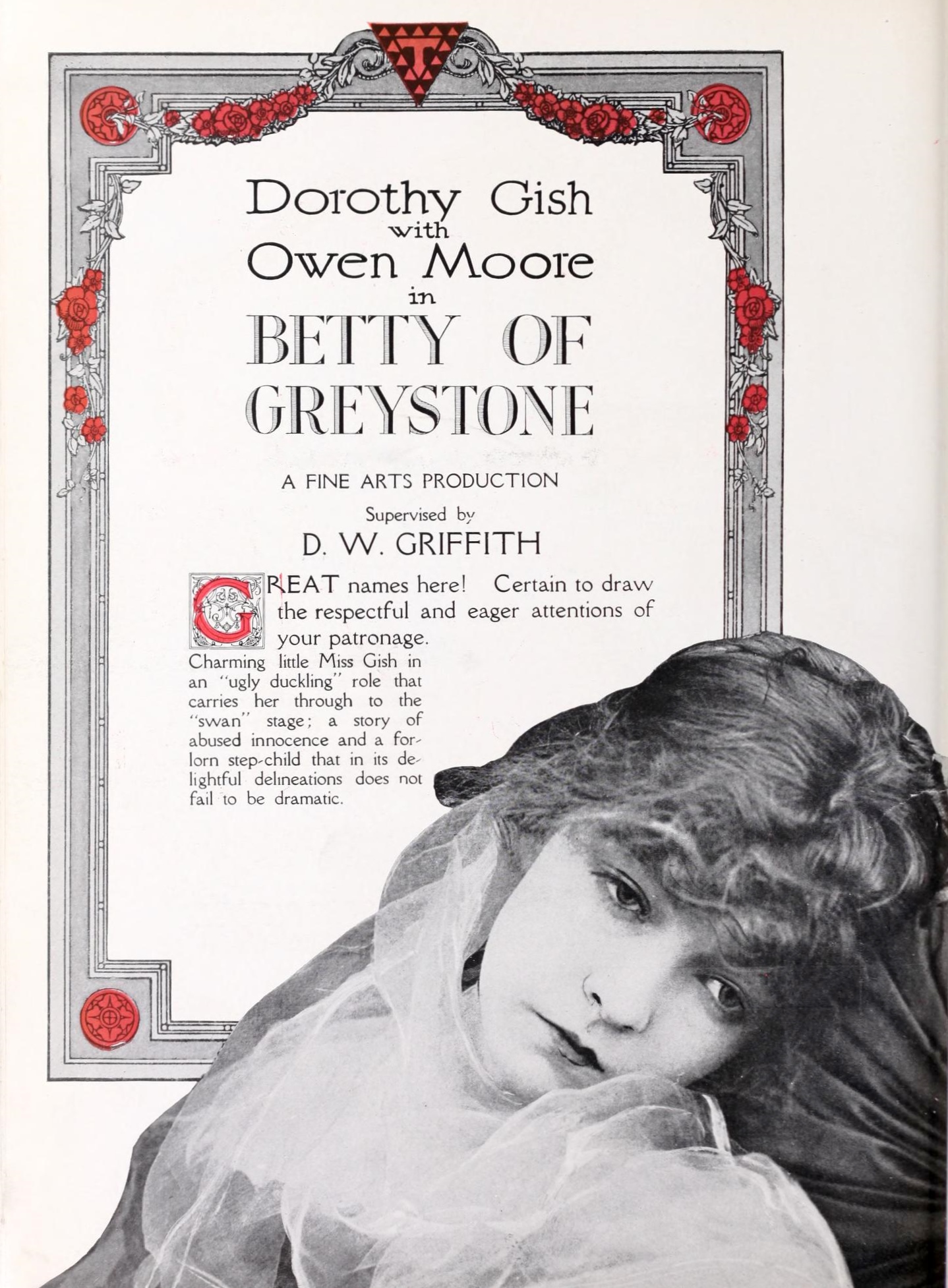
Dir: Allan Dwan
After the death of her father, Betty Lockwood goes to Graystone Gables, the estate where he had been the caretaker, to spend some time alone there. She meets David Chandler, Graystone's owner, who is attracted to her and tells her to come back whenever she wants to. Betty's mother soon remarries, but her new stepfather is not the same kind of man that her father was; she finds herself the subject of some vicious gossip begun by her mother's new husband when he spots her at the estate with David. Complications ensue.
View Details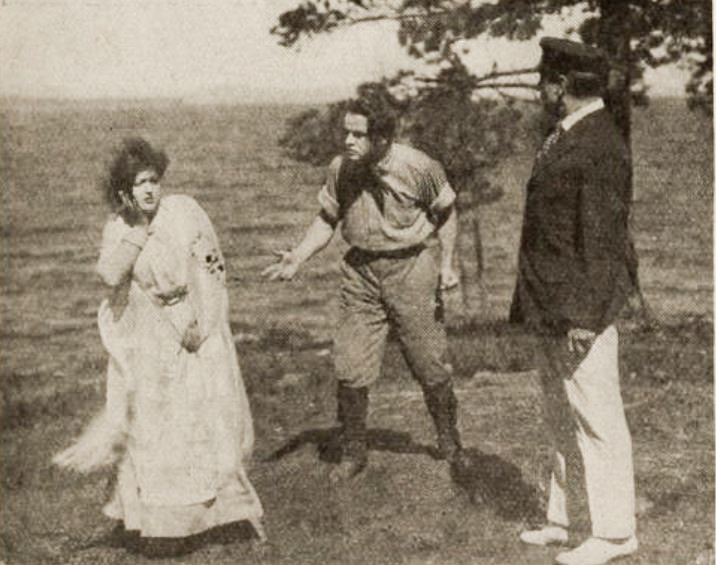
Dir: Allan Dwan
Drusilla Ives, a young Quaker girl living on an isolated island, leaves to become the servant of the spendthrift Duke of Guisenberry in London, who is the Lord of her village. She finds that she is attracted to the bustling city's night life, and when the duke discovers that she is a fine dancer, he helps her turn professional. In short order she becomes known as Diana Valrose, the city's favorite dancer. Unfortunately, her strict father and her Quaker fiancee, John Christison, back on the island find out about her newfound fame and career and strongly disapprove--her father places a curse on her and her boyfriend marries her sister Faith. Complications ensue.
View Details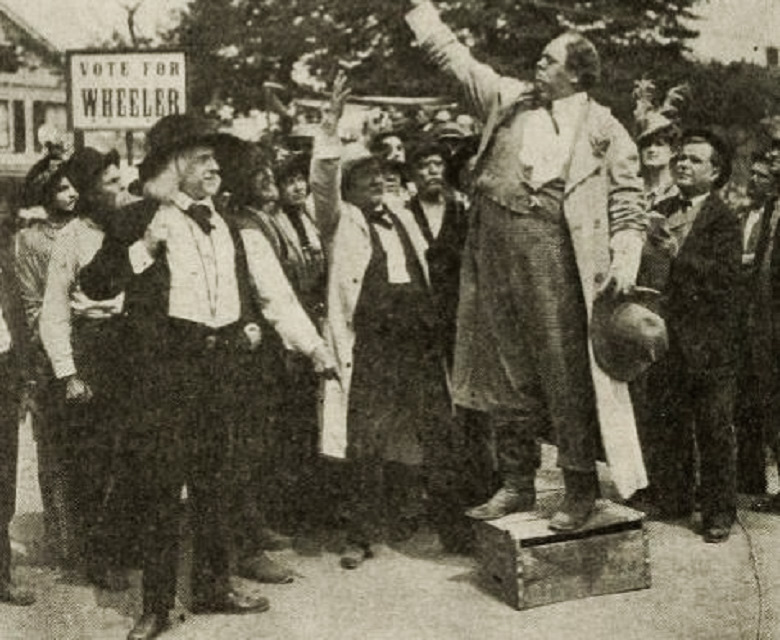
Dir: Allan Dwan
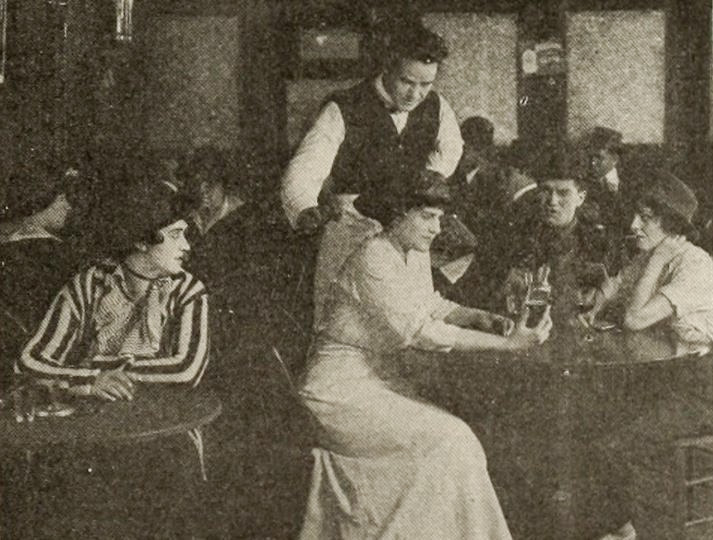
Jim Hackler is the political boss of a small town. When local lawyer Elias Rigby decides to run for Distrct Attorney, Hackler sees a chance to get revenge on Rigby--years ago both men were in the Army and best friends, but Rigby had intercepted letters to Hackler from his sweetheart, and wound up marrying the girl himself. Hackler persuades Rigby's daughter's fiance' to run against him, but things don't quite work out the way he wanted.
View Details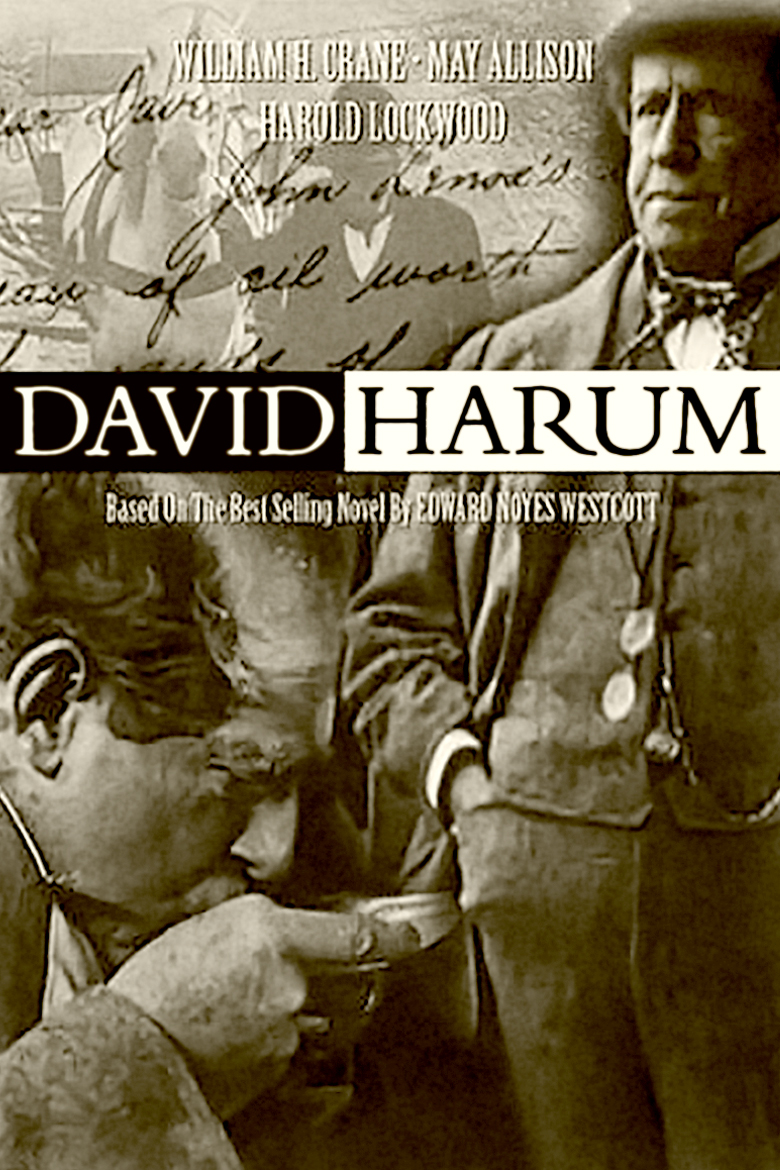
Dir: Allan Dwan
The story of David Harum, a small-town banker, and how what he does and who he is affects the lives of everyone in his town, whether they--or he--realize it.
View Details
Analysis relative to Soldiers of Fortune
| Film Title | Atmosphere | Complexity | Similarity |
|---|---|---|---|
| The Half-Breed | Tense | Layered | 98% Match |
| The Conspiracy | Gritty | High | 89% Match |
| Manhattan Madness | Gothic | Dense | 96% Match |
| Richelieu | Gritty | Layered | 98% Match |
| The Straight Road | Gritty | High | 97% Match |
This guide was algorithmically generated using the cinematic metadata of Allan Dwan's archive. Last updated: 6/23/2026.
Back to Soldiers of Fortune Details →