
DbcultAccessing Vault...
Recommendations
Senior Film Conservator
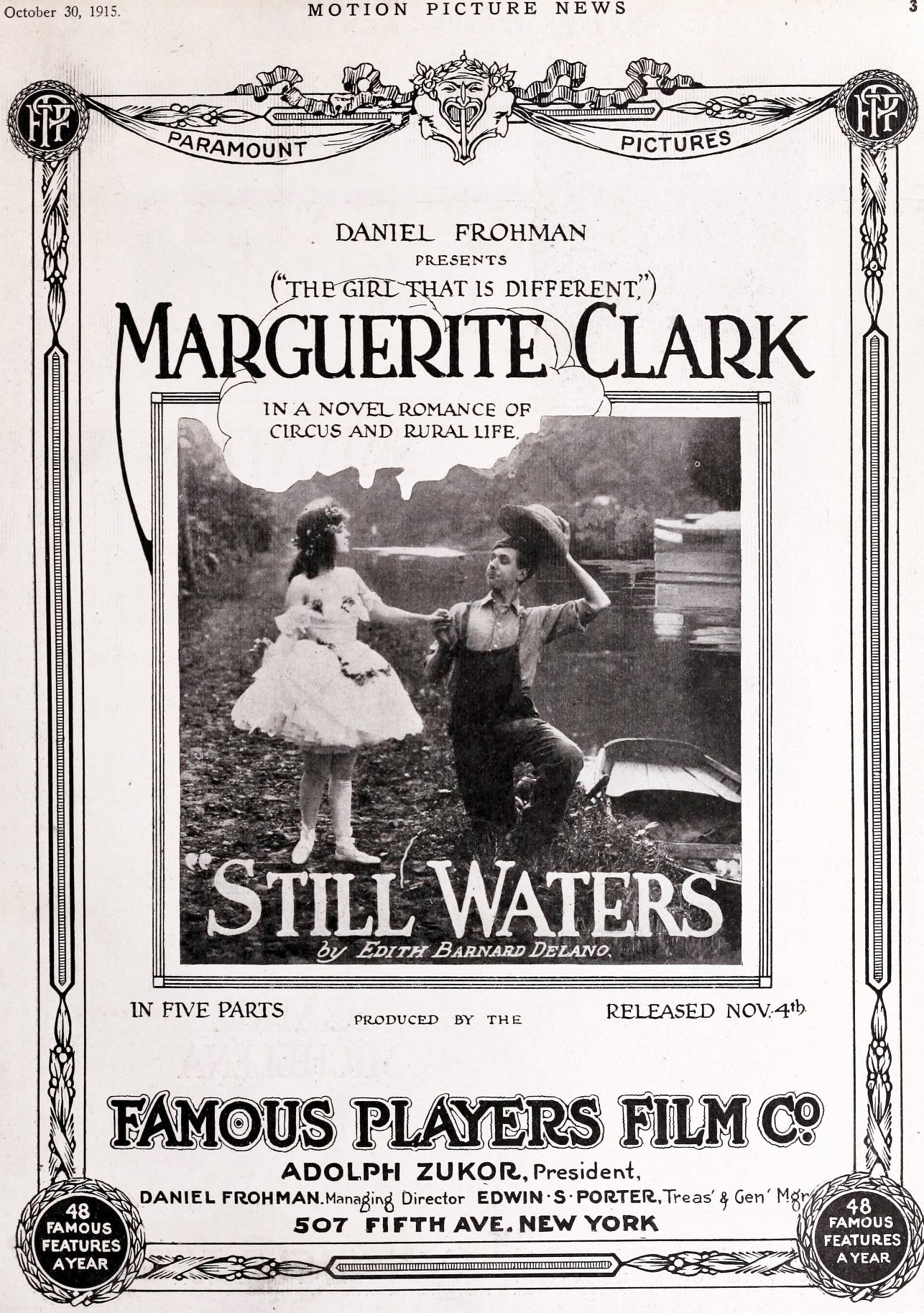
The artistic legacy of J. Searle Dawley was forever changed by Still Waters, this cult landmark continues to dictate the rules of its category. We've assembled a sequence of films that complement the tone of Still Waters perfectly.
The vintage appeal of Still Waters to maintain its cult relevance across several decades.
A canal boat captain disowns his daughter when she marries a circus performer. Years later he is reunited with the granddaughter he never knew.
Still Waters was a significant production in United States, bringing a unique perspective to the global stage. It continues to be a top recommendation for anyone studying cult history.
Based on the unique stylistic flair of Still Waters, our vault has identified these titles as the most compelling follow-up experiences for fans of cult cinema:
Dir: J. Searle Dawley
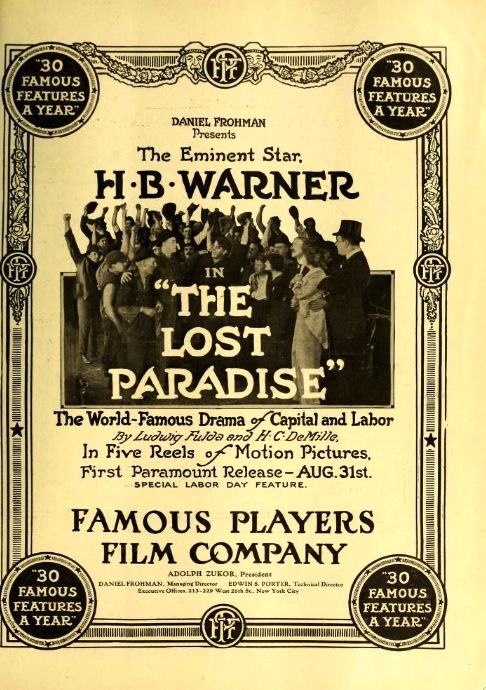
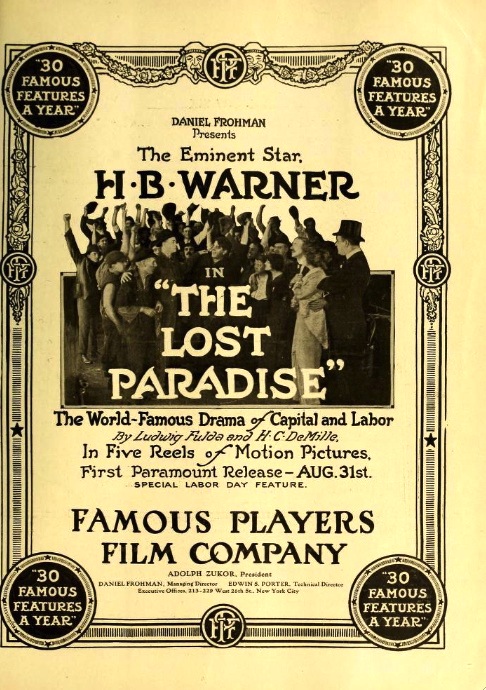
The superintendent of the Knowlton Iron Works is in love with his employer's daughter, who has been reared in luxury, and is the idol of her father. To save this woman from the knowledge that her father is a thief, the loyal superintendent takes upon his own shoulders the guilt of her father's crime. After all the stress which the story develops, his sacrifice is learned and rewarded by the woman he loves, who decides to stand with him on the side of the oppressed workmen, to whose cause the superintendent has devoted his life's labor.
View Details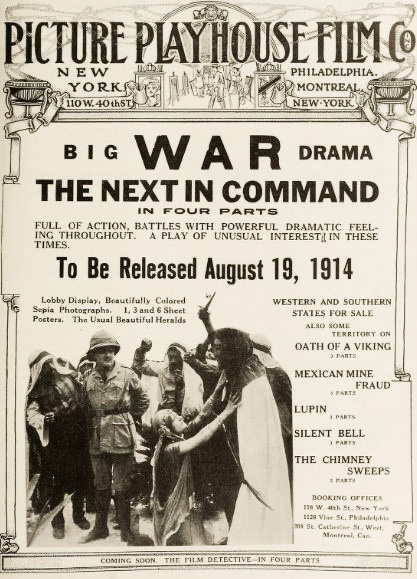
Dir: J. Searle Dawley
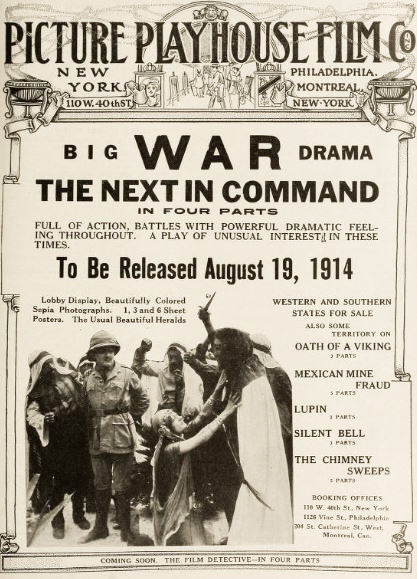
A fascinating piece of cinema that shares thematic elements.
View Details
Dir: J. Searle Dawley
A fascinating piece of cinema that shares thematic elements.
View Details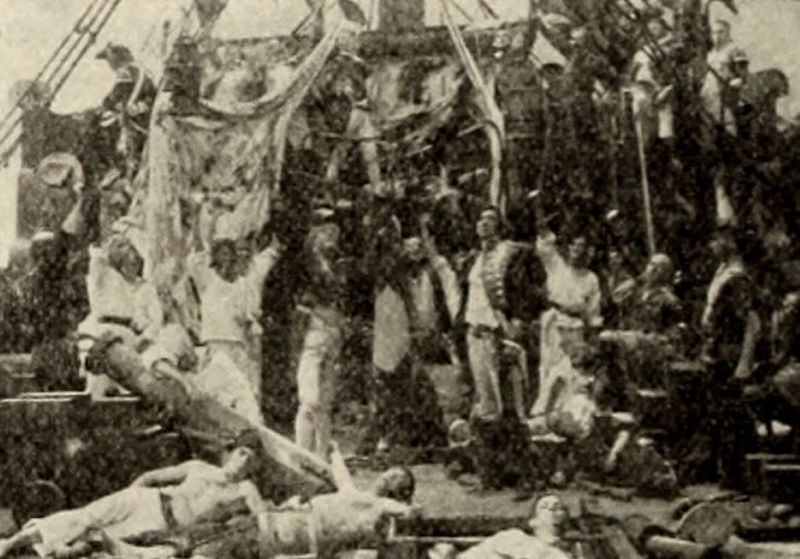
Dir: J. Searle Dawley

We show Lord Nelson leaving the admiralty room where he makes his famous speech and then introduce him with his captains giving the details of that wonderful plan of attack which was carried out to the letter at Trafalgar, the inspirations of the captains and their enthusiastic toast. We are then carried along to the day before the battle when the men are writing their last letters home. Here a beautiful scenic and photographic effect is introduced as the vision of the sweetheart of one of the lieutenants fades into view. This gives an opportunity to introduce that famous episode of the letter in which Lord Nelson called back the mail ship for a single message and which is endeared to the hearts of all those who sail the sea. We are then carried along to the morning of October twenty-first, Eighteen Hundred and Five, when the fleet of the enemy is sighted. The decks are cleared for action and the hoisting of the colors is portrayed with all the solemnity of the occasion before entering the battle. The correct incident of the hoisting of the famous signal "England expects every man to do his duty" is splendidly portrayed and carried out in every detail, and we note the pathetic touch in Nelson's life in bidding farewell to his captains having at the time a presentiment of his own death. We now get to the little human touch in his life and learn the true character of the man, for, in his last entry in his diary before the battle, he makes peace with his maker. And now we come to that wonderful spectacular picture of the real battle of Trafalgar. We see the ships in action, the firing of the guns, the ships caught on fire and then the camera switches to a close view of the deck of the Victory where human life is sacrificed by the hundreds, the fighting top of the Redoubtable, the fatal shot and Nelson's fall. We then see that wonderful character in his death, the solemnity, the beauty and the pathos of it all being carried out by the Edison players in all its grandeur; his farewell to Captain Hardy, the last kiss, the news of the victory and finally his death.
View Details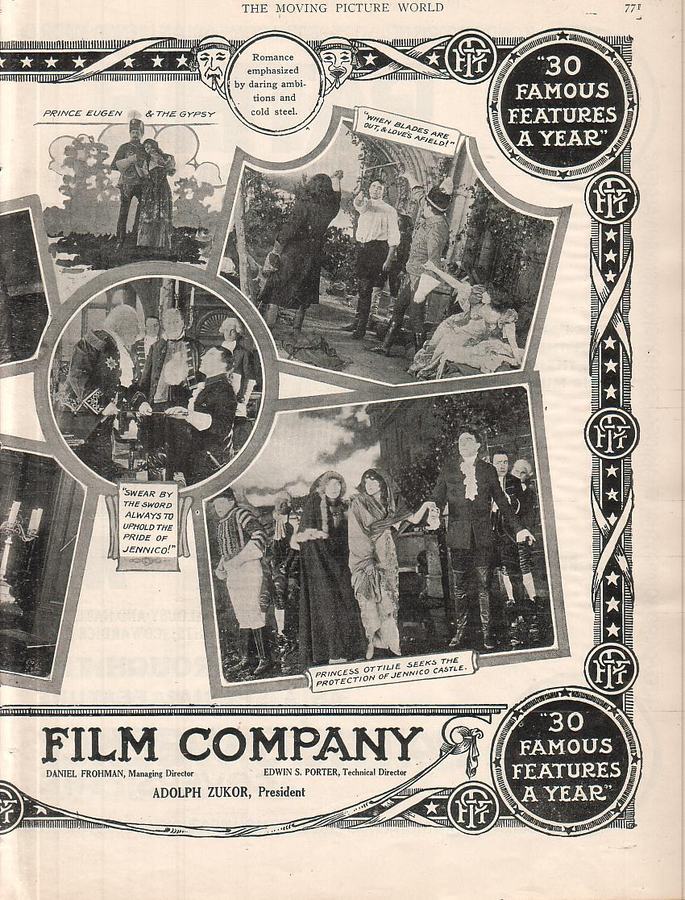
Dir: J. Searle Dawley
In the days of romance when fortune and glory were carved by the sword, Basil Jennico, the descendant of a proud and haughty house, walking among the old ancestral chambers, dreams of his gallant forebears and their daring deeds performed for the smile of a lady fair. Inspired by his lofty heritage and the atmosphere of nobility and bravery in which he has been reared, Basil longs for love and adventure. At this romantic period of Basil's life, his aged uncle, the lineal head of his house, dies, and makes Basil swear by the sword that he will always uphold the pride of Jennico. Basil becomes Lord of Tollendhall and master of the broad acres of the Duchy of Lausitz, but titles, estates and splendor do not compensate for the absence of love. Princess Ottilie, a beautiful, whimsical maiden, is urged by her guardian, the Earl of Dornheim, to marry Prince Eugen, a worthless rogue, whom Ottilie fears and loathes. To avoid marrying Eugen, the Princess affects her escape from the castle in the guise of her maid, Marie, who follows after her mistress. The two are overtaken by a storm and seek the shelter of Jennico Castle. Marie is introduced to Jennico as the Princess, but Jennico falls madly in love with Ottilie, whom he believes to be the maid. Love and pride struggle for supremacy. Jennico is heart-broken, because his sworn duty to maintain the dignity of his house prohibits his marriage to the maid. The willful, fascinating maid intimates to Jennico that the Princess admires him, and, repressing love for duty, he courts the "princess." The marriage is arranged. Princess Ottilie and her maid confer and arrange to change places at the altar. Jennico greets his bride, heavily veiled, but when at last he looks upon her face he sees the piquant, mocking Ottilie and thinks he has married the maid. Love bids him accept his happiness, but his pride asserts itself and he resents the supposed deception. Ottilie, noticing his anger and piqued because he is not content with her, regardless of her apparent low rank, leaves him. Desperate for the love of the absent and tantalizing beauty, he seeks the supposed maid, encounters the bitter enmity and jealousy of the defeated Prince Eugen and his trusted force; but, despite all opposition and against all odds, he wins his way to Ottilie's heart at his sword's point, to find that valor has not only won him a heart of gold, but a title that adds luster to the pride of Jennico.
View Details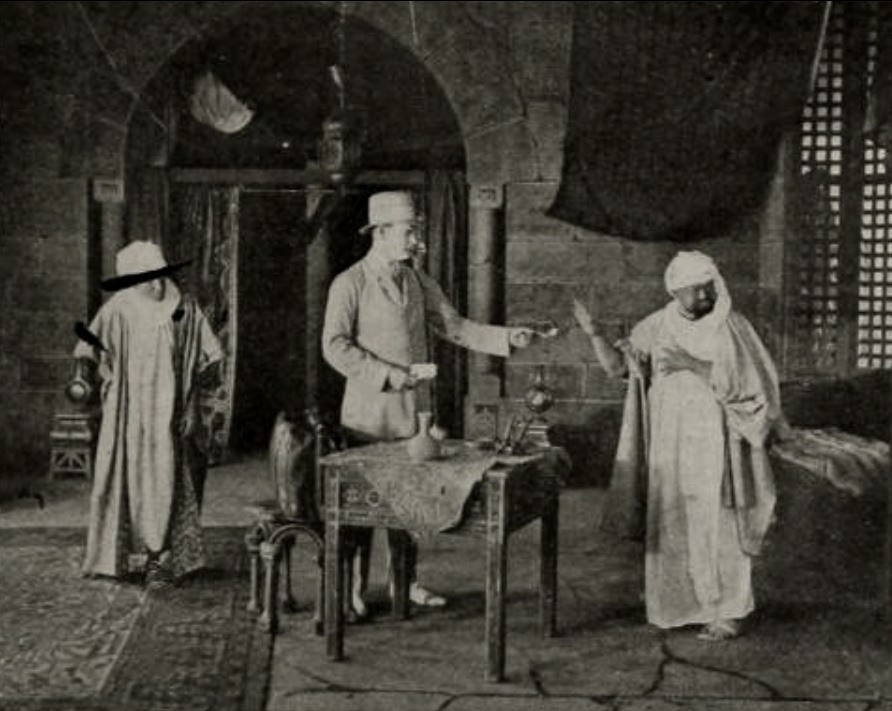
Dir: J. Searle Dawley
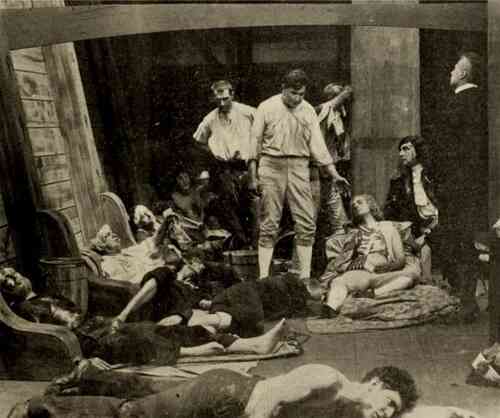
The story opens at General Feversham's residence at the annual dinner that he gives to the ones who are left of the Crimea officers. At this dinner, Harry Feversham, the General's only son, a boy of fourteen, is a guest. After the dinner is finished they tell stories of what happened in the Crimea, and Harry listens intently. The story is carried ahead about ten years when Harry is a captain in the army, showing him with his friend, Captain Durrance. They are both in love with the same girl, Ethne Eustace, and Harry and the girl after a time become engaged. Harry gives a dinner to his brother officers, Captain French, Lt. Willoughby and Captain Castleton, to announce his engagement. During the dinner Harry receives a telegram saying the regiment is ordered on regular service. Harry does not show his fellow officers the telegram as he should have done. They see him throw it into the fire. After they have gone, Harry determines to give up his commission, fearing that when put to the test he will be a coward. To preclude such a possibility he sends in his resignation. His fellow officers have, in the meantime, found out that they are ordered on active service, and next day they see that Harry Feversham has resigned his commission. They decide to send him three white feathers. While a ball is going on at Ethne's home a small package comes addressed to Captain Harry Feversham. He opens it in front of the girl and she asks him what he has done and he tells her. When she brands him as a coward, and striking a white feather from her fan, gives it to him. After this Harry Feversham's father will have nothing to do with him, and he consults his mother's old friend, Lieutenant Sutch, and announces to him that he is going to try and retrieve himself. He sails for Egypt in the hope of being able to do something and make the senders take back their feathers. After a long wandering at last he gets his chance and after many trials and tortures by the Arabs and a thrilling rescue he makes his fellow officers take back their feathers. In the meantime Durrance has been with his regiment in the Sudan and has been struck blind by the glare of the sun. Ethne, taking pity on him, has become engaged to him. Harry returns home to find that Ethne is engaged to another man. One day Durrance overhears them talking and decides for the sake of both of them to give up the girl, thus making Ethne and Harry both happy, and go back to the desert he loved so well.
View Details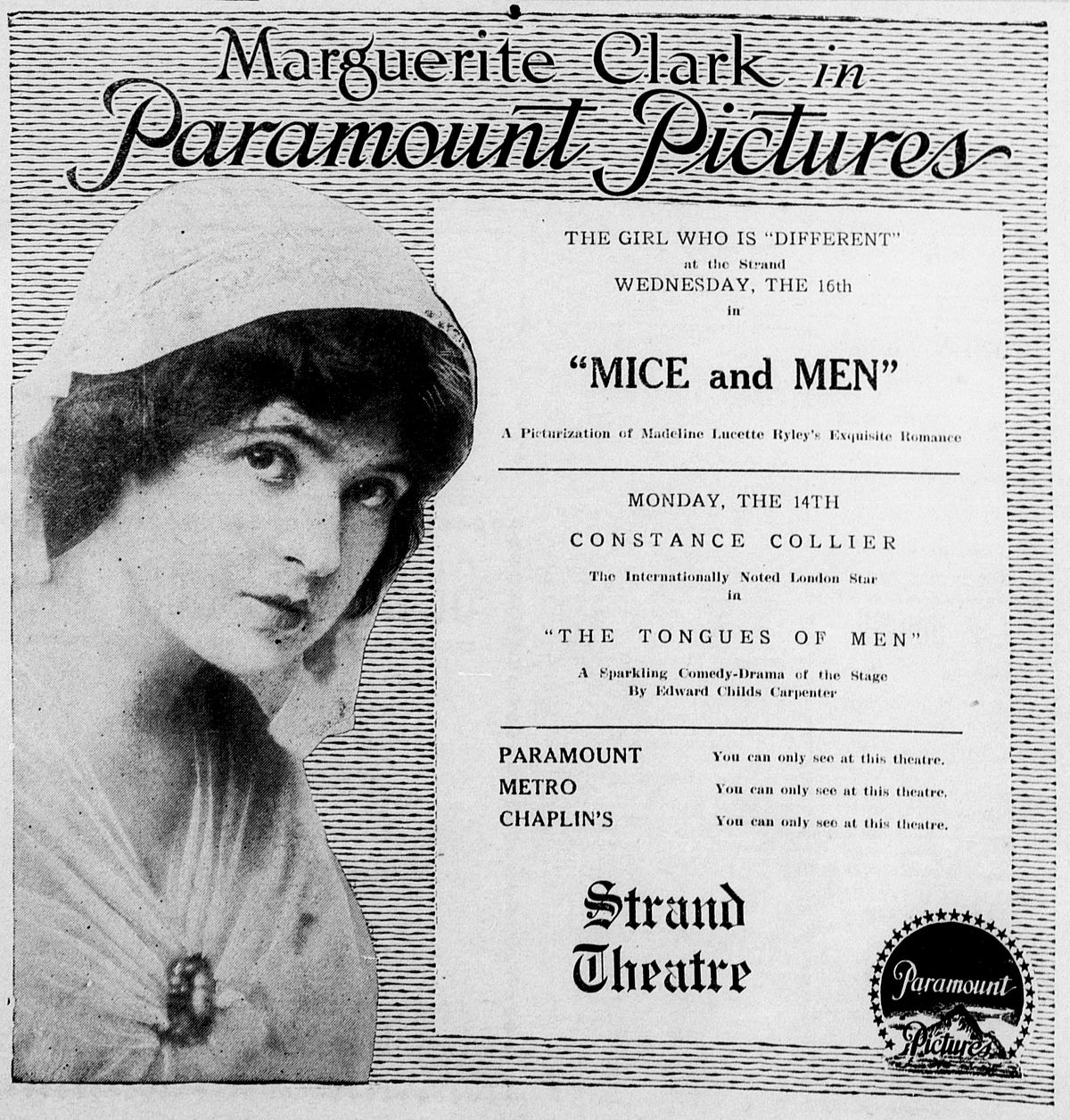
Dir: J. Searle Dawley
Mark Embury sets out to create the perfect wife by adopting Peggy. His work is a success until the girl falls in love with another man. Ultimately, he must give her up and become satisfied with knowing, he did create the perfect wife, albeit for someone else.
View Details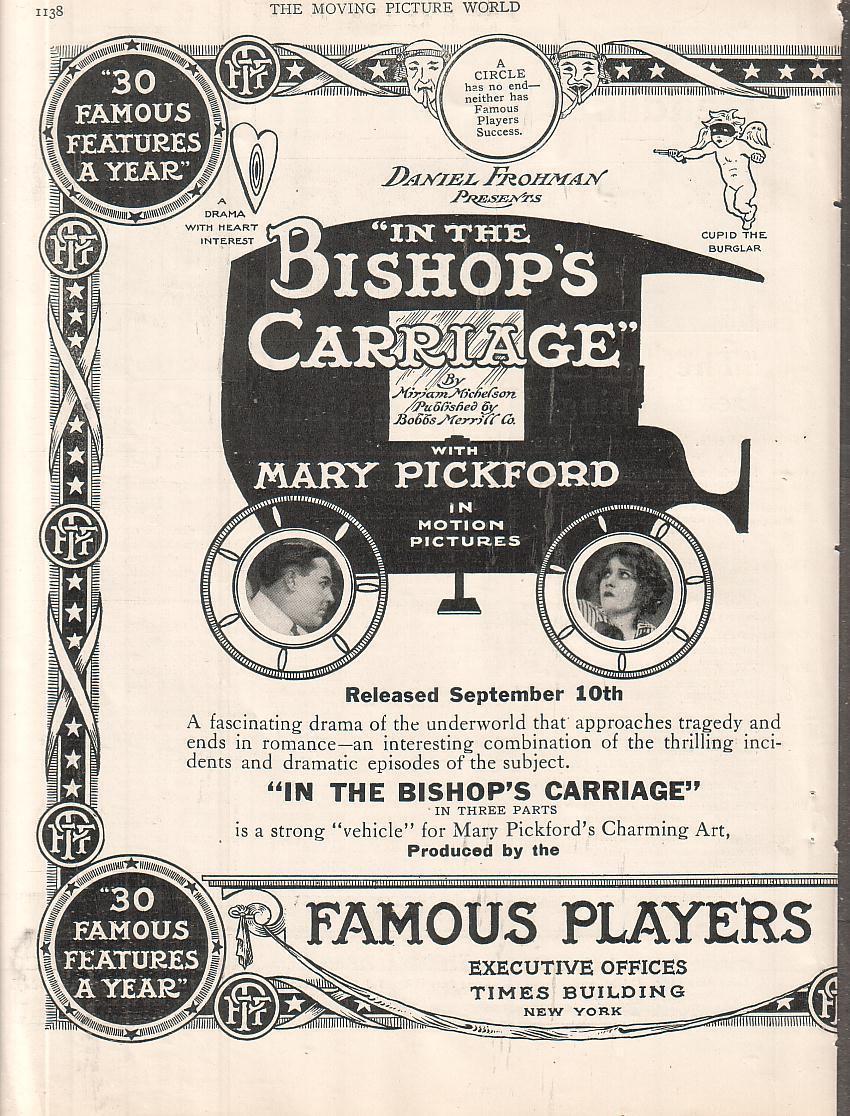
Dir: J. Searle Dawley
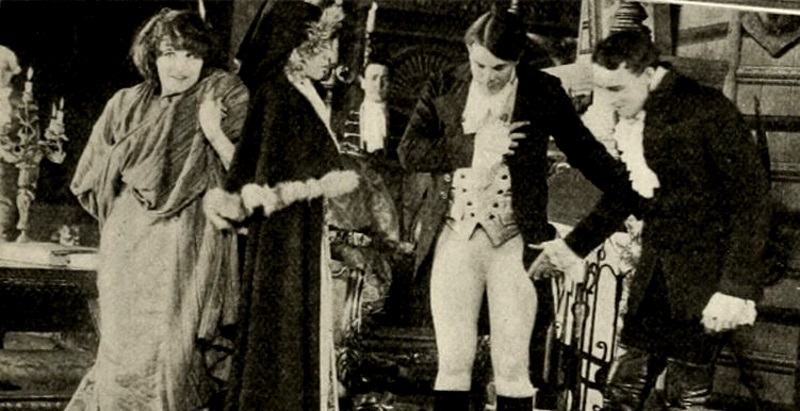
A successful stage actress with a hidden past as a criminal is kept on the path of righteousness by a benefactor.
View Details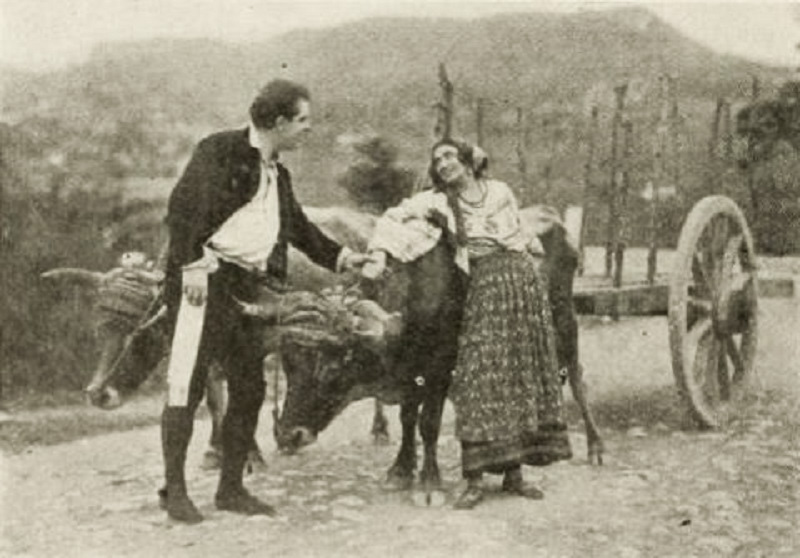
Dir: J. Searle Dawley
Marta is a beggar child, who is adopted by Sebastien, the wealthy landowner. Sebastien makes Marta his victim. He wishes to marry a wealthy woman, but at the same time retain his influence over Marta. He therefore arranges through Tomas, the hermit, to marry her to Manelich, a simple, untutored shepherd living in the mountains, a rough child of nature who kills wolves with his bare hands and knows naught of guile and deceit. The wedding is performed, Manelich being under the impression that Marta loves him, and being truly in love with her. Later he learns he has been tricked, while Marta, who had at first believed that Manelich had been bought with the master's gold to become her husband, finds her conclusion wrong, the honesty of his love compelling her own. Then come developments which make the drama one of the most passionate, intense, trenchant character studies ever created. Marta is a patient sufferer, a tragic figure indeed, as she bravely endures all the cruelty and indignities that are thrust upon her by the ruthless "master." We witness the poignancy of her grief, the restraint and the anguish of the oppressed woman, and her movements among the treacherous characters of her environment.
View Details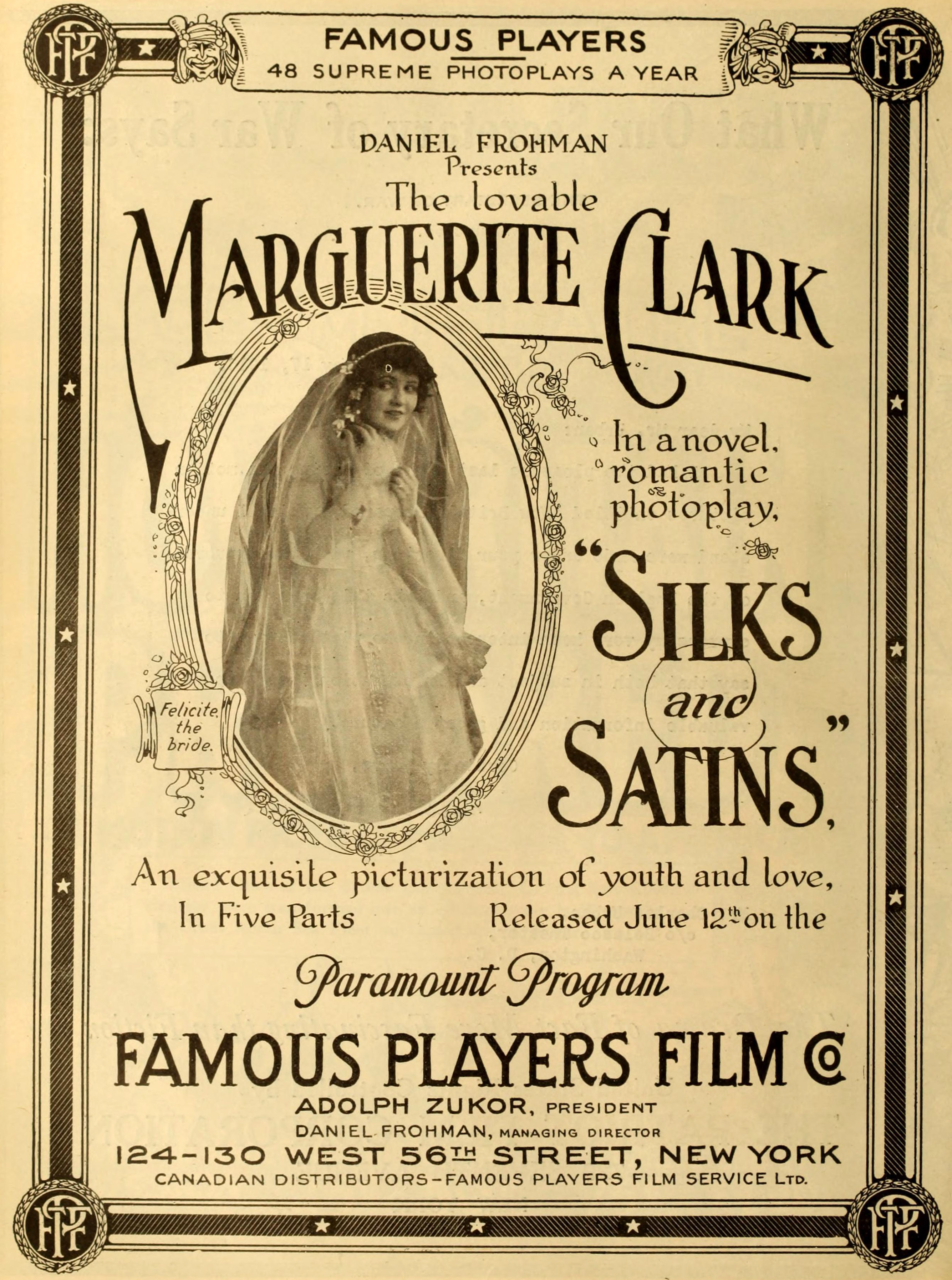
Dir: J. Searle Dawley
A fascinating piece of cinema that shares thematic elements.
View DetailsAnalysis relative to Still Waters
| Film Title | Atmosphere | Complexity | Similarity |
|---|---|---|---|
| The Lost Paradise | Gothic | Abstract | 94% Match |
| The Next in Command | Tense | Linear | 97% Match |
| Out of the Drifts | Ethereal | Layered | 89% Match |
| The Battle of Trafalgar | Gothic | Dense | 95% Match |
| The Pride of Jennico | Ethereal | Dense | 87% Match |
This guide was algorithmically generated using the cinematic metadata of J. Searle Dawley's archive. Last updated: 6/20/2026.
Back to Still Waters Details →