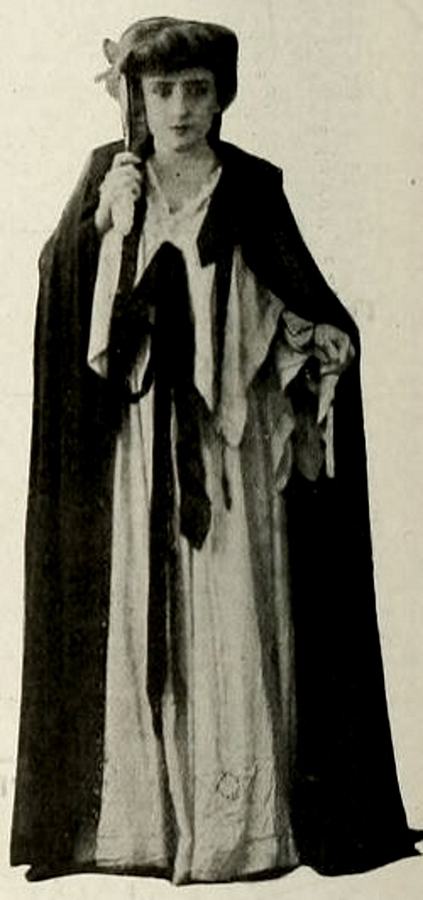
A peasant girl sent to make a claim on her family's ancestral home in England's Wessex is seduced and left with child by its current owner..
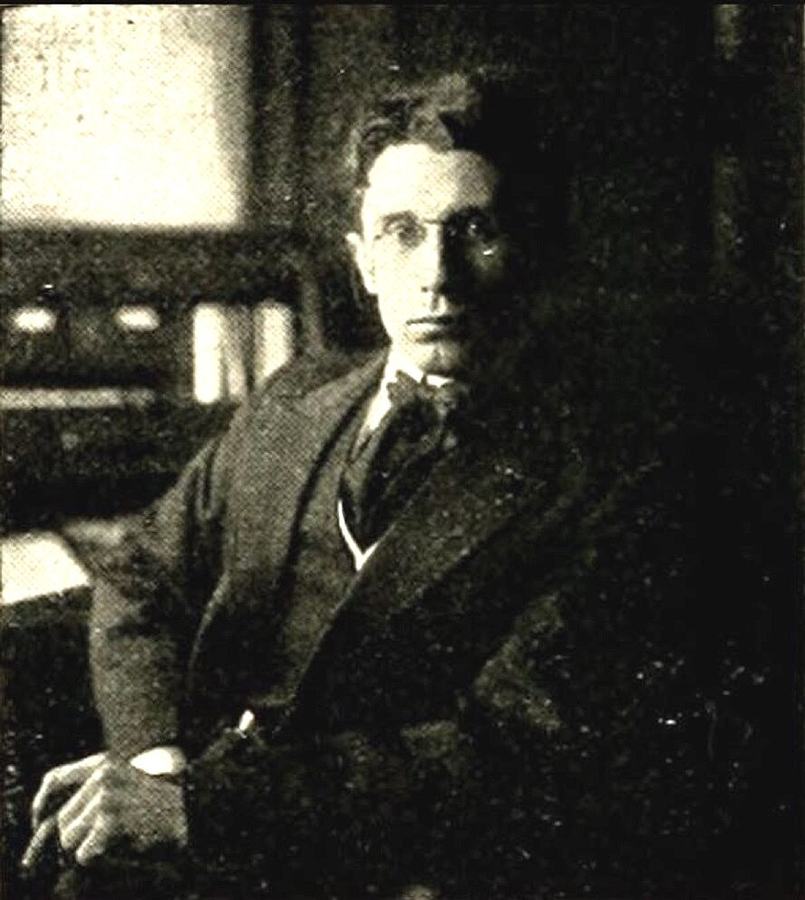
Thomas Hardy
United States
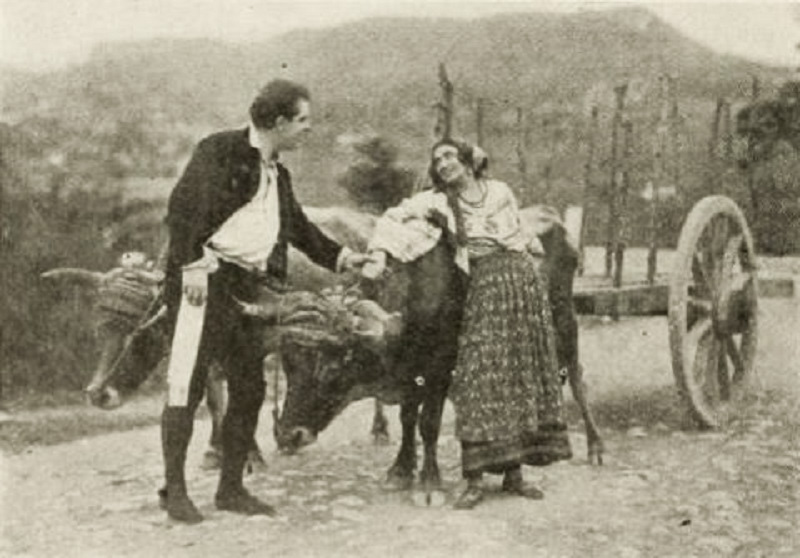
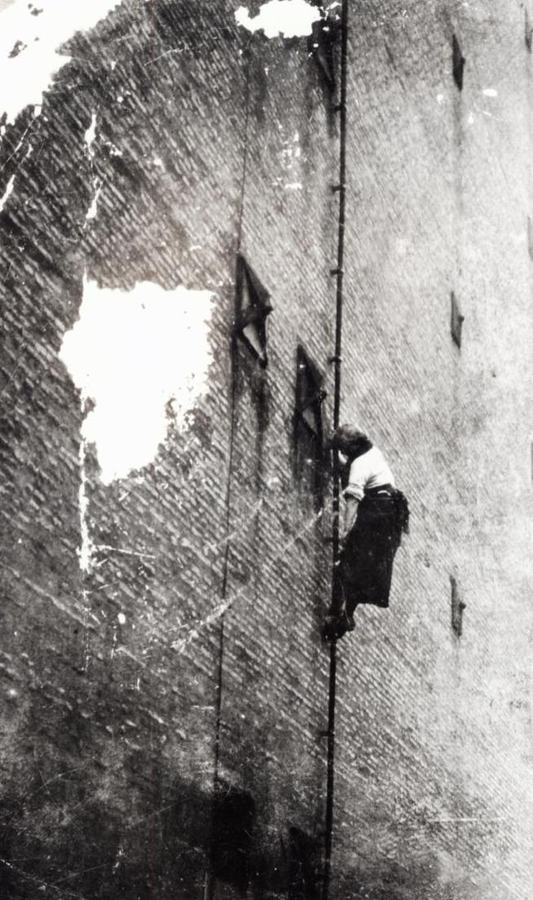
The 1913 screen incarnation of Thomas Hardy’s Tess of the D’Urbervilles arrives like a half-remembered fever dream: flickering, hand-tinted, and perilously close to oblivion. Few prints survived the nitrate bonfires of the last century, yet what shreds remain—a scant four reels at MoMA, a single decomposing negative ...
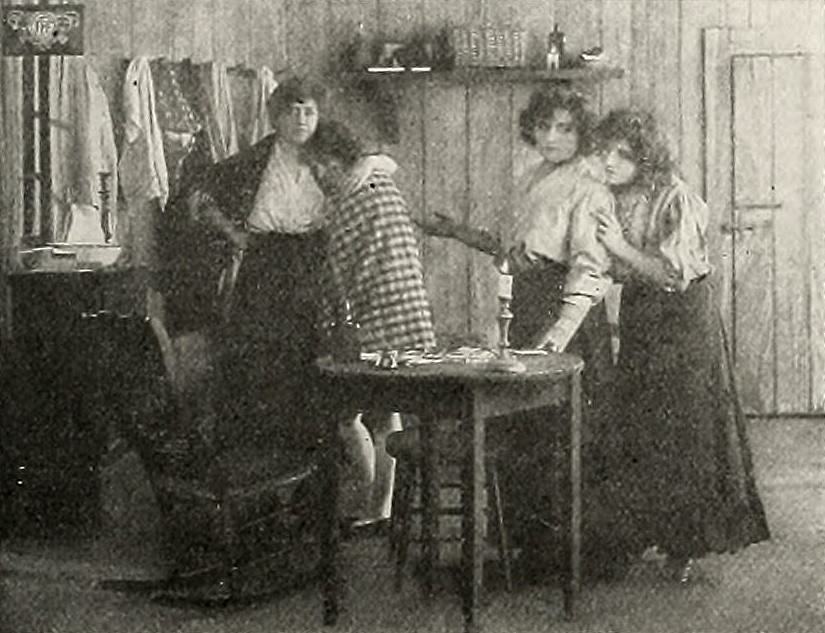
still_frame
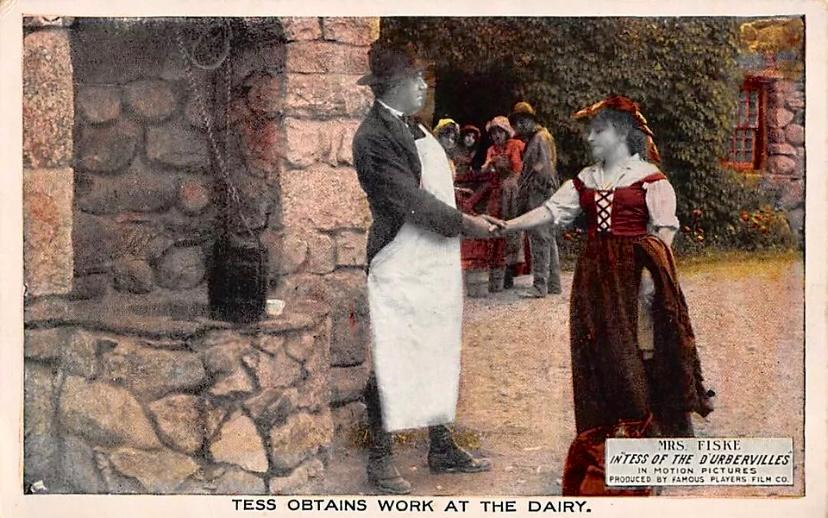
publicity
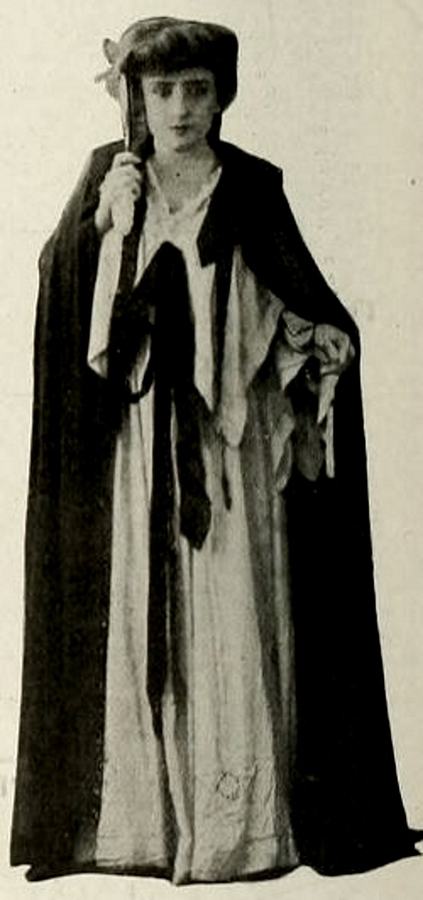
still_frame
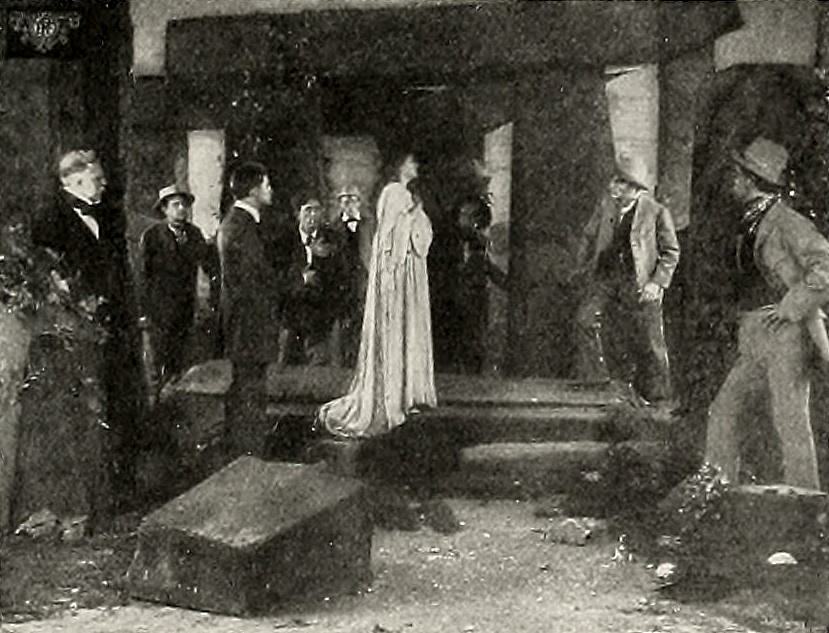
still_frame
Comparing the cinematic DNA and archive impact of two defining moments in cult history.
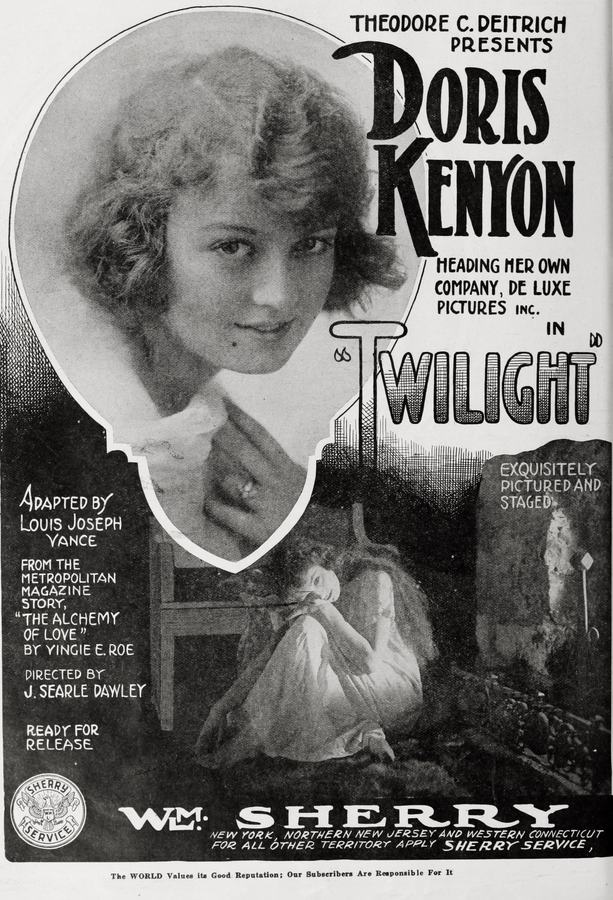
J. Searle Dawley

J. Searle Dawley
Community
Log in to comment.
" The 1913 screen incarnation of Thomas Hardy’s Tess of the D’Urbervilles arrives like a half-remembered fever dream: flickering, hand-tinted, and perilously close to oblivion. Few prints survived the nitrate bonfires of the last century, yet what shreds remain—a scant four reels at MoMA, a single decomposing negative in a Tuscan cellar—pulse with the raw voltage of Victorian melancholia. Director J. Searle Dawley, lured away from Edison’s laboratories, transplants Hardy’s Wessex to a cardboard ..."
Deep dive into the cult classic
Discover similar cinematic experiences
A Directorial Spotlight on J. Searle Dawley