
DbcultAccessing Vault...
Recommendations
Senior Film Conservator
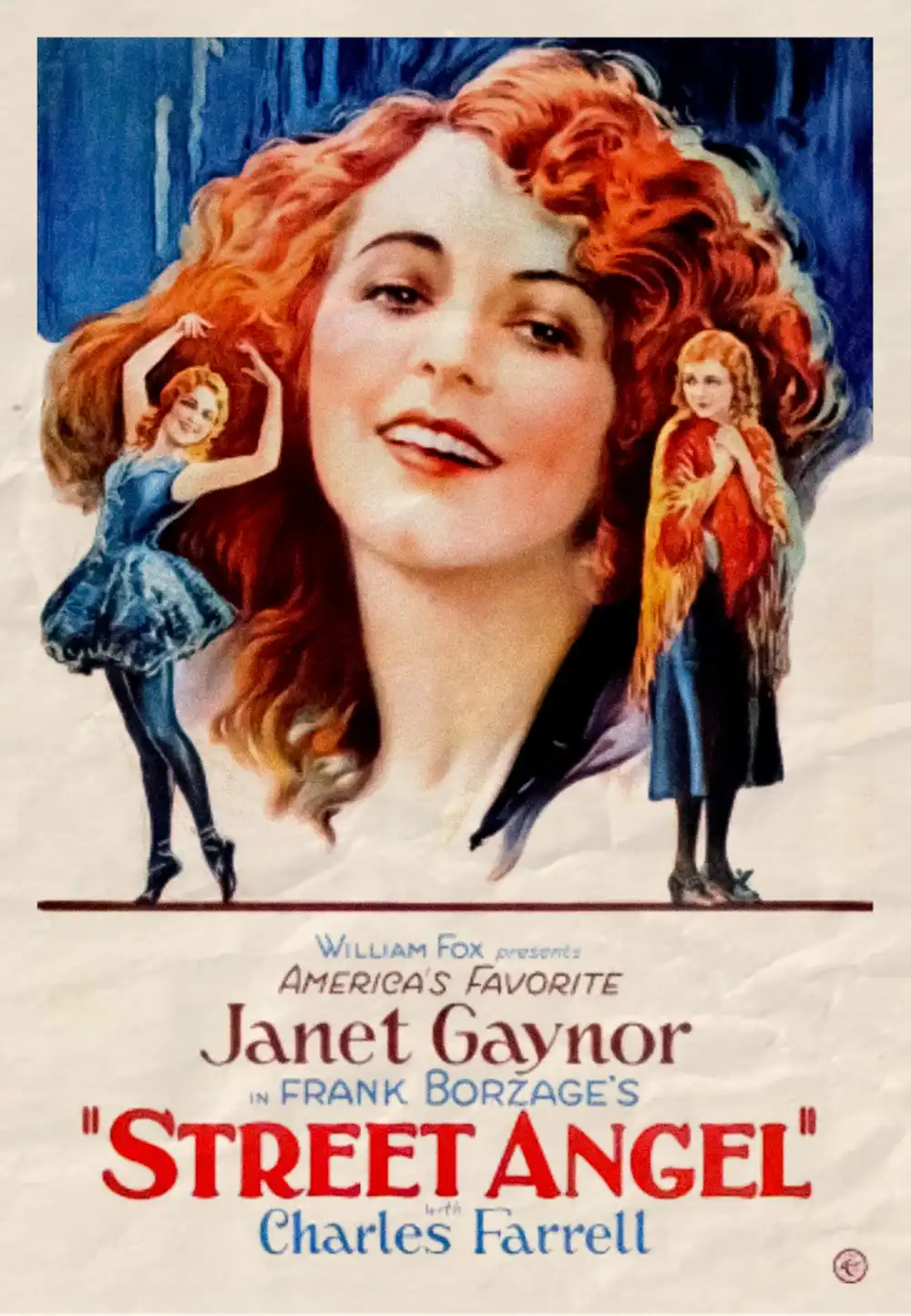
If you found yourself captivated by the emotional resonance of Street Angel (1928), the quest for comparable cinema becomes a journey through the fringes of film history. Below, we've gathered a list of films that every fan of Frank Borzage's work should explore.
Street Angel remains a monumental achievement to create a hauntingly beautiful cinematic landscape.
A woman on the run from the law finds her past catching up to her just as she is on the verge of true happiness.
Based on the unique emotional resonance of Street Angel, our vault has identified these titles as the most compelling follow-up experiences for fans of Drama cinema:
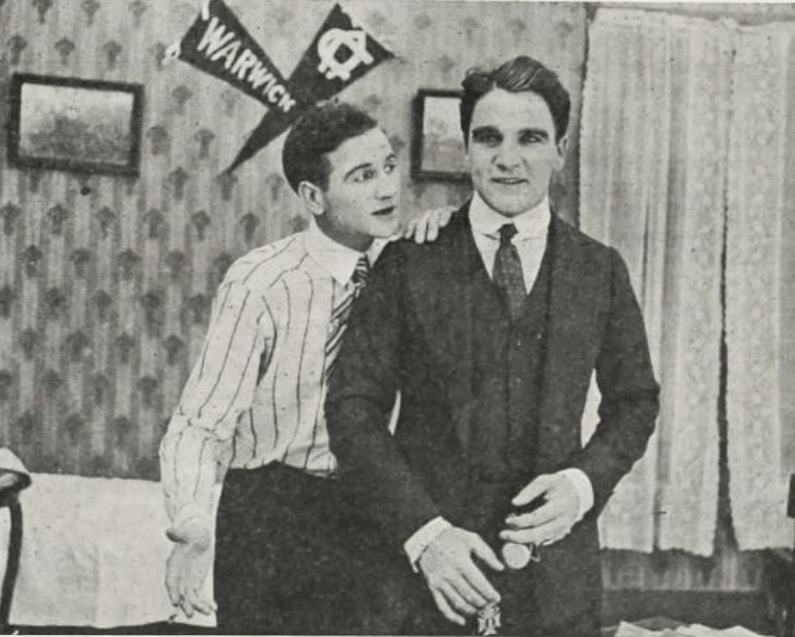
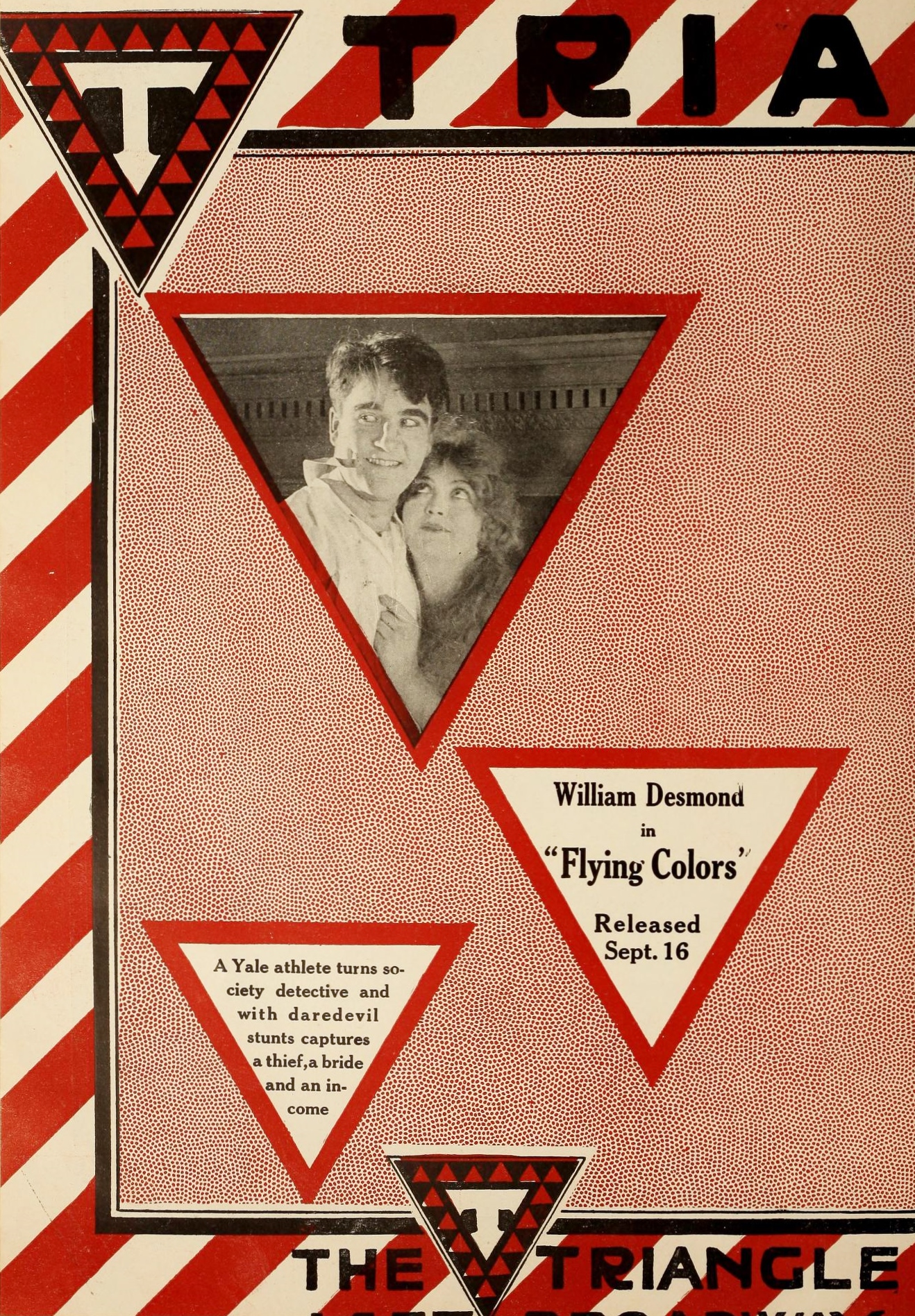
Dir: Frank Borzage
Brent Brewster, formerly a Yale athlete known for his pole vaulting prowess, is unsuccessful in business. When his wealthy relatives send him out to fend for himself, Brent joins a detective agency. After Craig Lansing, a family friend, hires Brent to investigate the numerous jewel thefts in Poughkeepsie, Brent works undercover at Lansing's house party and recognizes Captain Drake, an English crook. Although Brent temporarily forgets detective work when he meets Ann, the beautiful sister of Lansing's wife Ruth, Ann's remark that $40,000 a year would be enough for her to live on brings Brent back to the job. Meanwhile, Drake is intent on compromising Ruth, who flirts with him while Lansing is away. When Lansing returns unexpectedly, Brent accepts the blame for the flirtation to protect Ruth's honor, because of his love for Ann. After Brent vaults with a clothes pole through a window to prevent Drake's escape, Drake is exposed. Brent then learns that he has inherited a legacy which will enable him to satisfy Ann's monetary needs.
View Details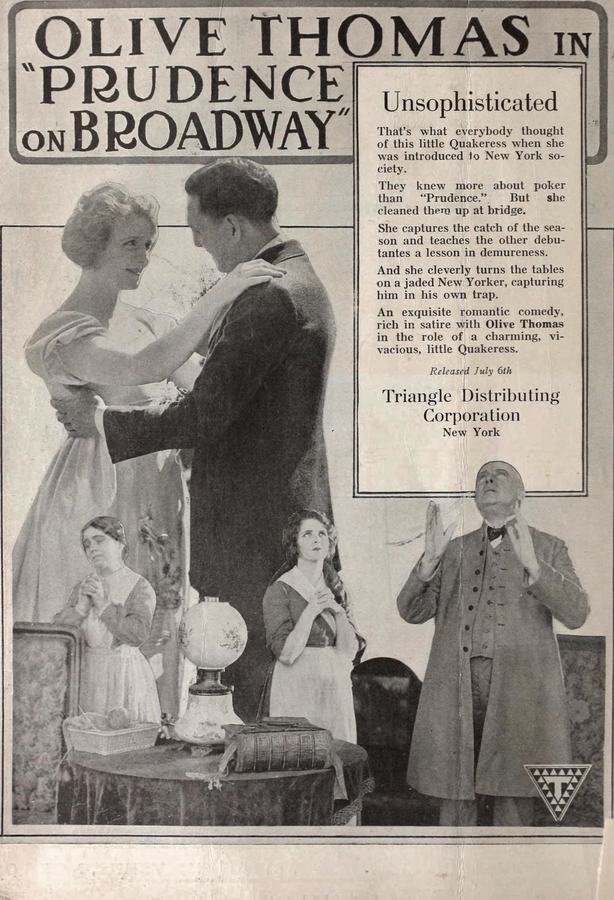
Dir: Frank Borzage
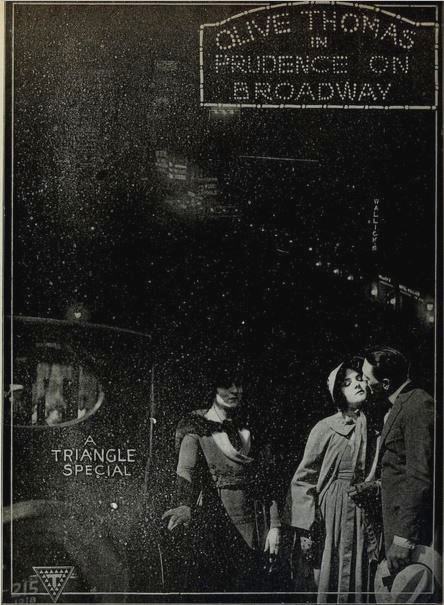
Prudence's ( Olive Thomas ) parents send her from their Pennsylvania Quaker colony to a fashionable girls seminary, hoping she can learn about the devil's tricks, instead she engages in girlish pranks, but uses her pure appearance to escape blame. Later, Prudence visits her New York aunt, a society matron, and soon attracts an array of male admirers. She falls in love with wealthy Grayson Mills, but John Melbourne, who lives off of his wife's wealth, plots to seduce her. After Melbourne loans Prudence $200 to pay a gambling debt, he forces her to go to a roadhouse by threatening to show her stern father her canceled check. At dinner, Prudence produces a love letter which Melbourne had earlier written to an actress, and says that if she is not back by midnight, her hotel clerk will show Melbourne's wife his nineteen other love letters. After Melbourne hurries her back, he discovers that she only had the one letter. Prudence now becomes engaged to Grayson.
Dir: Frank Borzage
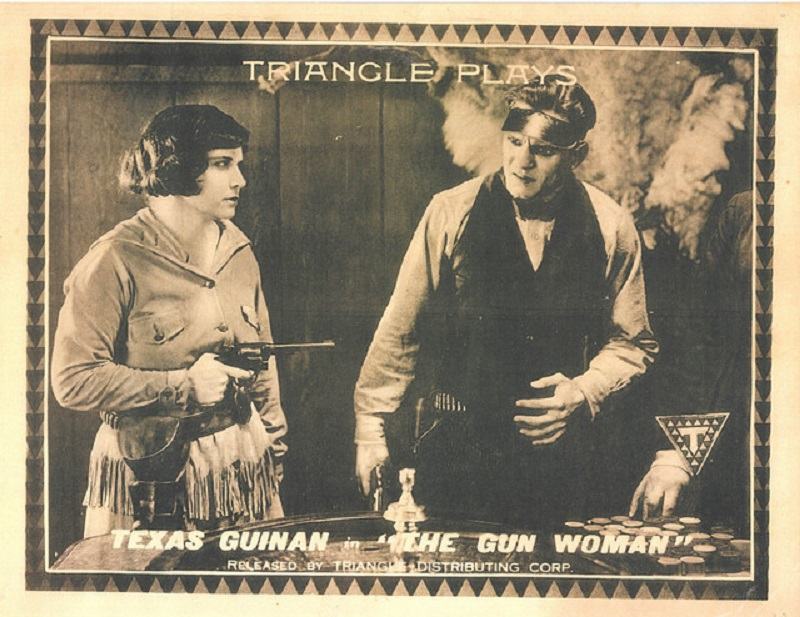
A saloon owner loans her lover the money to buy a house, which he has led her to believe they will live in after they're married. Instead, he takes the money and buys a saloon in another town.
View Details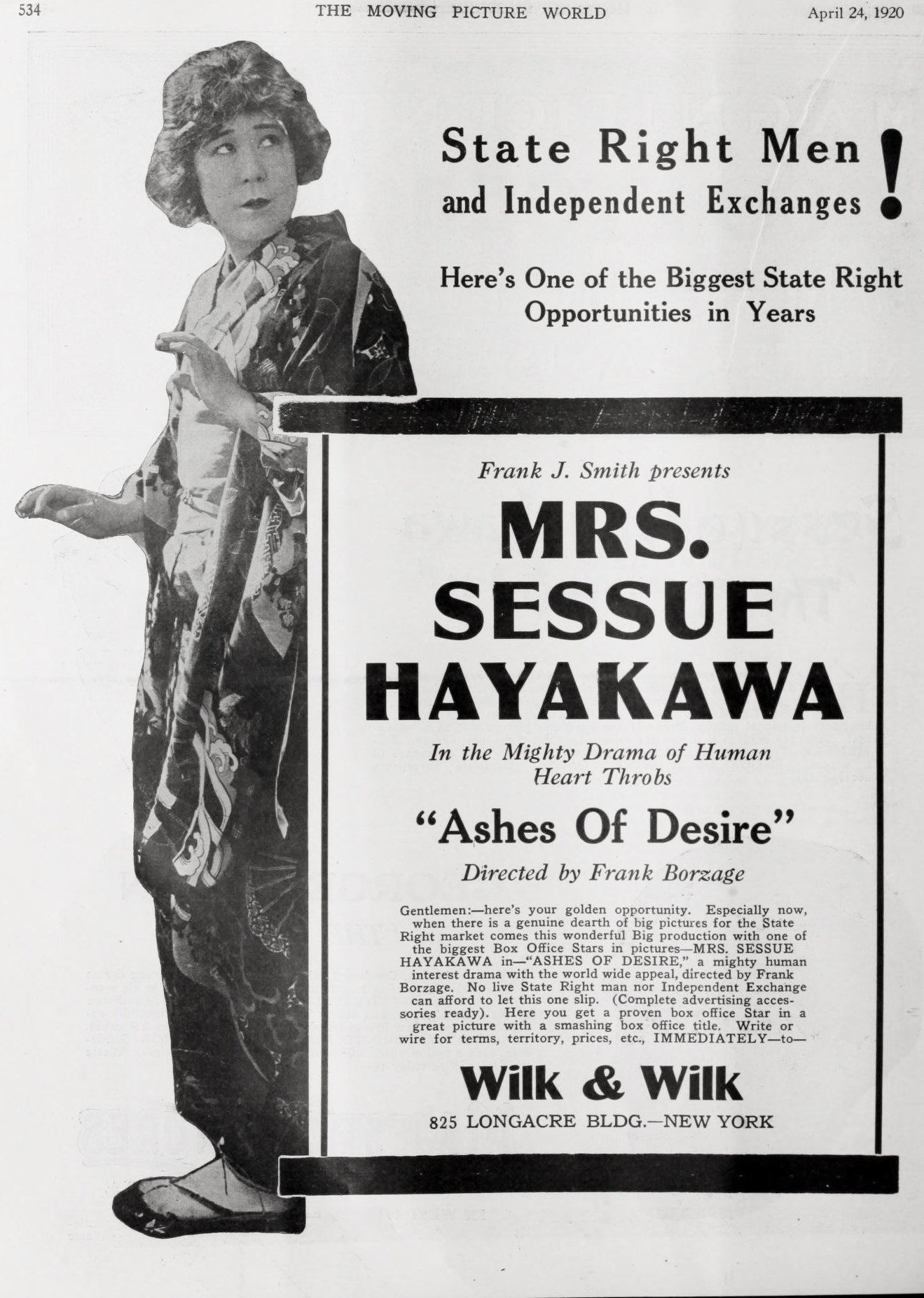
Dir: Frank Borzage
American sailor Allan Carroll, an American sailor, is shipwrecked of the coast of Japan in the 19th century. He makes it to shore and is rescued by kind Yori. The local ruler, Prince Iku, has ordered that all foreigners who are "trespassing" on Japanese soil should be killed. He hears about a foreign sailor who washed ashore and has been hidden by villagers, so he sends his sister Omi San to investigate. She finds Alan, and instead of turning him in to be executed, she falls in love with him. Prince Iku captures both Allan and Yori and intends to execute both of them. Complications ensue.
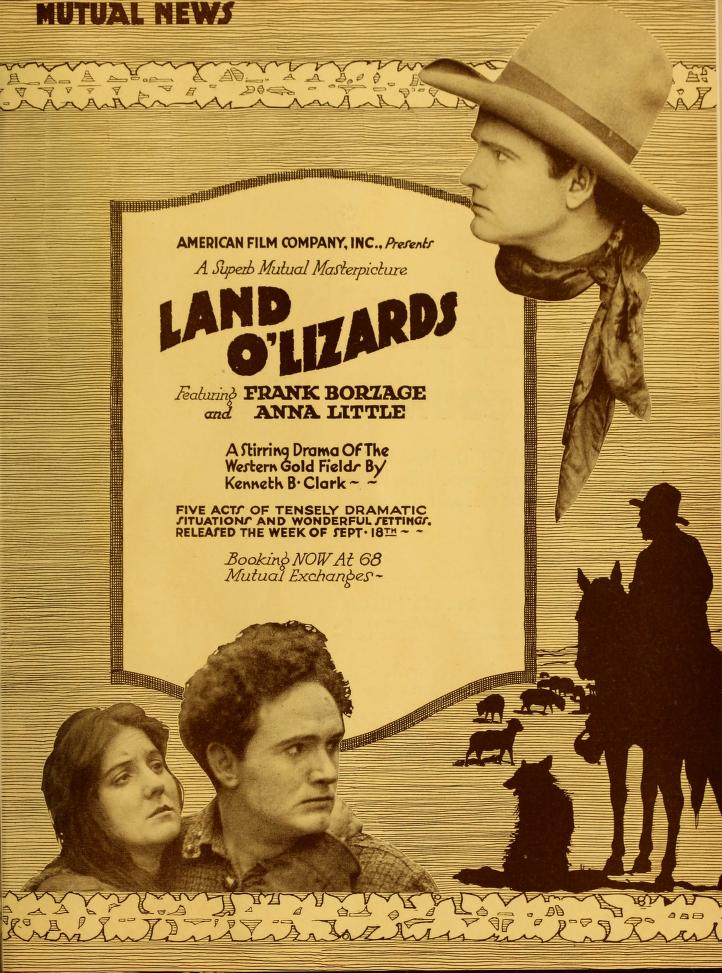
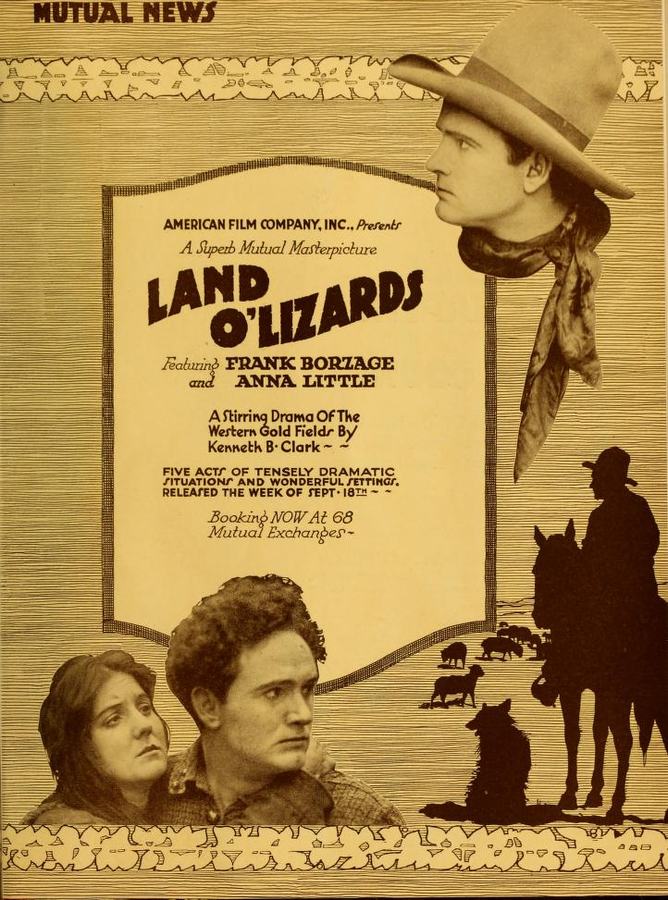
Dir: Frank Borzage
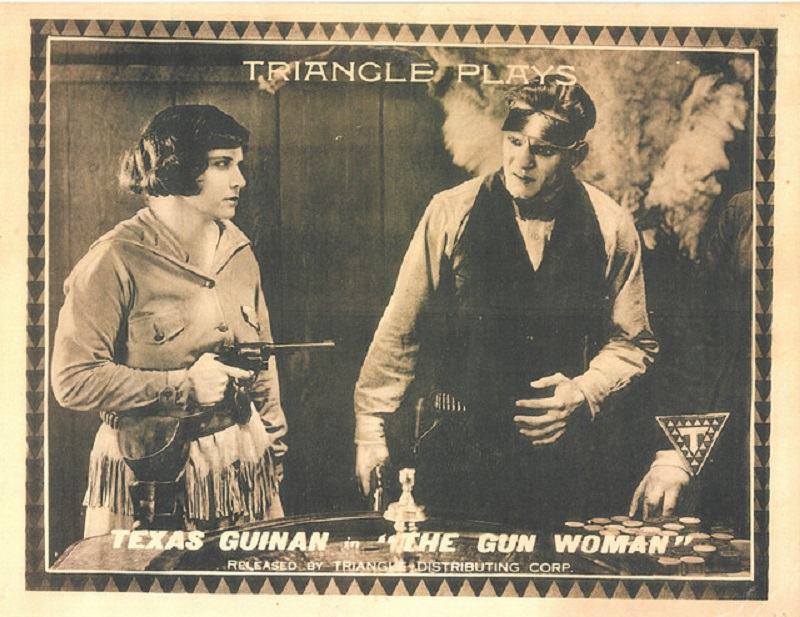
Ward Curtis, president of a development company, comes to the western town of Los Huesos with his daughter, Wynne, to investigate a report made by one of his field scouts that there is a gold stream on the land occupied by the Bar C outfit. The Bar C people have no legal title to the land, but they have terrorized the neighborhood, and intimidated the government officials. The land is used for grazing purposes, and the Bar C people know nothing about the gold stream. There has also come to Los Huesos a cowpuncher known only as "The Stranger," the only man who refuses to be intimidated by Bar C crowd. Curtis meets the Stranger, who consents to assist Curtis in his undertaking, hoping to win favor with Wynne. She is mildly interested in him, but is disappointed and bored by the town and its people, and after a week or so packs her bags and leaves for home, saying that the Stranger is the only picturesque thing she has seen in this land of lizards. Near the Bar C holdings is a small sheep ranch operated by Dave Moore and his daughter, Bobbie, as a blind to cover more important operations, by moonlight Moore secretly pans the gold stream on the Bar C ranch. Bobbie maintains a disguise as a boy for her own protection from the lawless cowpunchers, and to keep them from becoming interested in her father's affairs. The Stranger sets out to investigate the placer site, and stops at the Moore cabin to make inquiries about the Bar C crowd. He meets Bobbie without suspecting her disguise, and she manifests considerable interest in him. The Stranger locates the placer stream, but is observed by Moore, who hastens to the land office and files on the creek bed. By moonlight Moore builds on his claim, but is discovered by one of the Bar C outlaws and killed. The Stranger, who has set up his camp in a blind canyon known as the "Cow's Mouth" near the creek, hears the exchange of shots, gets into the scrap and drives away the outlaw, then brings Moore's body to Bobbie. The Bar C crowd, led by Moran, set out to "get" the Stranger. They come to Bobbie's cabin, but she directs them to town. They search the town, then decide that Bobbie has lied to them, and start again for her cabin. The Stranger discovers that Bobbie is a girl, and falls in love with her. He leaves the cabin and goes to the Cow's Mouth to "hide out" from the Bar C crowd. The Bar C boys come to Bobbie's cabin, and she is handled brutally by Moran to get her to tell what has become of the Stranger. Her hat falls off, and her secret is discovered. Moran claims her as his personal prize, and they set off to pursue the Stranger. They see him enter the narrow passage into the Cow's Mouth. Inside he starts a grass fire, then slips out with his horse through a secret passage which is unknown to the Bar C fellows. Leaving one of their number to guard Bobbie, the others go in after the Stranger, but are soon driven out by the fire. As they come single file through the passage the Stranger picks off the first two or three with his gun; the rest surrender. Moran is one of the men who was killed. Bobbie is taken to the Bar C ranch house by the outlaws. The Stranger rides into town and turns his captives over to the authorities, and enlists the men there to go to Bobbie's rescue. Later, as Bobbie and the Stranger are about to board a train for their honeymoon, Curtis rushes up to them and announces that, by the death of her father, Bobbie is now the owner of the gold stream claim.
View Details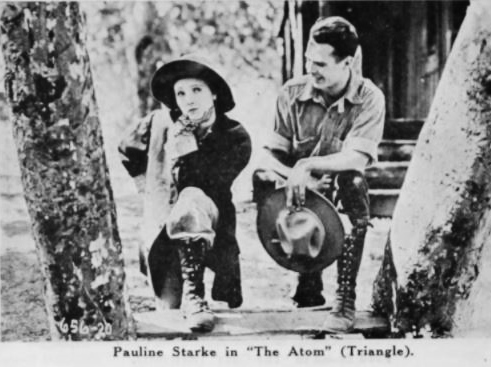
Dir: Frank Borzage
Jennie is a slavey in a theatrical boarding house. To her the actors are all wonderful, but Montague Booth is the chief. In an accident Booth is disfigured for life and is saved from suicide by Jennie. They join a medicine show in which Booth is lecturer, but Jennie cannot stand the road. Booth leaves the show and takes up a homestead claim. The manager of the show sends one of Booth's old loves to get him back, for his services are valuable, but Belle fails after very nearly wrecking everyone's happiness.
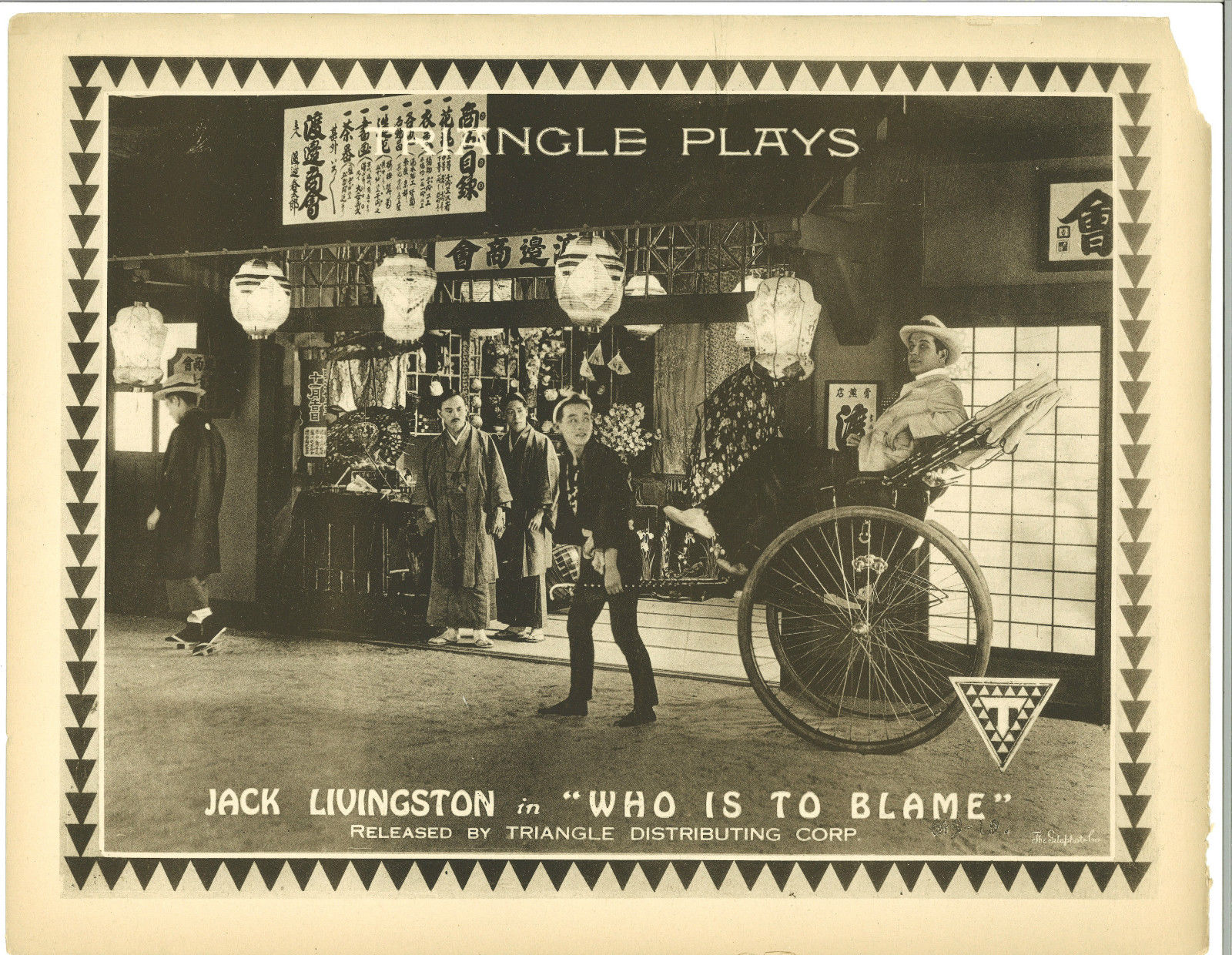
Dir: Frank Borzage
Charmed by the bright smile of Taro San, a Japanese rickshaw boy, Grant Barton takes the young man to the United States as his valet. Grant marries Marion Craig, but when she departs for California to visit her sick mother, he becomes enamored of Tonia Marsh, a vamp. Marion discovers them together and leaves Grant, whereupon Taro resolves to help his kind employer out of his difficulties. Persuading Tonia that he is a member of the imperial family of Japan, Taro pays court to the adventuress, and when Grant finds them in each other's arms, he immediately fires Taro. Grant and Marion are reconciled, while Taro sadly returns to Japan.
View Details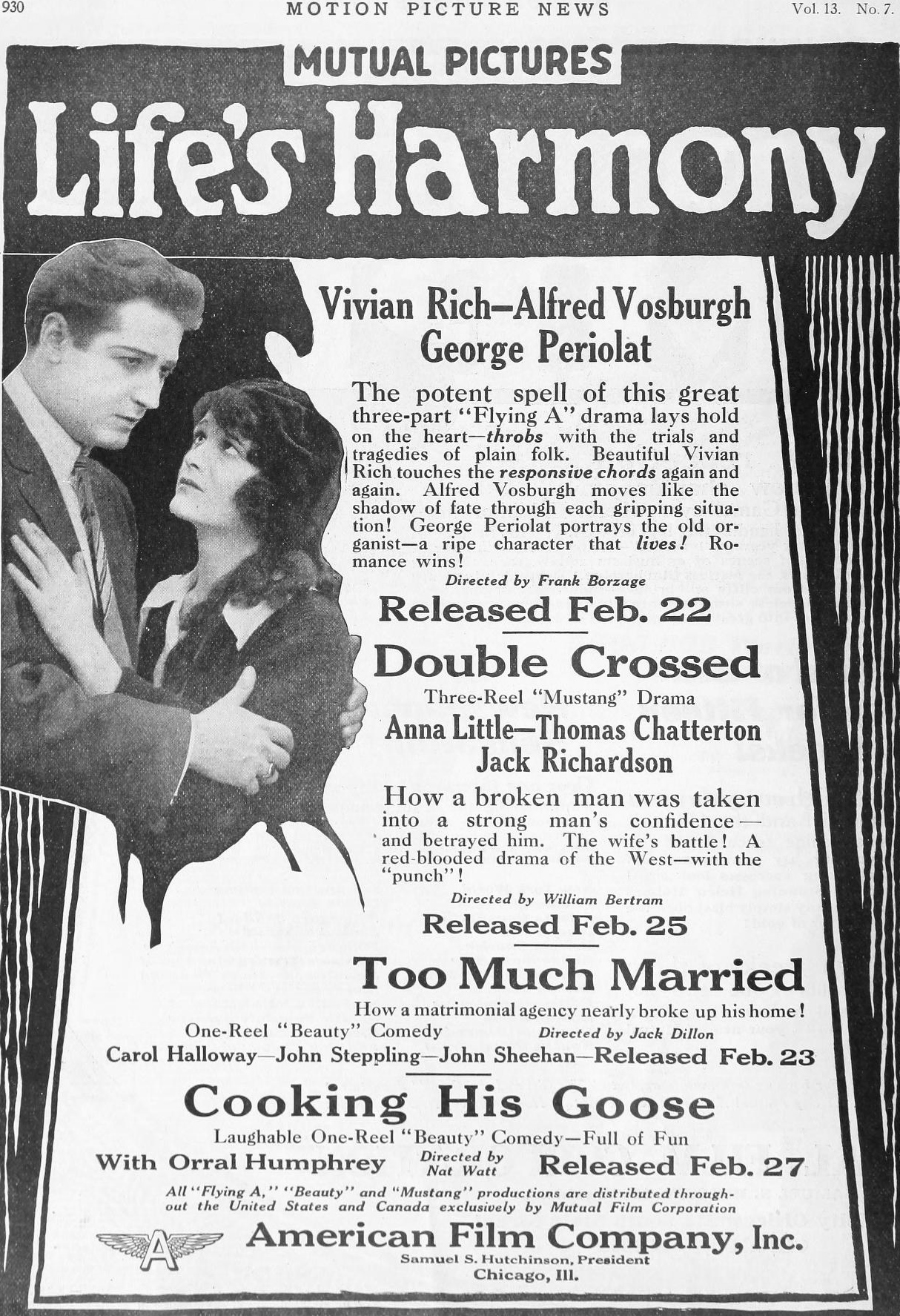
Dir: Frank Borzage
Josiah Pringle, a benevolent old musician, who ekes out his livelihood by giving music lessons, after playing the organ for twenty years in the church of a little New England hamlet, must make way for a younger man, Gordon Howard, who comes from Boston. Faith Pringle, adopted by Josiah and his aged sister, Letitia, is leader of the choir, and when Pringle is replaced, she refuses to sing, but relents at Pringle's gentle insistence. When the new organist appears, Pringle's pupils leave him for the younger man, but he feels no resentment against Howard and compliments him on his playing. A young ruffian attacks Faith, but Howard rescues her and Pringle, deeply appreciative, invites Howard to the house. For many years Pringle has been working upon an improvement in organs. He shows the model to Howard who discovers a point that has baffled the old musician for ten years. The young ruffian, seeking a way to revenge himself on Howard through Pringle, shows Pringle a newspaper bearing the picture of a young man, resembling Howard closely, sought as an embezzler, but Pringle, in his kindly way, says that if Howard has reformed, he will not be the first to persecute him. Pringle places his model in the hands of Howard, to obtain a patent. Howard writes that he has secured an advance of $20,000 royalties and they hear nothing further from him. As the weeks drag by and Pringle's small store of money is exhausted, he and his sister are forced to the decision that Faith must be returned to the orphanage whence she came. The day of her departure comes all too soon. At the last moment, Howard comes in and explains that after receiving the money he placed it in a safe for the time being. In passing a building in the course of construction, he was injured. At the hospital to which he was taken, no means of identification were found on him, and just as soon as he recovered his memory he returned to the Pringles. The cloud on his antecedents is cleared when he looks at the newspaper pictures and says "My brother, the poor fellow is dead now." Through Howard's influence, Pringle is reinstated as organist and the friendship between Faith and Howard quickly ripens into love.
Dir: Bruno Ziener
A fascinating piece of cinema that shares thematic elements.
View Details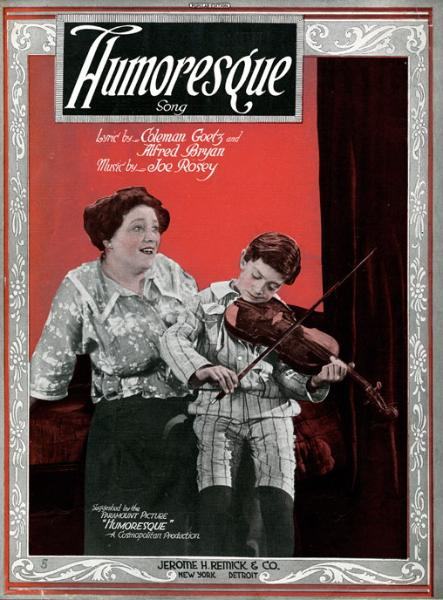
Dir: Frank Borzage
The matriarch of a poor Jewish family nurtures her talented son's dream of being a great violinist, but as an adult, global events call for him to postpone his dream.
View DetailsAnalysis relative to Street Angel
| Film Title | Atmosphere | Complexity | Similarity |
|---|---|---|---|
| Flying Colors | Gothic | Abstract | 86% Match |
| Prudence on Broadway | Gritty | Linear | 90% Match |
| The Gun Woman | Ethereal | Dense | 91% Match |
| The Curse of Iku | Surreal | High | 90% Match |
| Land o' Lizards | Ethereal | Abstract | 95% Match |
This guide was algorithmically generated using the cinematic metadata of Frank Borzage's archive. Last updated: 8/17/2026.
Back to Street Angel Details →