
DbcultAccessing Vault...
Recommendations
Senior Film Conservator
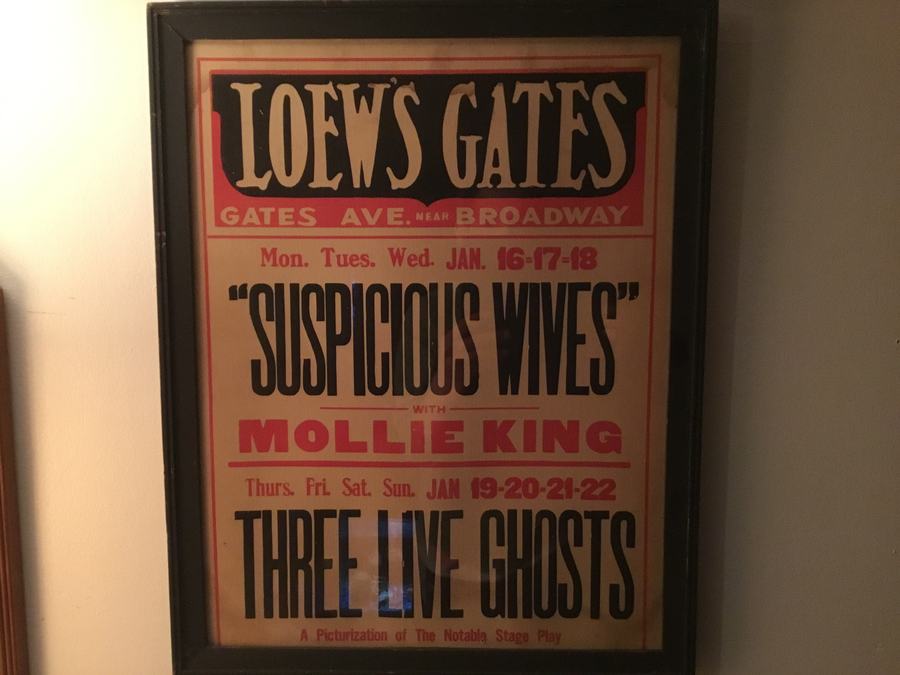
Since its 1921 debut, Suspicious Wives has maintained a emotional resonance status, the legacy of Suspicious Wives is a beacon for those seeking the unconventional. Our criteria for this list were simple: only the most emotional resonance and relevant titles.
The 1921 landscape was forever altered by the arrival of to sustain a sense of mystery that persists after the credits roll.
James Brunton's wife, Molly, believing she has found her husband to be unfaithful, leaves him without asking an explanation. The 'other woman,' however, is Brunton's sister-in-law, whom he is supporting. In his search for his wife Brunton is hurt and temporarily blinded in an automobile accident. He is carried to the very house in which his wife has secreted herself. She nurses him back to health without his recognizing her until, when his sight is restored, the sister-in-law appears on the scene, an explanation is made, and Brunton and his wife are reconciled.
Critics widely regard Suspicious Wives as a cult-favorite piece of Drama cinema. Its emotional resonance is frequently cited as its strongest asset, solidifying its place in United States's film legacy.
Based on the unique emotional resonance of Suspicious Wives, our vault has identified these titles as the most compelling follow-up experiences for fans of Drama cinema:
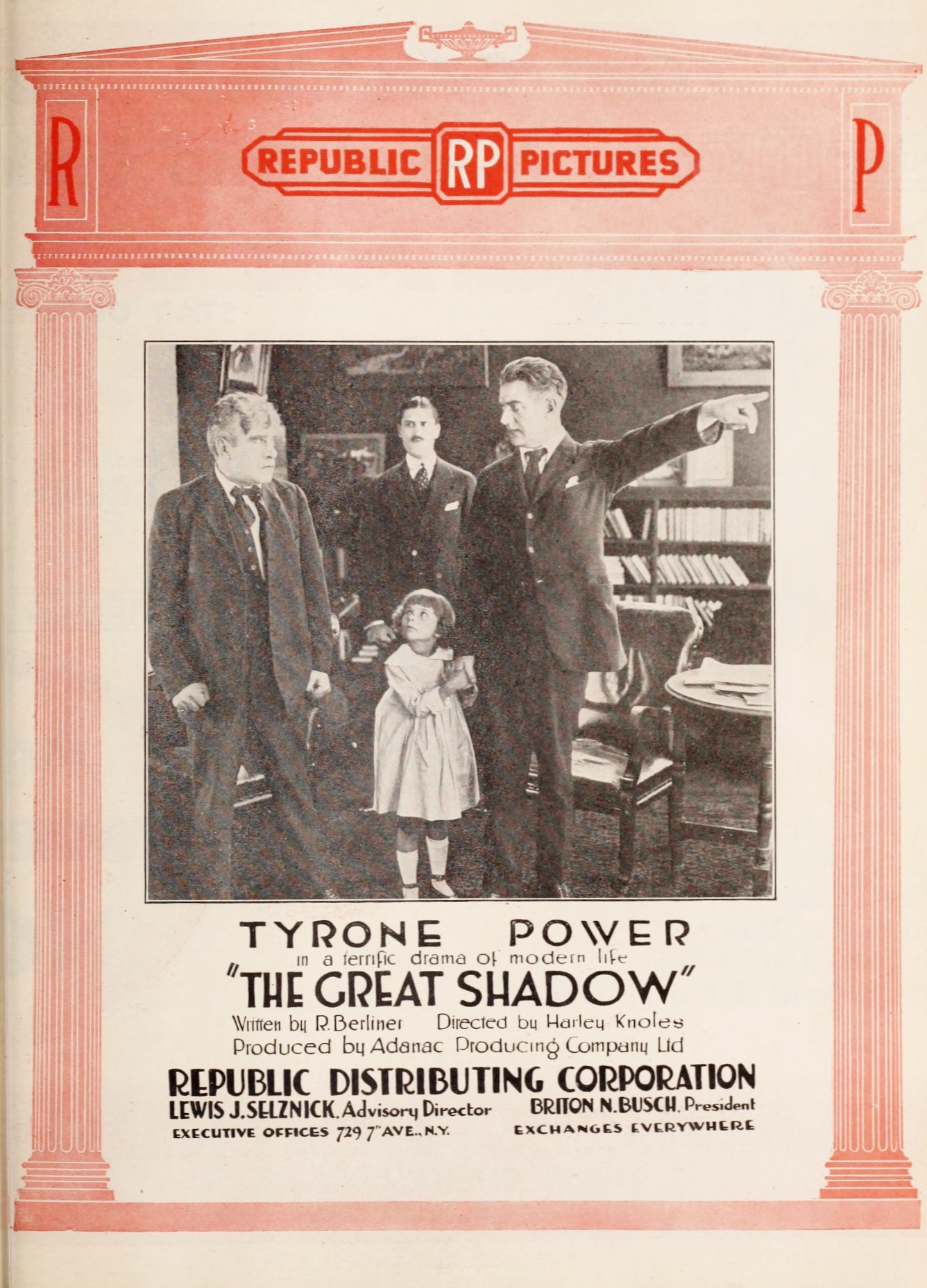
Dir: Harley Knoles
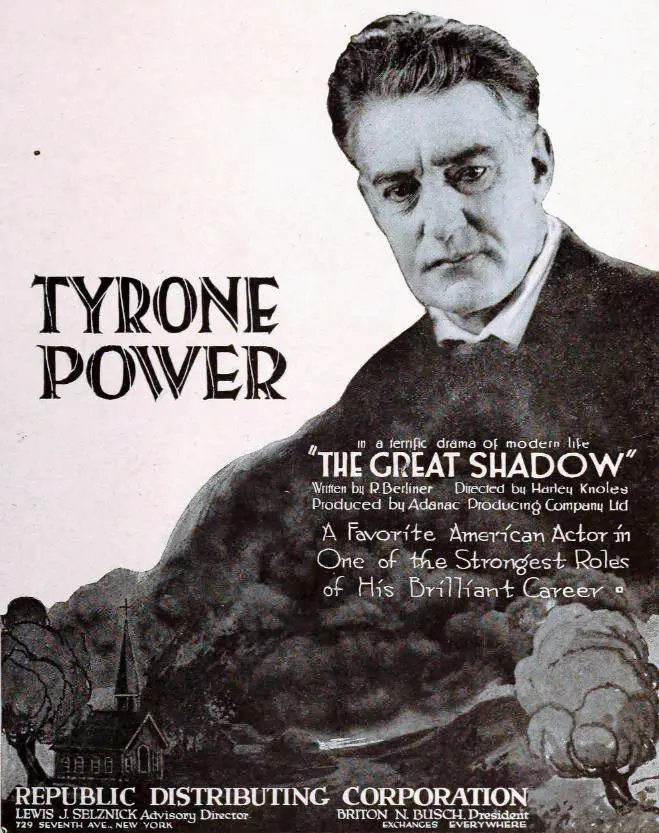
Jim McDonald, the foreman of a shipbuilding plant and head of the labor union, strives to combat the anarchistic propaganda being put forth by Klimoff, the leader of a Bolshevik gang whose goal is to disrupt the country with strikes and anarchy. Despite McDonald's efforts, a strike is called, resulting in chaos. McDonald's child is knocked down by runaway horses abandoned by their striking driver, and dies. Mob scenes take place in America, as well as in Russia. Eventually, the unrest is quelled with an armistice called between Capital and Labor for a year, during which time wages are to be increased to reflect the cost of living, and leaders are to work out a common plan for their mutual advantage. The strikers now realize that they have been pawns of the Bolsheviks and call off the strike, agreeing to the plan.
View Details
Dir: Frank Beal

During a raging Montana snowstorm, Doctor Jim Barnes collapses at Esther Anderson's cabin door. Esther offers Jim refuge, but when he discovers that their food supplies are running dangerously low, he braves the journey into town in order to replenish them. On the way, he is overcome with exhaustion and fails to return. Esther, unaware of Jim's condition and abused by her stepfather, joins a theatrical troop and leaves home. Time passes and Jim finally finds Esther, but a vindictive member of her troupe accuses her of having an affair with the manager and Jim believes the accusation. He leaves and Esther goes to New York City where she becomes engaged to a jealous artist, although she still loves Jim. Sam Tuttle, a long time friend, is aware of Esther's continuing love, and so brings Jim to New York City in time to save Esther from an unhappy marriage.
View Details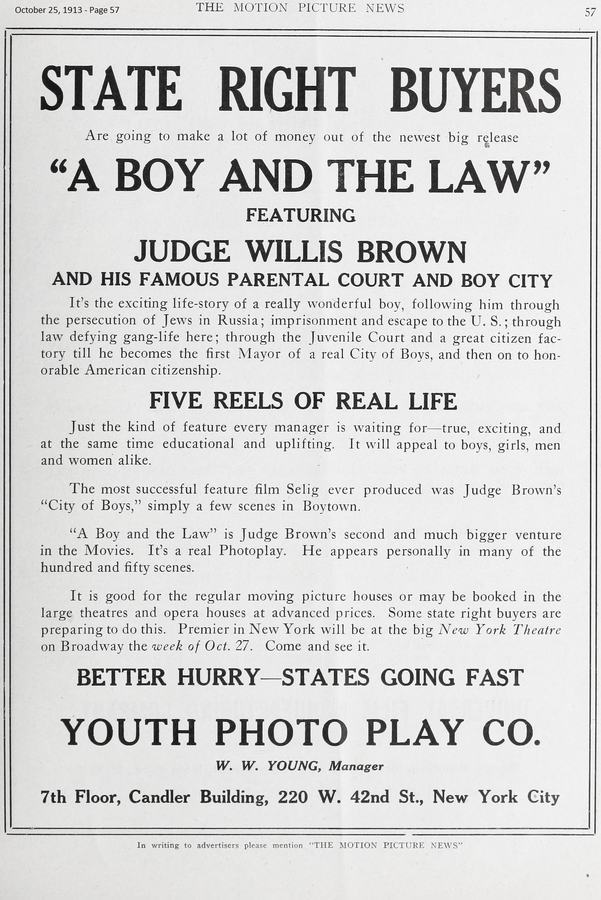
Dir: John M. Stahl
Around 1903, in czarist Russia, William ("Willie") Eckstein is at boarding school when he receives a letter from his mother describing how their prosperous Jewish family has been forced by government edict to pack up their belongings and move to a poor village. Willie joins the Eneckva, a secret Nihilist society that meets on the outskirts of town, and quickly becomes a leader because of his speaking ability. In the meantime, Cossacks kill Willie's father for defending a tavern waitress. At school, a teacher finds one of Willie's pamphlets and turns him in to local authorities, who ransack his room and throw Willie and two friends into jail. Other boys come to their rescue, however, and they escape down a cliff. Willie hurries home to his mother, to tell her he is fleeing Russia, and she gives him a peasant suit that will allow him to travel without being molested. He flees to America, where he claims he will "live free from the law." After reaching the United States, Willie makes his way to Salt Lake City, Utah, where his uncle owns a clothing store. He starts his new life as a newspaper boy, but becomes a hoodlum and ends up in the hands of truant officers. Summoned to the Parental Court of Judge Willis Brown, Willie at first defies the judge, but later realizes that Brown sincerely wishes to help him. Supported by local progressive women who see the need of moral education for wayward children rather than punishment in a reform school, Judge Brown is given an 800-acre farm for the purpose of building a community for juveniles. He chooses eighteen young felons, including Willie, and drives them to the farm to start building "Boy Town," and Willie is soon elected mayor. At Boy Town, the youths practice discipline and self-government, learning how to farm the land, deal with troublemakers, and earn a profitable living. Many of the boys grow into successful, law-abiding adults. Judge Brown sends Willie to an Eastern college, and then to a university in Missouri, where Willie studies agriculture. Finally, Judge Brown makes him the manager of a large private farm, and the young man becomes a U.S. citizen. He also sends his mother one of his regular letters with a money-order enclosed, along with a photograph of himself, and then dreams of her joy in receiving it. The judge comes in, presses Willie's hands, and assures the sleeping youth that his belief in a square game will help him prosper and be an example for other boys.
View Details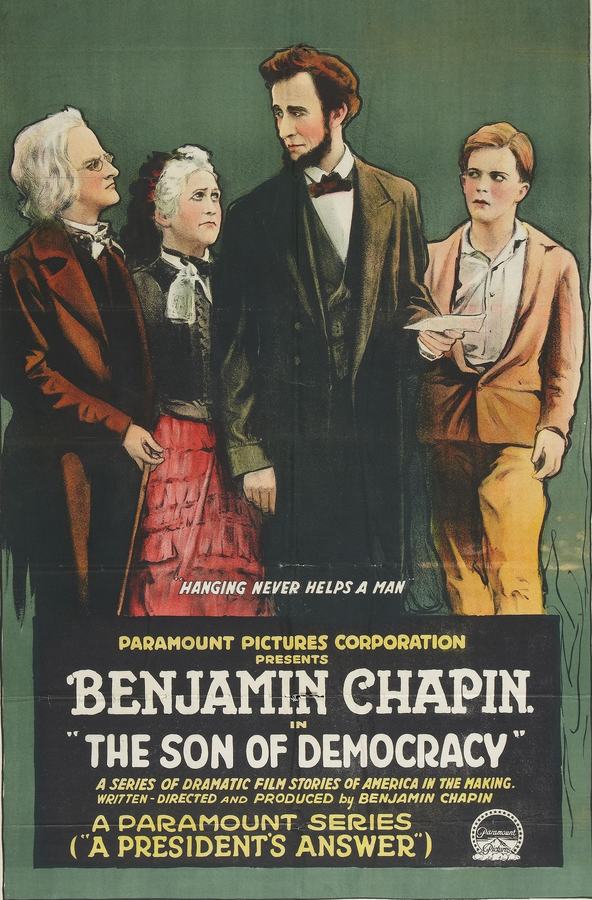
Dir: John M. Stahl
A fascinating piece of cinema that shares thematic elements.
View Details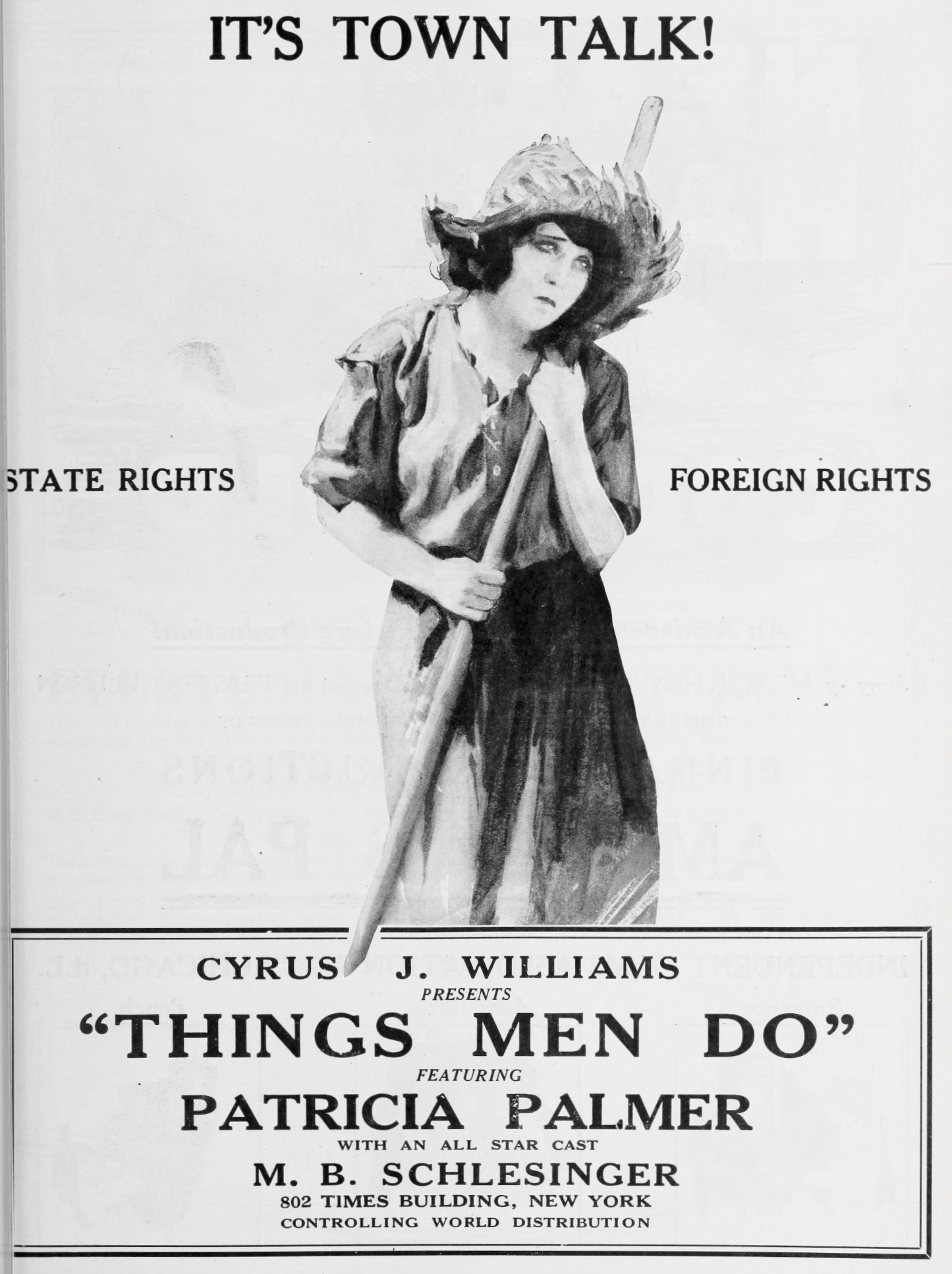
Dir: Robert N. Bradbury
A simple country girl, brutally mistreated by her stepfather, awakens first the sympathy, then the love, of The Boy. The Spider, who lusts after The Girl, makes a bargain with the stepfather and takes her to the city where, kept prisoner, she is soon broken in health and spirit. Cast out and near death, she is taken in by The Boy. Following the demise of The Spider, The Boy takes her to church, where he prays, and after many hours she is restored to health.
View Details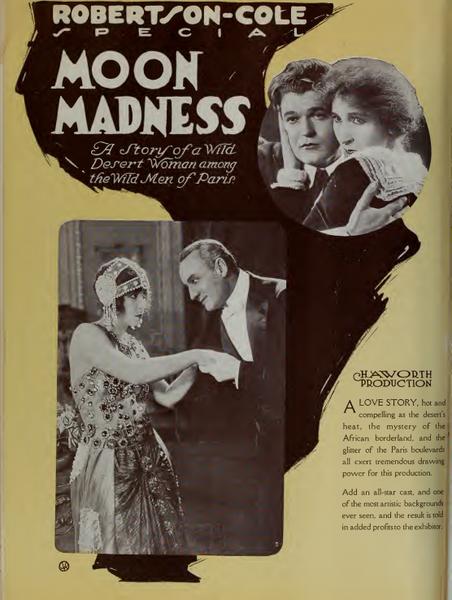
Dir: Colin Campbell
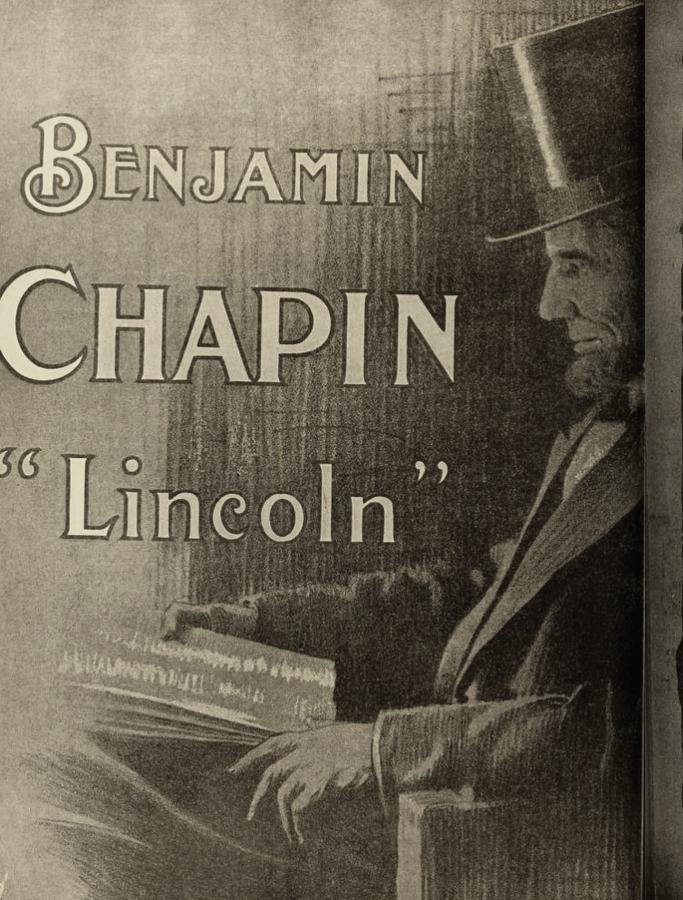
Zora, a girl of French origin, is raised by a wealthy Bedouin family after her mother Valerie dies while eloping with another man. Zora feels such great longing for the French artist Adrien that she accepts the offer of another artist, Raoul, to take her to Paris with the stipulation that if Adrien rejects her, she must give herself to him. Jan, the chieftain's son who is in love with Zora, follows the two to Paris. There Zora realizes that Adrien does not love her and discovers her real love for Jan. However, she feels bound to honor her pact with Raoul and is about to succumb to his advances when her father appears and recognizes Raoul as the man who destroyed his home years earlier. In the ensuing fight between the two men, Raoul is killed, thus freeing Zora to accept Jan's love.
View Details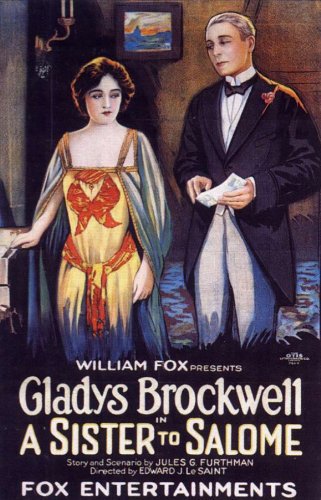
Dir: Edward LeSaint
When famous opera singer Elinore Duane undergoes an operation on her throat, she has a series of ether-induced visions. In one, she is transported to ancient Rome where she appears as a much-admired woman in love with Paul, a young heretic, and at odds with Lutor, the high priest. To save her love, she poisons Lutor with her ring. After several other visions which involve variations on this love triangle, Elinore awakens to discover that Lutor is actually her doctor, Sascha Jaccard, and that Paul is the son of a friend who has come to visit the recovering prima donna.
View Details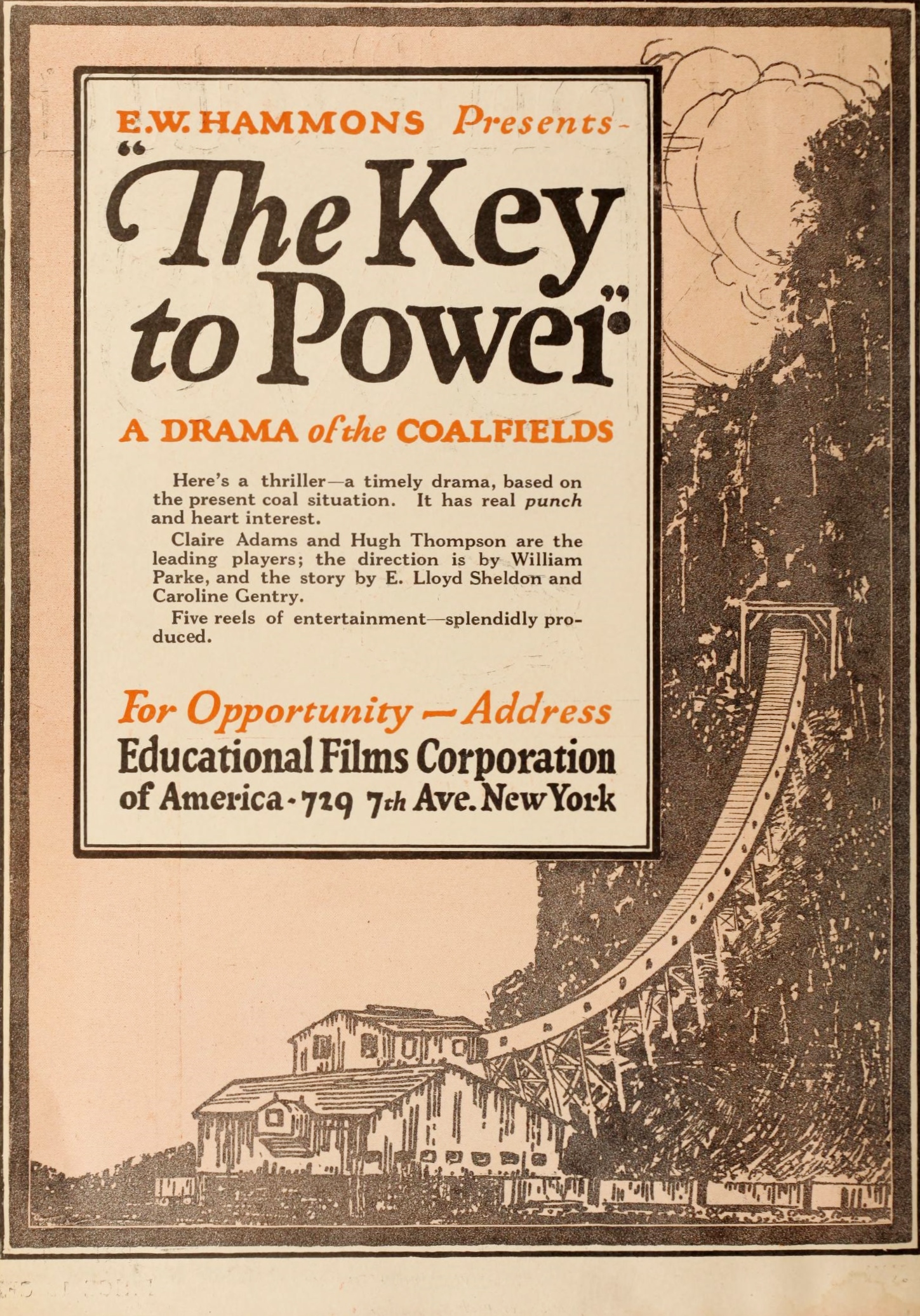
Dir: William Parke
Bruce Wendell, the son of West Virginia coal mine owner James Wendell, graduates from West Point and prepares to lead a fighting unit to the front during World War I. As his father lies dying, however, he convinces Bruce to remain at home and guard the mine. Bruce's fiancée Ann Blair assumes that he is a coward and breaks off their engagement, but her brother Bobbie remains Bruce's loyal friend. Meyer, a German agent, persuades railroad president Parrish to refuse to transport Wendell's coal, but when Bruce adamantly refuses to close the mine, the spy's men decide to blow it up. While Ann is being abducted by Meyer, Bobbie is buried in an explosion at the mine. Bruce rescues Bobbie and then sends a plea to Lieutenant Parrish to rescue Ann. Meyer and his gang are captured and Ann renews her vow of love to Bruce.
View Details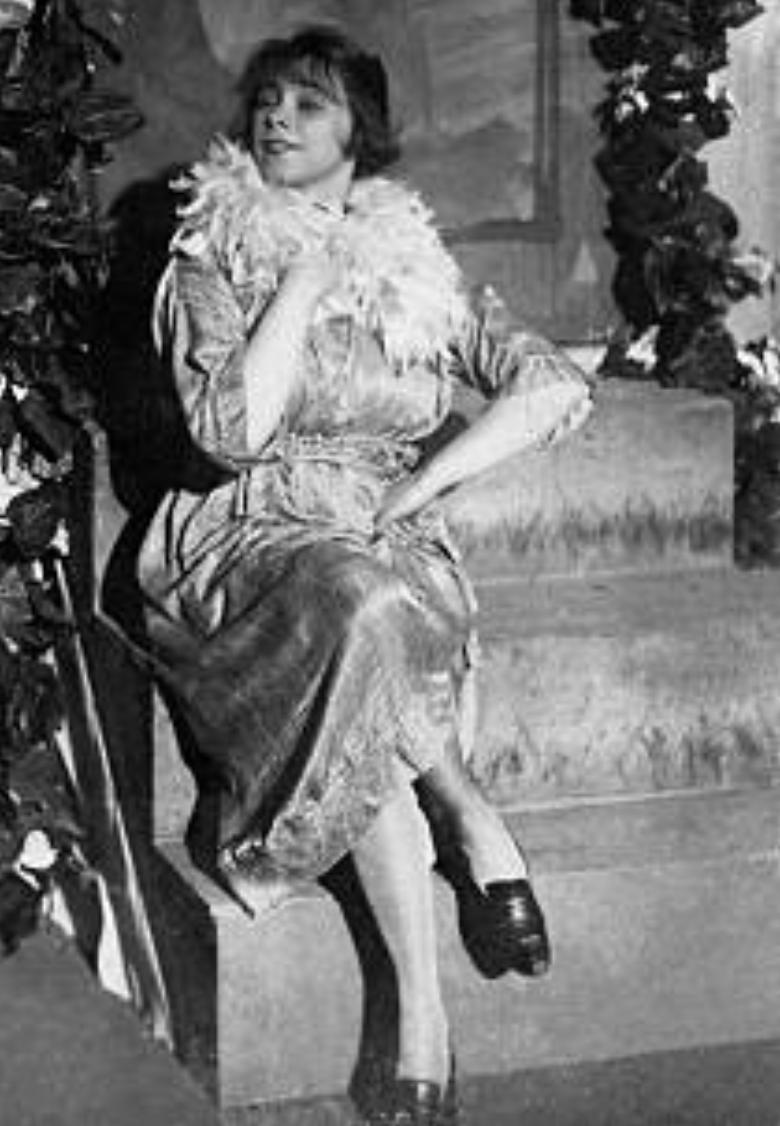
Dir: Bruno Ziener
A fascinating piece of cinema that shares thematic elements.
View Details
Dir: Dallas M. Fitzgerald
Confidence artist Flossie Golden attempts to fleece foolish but wealthy James Venable with a breach-of-promise suit. Venable's shrewd attorney, Richard Harding, outwits Flossie by proposing that she marry Venable and live on an allowance of $3,000 per year. Flossie is determined to get even with Harding for ruining her plans. In an attempt to con him, she poses as Innocence Page, but falls in love and marries him instead. Larry, Flossie's former accomplice, endeavors to blackmail her with her errant past, but Harding is already cognizant of the facts and Larry fails.
View DetailsAnalysis relative to Suspicious Wives
| Film Title | Atmosphere | Complexity | Similarity |
|---|---|---|---|
| The Great Shadow | Gothic | High | 94% Match |
| The Devil's Riddle | Ethereal | Dense | 86% Match |
| A Boy and the Law | Ethereal | Dense | 93% Match |
| The Son of Democracy | Gritty | Dense | 94% Match |
| Into the Light | Gothic | Abstract | 89% Match |
This guide was algorithmically generated using the cinematic metadata of John M. Stahl's archive. Last updated: 8/17/2026.
Back to Suspicious Wives Details →