
DbcultAccessing Vault...
Recommendations
Senior Film Conservator
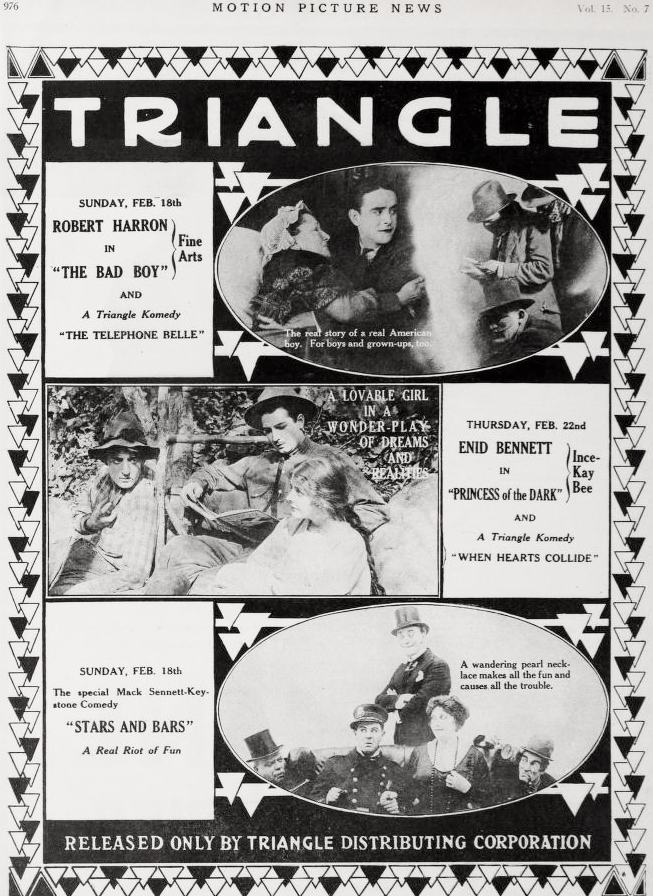
Delving into the atmospheric depths of The Bad Boy reveals a master at work, the visual language established by Chester Withey is something many try to emulate. From hidden underground hits to established classics, these are our top picks.
The enduring power of The Bad Boy lies in to synthesize diverse influences into a singular artistic statement.
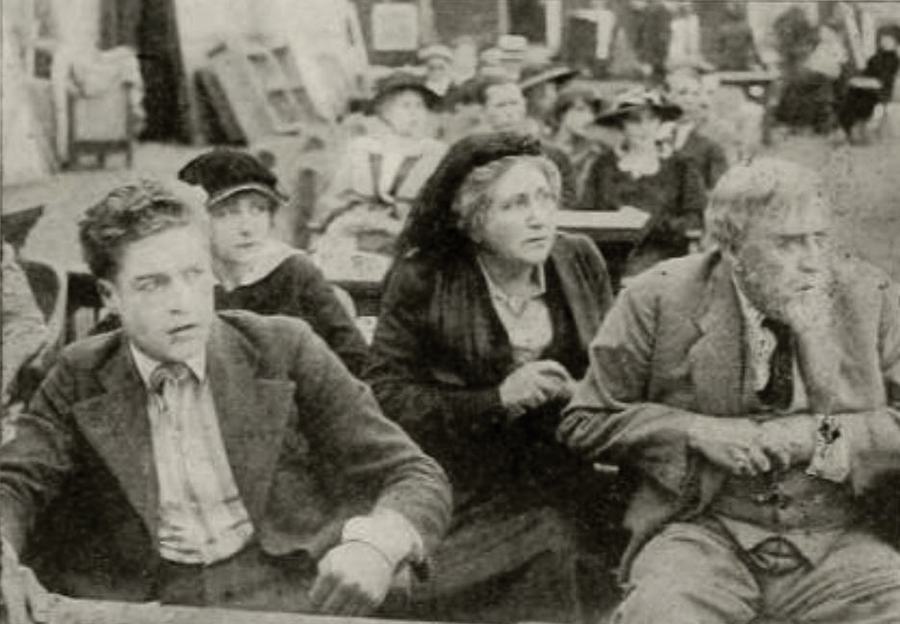
Jim is the leader of the "Slouchy Seven," a gang of small town boys. He takes the gang for a swim in the reservoir, and is reported to his father, who, as a punishment, locks him in his room. Jim, however, escapes and goes to the assistance of Clarence, a "nice" boy, who is vainly trying to secure an apple for his sweetheart, Mary. Mary is won by the prowess of Jim, but he is indifferent to girls. Clarence and Mary go for a walk and Tom, the blacksmith's boy, pushes Clarence aside and takes his place beside Mary. Jim goes to find the gang at the railroad station he meets a girl, who asks him the direction to Mr. Morton's, who, she says, is her uncle. Jim offers to take her bags and show her the house. The boys see him and have fun at his expense. He leaves the girl, whose name is Ruth, at the gate and goes to meet the gang. They have lost a member who moved away, and initiate Clarence, who proves to be a good sport. Unaware of the interest he has aroused in Mary's heart, Jim fights Tom, when he again interferes with Clarence and Mary, and is accused by Ruth of being "stuck" on Mary. This he stoutly denies. He calls on Ruth and her uncle tells her to dismiss him, that he is a bad boy. Jim then joins the gang in a prank on the schoolmaster, and as a punishment his father orders him to chop a pile of wood. Jim is rebellious and, taking his dog, leaves the house. He meets Mary and tells her he is going to the city. His dog deserts him and he falls in with a band of tramps. His mother places an ad in a local paper asking him to come home and Mary takes care of his dog. Later he comes back and is induced by the tramps to assist in robbing the bank, of which his father is vice-president. He dresses up and goes to secure the combination. Mary is impressed by his prosperous appearance, and when he hears his mother talking he almost gives up the idea of aiding the tramps, but his father's gruff remarks determine him to keep on. On going back to the tramps he sees his mother's ad in an old newspaper and refuses to help the hobos, but they take the paper with the combination away from him and bind him in a freight car. He escapes and hurries back to the town and tells the gang. They go to the bank, but are not in time to prevent the robbery, and the tramps escape with the loot. The loss ruins the bank, and although Jim is hailed as a hero his conscience troubles him. Finally he tells his father and is forgiven. The money is discovered in a woodpile, and the next day Jim carries Mary's books to school.
Critics widely regard The Bad Boy as a cult-favorite piece of cult cinema. Its cult status is frequently cited as its strongest asset, solidifying its place in United States's film legacy.
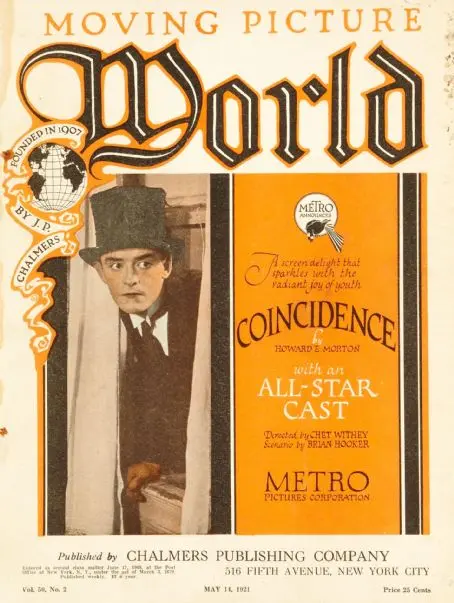
Based on the unique cult status of The Bad Boy, our vault has identified these titles as the most compelling follow-up experiences for fans of cult cinema:
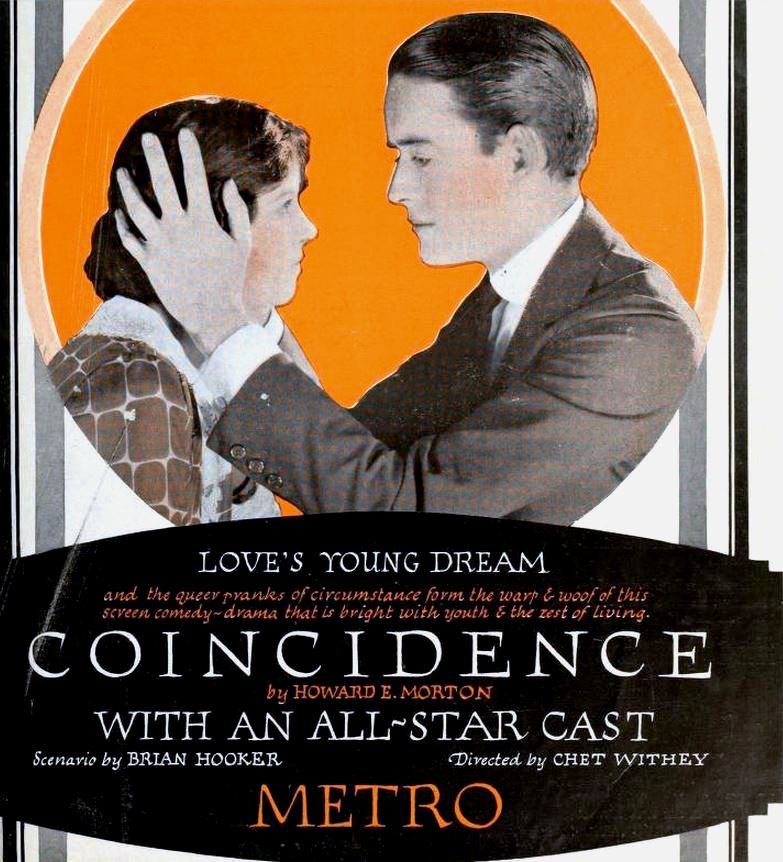
Dir: Chester Withey
Billy Jenks, a young bank clerk in a small town, goes to New York City in search of greater opportunity and becomes a cashier in a department store. When several dollar bills he is counting are blown out a window, he chases after them and, by coincidence, finds the money at the feet and on the hat of stenographer Phoebe Howard. They become so romantically overwhelmed that they neglect their jobs and are soon fired. Billy wires his aunt for money, but the next day, when he throws his alarm clock out the window, it hits, by coincidence, the head of a lawyer who has come to tell Billy that his aunt has died and left him $100,000 in thousand-dollar bills, which he duly presents to the stunned heir. When Billy gives Phoebe the news on a Fifth Avenue bus, con man "Handsome Harry" Brent overhears their conversation, introduces himself, and arranges to "help" them by investing the money the next day. However, Billy's money is stolen by John Carter, who is desperately in debt, and Billy, by coincidence, mistakes Stephen Fiske, Carter's creditor, for the thief. During a series of chases, notes and money are exchanged to the satisfaction of all parties, leaving Billy and Phoebe to get married.
View Details
Dir: Chester Withey
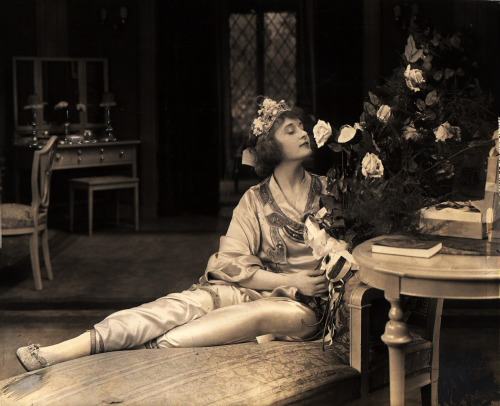
Polly, a young woman on the run from three unwanted suitors, checks into a hotel using an assumed name. This subterfuge leads a Secret Service agent to mistake her for a German spy, which in turn leads her to become unwittingly involved with real German spies.
View Details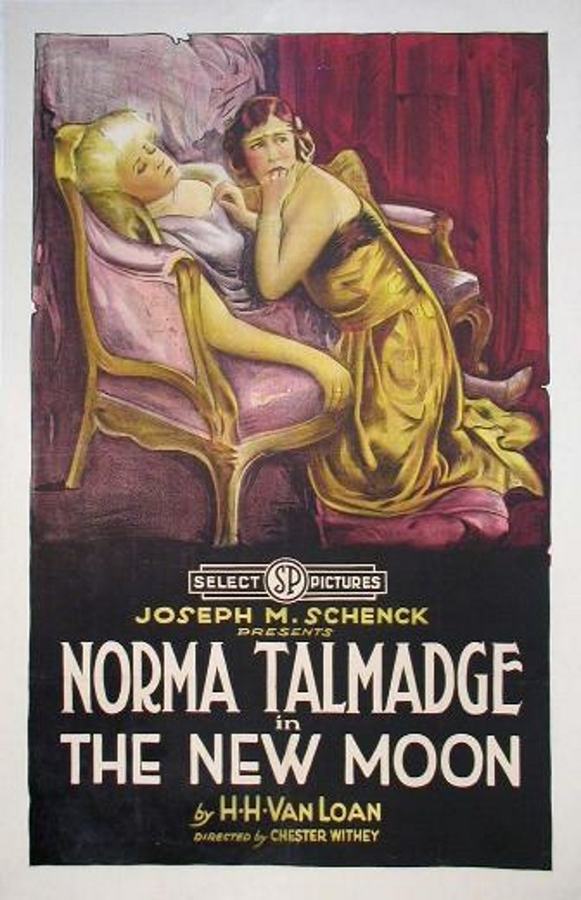
Dir: Chester Withey
When anarchist bombs disrupt the engagement ball of Princess Marie Pavlovna, her fiancé, Prince Michail Koloyar, helps her to escape in a carriage. Then Theo Kameneff, secretly in the pay of a foreign government, becomes dictator and, desiring the princess, issues an edict that all women between the ages of seventeen and thirty-two must register and become state property. Outraged, Marie, disguised as a shopkeeper, organizes women to refuse the order. After she is discovered by Orel Kosloff, Kameneff's henchman, Marie declines Kameneff's offer to repeal the edict if she will live with him. Kosloff then initiates mass brutality, killing women who do not register, including to Kameneff's dismay, his beloved sister, whom he tried to save. Meanwhile, Michail, who has infiltrated the Bolshevik ranks, is found out and narrowly escapes a firing squad. After he stops Kameneff's attack on Marie, Kameneff is shot by a potter, revenging his daughter's ravishment. Marie and Michail finally escape across the border.
View Details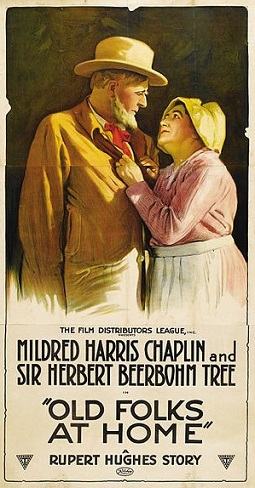
Dir: Chester Withey
Senator John Coburn's son Steve, who associates more with gamblers, criminals and drug addicts than with his father's congressional cronies, impulsively murders his mistress' new lover. The senator tries to use his influence to have Steve acquitted, but all of the evidence firmly and correctly implicates him, and so the jury prepares to find Steve guilty without much deliberation. Before the verdict can be announced, however, Steve's mother rises in court to make an impassioned plea for her son. As a result, moved by the mother's grief, the jurors choose to ignore all of the evidence, and declare that Steve is not guilty.
View Details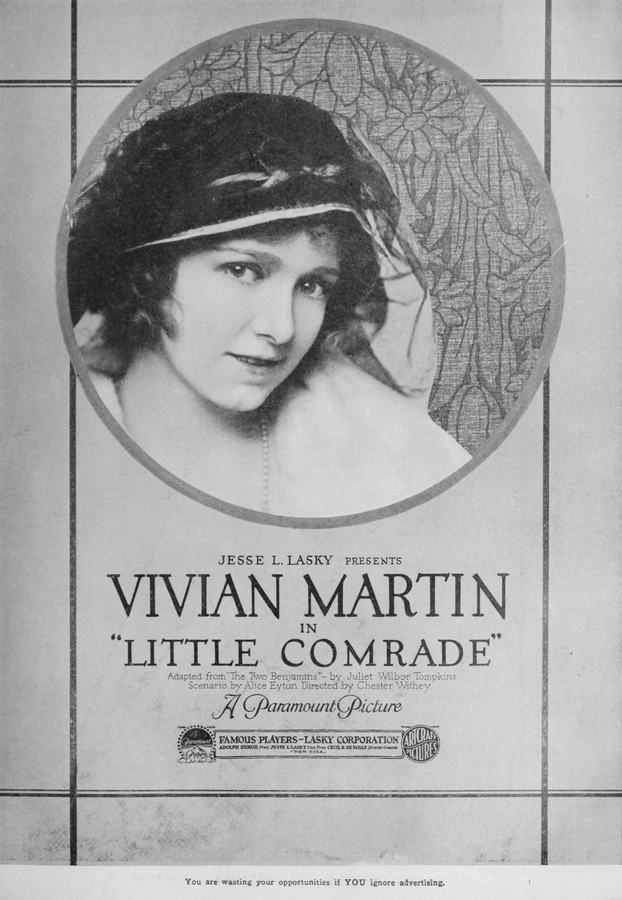
Dir: Chester Withey
Genevieve Rutherford Hale, a pampered youngest child, reads an advertisement for women to work on farms to increase food production during World War I. After having her modiste make silk overalls which Genevieve models on Russian ballet attire, she arrives at the Hubbard ranch in New York State with her chauffeur, maid, and pet dog, to be a "farmerette." While Genevieve finds the chores difficult and the other girls unfriendly, Bobbie, the youngest Hubbard, discovers officer training camp to be equally discouraging. Although he is tempted to desert, Bobbie only leaves for one night to see his home again. He finds Genevieve crying in a potato patch, and together they resolve to do their patriotic duty. When a prying neighbor, seeing them together, tells the Hubbards that Genevieve was with a soldier, Genevieve remains silent about Bobbie's identity, and is banished from the ranch. After Bobbie gets a furlough and explains matters, the Hubbards apologize to Genevieve. Bobby proposes, and they plan to marry when he returns from "over there."
View Details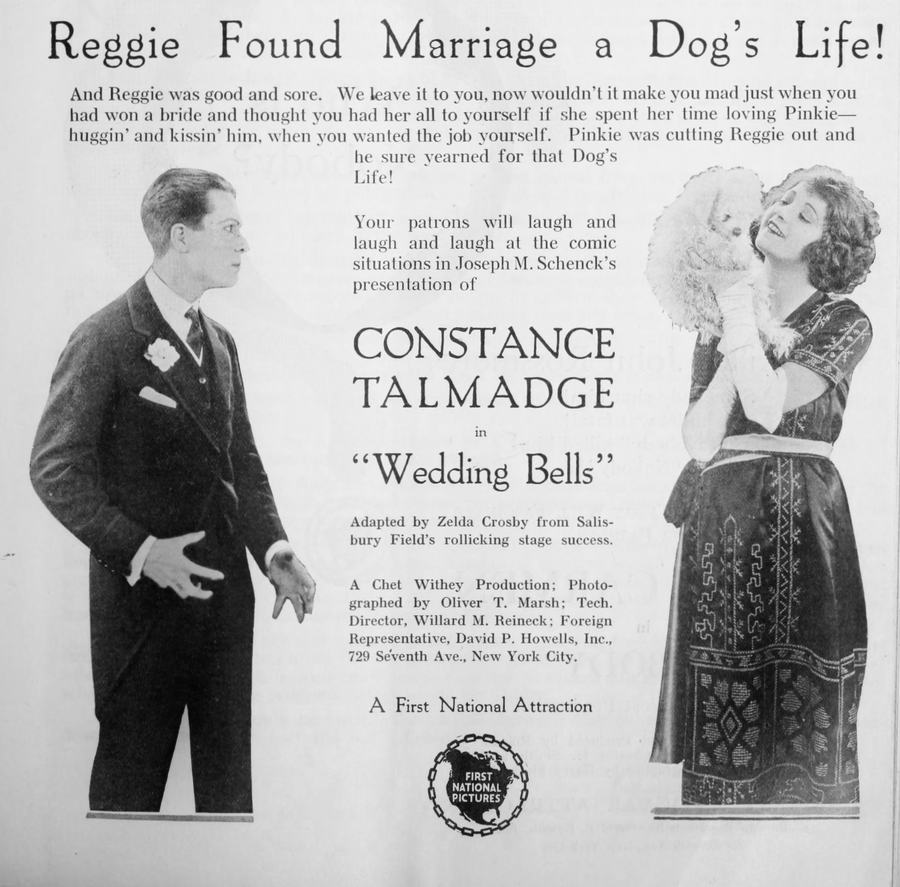
Dir: Chester Withey
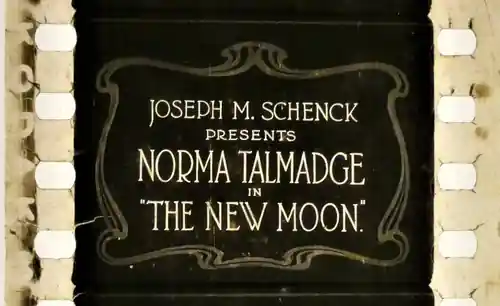
Rosalie and Reginald become acquainted while they are guests at a hotel in Palm Beach, Florida, and later they are married. Misunderstandings, aggravated by a case of measles, send the young wife to Reno, Nevada for a divorce. A year later she finds her ex-husband engaged to Marcia Hunter--a match promoted by Mrs. Hunter with an eye for Carter's wealth and social position. Regretting her hasty divorce, Rosalie almost succeeds in winning him back until the Hunters, a poet, and a rejected suitor interfere with her plan. Nevertheless, Rosalie stops the wedding by sending a note to the bishop, telling him that Reggie is divorced. Returning to Reggie, she becomes Mrs. Carter again.
View Details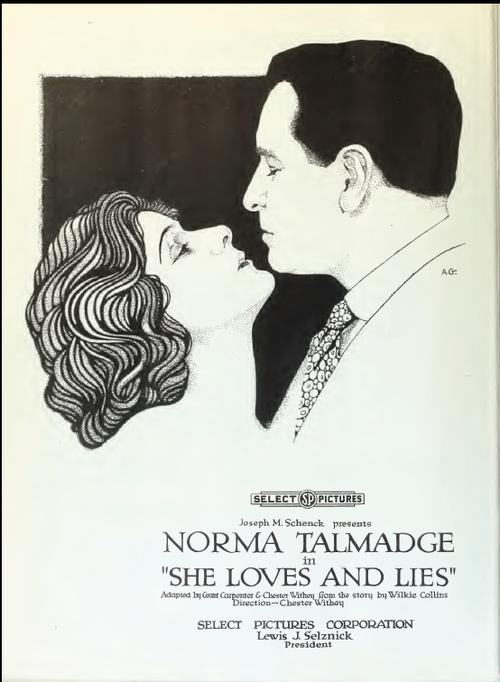
Dir: Chester Withey
When Marie Callender is left a fortune by a wealthy old admirer on the condition that she marry the man she loves, Marie targets Ernest Lismore but is too shy to ask him to marry her. Instead, Marie disguises herself as an elderly woman of considerable wealth and offers to bail Ernest out of his impending bankruptcy in exchange for marriage, with the understanding that if Ernest ever falls in love with another woman she will grant him a divorce. Then Marie disguises herself as June Dayne in order to make her husband fall in love with her. She succeeds, and when Ernest confesses his love for another woman, Marie discards her disguise and Ernest discovers that the woman with whom he is in love is his own wife.
View Details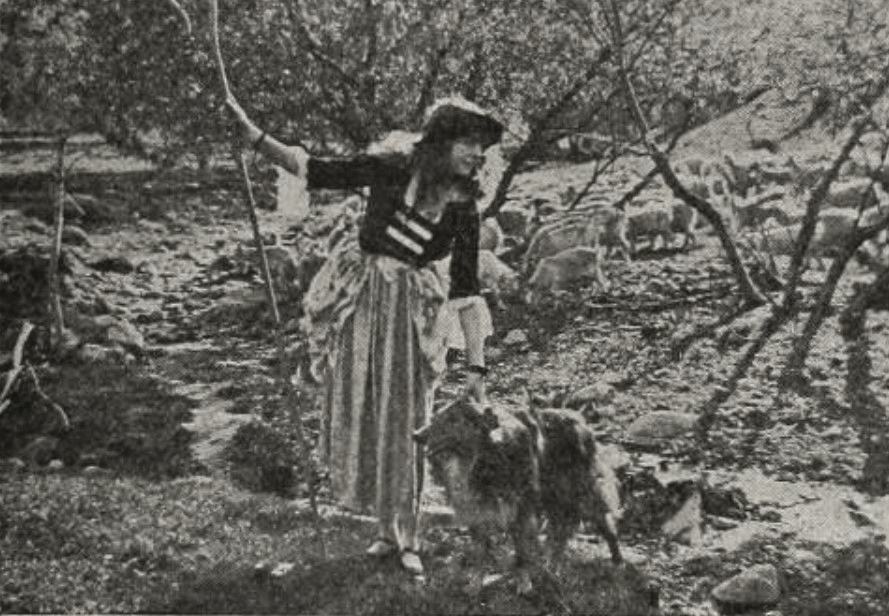
Dir: Chester Withey
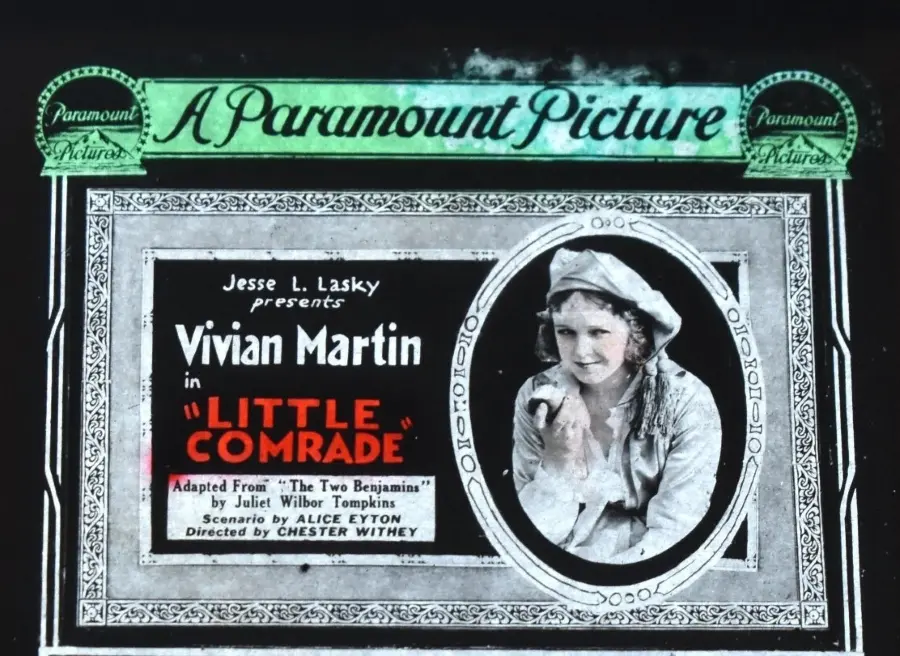
Society girl Octavia rejects her fiancé, Teddy Westlake, and marries the elderly Colonel Beaupree, a wealthy rancher. When the colonel dies, Octavia discovers that he has left her only the ranch out West. When she goes to Texas to claim her inheritance, she discovers that Westlake has become manager of the ranch. Unknown to Octavia, even the ranch does not belong to her, but Westlake keeps this, and the fact that he still loves her, secret until Jose' Alvarez, the cruel overseer, tries to take advantage of her. In the end, Octavia realizes her love for Teddy and chases after him until he admits his feelings for her.
View Details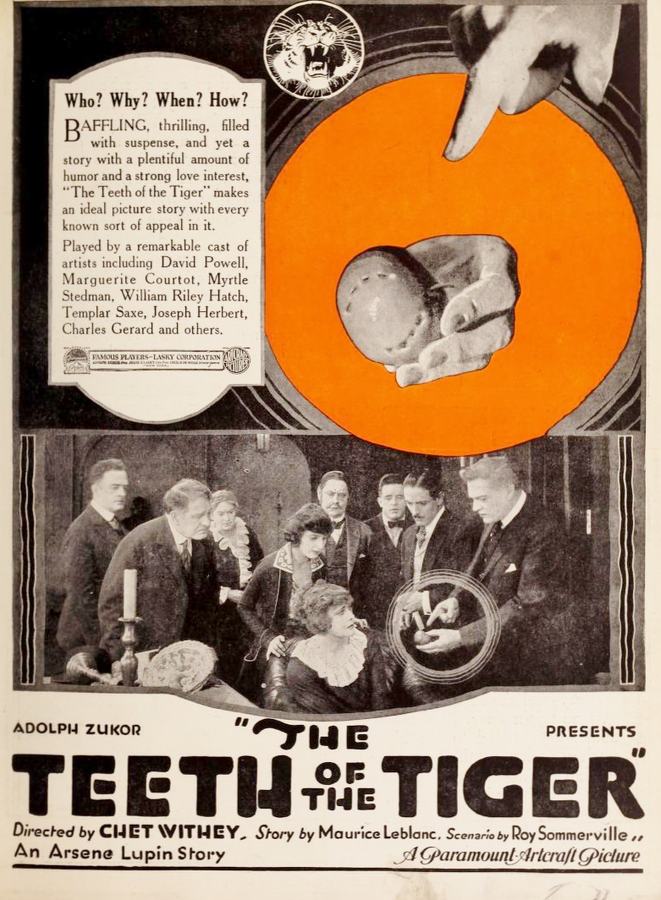
Dir: Chester Withey
Living quietly under the assumed name Paul Sernine, reformed gentleman crook Arsene Lupin is summoned to protect his invalid, wealthy friend Henry Forbes. Despite the watchfulness of Paul and Alexandre Mazeroux, a fellow criminal turned detective, Forbes is murdered. French detective Jabot and the New York detective force have many suspects including Paul, Marie Forbes, the dead man's widow who is suspected on the basis of an apple found with an imprint of her teeth on it, Gordon Savage, her lover, and Florence Chandler, Forbes' secretary and beneficiary under his will. After a series of traps, false arrests, chases through secret passageways, and an escape from handcuffs, Paul deduces that the true criminal is Doctor Varney, who cared for Forbes. Paul prevents Varney from blowing up the house, and at the same time wins the affections of Florence.
View Details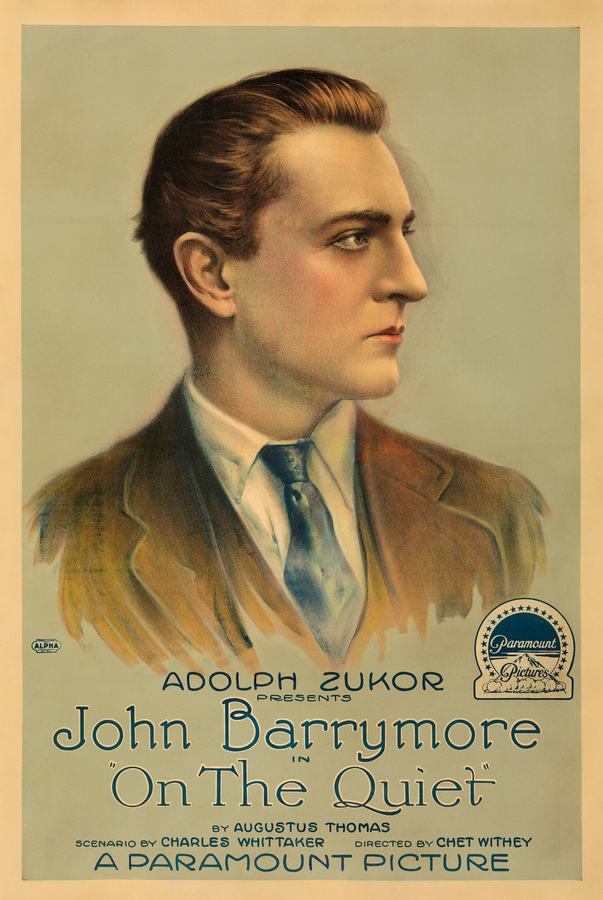
Dir: Chester Withey
A young couple gets married in secret because her family objects to the match. To escape the family, the couple goes into hiding.
View DetailsAnalysis relative to The Bad Boy
| Film Title | Atmosphere | Complexity | Similarity |
|---|---|---|---|
| Coincidence | Gothic | Dense | 90% Match |
| In Pursuit of Polly | Tense | Layered | 91% Match |
| The New Moon | Surreal | Dense | 86% Match |
| The Old Folks at Home | Tense | High | 97% Match |
| Little Comrade | Tense | Abstract | 90% Match |
This guide was algorithmically generated using the cinematic metadata of Chester Withey's archive. Last updated: 6/24/2026.
Back to The Bad Boy Details →