
DbcultAccessing Vault...
Recommendations
Senior Film Conservator
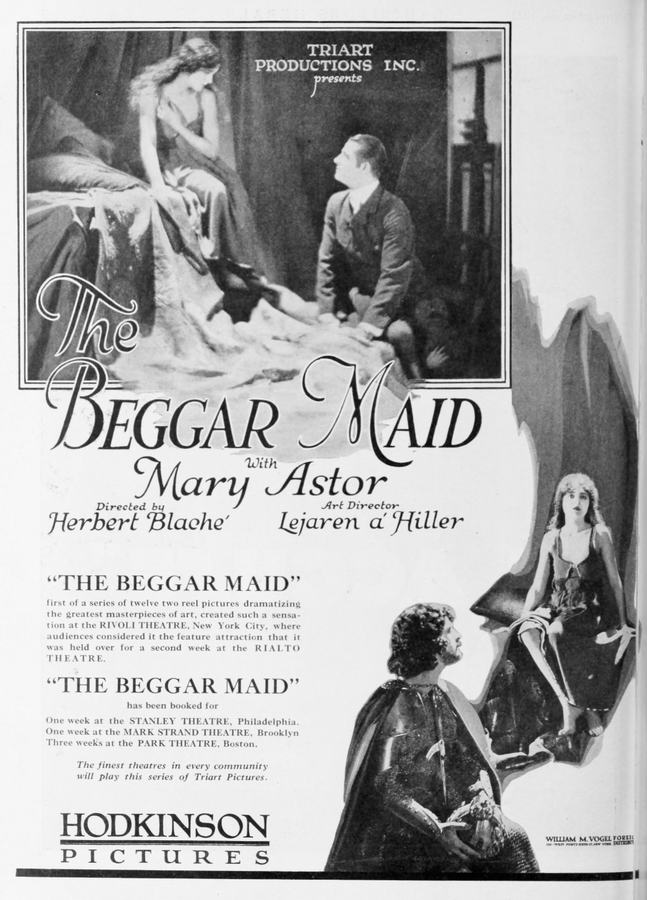
The evocative power of The Beggar Maid (1921) continues to haunt audiences with its character-driven intensity, its status as a United States icon makes it a perfect starting point for discovery. The following gems are essential viewing for anyone captivated by The Beggar Maid.
The visceral impact of The Beggar Maid (1921) stems from to serve as a cornerstone for Short enthusiasts worldwide.
The painter Burne-Jones and his famed painting "The Beggar Maid" are depicted in this speculative drama about the creation of the painting. Burne-Jones plays matchmaker for a young British nobleman who has fallen in love with a servant girl on his estate. The artist shows that love can thrive between members of different classes by depicting on canvas a picture from Tennyson's poem about the love of King Cophetua for a beggar maid. As he relates the story of the poem in words and through his painting, the young earl sees the application to his own situation.
Critics widely regard The Beggar Maid as a cult-favorite piece of Short cinema. Its character-driven intensity is frequently cited as its strongest asset, solidifying its place in United States's film legacy.

Based on the unique character-driven intensity of The Beggar Maid, our vault has identified these titles as the most compelling follow-up experiences for fans of Short cinema:
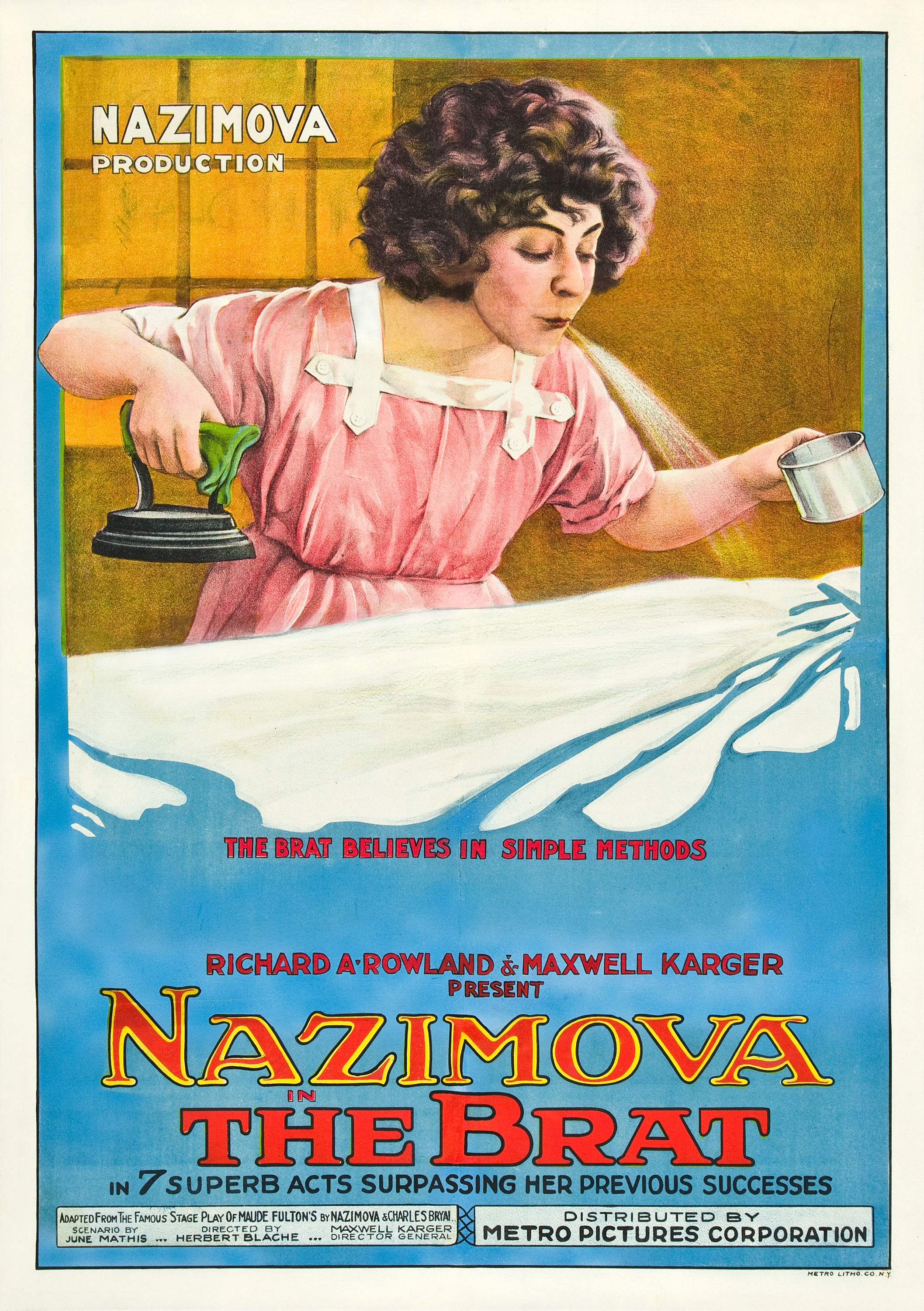
Dir: Herbert Blaché
An unkempt chorus girl is arrested on a minor charge. In court, she is spotted by a novelist who is looking for someone of her type on whom to model a character in a book he is writing. He takes her into his home where she is looked down upon by his snobbish family. But the girl brings something to the family unlike anything they have known before.
View Details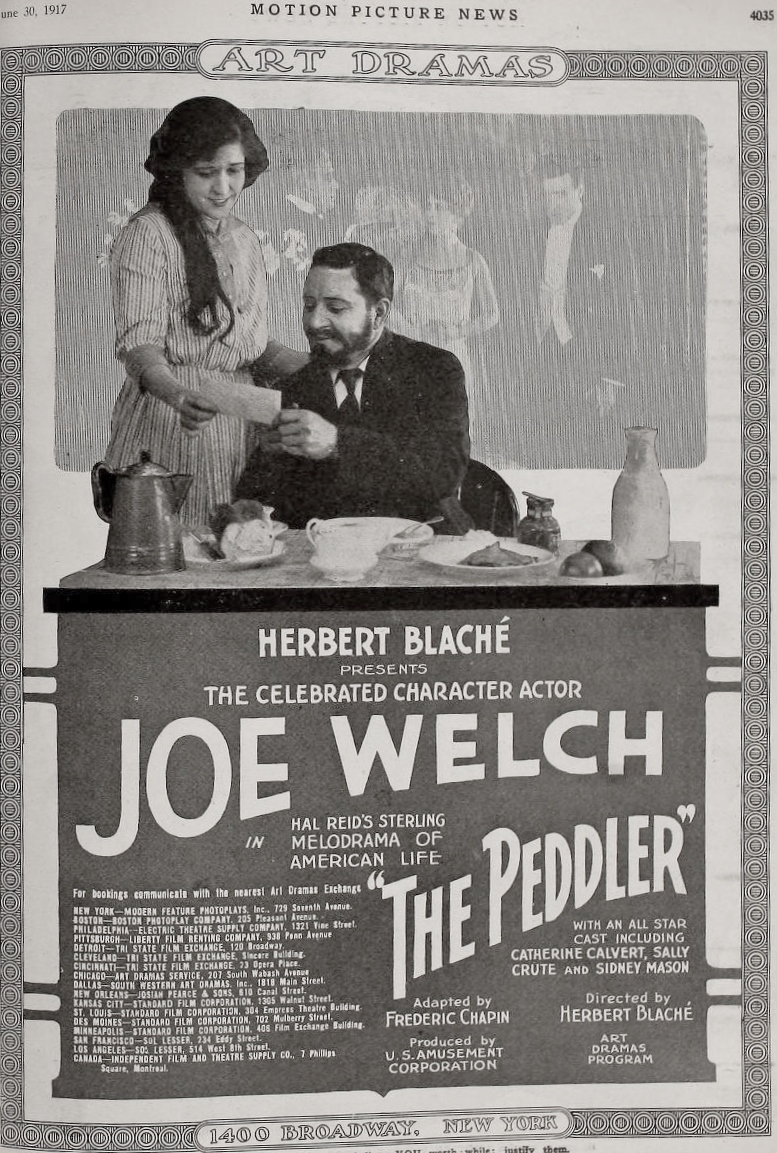
Dir: Herbert Blaché
Abraham Jacobs, an itinerant Jewish country peddler, saves his pennies until he can afford to open a small second-hand clothing store. Unfortunately, Abraham's son Sonny has not inherited his father's decent, hard working instincts, and when his mistress, Mrs. Morgan, is in need of money, Sammy robs Abraham's safe and then disappears. Time passes, and oil is discovered on a tract of land left to Abraham by his late wife. Although he can now afford to live in comfort with his adopted daughter Mary, Abraham still strongly feels the loss of his son. His life is finally made complete when Sammy returns repentant to marry Abraham's housekeeper Sarah, and the old peddler, his struggles now over, is able to spend the rest of his days surrounded by his family.
View Details
Dir: Herbert Blaché
Young Phyllis Shaw, tired of being poor, sets out to snag a rich husband. She meets a young artist named Jerry, who falls for her, but she rejects him because he's not rich. She then meets Kirke, who is exactly the type of man she's looking for, but with one problem--he won't marry her, but as his "kept woman" he will lavish her with money and gifts. What to do, what to do . . .
View Details
Dir: Herbert Blaché
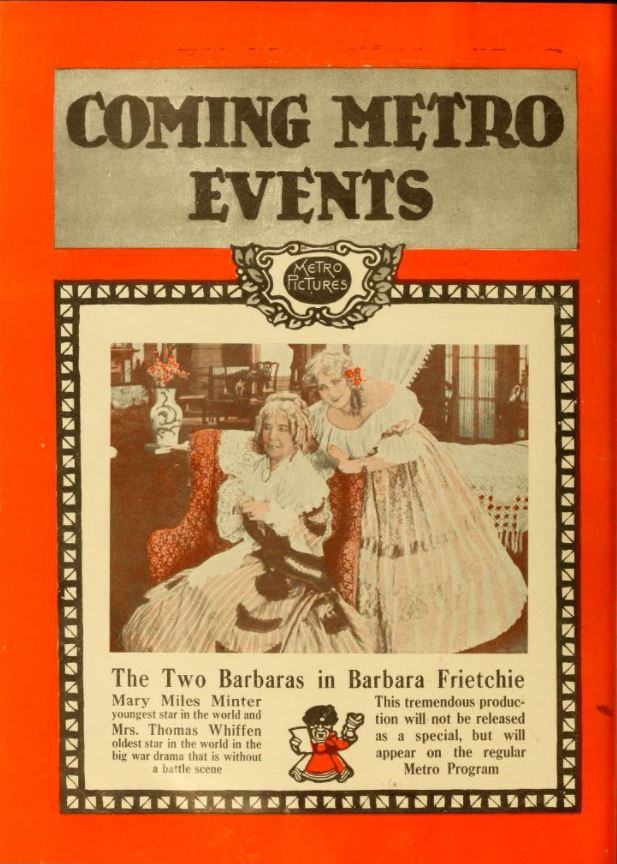
An old woman in Frederick, Maryland during the U.S. Civil War displays her American flag in defiance of the armies of Confederate general Thomas J. Jackson. Based on the folk tale that grew from the poem by John Greenleaf Whittier.
View Details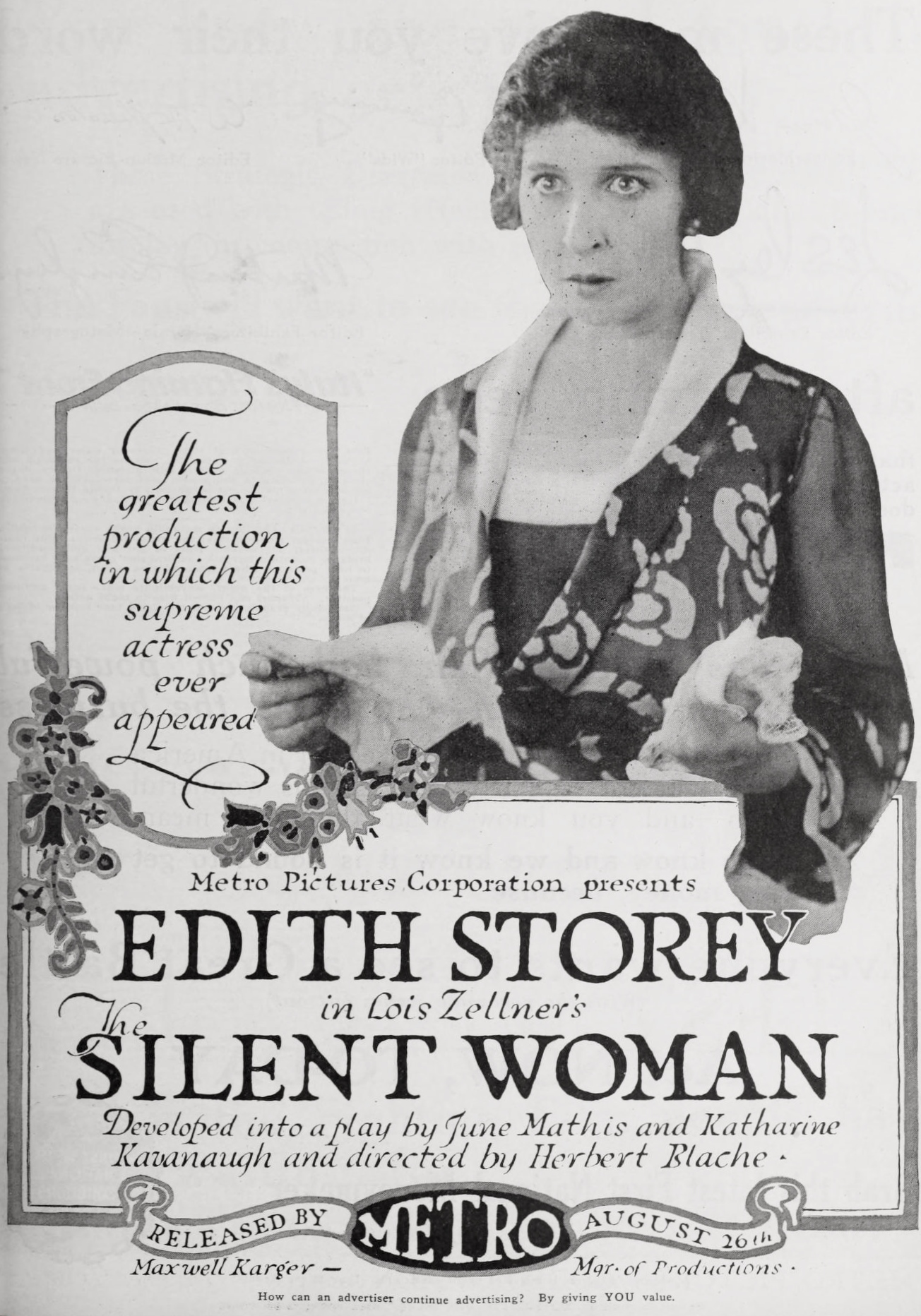
Dir: Herbert Blaché
When John Lowery, his wife Mary and their small son Billy journey to a Northern lumber camp to visit its owner, Clifford Beresford, Mary becomes infatuated with the lumberman and neglects her little boy. A Hudson Bay Company clerk named Nan McDonald, known as the "angel of the lumberjacks," forms such a strong attachment to the child that although he becomes seriously ill, Billy refuses to take his medicine unless Nan dispenses it. Watching over him late one night, Nan sees Mary steal from her room to keep a midnight appointment with Clifford, but when Mary falls down the stairs to her death, Nan maintains her silence for John's sake. Heartbroken, John asks Nan to return with him to the East as Billy's governess, but local gossips misinterpret her presence in John's house and he marries her. Informed that John still loves only his dead wife, the unhappy Nan allows Clifford to flirt with her, whereupon John learns the truth about Mary and opens his heart to the woman who really loves him.
View Details
Dir: Herbert Blaché
The invalid Count de Suchet, nearing death, tells his friend, artist Henri Dutray, about the tragic events of his early life. He secretly married a dancer, and after she gave birth to a daughter, his father convinced her that she was ruining her husband's life. She gave the baby to an old couple, and then killed herself. The grieving count now worries about his daughter. Meanwhile, Jeanne, an Apache dancer in Montmartre, refuses to be sold by her brother Jacques to an old rogue. After she escapes and hides in Henri's studio, Henri, because he needs money, plots with Jacques to make the count believe that Jeanne is his daughter. Although Jeanne rebels at first, she moves in with the count and grows to love him. After the count dies happily, Jacques robs the count's safe and finds a photograph of Jeanne's mother. The butler shoots him, but before he dies, he reveals that Jeanne really is the count's daughter. Jeanne then marries a boy from the adjoining estate.
View Details
Dir: Herbert Blaché
In a Virginia resort town in August 1918, Christopher Brent is viewed as a slacker because he refuses to enlist. Secretly, Christopher is observing German spies who are passing information about coastal fortifications for invasion preparations. Seeing Christopher consort with Mrs. Miriam Lee, also from the secret service, his fiancee Molly Preston, who had been bothered by the talk about him, becomes jealous. When Molly's brother Norman discovers a German code book in Mrs. Lee's possession, Christopher, who obtained the book when he destroyed the wireless of the chief spy, Carl Sanderson, who also loves Molly, is suspected of aiding the Germans. After Christopher saves a hotel when the spies ignite a bomb to signal a U-boat, captures a list of enemy spies, kills several spies, and with the help of a U.S. destroyer, sinks the U-boat, he is honored by the town. Molly then asks to be forgiven.
View Details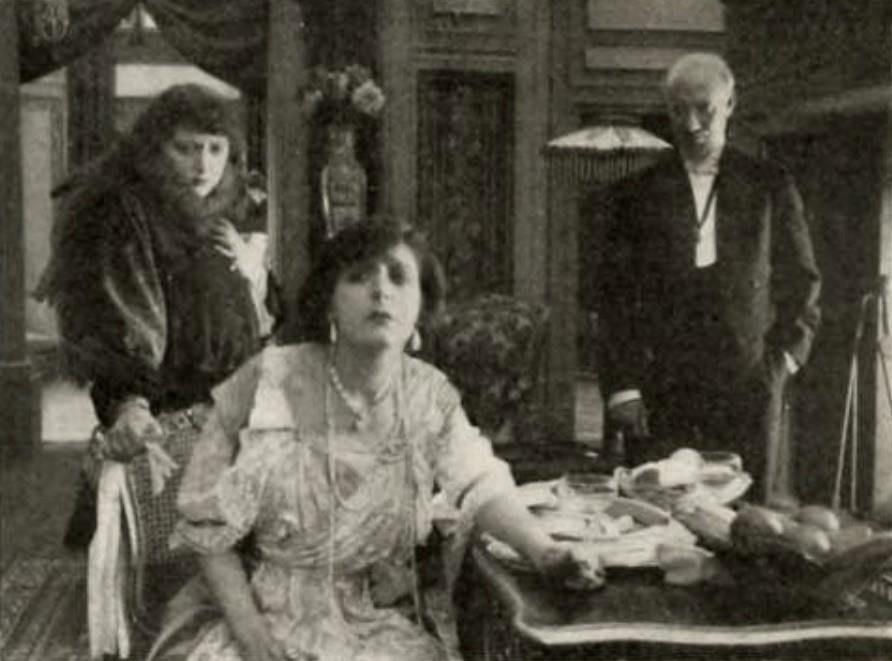
Dir: Herbert Blaché
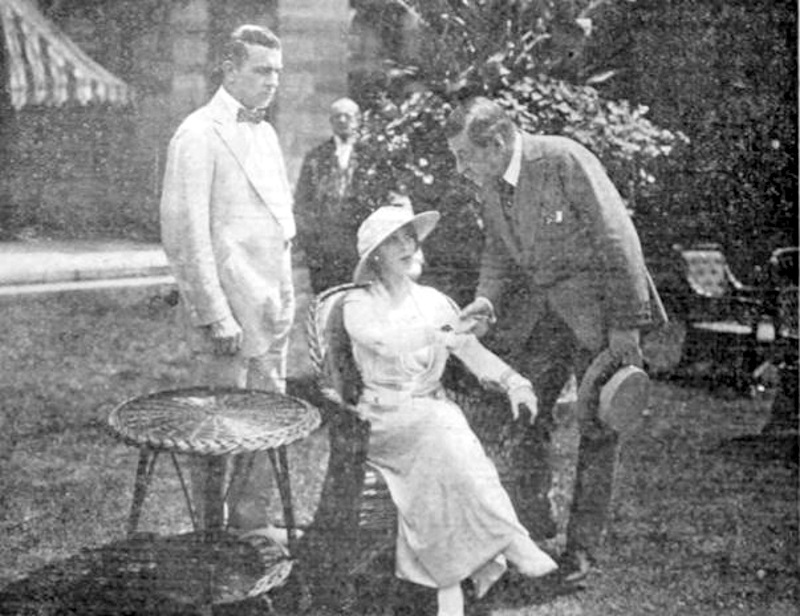
Georgiana Carley, the woman, and Richard Coleman, the man, have been friends since childhood, and have grown to love each other without having become aware of the fact. Sam Coast, a wealthy young man, formerly a rough miner, has also fallen in love with Georgiana, and is determined to let nothing stand in his path to obtain her for his wife. Georgiana is of wealthy family, and her brother, through money left him by his parents, has a considerable fortune. This brother, Steven Carley, is of a lovable but weak disposition, given to speculation, and Georgiana has great trouble in preventing him from losing his money. During the Philippine war many young men volunteer for service. Among them Dick Coleman, who obtains a lieutenant's commission, and he prepares to leave for the Philippines. Before leaving he realizes that he loves Georgiana, and decides to propose to her with the intention of marrying her on his return. Sam Coast is aware of the affection existing between Dick and Georgiana. and uses every effort to prevent them coming together. He has himself proposed to Georgiana and has been refused. When Dick calls upon Georgiana shortly before leaving for the Philippines with the intention of proposing, Sam breaks into the conversation and keeps the two young people apart, and finally informs Dick that he has proposed to Georgiana himself and has been accepted. This naturally upsets Dick very much and causes him to leave Georgiana without making any declaration. He acts in such a strange way that Georgiana cannot understand what is wrong with him. He finally leaves for the Philippines followed by an agent of Coast's who has also enlisted, and whom Coast has employed to prevent any correspondence passing between Dick and Georgiana while he is in the Philippines. Sam's next step is to accomplish the ruin of the Carley family. In order to force Georgiana into such a position that she must either accept him and his wealth, or suffer hardship and poverty. Georgiana, however, is obdurate, and in spite of the loss of her fortune and even her reputation, still keeps the family together. Through an ambush of Dick's regiment in the Philippines, Dick is believed to be dead, and Georgiana learns the news in the papers. She is again confronted by Coast, and the situation has become such that he has it in his power to dishonor her brother's name. To prevent this, she makes the final sacrifice of her own love for her family, and agrees to marry him. Dick Coleman, however, was not killed in the Philippines, but simply wounded and taken prisoner by the Filipinos. He escapes and unexpectedly arrives at the Carley home just in time to prevent the marriage.
View Details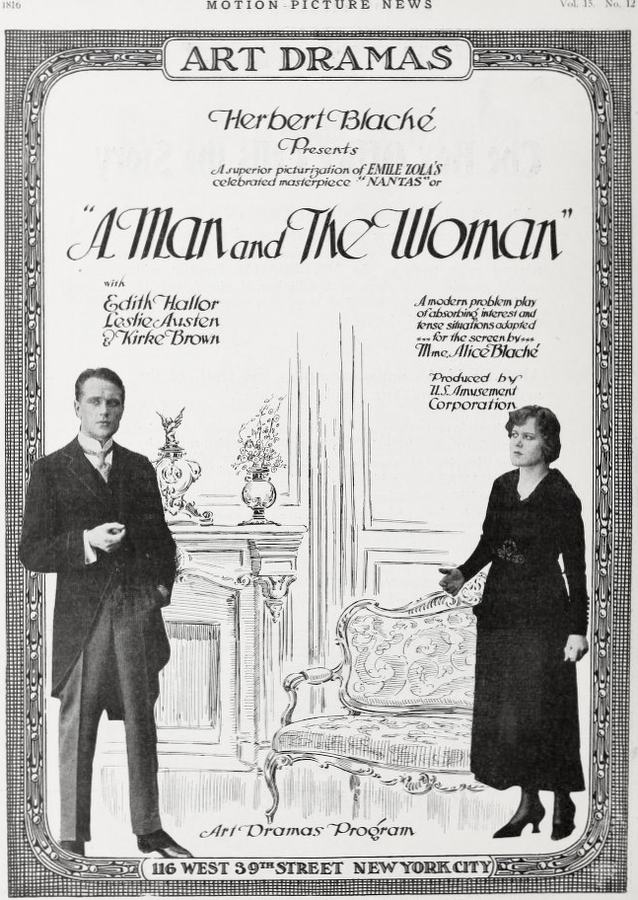
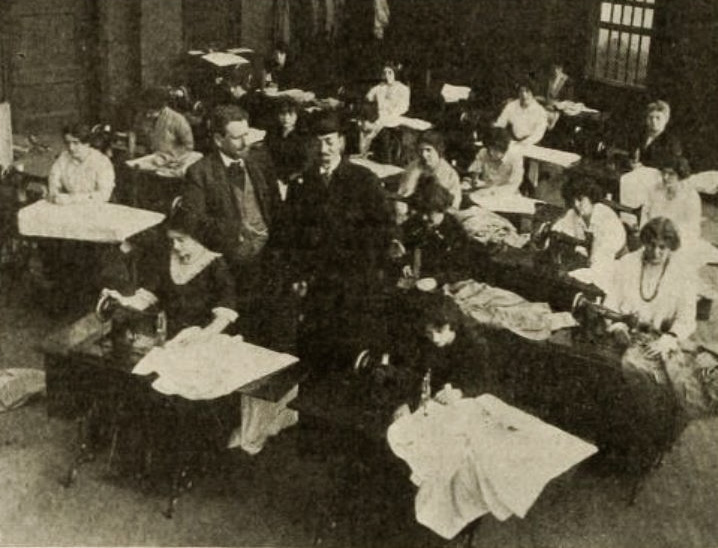
Dir: Herbert Blaché
Satan decides to ruin the innocence of ambitious Everygirl, who has a beautiful voice and wishes to pursue a career singing in opera. He thus assumes human form and follows her in order to make sure that she accepts his terms.
View DetailsAnalysis relative to The Beggar Maid
| Film Title | Atmosphere | Complexity | Similarity |
|---|---|---|---|
| The Brat | Gritty | Abstract | 95% Match |
| The Peddler | Gothic | Layered | 96% Match |
| The Auction of Virtue | Surreal | Dense | 91% Match |
| Barbara Frietchie | Ethereal | Abstract | 97% Match |
| The Silent Woman | Tense | Abstract | 90% Match |
This guide was algorithmically generated using the cinematic metadata of Herbert Blaché's archive. Last updated: 6/27/2026.
Back to The Beggar Maid Details →